Pesach Sheni, The Passover Israel Asked Into Law
Impure men who had carried the dead refused to lose Passover. Moses waited, God answered, and a second date entered Israel's calendar.
Table of Contents
The men came forward with dust on their sandals and a holy problem on their hands.
 Click for full size
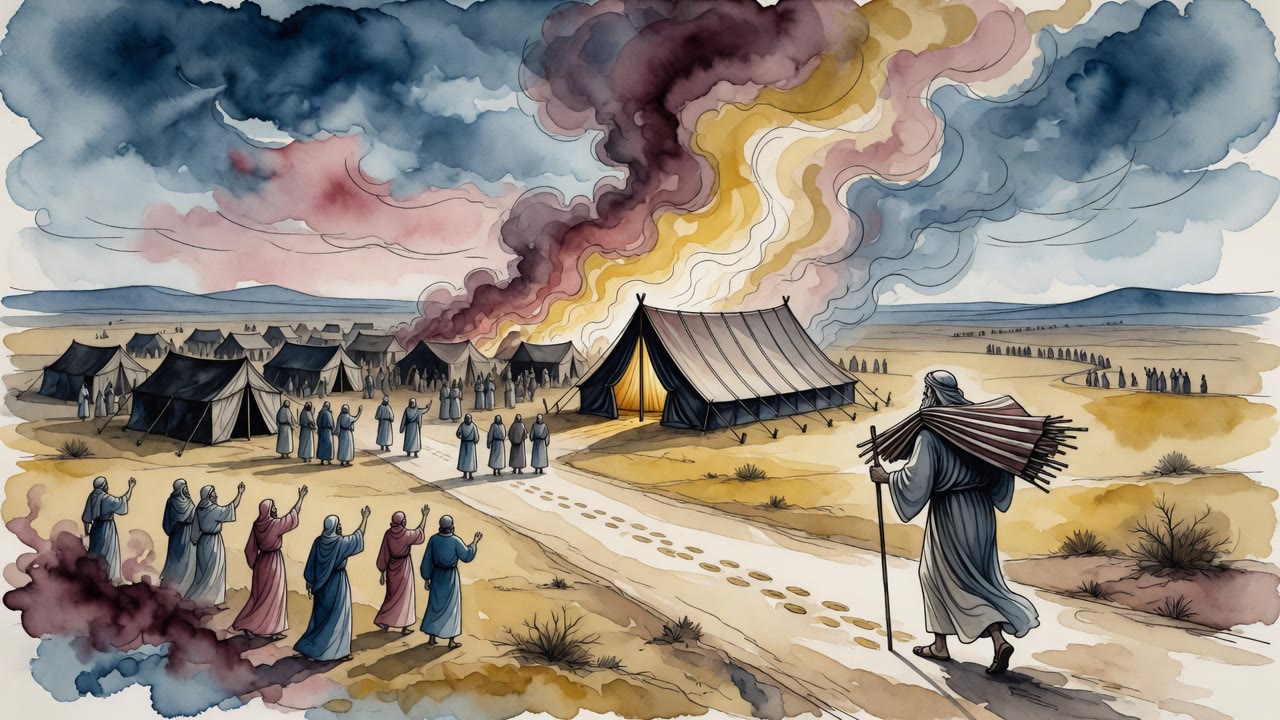
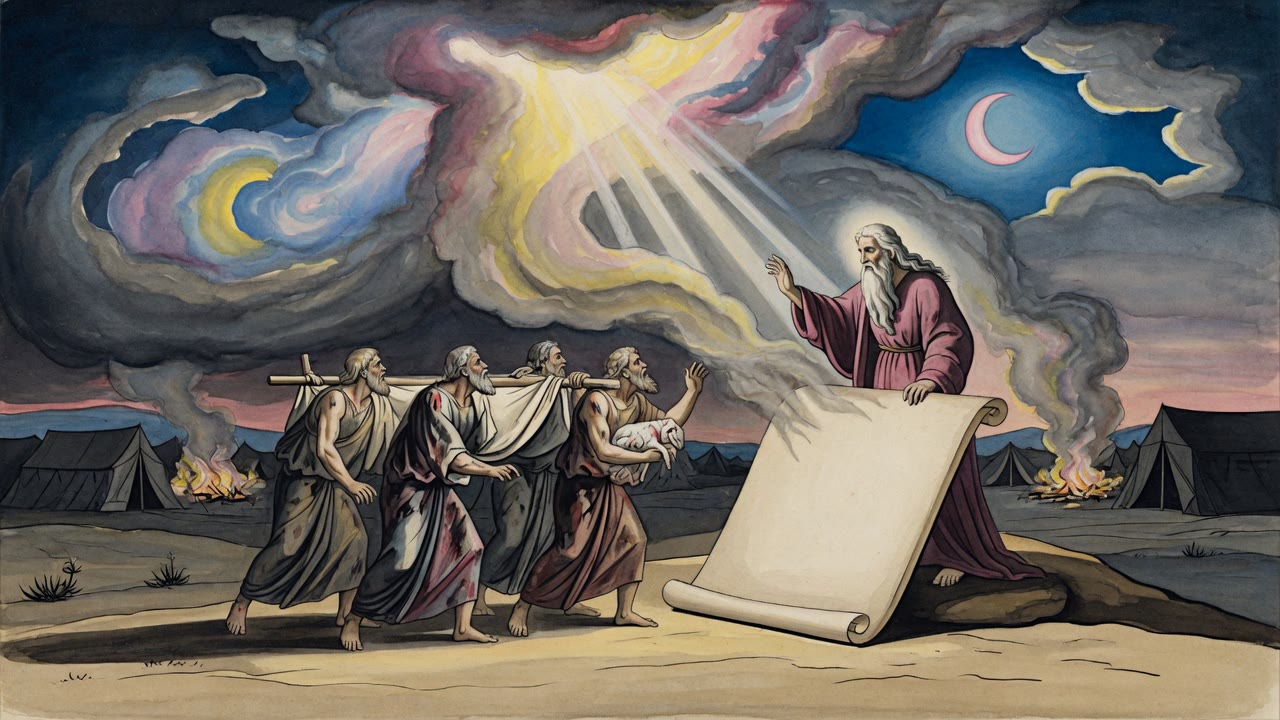
The camp was keeping Passover in the wilderness. Families had prepared lambs. The appointed day had arrived. At the edge of the order stood men who could not enter it, because death had touched them. They had done what Israel honors. They had carried a body, guarded a corpse, or lifted the dead when no one else could. Purity law closed the gate anyway.
They did not shout. They did not shrug and walk away. They brought the wound to Moses and Aaron.
The Men Who Refused Exclusion
Their question was sharp because it was clean. They had not rejected Passover. They wanted it. They had not wandered away from the camp. They were standing in front of its leaders, asking why a commandment should disappear from their hands because another commandment had already claimed them.
Israel had known exclusion in Egypt. Doorposts marked with blood had divided life from death. Now a different door stood before them, and these men would not let it close quietly. Why should they be diminished, they asked, while the children of Israel brought the offering to God at its time?
That word, diminished, carries the force of the whole scene. They were not asking for convenience. They were asking whether service of the dead could erase service of the living God.
Death Had Made Their Hands Holy
No one in the Torah names the men. Their burden has several faces in Israel's memory. It could have been Joseph's coffin on their shoulders, the bones carried out of Egypt because Joseph had made his brothers swear that Israel would not leave him behind. The men were walking with an old promise through the desert.
It could have been a harsher smoke. It could have been Mishael and Elzaphan, the kinsmen who carried Nadav and Avihu away after fire broke out from before God. They had gone into the place no one wanted to enter. They had lifted the bodies of priests from the edge of holiness.
It could have been a met mitzvah (a commandment), an abandoned dead person with no one else to tend him. No honor guard. No family line. Just a body on the road and men who stopped.
Each memory presses the same claim. Their impurity was not laziness. It was the cost of fidelity.
Moses Waited for the Word
Moses could have ruled quickly. He knew law. He knew danger. He knew that holy things and impurity do not mix without consequence. A lesser leader might have protected the calendar by protecting his certainty.
Instead, Moses stopped.
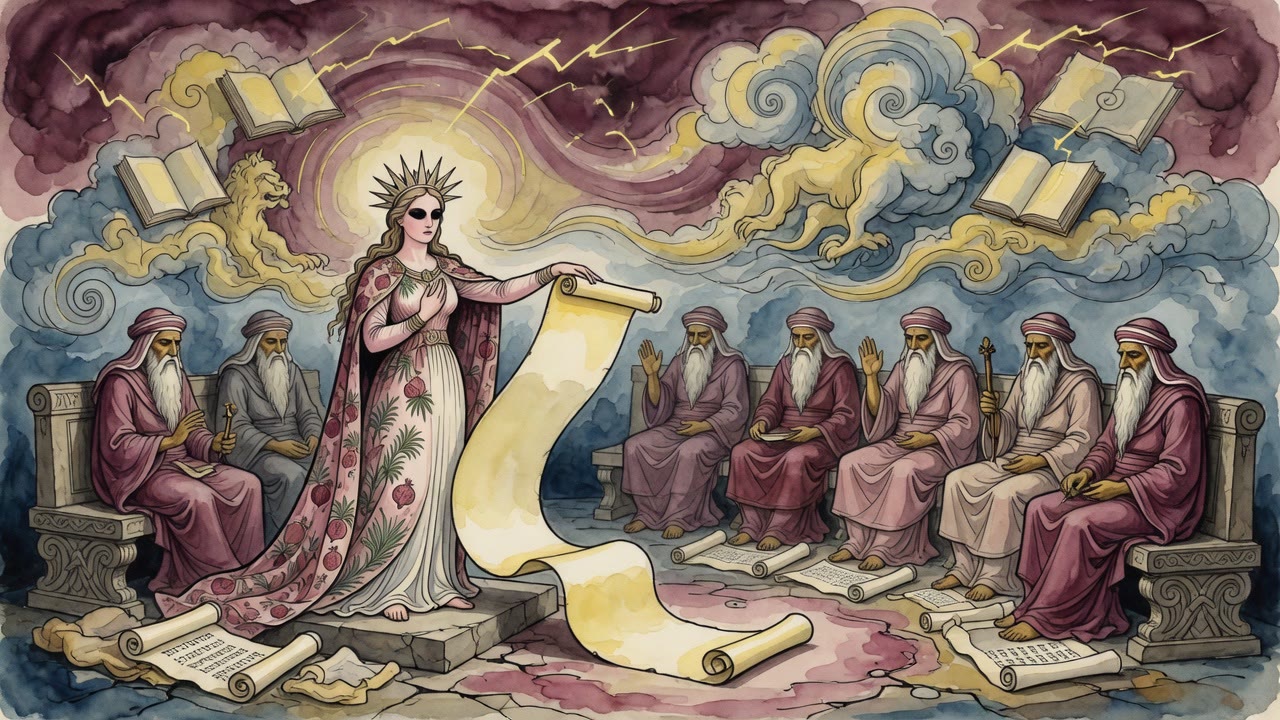
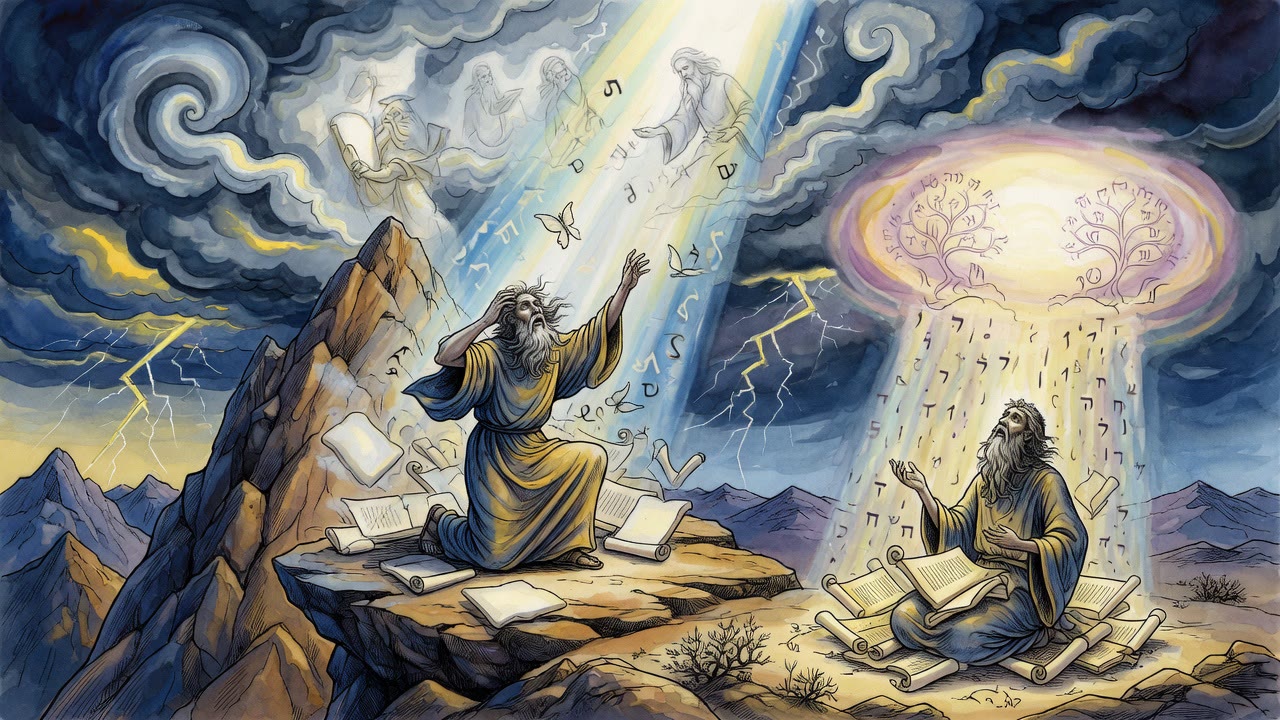
He told them to stand and wait while he heard what God commanded concerning the matter. The whole camp had to wait with those men, because Moses would not pretend that a wounded question had no place before heaven. He carried their complaint upward and left room for an answer that had not yet entered the law.
That pause is the hinge. Israel had received commands from above at Sinai. Here the command rises from below, from men blocked at the threshold, refusing to let obedience cancel obedience.
A Second Date Opened
God answered by cutting a new chamber into time.
A person made impure by death, or a person far away on the road, would not lose Passover forever. One month later, on the fourteenth day of the second month, the lamb would be brought. It would be eaten with matzah and bitter herbs. No bone would be broken. Nothing would be left until morning. The second Passover would not be a watered-down memory of the first. It would carry the marks of the original night.
The calendar did not bend because the men complained. It opened because they still wanted the commandment after the first gate had shut.
For one month, their longing had to remain alive. They had to keep wanting after the camp had moved on, after the first lambs were eaten, after the smoke had vanished. Pesach Sheni made room for delayed obedience, but it did not make desire unnecessary.
The Door Stayed Narrow
The second chance came with a warning. A clean person near the sanctuary who refused the first Passover could not hide inside the mercy given to the blocked. Distance, force, and impurity had a remedy. Deliberate neglect had a cost.
That is why the second date feels so fierce. It is not leniency for the careless. It is a door for those who still stand outside holding the commandment with both hands.
The men had asked why they should be diminished. Heaven answered by refusing to diminish them. A day that did not exist when the morning began now stood inside Israel's year, waiting for anyone kept away by death or distance, anyone still carrying a holy obligation that had made another holy obligation impossible.
They came forward with impurity on their bodies. They left with a month named for return.
← All myths