1,018 myths · Page 6 of 34
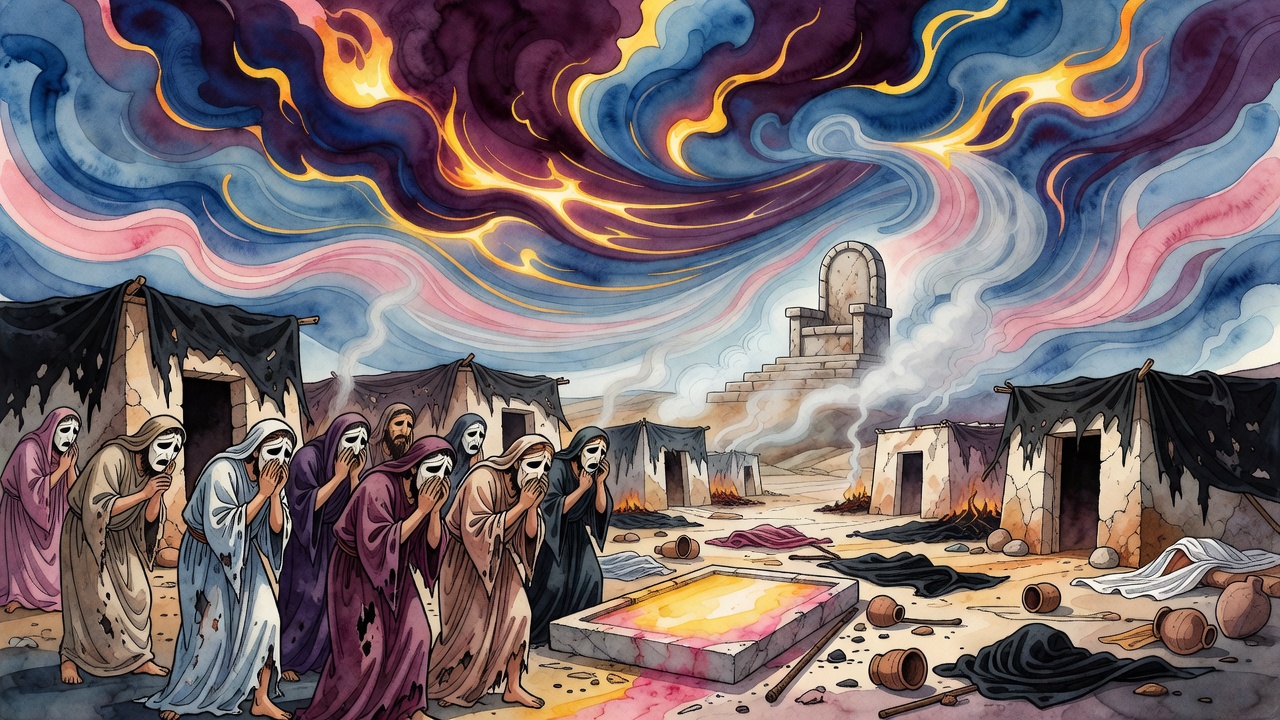
The spies dressed their homes in grief, made Israel cry through the night, and turned a false funeral into a real date of mourning.
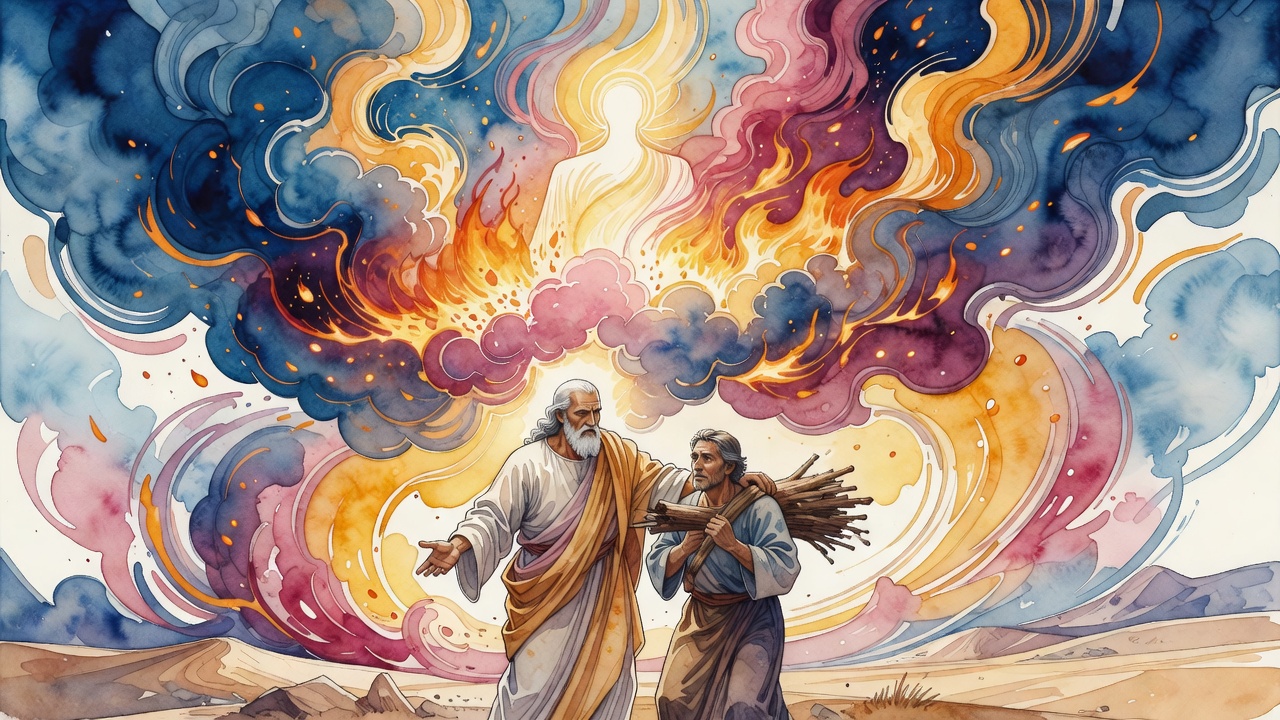
The man gathered sticks on the Sabbath and Moses held him, because even Sinai had not named the death. He said he had not heard.
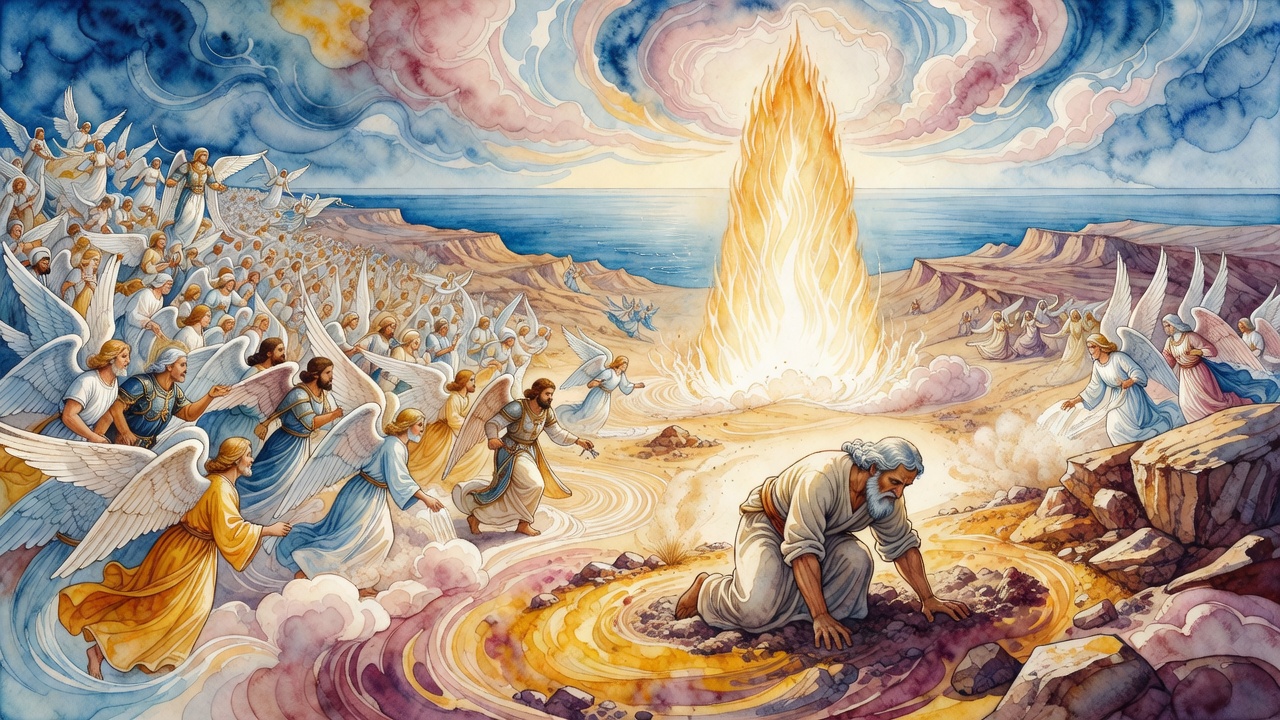
Angels rushed armed to the sea and crowded Sinai in myriads, but after the calf, Moses had to bury fierce anger in the earth.
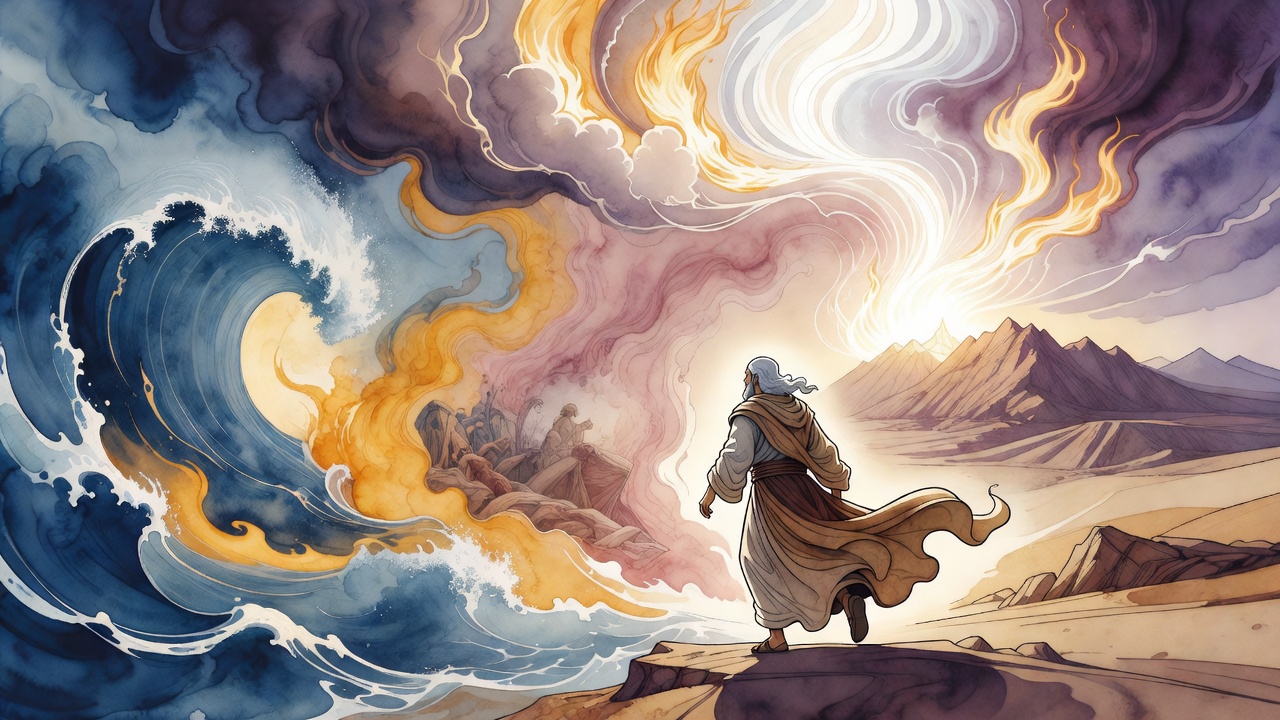
The kings of the earth asked Balaam whether another flood was coming. He told them no, and every one of them went home relieved.
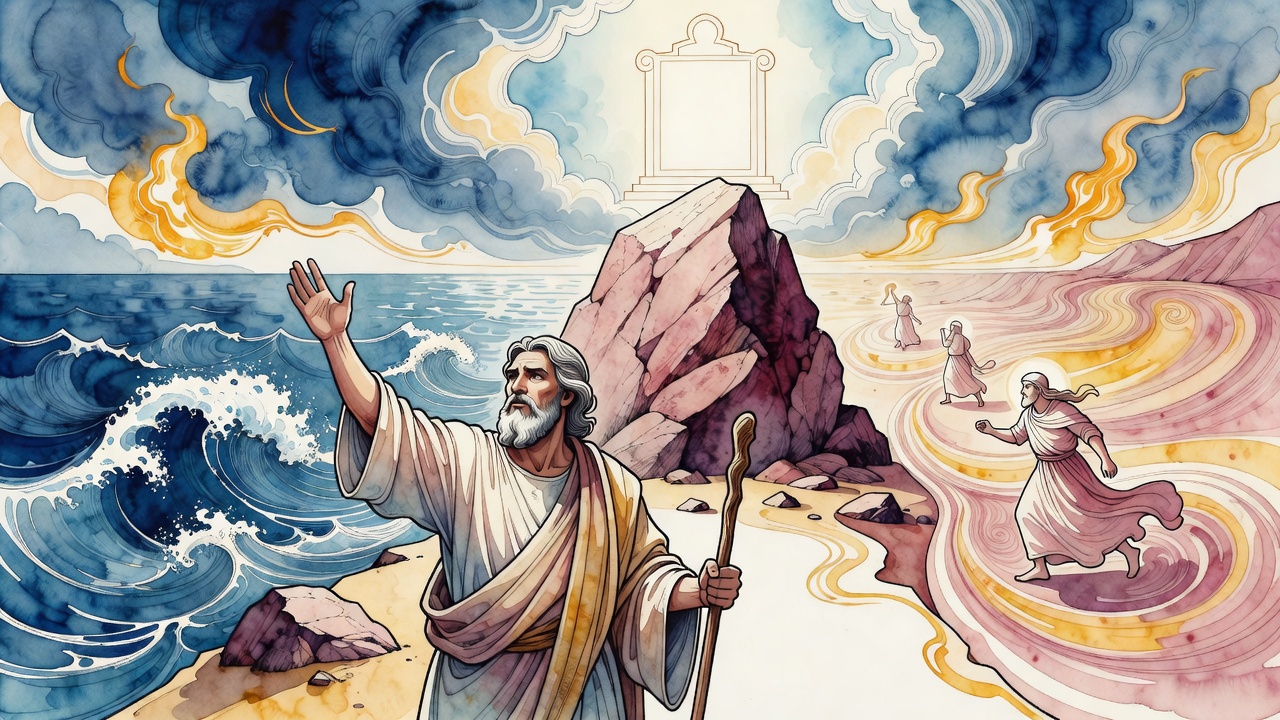
Egypt drowned Hebrew boys because God had sworn never to flood the world again. They thought the oath protected them. The same water came back over them.
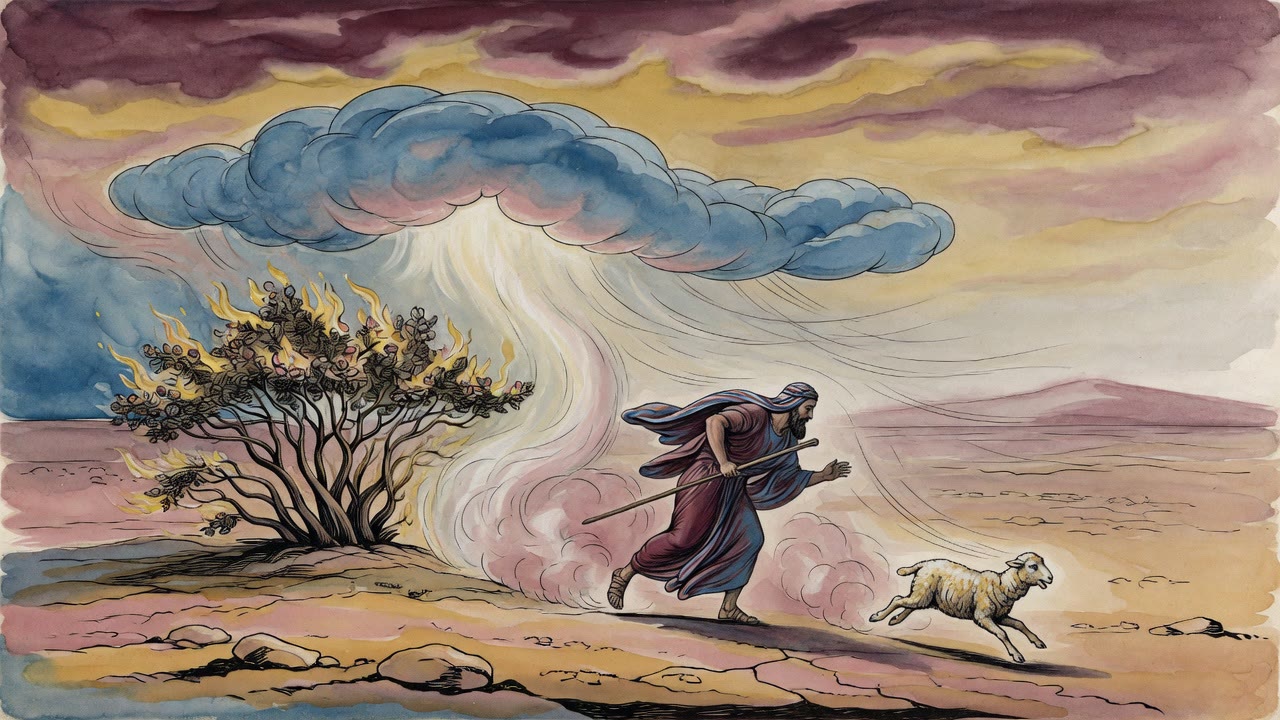
Before the burning bush, before the plagues, God watched Moses chase one exhausted lamb across the desert to find out what kind of man he was.
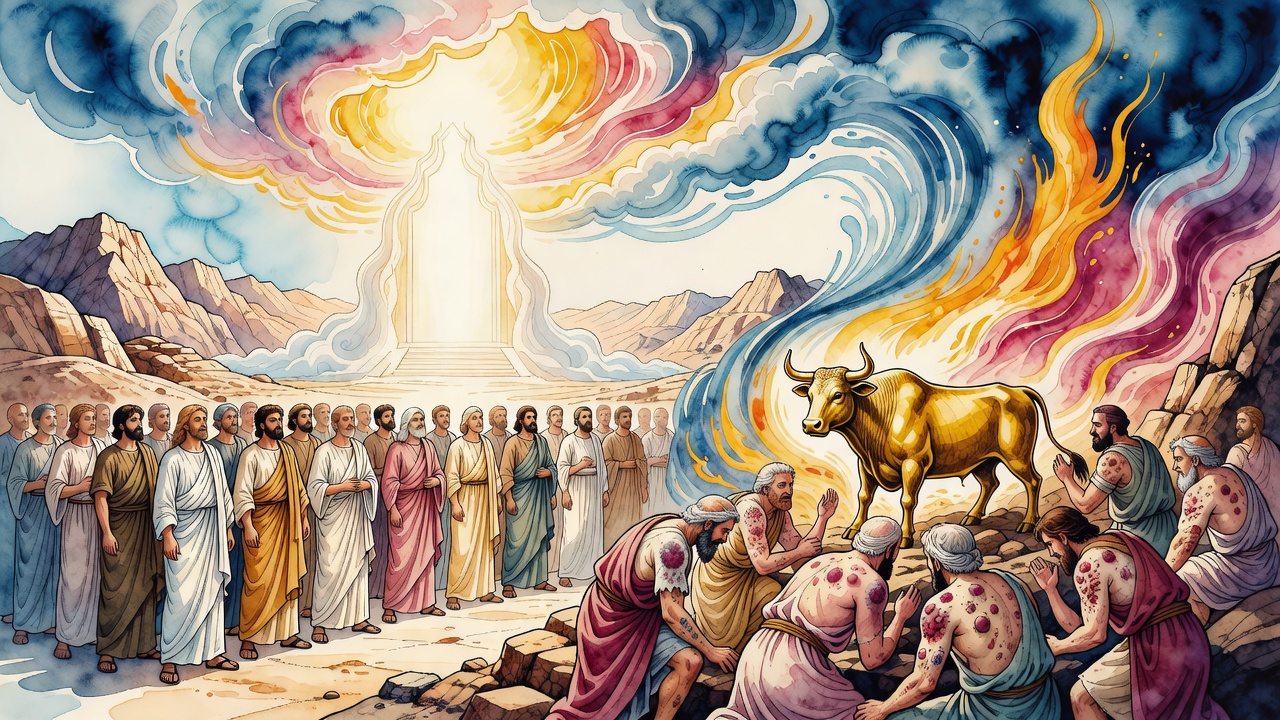
At Sinai, not one Israelite carried a wound or a blemish. For forty days it held. Then the golden calf broke the spell, and every illness returned at once.
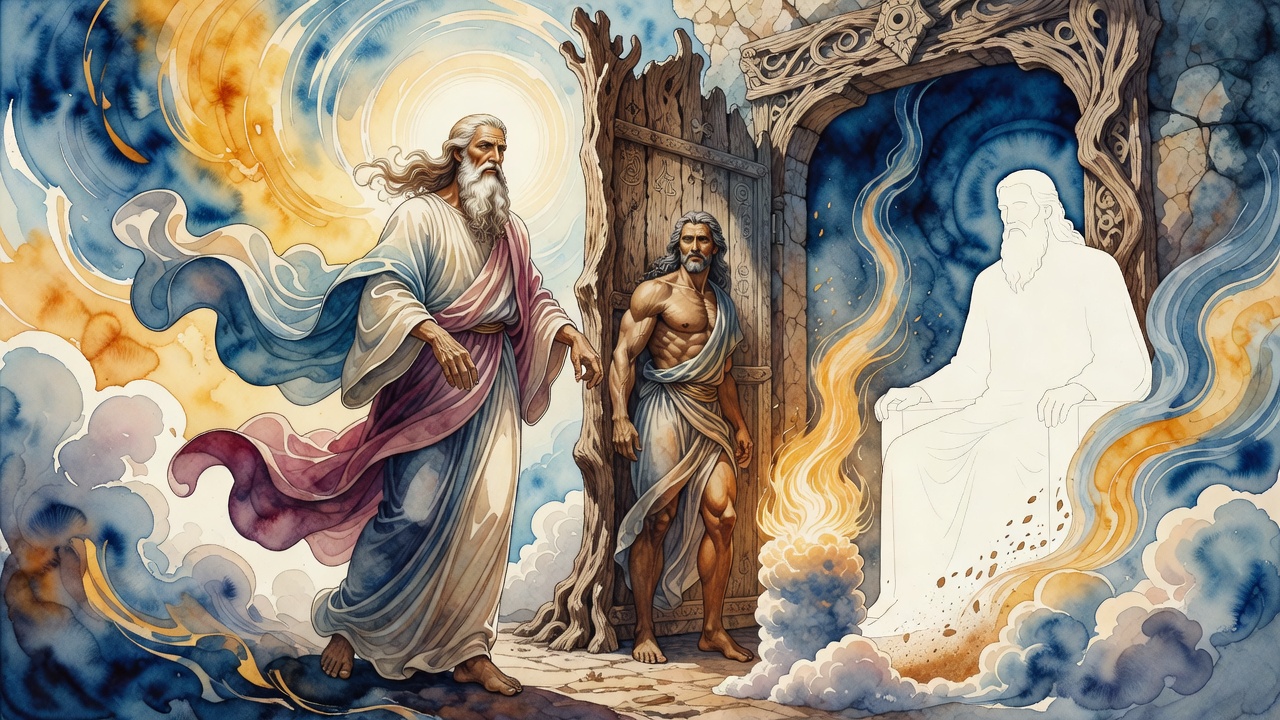
Moses arrived at Eden's gate with his face still shining, and Adam was waiting at the threshold with a claim no mortal had ever answered.
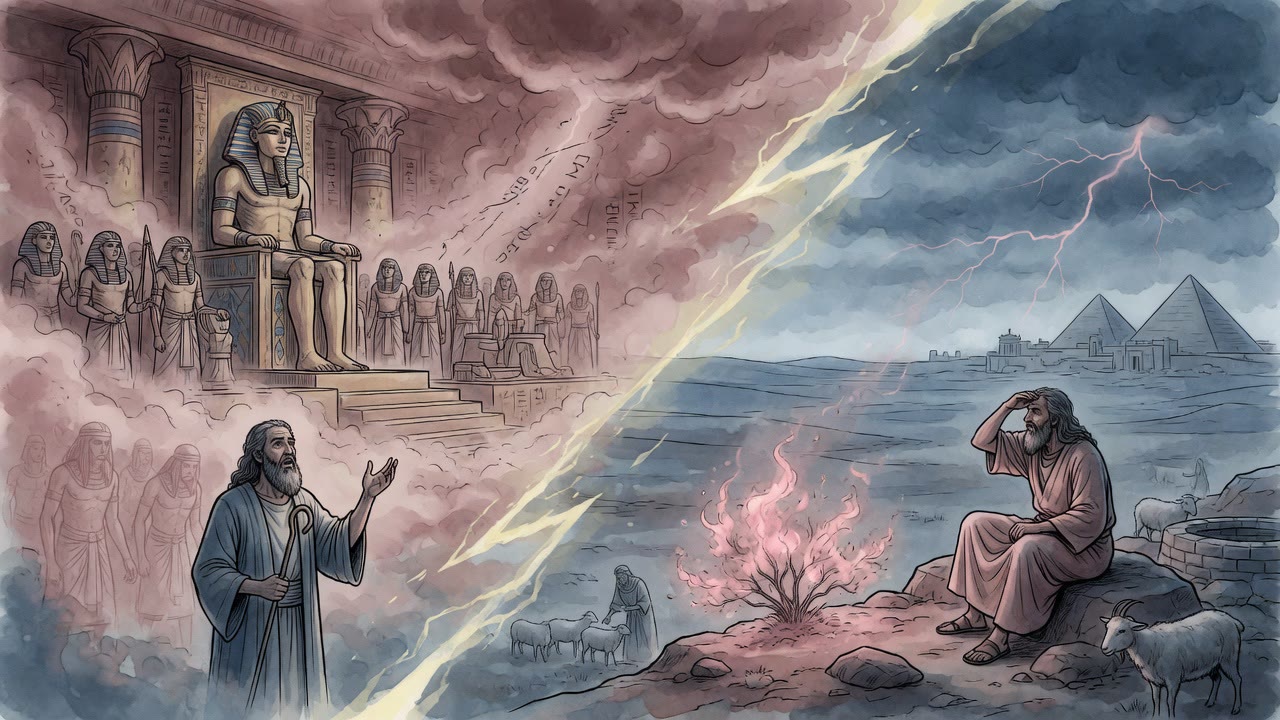
Jethro sat in Pharaoh's council and spoke up for the slaves. Banished for it, he rebuilt his life in Midian and waited decades to see if he was right.
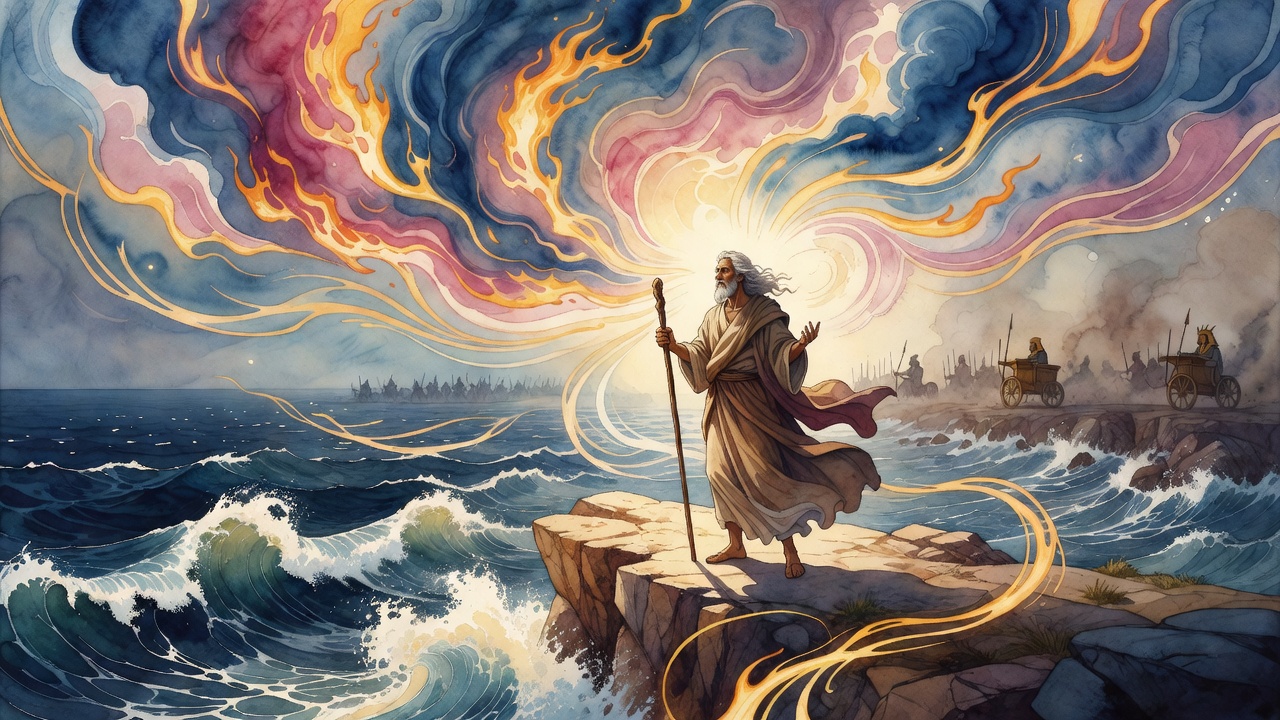
Trapped between Pharaoh and the sea, Moses confessed he had no plan. The same man had already written eleven psalms for Israel to pray.
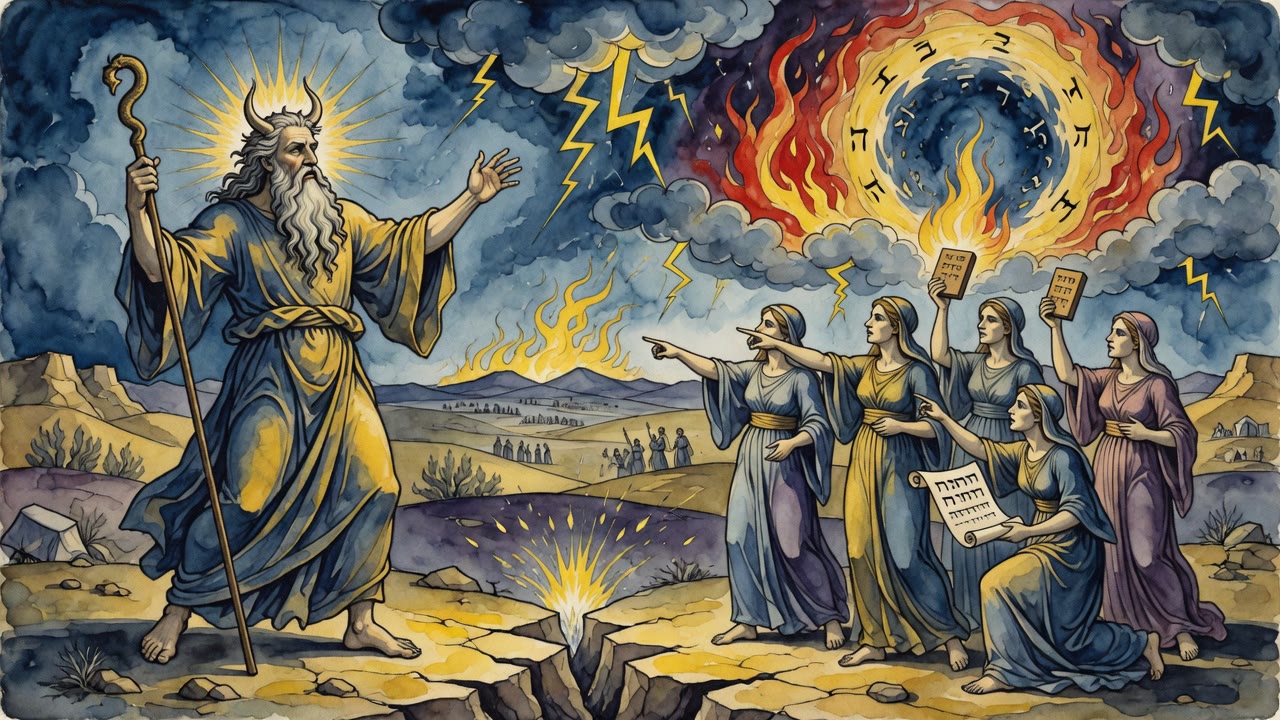
Before God chose the wilderness generation above all nations, five daughters of Zelophehad taught Moses a law he had never heard.
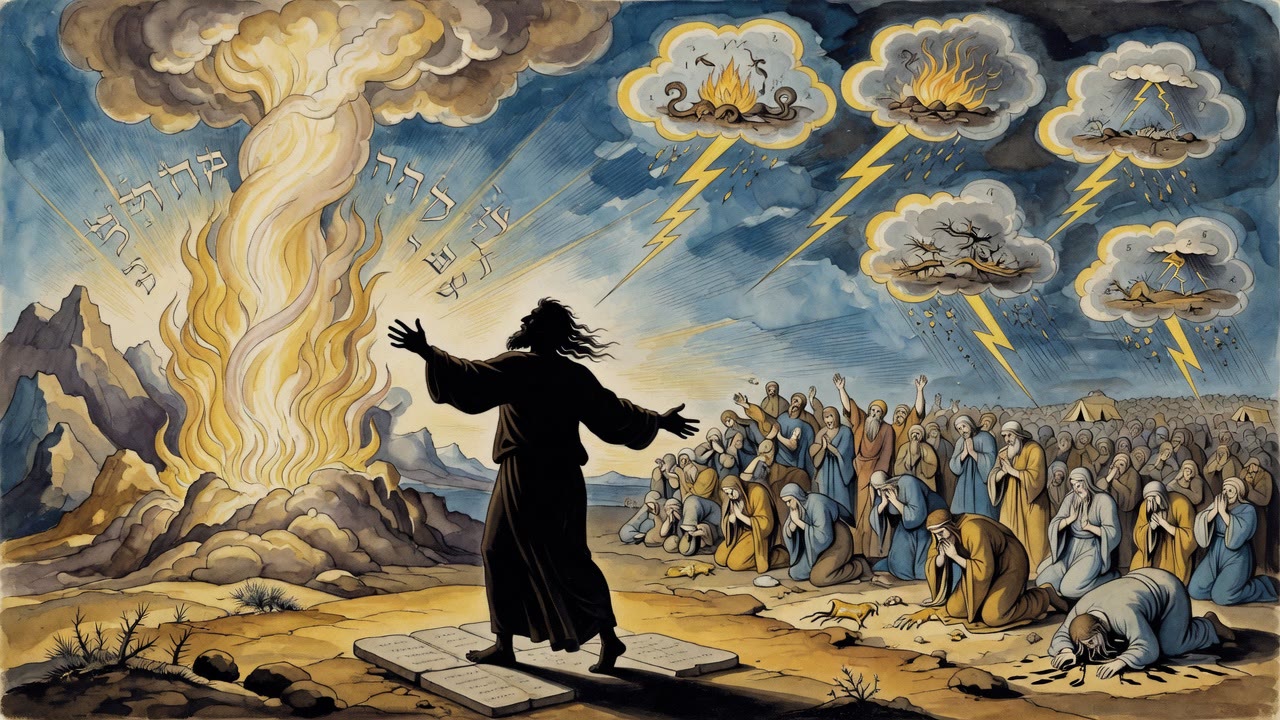
When God offered to destroy Israel and start fresh with Moses alone, Moses turned the offer into the most dangerous argument in scripture.
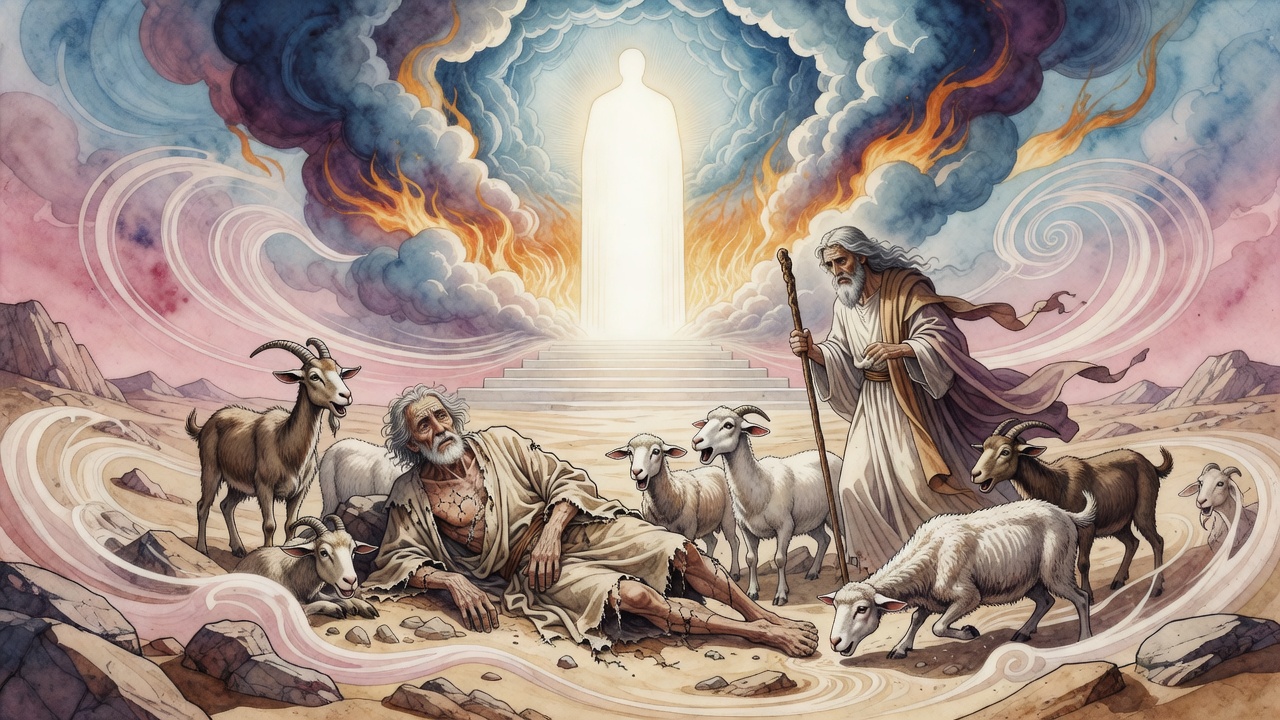
Moses and Aaron were sitting with their sister's body when God told them to get up. My children are dying of thirst, He said, and you mourn an old woman.
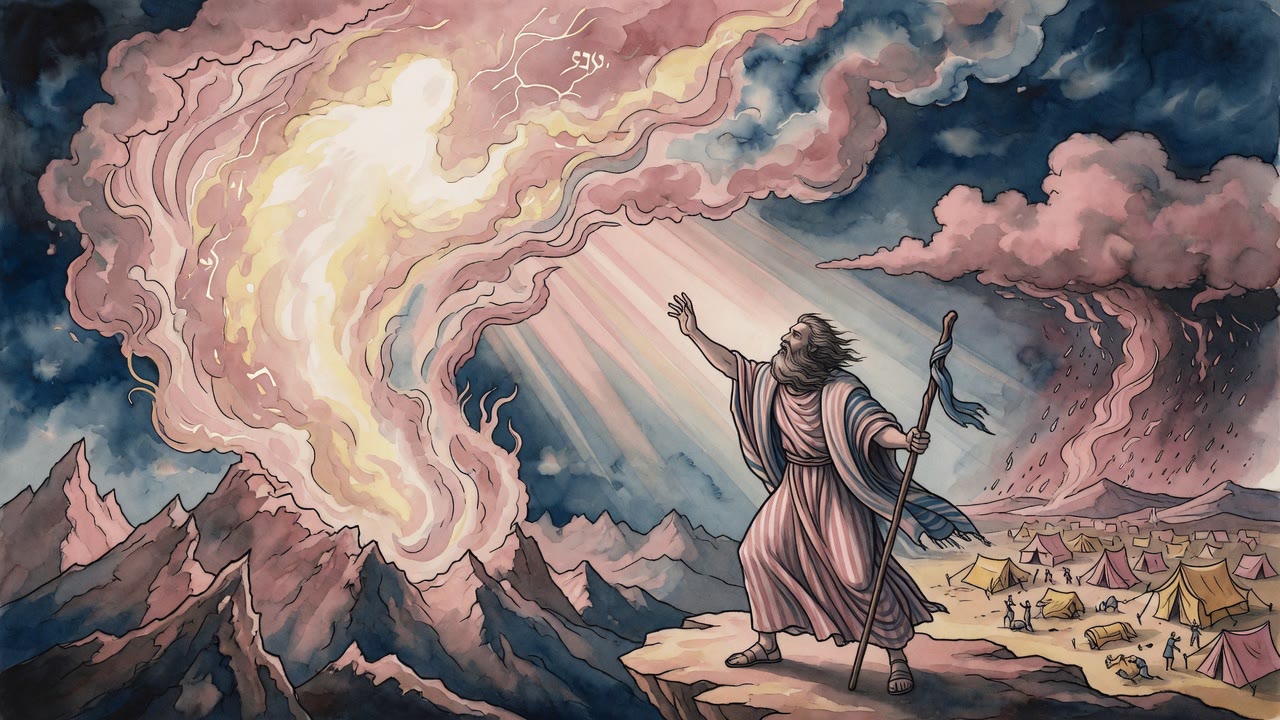
God offered to start the people over from Moses alone. The camp was still crying from the spy report. Moses would not take the offer.
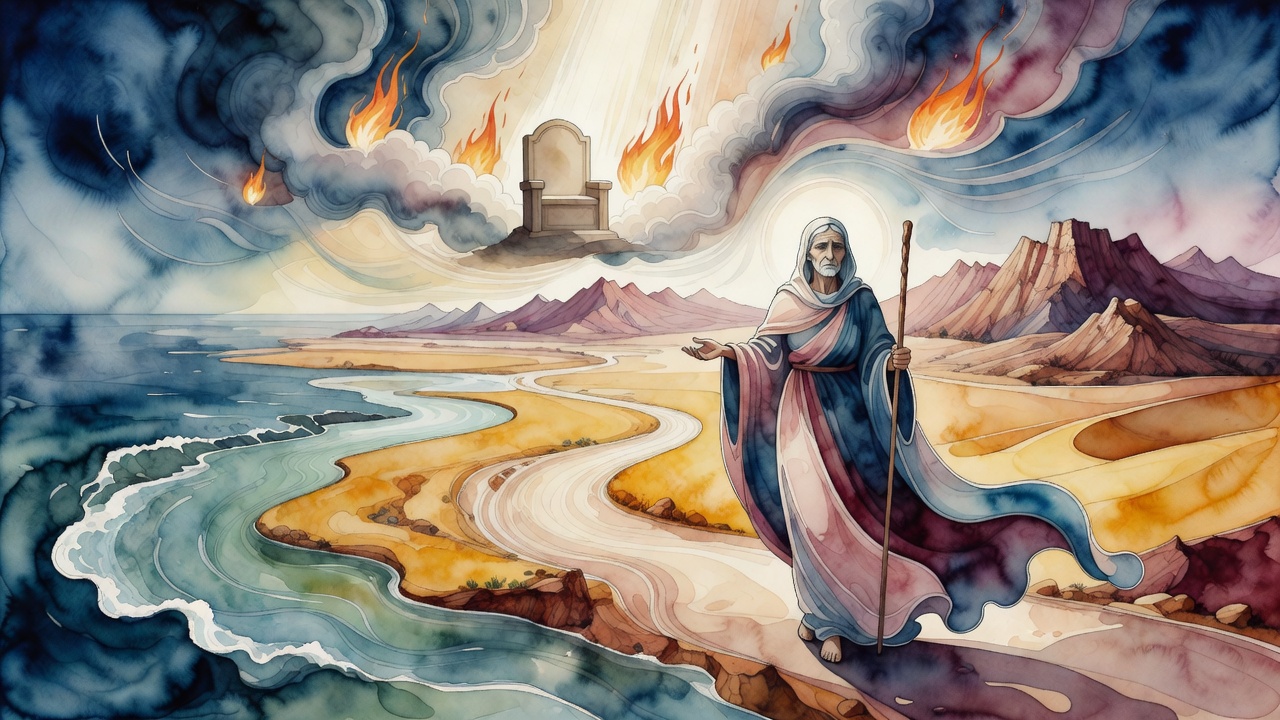
Jochebed walked to Egypt, the Nile, the sea, the desert, and Sinai, asking each landmark where Moses had gone after he died on Nebo.
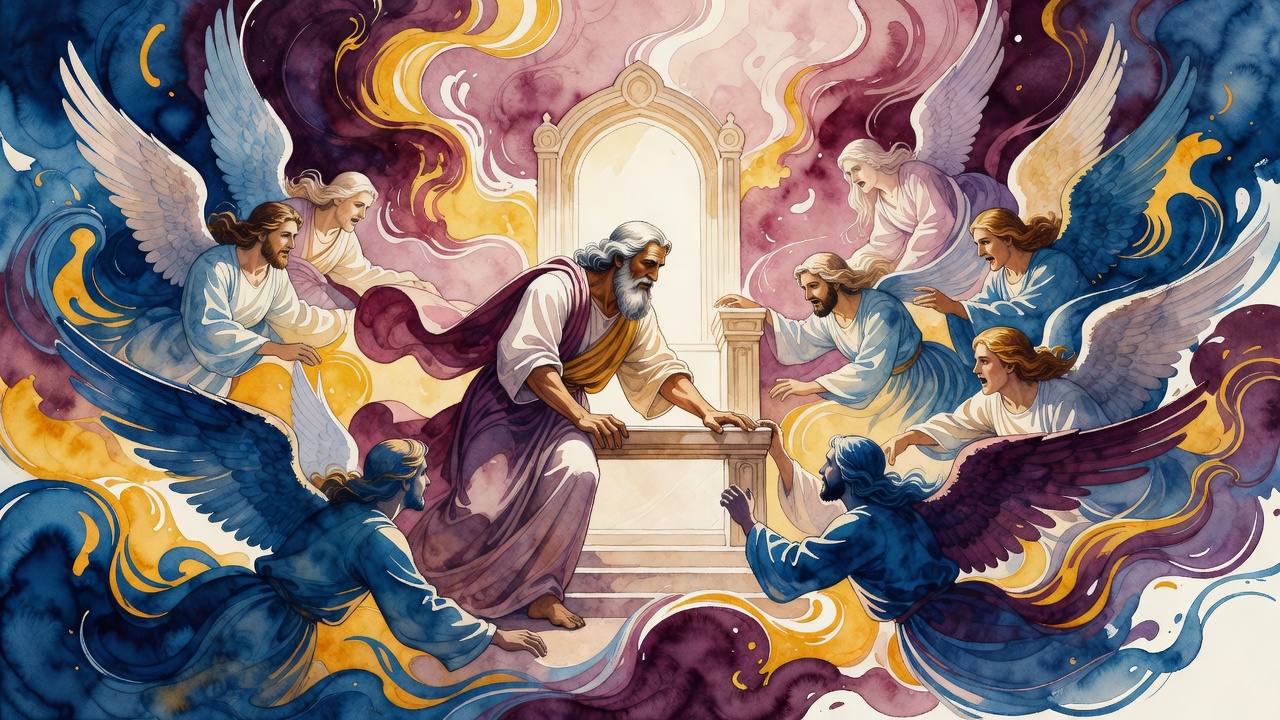
The angels crowded the cloud and asked what flesh was doing in heaven. Moses had forty days with no bread and a case to argue.
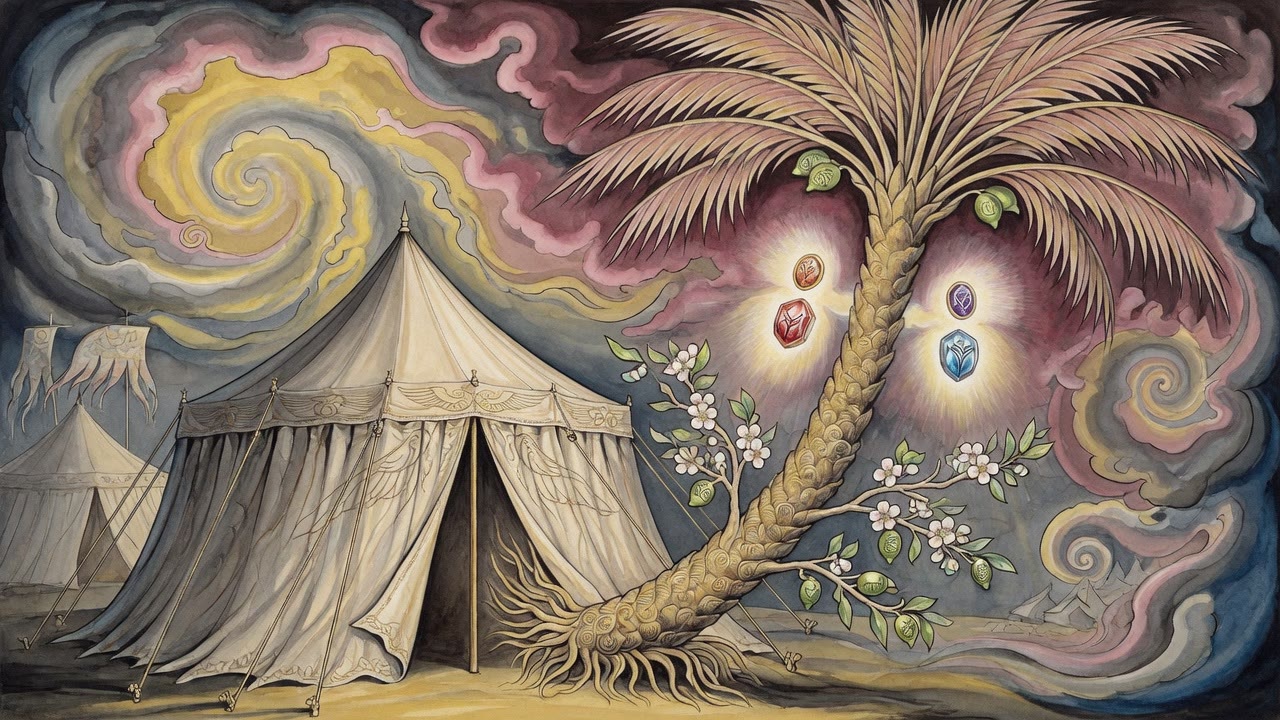
The letters fled the tablets when Moses came down and saw the calf, and the stone went heavy in his hands. Rise from your slumber, the Zohar calls to Aaron.
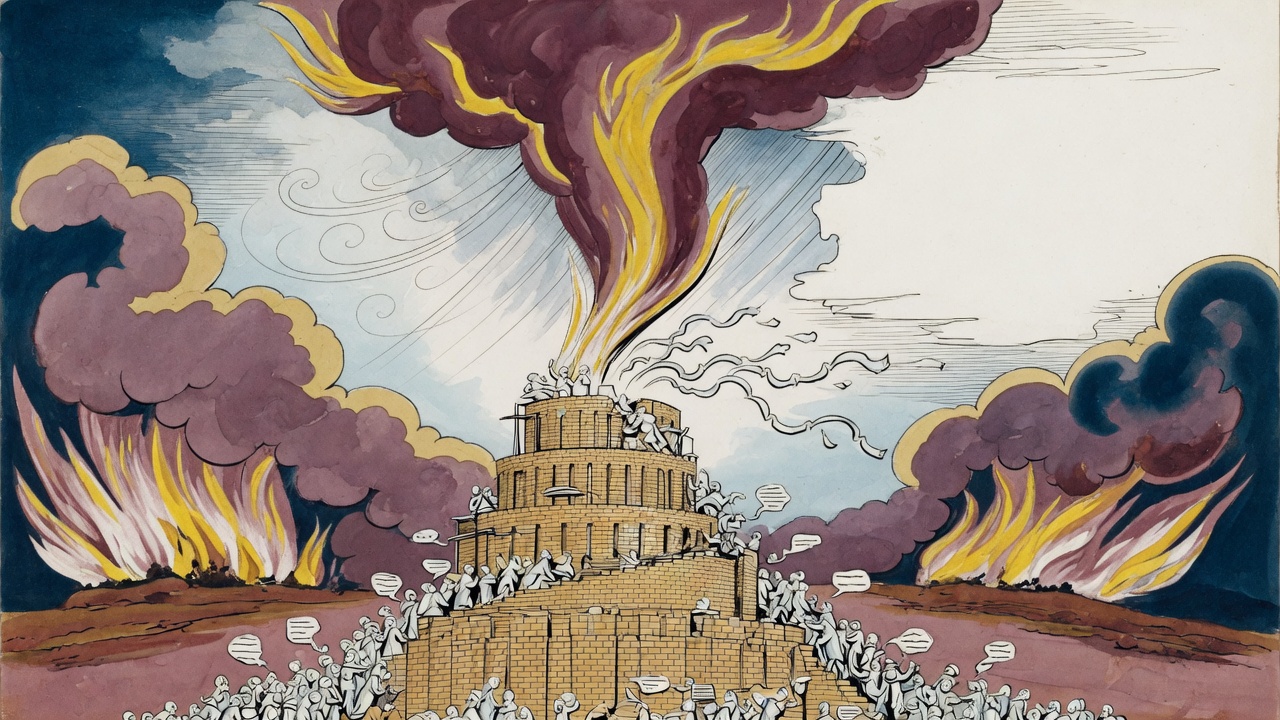
The mountain had gone quiet. Israel had tablets and no way to live them. Moses walked into the Tent, and God called him by name.
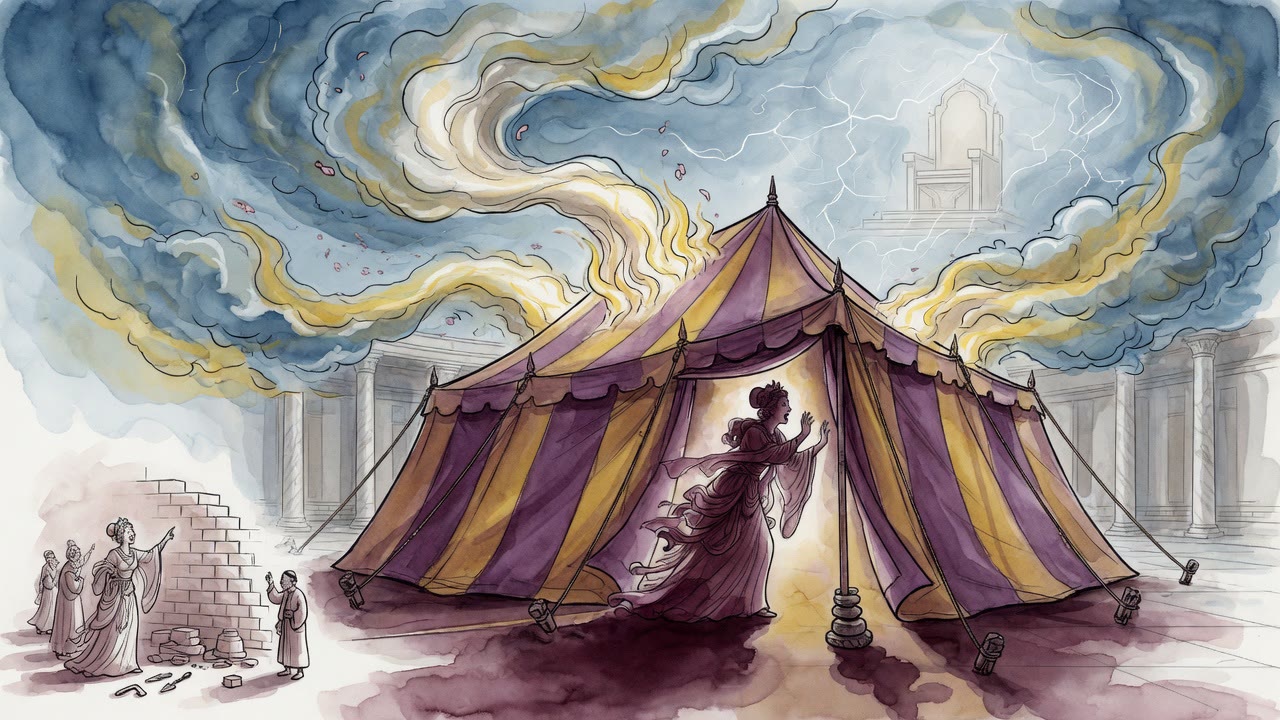
The sea split and Moses sang, but the Torah wrote will sing. From one future verb, an ancient proof that the dead will rise.
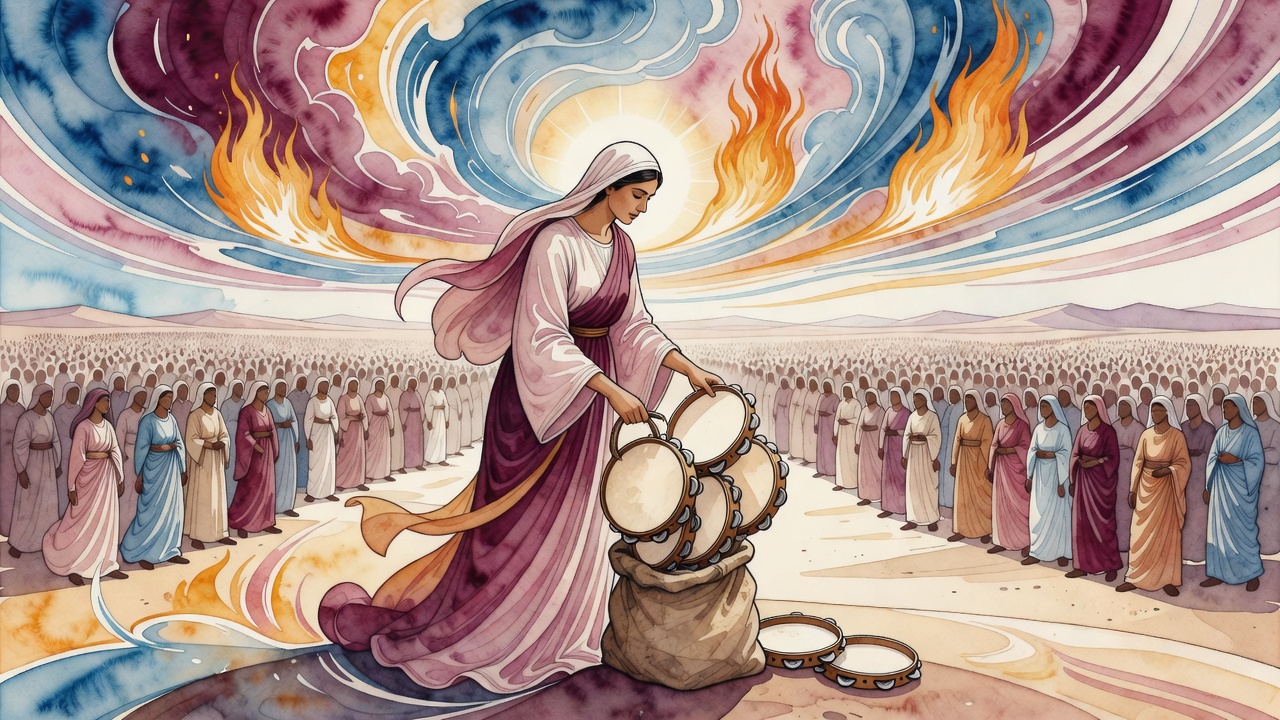
She sang the women through the morning on the shore. Later she opened her mouth about the Cushite, and her skin went white to the wrist.
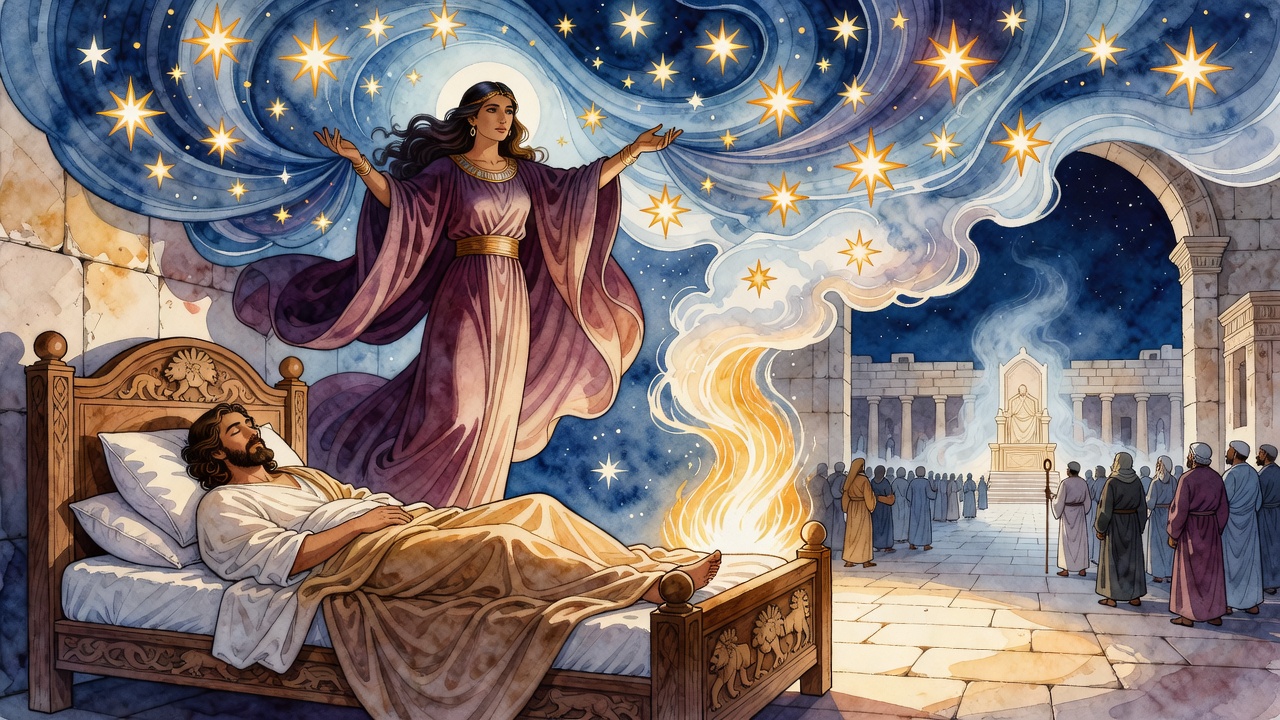
The morning lamb stood ready. Priests kept the fire. Israel waited in the court while the king slept under a sky someone had sewn.
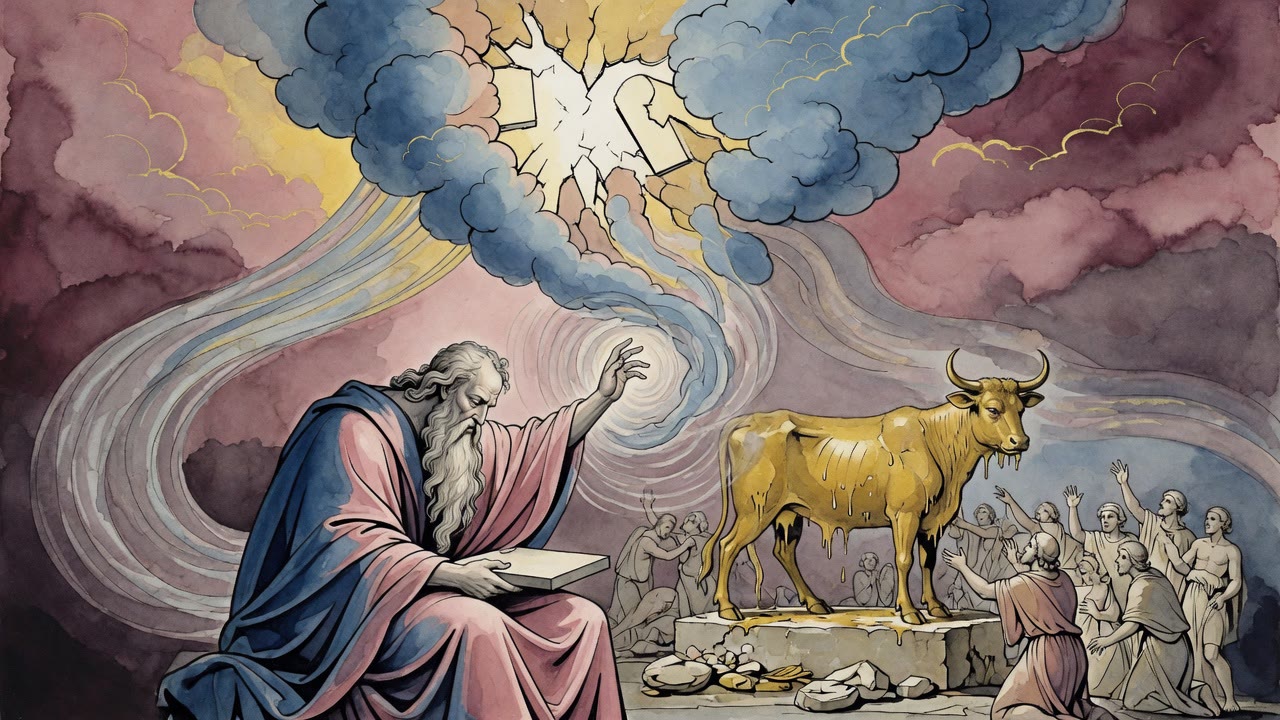
When Israel worshipped the calf, Moses wrapped himself in his cloak, sat as an elder, and dissolved the oath God had sworn to destroy them.
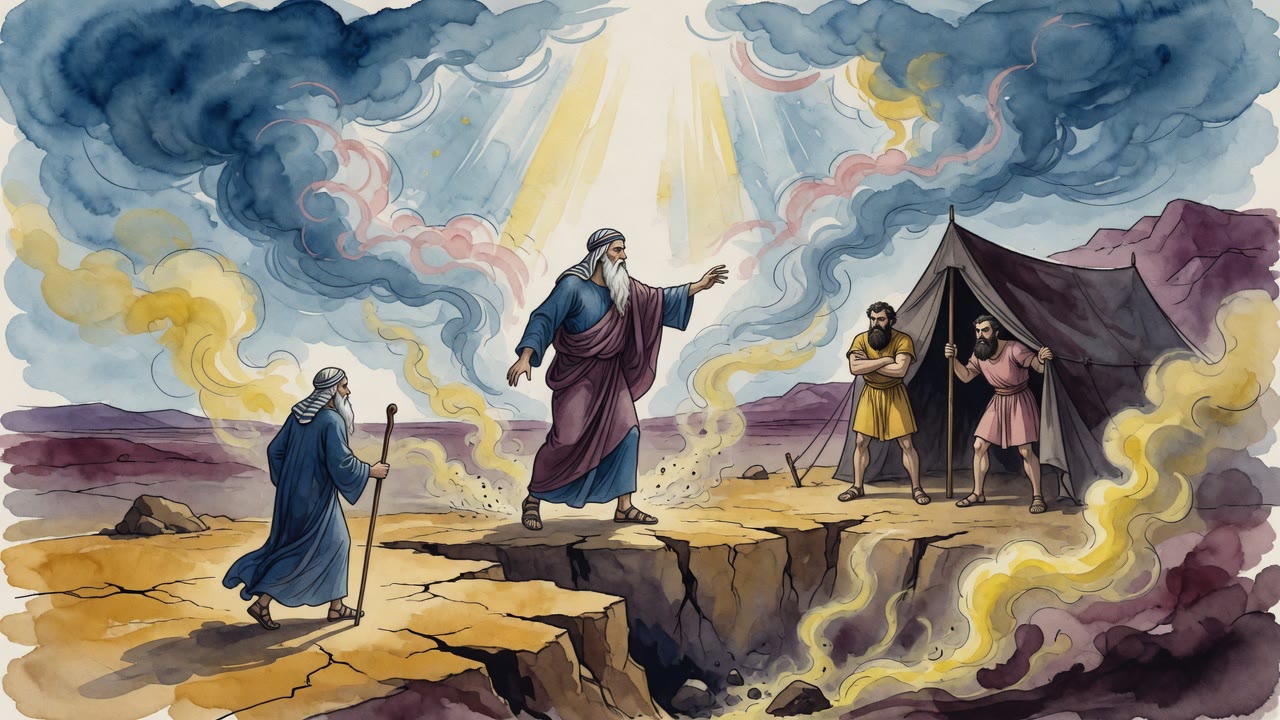
The tent flap did not move. Moses waited outside, then told the crowd to step back from the ground that was about to open.
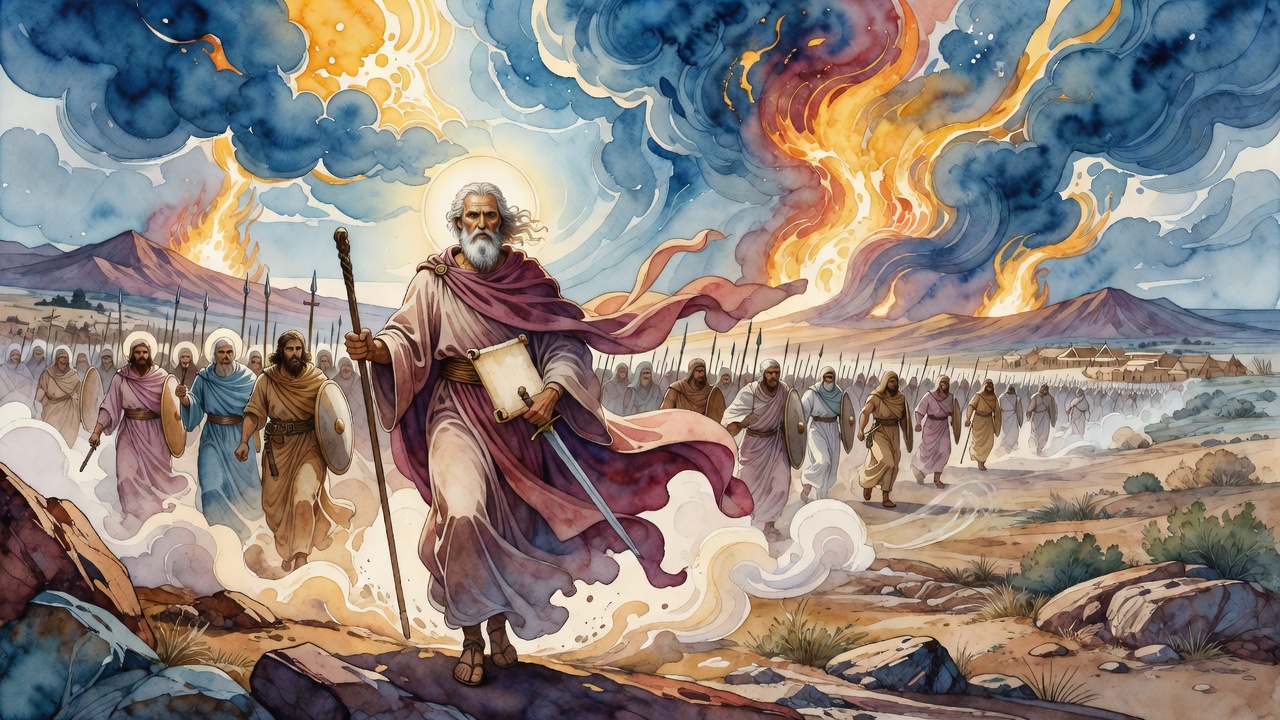
Moses could have kept himself alive for years by stalling the campaign against Midian. He gave the order the same day. Then his soldiers sat down.
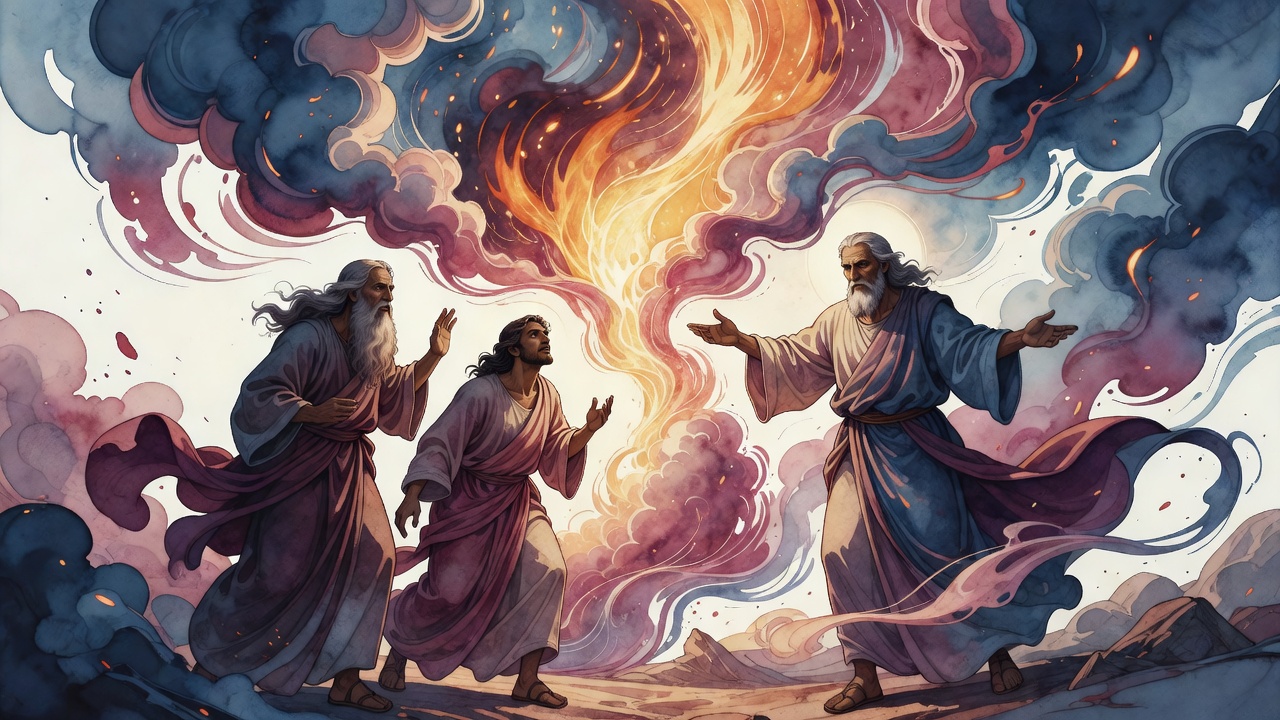
The knife was still in Abraham's hand when he named the mountain. Jacob woke on a stone and said the same word into the dark.
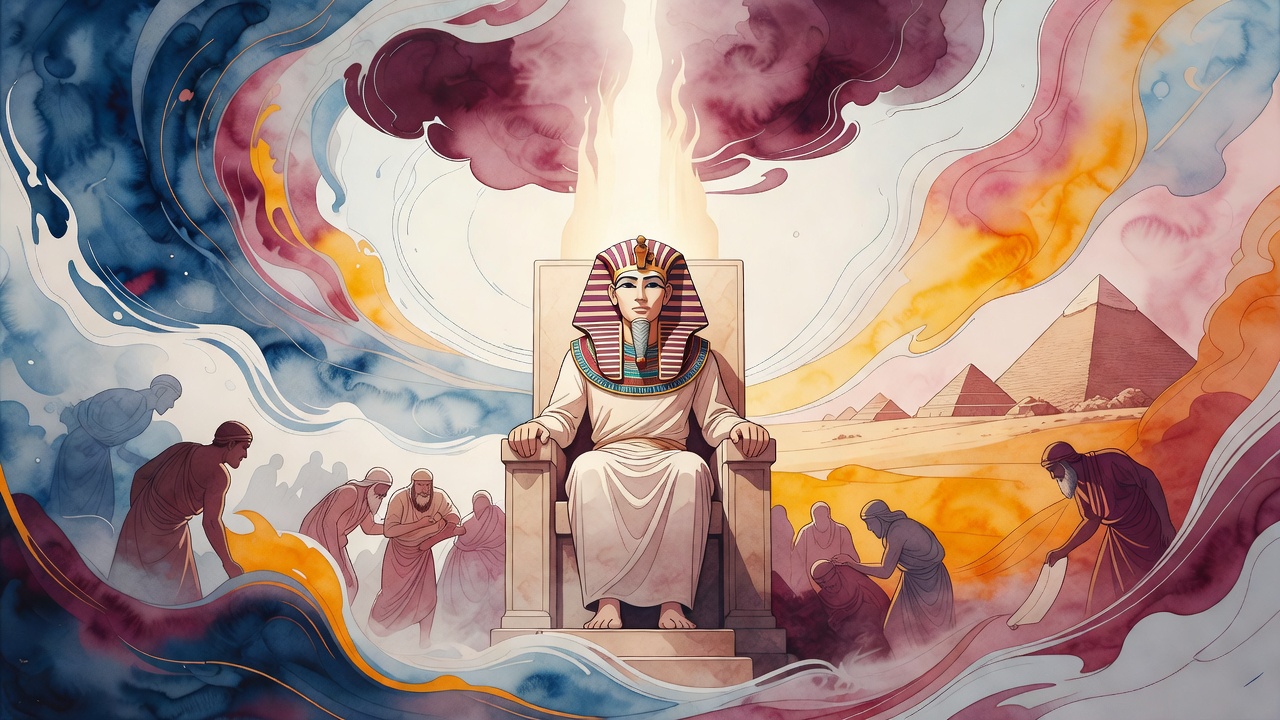
Joseph saved Egypt and Israel lived there in peace until a new Pharaoh rose who chose not to remember. The drowning decree came before the whips.
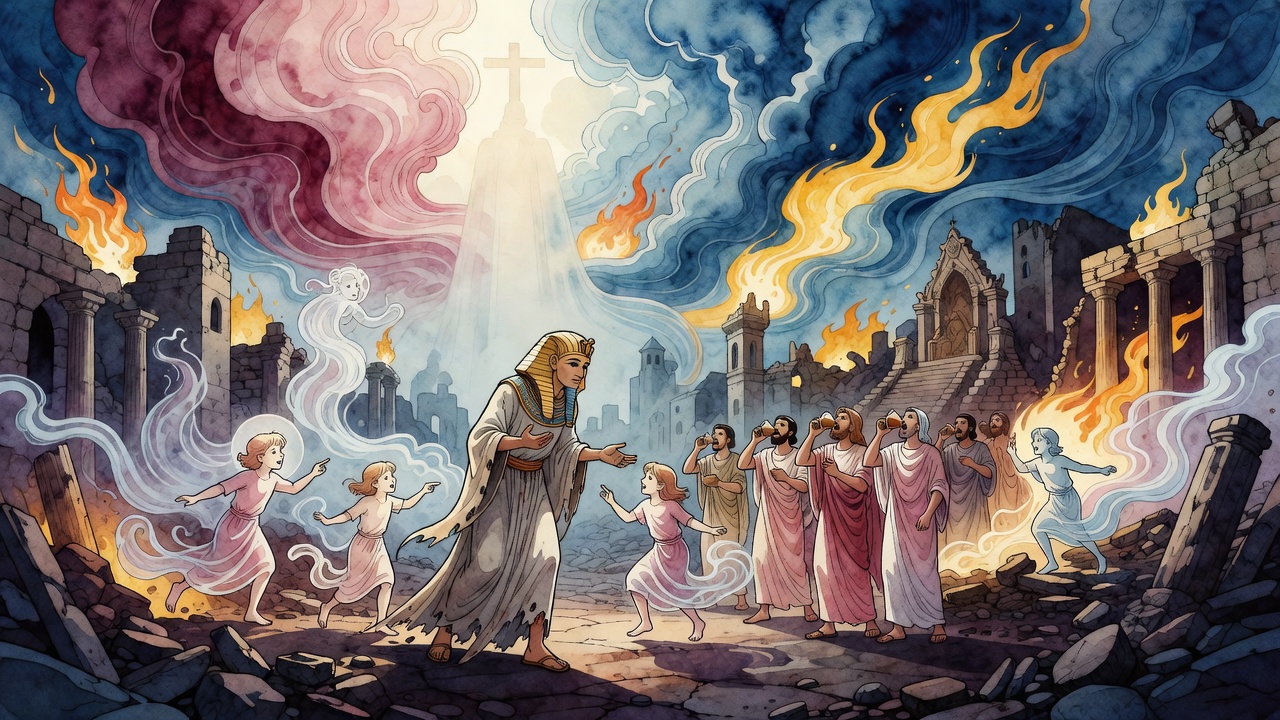
He did not wait for the third hour, when kings rise. He shook his slaves awake and hunted Moses through streets that would not help him.
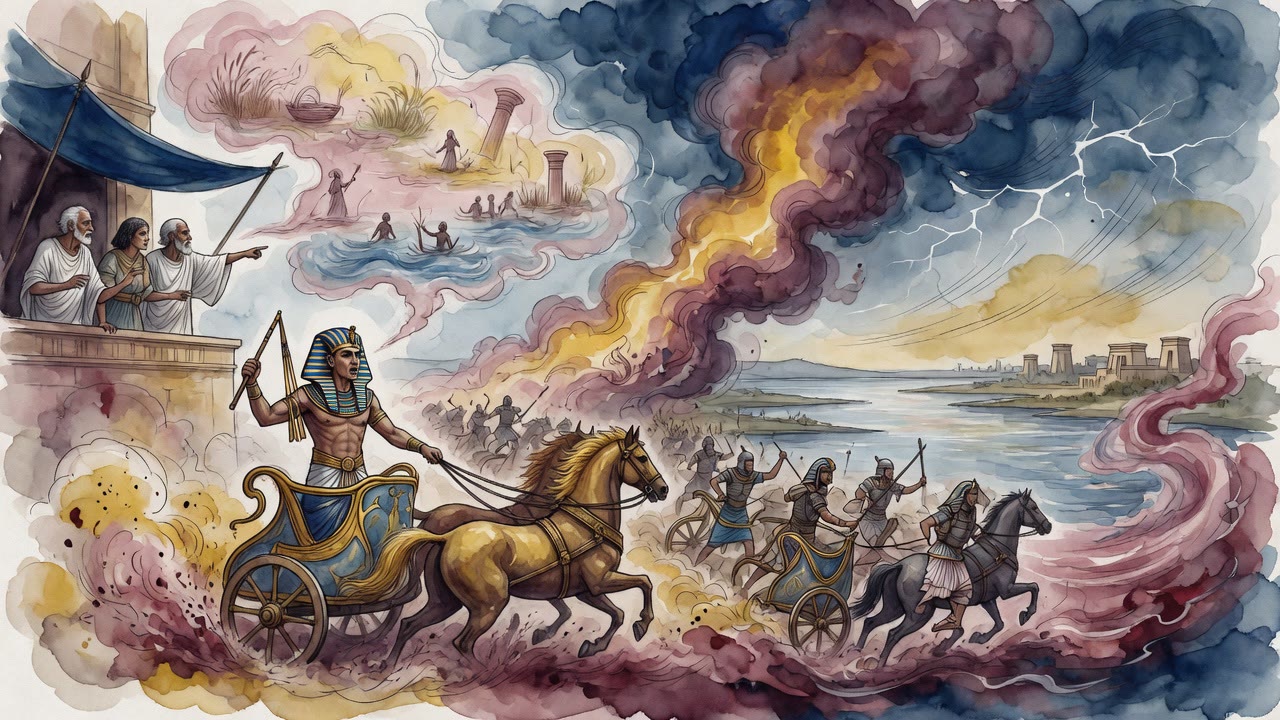
Pharaoh's seers glimpsed Moses, water, and Egypt's danger, but the king turned a true warning into slaughter and a doomed chase.
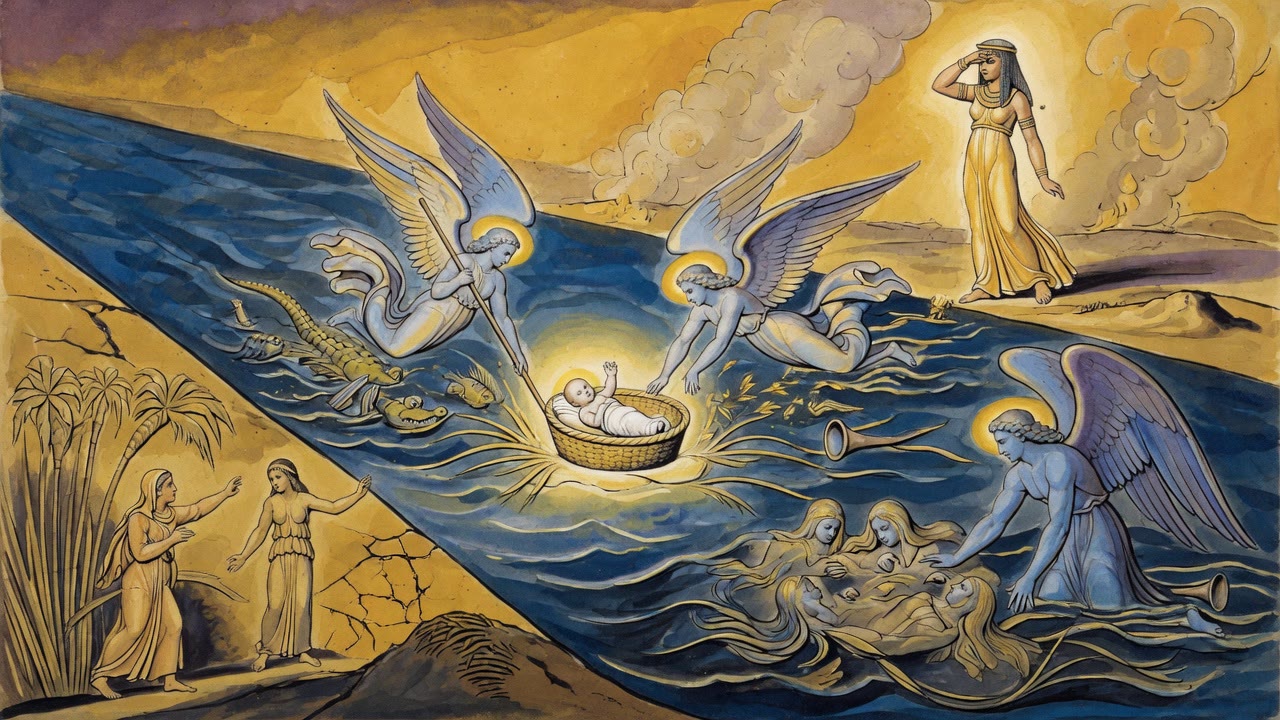
Scorching heat drove Pharaoh's daughter into the river, Gabriel buried the handmaids, and Miriam brought Moses back to his mother.
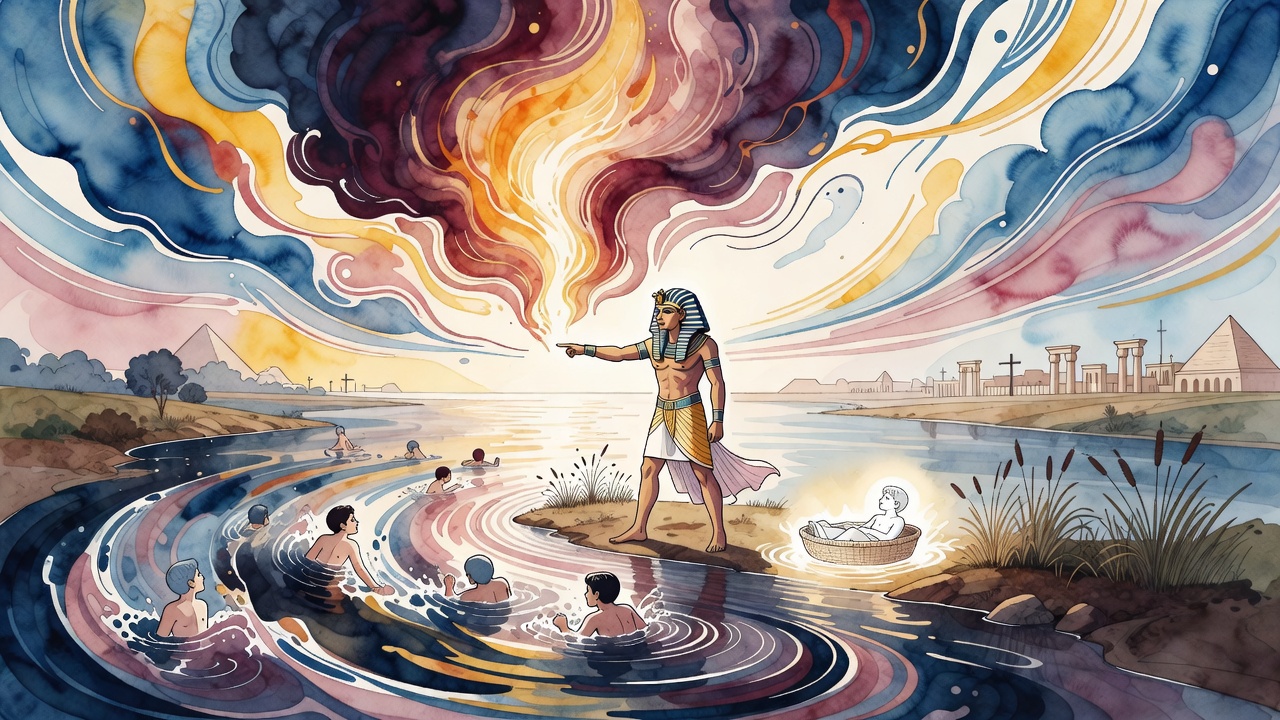
The seers saw water beside Israel's redeemer. Pharaoh made the Nile an executioner. The water they meant was still years away.
