The Tabernacle That Proved God Had Forgiven Israel
On the tenth of Tishrei the pardon was still a private sentence. The nations had watched the calf. Moses wanted something they could point at.
Table of Contents
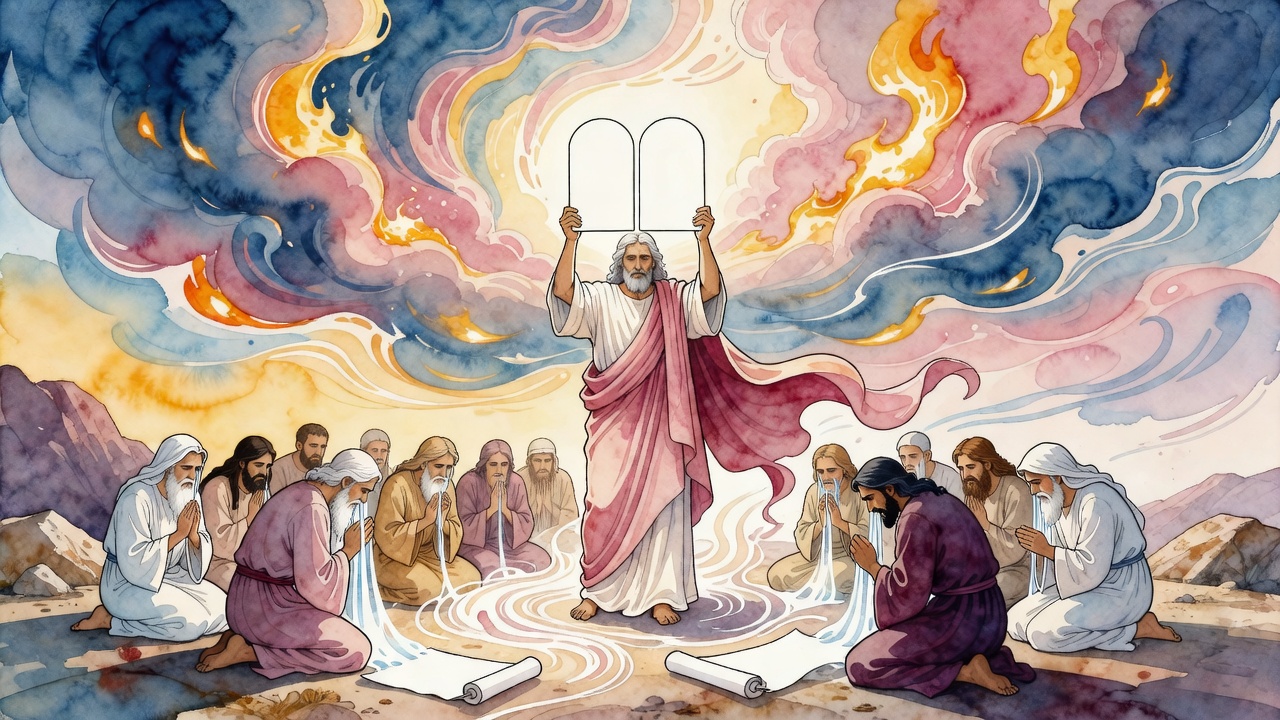
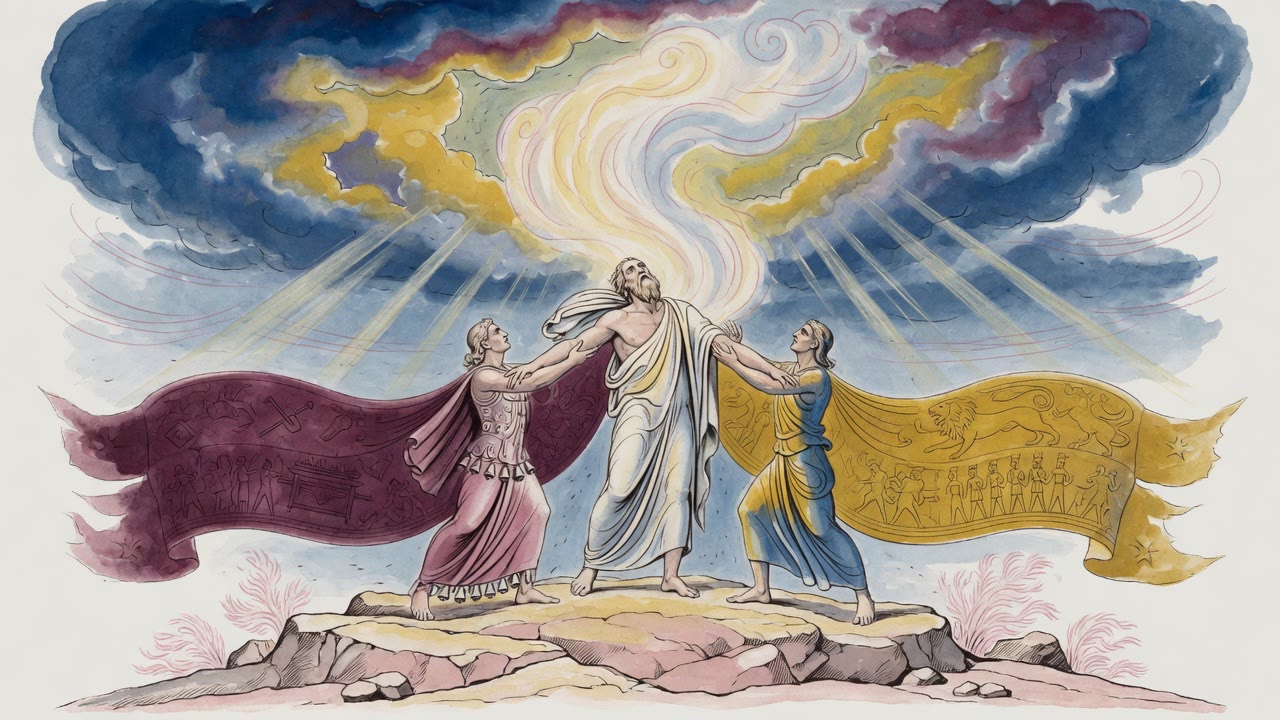
Moses stood on the mountain with the second tablets against his chest. The tenth of Tishrei was ending. God had spoken the sentence Moses had fought forty days to hear.
 Click for full size
"I have forgiven them according as I have spoken."
The decree of destruction was gone. The covenant held. Moses came down anyway with a problem the pardon had not touched. The nations were still watching.
Give Them Something They Can See
He put it plainly. "I believe You have forgiven Israel. I am not asking You to try the case again. The nations have an argument, and from where they stand it bites."
They had watched Israel receive the word at Sinai: no other gods. Forty days later they had watched Israel dance around a calf and call it a god. Now they were asking how a God who heard that shout could still live with the people who made it. The pardon sat between heaven and Israel. No one outside could see it.
"Give us something the nations can see."
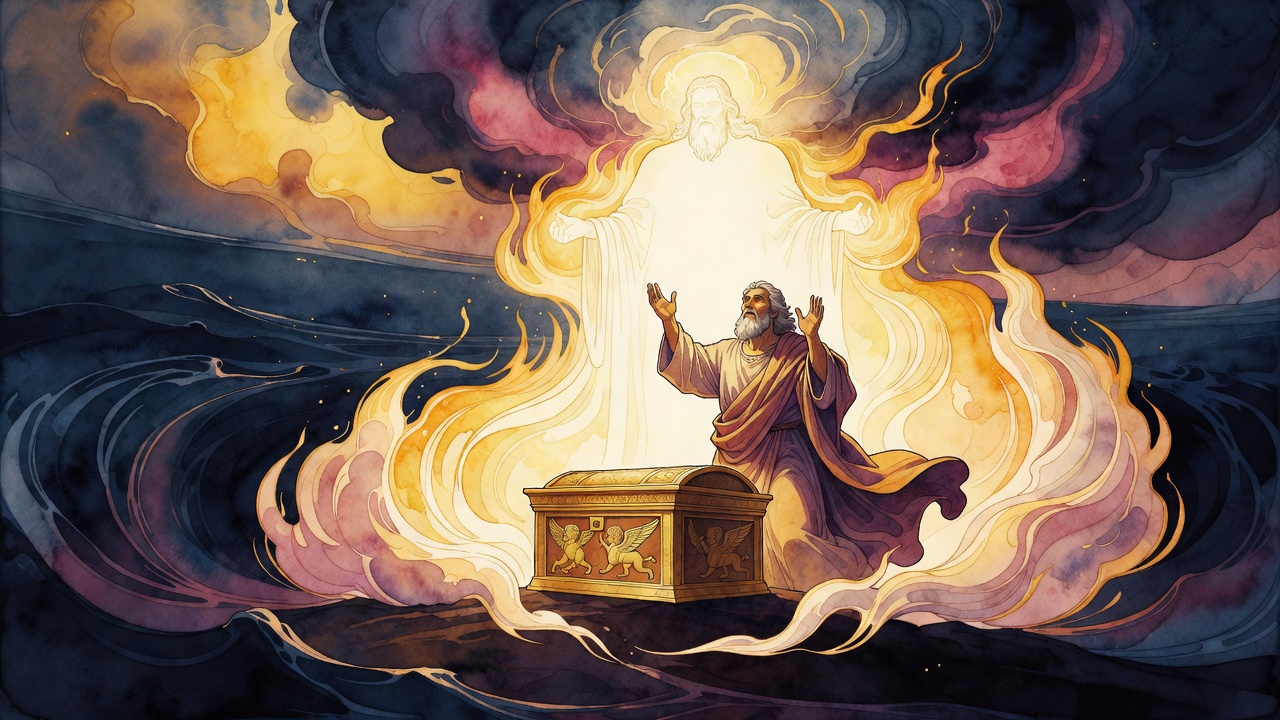
God answered with a house. "As truly as you live, I will let My presence dwell among them. Build Me a sanctuary, and I will dwell in it, and they will know I have pardoned them."
The Neighbors Smelled Perfume
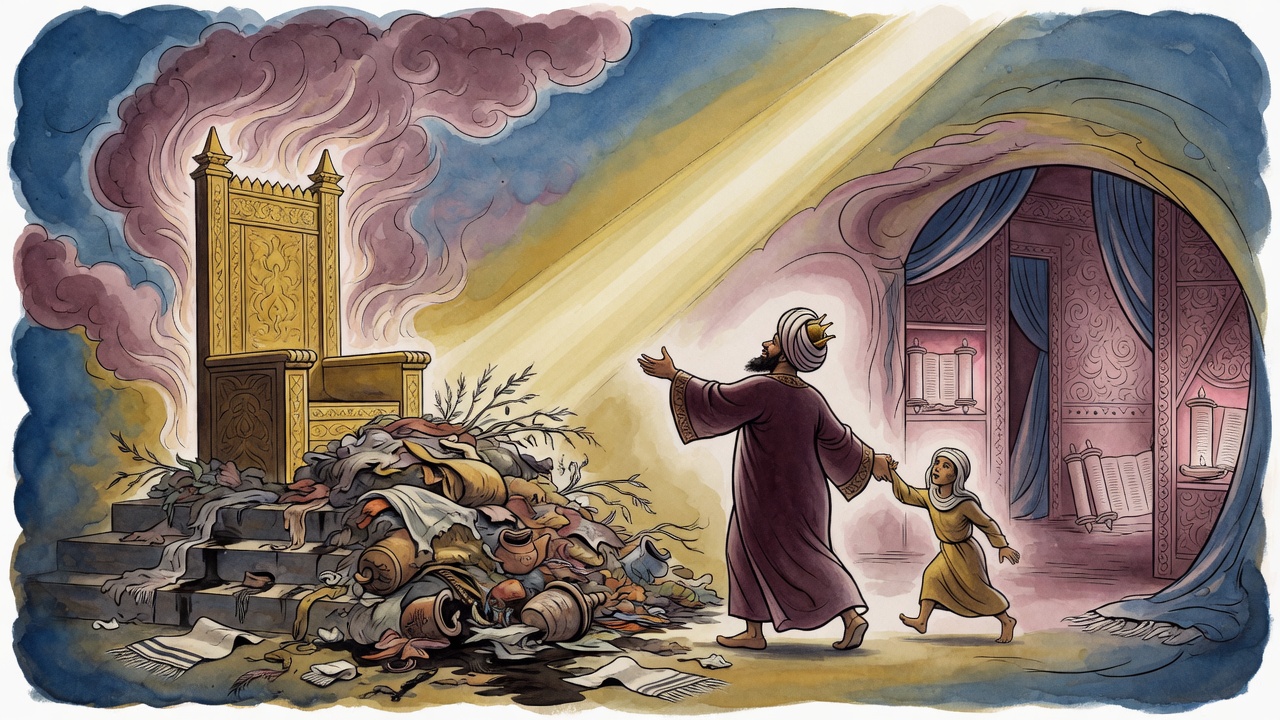
He told Moses the thing as a king returning to a wife the street had already written off. The king had left in anger. Her neighbors said he would never come back. Then a message arrived: sweep the palace, make the beds, I am coming on such-and-such a day.
He came. He ate and drank with her. The neighbors still did not believe it until the perfume reached the lane.
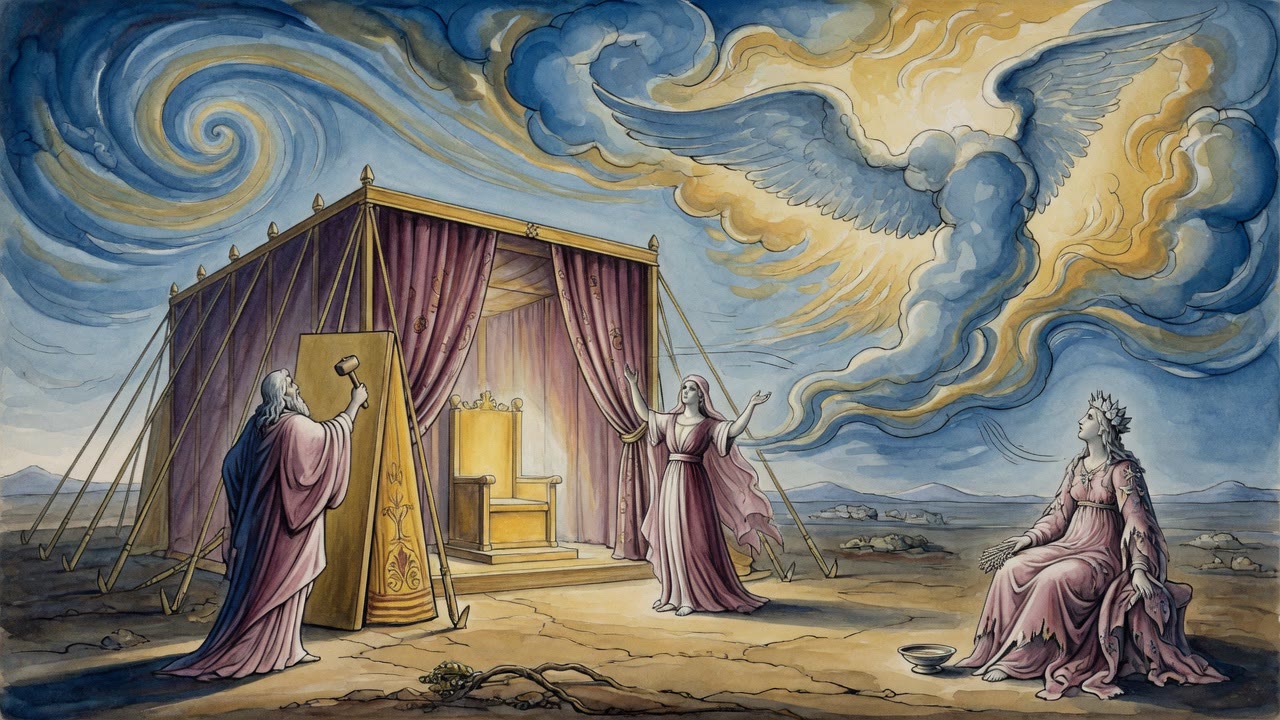
So Israel was to build a tent. The Mishkan (משכן), the Tabernacle, would be called a Tabernacle of Testimony because the presence inside it was the testimony. Not a speech posted on a pole. A smell the street could not deny.
The half-shekel that paid for the work still carried the calf in its weight. The sin had been at the middle of the day, so the fine was a half. Six grains of silver for the sixth hour. Ten gerahs in the half-shekel for the Ten Commandments they had broken while Moses was still on the mountain.
The Cloud Left No Room
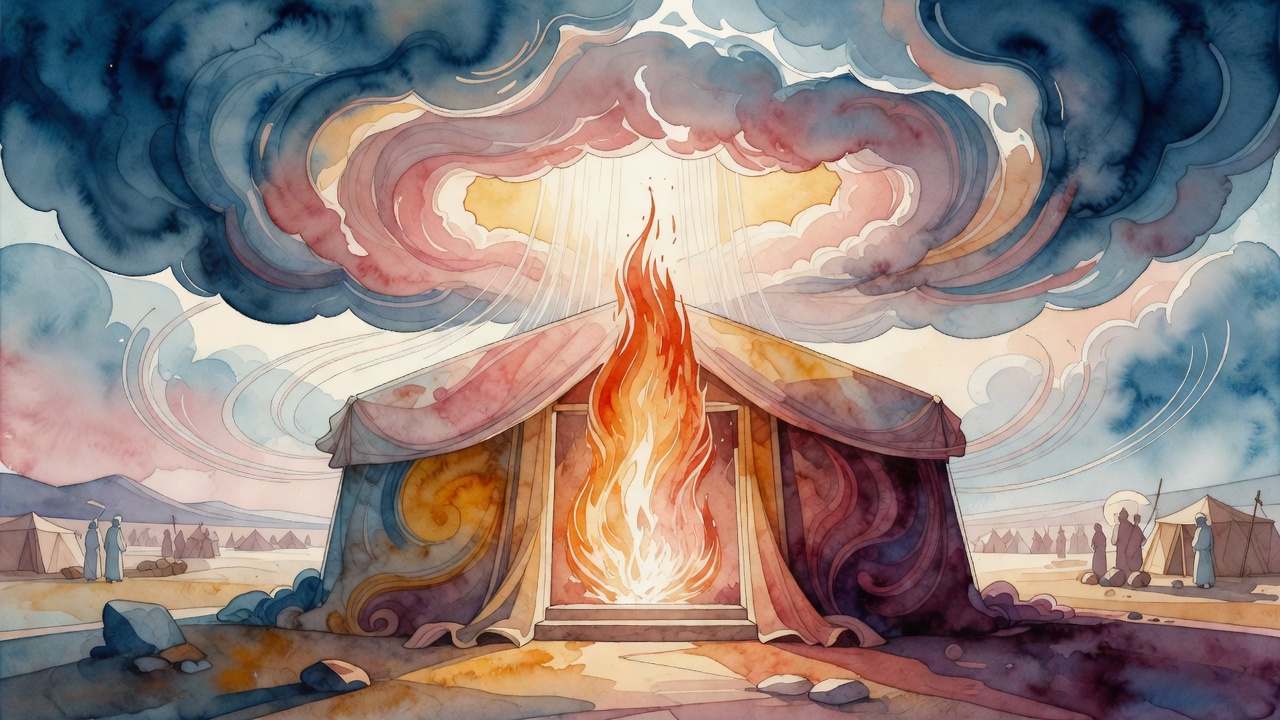
On the first day of the first month the cloud came down. The same cloud that had sat on Sinai sat on the work Israel had made. The Shechinah (שכינה), God's indwelling presence, filled the inner chamber until there was no space left for a man.
Moses, who had stood in that presence on the mountain more than any human before him, put his hand to the entrance and could not go in. The tent was too full. Forgiveness had weight. It occupied rooms.
Outside, the camp looked at the cloud and went quiet. A nation that had shouted around gold now stood around a tent that would not let even Moses through the flap. The perfume had reached the lane.
Seventeen Hundred Seventy-Five Shekels
Before the work was closed, Moses called all Israel in. He had heard the talk behind him as he walked to the tent. Some blessed the mother who bore him. Some looked at his neck and his thighs and said a man who ran the Tabernacle's gold would eat from the Jews and drink from the Jews and own what the Jews had given.
Moses heard it. He swore that when the sanctuary was finished he would give them a full public reckoning.
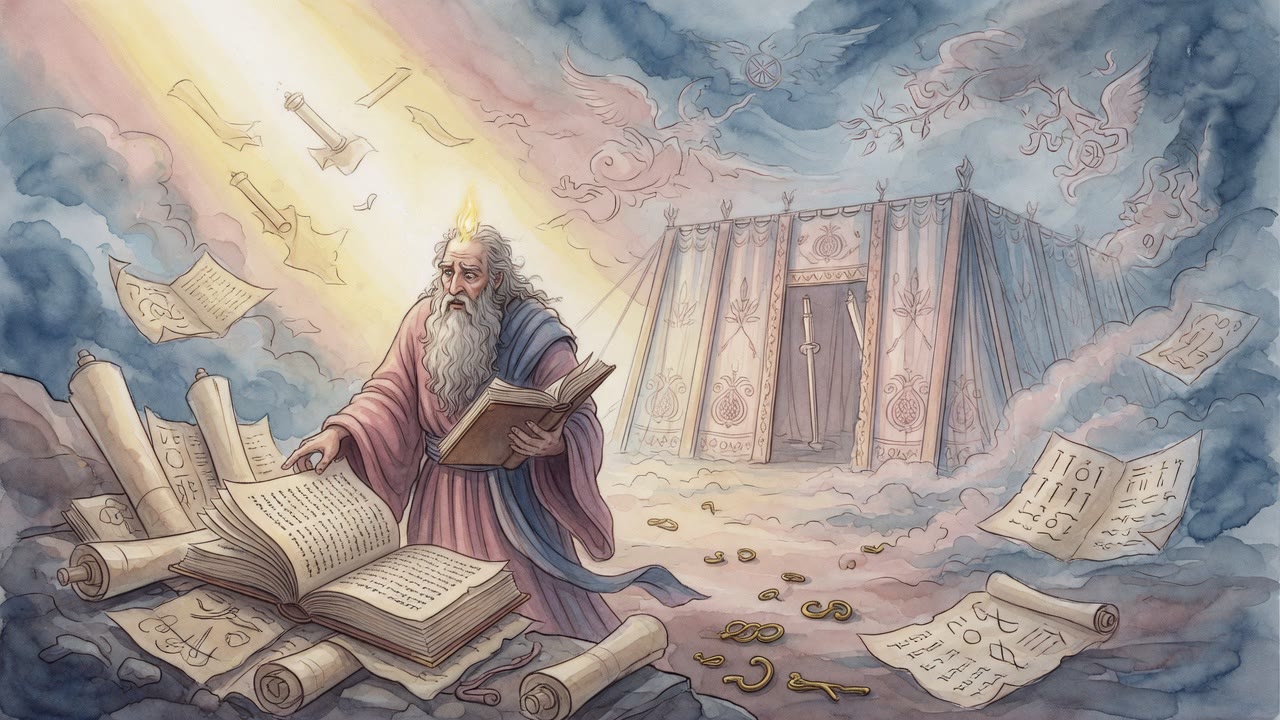
He sat with the numbers. Gold. Silver. Bronze. Each use named. At the end, seventeen hundred and seventy-five shekels of silver were gone. He went through the tally again. The gap stayed. He sat astonished. Now they would say Moses took it.
Heaven opened his eyes. The missing silver had been made into the hooks of the pillars, the small fittings near the top of each post. He had used it. He had forgotten to count it. He stood and named the hooks aloud, the way a man names a lost child found in the next room.
"And of the thousand seven hundred seventy-five shekels he made hooks for the pillars."
The camp went quiet. The books balanced because the last piece had been shown from above. The silver was in the hooks. The cloud was in the tent. The nations had a house they could point at, and Israel had an accounting no whisper could undo.
← All myths