God Held Up a Coin of Fire and Moses Asked Who Could Pay
Israel had already done the sums. Fifty shekels for a seducer, thirty for a goring ox, a hundred for slander. Not one of those, God said, is the price here.
Table of Contents
 Click for full size
Israel Priced Their Own Crime
The words that frightened them were plain enough. A man shall give a ransom for his soul.
They had made the calf. They had stood in front of a lump of gold shaped like an ox and said, this is your god who brought you up out of Egypt, and now a ransom was being demanded and nobody had told them the figure. So the camp began working it out for itself, and every calculation they came to was worse than the last.
A man who seduces an unmarried girl pays fifty shekels of silver to her father. We seduced the word we had agreed to and did not keep it, so it is fifty a head.
A man whose ox gores somebody's slave pays that man thirty shekels. We built an ox. We traded our own glory for the shape of an animal that eats grass. Thirty a head.
A man who slanders his bride and puts an evil name on her is fined a hundred. We put an evil name on the One who brought us out of Egypt. A hundred a head.
Nobody said any of this out loud to Moses. They worked it in their heads and went quiet.
God Refused the Price They Set
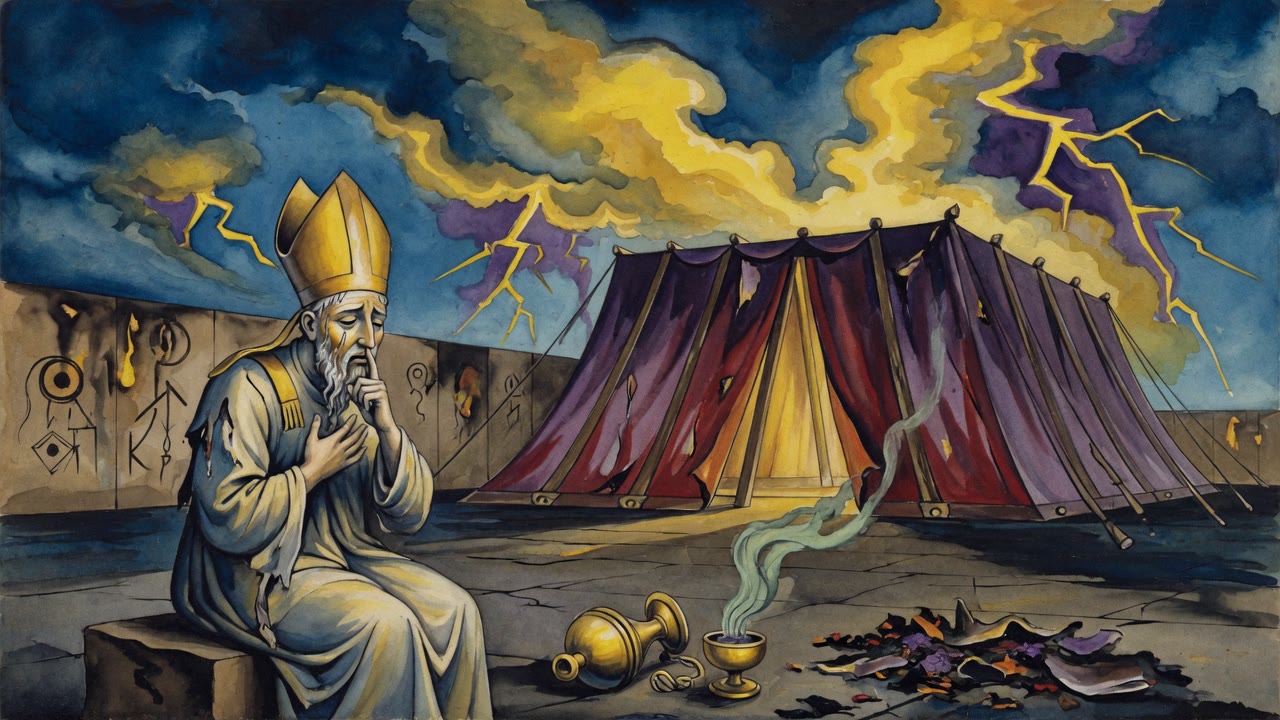
The counting itself was the danger. Whenever Israel is numbered, God said, something goes missing out of them. So He was putting the remedy in place before the injury: every head that passed the count would hand over one thing, and the thing would take the blow that was meant for the soul.
Then He answered the arithmetic going on in the camp, and He said it to Moses directly. No interpreter carried it. No angel carried it. No messenger stood between them and softened it on the way.
"Tell them what they are so afraid of. I am not asking them to pay Me as a seducer pays. Not as a man who puts an evil name on his wife pays. Not as the owner of a goring ox pays. They will give Me this."
Who Can Give a Thing Like That
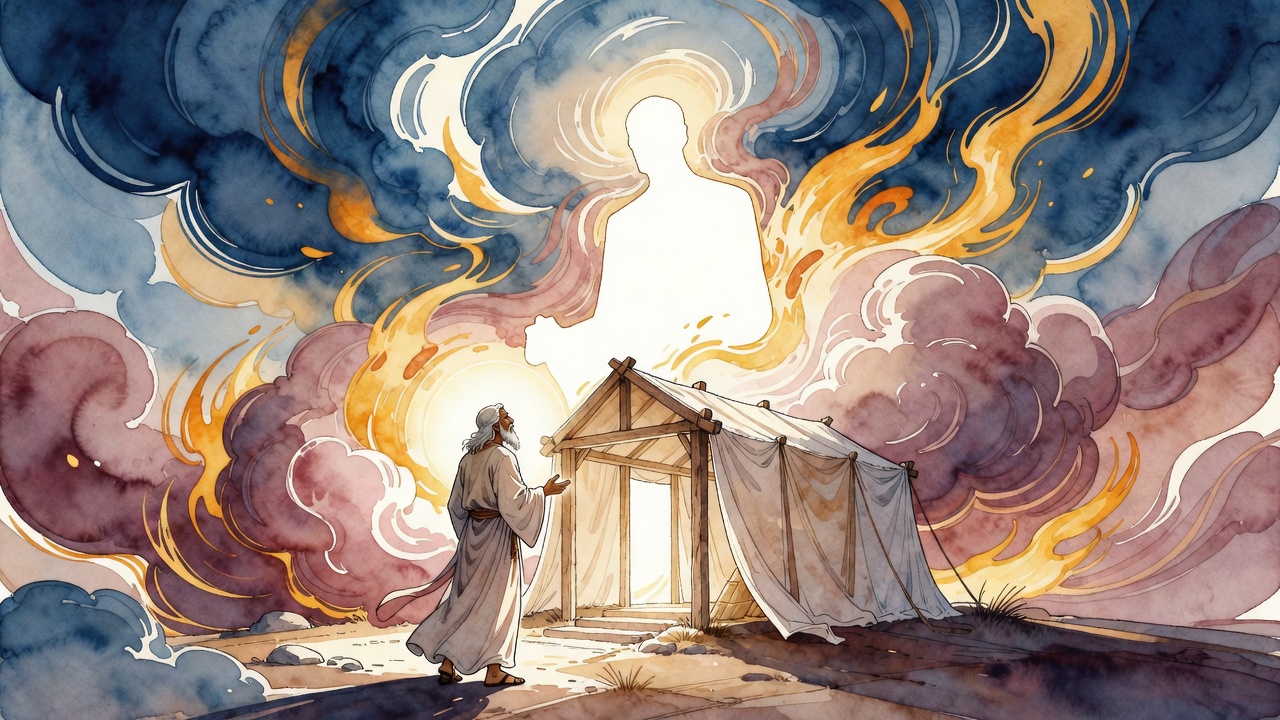
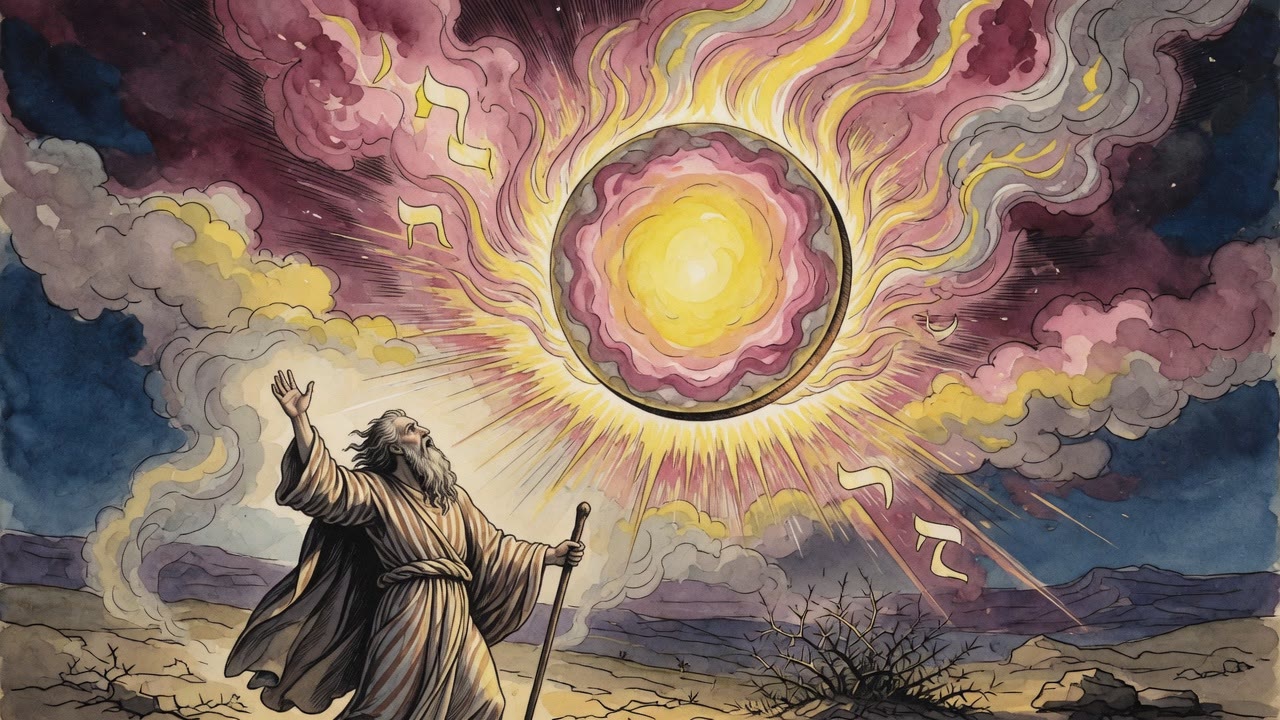
Rabbi Meir told what happened next. The Holy One reached under the Throne of Glory and brought out something in the shape of a coin, and the coin was made of fire. He held it up in front of Moses.
"This is what they shall give."
Moses looked at it burning in the air and could not see a way through.
"Who can give that?"
"Everyone who passed through the sea."
On the mountain it hung there like a denarius of flame while the weight was fixed against it, half a shekel by the sanctuary weight, twenty maneh, a portion set aside. Then it went out, and Moses came down with the memory of it, and silversmiths struck the thing in metal from what he remembered.
Why Half, and Why Ten
They asked why a half and not a whole coin.
Because the calf went up at the sixth hour. They sinned through half a day, so they would answer for it with half a shekel.
And why that particular half? A half shekel weighs ten gerah. Ten commandments had been broken by people who had stood at the mountain and heard them spoken out loud, and ten pieces of silver came back against them.
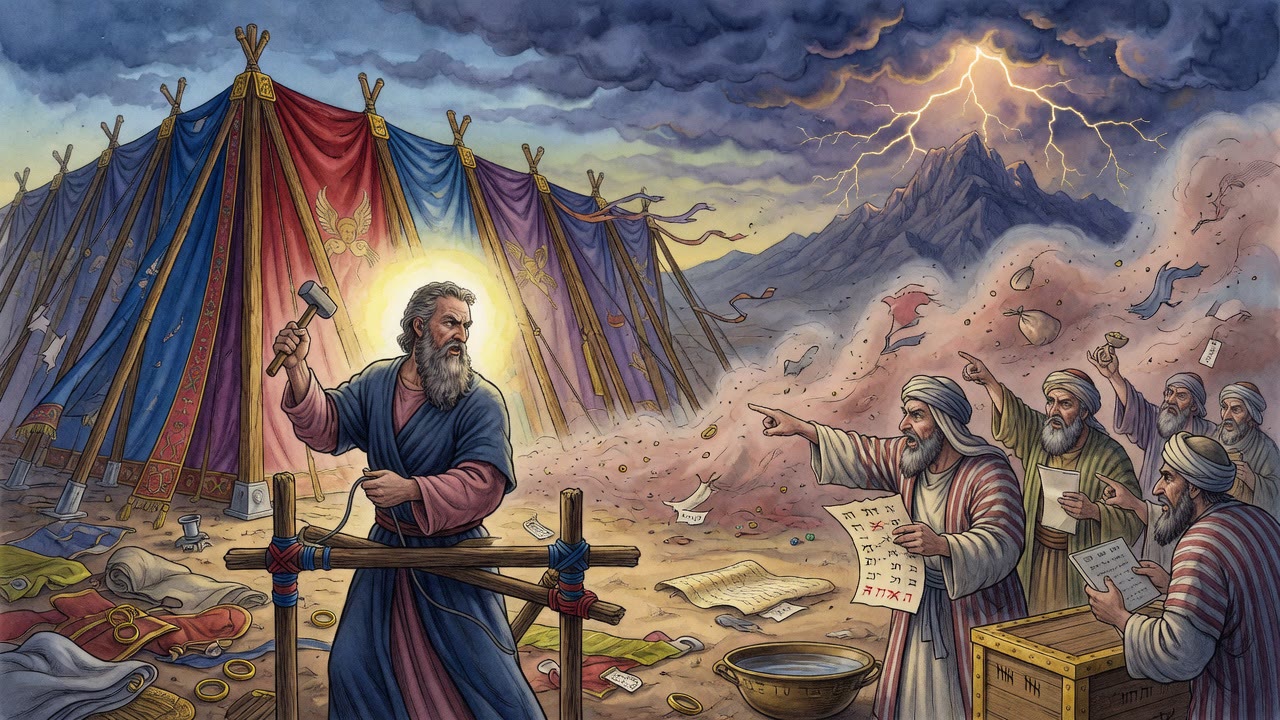
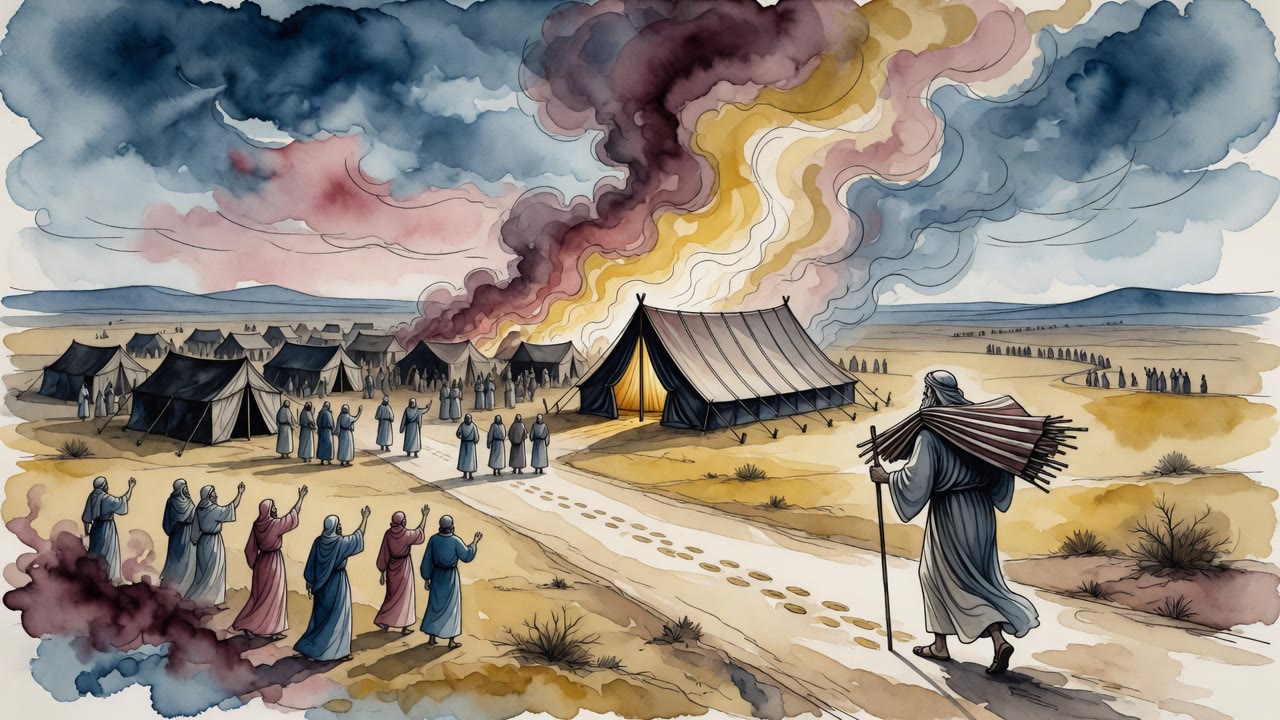
From then on the announcement went out through the country on the first of Adar, and by the first of Nisan the boxes were full and the money was counted and lifted. Nobody was pushed. Nobody paid more than his neighbor. The rich man's half shekel and the poor man's half shekel sat in the same heap and weighed the same, and out of that silver they cast the sockets the whole Tabernacle stood in. The pillars went into the silver first. The boards went onto the pillars. The curtains went over the boards. Everything they had made out of the calf's fine was holding the sanctuary off the ground.
The Robe He Wore at the Sea
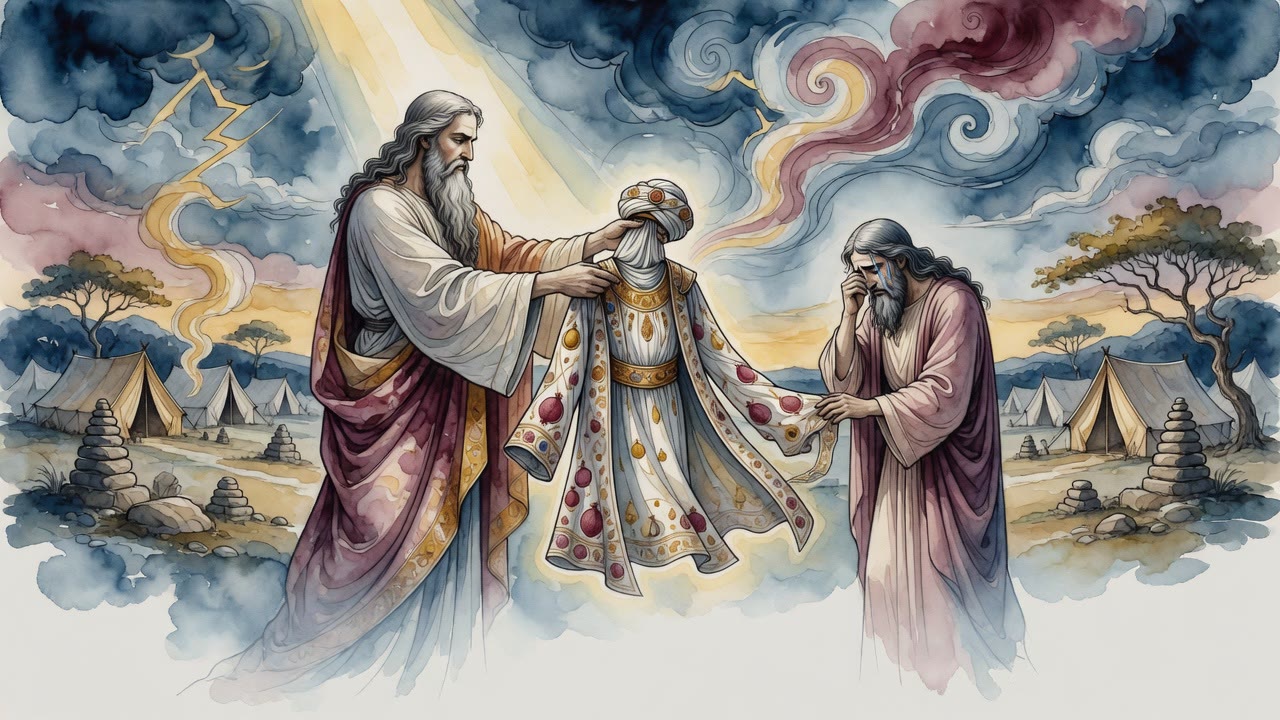
A king had a wardrobe full of purple, and one robe in it that he kept putting on.
A servant finally asked him about it. "My lord, you own how many of these? Why is this the one you favor over all of them?"
"I am careful with this one," the king said. "This is the robe I was wearing when I married the king's daughter."
There was an old man too who owned one cloak, and shook it out every hour of the day and prayed in it, and when they asked him why he was so careful with that particular cloth he said it was what he had been wearing on the day he was given it.
So the Holy One said to Moses, be careful with this people out of all the nations I made. They are the ones who made Me king first, standing at the edge of the water with the sea still open behind them, and what they said was, this is my God.
Every one of them had walked between those walls. That is who could pay for a coin of fire.
← All myths