Moses Built a Sanctuary That Fire Could Not Consume
Pharaoh asked how many cities God had conquered; Moses forgot the menorah (the lampstand) three times; and the brass altar stood in constant fire without ever.
Table of Contents
 Click for full size
Pharaoh Asked for God's Army List
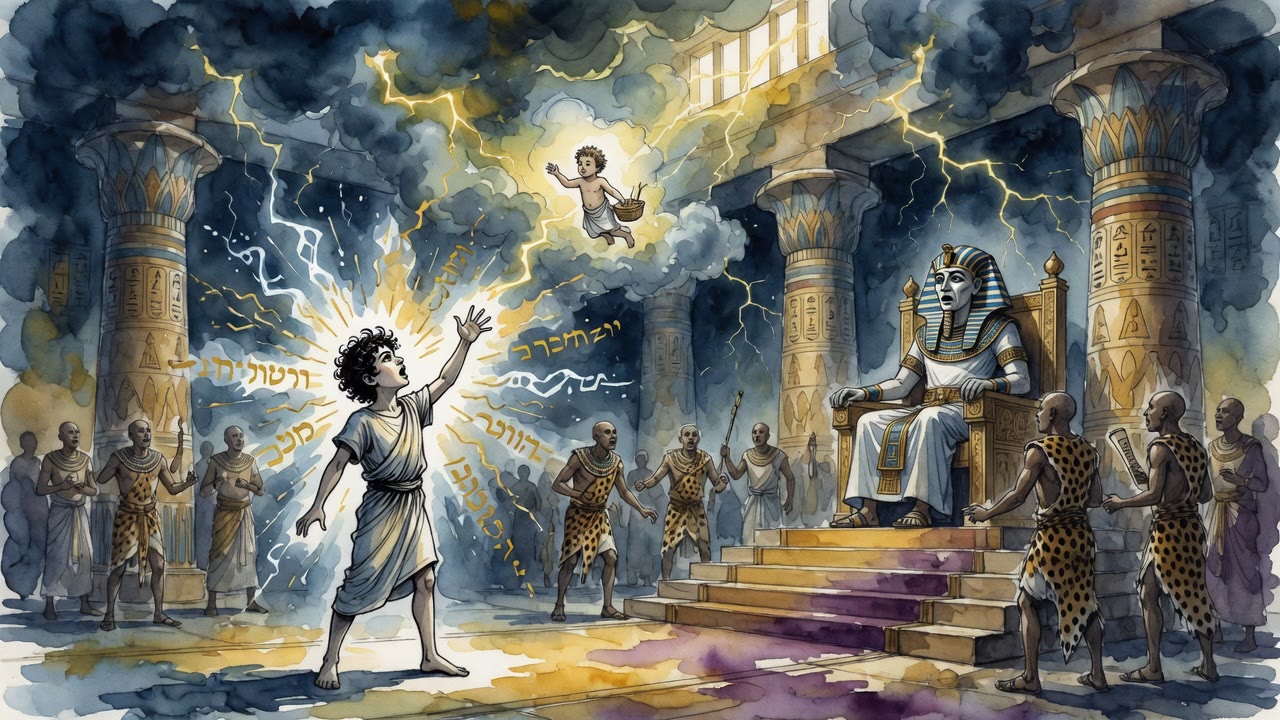
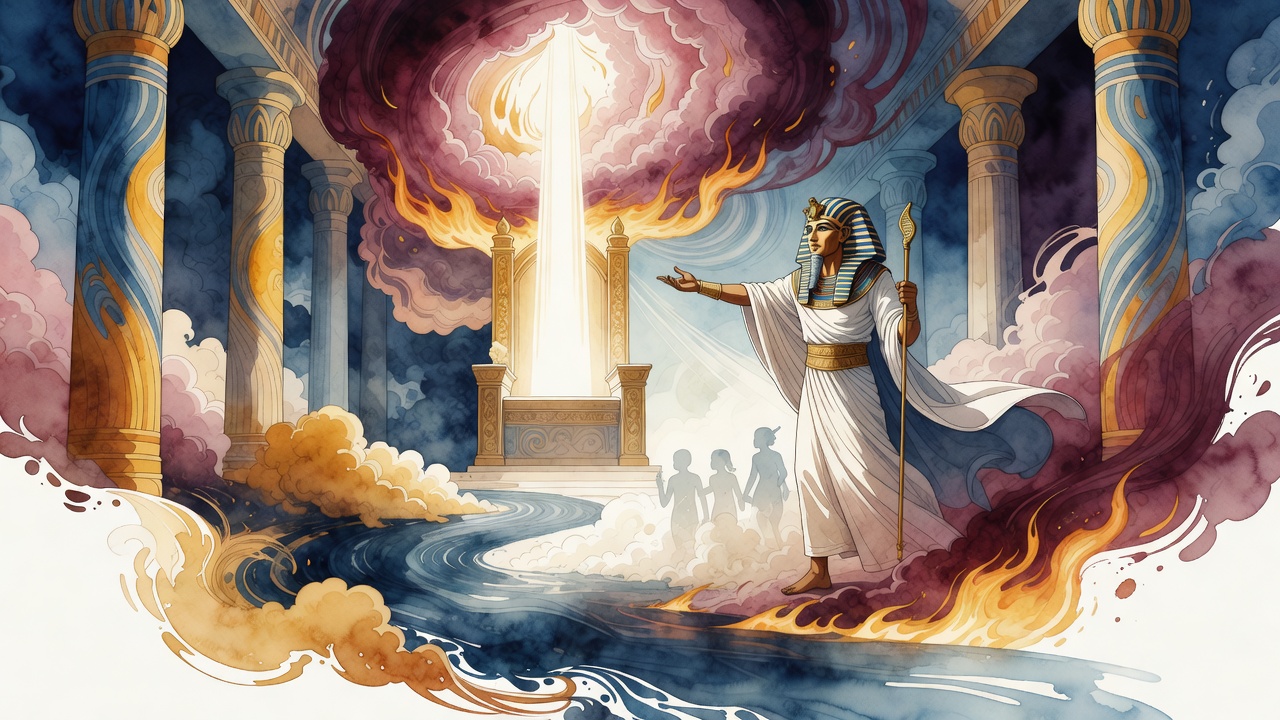
When Moses and Aaron came to Pharaoh's court and told him that the God of Israel had sent them, Pharaoh did what powerful men do: he asked for credentials. What is God's territory? How many cities has He conquered? How many soldiers does He have? How many chariots? He had his scribes bring the register of kings and searched for God's name in the ledger of conquered territories. It was not there.
The God who sent Moses to Pharaoh was not a territorial deity. He had no army list, no conquered cities, no count of chariots, because He owned the breath inside every chariot and the life inside every soldier in every army including Pharaoh's own. The rabbis in the Legends of the Jews preserved this exchange as the first declaration of the difference between divine and imperial power. One could be measured. The other was the source of measurement itself.
Three Thousand Fell and Moses Climbed Again
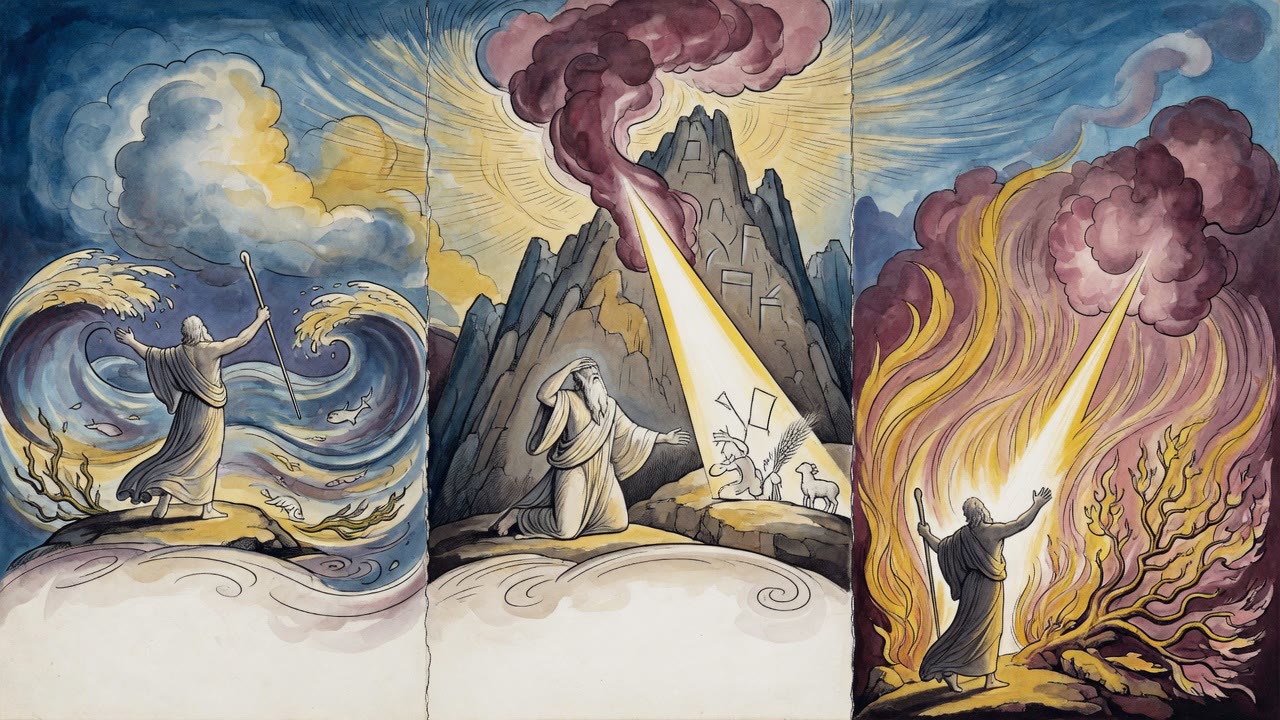
He came down from Sinai with the tablets and found them dancing. He broke the tablets at the foot of the mountain, as if to say: what I am carrying cannot survive contact with what you are doing. Three thousand people died in the aftermath. Then Moses looked at the punishment and refused to accept it as the end of the story. Six hundred thousand people, he argued, should not perish because of three thousand. He climbed again.
The rabbis traced this as the pattern of Moses' life: catastrophe, argument, ascent. He never fled from the damage. He stood between the people and the consequences and went back to the place where both justice and mercy lived and argued for the people who had just failed him. The Sanctuary would be built by this people, who had worshipped gold six weeks after the thunder of Sinai. Moses knew who he was building it for.
Moses Forgot the Menorah Three Times
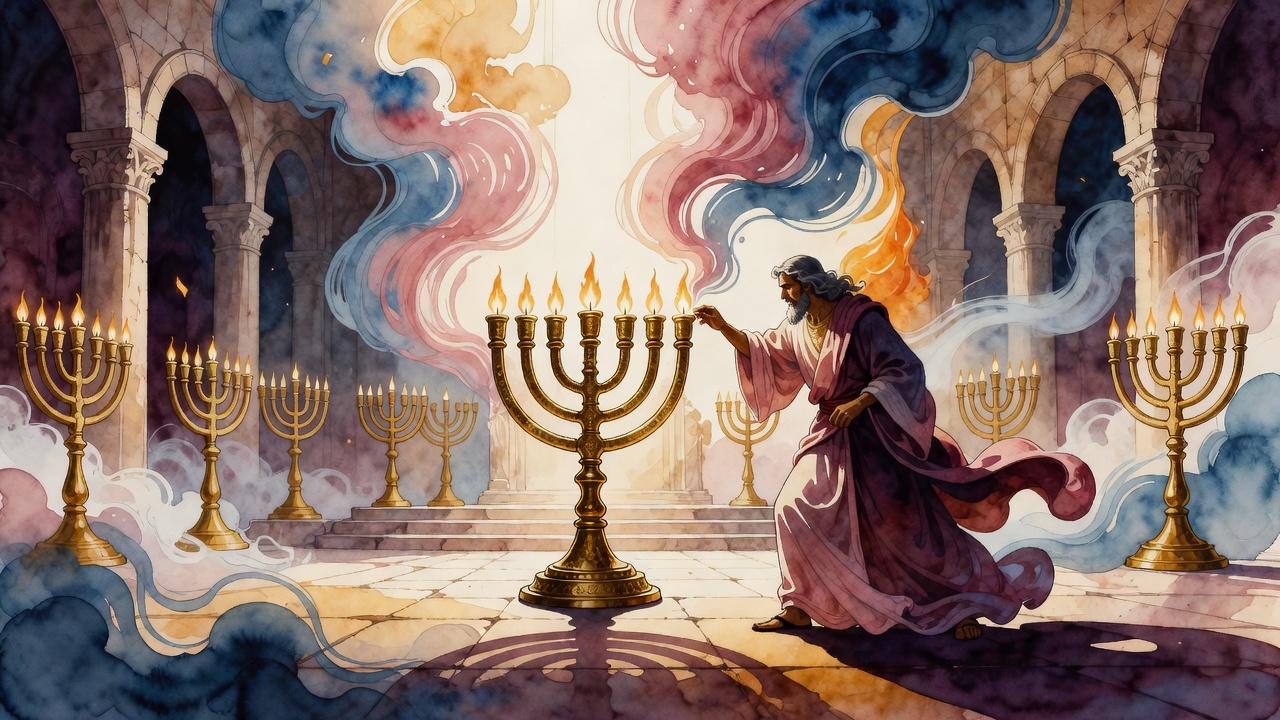
Three times God showed Moses the design of the golden lampstand. Three times Moses descended and found the image had faded from his mind. The branches, the almond cups, the hammered gold, the specific measurement of how the lamps were to be set: he could not hold it. The Torah's text has the word for it: re'eh, look, God said, look at the pattern, the heavenly prototype of the earthly lamp.
Moses looked and could not reproduce what he had seen. God told him to find Betzalel, who had not stood on the mountain and had not received the direct vision but who, when given a description, understood it. The man who had been to heaven could not make the lamp. The craftsman who had never left the ground could make it perfectly. The rabbis read this as a lesson about the different kinds of knowledge and who is equipped to carry each kind.
The Brass Altar Burned Without Melting
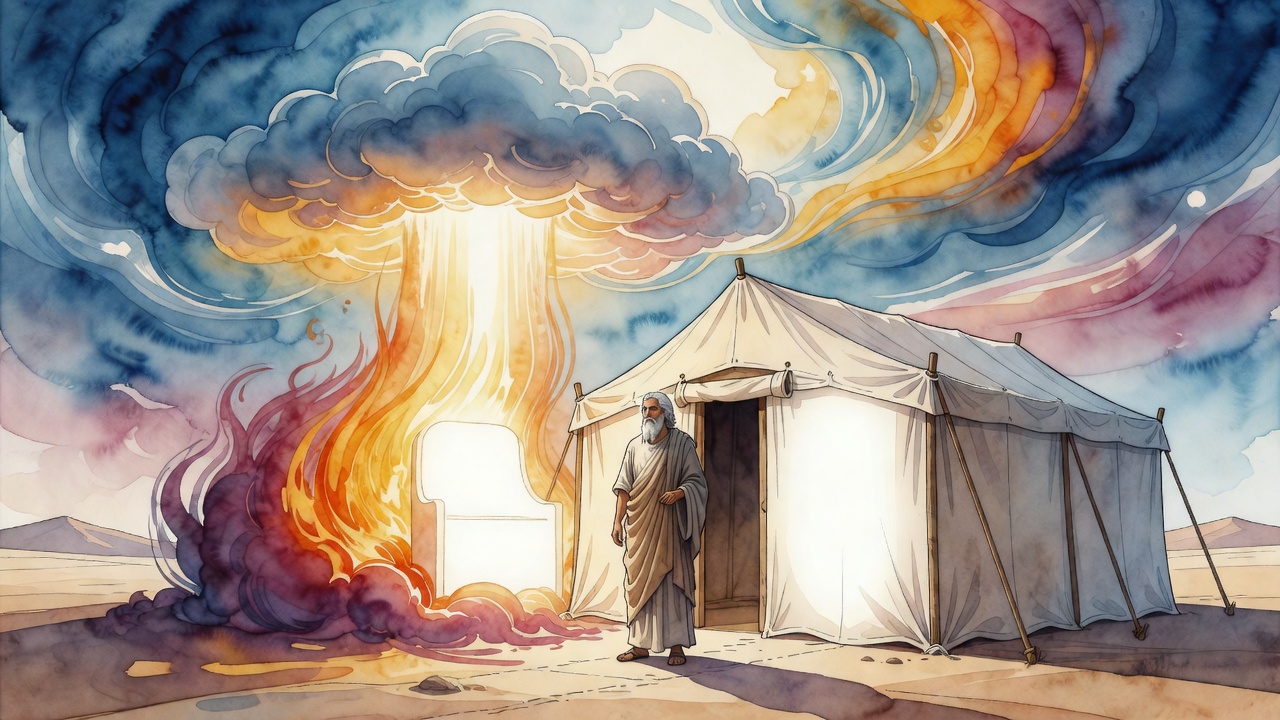
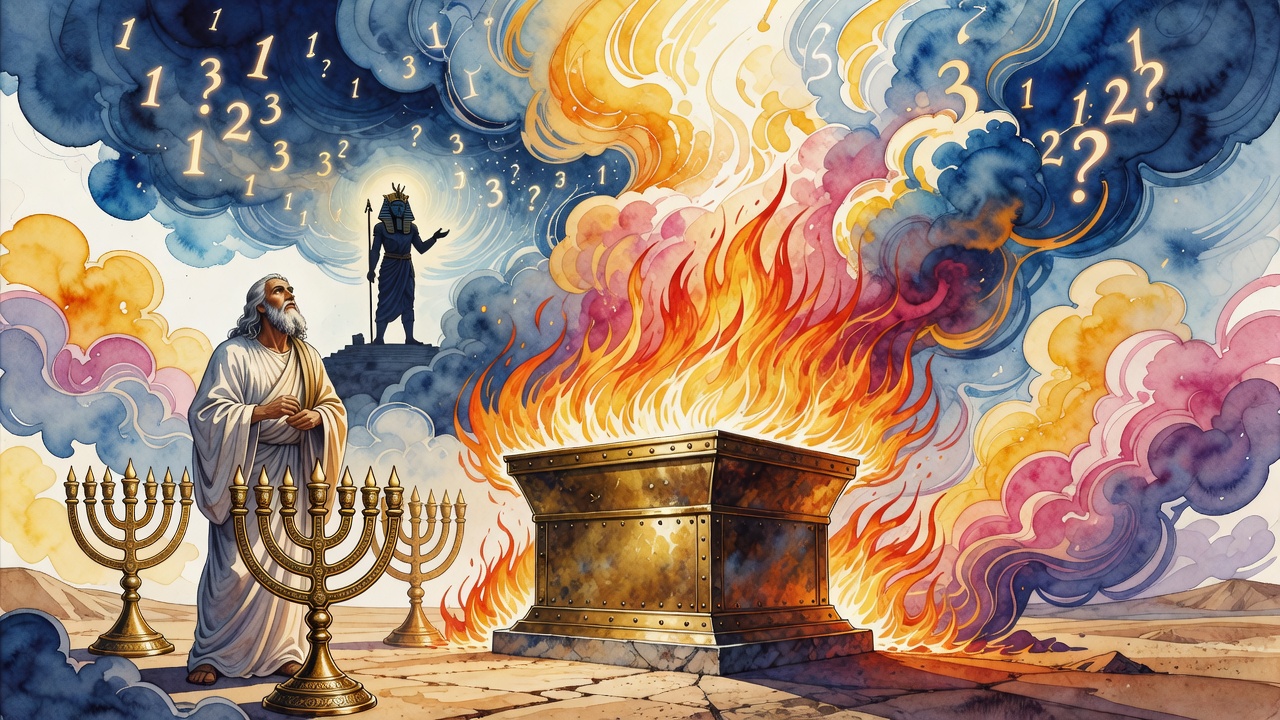
The altar for burnt offerings was made of wood overlaid with brass. Every day the fire was lit on it. Every day animals were consumed and the fat rose in smoke and the altar stood in the middle of continuous combustion. Brass softens in intense heat. Wood burns. The altar should have been ash within a week of the dedication of the Mishkan (the portable desert sanctuary).
It never melted. It never charred. The tradition explained that a heavenly fire lived inside the earthly fire on the altar, and the heavenly fire sustained what the earthly fire should have consumed. The altar that received sacrifice was itself protected by something that could not be sacrificed. The place where the finite was offered to the infinite was itself held in the infinite's grip, kept whole by the power it was built to honor.
Korah's Censers Were Hammered Into the Altar's Cover
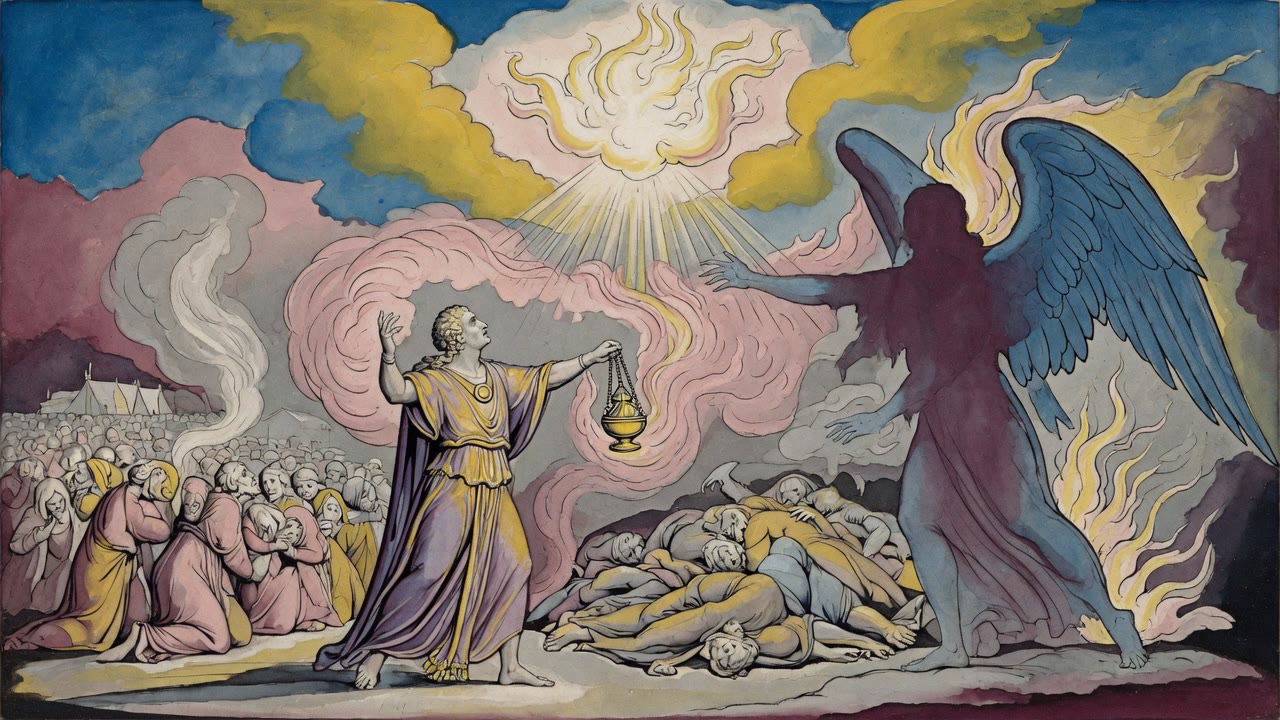
Two hundred and fifty of Korah's followers died holding incense censers when the earth opened and fire came out. The censers were still in the hands of the dead men, still holy, because anything offered before God becomes holy even when the offering is unauthorized. Moses was commanded to collect them. The brass censers were hammered flat and used as a covering for the brass altar, so that every Israelite who approached to offer sacrifice would look at the altar's surface and remember what had happened to those who had challenged the priesthood.
The memorial was built into the worship. The altar's covering was made from the instruments of the rebellion. Each day that incense rose from the altar, it rose above the hammered metal of those two hundred and fifty censers, and the worshipper could not approach without standing in front of the record of what unauthorized fire had cost.
← All myths