The Tabernacle Smoke Told the Nations God Had Come Back
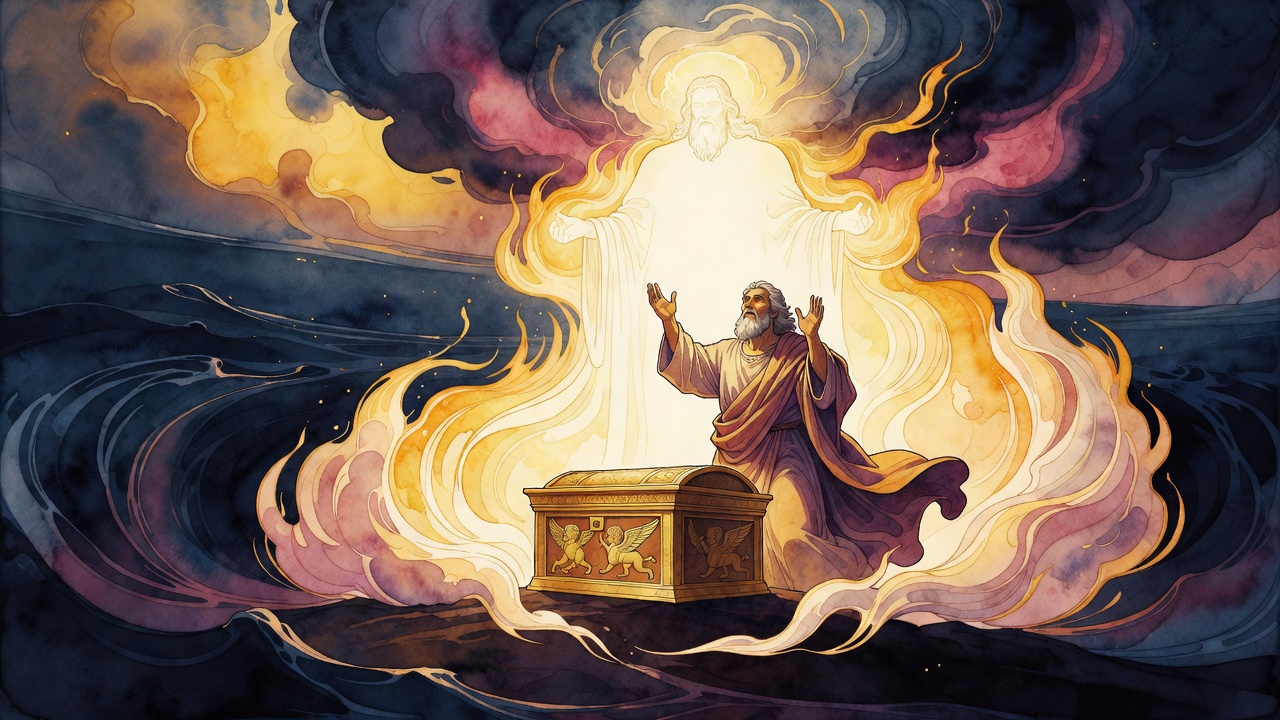
Moses prayed for forgiveness after the Golden Calf but asked too narrowly. The Tabernacle smoke was how the nations knew the husband had returned.
Table of Contents
 Click for full size
Moses Asked for Too Little
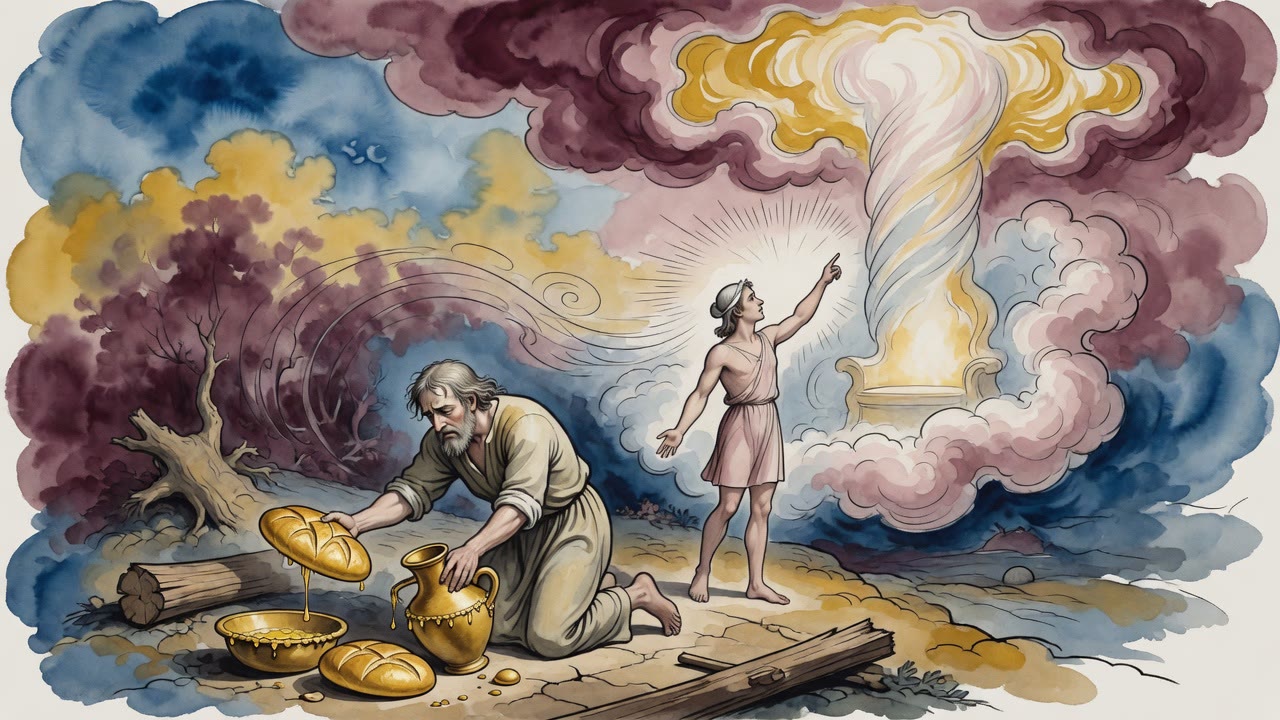
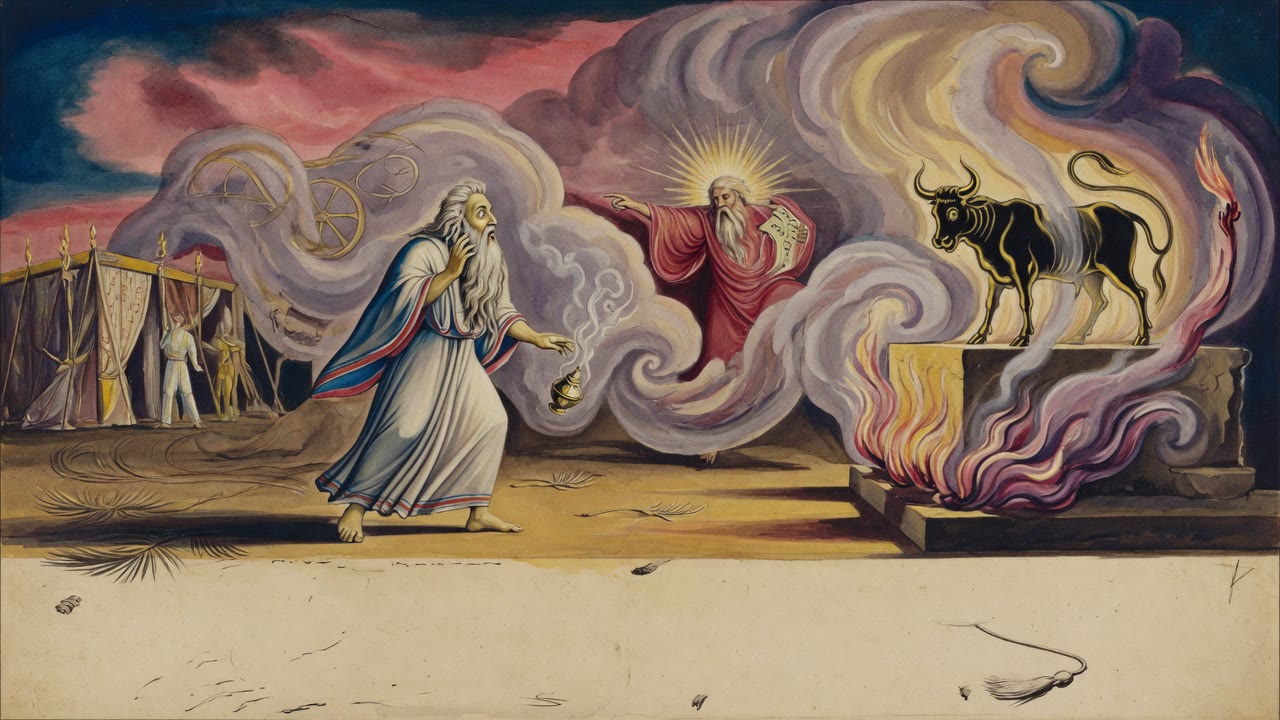
The Golden Calf had been melted down, the ringleaders punished, and Moses had pleaded with God through the long aftermath. Restore the law to them, he asked, echoing the Psalmist's plea: Restore unto me the joy of thy salvation.
God answered with the pain of betrayal. Israel had seen Egypt broken. They had walked through the sea on dry ground. They had heard the voice from Sinai. They had been given manna, guarded by cloud and fire, carried through the wilderness. They had said at Sinai: all that God has spoken, we will do. And then, standing at the foot of the same mountain where they had made that promise, they built a calf out of gold and called it their god.
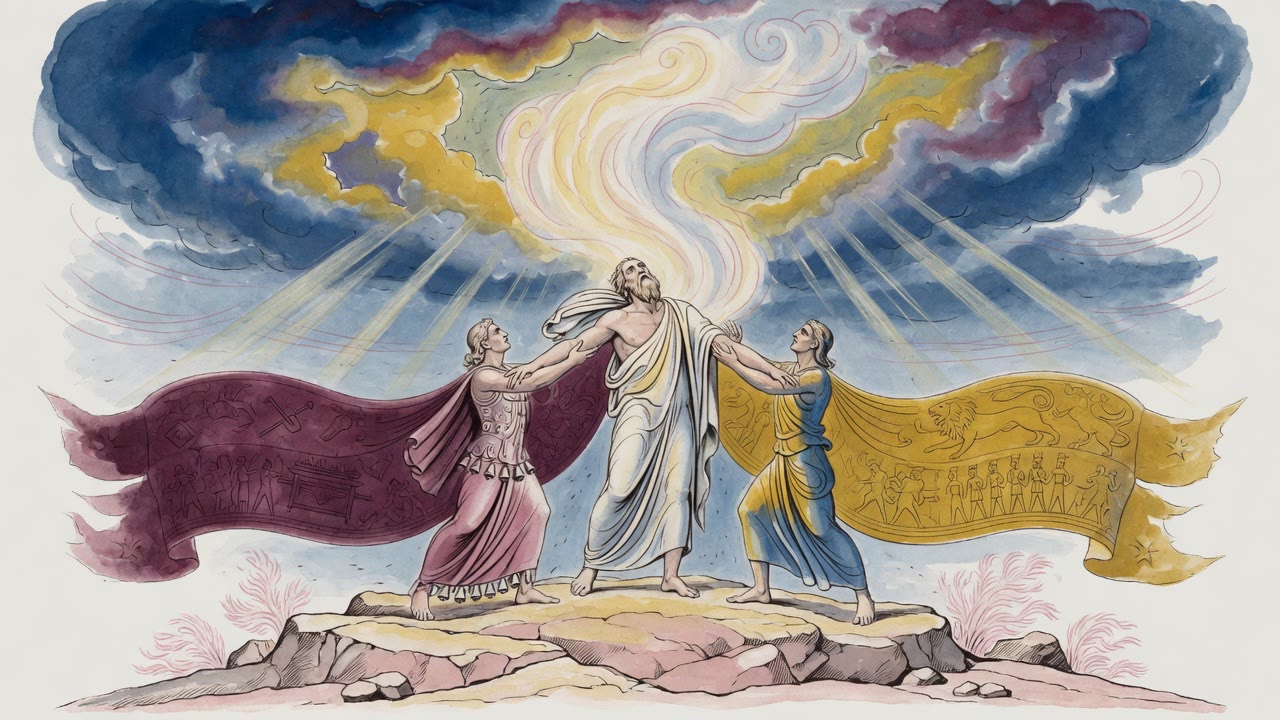
The Holy One did not say no to Moses. But the Tanchuma tradition preserved a sharper moment. A voice said to Moses: if you had asked for forgiveness for all of Israel until the end of all generations, I would have granted it then, in that moment of acceptable time. Moses had limited his request to the affair of the calf, and so the forgiveness was granted with the same limitation. Moses had the opportunity to ask for everything and asked for this one incident, and the window closed around what he had asked for. The mercy was bounded by the prayer.
The Neighbors Said He Would Not Return
God's forgiveness happened in heaven before anyone on earth could see it. Midrash Tanchuma in Pekudei told the story through a marriage. A king loves a woman and marries her. After a time he becomes angry and leaves. Her neighbors gather at the fence and tell her: repent, or your husband will not return to you. He has turned away from you permanently.
The neighbors said it with the certainty of people who had watched the king walk out and not look back. They had seen his anger. They had seen the door close behind him. To them the matter was settled, and the woman left at the fence had nothing to wait for. The verdict from outside was final: the marriage was over, and she should stop hoping.
The Fragrance Reached the Fence
After some time, the king came back. He came to her house. He ate and drank with her. But the neighbors who had predicted the marriage was over were still not satisfied. They had not seen it. They had heard that he returned, but hearing and seeing are different things. Then the fragrance of spices rose from the house, the unmistakable smell of a meal, a table set, a household resumed. The neighbors smelled it from outside and understood.
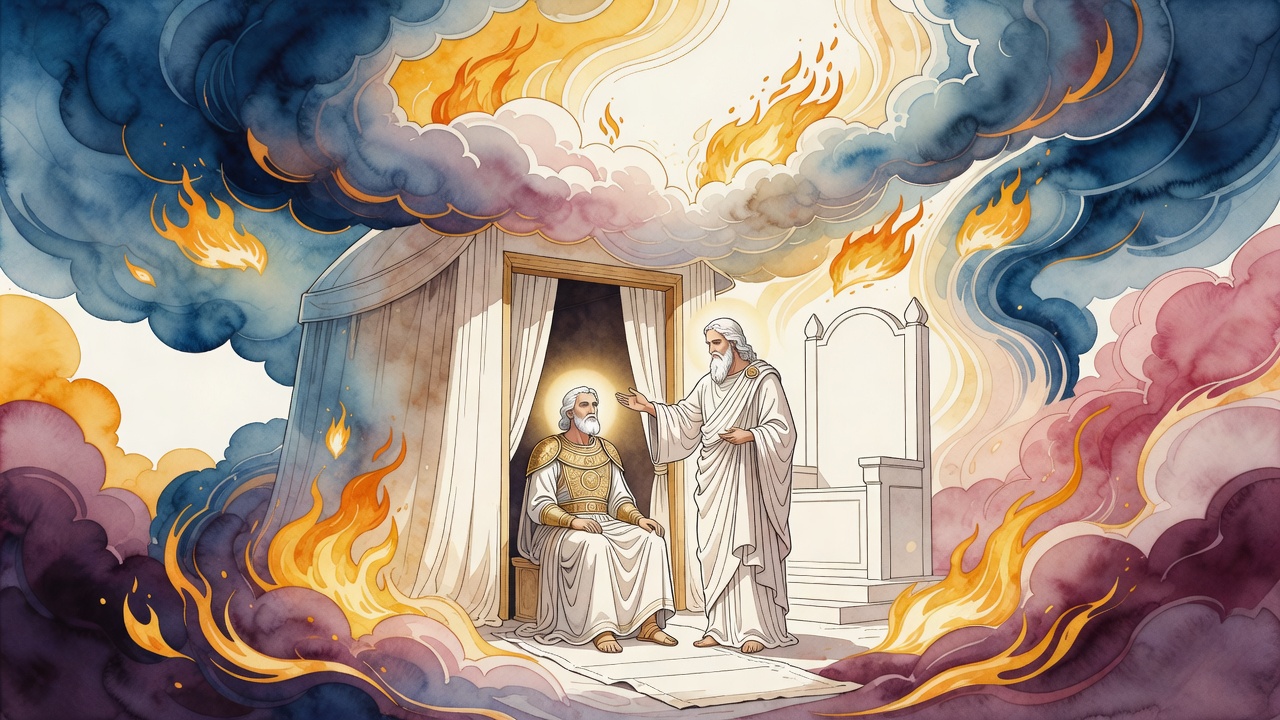
The Tabernacle was that smell. Israel had sinned with the Golden Calf. The nations of the world, Egypt, Babylon, every people watching from outside, had concluded that God had left and would not return. The marriage was over. And then Moses built the Tabernacle, and the smoke rose from the altar, and the fragrance moved outward from the sanctuary into the world. The nations saw the smoke and understood that the husband had come home.
What the Smoke Bore Witness To
The Tabernacle, in this reading, was not primarily a place of sacrifice. It was evidence. Its existence testified to the entire watching world that God had forgiven the Golden Calf. The whole elaborate construction, the sockets and the boards, the curtains and the lampstand and the basin, was the sign of reconciliation, written in acacia wood and fine linen and lit with oil, producing smoke that announced: the covenant is intact.
The sin had been public. The nations had seen it. The forgiveness required a public answer. God's decision to accept Israel again could not remain a private transaction between heaven and the wilderness camp. It needed to be readable from outside, visible to the nations who had written off the marriage. The rising smoke was the announcement they could not miss.
← All myths