28 myths
Each story names the sources it was written from.
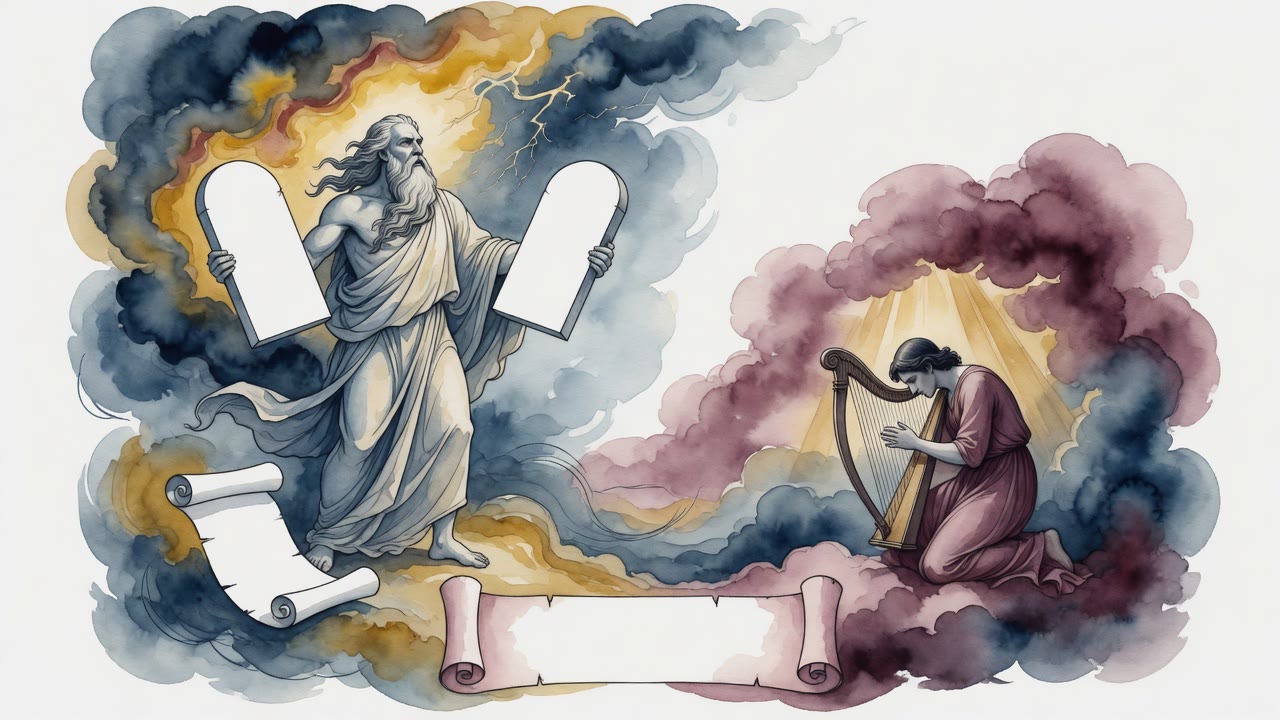
Two leaders, two sins, two opposite requests. One asked God to carve his failure into the Torah forever. The other asked God to bury it.
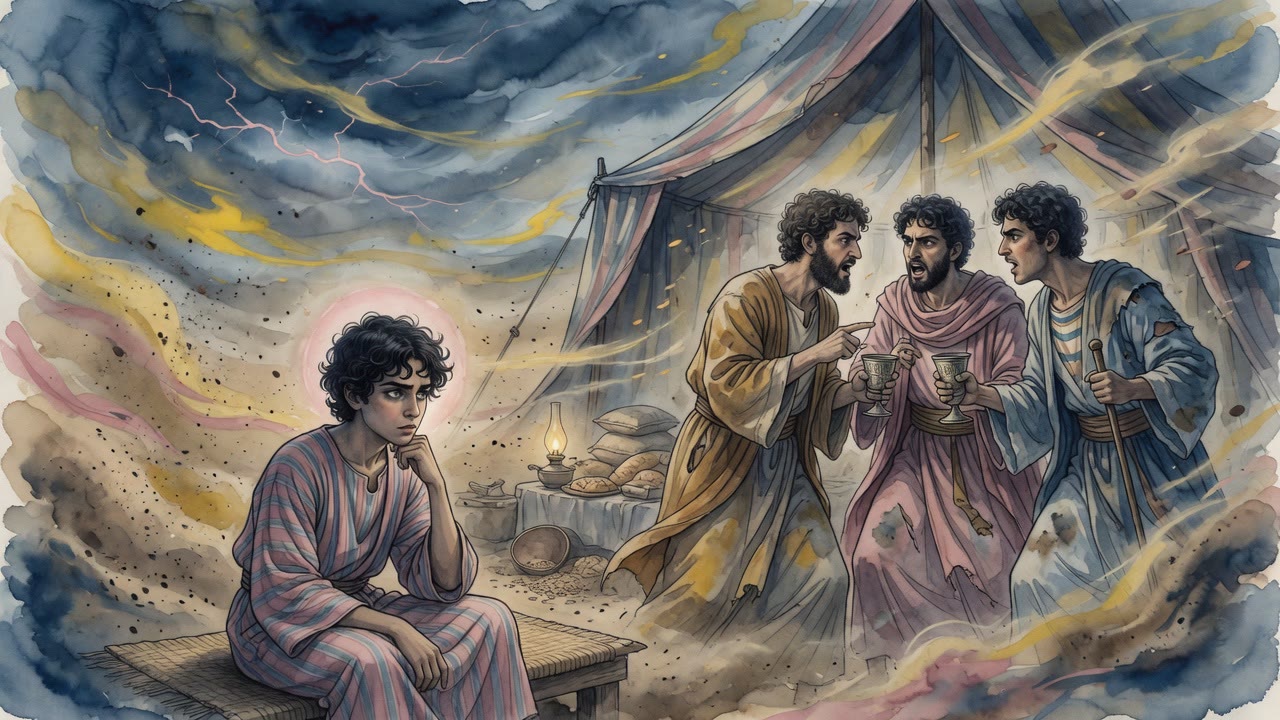
When Benjamin went to Egypt, Joseph pulled him aside and asked what their brothers had told Jacob. The answer revealed a mercy his brothers never knew about.
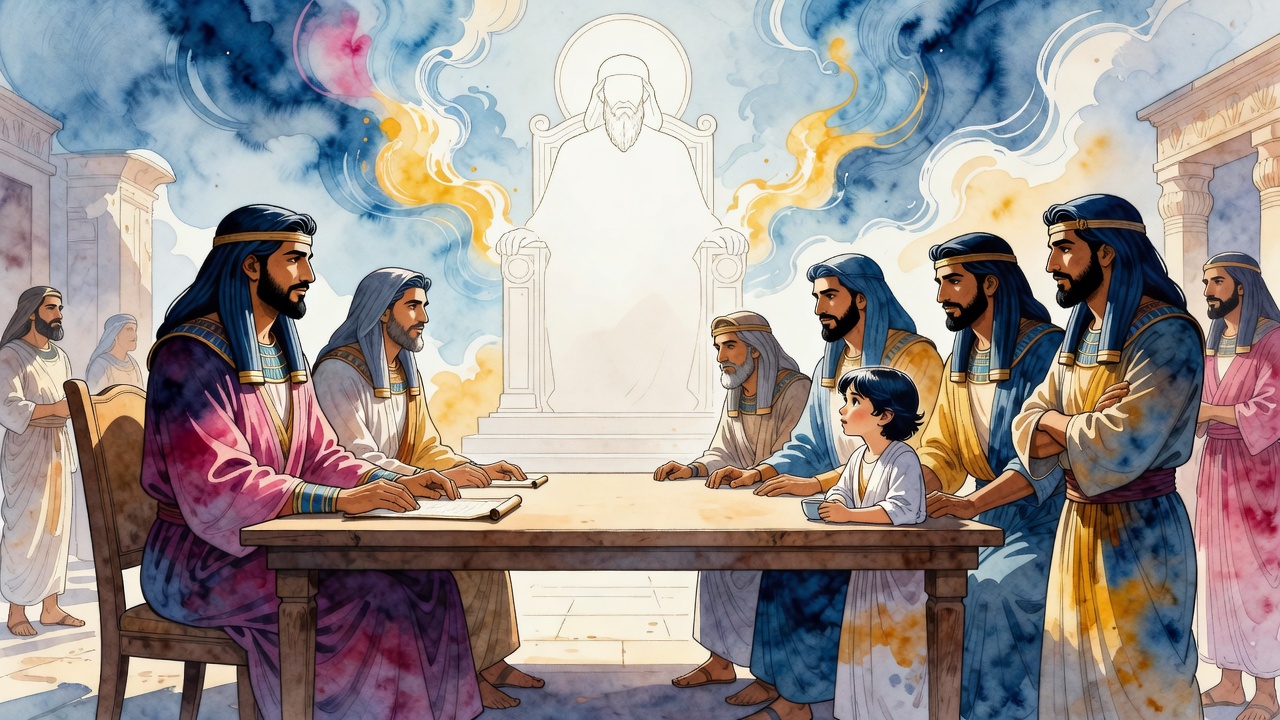
Joseph seated Egypt, himself, and his brothers apart, then listened for the truth. Benjamin would reveal whether the old cruelty had died.
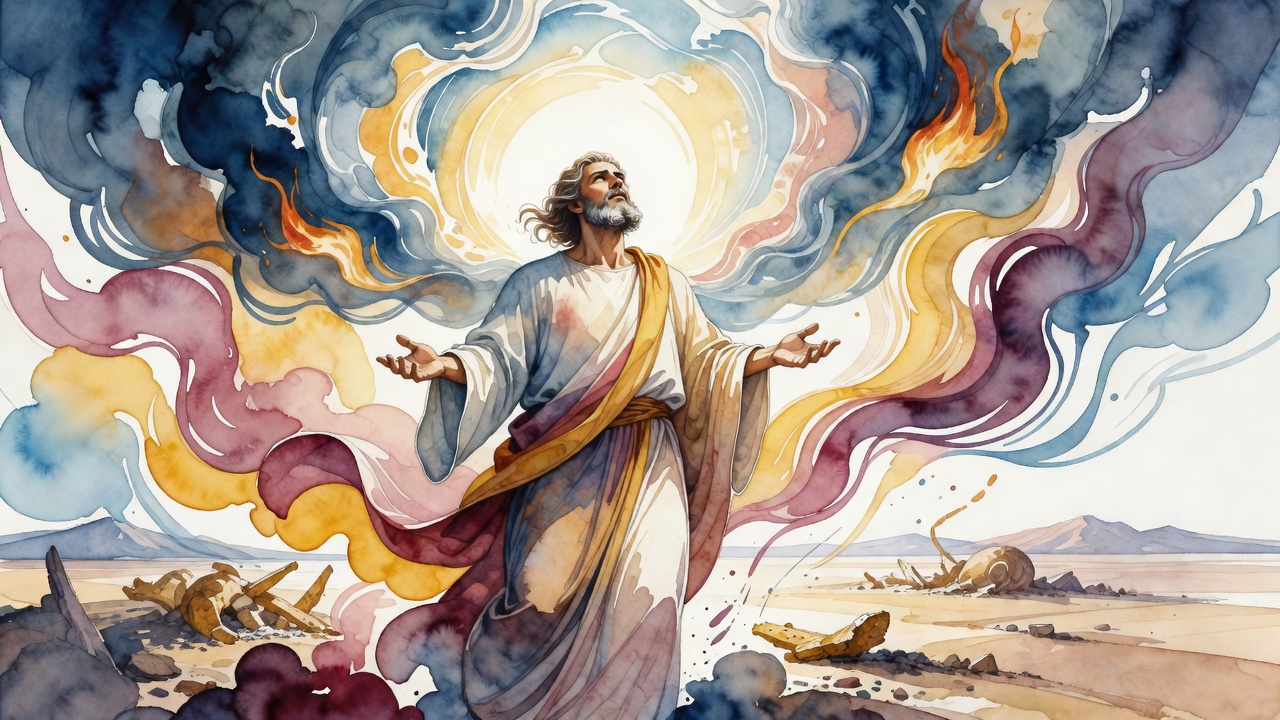
After the golden calf, Moses offered his own name to save Israel, asking God to erase him if the people could not be forgiven.
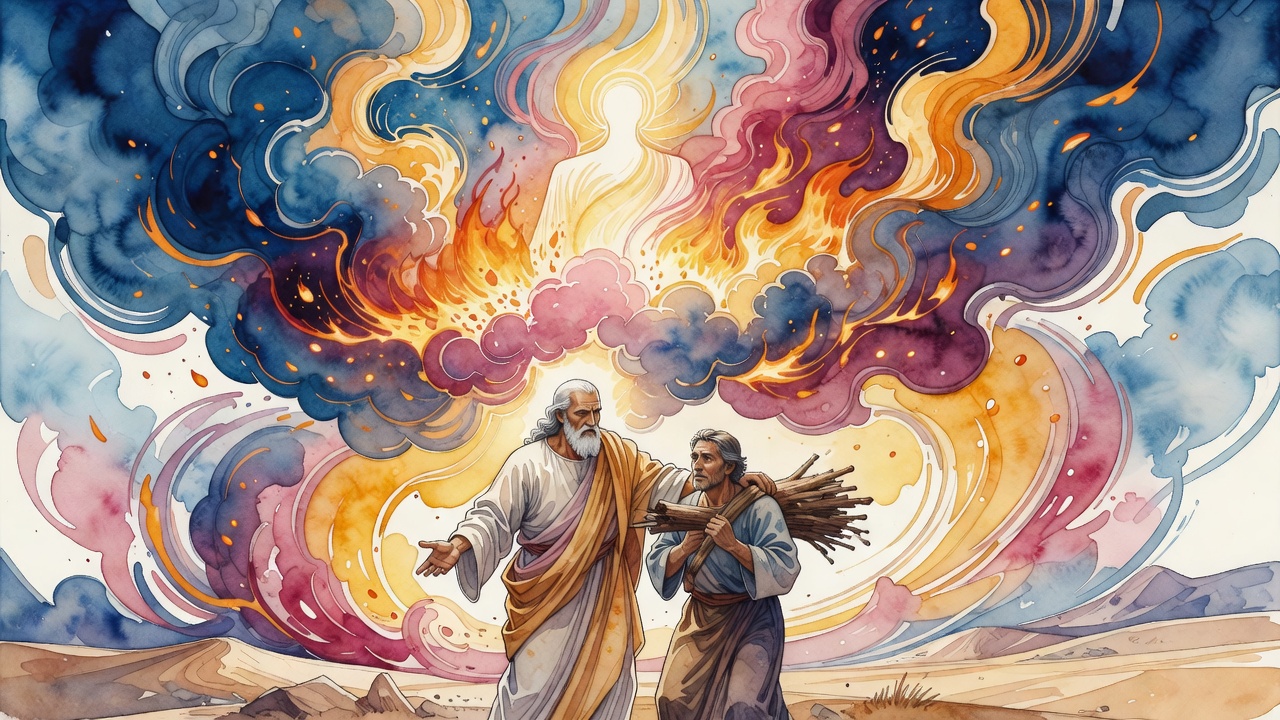
The man gathered sticks on the Sabbath and Moses held him, because even Sinai had not named the death. He said he had not heard.
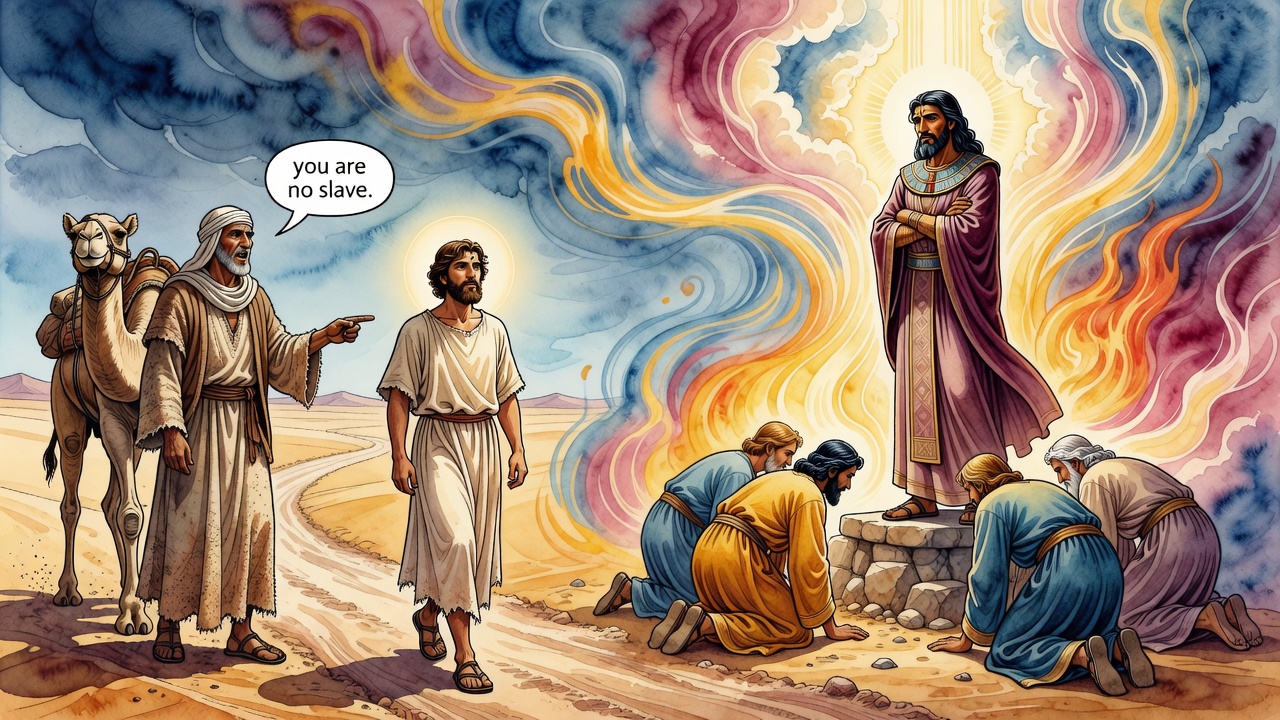
A Midianite trader spotted Joseph on the road and said: you are no slave. Years later, standing over his bowing brothers, he proved it.
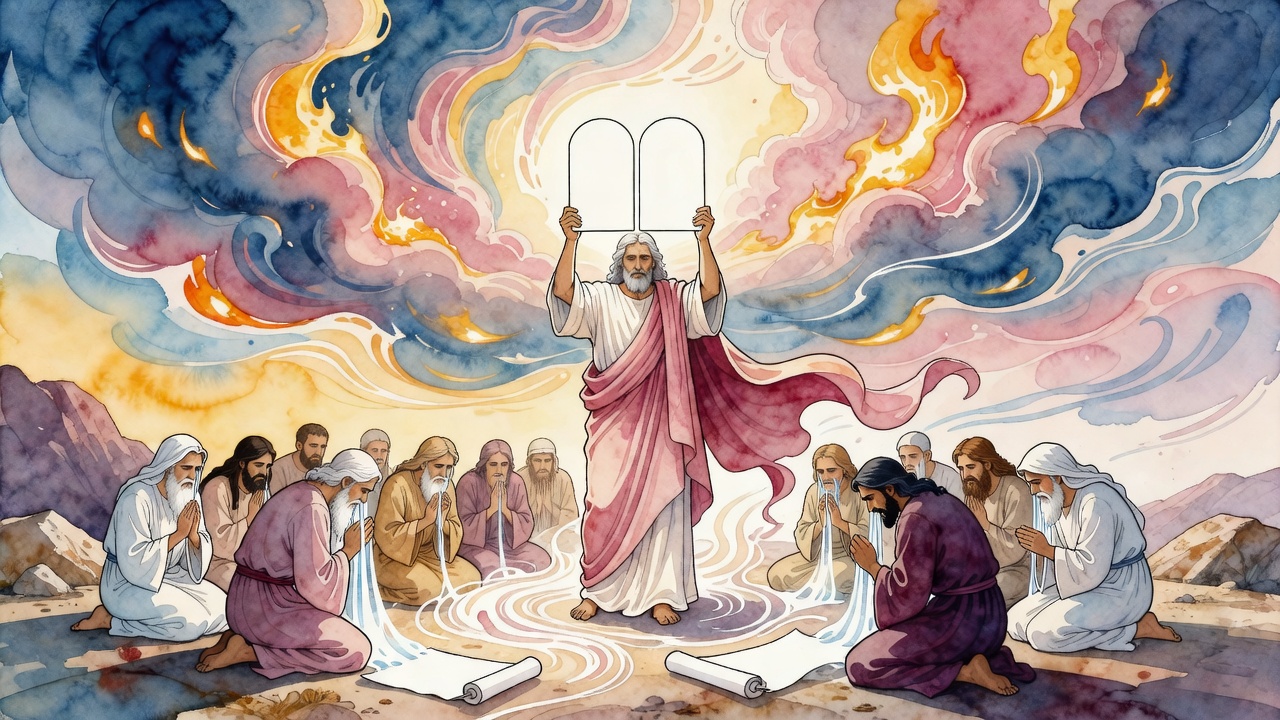
The gold was powder and nobody in the camp would eat. God answered the fasting by calling them His children, then swore their tears would turn to rejoicing.
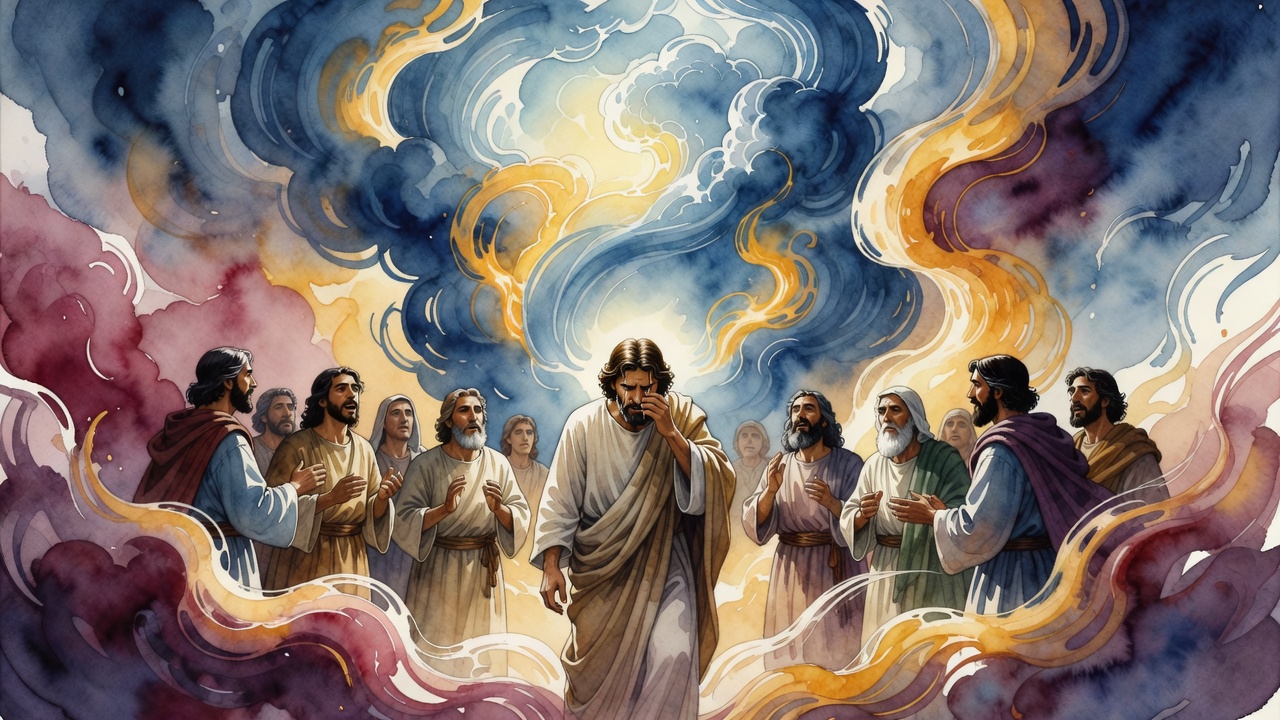
Joseph sent every Egyptian out before he wept. Twenty years of silence broke the moment only his brothers were left to hear it.
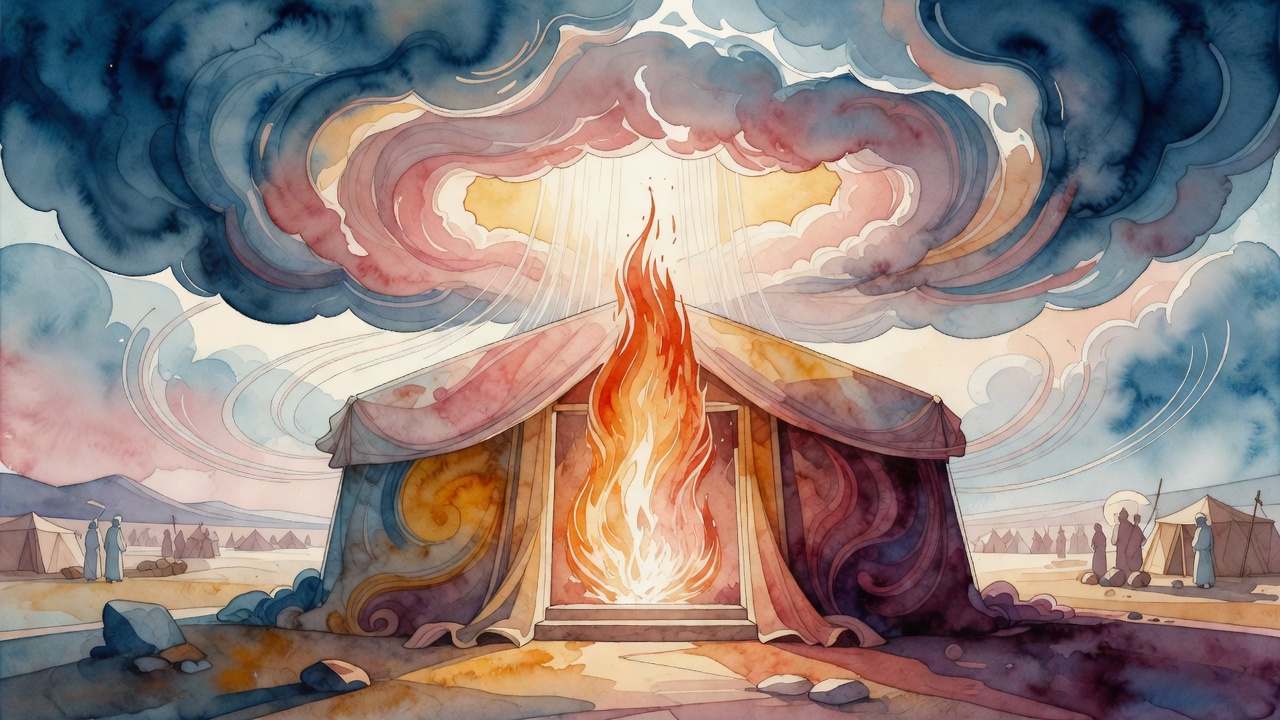
On the tenth of Tishrei the pardon was still a private sentence. The nations had watched the calf. Moses wanted something they could point at.
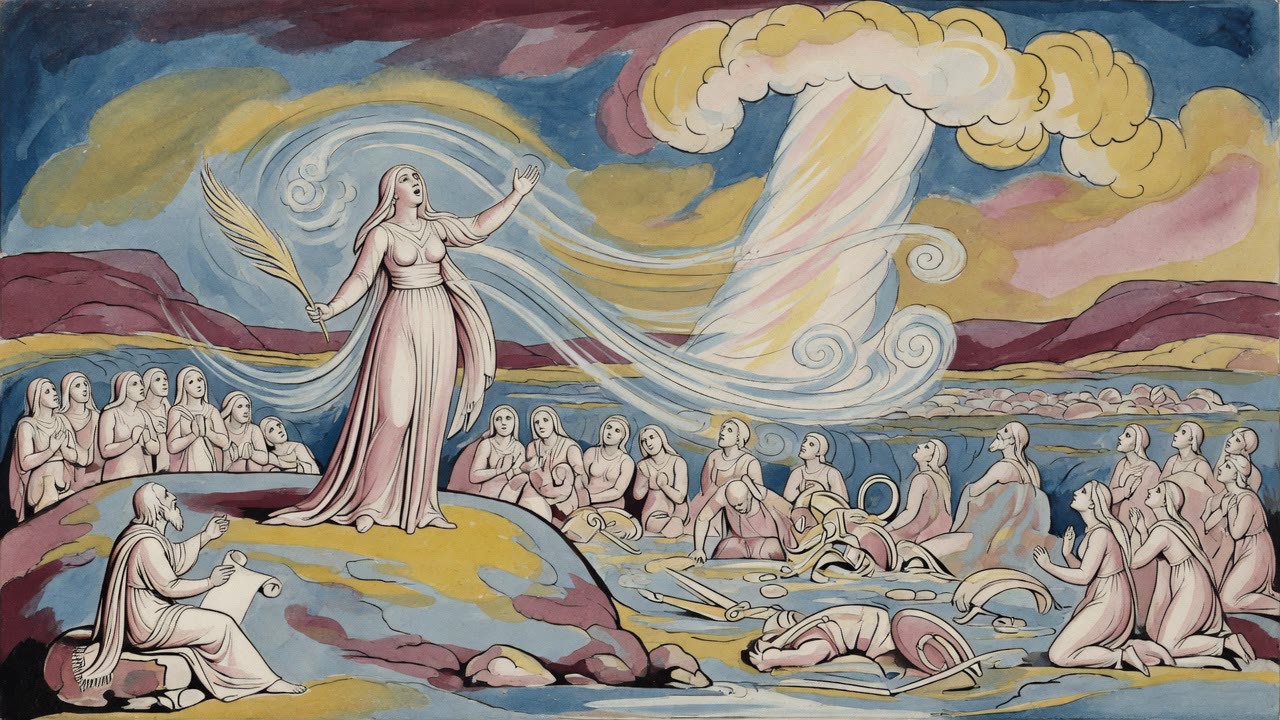
Rabbi Simon taught that singing after a miracle forgives the singer, and Deborah proved it when her voice rose over the battlefield.
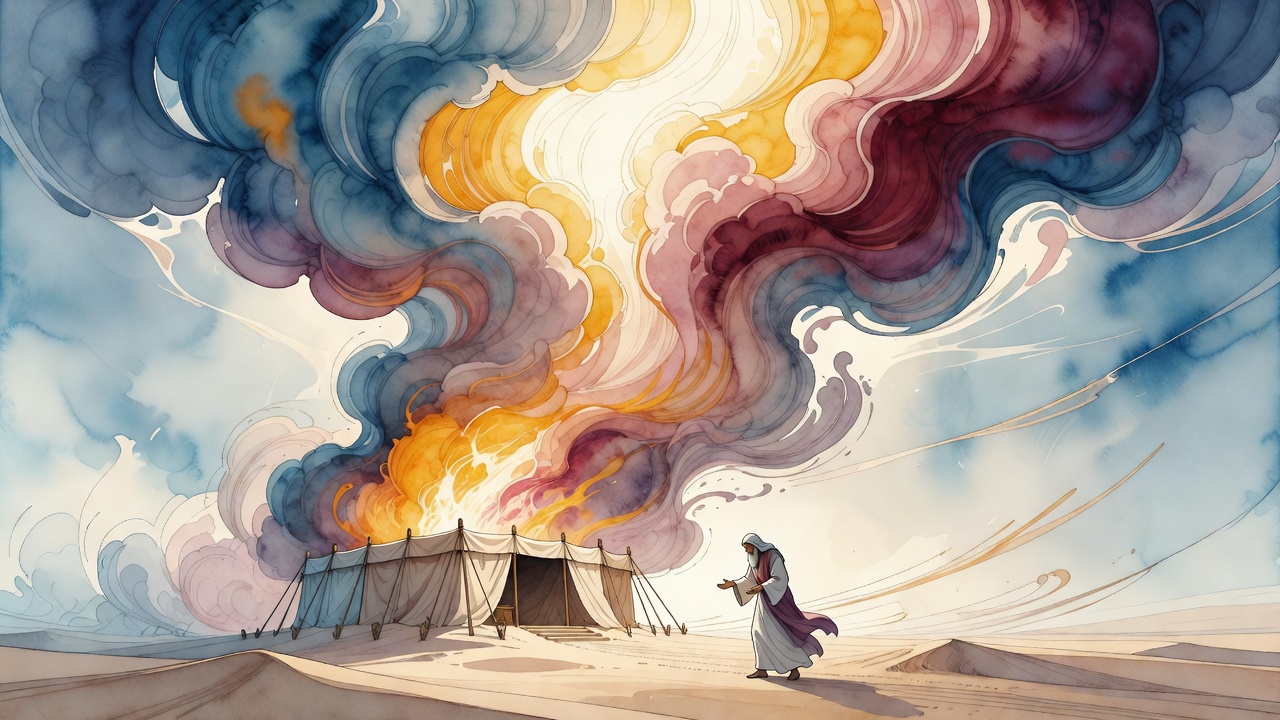
Moses prayed for forgiveness after the Golden Calf but asked too narrowly. The Tabernacle smoke was how the nations knew the husband had returned.
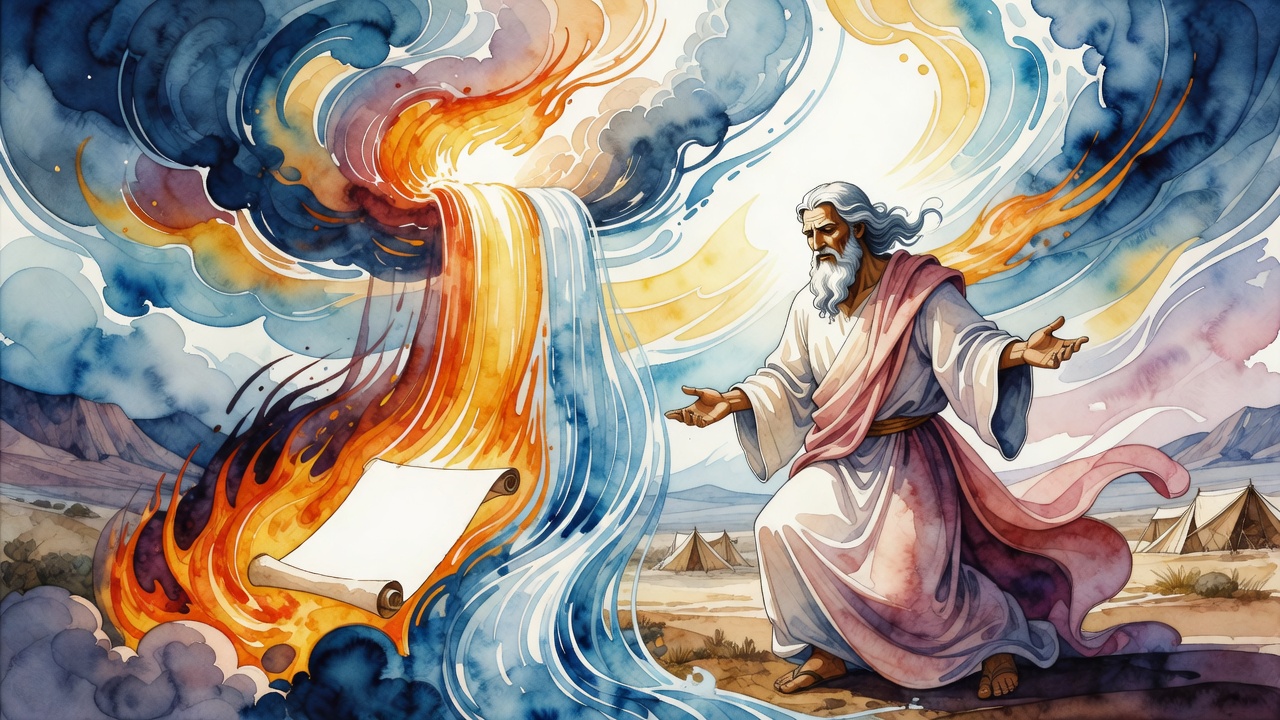
Moses named seventy-seven living men and could not find three more. He asked the dead patriarchs to stand in the breach.
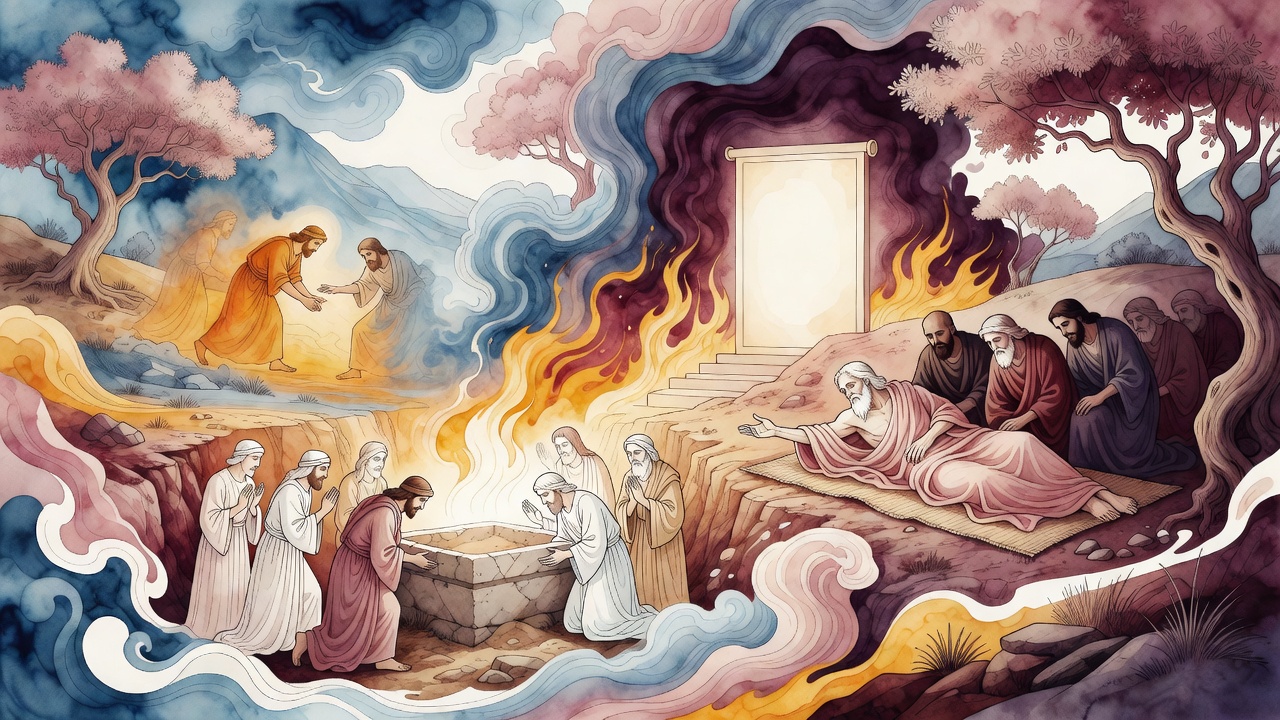
Dying, Jacob ordered Joseph to forgive and shield his brothers. Ages later the tribes buried Joseph in Shechem, the ground that first took him.
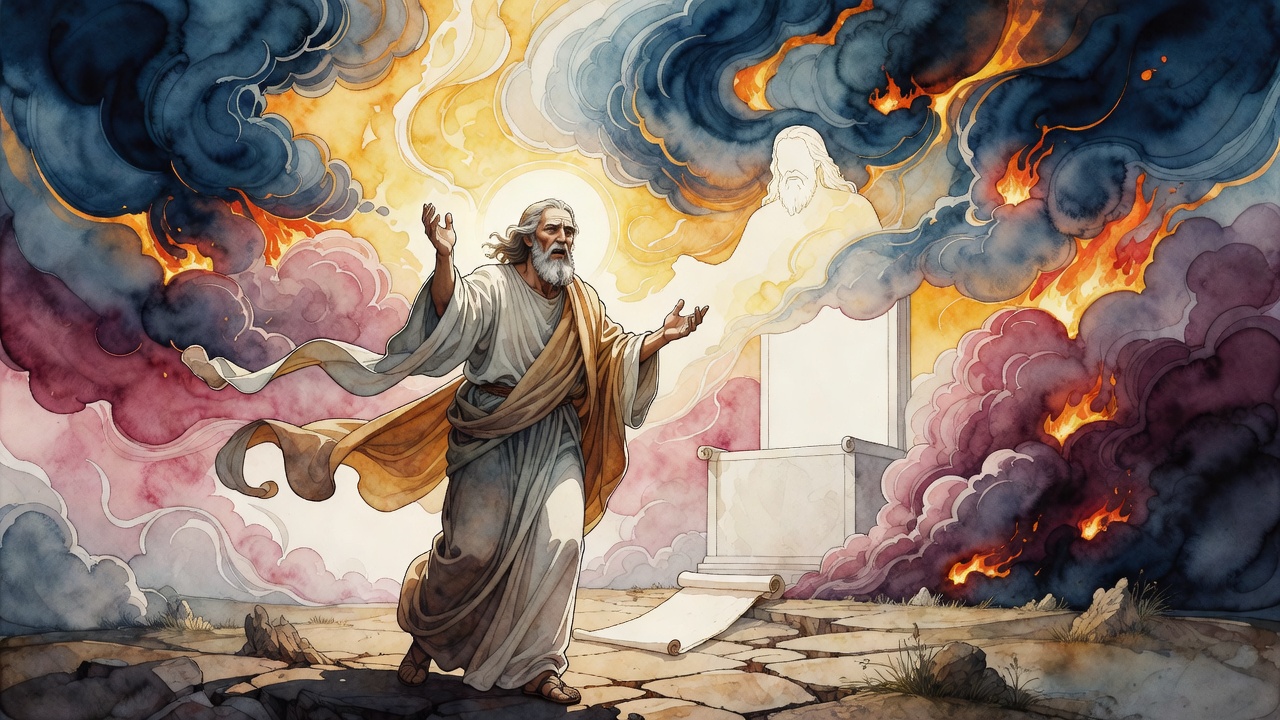
At Meribah an oath of death settled on Moses. He begged for the mercy he had won for sixty myriads and heard that fate was no longer his.
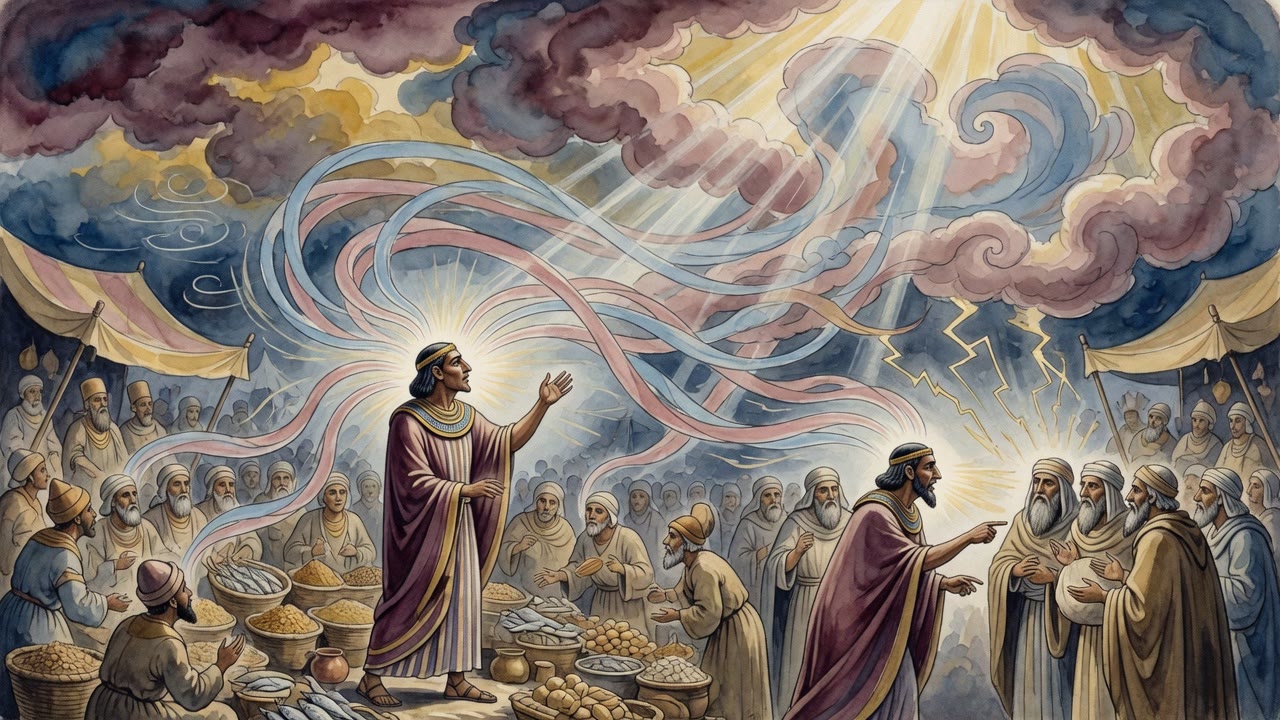
Ten brothers bowed for bread and did not know the face above the throne. Joseph let them speak Hebrew. He did not smile.
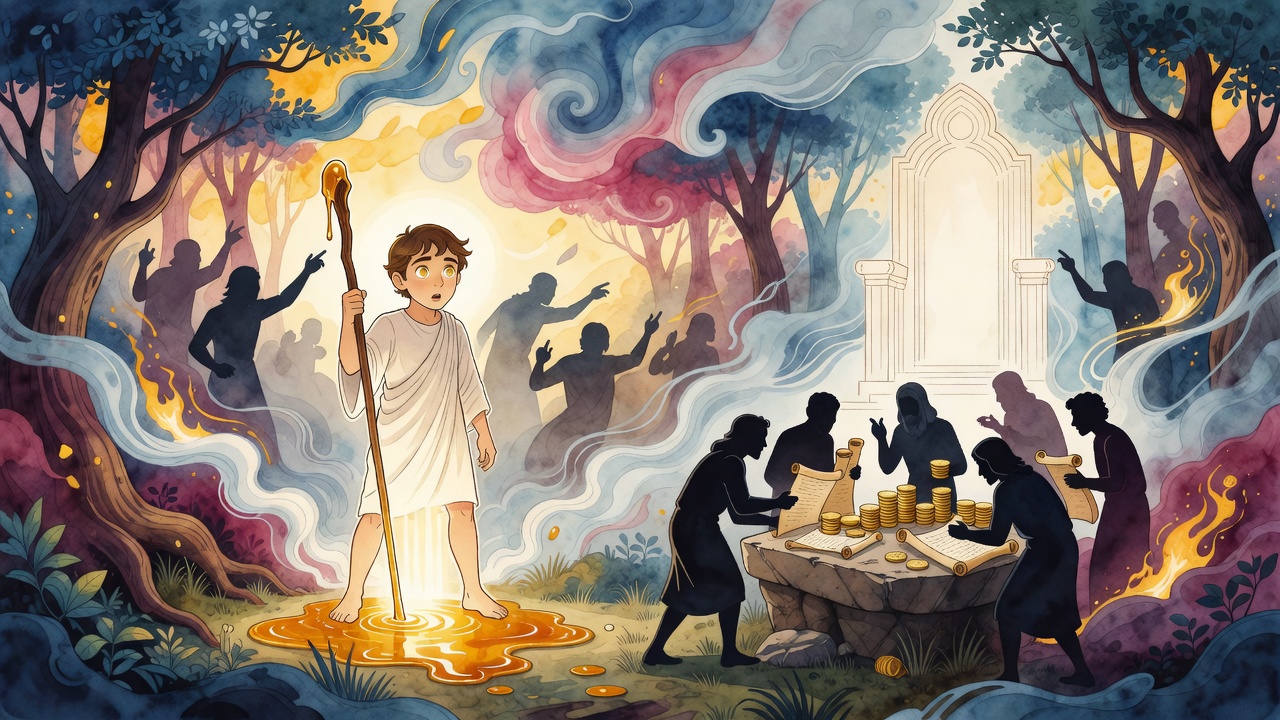
The army chased Philistines all day on empty stomachs. Jonathan, deep in the woods, had never heard the oath that nearly killed him by nightfall.
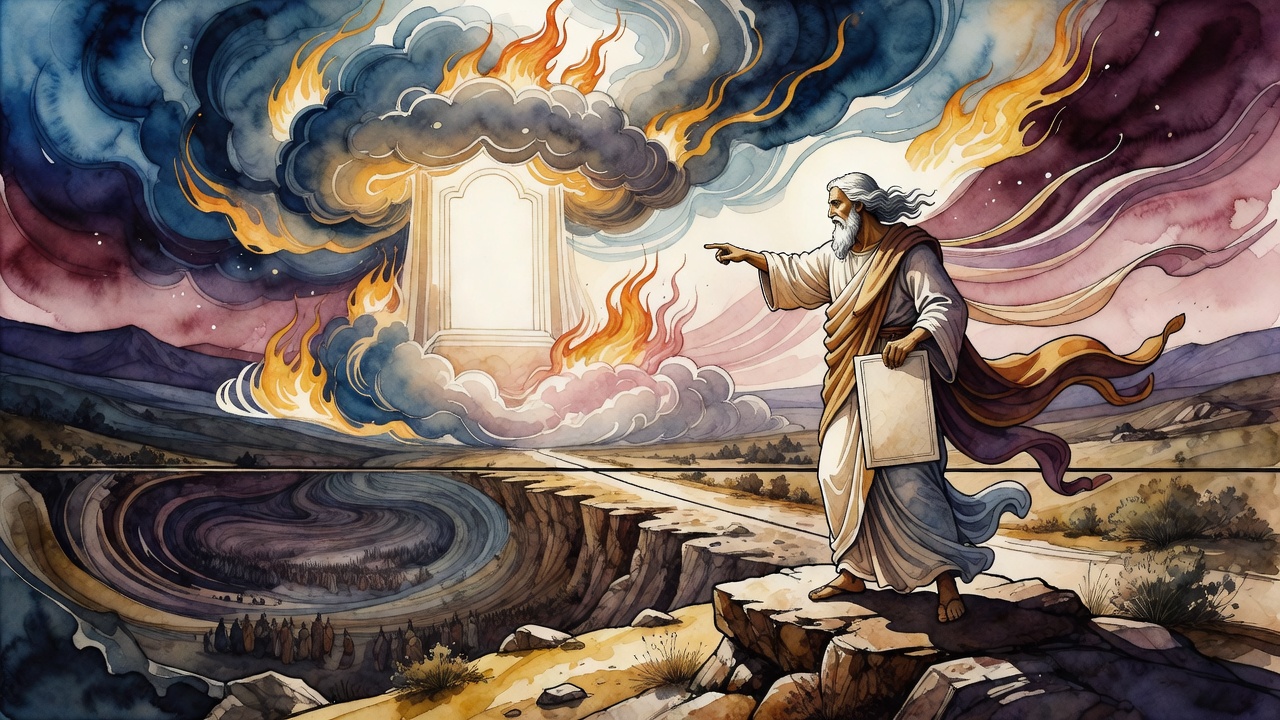
Opposite Beth Peor Moses showed Israel the valley their sin had dug, then pointed past his barred road to a God who still receives the penitent.
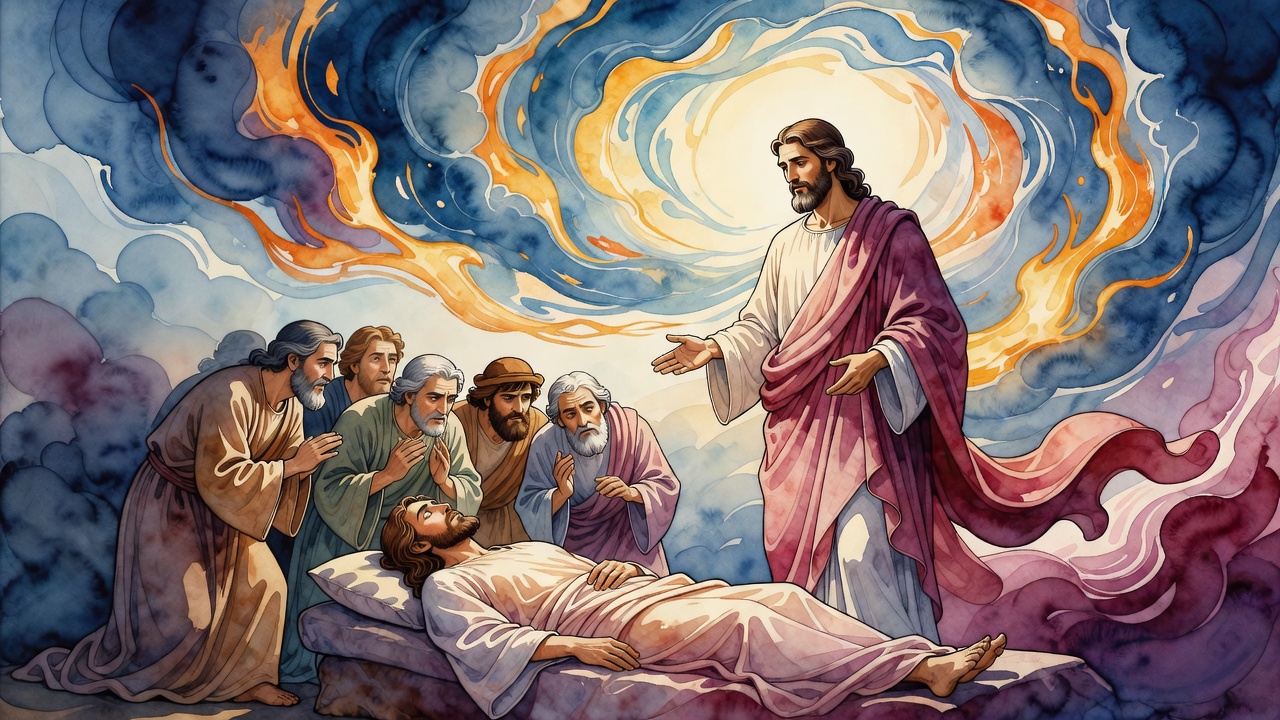
Joseph wept on his father's dead face, ordered the physicians to embalm, then faced brothers who still feared his revenge. He spoke straight into their fear.
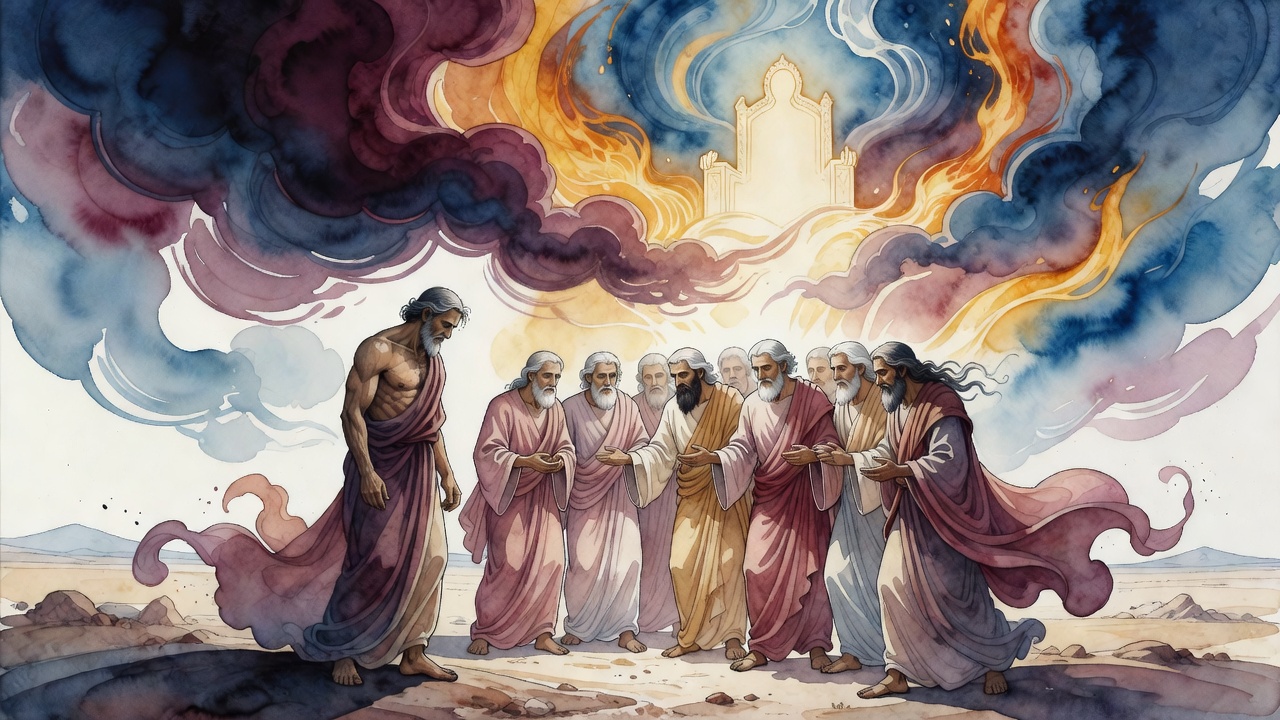
Jacob had left Reuven a hard word and no blessing. Years later the tribes were offered anything they wanted, and they asked for their brother instead.
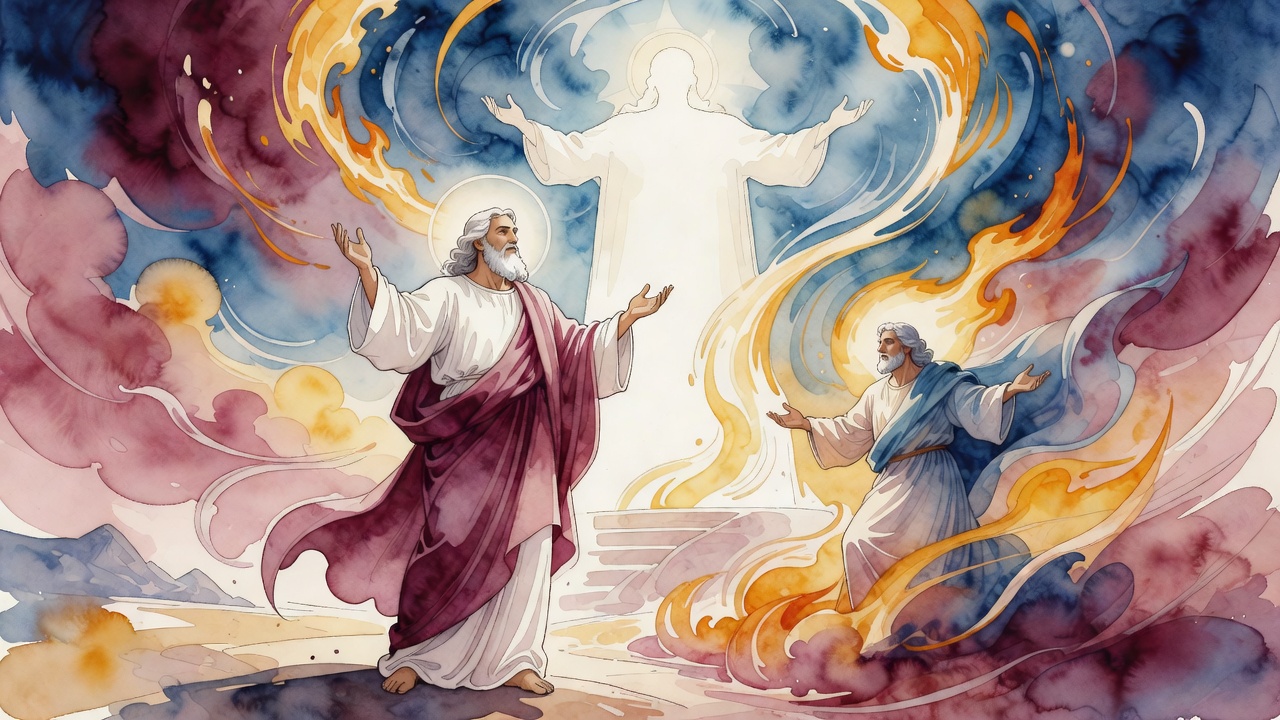
After the calf Moses asked to be wiped from Gods book if Israel were not forgiven. David later stood in a plague and called the people his sheep.
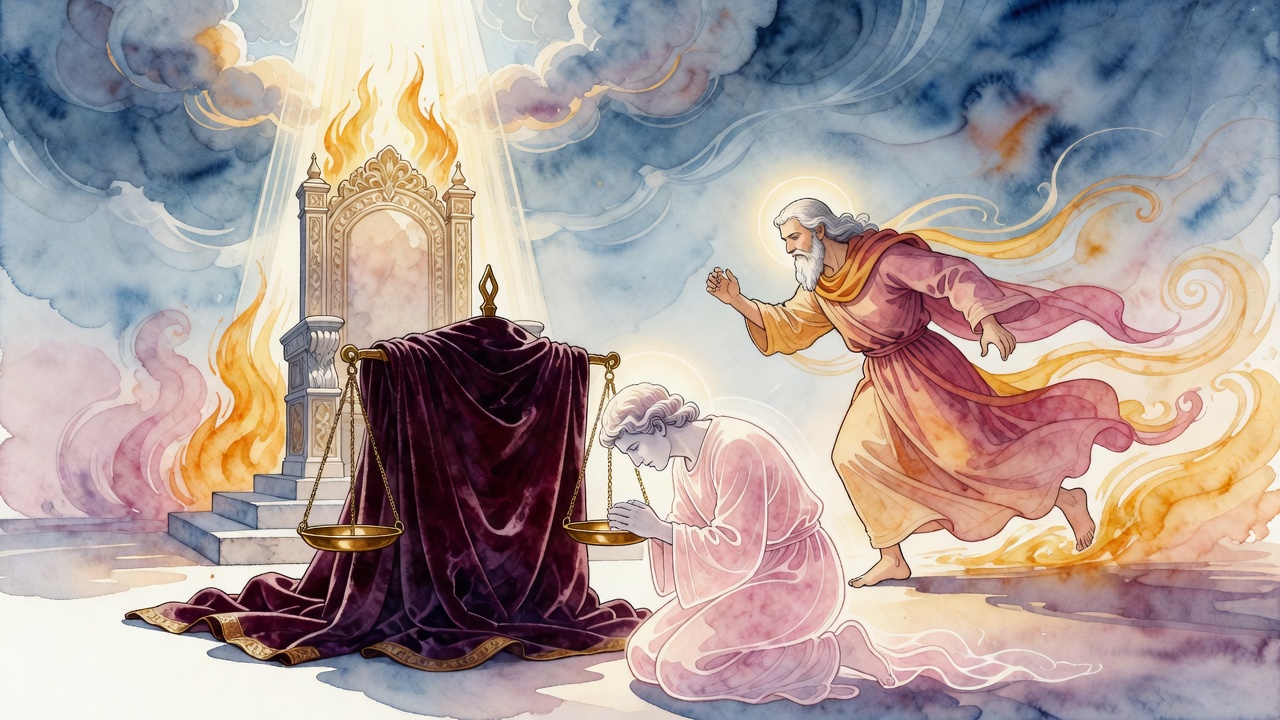
The two pans hung dead level. The Accuser went out to fetch more evidence, and while he was gone the sins he had already weighed came off the scale.
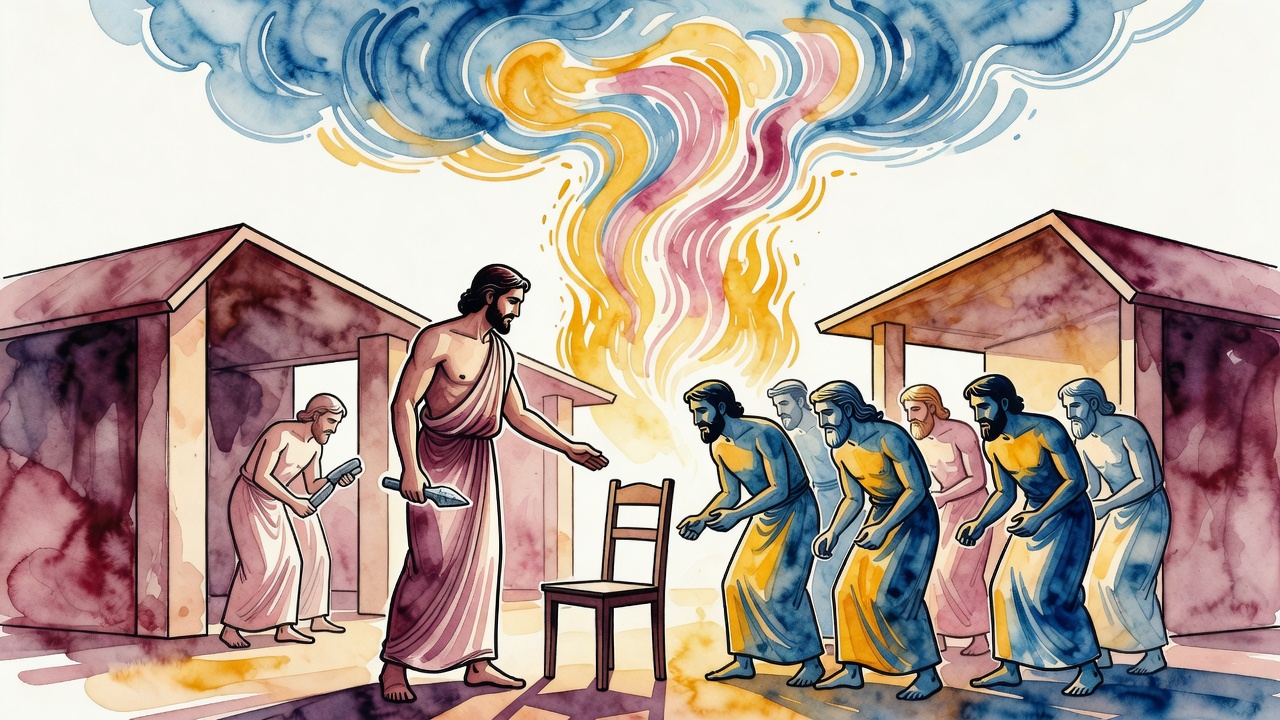
Joseph's brothers invent a grudge from his empty seat. He names their fear, then takes flint himself to circumcise great-grandsons under Egyptian roofs.
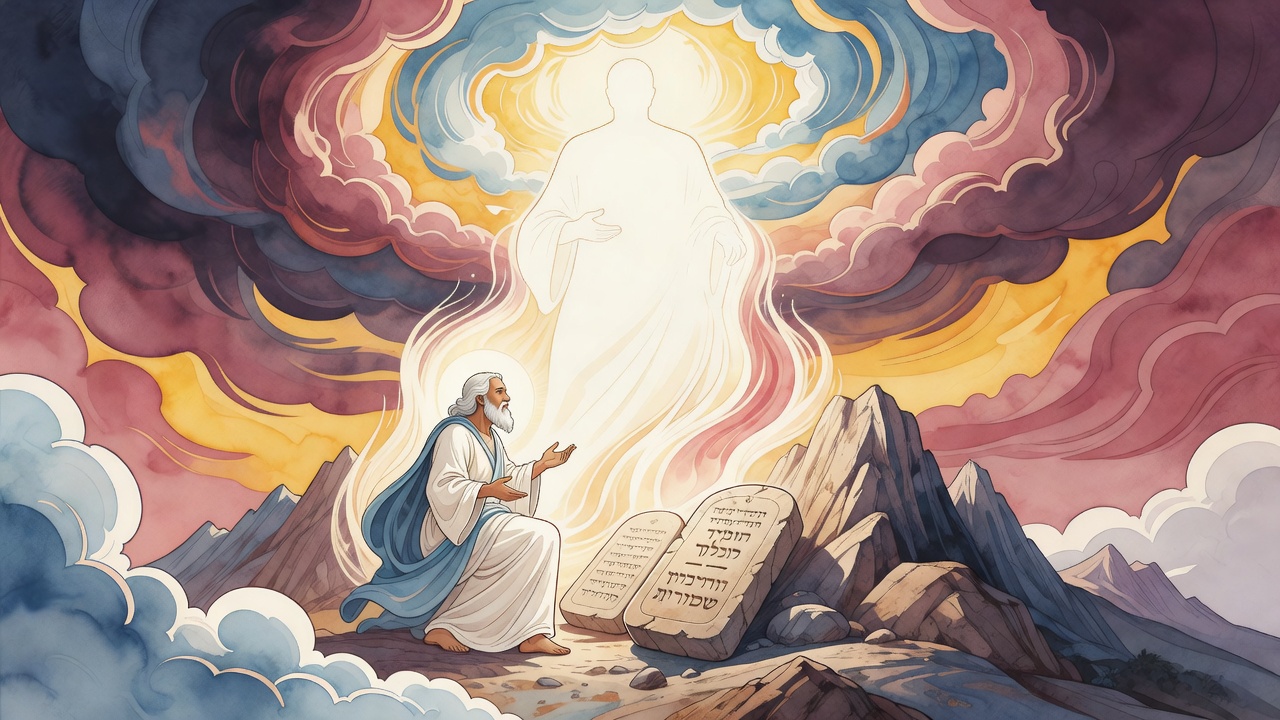
The angels did not get to take him. God reached for the deposit Himself, the way a keeper returns a pledge he never misplaced.
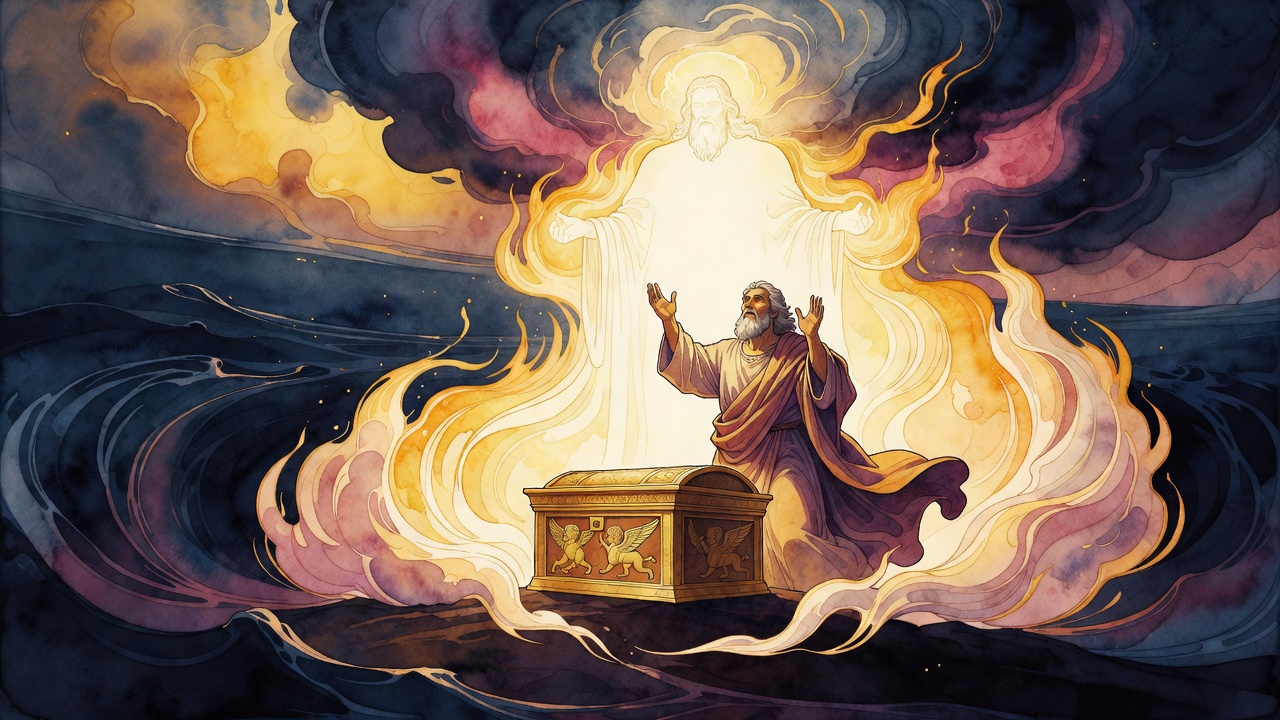
Moses told him to raise the Tent. Bezalel cut acacia for the chest instead, and the empty courtyard waited while gold went on first.
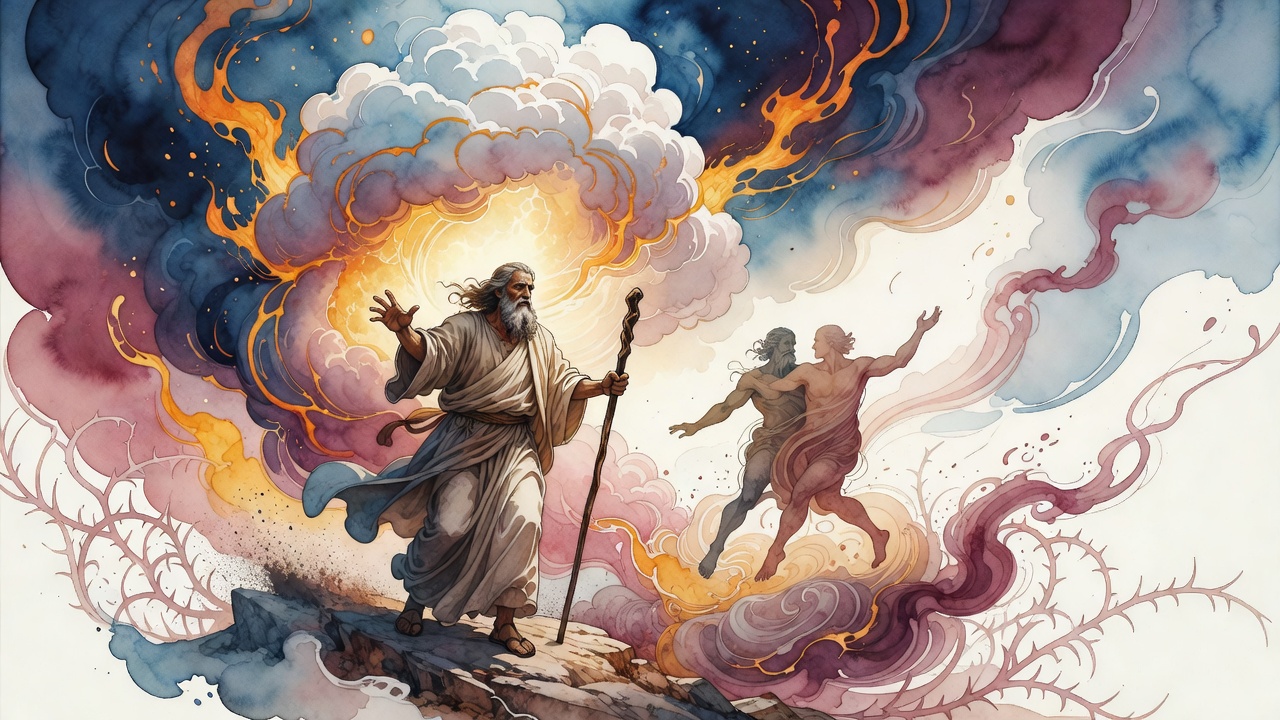
Cloud clung to the rock. Moses wanted the map, not a soft word. He could not stomach a marketplace where the wicked laughed. A stone rolled under his sandal.
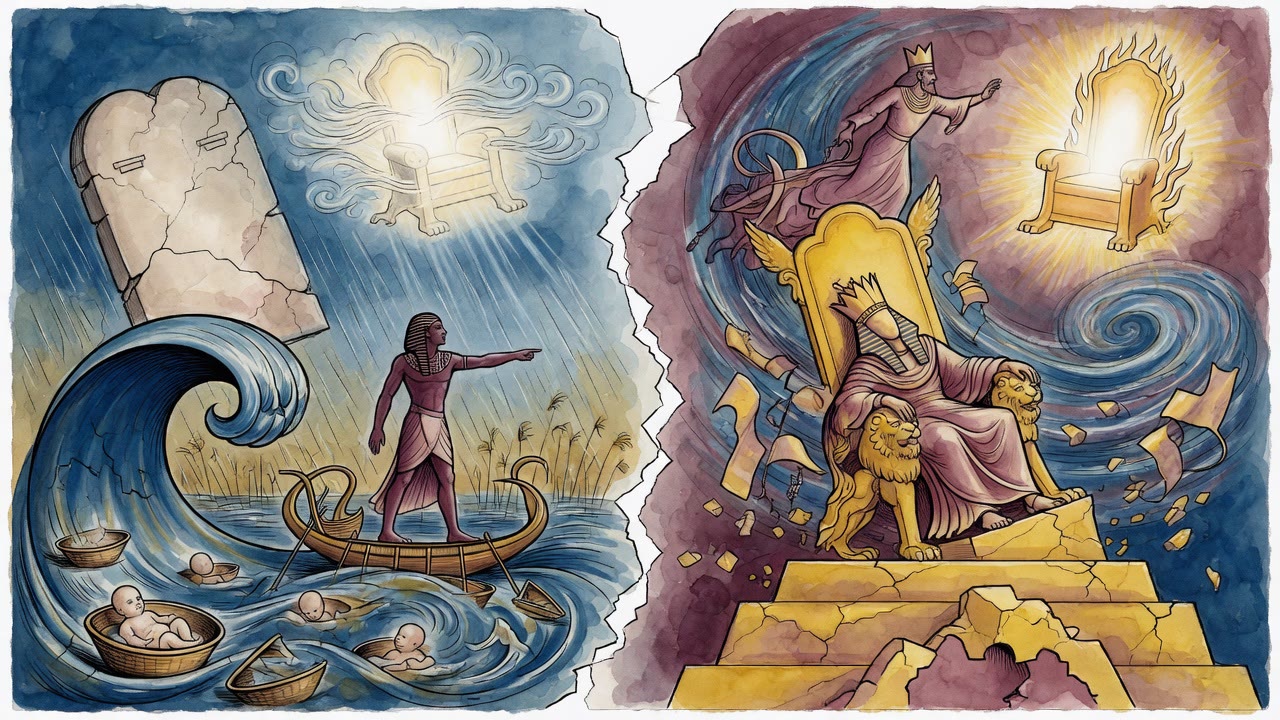
He invited the man because the hem was clean. After the meal he asked for Bible, Mishnah, lore. The guest had none of it, and still would not take the insult.
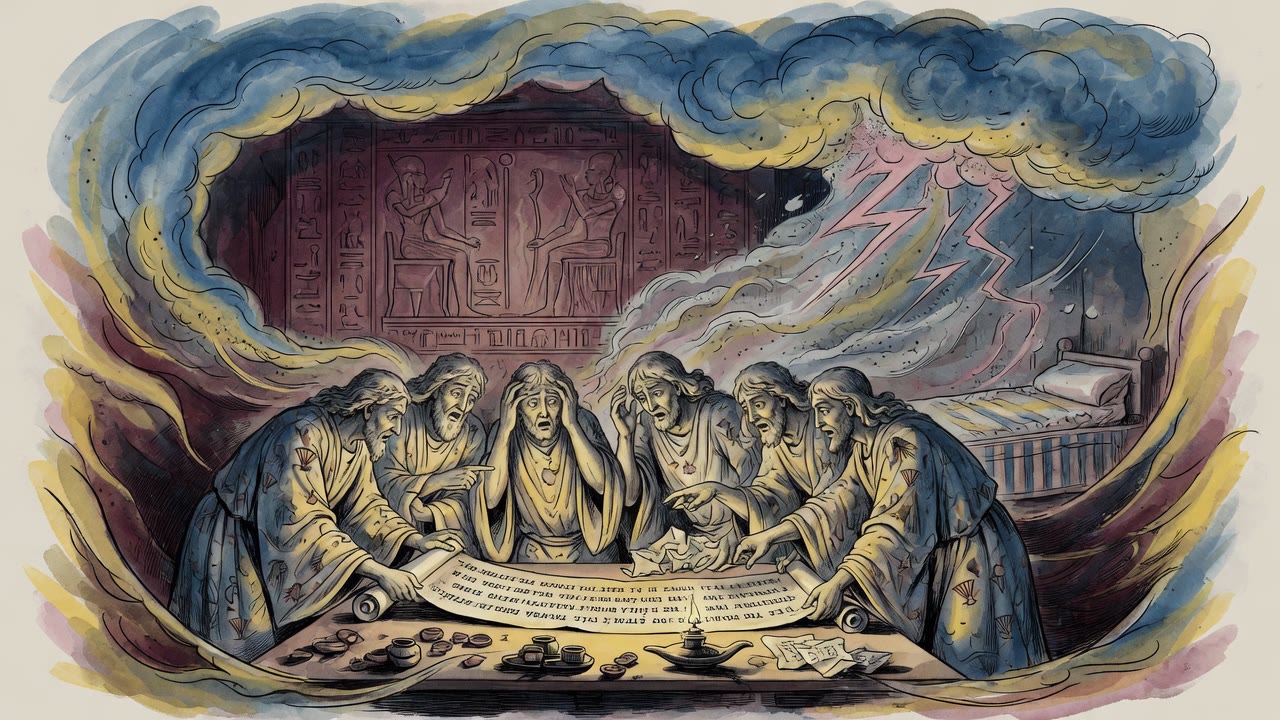
With Jacob buried, his sons feared Joseph's mercy died with him, so they forged a dying father's plea for their lives.
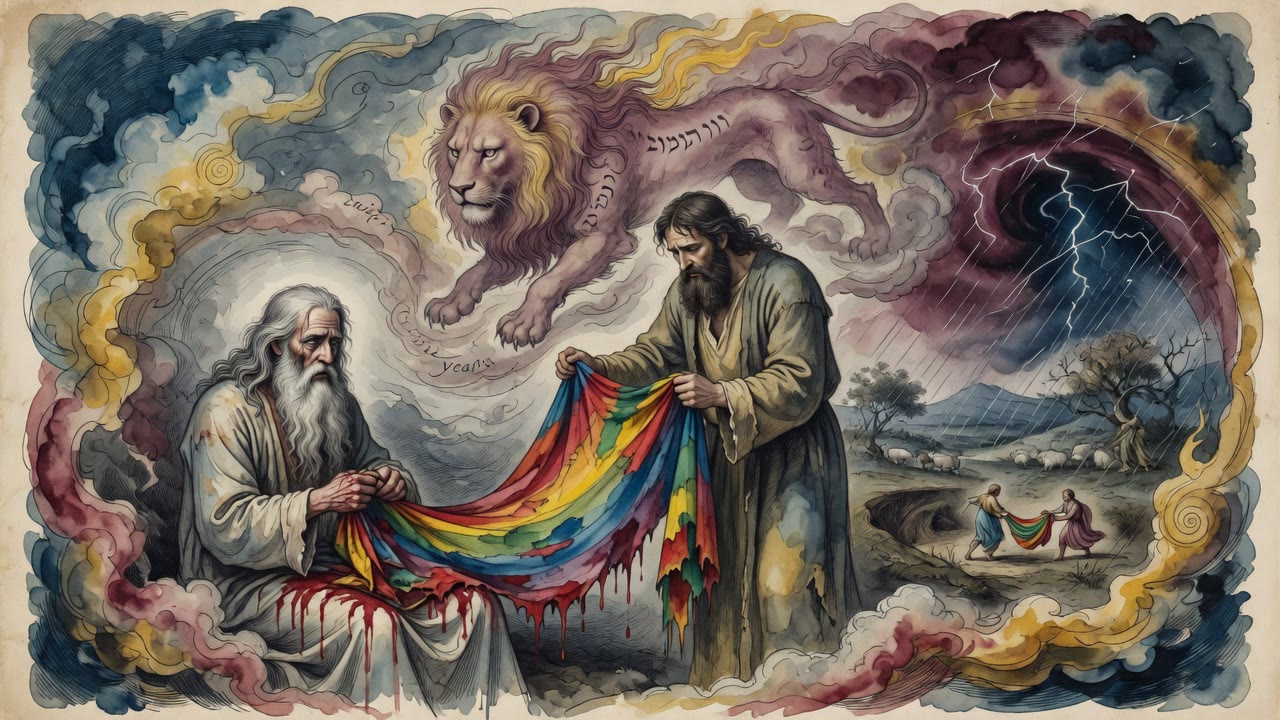
Judah stood in the tent with a goat-stained coat. Jacob named an evil beast, then looked at the son he would later bless as a lion.
