Aaron Wept When He Finally Saw Moses Face Again
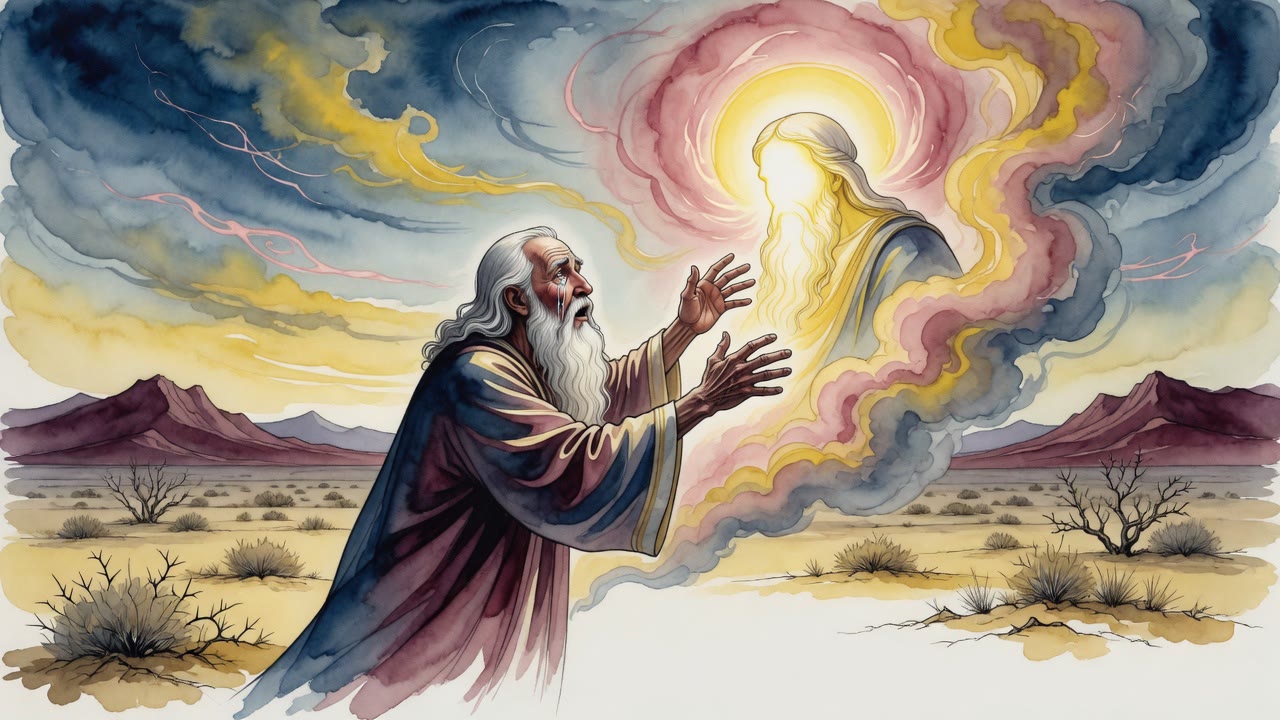
Aaron and Moses had not seen each other for decades. When they met in the wilderness, Aaron's joy was too large to speak.
Table of Contents
 Click for full size
The Reunion in the Wilderness
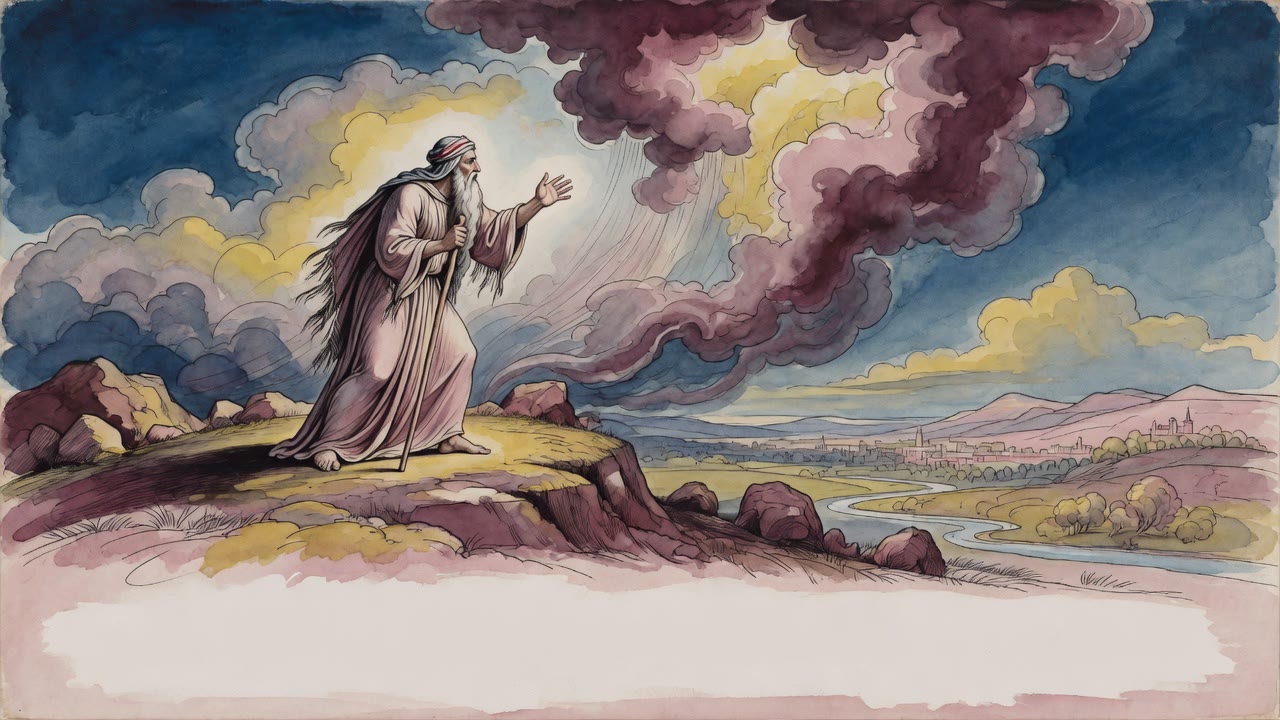
Aaron had not seen his brother in decades. Moses had fled Egypt as a young man after striking the overseer and buried himself in Midian, married there, worked as a shepherd for forty years. Meanwhile Aaron had stayed. He had lived under Pharaoh's shadow, had watched his people's bondage tighten year by year, had survived while Moses was absent.
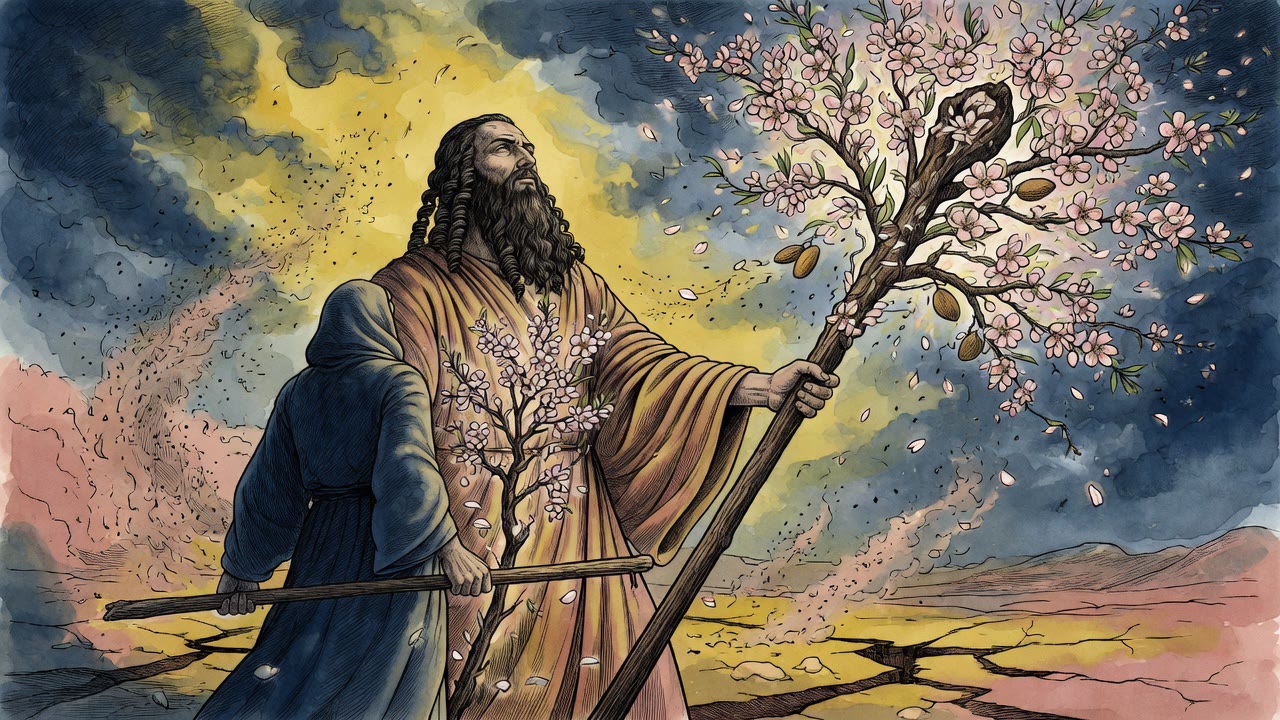
When God told Moses to go back, He also told Aaron to walk into the wilderness toward his brother. The two men met on the mountain of God, and when Aaron saw Moses's face, he wept.
The tradition is specific about the quality of Aaron's response. He showed his joy freely, openly, without reserve. He kissed Moses. He was not embarrassed by the display of it. The joy was real and unmixed: his brother was alive, was standing in front of him, had been sent back.
What Aaron Could Not Speak
The joy in Aaron's reunion with Moses was not all of what he felt. The tradition separates the joy at seeing Moses from a second, larger joy that Aaron felt about Moses's calling, about the distinction accorded to his younger brother, about the fact that God had chosen Moses to lead the Exodus while Aaron was to serve as his voice.
This second joy was too great, the text says, to be expressed. Aaron found no words for it. He could weep at his brother's face, could kiss him and say he was glad to see him alive. But the gratitude he felt that God had placed the burden of Israel's deliverance on Moses rather than on him, that gratitude exceeded Aaron's emotional vocabulary.
Some men would have resented it. The older brother, the one who had stayed, the one who had endured the years in Egypt, passed over in favor of the exile who had fled. Aaron was not that man. The tradition reads the depth of his unexpressible joy as evidence of his character: that he genuinely wanted the weight on someone else's shoulders because he understood the size of the task and what it would cost the person who carried it.
The Arrival Before Pharaoh
Their entrance into Pharaoh's court was not simple. The day they chose to appear was Pharaoh's birthday, when the palace was full of tributary kings from every corner of the empire come to pay their respects. Pharaoh sat surrounded by the visible evidence of his own power: gifts, crowns, prostrations, the ceremony of dominance that a birthday in that context required.
When Moses and Aaron were announced, Pharaoh noticed they carried nothing. No gifts. No tribute. He was not impressed. He made them wait until every crowned king before them had paid his respects. Let them stand in the receiving line behind the people who had come properly equipped.
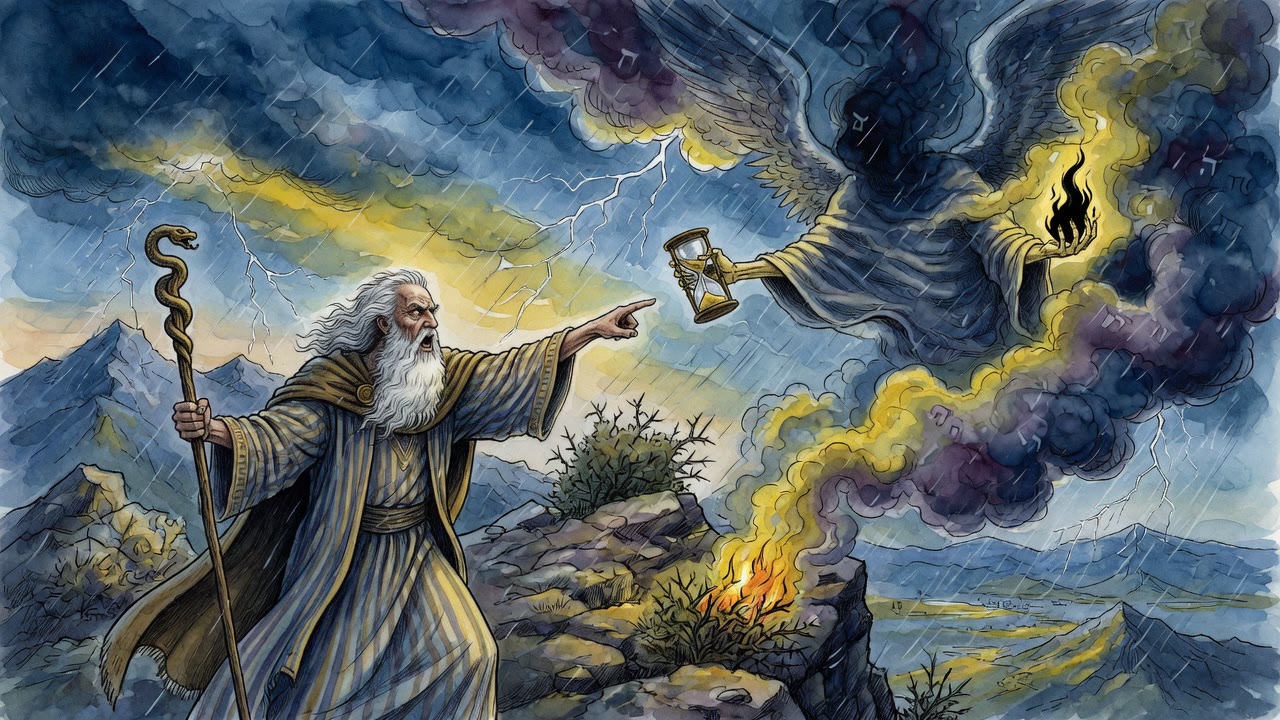
When they finally reached him, they told him the God of Israel required a three-day journey into the wilderness for a festival. Pharaoh did not know the name they spoke. He sent scribes to search his records for Israel's god and found nothing. The text of his archives showed no tribute, no temple, no ambassador, no record of existence. He told them he saw no reason to obey a god he had never heard of.
What Moses Had Said in the Wilderness
Before any of this, before the reunion, Moses had stood at the burning bush and found objections to everything God was asking of him. He said: who am I to go to Pharaoh? He said: they will not believe me. He said: I am not a man of words. He said: send someone else.
When God insisted, Moses made a final argument that the tradition preserved because of its theological weight. He said, in effect: this is a two-person job. You are asking one man to rebuke the most powerful ruler on earth, to perform signs before him, and to lead two million slaves out of the country they are building. You need two people for this.
God gave him two people. He gave him Aaron, the brother who had stayed, the man whose joy at being the assistant rather than the leader was, according to the tradition, too deep for words.
The Weight They Carried Together
When Aaron had first heard that Moses was returning, the tradition records that he had warned his brother about what he would find. He had said, roughly: our people's anguish is already great enough, crushed under the burdens they have carried since the beginning of the slavery. Do not add to it. Do not make it worse by arriving without the ability to deliver them.
Moses heard this and made a difficult decision. He sent his wife Zipporah and his sons back to her father Jethro in Midian. He would not bring his family into Egypt to suffer while he negotiated with Pharaoh. His household would wait in safety while he and Aaron did what needed to be done.
Two brothers walked into Pharaoh's court. One carried the word. One carried the voice. Neither of them was sure how the story ended.
← All myths