1,018 myths · Page 10 of 34
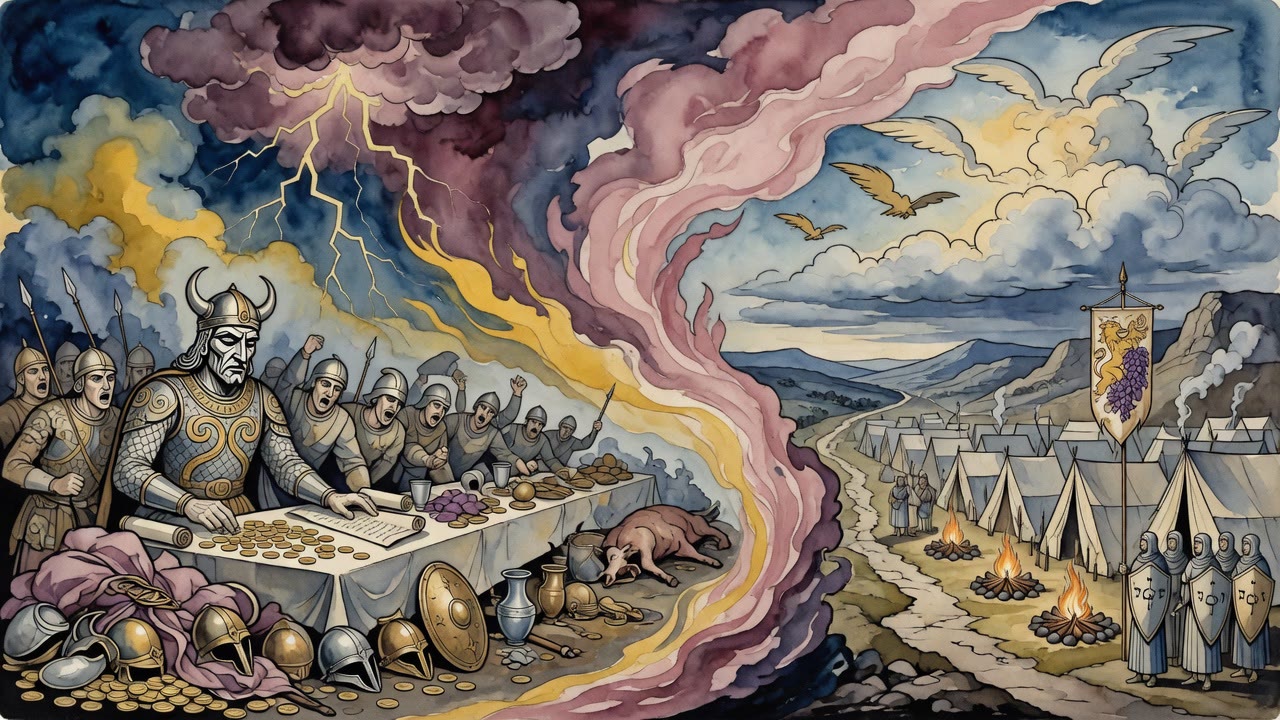
Sihon was a giant. Moses sent messengers anyway. The angel that kept the Amorite king had already been chained, and nobody in the camp could see it.
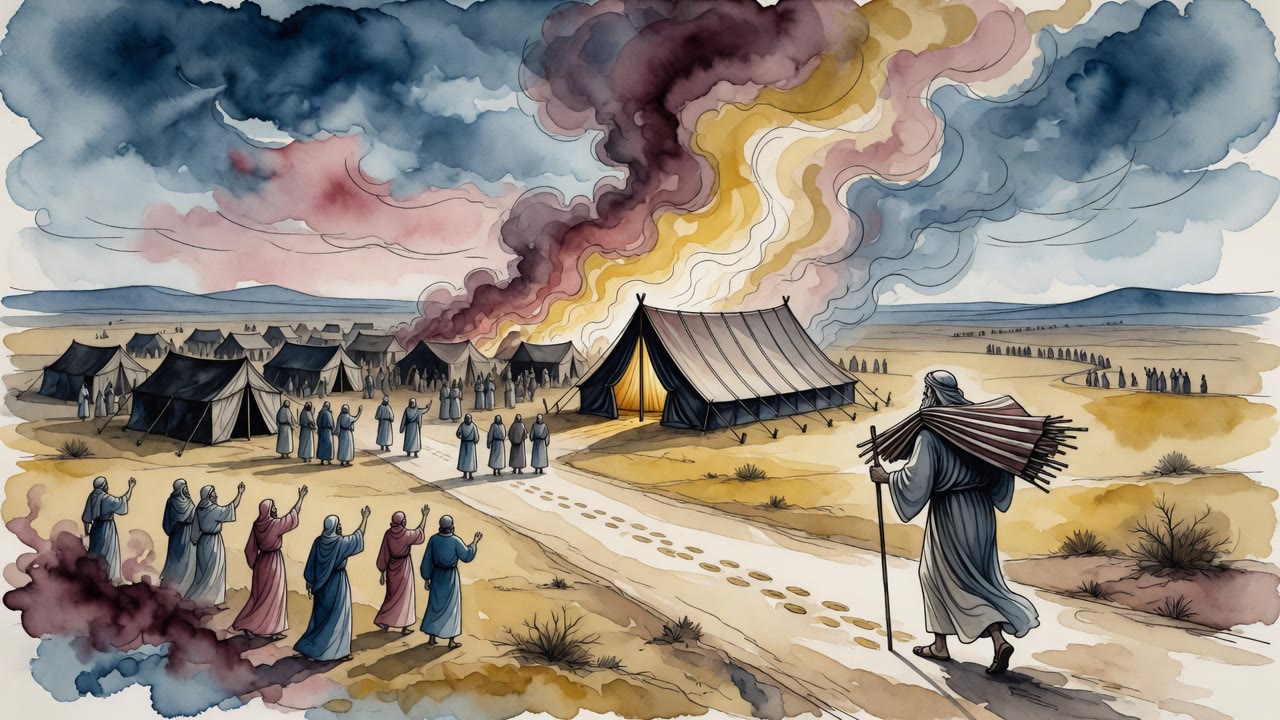
Moses prays 515 times at the Jordan's edge, draws a circle in the dust, and prays until heaven trembles. God finally says: enough, do not continue.
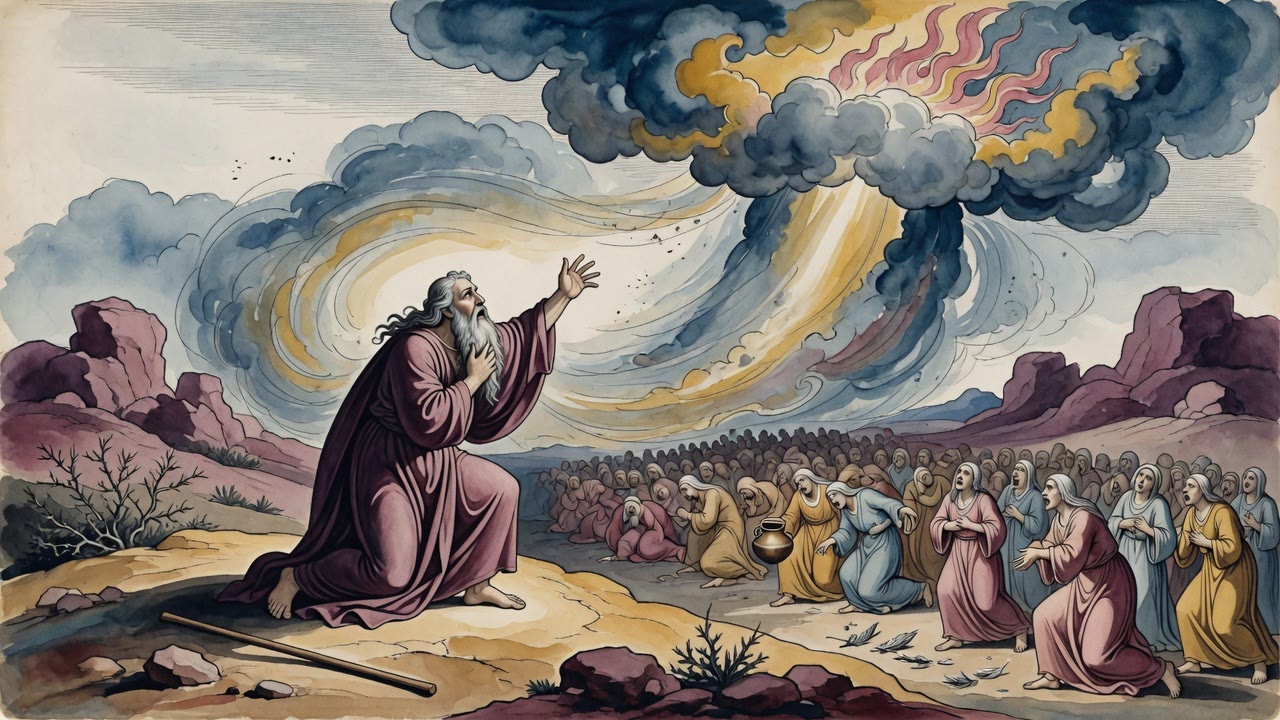
When Israel wept for meat in the wilderness, Moses did not pray for quail. He asked God to end his life. Sifrei Devarim examined the prayer word by word.
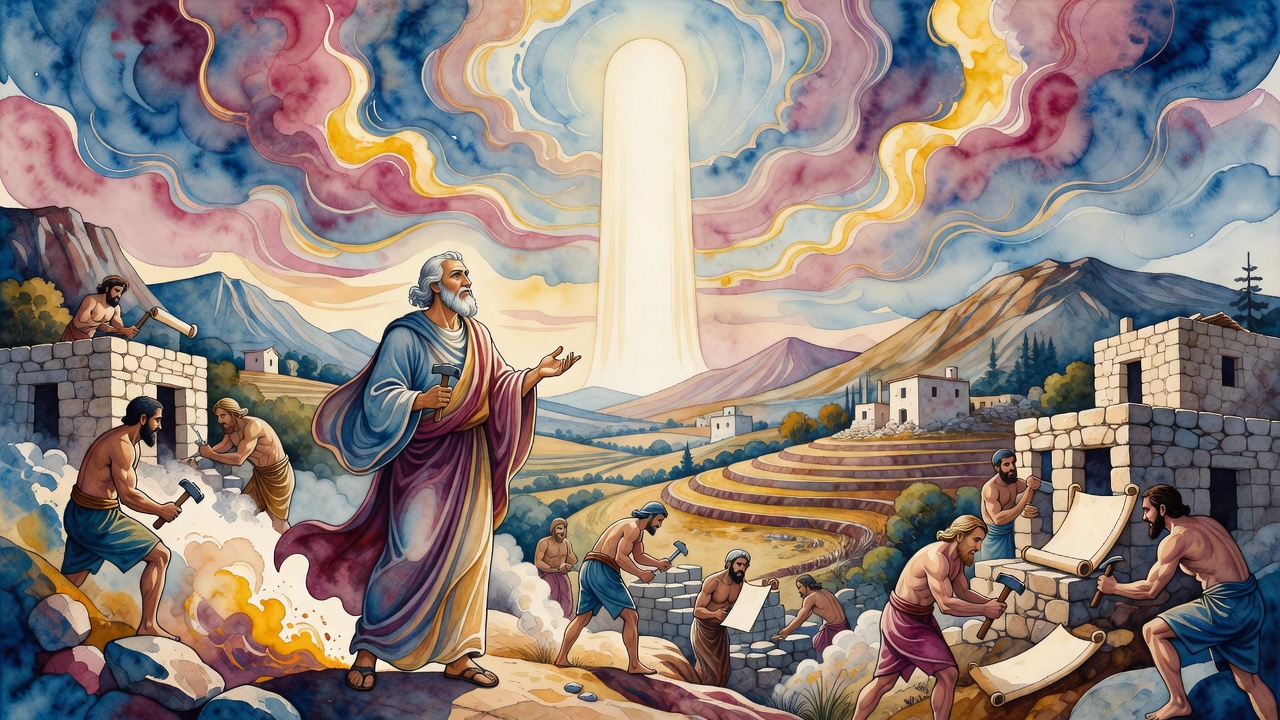
A boy watched his father torch the grain. Forty years later that boy packed figs he was not allowed to eat, and left the jars sealed.
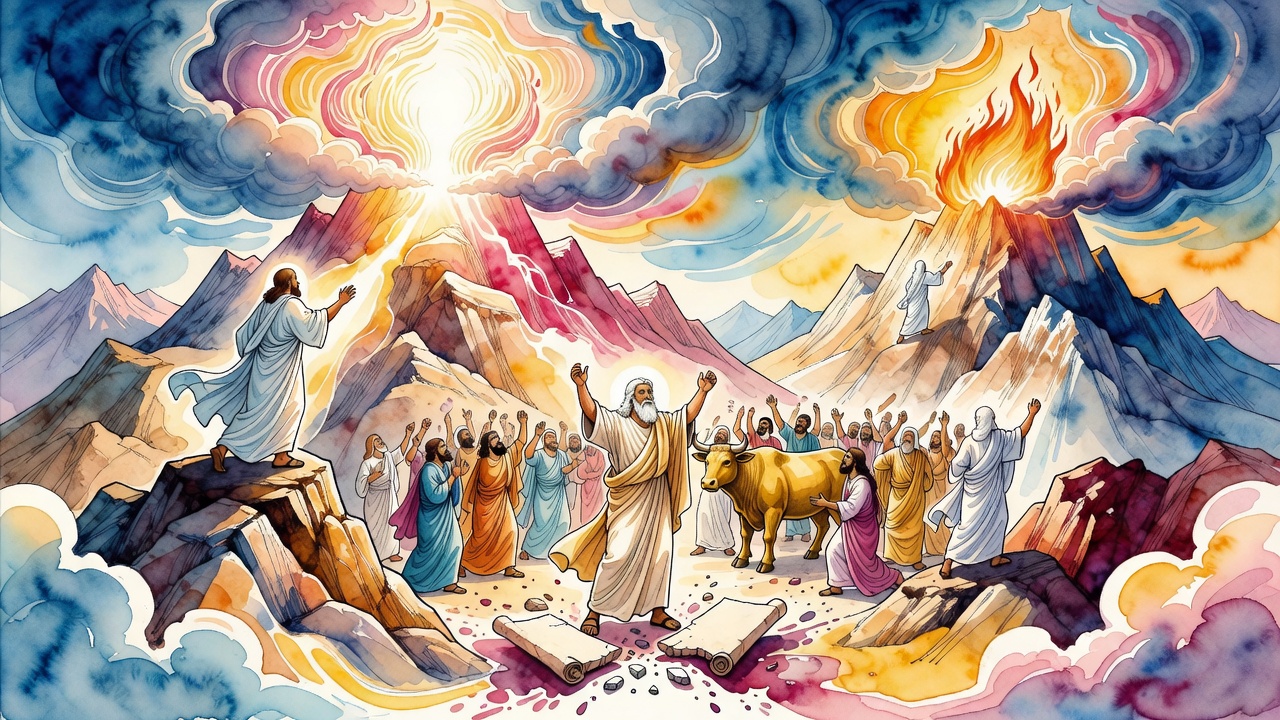
The ruling Moses carried down the second time was about blood from a household slaughter. Pour it on the ground like water from a jug. Cover it with earth.
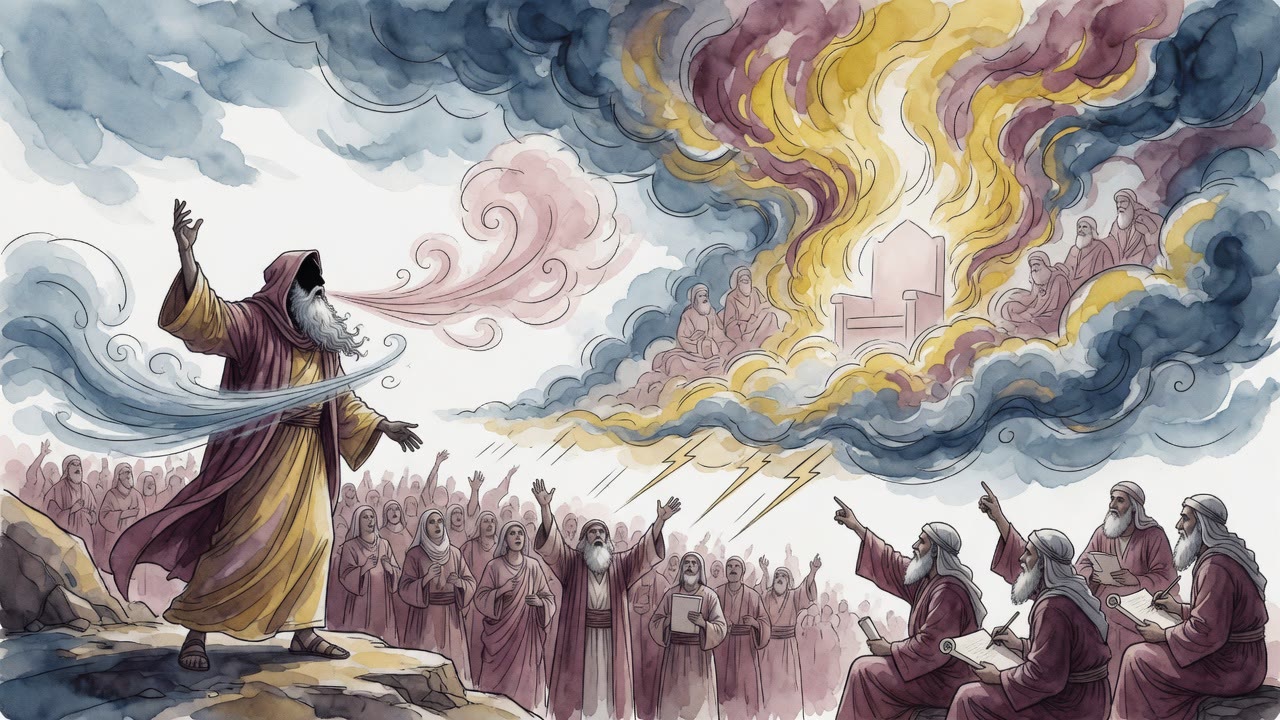
Answer the prayer leader out loud in synagogue and you are keeping a rule from Moses' last poem. He calls the name. The people praise it.
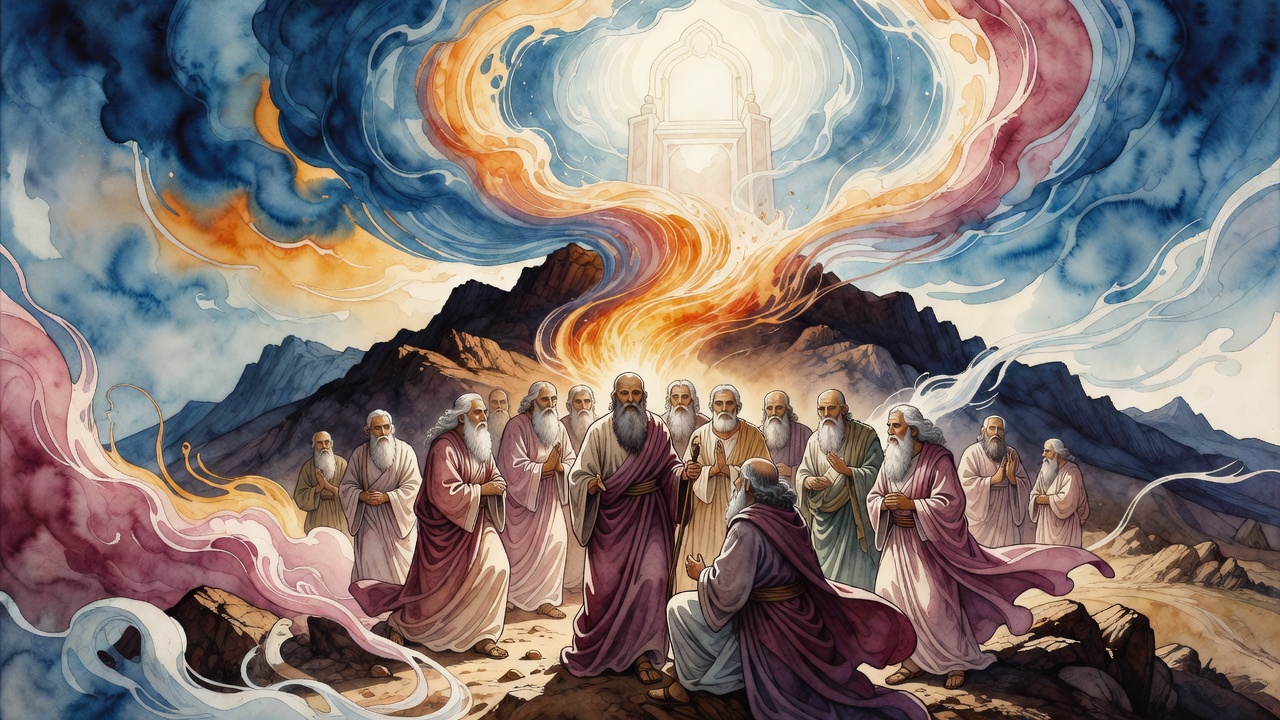
The pavement under His feet was sapphire, clear as sky. The seventy did not dissolve. Hunger returned, and they answered it with a meal.
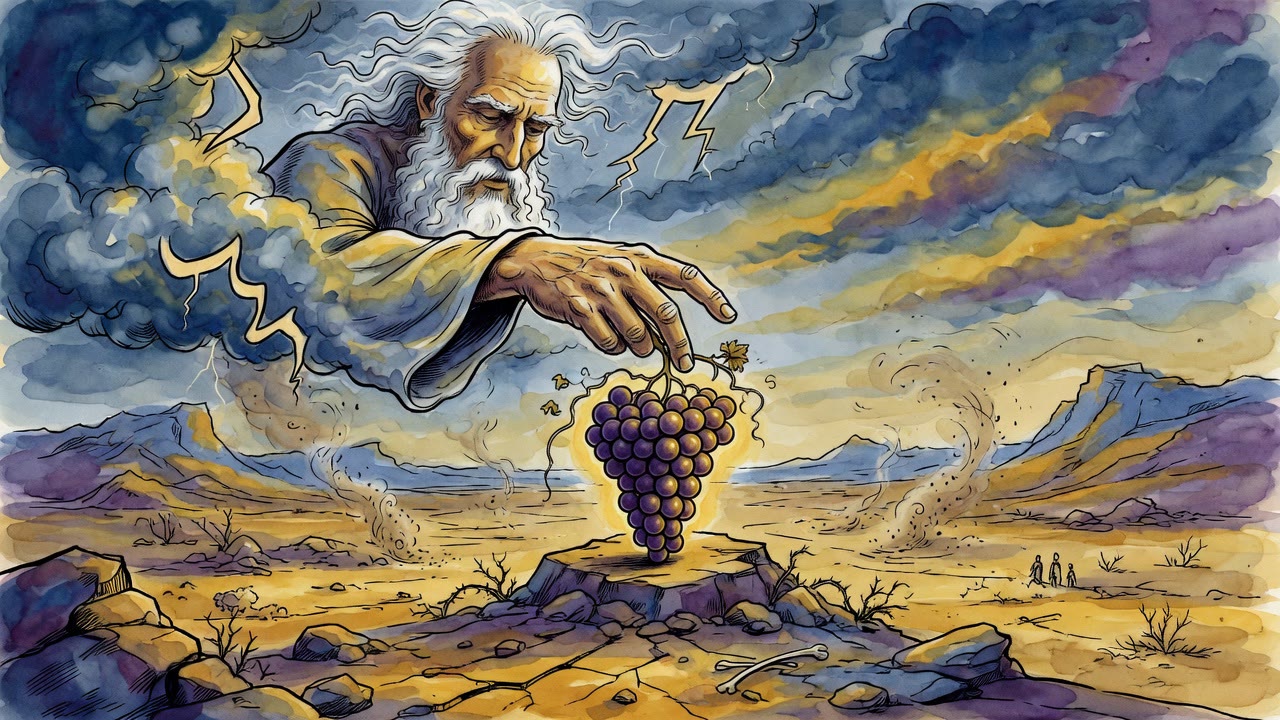
Moses asked heaven for two more years in the land and was refused. Then he asked to be carried in dead, and he was refused that too.
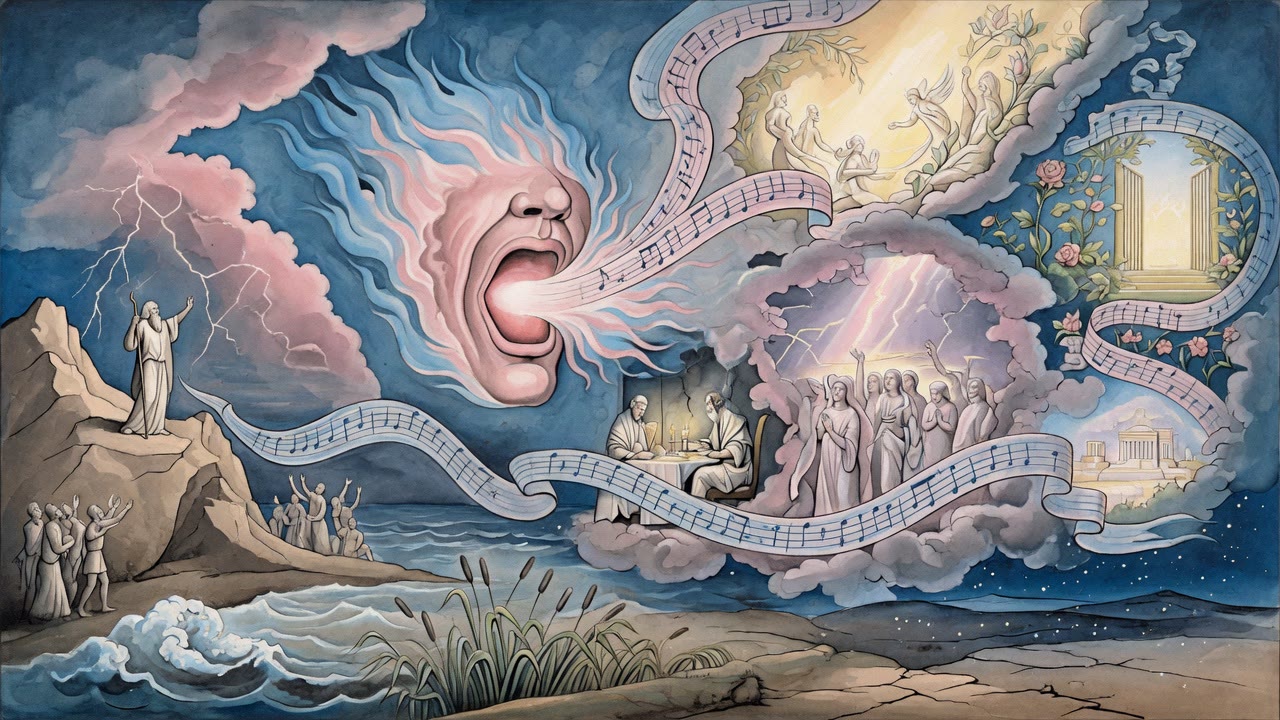
Sacred song does not stay inside the moment that produced it. The rabbis said shira moves freely through past, future, the messianic age, and the world to come.
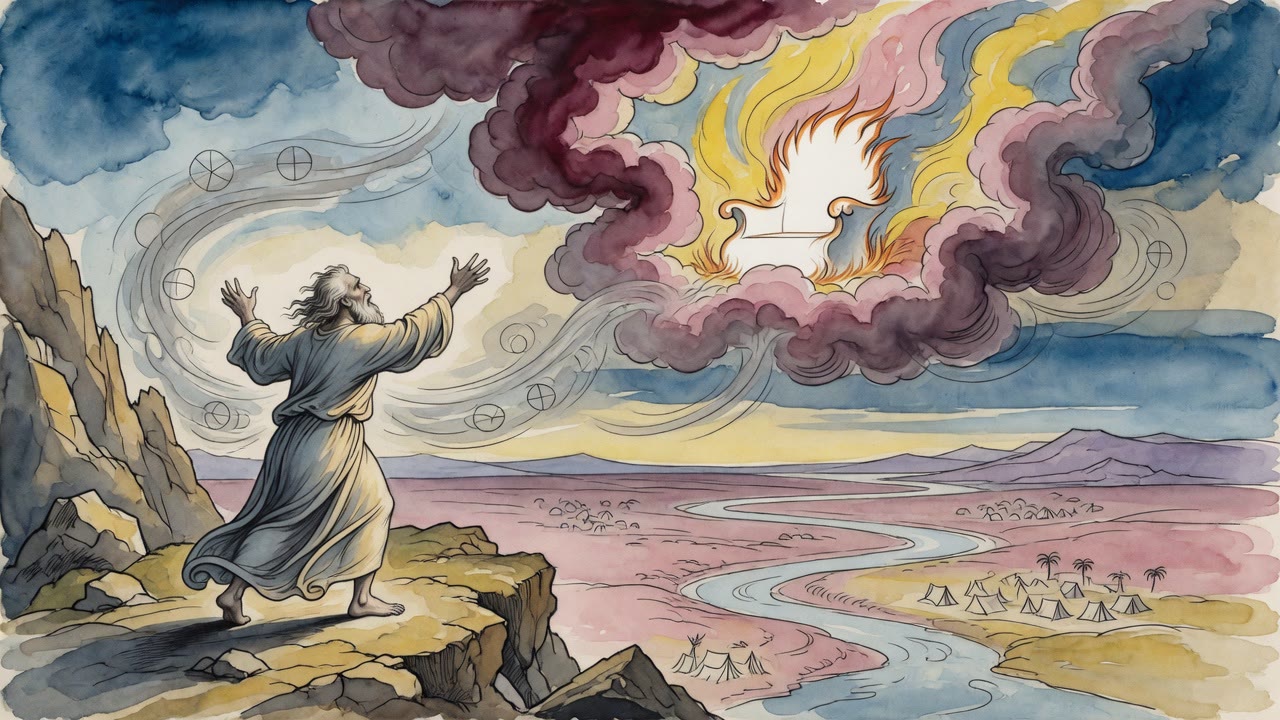
Moses did not accept the verdict quietly. He built a legal case, invoked precedents, and pressed heaven until God closed every exit and Moses agreed to go.
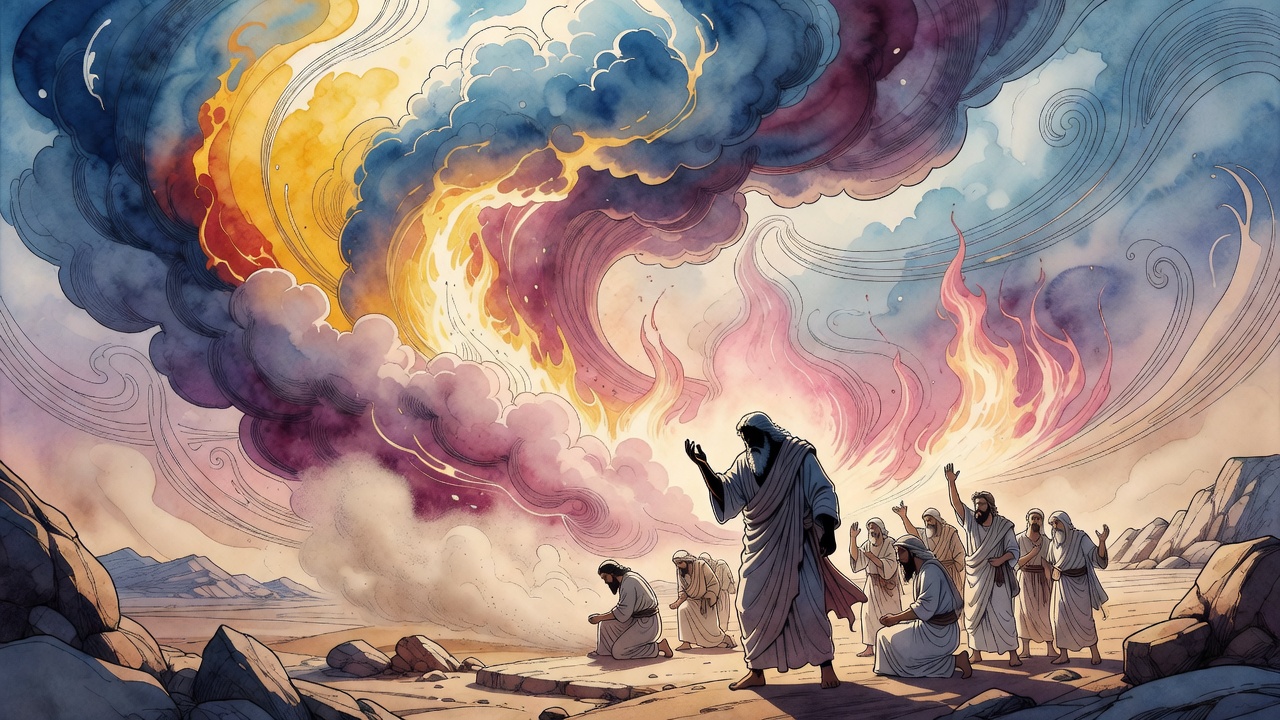
The Torah says Moses trespassed against God at Meribah. The rabbis read the Hebrew causative and found a heavier charge: he caused others to trespass.
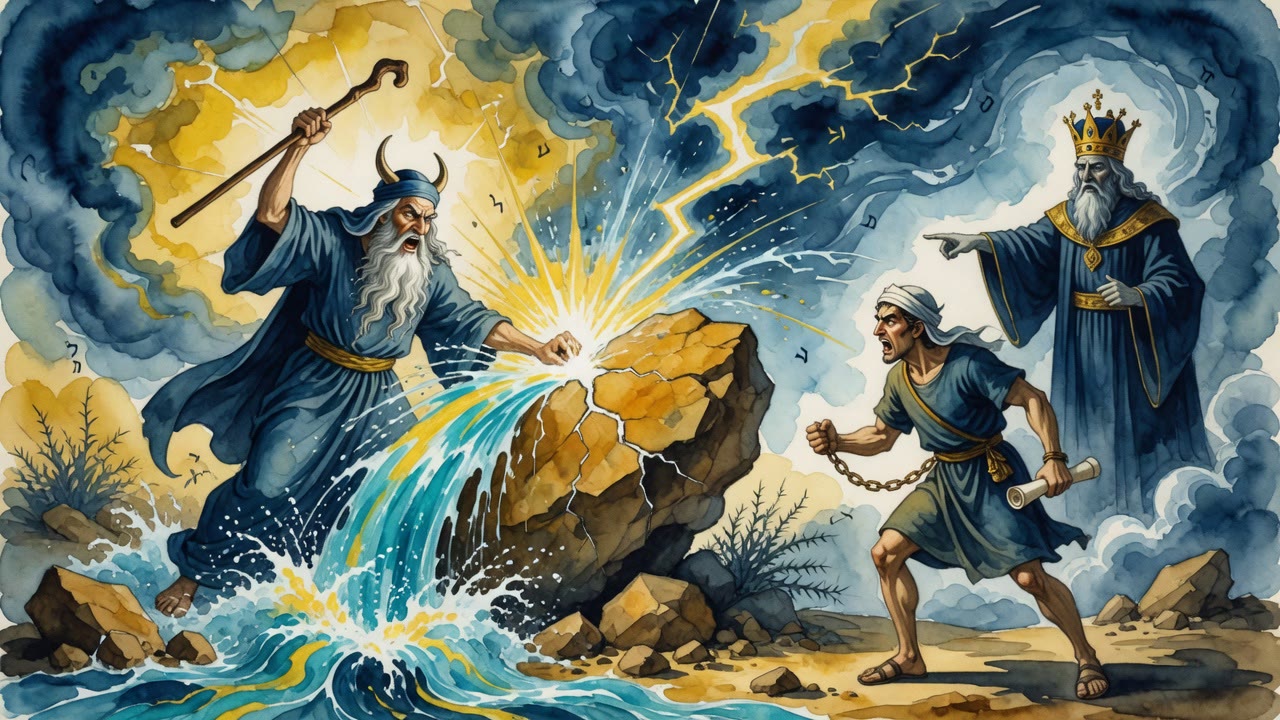
God told him to speak to the stone. The staff came down twice anyway. Water ran over his feet while the camp still watched his face.
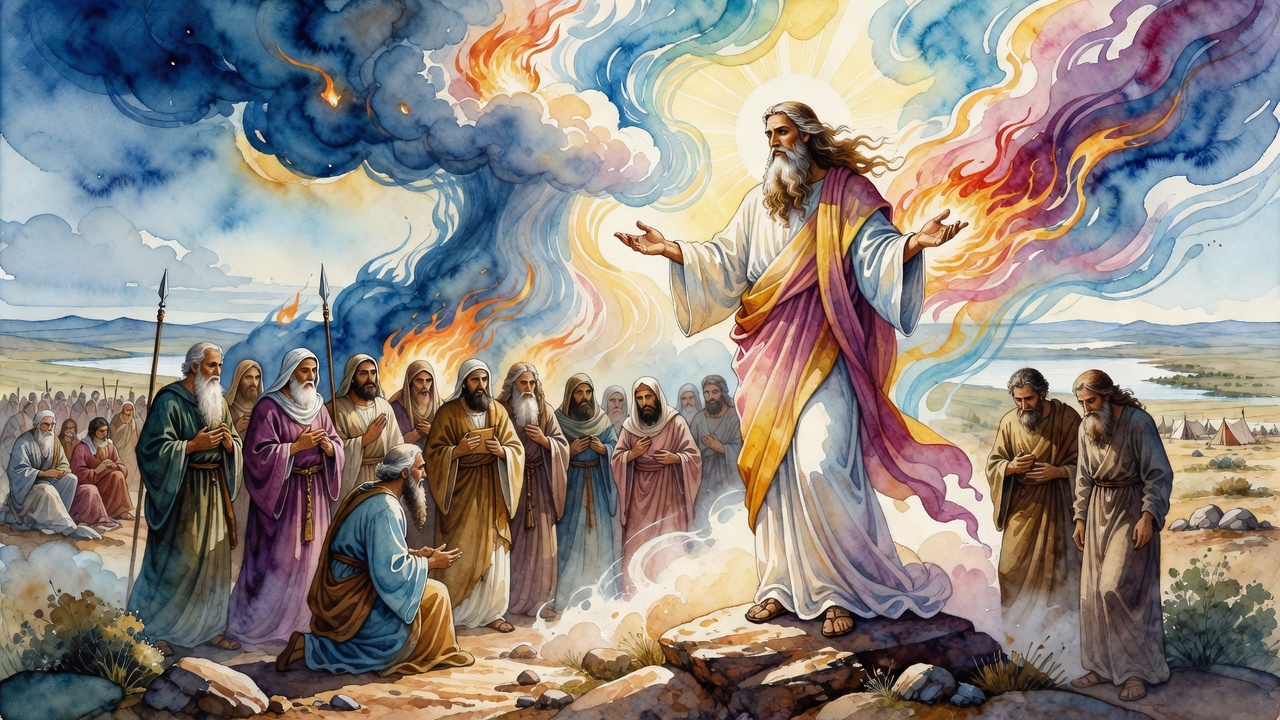
Pinchas stood over Zimri with a spear still wet. Moses kept going down the list of tribes and never reached the name that had paid nothing.
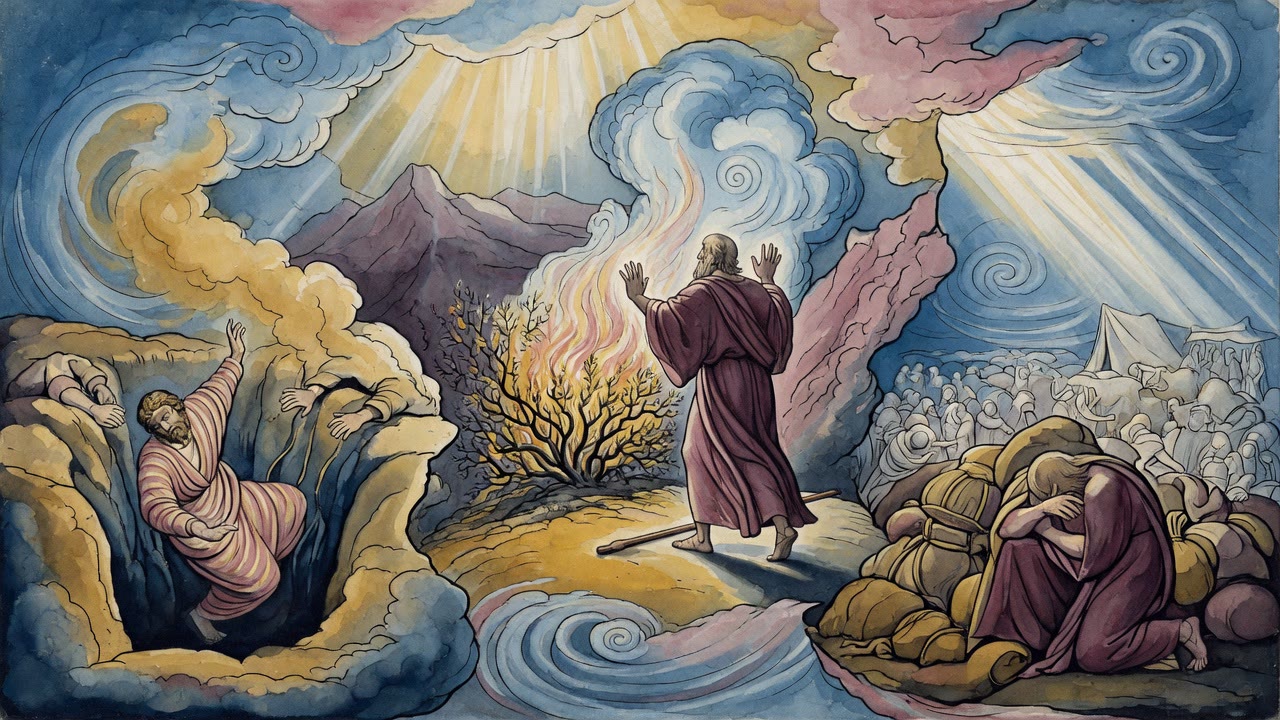
Ten men came back from the land certain it would kill them. When Joshua stood up to answer them, they shouted that a childless man had nothing to lose.
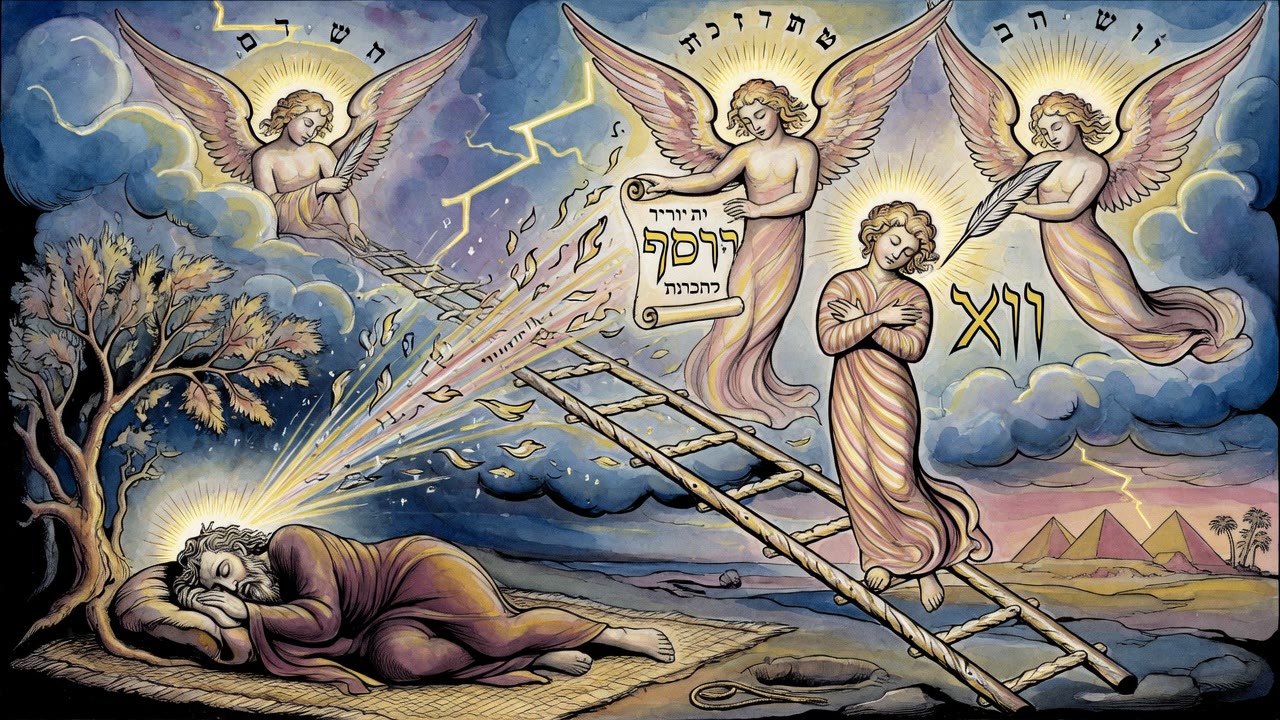
From Mount Nebo, God showed Moses two moments the plain below had witnessed: the cities consumed by fire and the dynasty that would make the same ground holy.
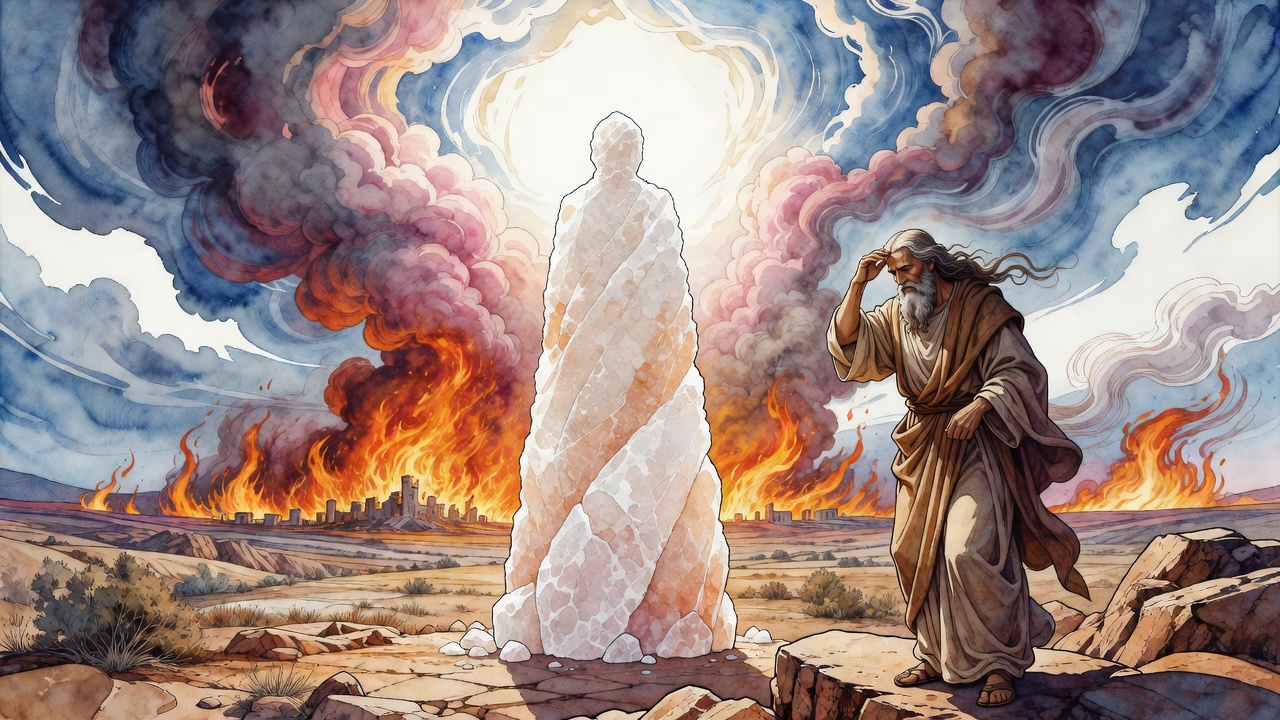
Cattle licked the pillar down to nothing by evening. In the morning she was standing whole again on the road outside Tzoar.
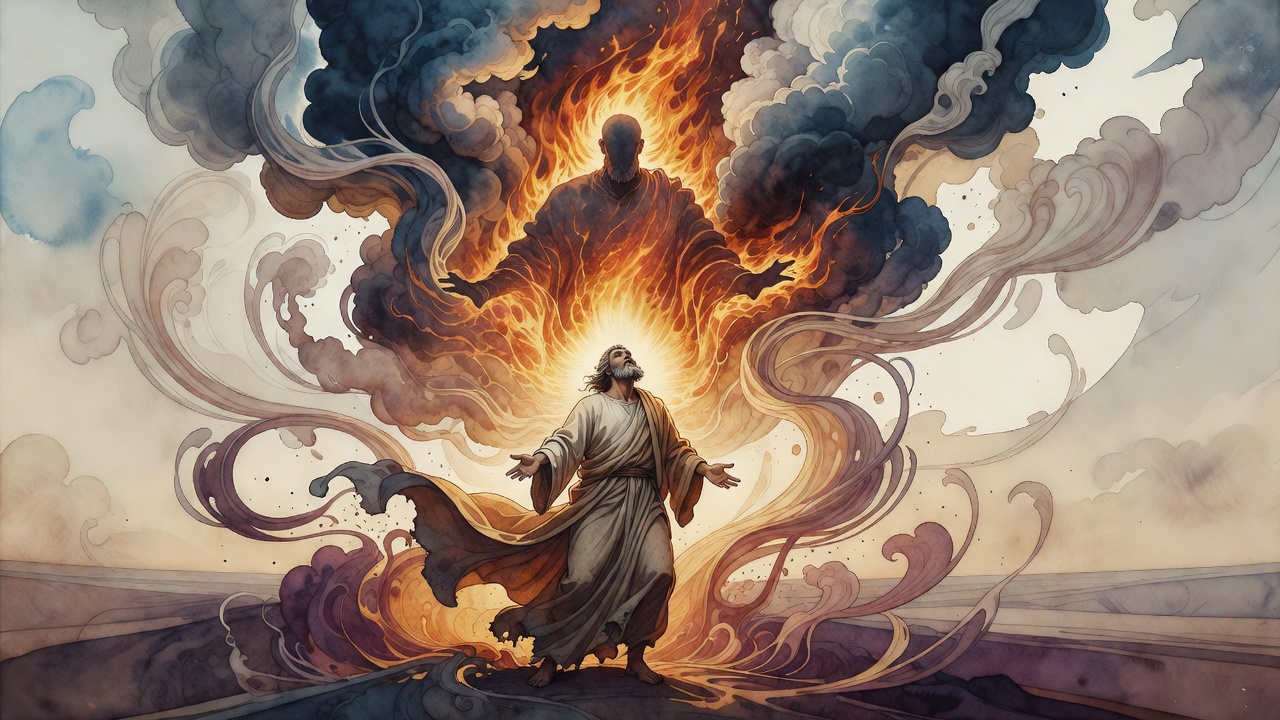
After the golden calf, God said He would send an angel instead of coming Himself. The people heard it, took off their ornaments, and never put them back on.
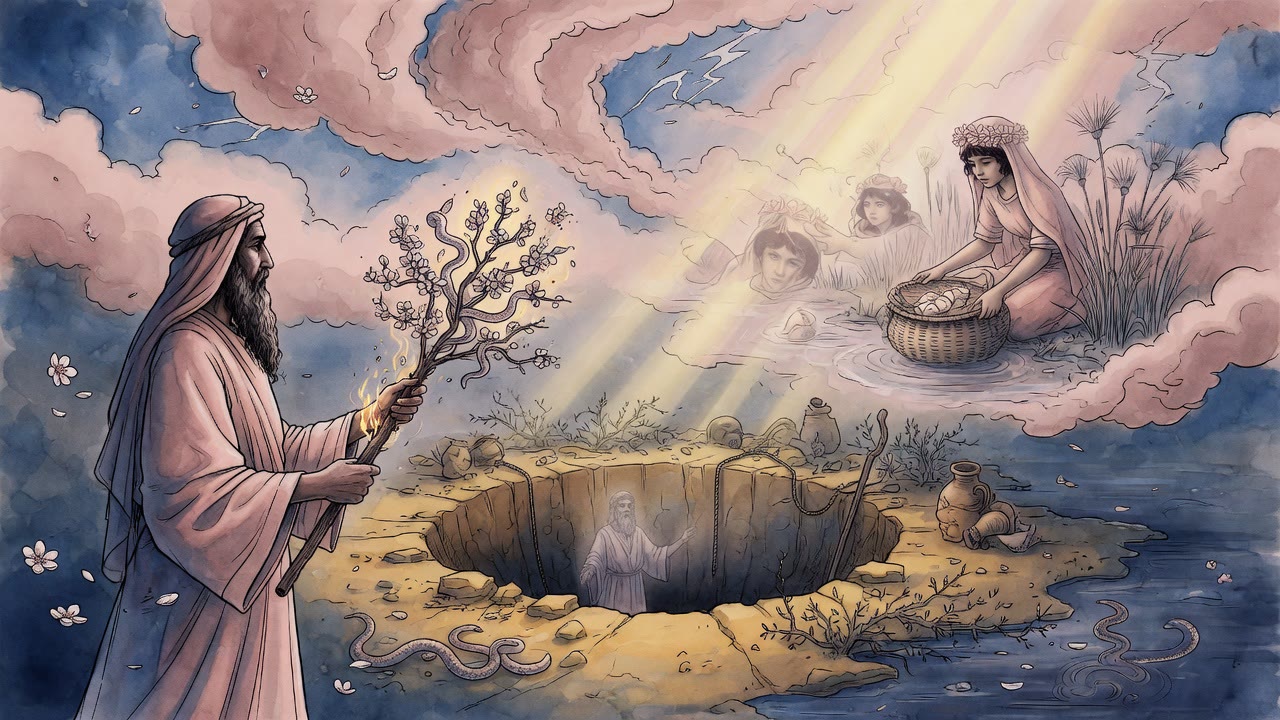
Jochebed was 130 years old when she conceived Moses. Her body returned to youth overnight, and her son was born in six months.
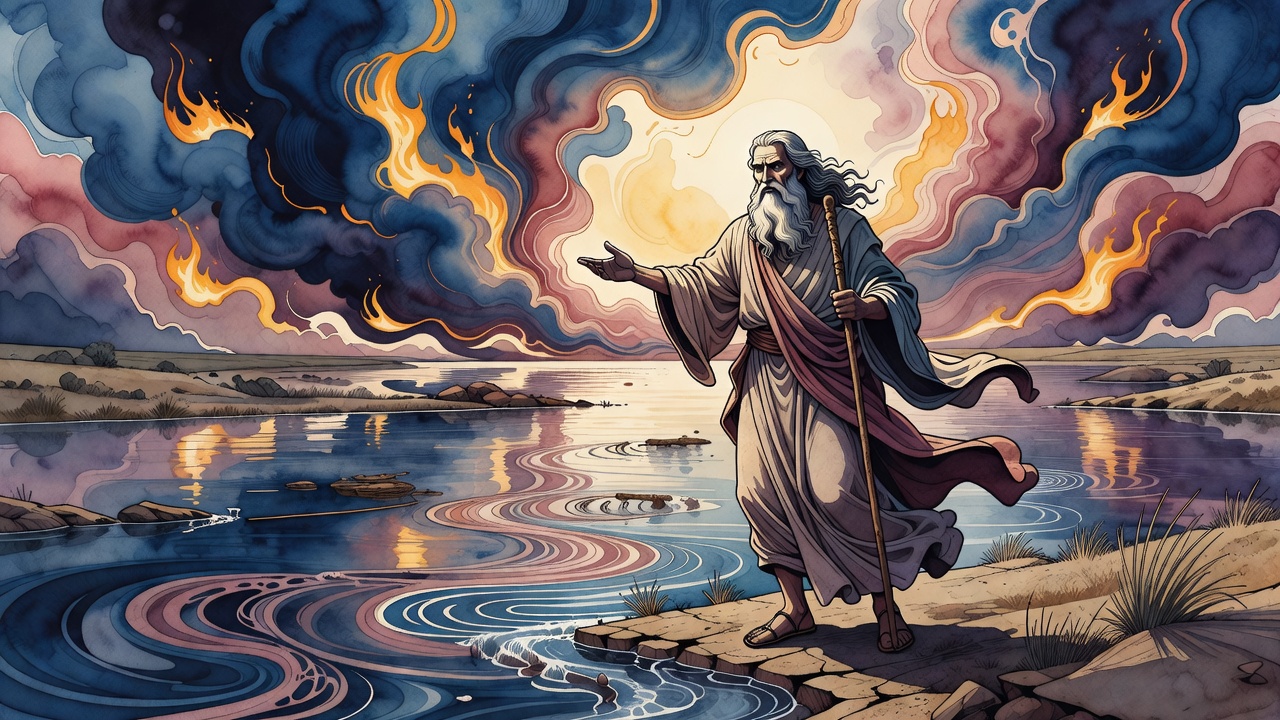
The Nile had carried his basket for seven days. When God sent blood and frogs, Moses would not raise the rod. Aaron struck the water instead.
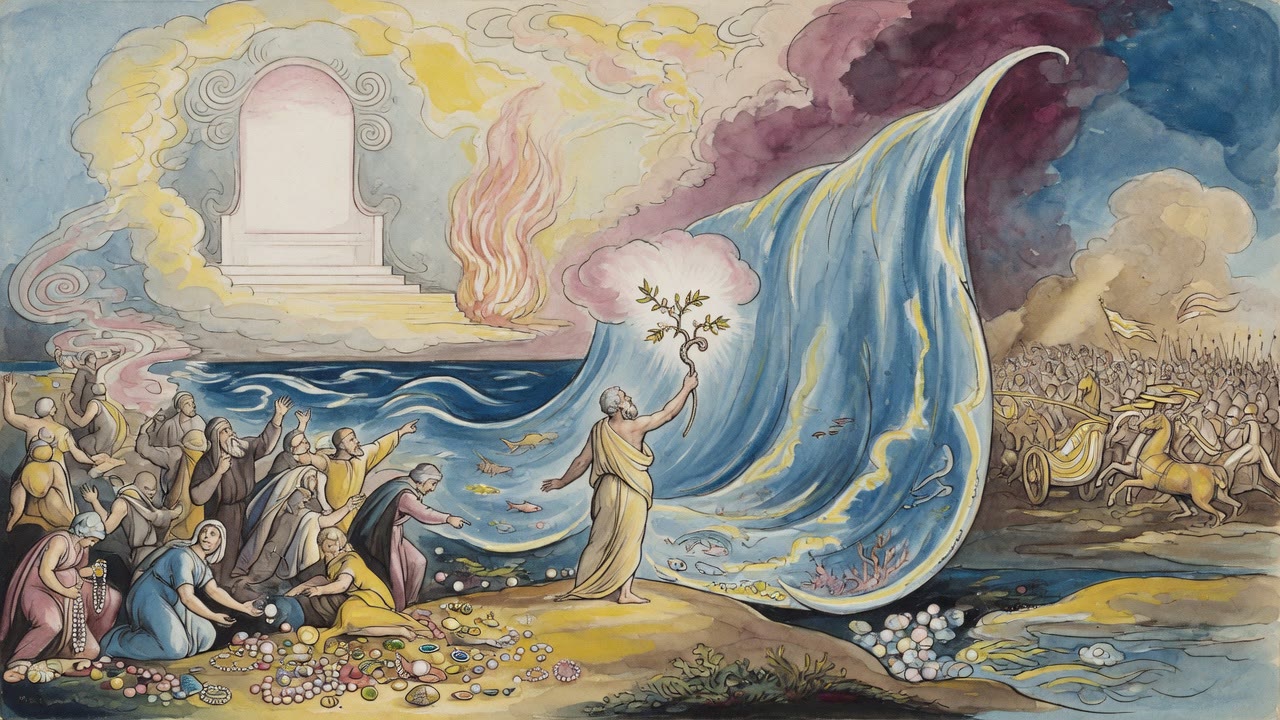
The Egyptian army was closing in, and the people at the water were picking up pearls. The river Pishon had washed them out of Eden.
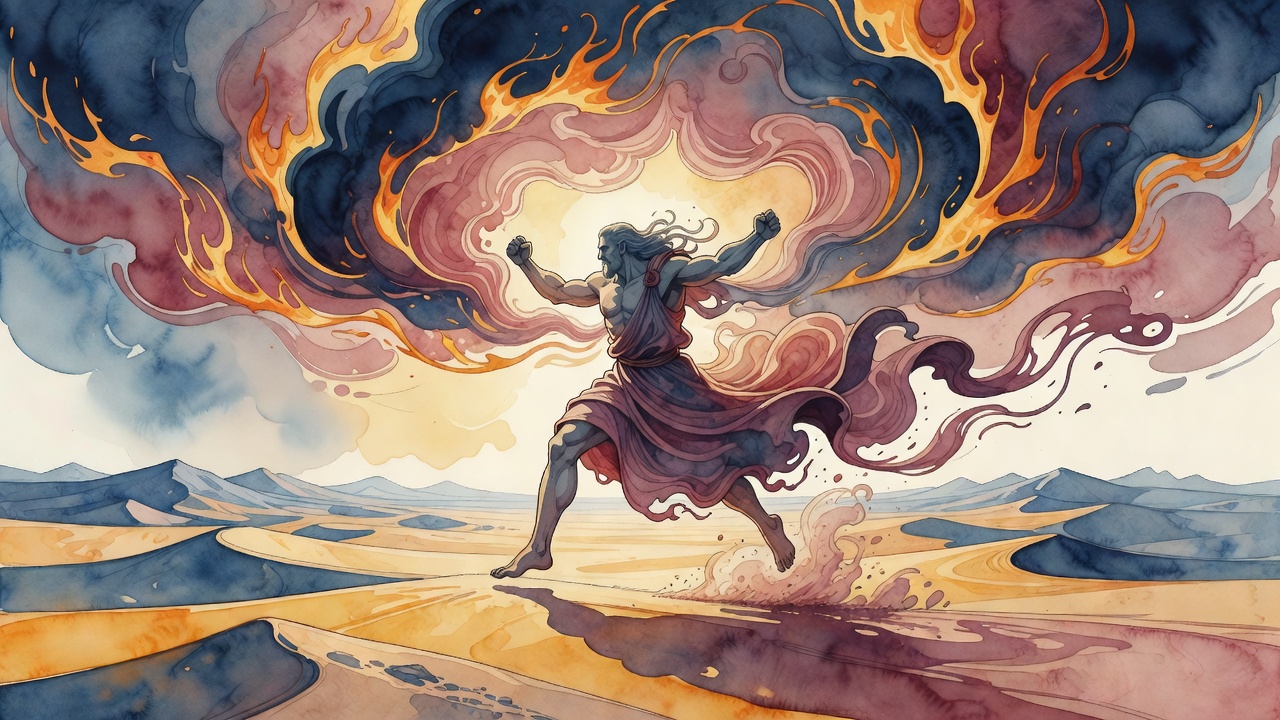
Amalek came from the far south and covered sixteen hundred miles in a single night, driven by a grudge that ran back to Esau and Jacob in the womb.
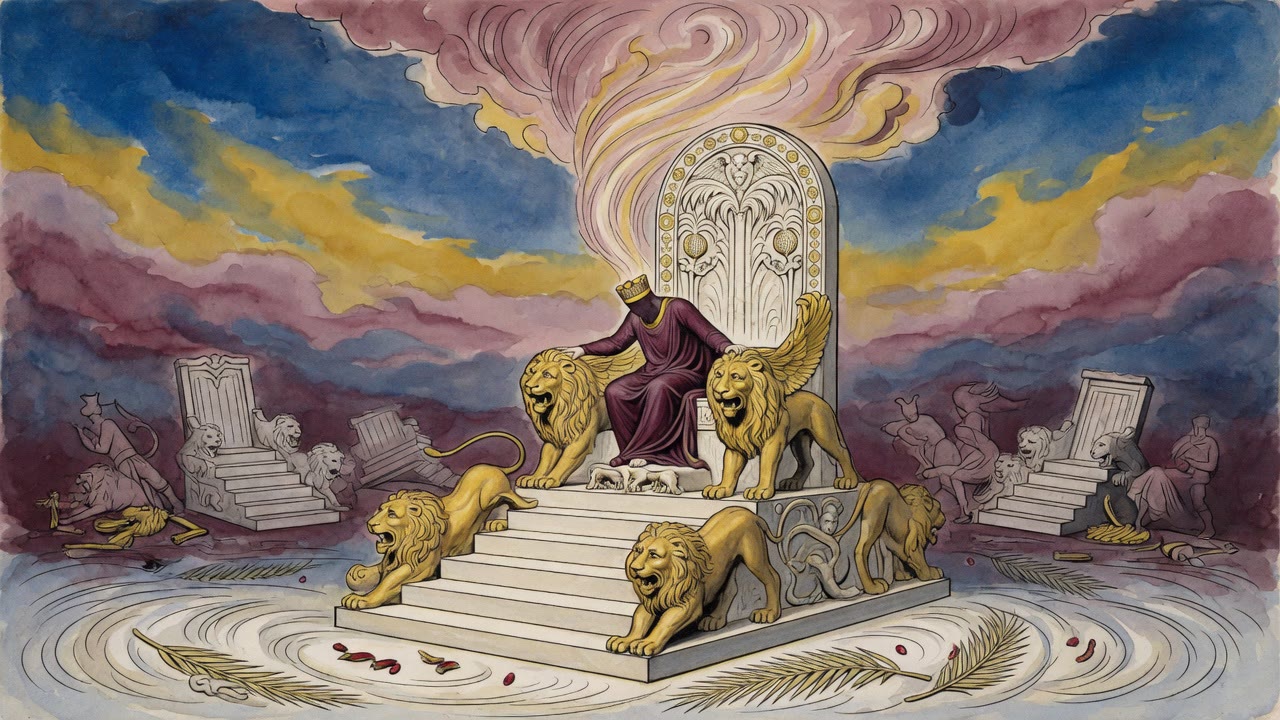
After the golden calf, Moses asked to see God's glory. What he saw from behind, pressed into rock, was the knot of the divine tefillin, prayer straps.
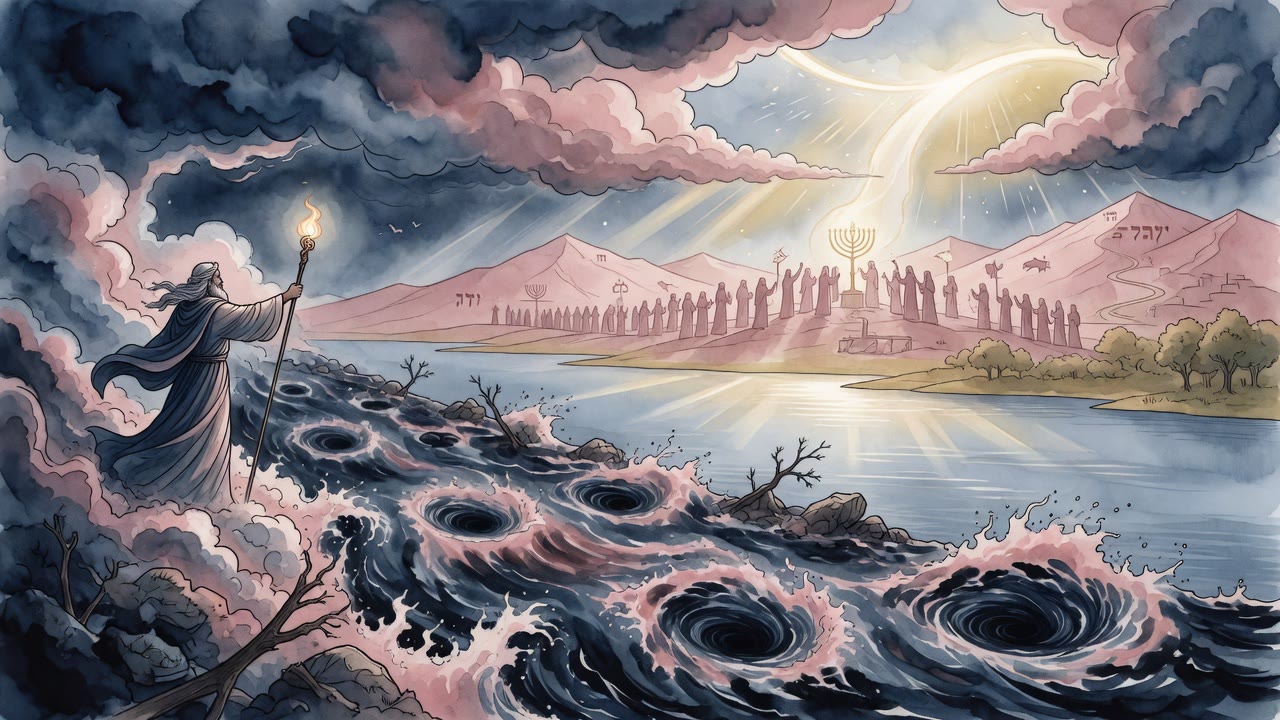
After the calf, Moses feared God would swap Israel for another people. God named a river that throws stones six days a week, and a way home.
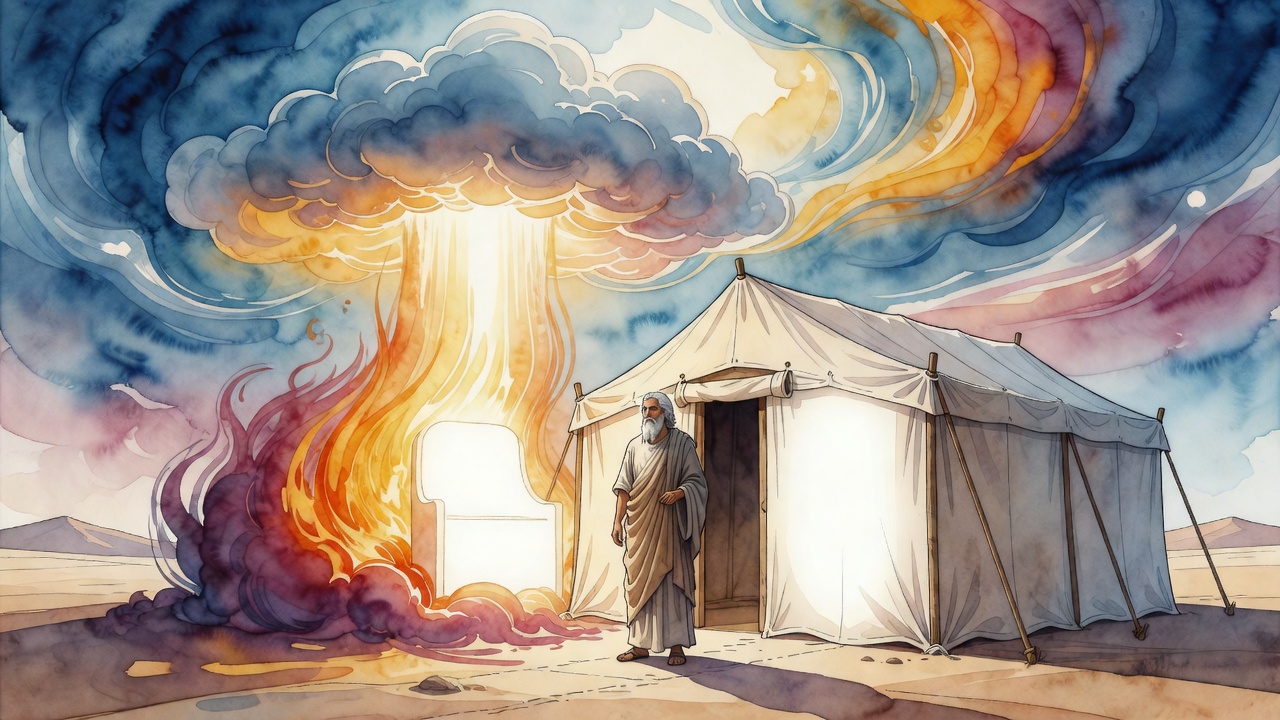
Moses built the Tabernacle and would not enter. He stood at the door until God called, because completing a sacred space does not grant ownership.
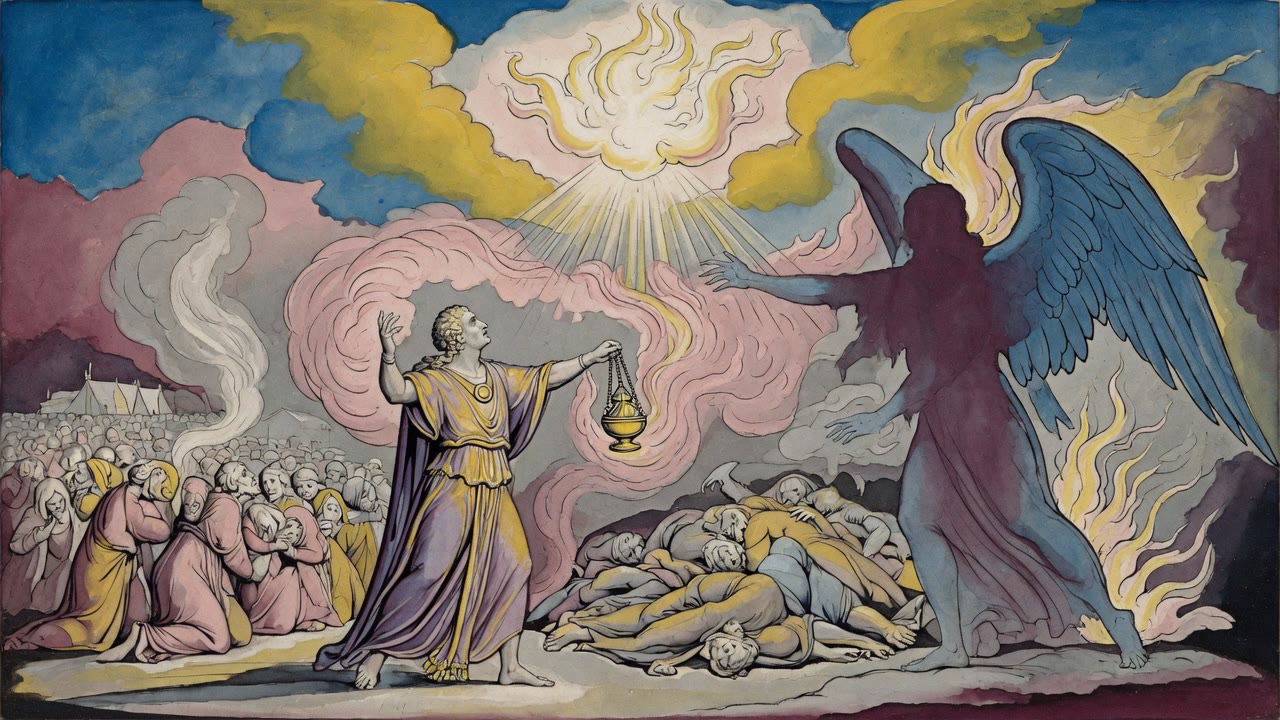
Korah was already under the ground. By morning Israel blamed Moses, and Aaron ran into the plague with altar fire and incense.
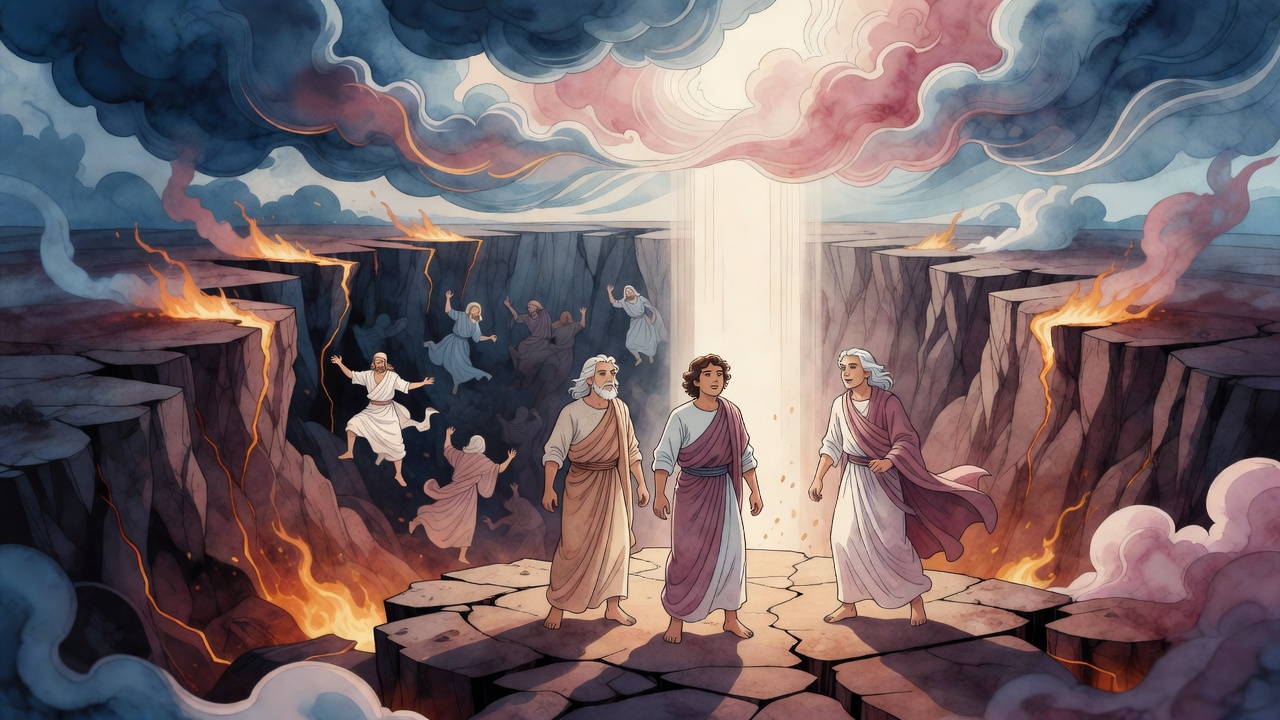
When the earth opened and swallowed Korah's rebellion, his sons were not among the dead. They had made a different choice while their father was still alive.
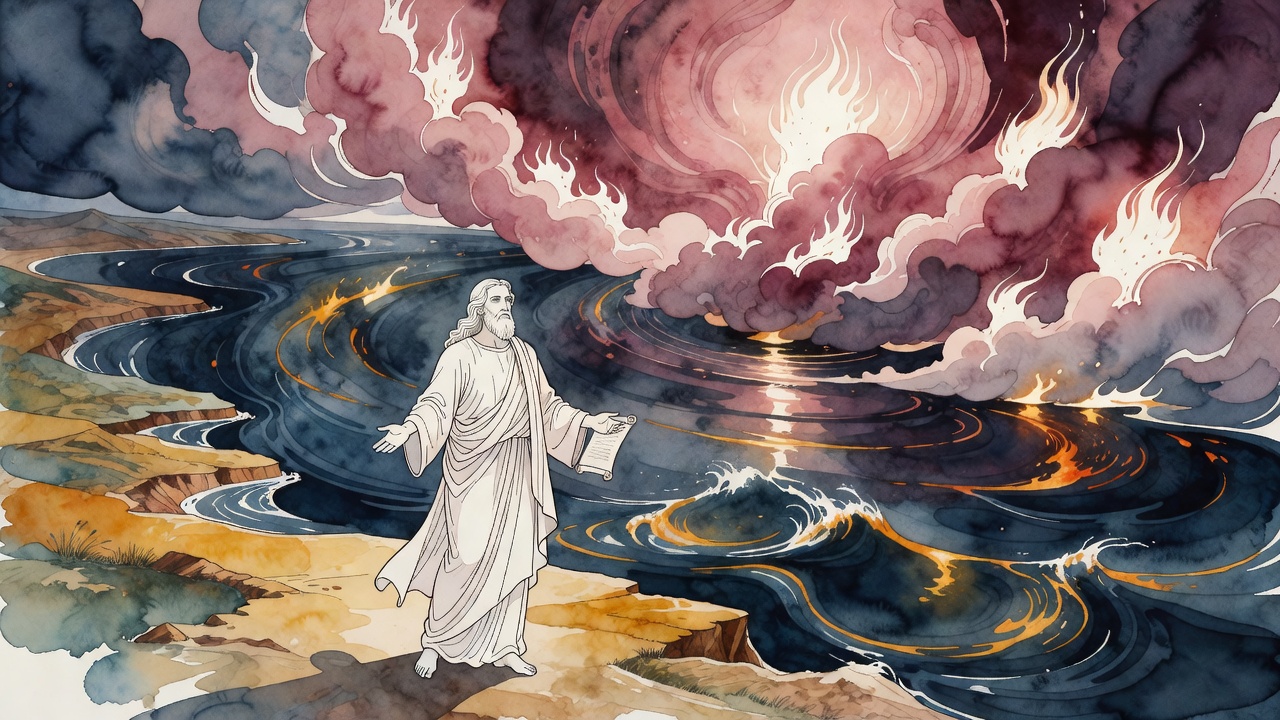
On the plains of Moab, Moses named a western edge no walker could pace. The line dropped through the sea into water older than the sky.
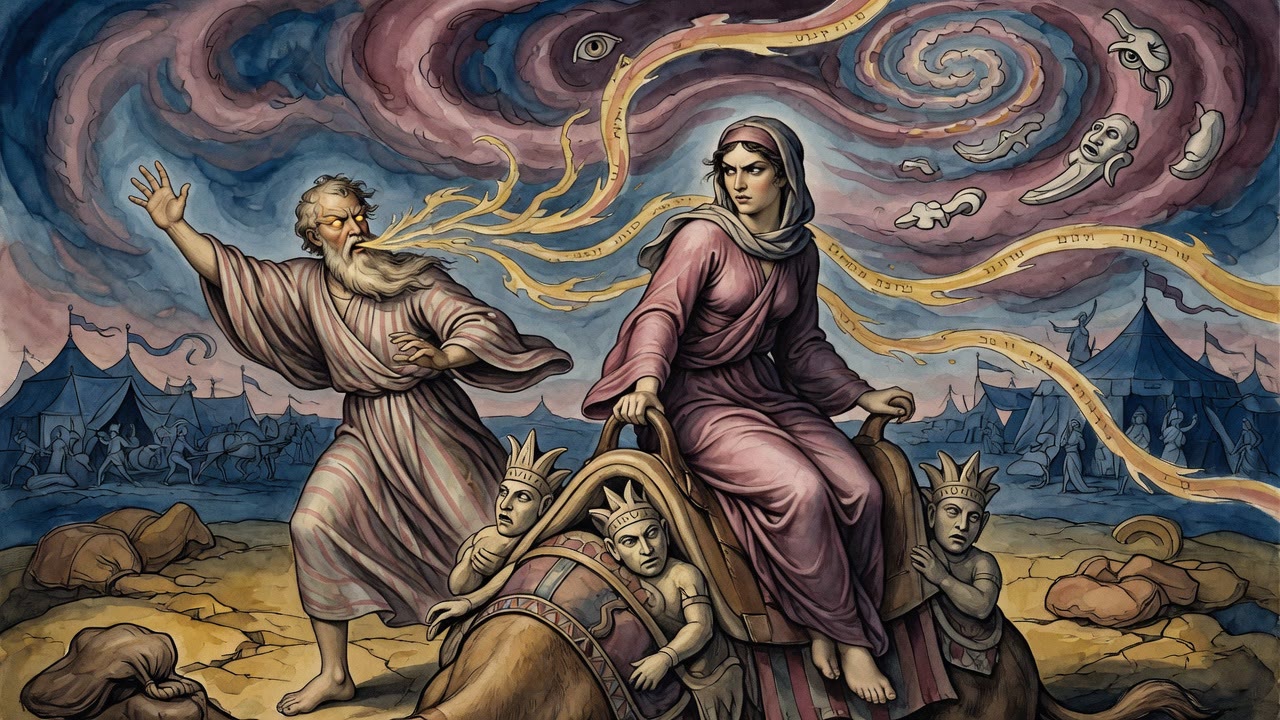
Moses stood before Israel, read every word of the Torah aloud, and sealed the covenant in blood. Then God told him none of it would protect him from dying.
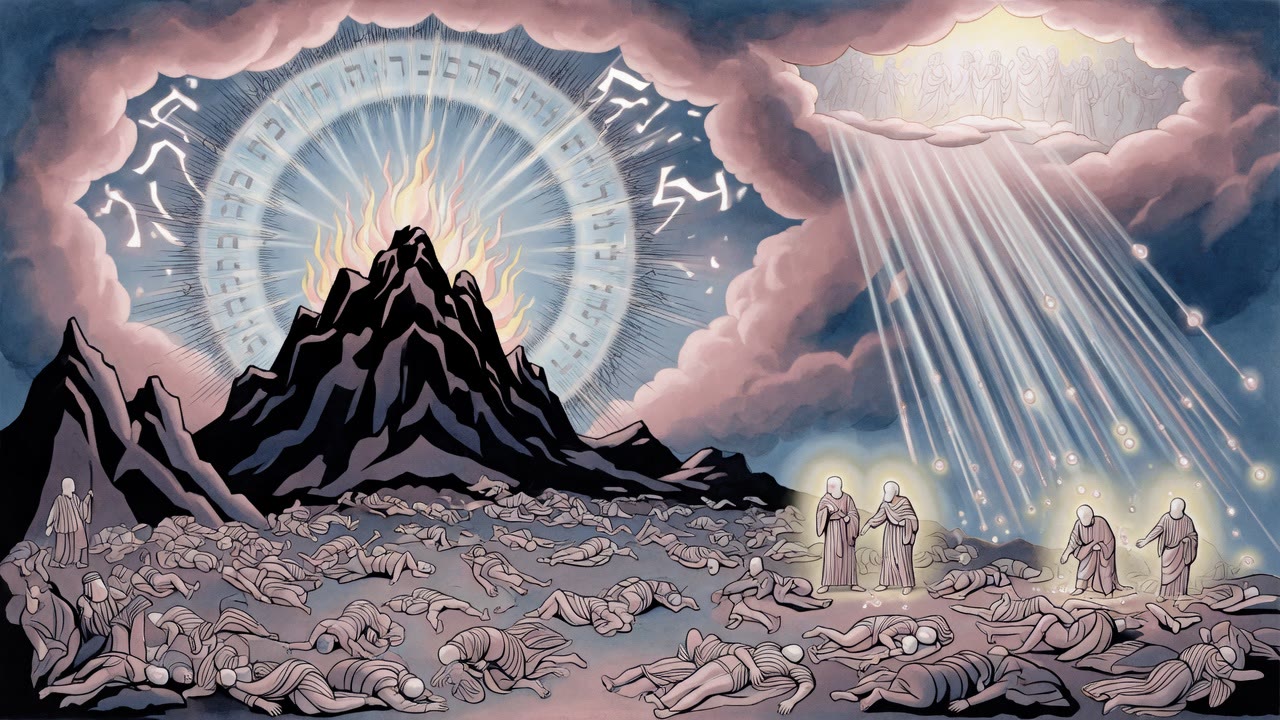
Moses threw the blood of bulls on the people. Then God's voice emptied every body in the camp. Dew saved for the last day woke them.
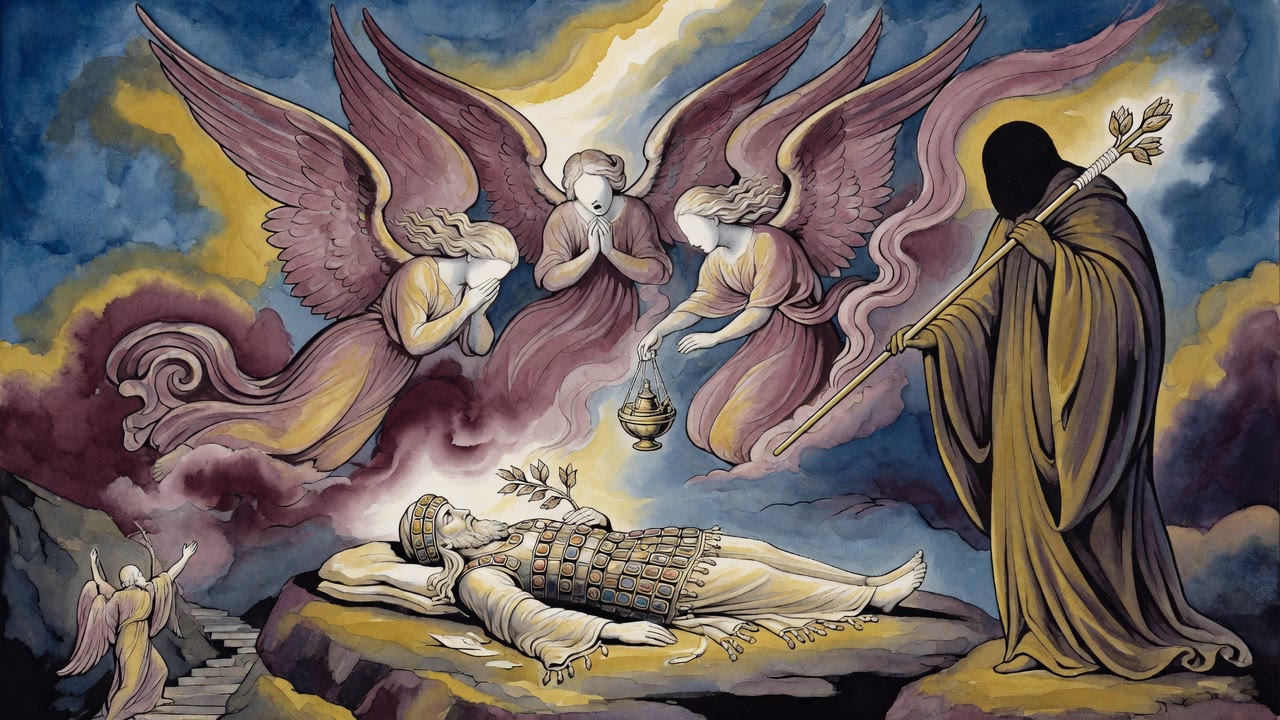
Moses asked his brother to step into a cave with him. Inside was a made bed, a burning lamp, a table set with food, and angels standing in attendance.
