1,018 myths · Page 11 of 34
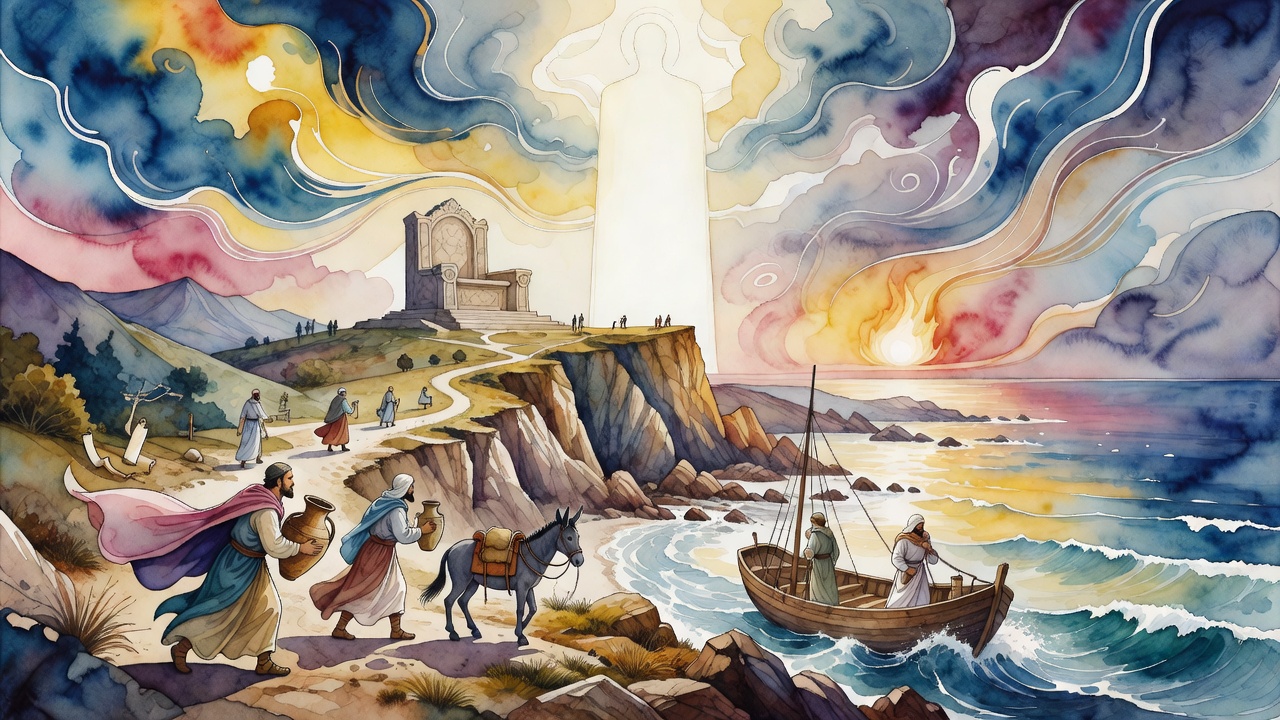
Zebulun is the forgotten tribe. No miracles, no prophets, no famous kings. Just trade routes and a coastline. The rabbis say that coastline built the Torah.
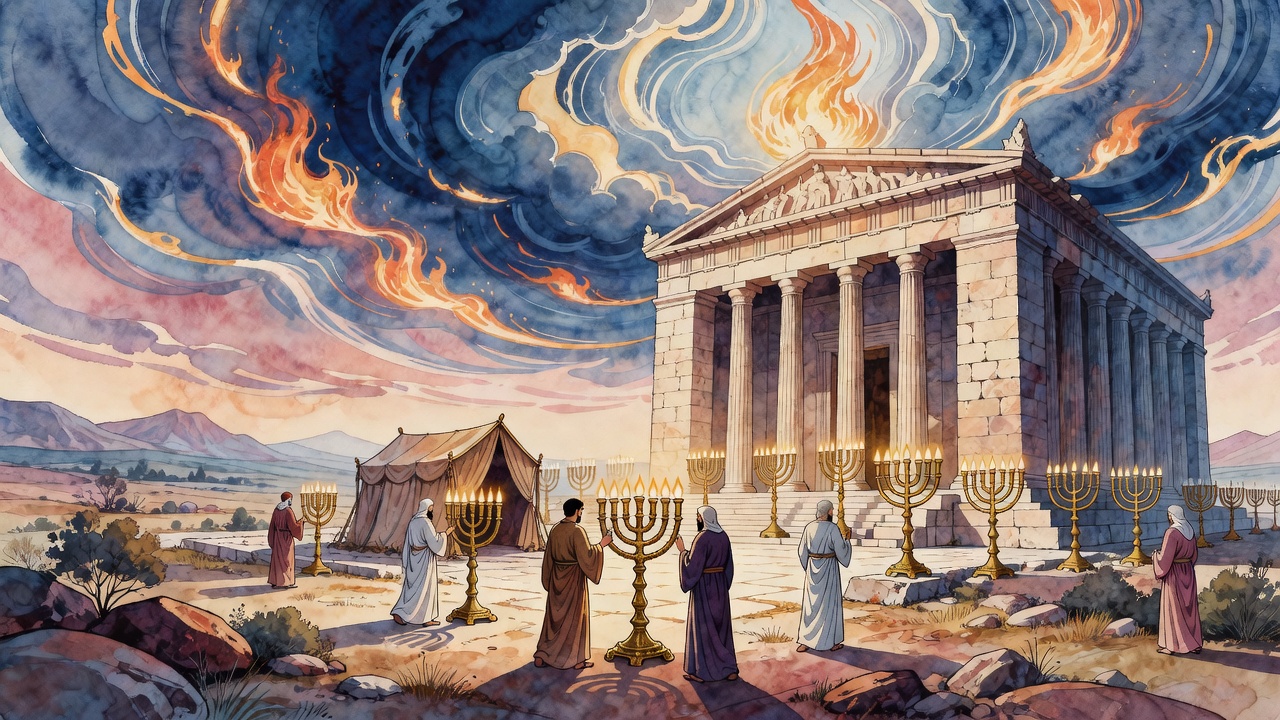
One Temple candelabra came out of the mold heavier than the wilderness lamp by a single coin's weight. It went back into the furnace eighty times.
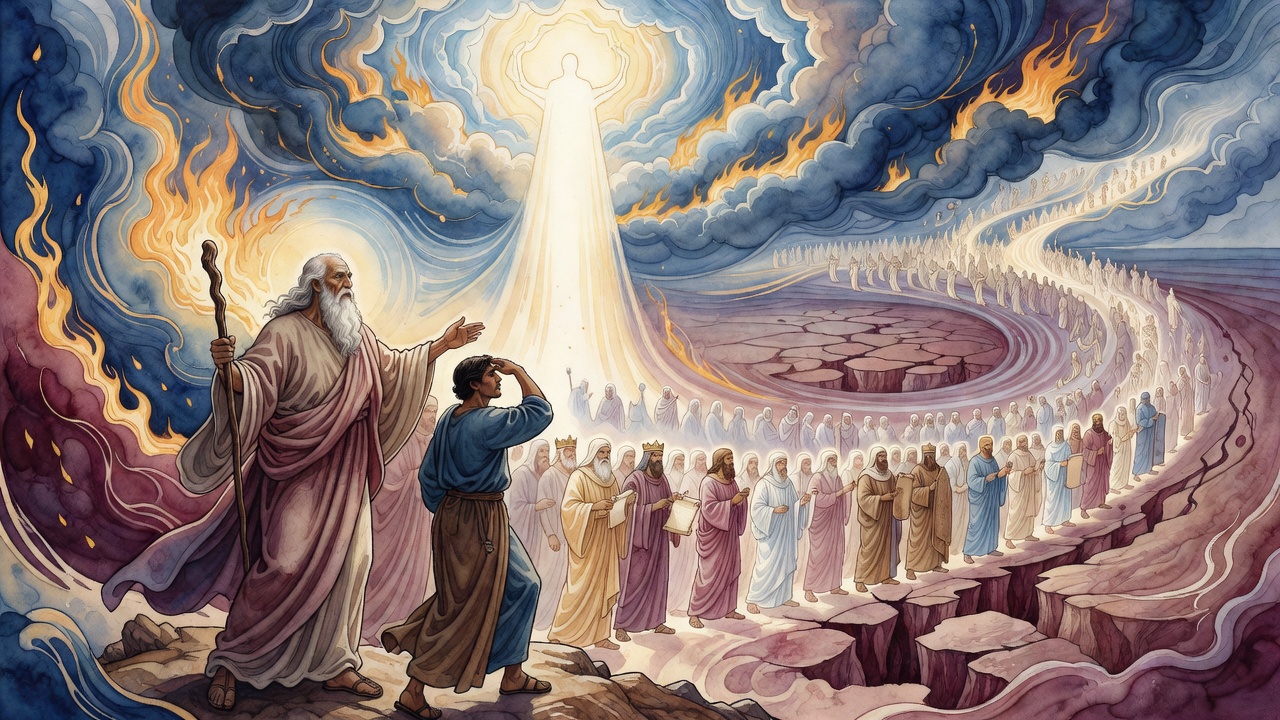
A herald went through the camp calling everyone to gather around Joshua, and not one Israelite came. They hung back, shaking, complaining of headaches.
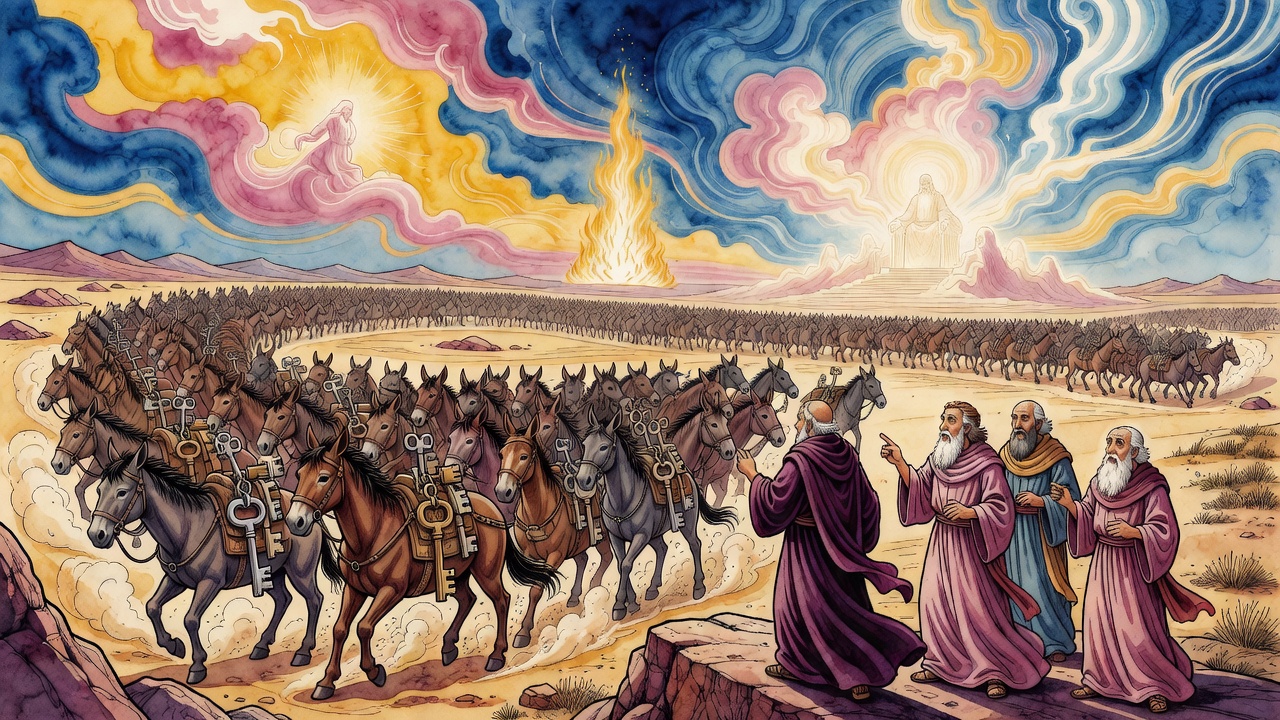
Three hundred white mules carried only the keys to his vaults. Korah came home shaved from the Levite rite, and his wife named it disgrace.
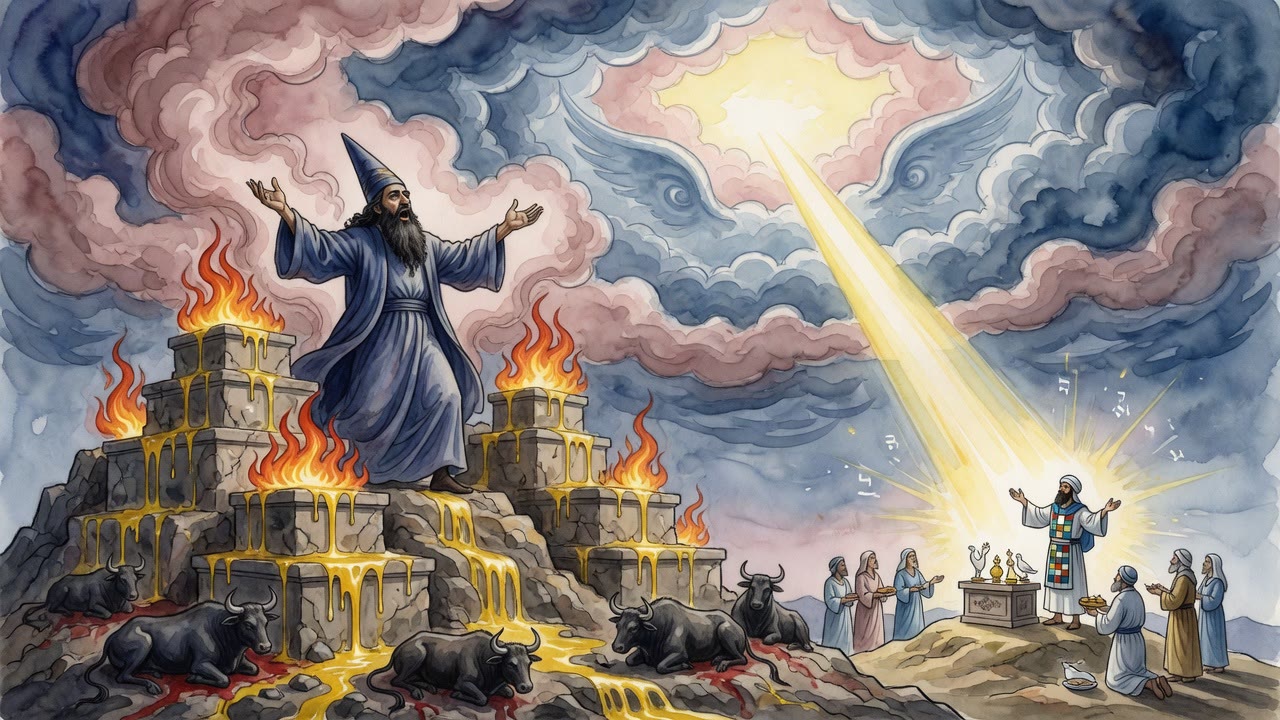
Balak paid for a curse. From the mountain Balaam's mouth opened and he saw David, the star from Jacob, and the King Messiah rising at the end of days.
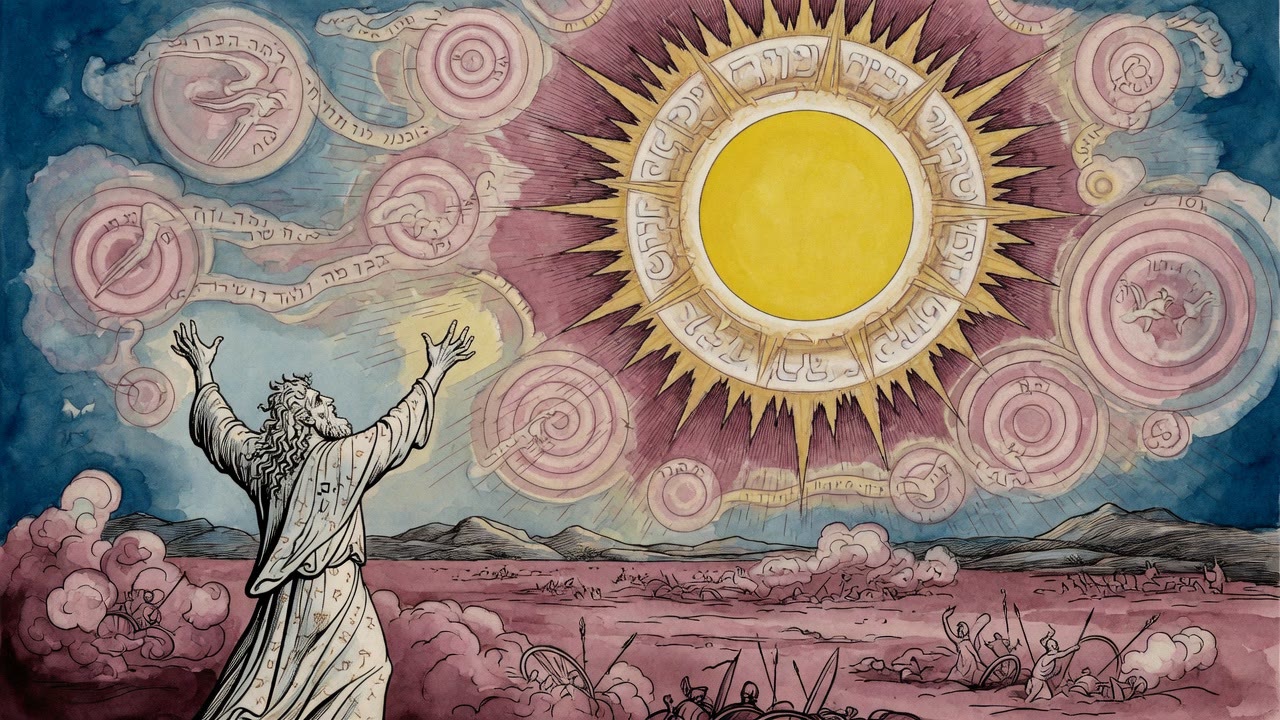
When Joshua commanded the sun to stand still, the rabbis said every power he had came from Moses. The moon was still the moon. Its light was borrowed.
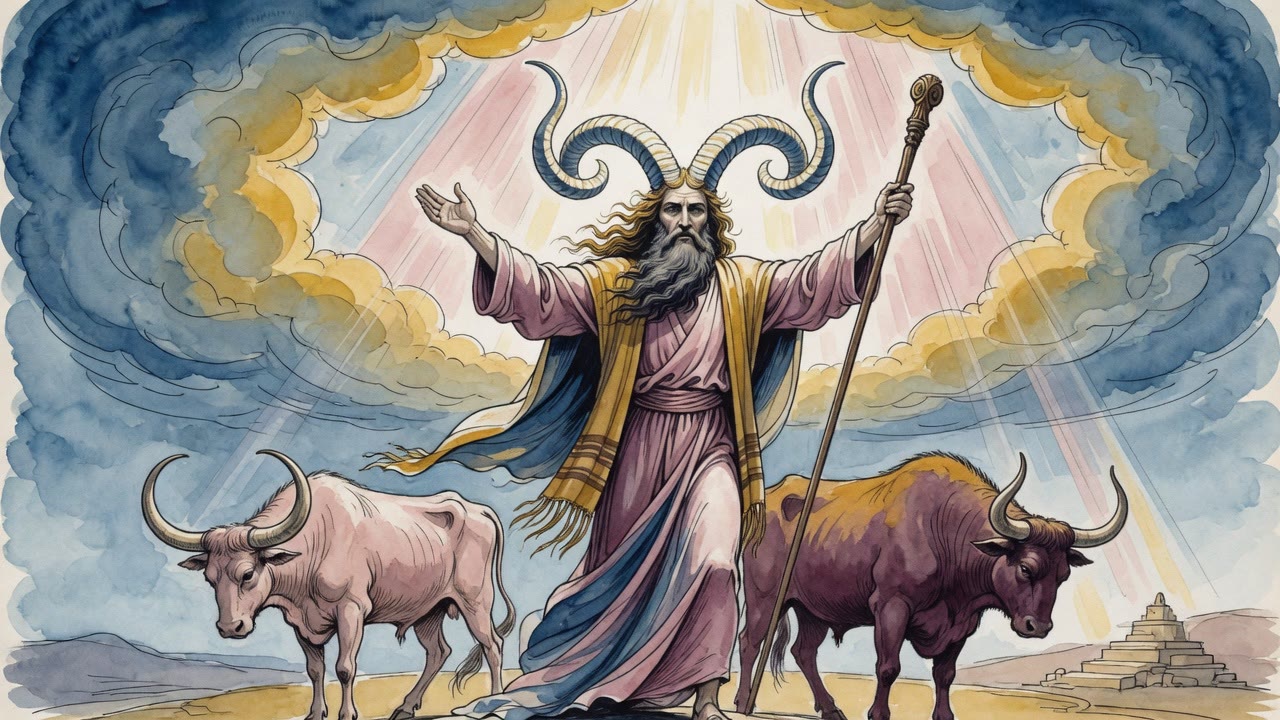
Moses argued at the bush until God's anger flared. Joseph sat in a dry pit while his brothers settled on twenty pieces of silver. Saul hid in the baggage.
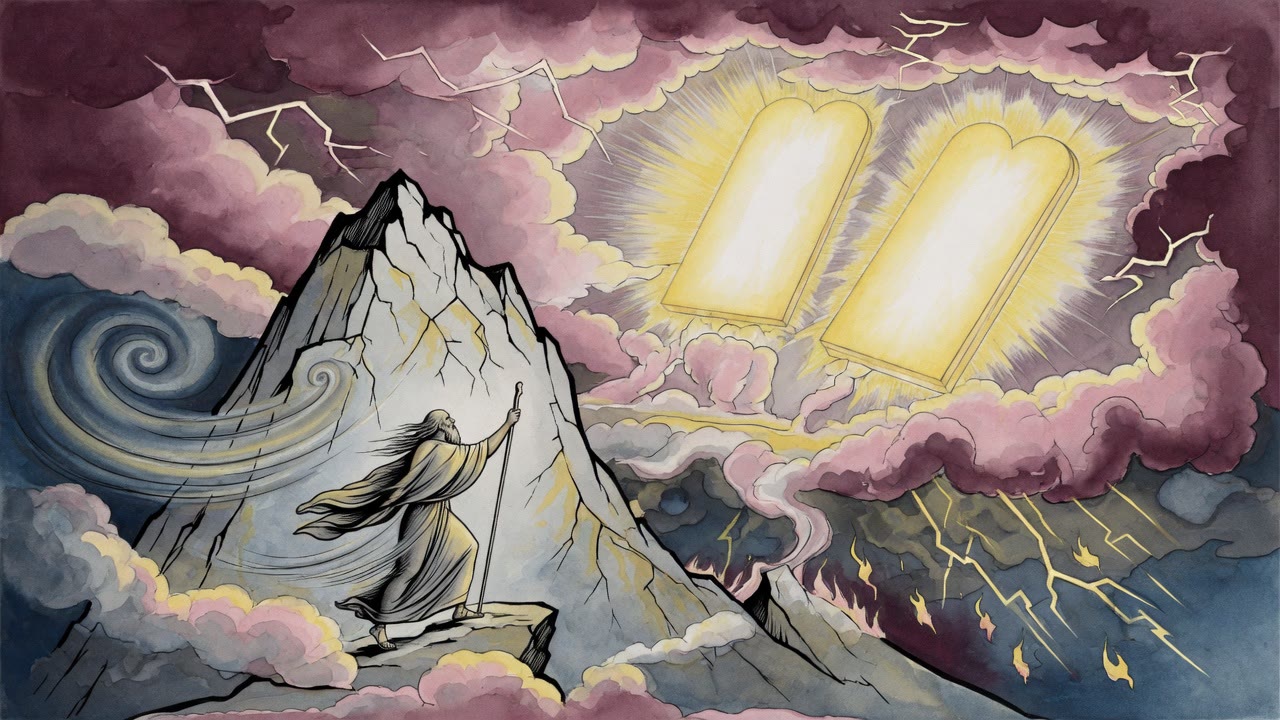
Moses walked the firmament to seize the Torah. When the angels demanded to know why a mortal deserved it, the answer went back to Judah at the fire.
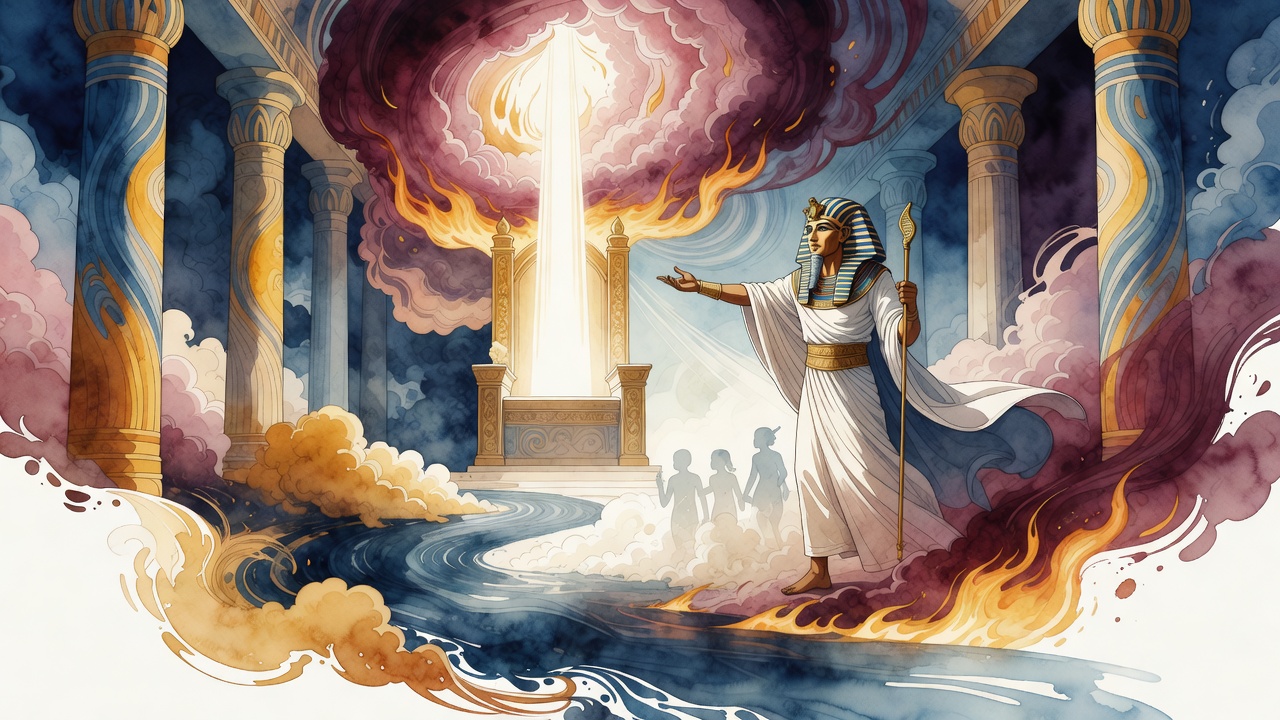
Pharaoh told Egypt he was a god who felt no human needs. Every morning he went down to the Nile alone to keep it up. One morning Moses was standing there.
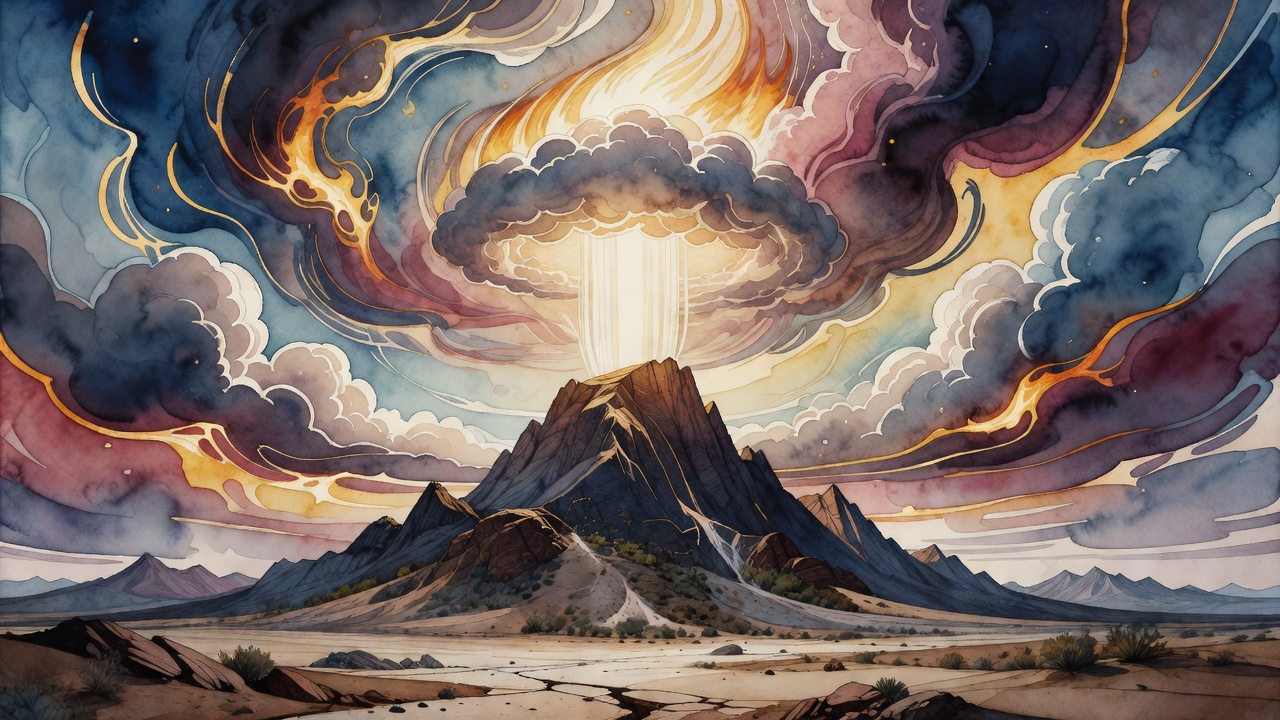
Before Adam drew breath, God set four places apart. One of them was a mountain in the desert, already holy, already waiting for Moses.
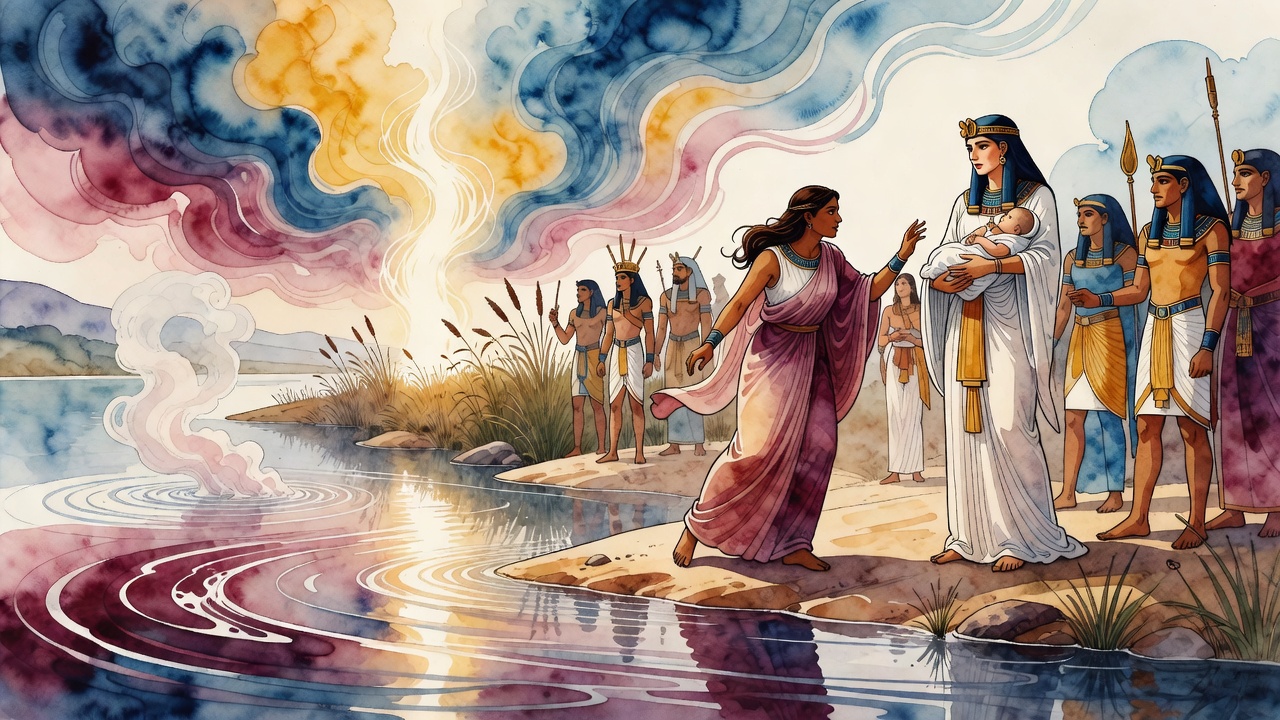
Pharaoh's daughter had a Hebrew infant who would not nurse and a line of Egyptian women who had all failed. A girl was watching from a distance.
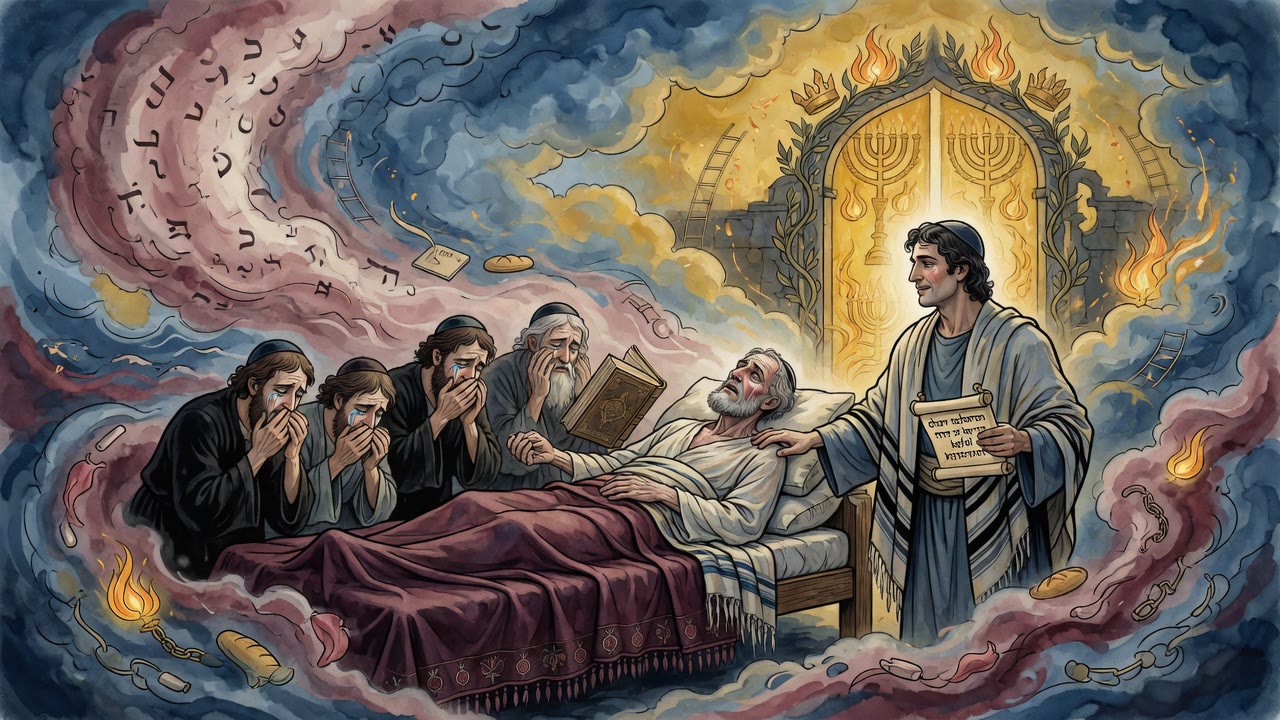
Moses visited Akiva's academy and understood nothing. Then a student asked where the teaching came from and Akiva said: a law given to Moses at Sinai.
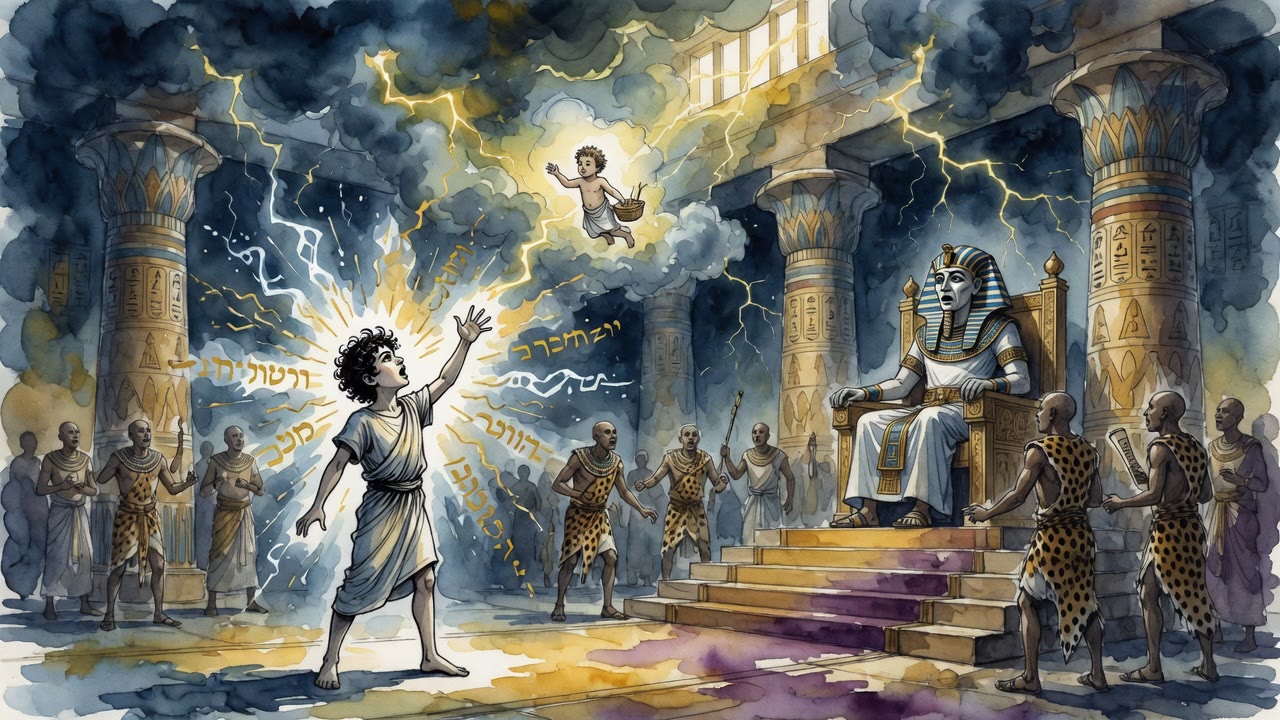
An old man hung merchants' scales in front of the throne, put every noble in Egypt in one pan and a baby goat in the other, and the goat went down.
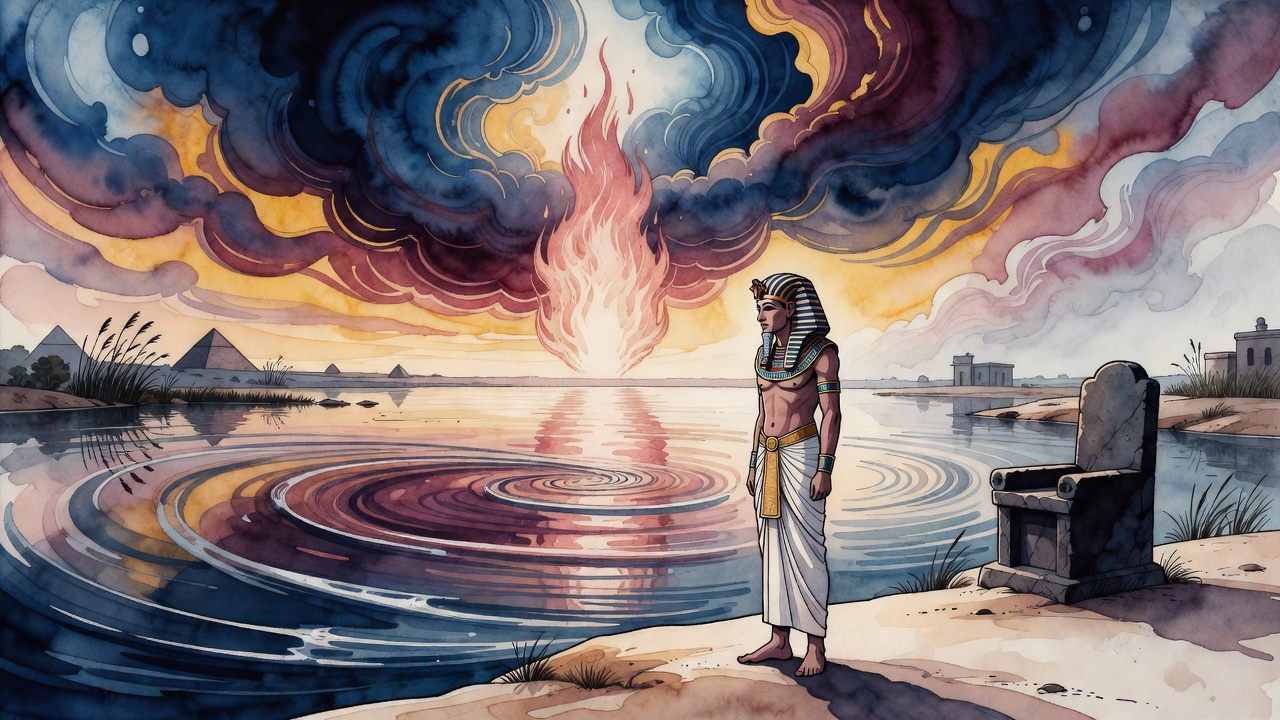
Before the court woke, Pharaoh walked to the Nile alone. A god, he told Egypt, does not need a bathroom at dawn.
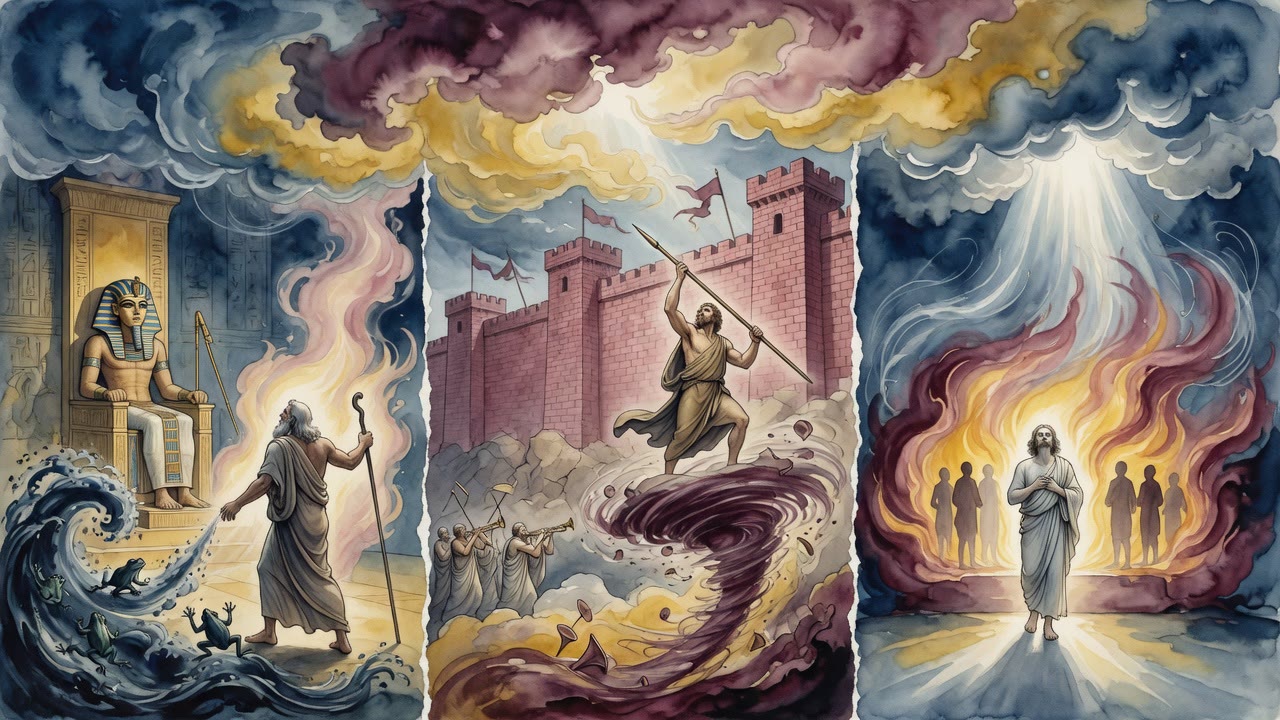
Moses said let my people go ten times. Joshua raised a javelin at Ai. Belshazzar locked the palace doors and then could not get out himself.
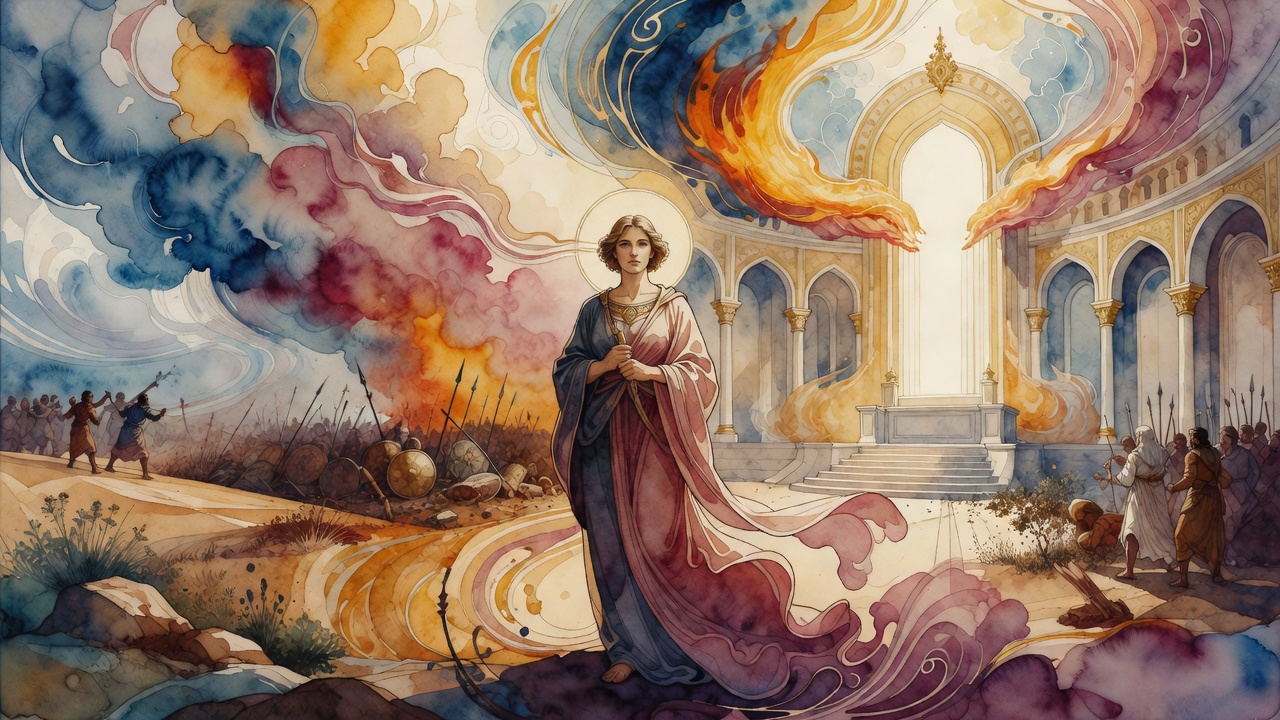
Her father died before he could teach her much. What he did teach her was one promise God made through Moses, and she held God to it on the floor.
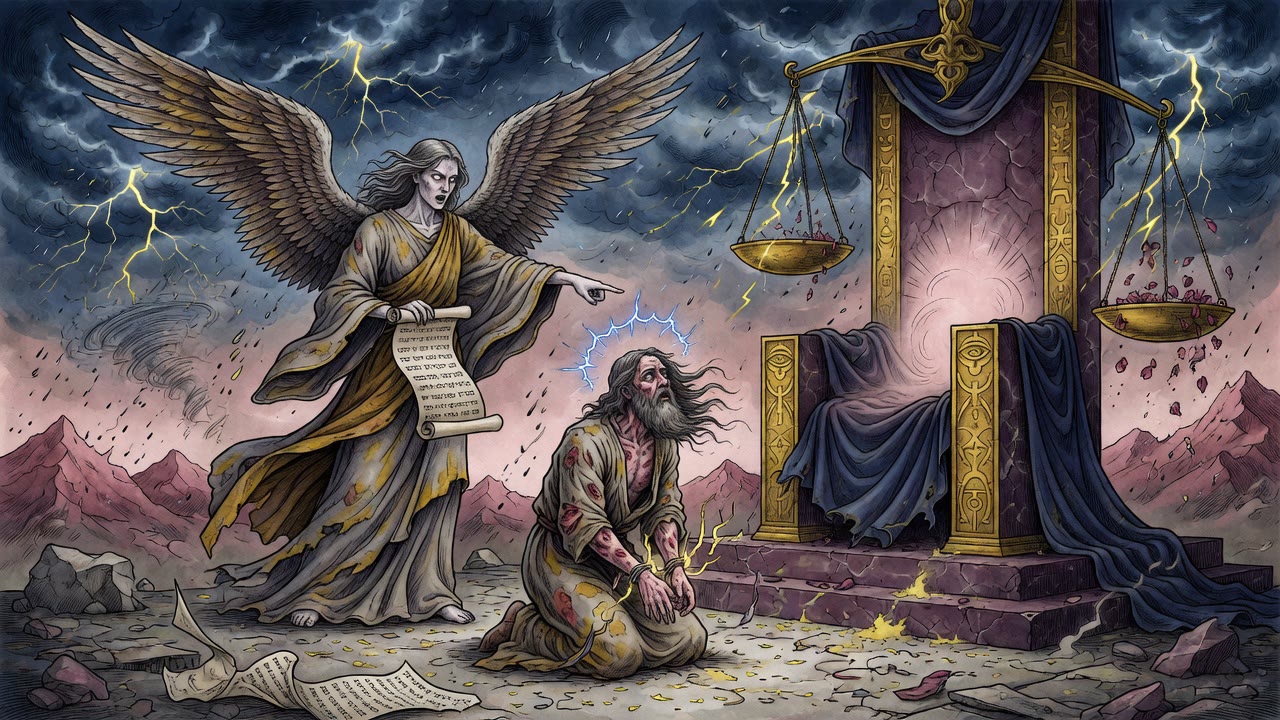
Jacob would not release the stranger until the sky paled. Job, married into that house, demanded a hearing. Solomon set both faces on a lamp of gold.
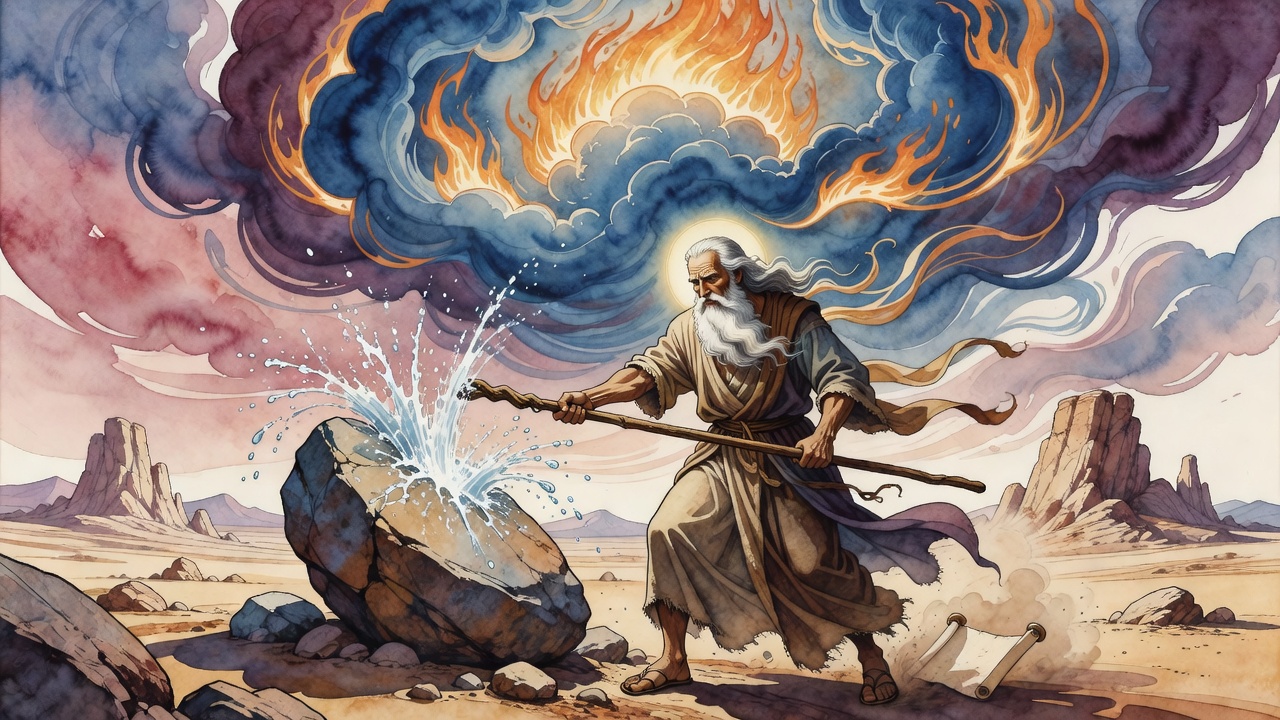
Water came when he hit the stone. God had told him to speak. At Beth-Peor he counted the prayers that had not opened the land.
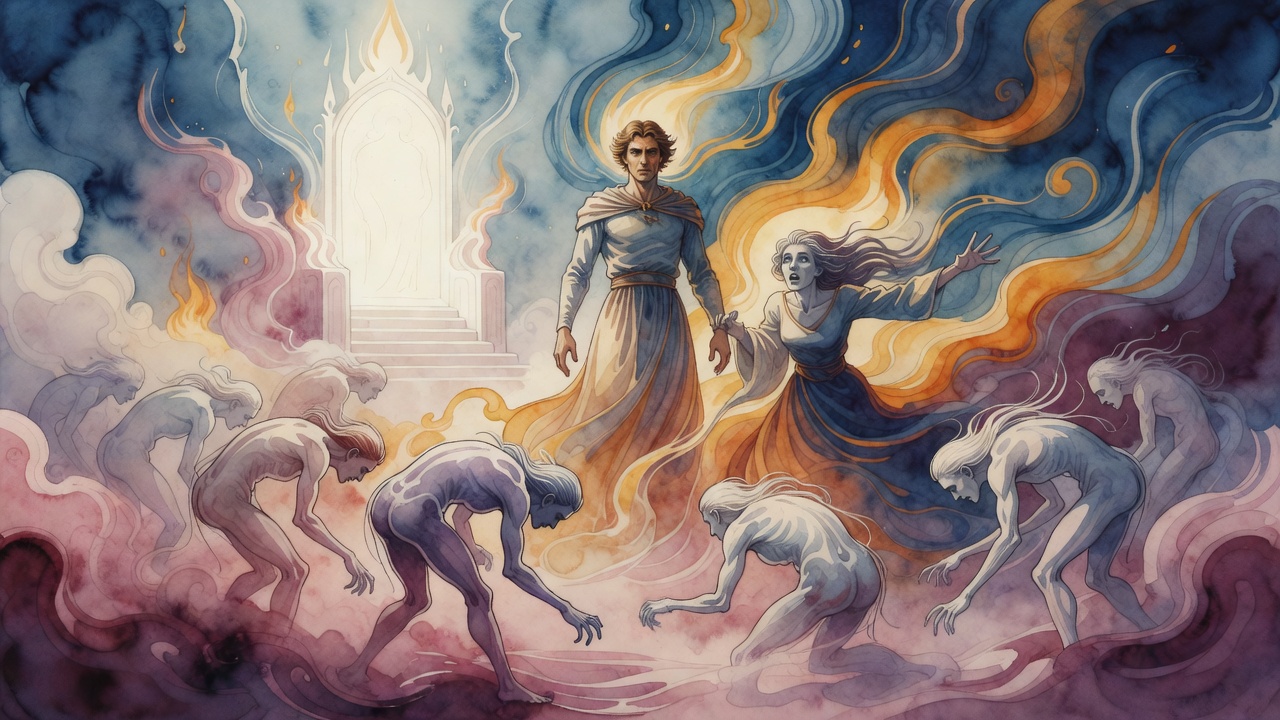
She screamed before she spoke a word to Saul. The man in the cloak was standing. The dead she knew how to raise never stood like that.
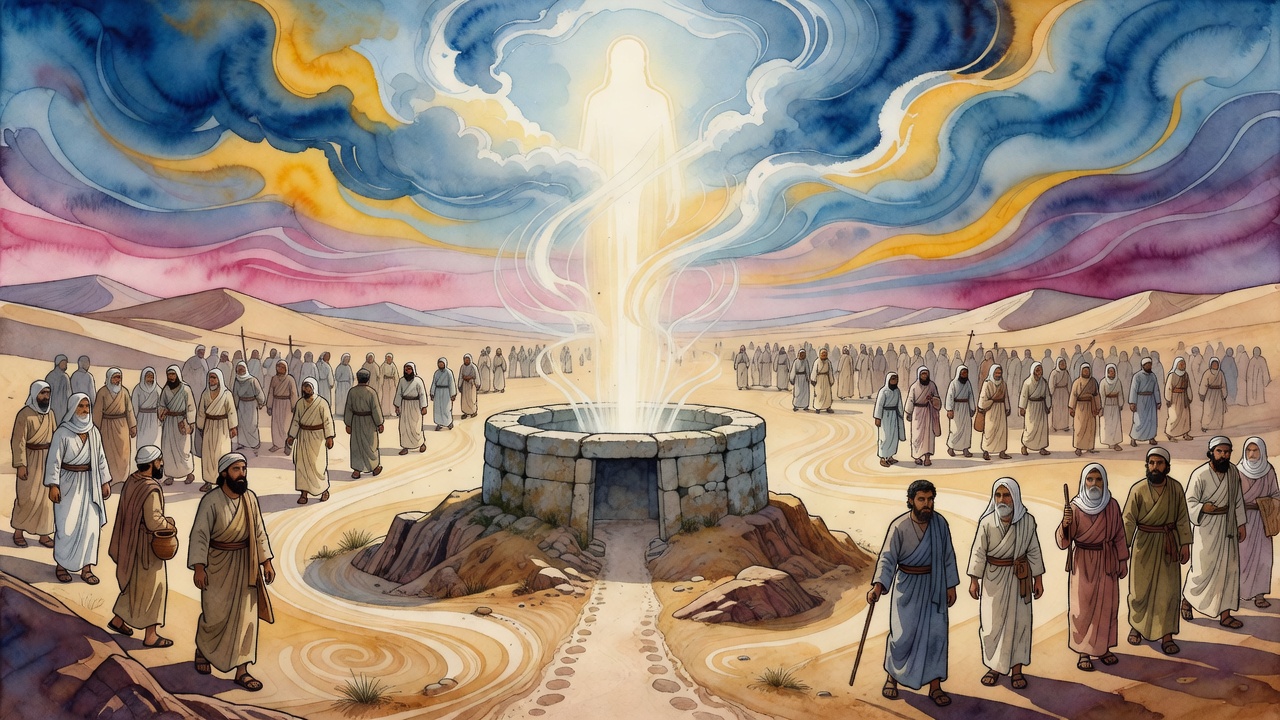
A well followed Israel forty years in the desert. The Talmud named whose merit sustained it. The morning after Miriam died the people found nothing to drink.
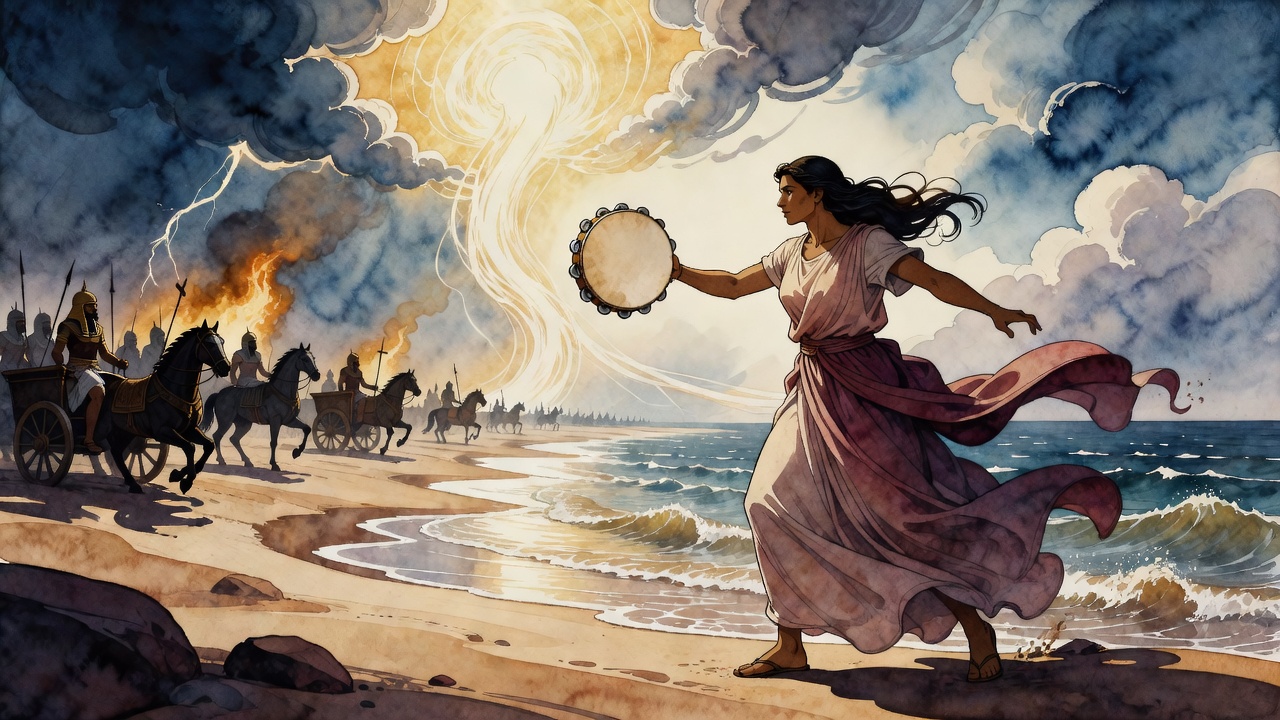
When Miriam led the women at the Red Sea, she had a tambourine ready. She packed it in Egypt while Pharaoh's army lived and the plagues were still running.
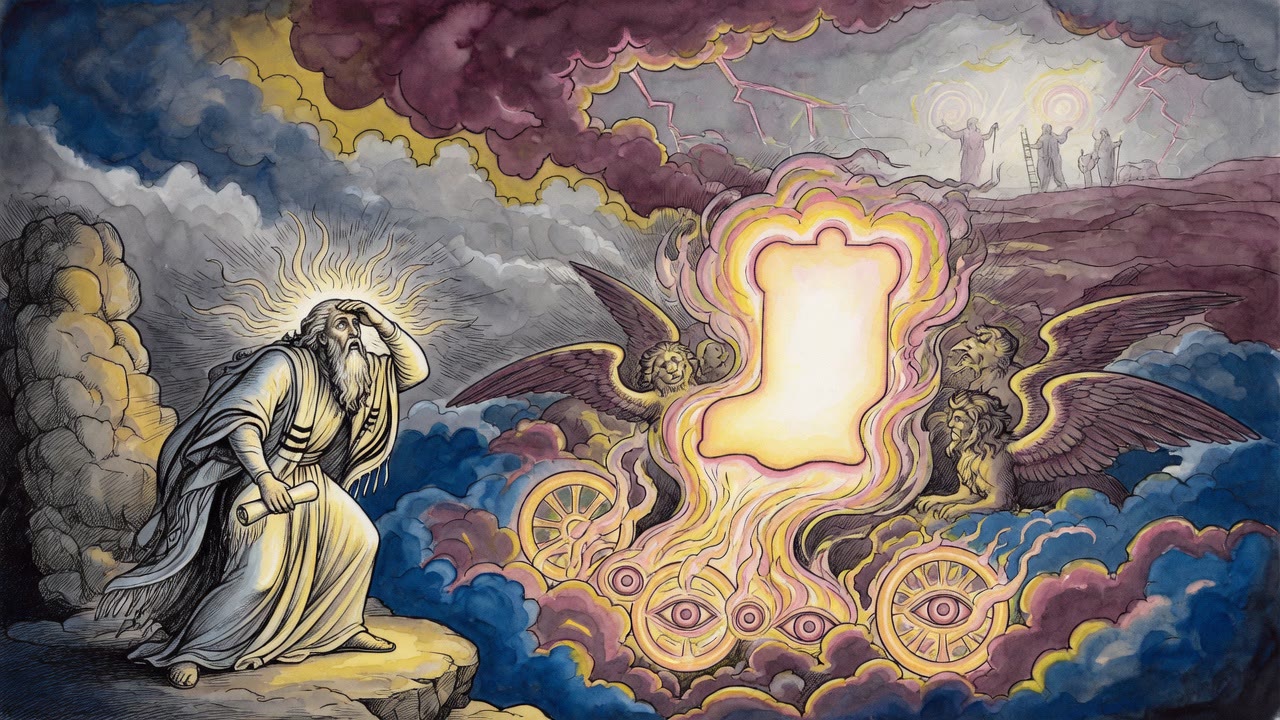
Moses sang about divine arrows drunk with blood on the edge of Canaan. Six centuries later, Ezekiel announced that the day Moses described had finally arrived.
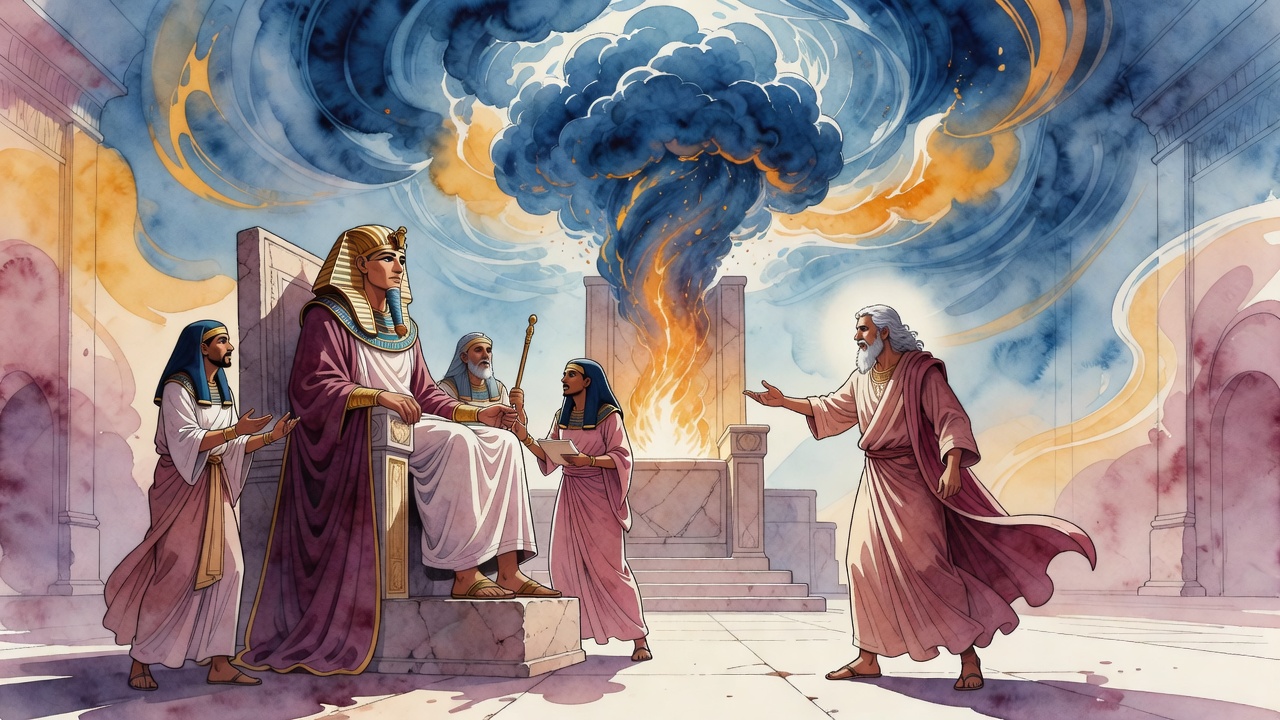
Three men were asked how to deal with the Hebrews. One gave the murderous answer, one shrugged, and one argued and left Egypt that day with a stolen staff.
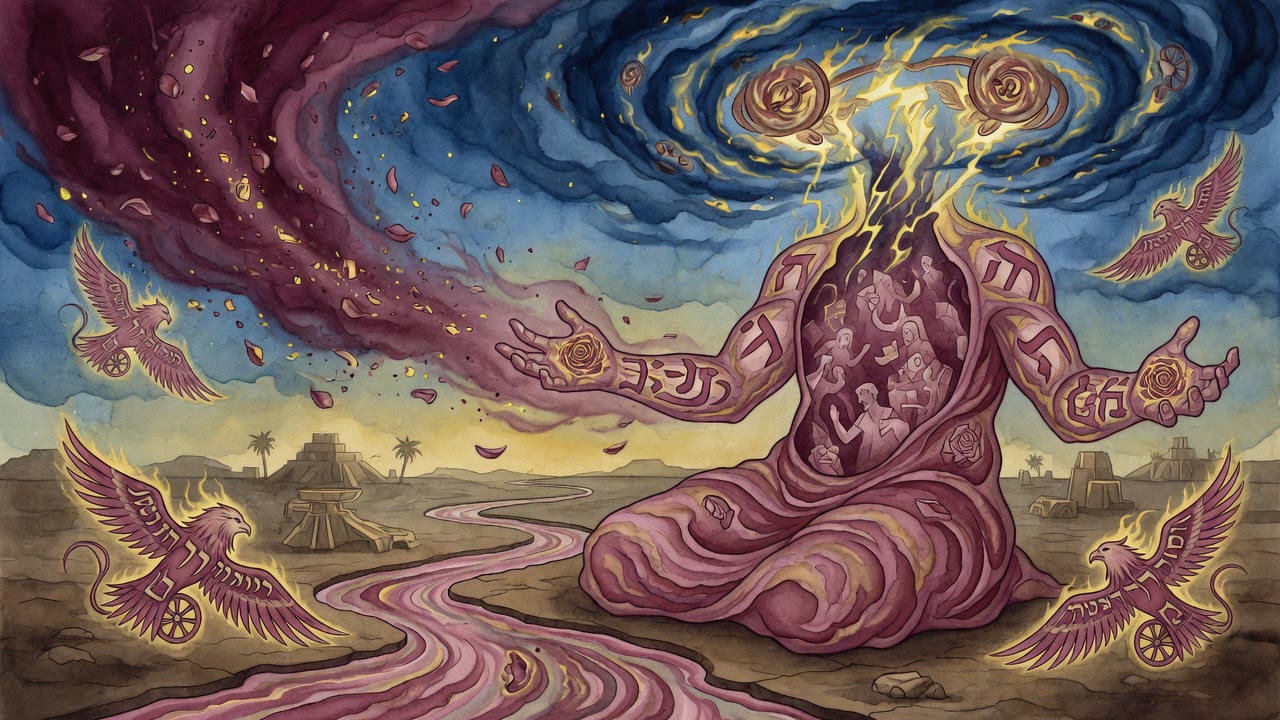
Moses saw God most clearly of all the prophets. Ezekiel saw through nine clouded panes. So why is Ezekiel's vision so much stranger and more detailed?
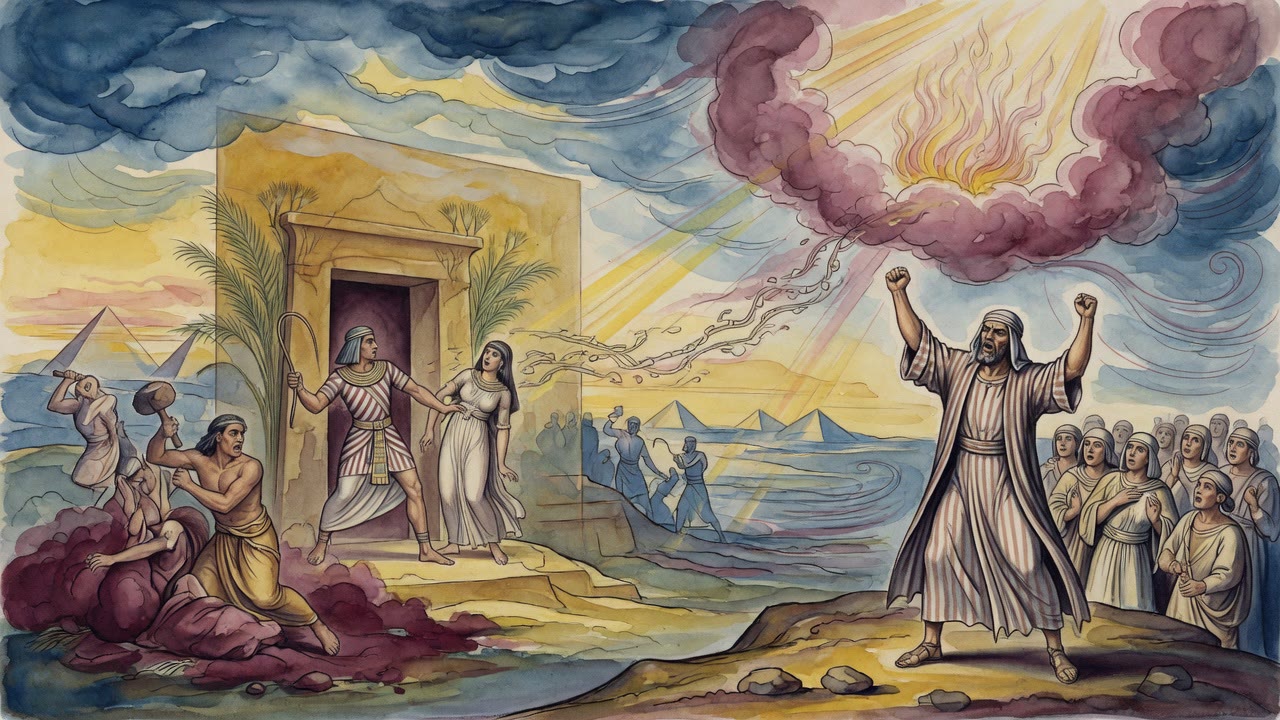
An Egyptian hid behind a ladder in Goshen before the husband left. Years later that woman's son stood in the camp and cursed the Name.
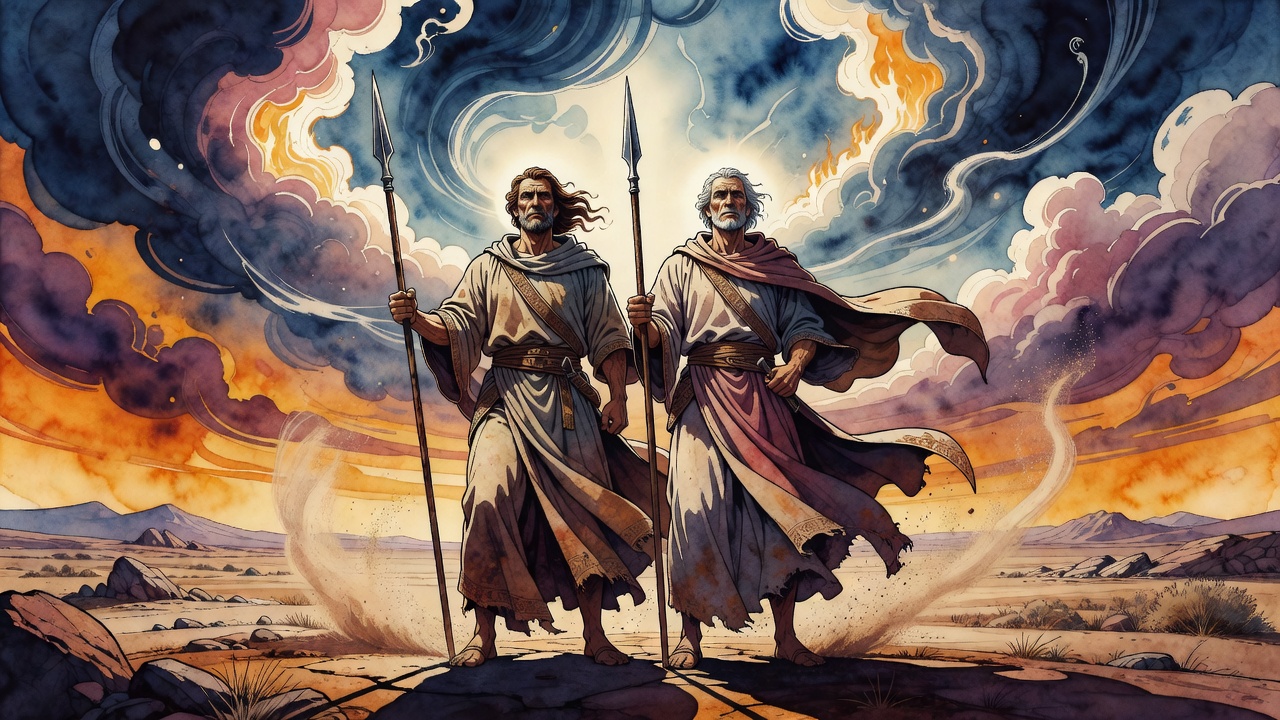
Hadad had once struck Midian on Moab's own plain. Now the elders sat at one table, because an ox was licking their field clean of grass.
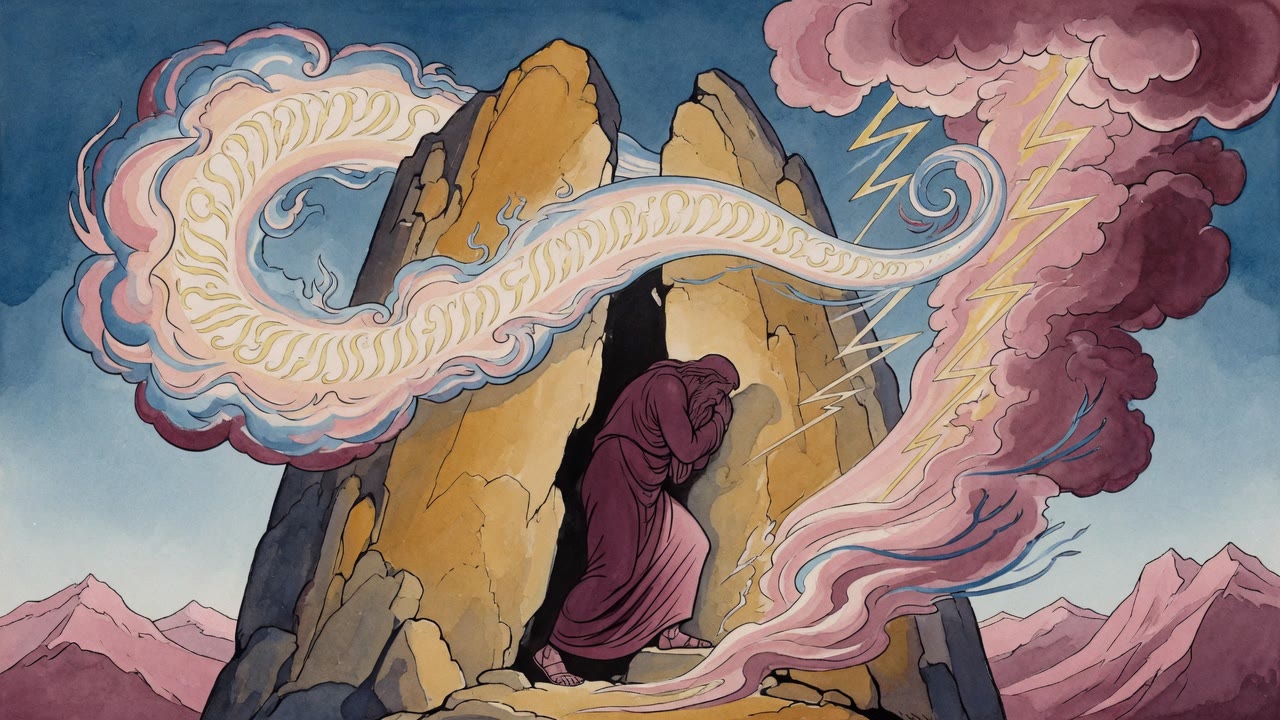
Thirty thousand angels escorted Moses upward, and he was terrified. Qemuel met him at the first gate and told him he came from a place of defilement.
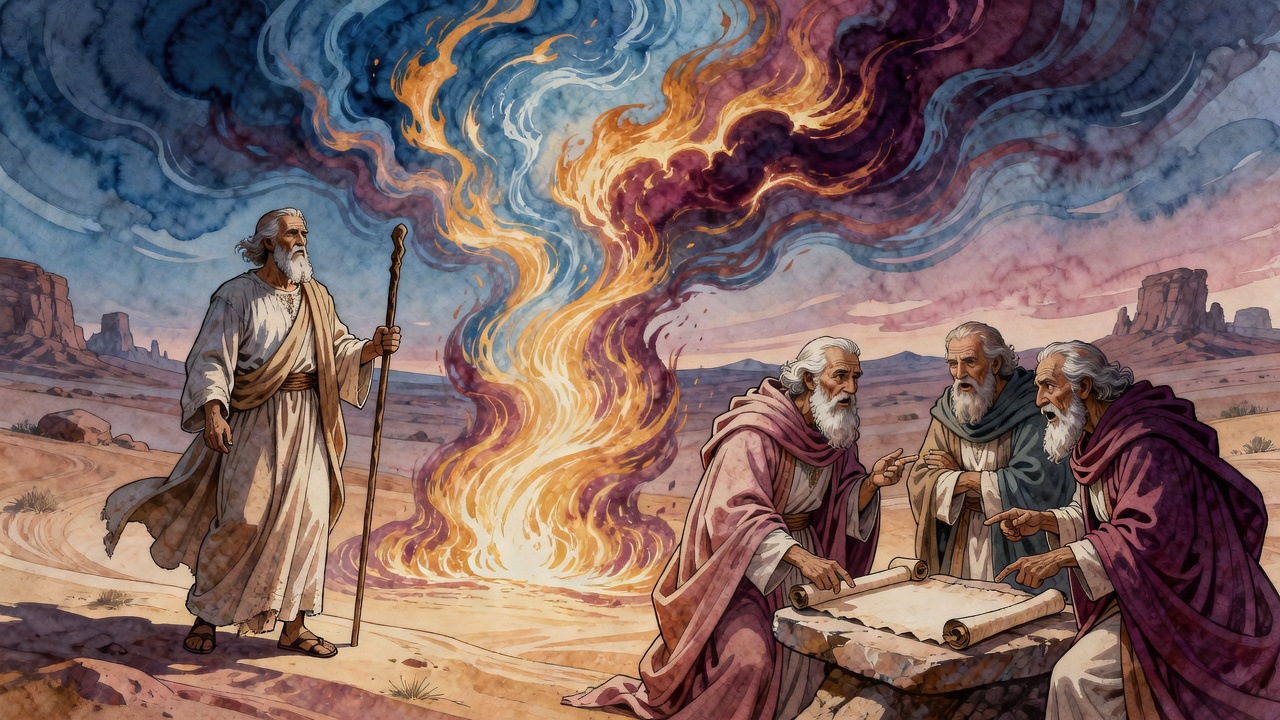
Jethro sent word ahead before he arrived. God told Moses to go out and meet him. Three sages disagreed about what Jethro's message actually said.
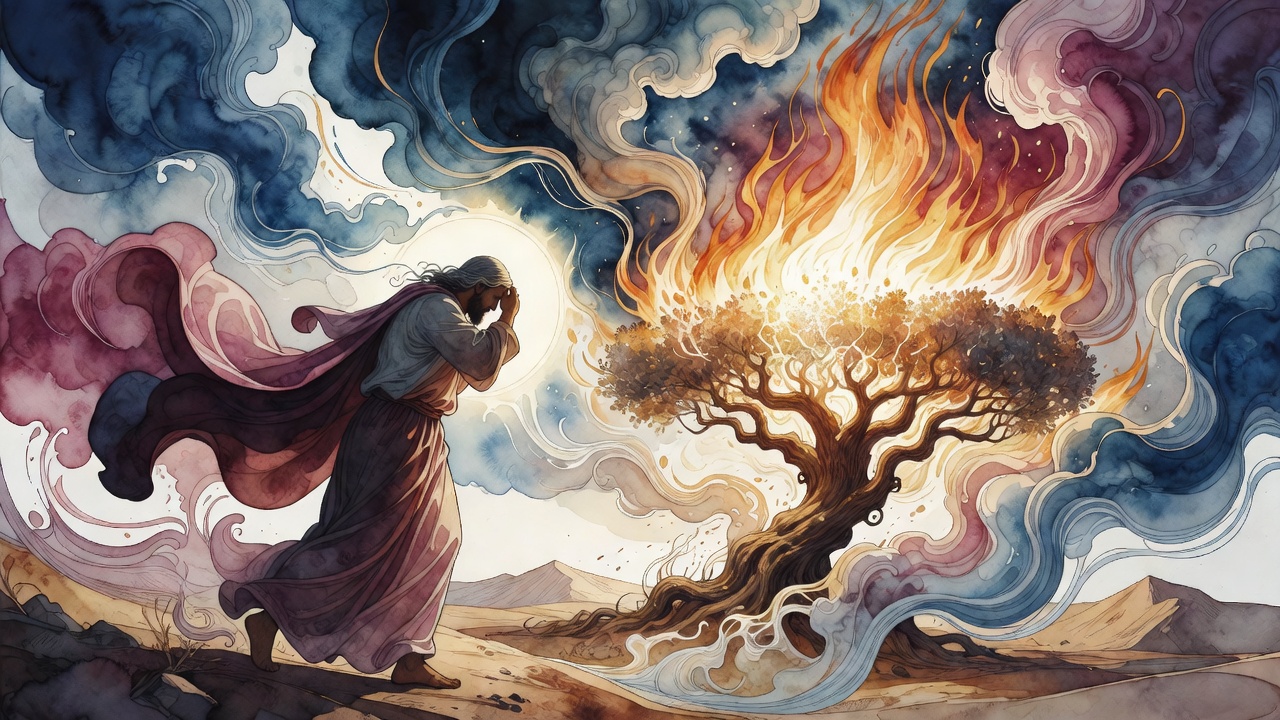
The voice that called him out of the fire was his father's voice, and Amram had been dead for years. Moses answered it before he knew who was speaking.
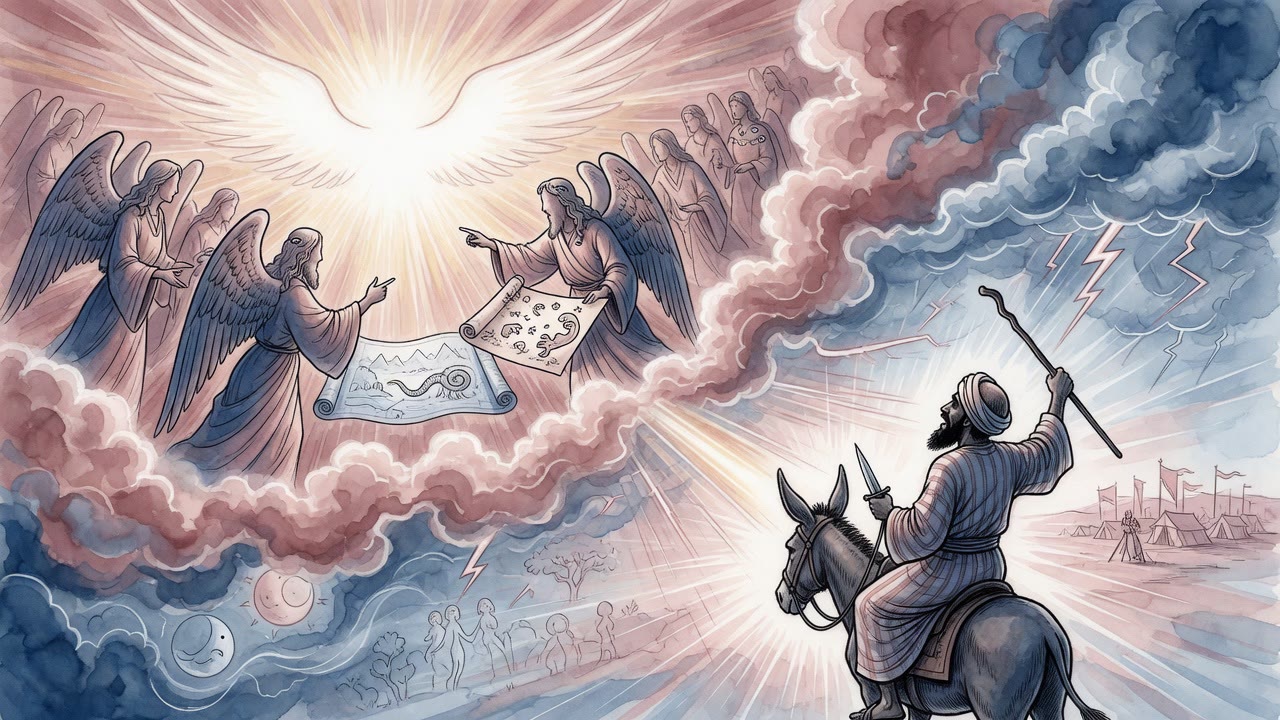
Balaam used divination at Pisgah to find where Moses would die, believing he had finally found the pressure point that three hilltops had not revealed.
