1,018 myths · Page 12 of 34
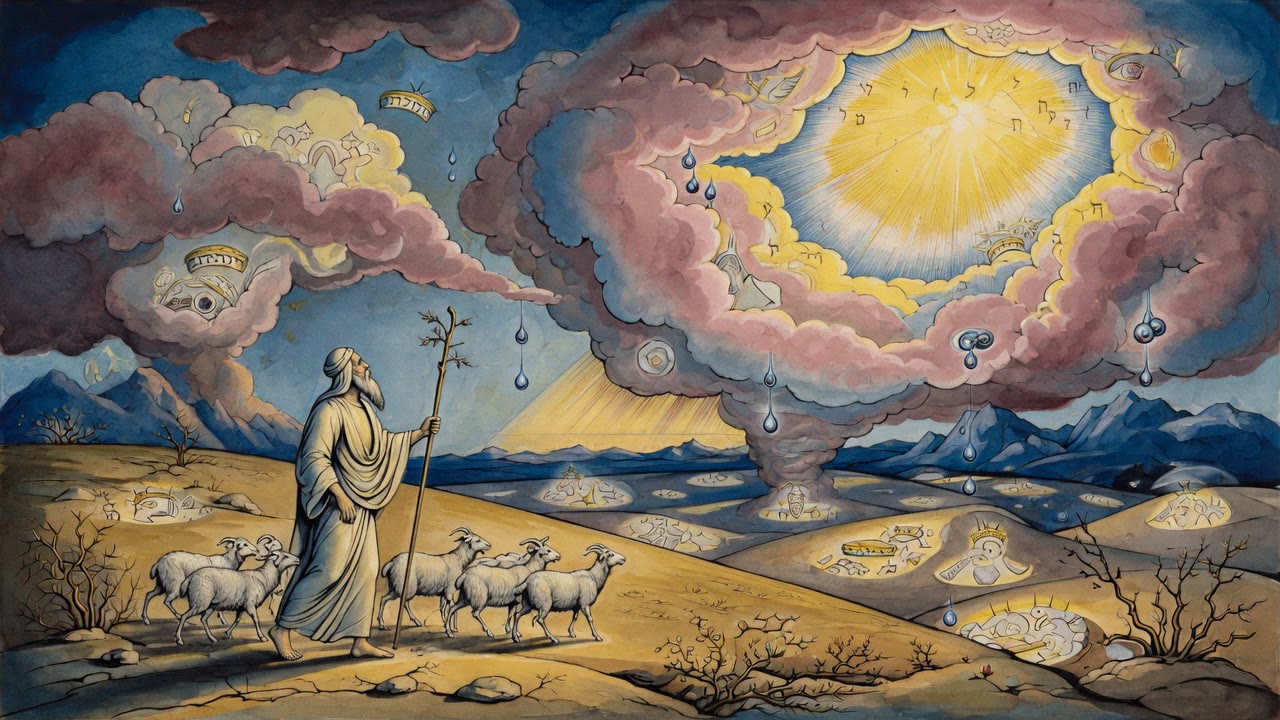
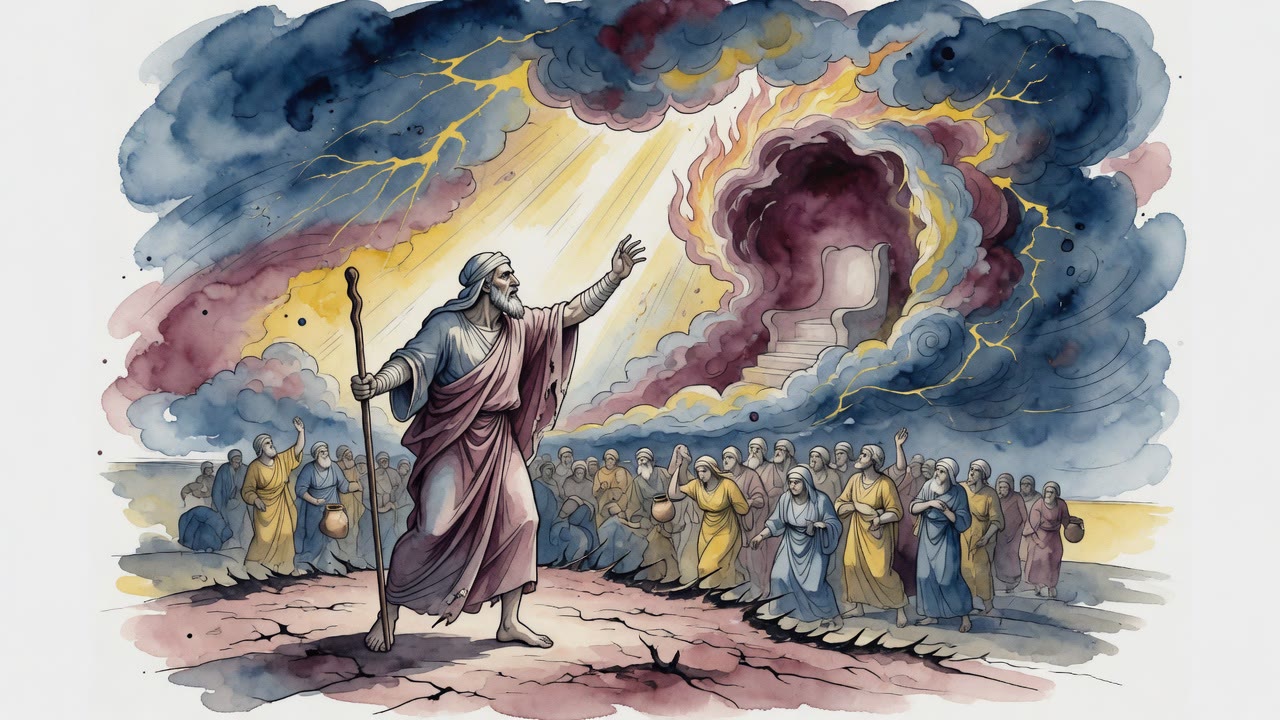
When Moses asked how to find the Israelites who sinned at Peor, God proposed peeling back the cloud so the sun would mark the guilty.
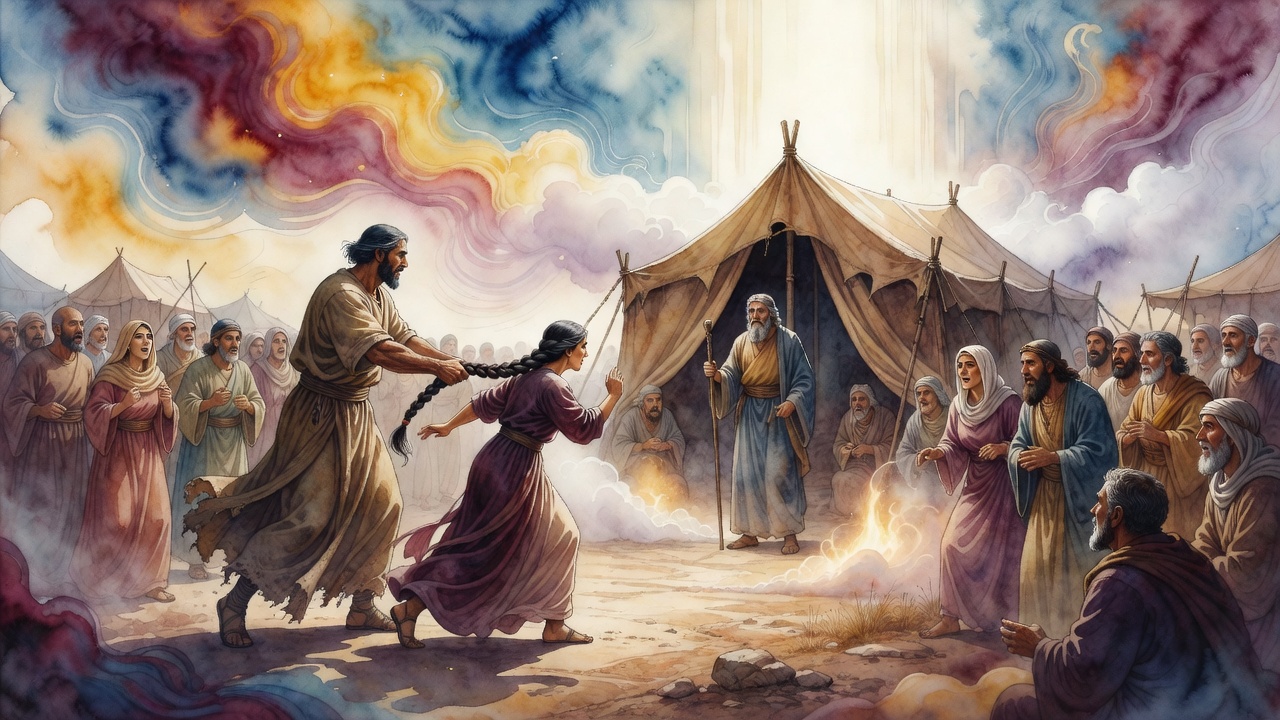
Cozbi had named her price. Moses or the High Priest. He still walked her through the weeping elders to the Tent door, braid in his fist.
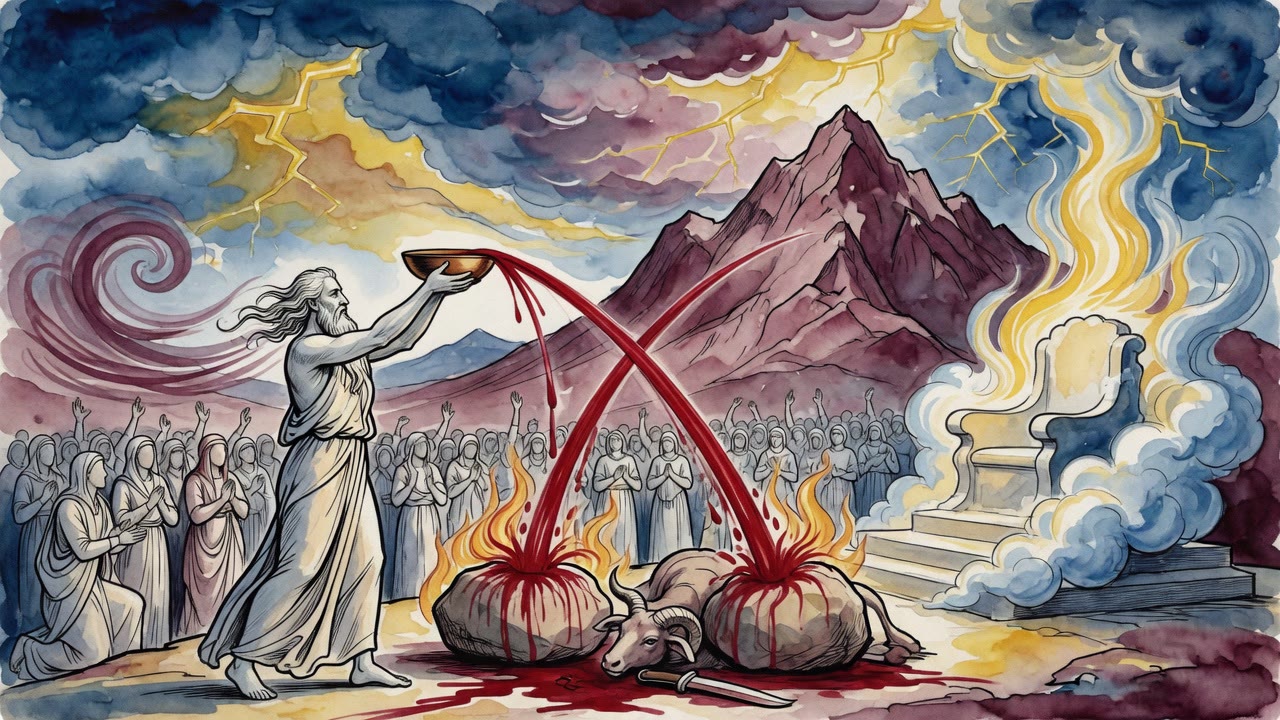
Moses divided the blood of sacrifices at Sinai in a ceremony that bound both Israel and God. The rabbis read it as a two-way oath sworn at sword-point.
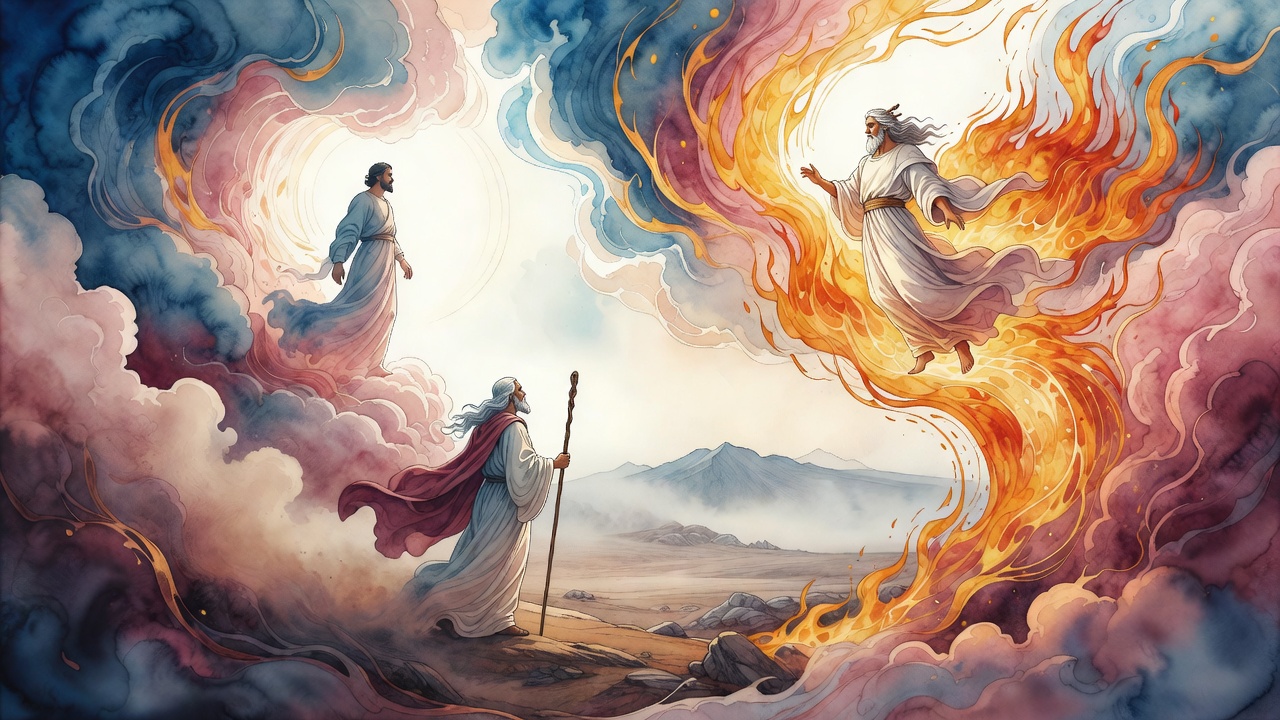
They searched the fields for Enoch and came back empty-handed. The man who walked with God had been taken, and there was nothing to bury.
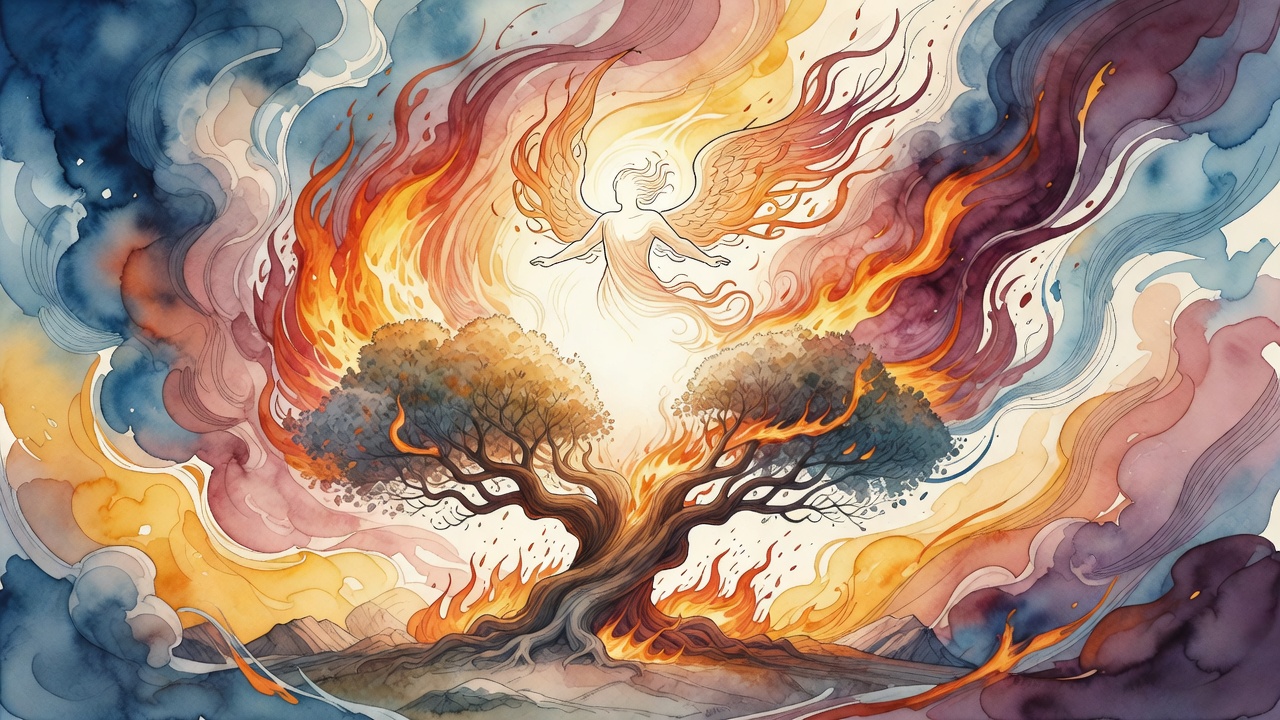
Birds would not land on the mountain. Moses came closer. A black fire sat in the thorns, and the bush still held its blossoms.
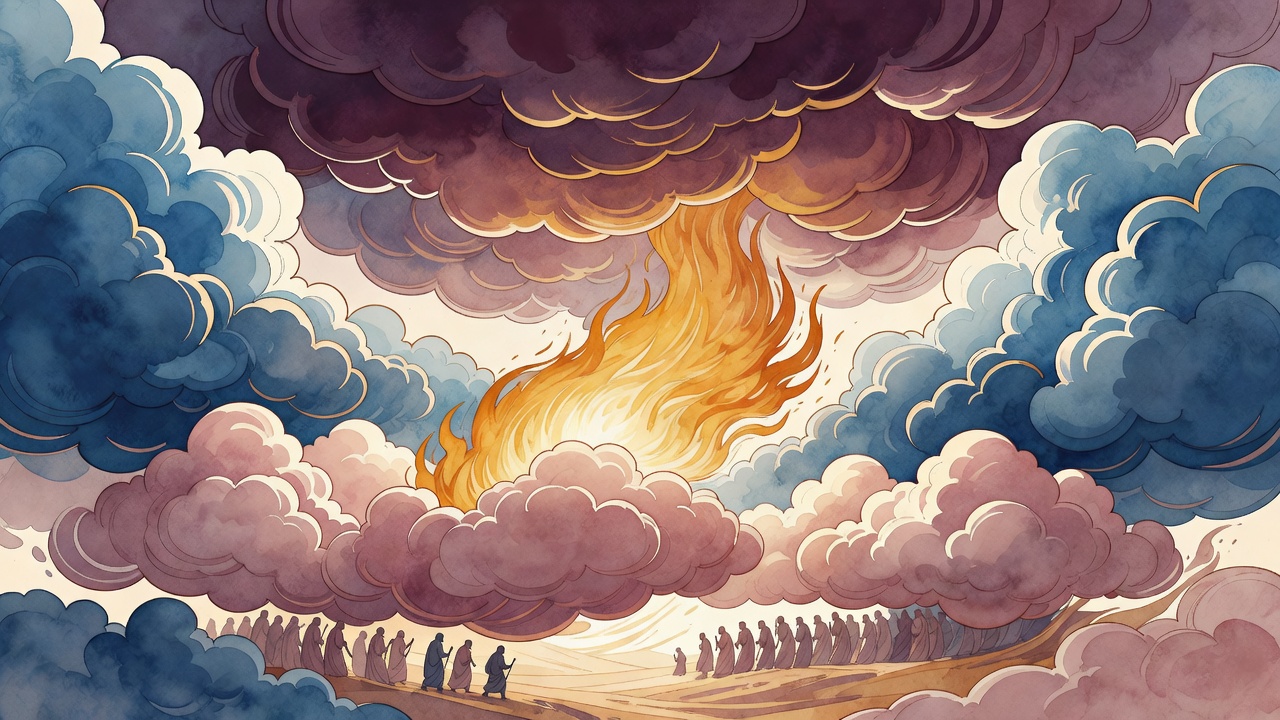
Esau told his grandson he had failed to kill Jacob and left him the job. Watch for the stumble, he said. That is the only opening you get.
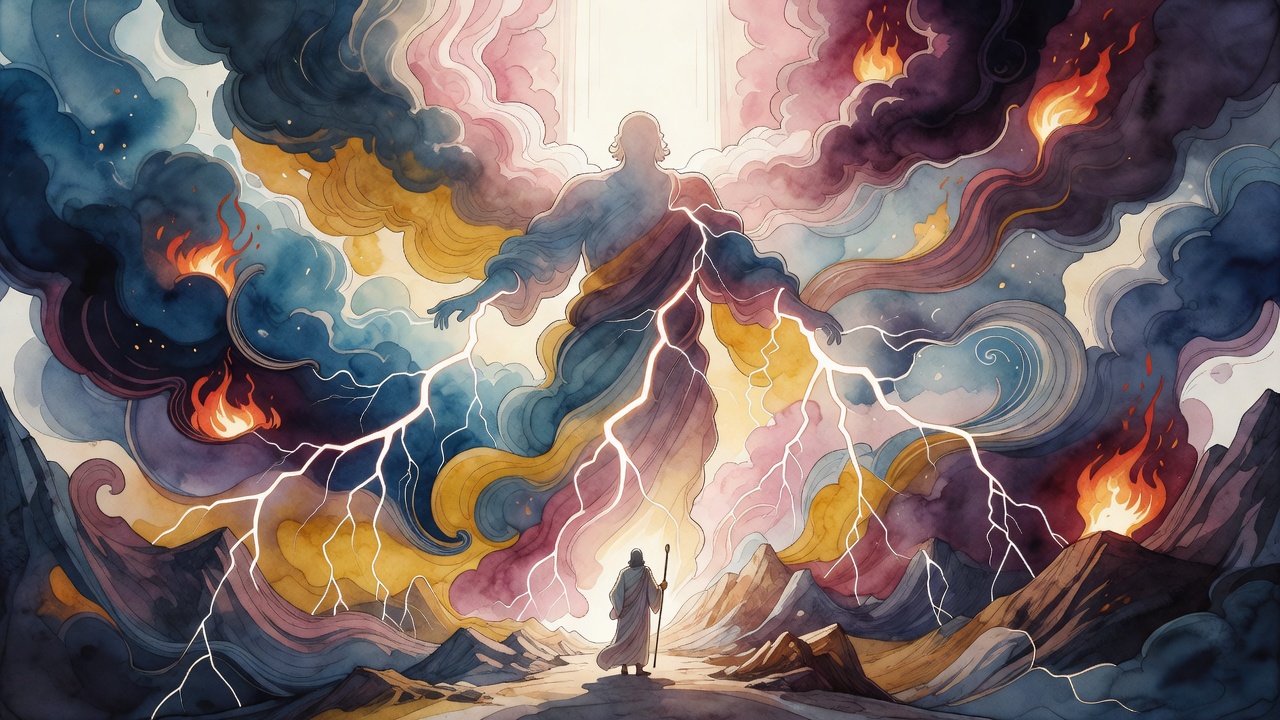
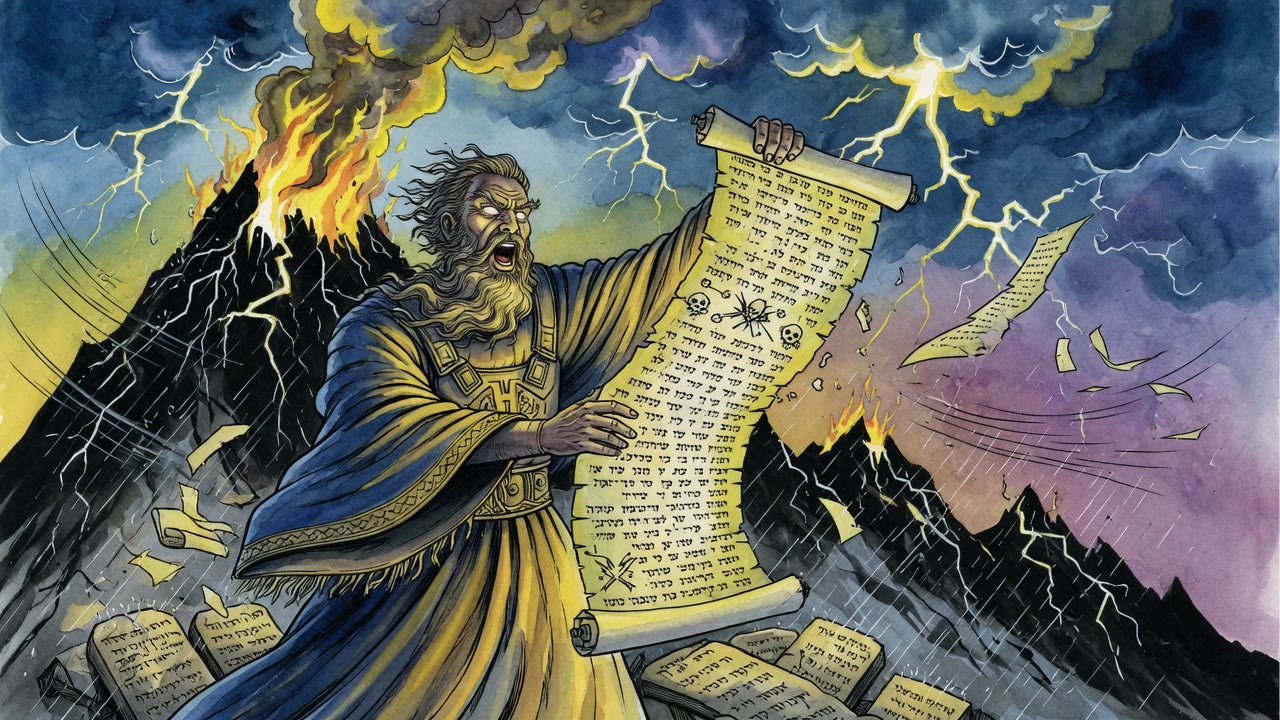
When Moses ascended to receive the Torah, an angel sixty myriads of parasangs tall blocked his path and unleashed lightning with every word.
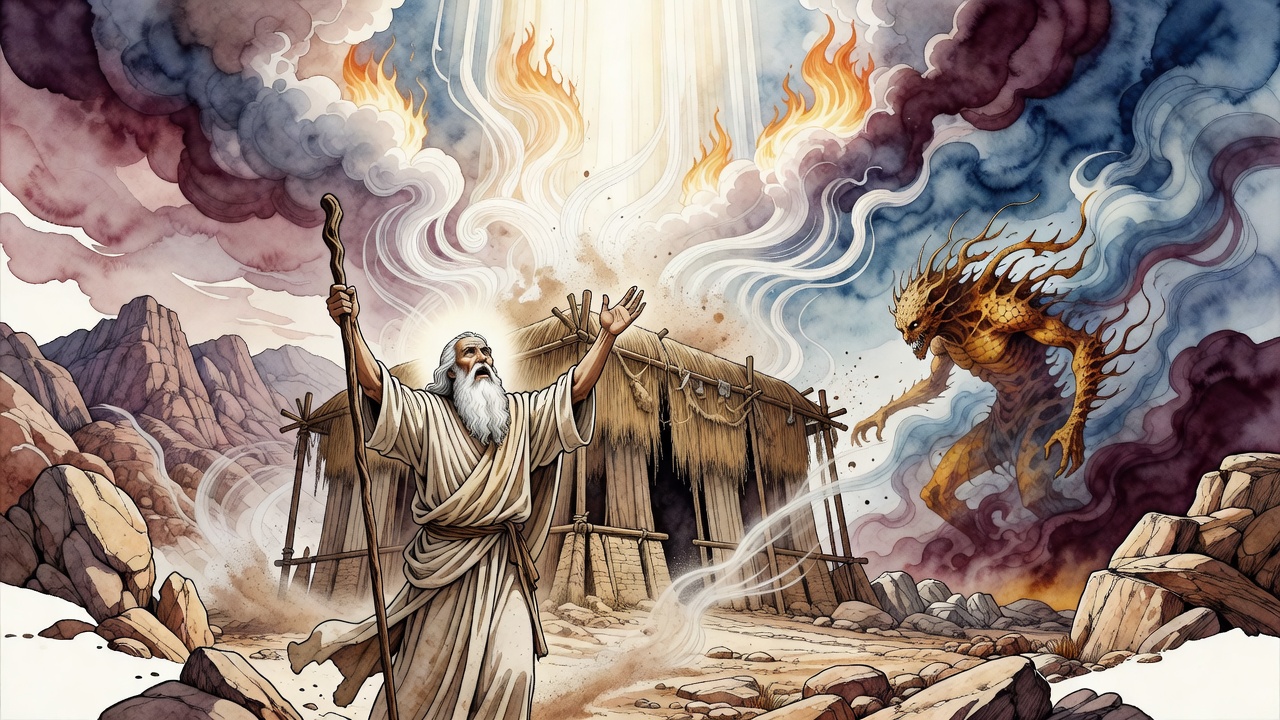
Moses recited Psalm 91 on Sinai to ward off demons, and when the Mishkan rose, the noon demon Ketev Meriri lost dominion over the world.
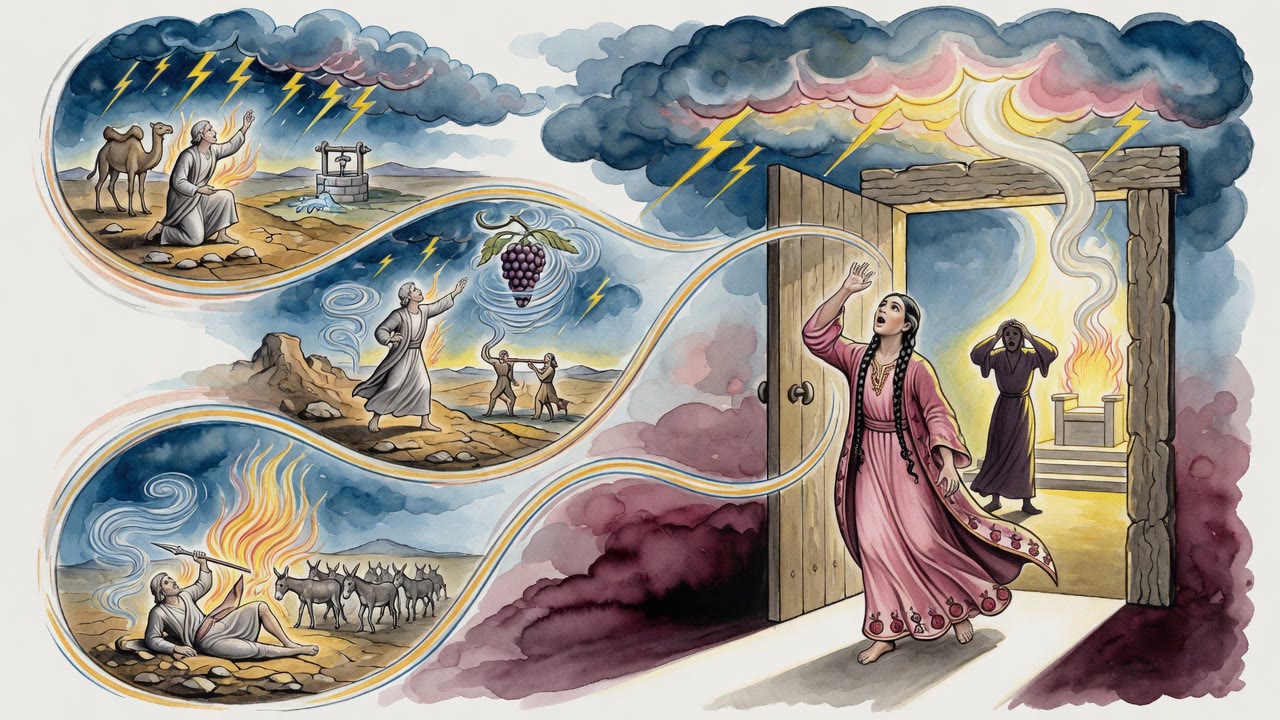
The Angel of Death came with orders to be generous. Rabbi Joshua asked to borrow the sword, then jumped the wall into Paradise while still alive.
Wet wool sat over his heart so the fire would burn slowly. His students asked what he saw. The parchment burned. The letters rose.
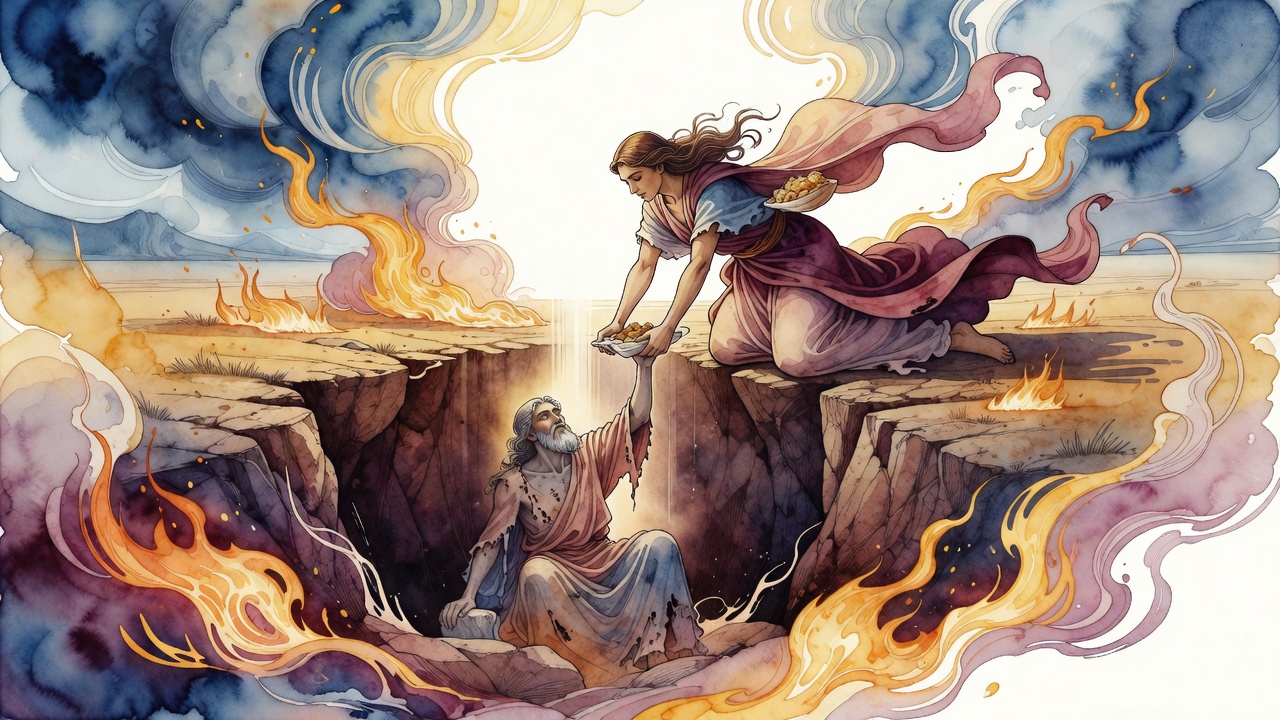
While Reuel kept Moses imprisoned in a pit, Zipporah secretly brought him food for ten years before pulling him out into his destiny.
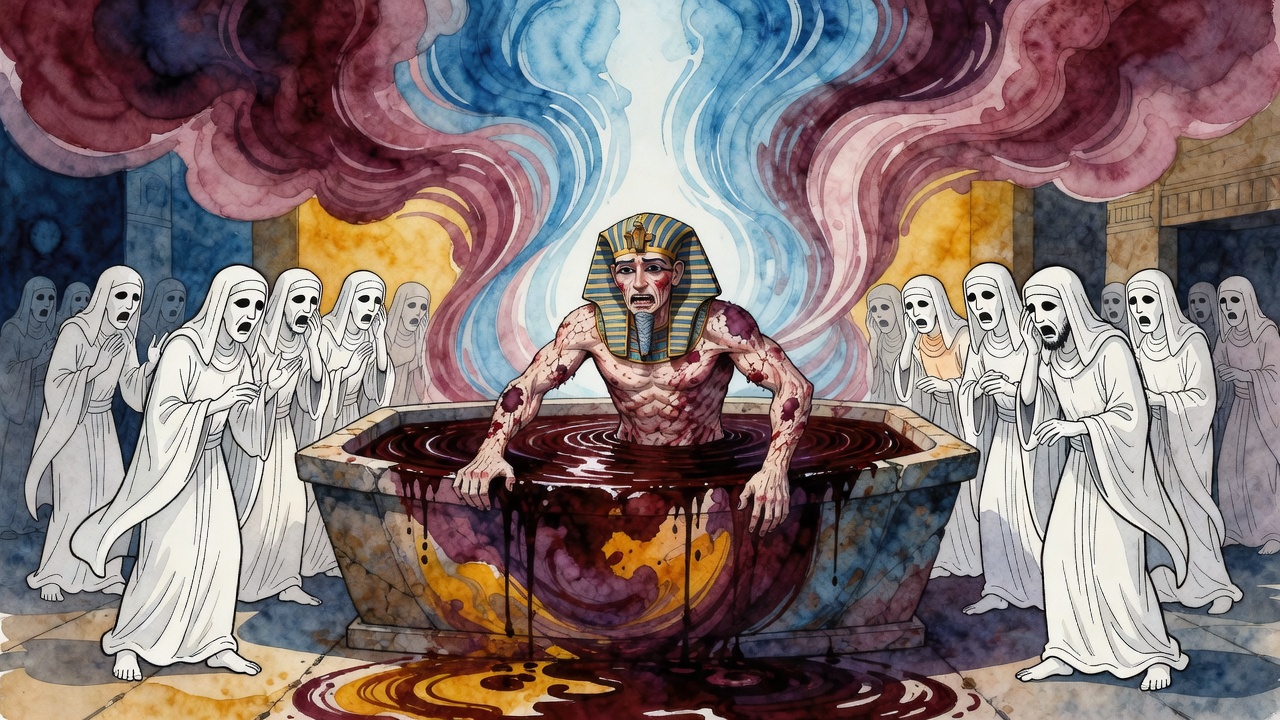
Pharaoh broke out in sores, and his doctors told him to bathe in the blood of Hebrew children. He signed the order for three hundred a day.
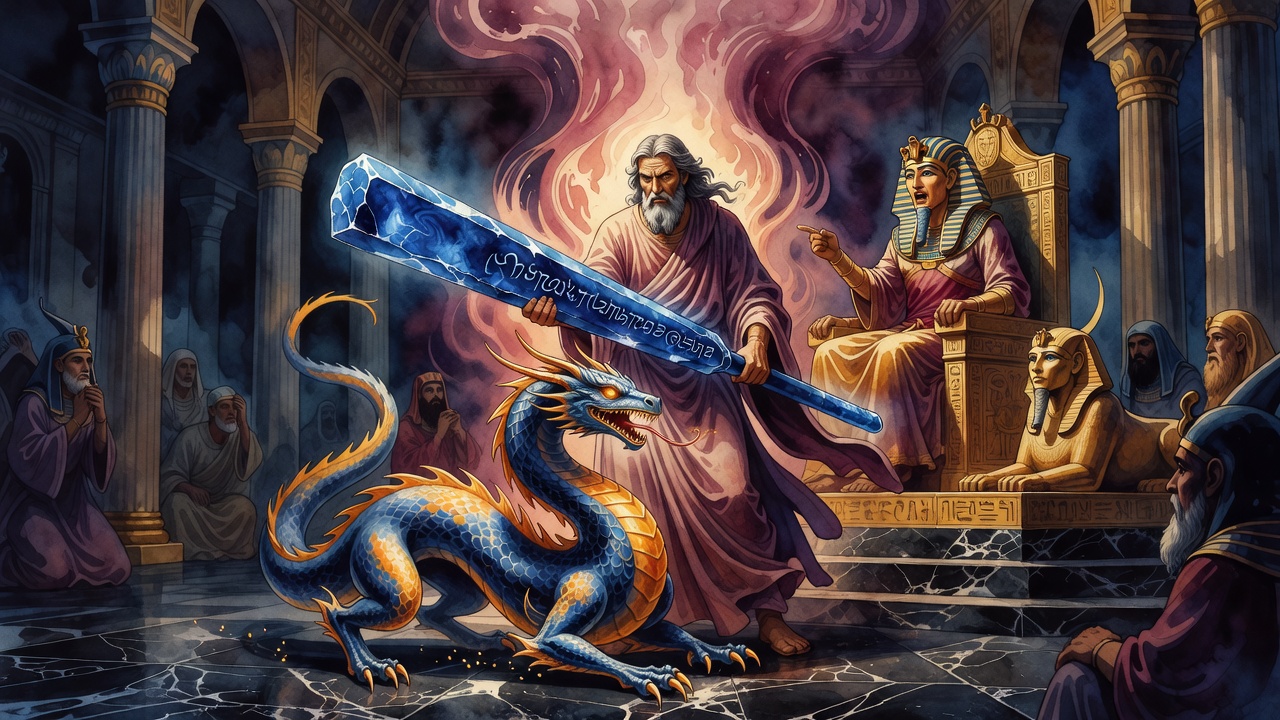
The rod Moses carried was carved from the sapphire Throne of Glory, engraved with the Name, and became a basilisk before the king of Egypt.
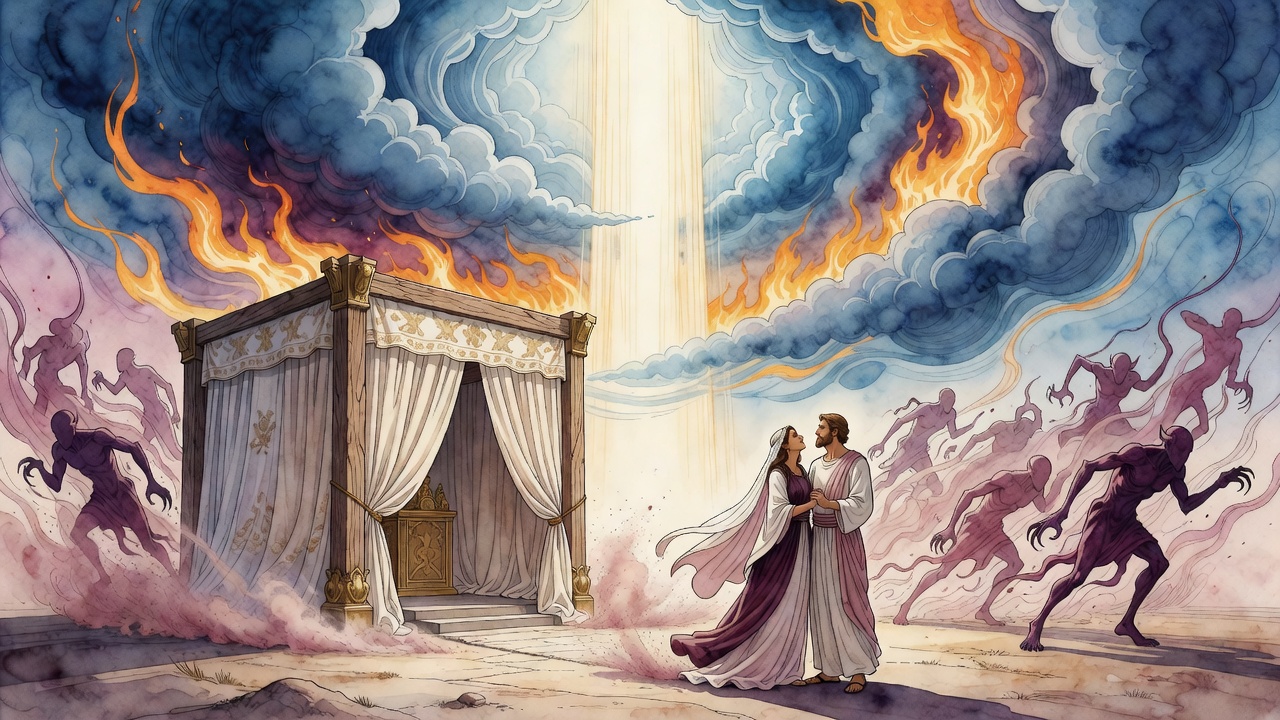
For seven mornings Moses put the Tent up. Every evening he took it apart. On the eighth the boards stayed, and the camp went quiet.
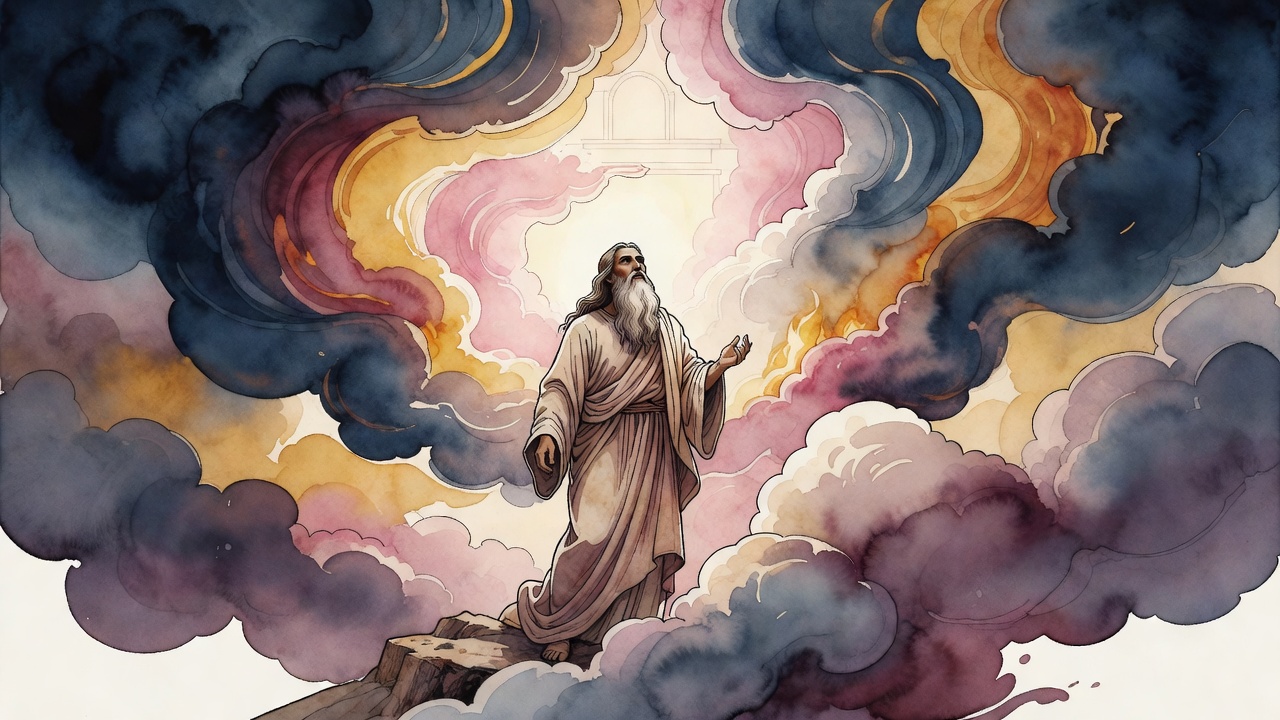
Moses spends forty days in a cloud where the sun does not reach and learns to tell time by what God teaches him, not by the sky.
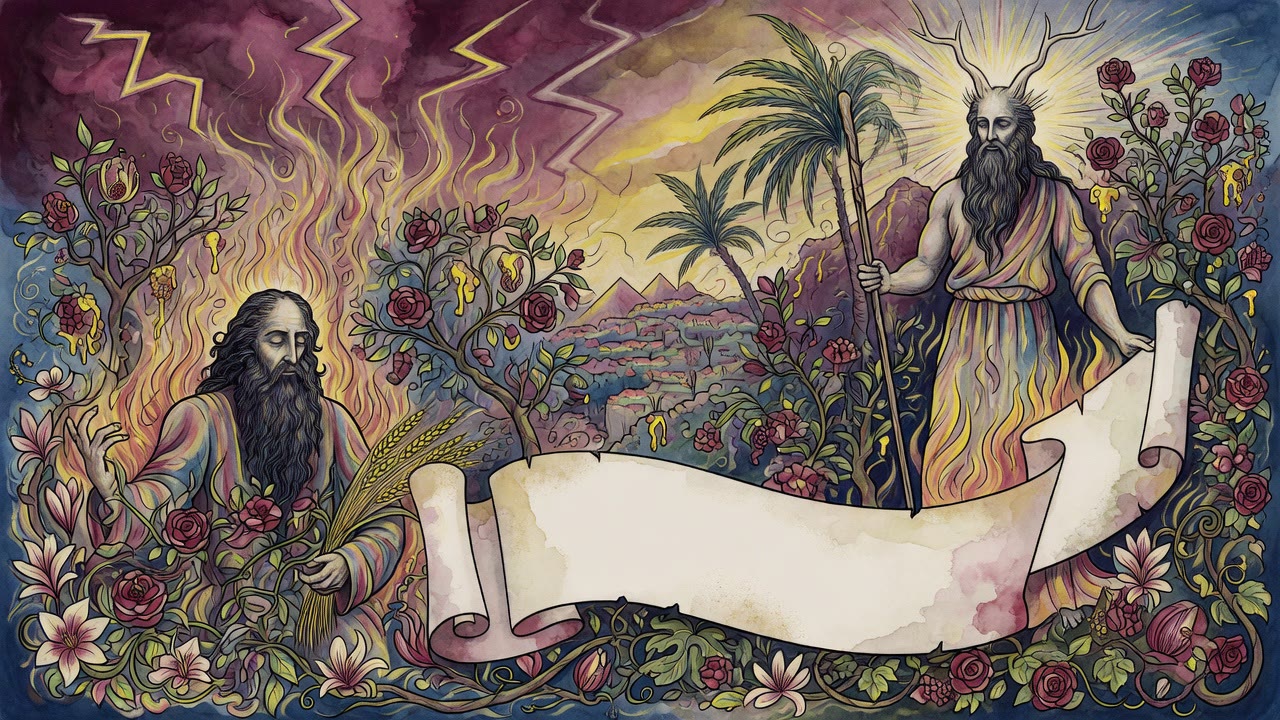
Egypt was in the streets for the Nile. Joseph stayed with the ledgers in an empty house. Moses later asked where that same people should rest at noon.
Solomon denied himself nothing his eyes desired. Then he looked at what his hands had made and called it vanity, the houses and the gardens and the pools.
The elders set out with Moses for Pharaoh's court. One by one they found reasons to slow down, and only Moses and Aaron reached the door.
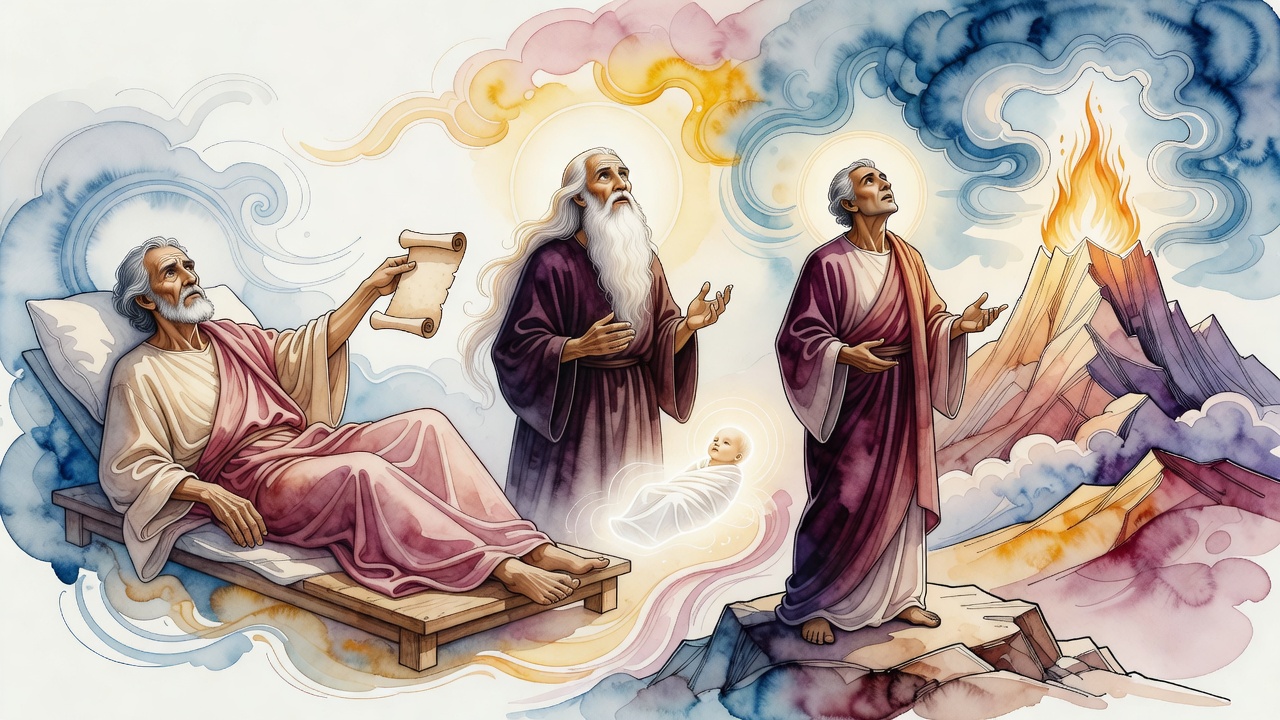
Joseph's deathbed password reaches Moses, Levi lives long enough to see the deliverer born, and Jethro hears of the mountain of glory before Moses arrives.
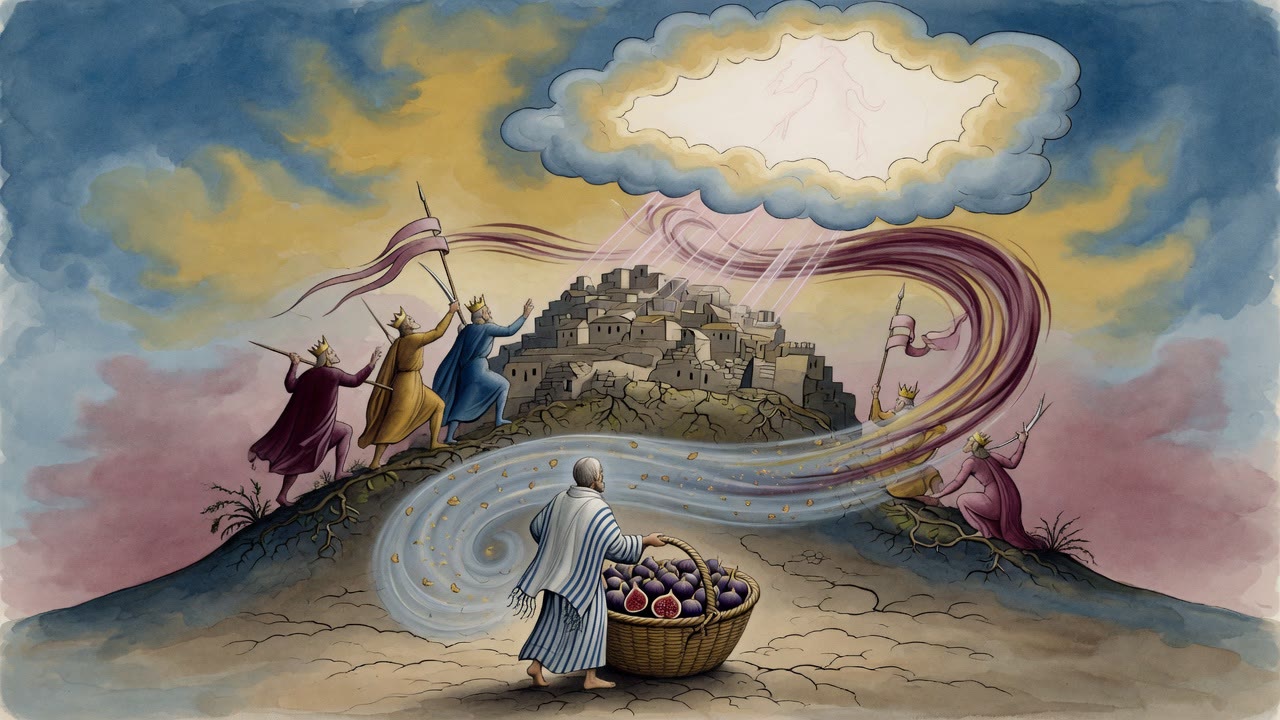
They wept until heaven sent meat, and it came down in layers. The laziest man in the camp gathered ten kor of it. Nobody finished the first mouthful.
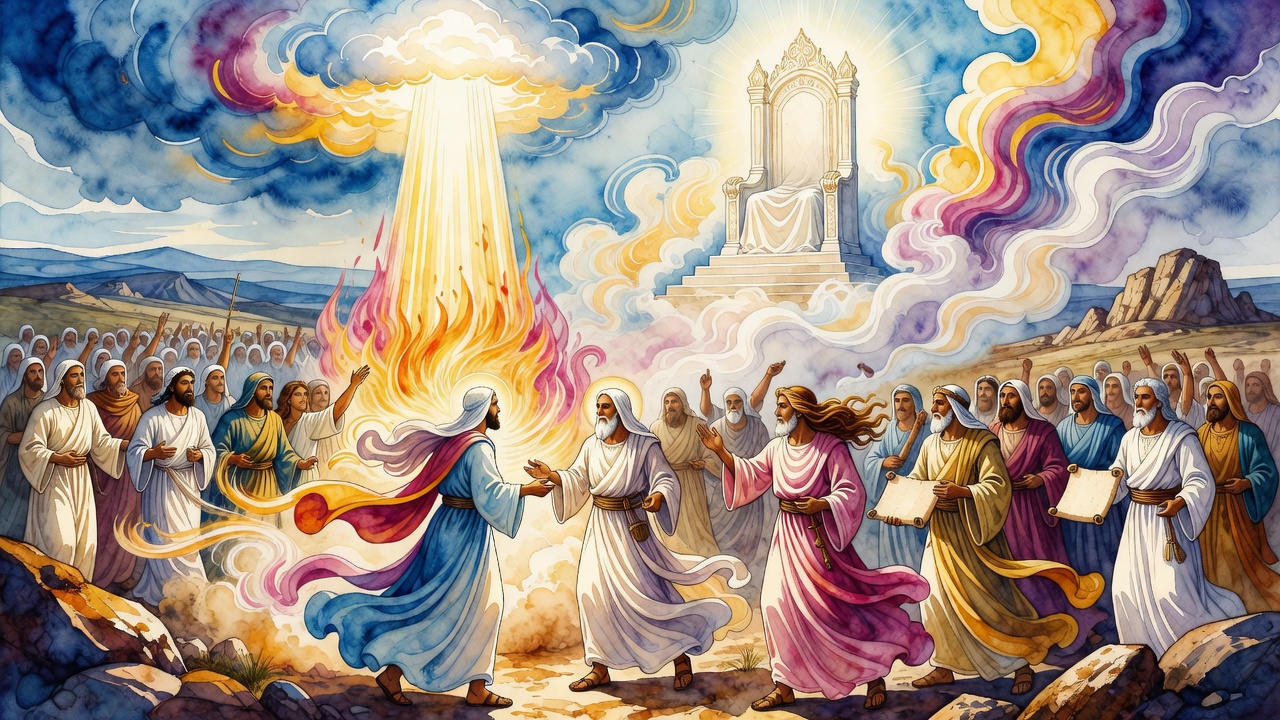
Moses asked for a man who would walk in front of the camp. After the Temple fell, the Presence did not stay in the ruin. She went with them.
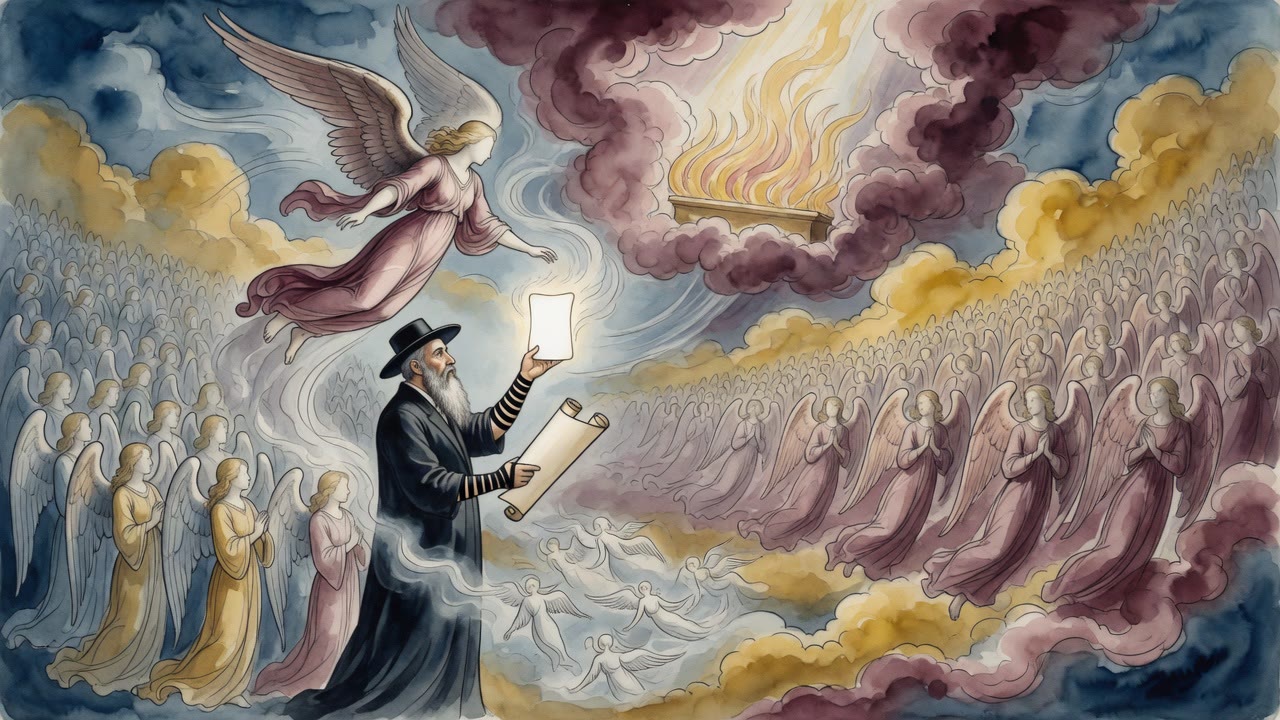
An archangel calls Moses up, the tablets are cut from the throne's sapphire floor, and the glory he glimpses is the knot of God's tefillin, prayer straps.
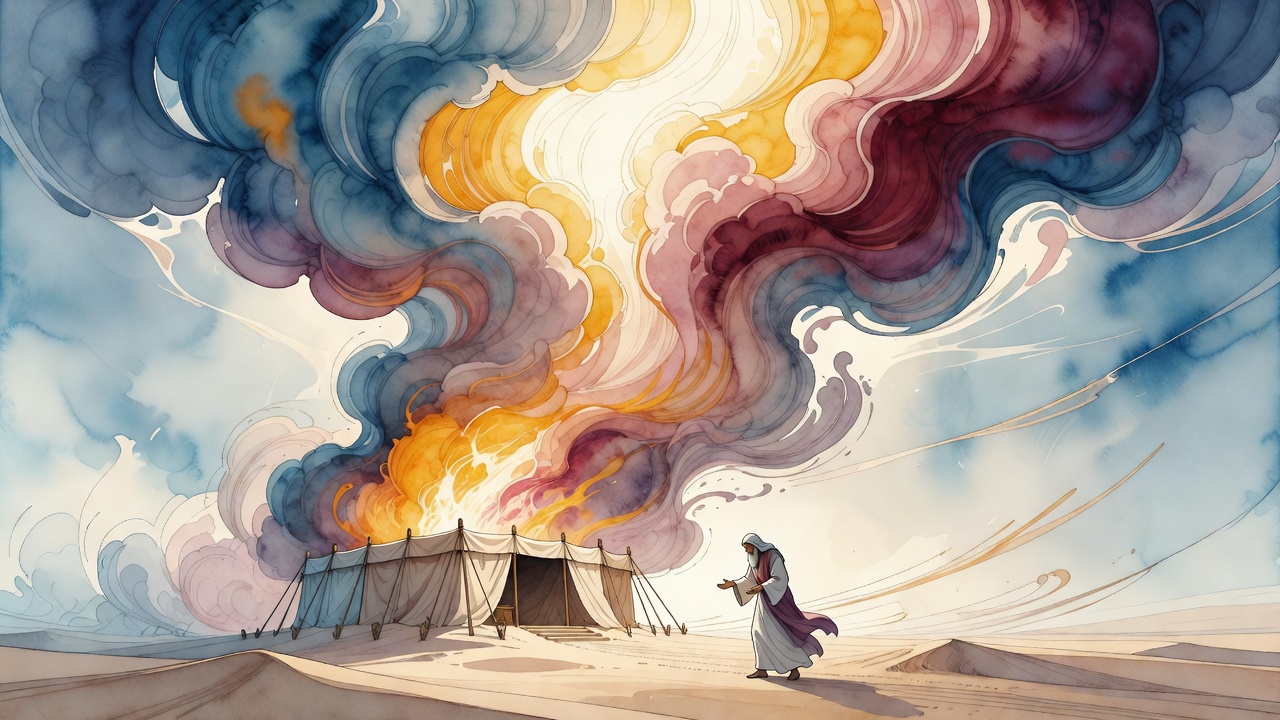
Moses prayed for forgiveness after the Golden Calf but asked too narrowly. The Tabernacle smoke was how the nations knew the husband had returned.
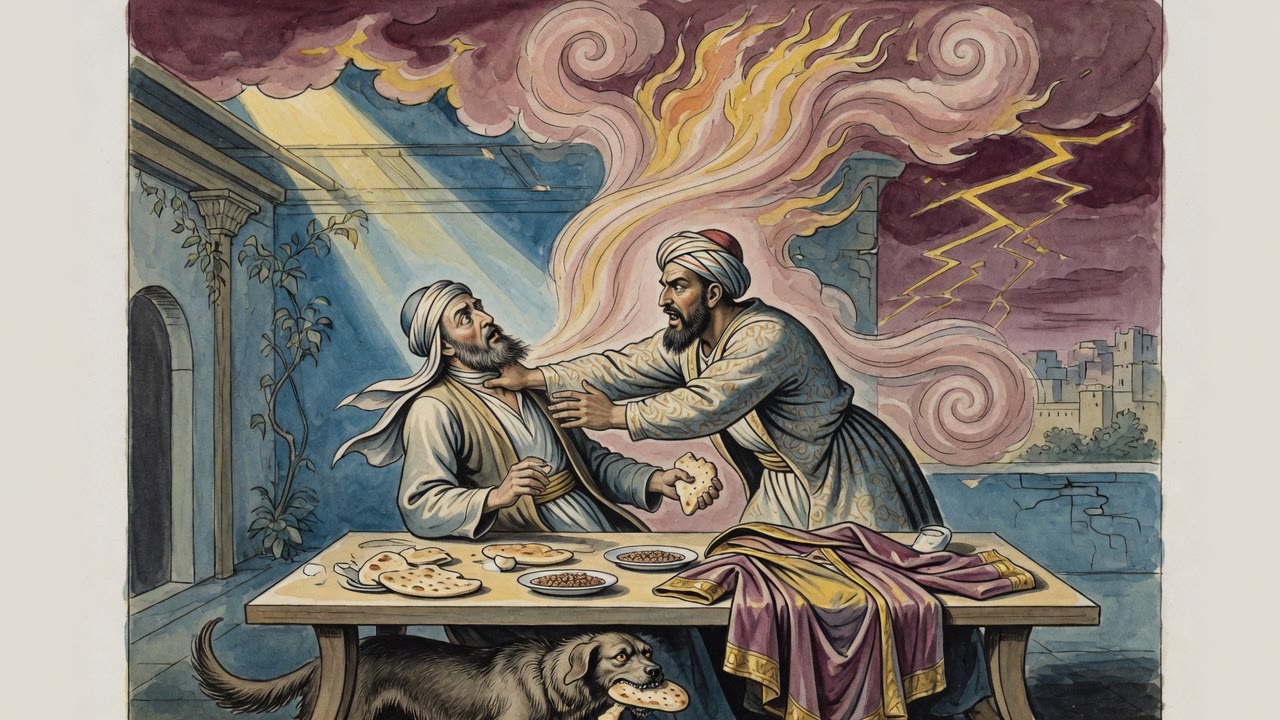
Somebody in Pharaoh's room said water, and the room went quiet. After the flood God had sworn the waters would not pass over the earth again.
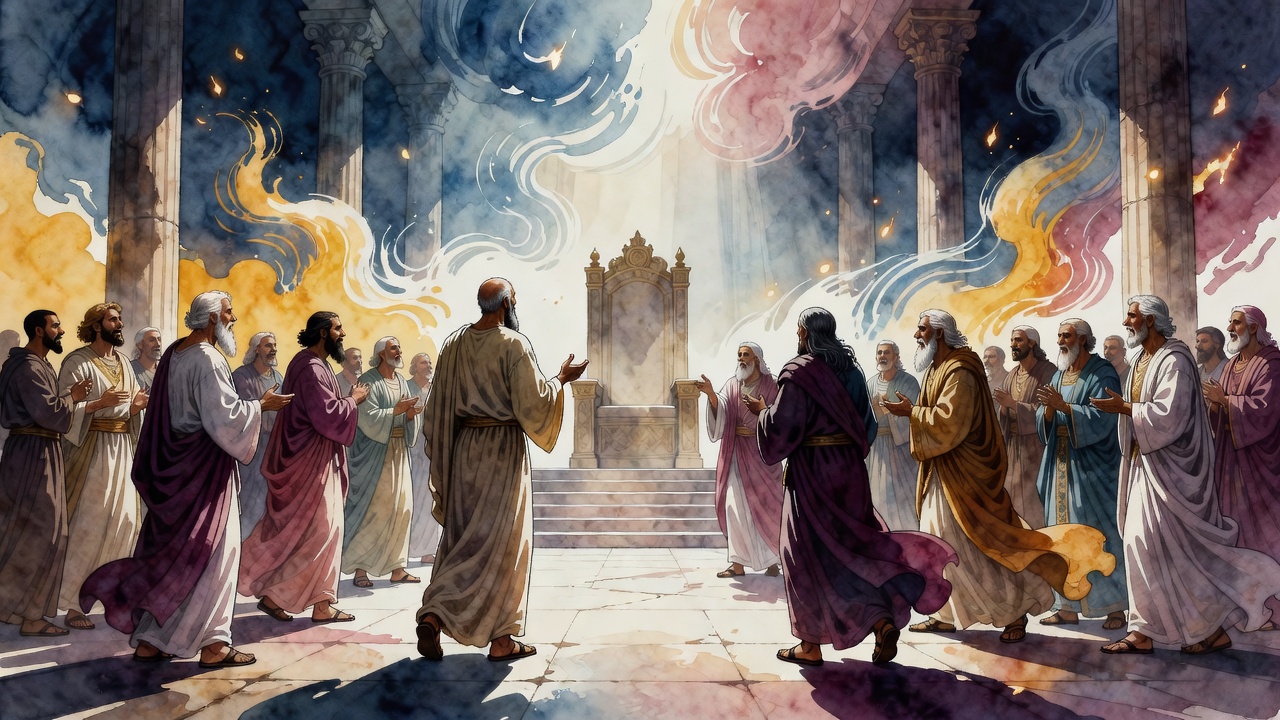
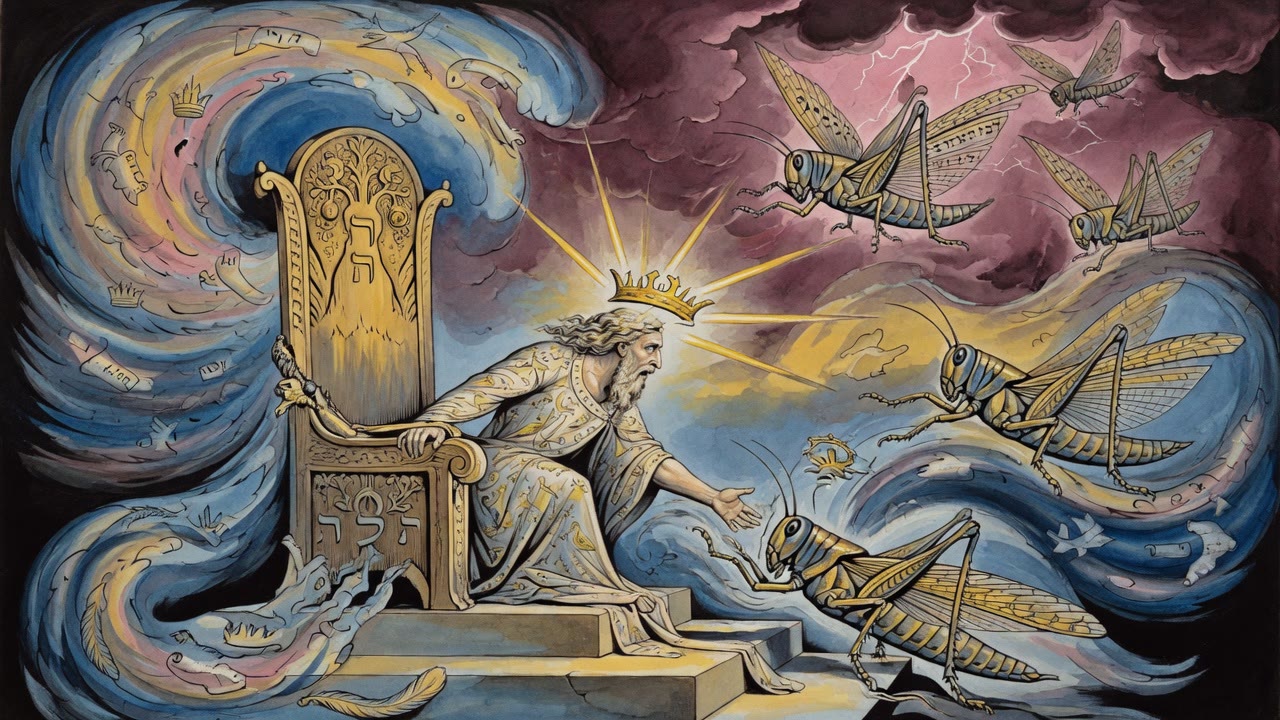
Moses promised locusts, then left the throne room. With him gone, the servants told Pharaoh the land of Egypt was already ruined.
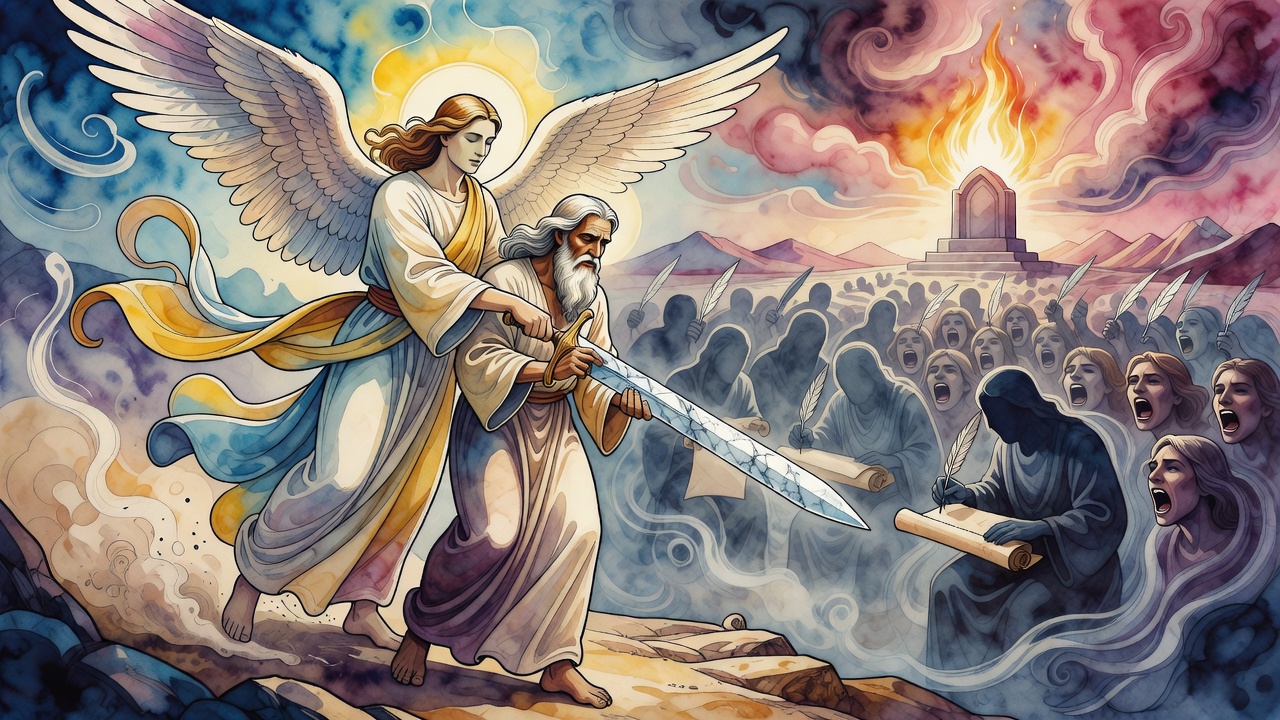
Datan said one sentence in the street to win a quarrel. By morning Pharaoh's executioner had the sword on Moses's neck.
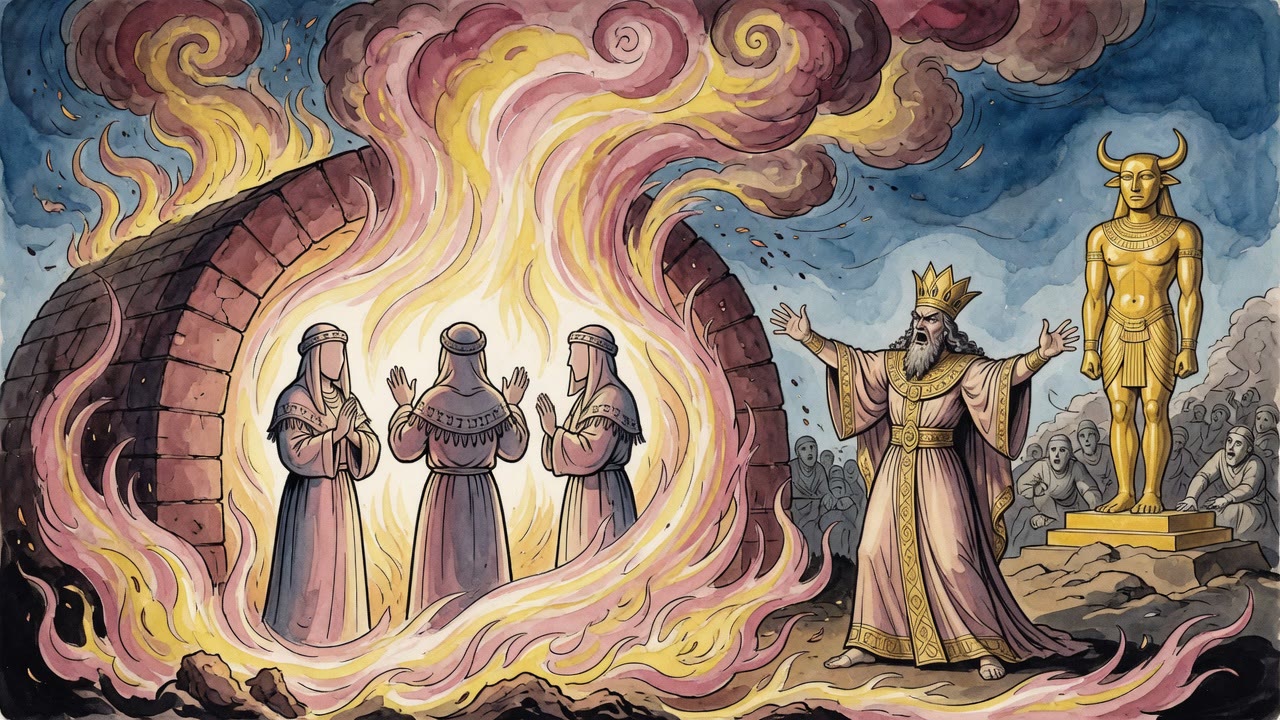
A congregation told God there was nobody righteous left alive to lean on. God answered by naming three men who went into a fire in Babylon.
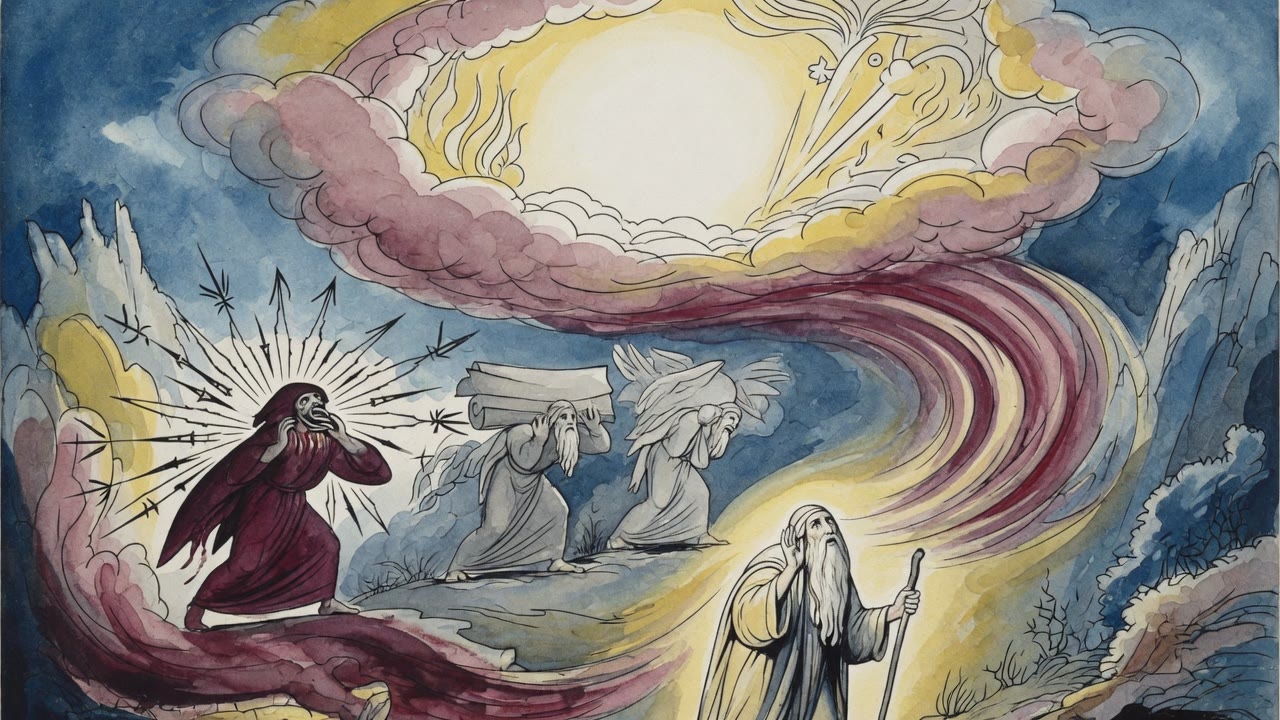
Six hundred thousand people backed away from Sinai saying the voice would kill them if it spoke again. Moses was told to come closer.
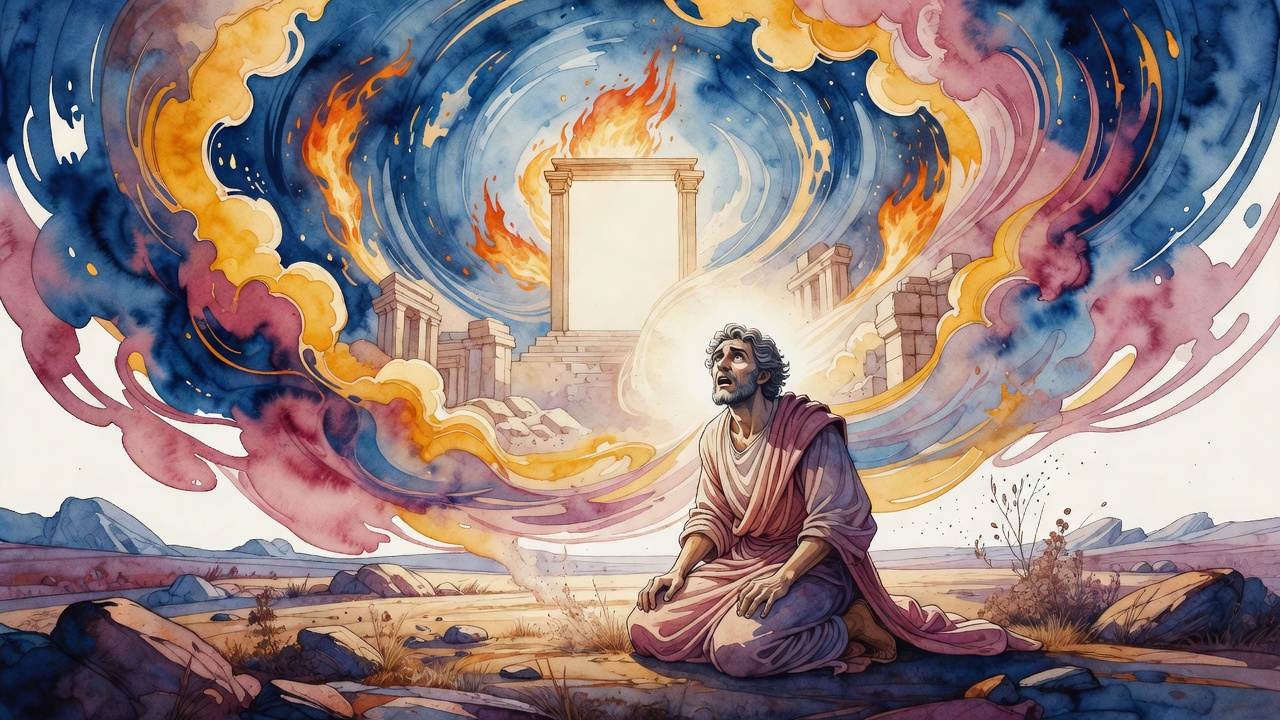
David cannot build the Temple but cannot stop wanting it, and God credits the longing as if stone had already been laid on stone.
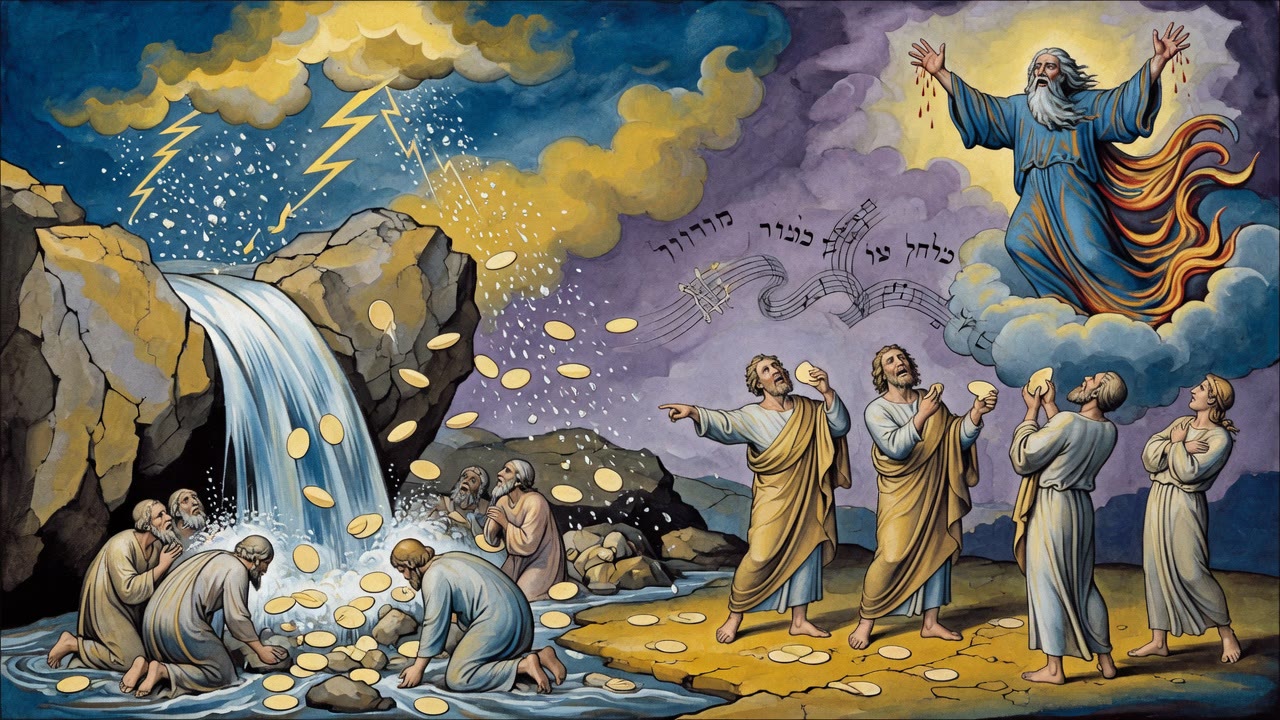
Israel drinks from a gushing rock and eats bread from heaven, then mocks the miracle before learning what a new song costs.
