5 min read

Moses Entered the Tent and the Law Began

At Sinai, God's voice split the mountain. But Israel could not be held to a law they had not yet understood, until Moses entered the Tent.

Curated by Arthur · Told by Maggid ·
Table of Contents
  1. The Sealed Decree in a Foreign Tongue
  2. The Ohel Moed Stands in the Center of the Camp
  3. God Calls Before God Commands
  4. When the Law Became Binding

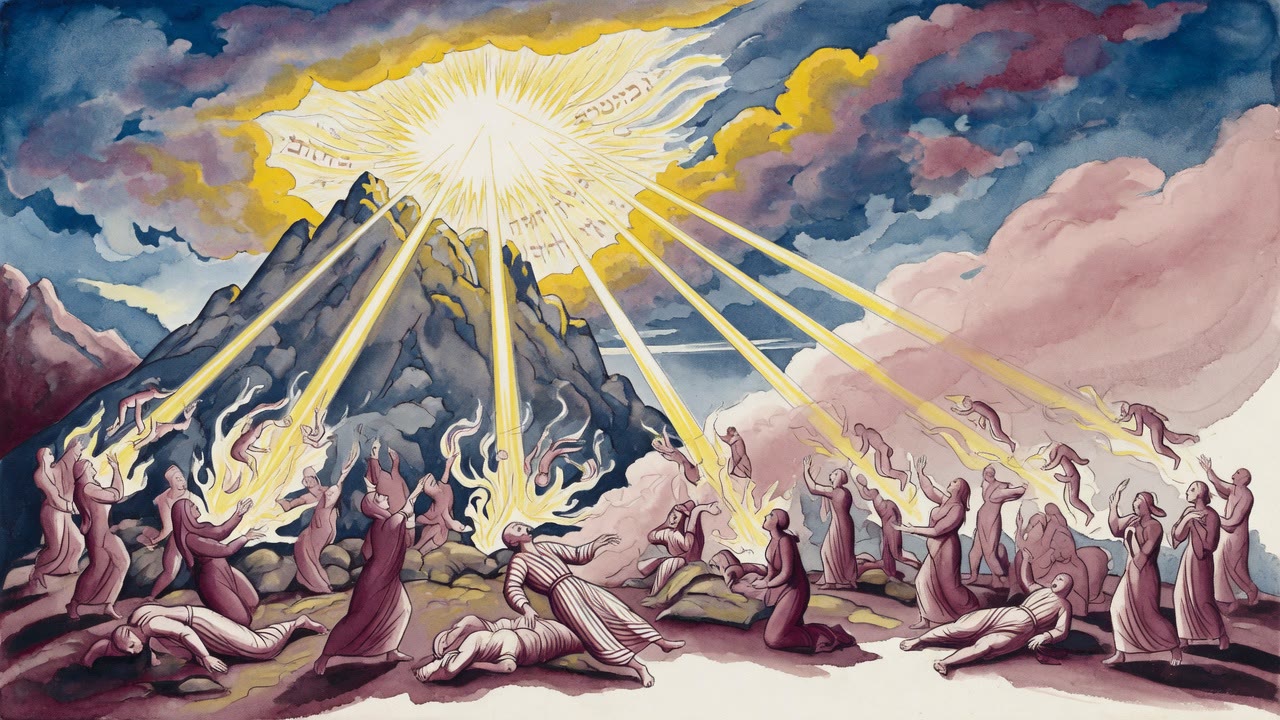
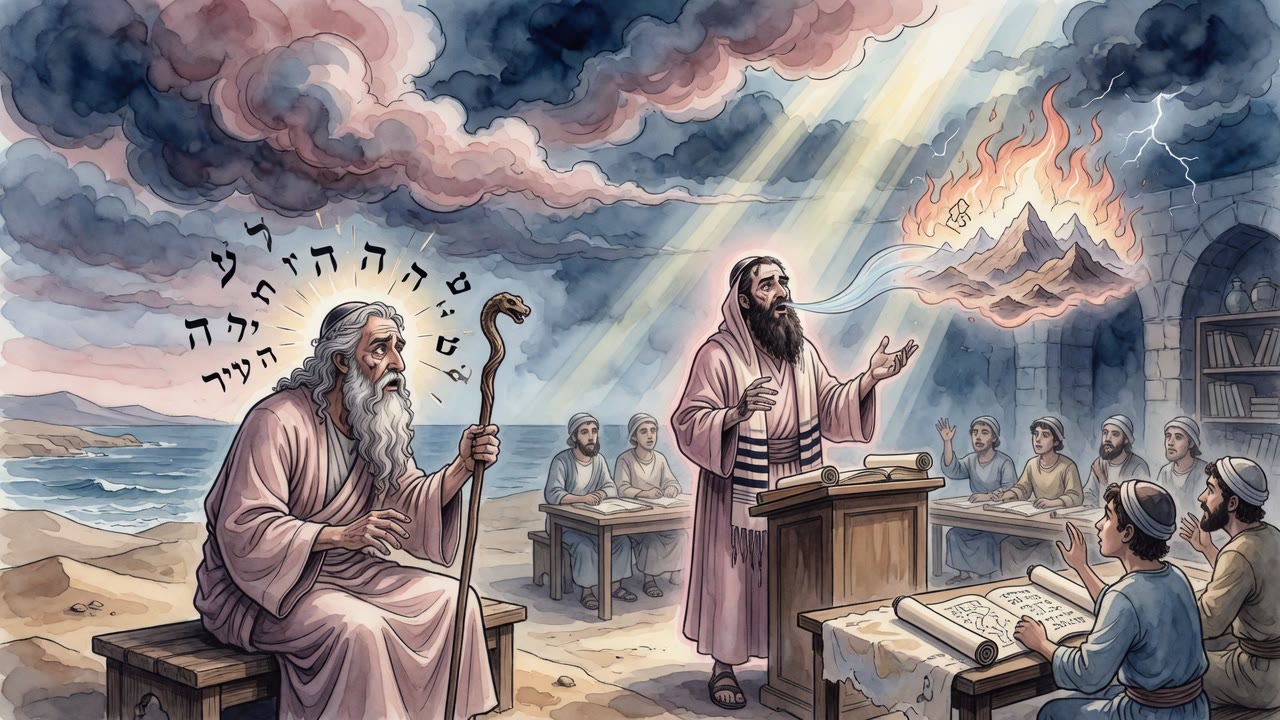
The mountain had stopped shaking. The trumpets had gone silent. For forty days Moses had been swallowed by fire and cloud on the summit of Sinai, and the people had stood at the base, their feet nailed to the desert floor, hearing a voice that came from everywhere at once (Exodus 19:18). Now they were back in camp. The tents were the same tents. The cooking fires burned the same way. But something had happened on that mountain, something sealed and given, and no one was quite sure what it meant for them now.

This is where the tradition asks its sharpest question. The Torah was given. God spoke. Moses came down with the tablets. What more was needed before the law bound the people in full?

More than the thunder. More than the tablets. One thing more.

The Sealed Decree in a Foreign Tongue

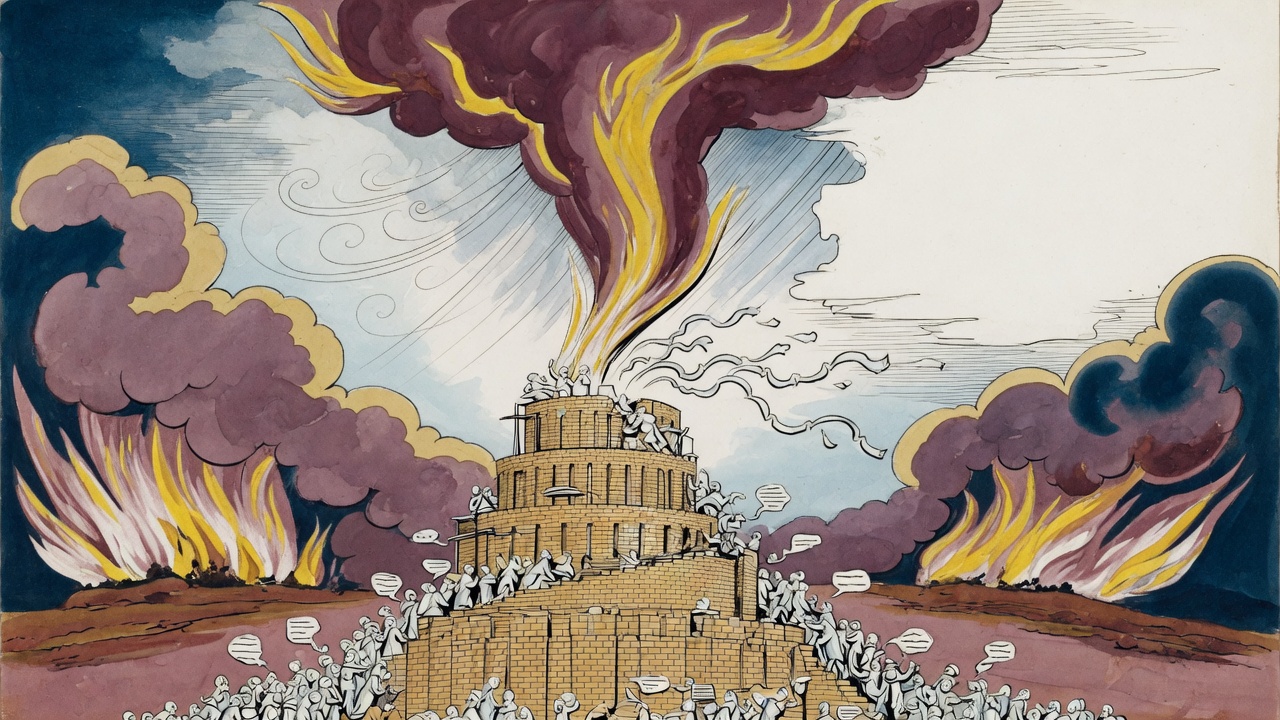
Consider a province in a great kingdom. A royal courier arrives at the city gates at dawn, carrying a document stamped with the king's own seal. The parchment is real. The mark is authentic. Every official who examines it confirms: this is the king's word, this is law. Then the courier rides away. But the people of that province cannot read the script the king writes in. They have received something binding, something that came from the highest authority in the world, and yet they have no idea what it requires of them.

Are they liable when they break it?

Not according to Rabbi Elazar. Not yet. A person cannot be held to a command they have not had the chance to understand. The revelation at Sinai was the king's sealed document. What came next was the translation.

The Ohel Moed Stands in the Center of the Camp

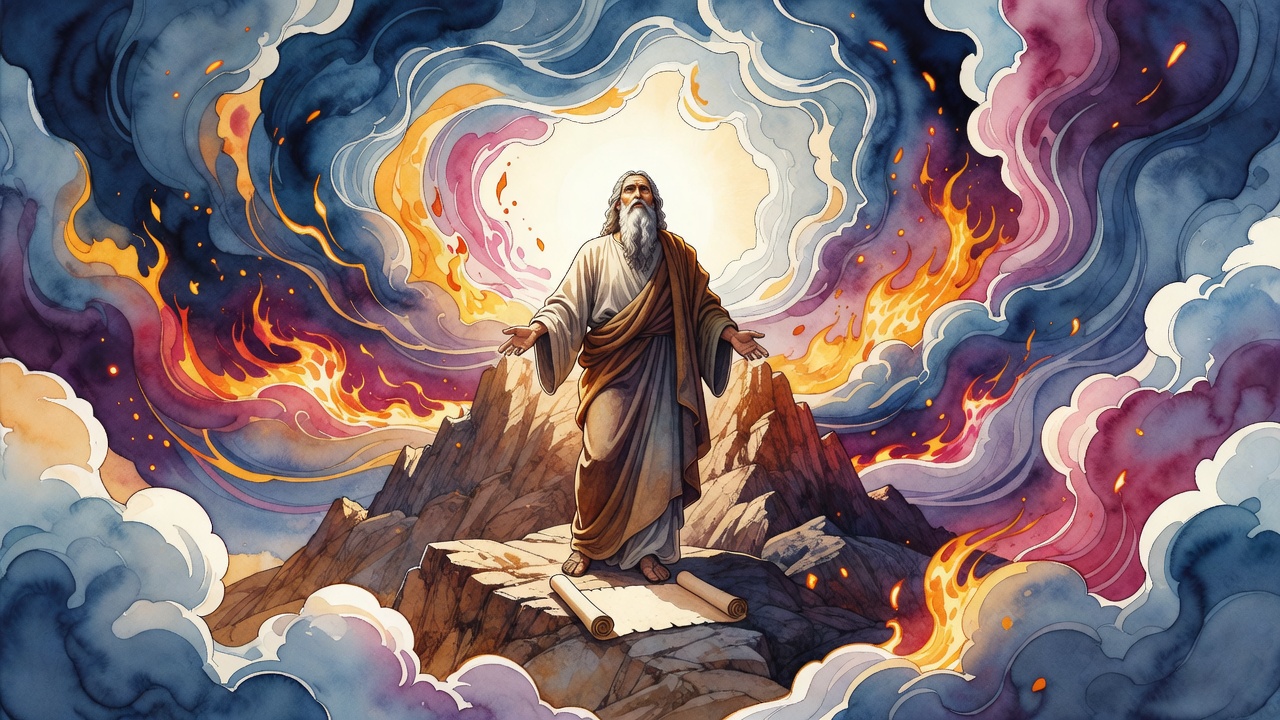
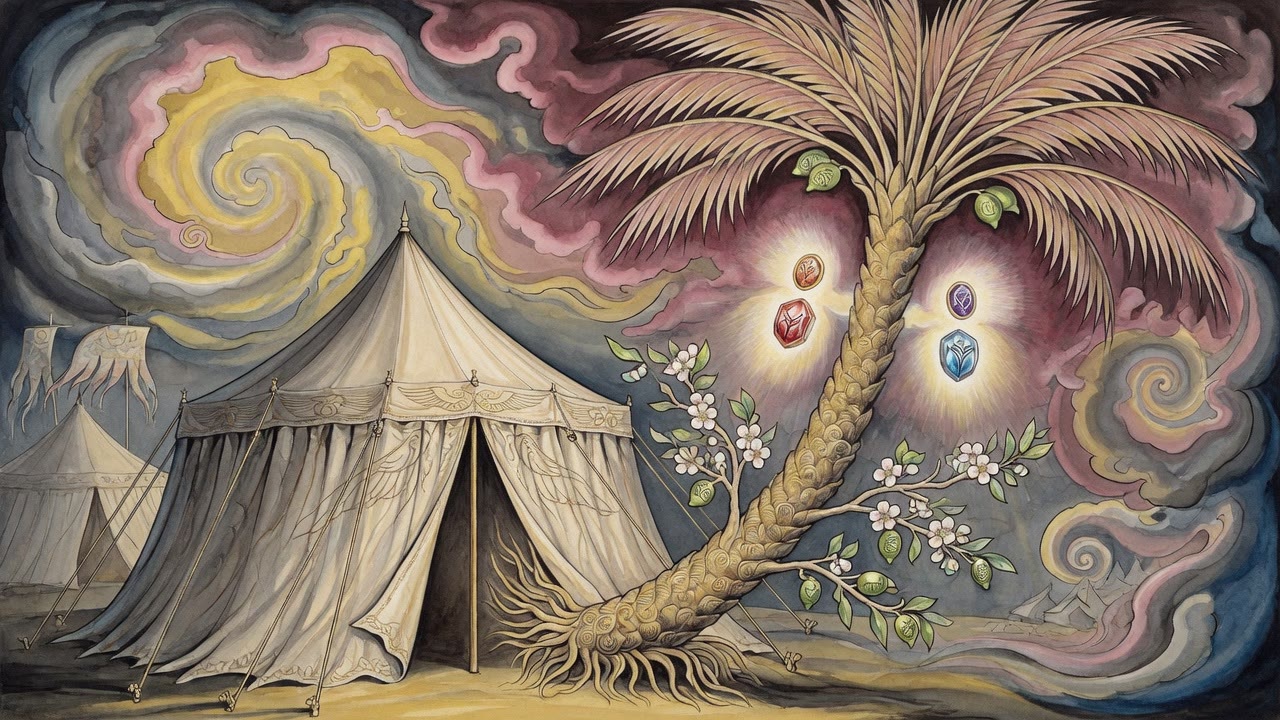
The Ohel Moed (אֹהֶל מוֹעֵד), the Tent of Meeting, was not built on a mountain. It was not surrounded by fire. It stood in the middle of the Israelite camp, a portable structure of acacia wood and woven curtains, assembled by human hands following instructions God had dictated in careful detail (Exodus 26:1). Any Israelite with a legal question or a dispute or a confusion could approach it. Moses went in. God spoke to him from inside.

The key verse is almost quiet: "The Lord called to Moses, and spoke to him from the Tent of Meeting" (Leviticus 1:1). Not from Sinai. Not from the mountain. From the Tent in the camp, the place where the Torah could be asked about, explained, and made legible.

This is where accountability began. Sinai was announcement. The Tent was instruction. And instruction, Rabbi Elazar held, must precede liability. Until the laws were transmitted plainly, in the ordinary language of questions and answers inside the Ohel Moed, Israel stood in the same position as the province that received the sealed document in a foreign script. The commandments had arrived. The explanation had not yet been given.

God Calls Before God Commands

The single word that opens Leviticus matters enormously here. "Vayikra," the text says: "And He called." God called first, then spoke. The calling is an invitation. It signals that what follows is meant to be heard and understood, not merely received like a bolt from the sky. Moses was summoned into the Tent so that the Torah could pass through a human voice, structured and explained, in a form a person could carry home and live by.

The same tradition that preserves Rabbi Elazar's teaching also records a second image for how this transmission worked. Think of the smoke of levonah (לְבוֹנָה), frankincense, rising inside the Tent during the offerings. The Hebrew root of that word, libbun, means clarification. The smoke rising from the altar was not only a fragrance sent upward to God. It was a symbol of something being made clear, of interpretation moving through the air of the Tent, of the dense and fire-borne revelation of Sinai becoming breathable, comprehensible, a thing a person could stand inside without being consumed.

When the Law Became Binding

Moses entered the Tent. God spoke. The explanations went out from there to the elders, from the elders to the people, from the people to their children and their children's children, each one receiving what the previous had transmitted, each link in the chain adding voice to what had been sealed on Sinai. This is how a royal decree in a foreign script becomes a law a province can actually live by. Not when it arrives. When it is understood.

Rabbi Elazar was not diminishing Sinai. The thunder and fire were real. The tablets were real. The voice that split the mountain was real. He was insisting on something precise about the nature of obligation. Accountability requires comprehension. A law that has not been made intelligible to those who must keep it is not yet fully binding on them. God, who created both the law and the minds that would receive it, understood this. The Tent of Meeting was not built as an afterthought to Sinai. It was built as its completion.

The smoke rose. Moses came out of the Tent. And Israel, standing in the ordinary desert light of their camp, became fully, irreversibly responsible for the Torah they had been given.


← All myths

From the tradition

Sources

3 sources

The texts this telling draws on, in full. Open a card to read inline, or expand it for a wider, quieter read.

Shir HaShirim Rabbah 3:4Shir HaShirim Rabbah

The earth shook, the trumpets blared, GOD spoke... but was that it?

Rabbi Elazar has a fascinating take on this, and it all hinges on a seemingly simple verse from Leviticus: "The Lord called to Moses, and spoke to him from the Tent of Meeting" (Leviticus 1:1).

He suggests that even though the Torah was dramatically given at SINAI, the Israelites weren't actually held accountable for breaking its laws until those laws were explained to them within the Ohel Moed (אֹ֣הֶל מוֹעֵד), the Tent of Meeting.

Think of it like this: Imagine a royal decree, written and sealed, arriving in your town. It’s impressive, official, but… you can't read the language it's written in! Are you really responsible for following it if you don't understand it? Rabbi Elazar argues that you’re not liable until someone translates it, explains it, and makes it accessible to you. Only then does it truly become binding.

That's the power of explanation, of understanding.

So too, according to Rabbi Elazar, with the Torah. Mount Sinai was the initial revelation, the grand announcement. But the Tent of Meeting? That was where the Torah was internalized. That was where Moses, face to face with God, clarified the laws, answered questions, and made the divine word relevant to the daily lives of the Israelites.

Shir HaShirim Rabbah (שִׁיר הַשִּׁירִים רַבָּה), the commentary on the Song of Songs, beautifully connects this idea to a verse in that book: "Until I brought him into my mother’s house, and into the chamber of the one who conceived me" (Song of Songs 3:4). The "mother's house," they say, represents Mount SINAI, the place of the Torah's birth. But the "chamber of the one who conceived me"? That’s the Tent of Meeting. It's in that intimate space, that place of nurturing and understanding, that Israel truly became responsible for the Torah's teachings.

It’s a powerful image, isn’t it? The Torah isn't just a set of rules handed down from on high. It's a living, breathing guide that needs to be understood, internalized, and made our own. It's not enough to just receive the word; we have to wrestle with it, question it, and integrate it into our lives. Only then can we truly say we are living by its light.

What does this mean for us today? Perhaps it's a reminder that simply knowing the rules isn't enough. We must constantly strive to understand the why behind the what, to delve deeper into the meaning of the Torah, and to make its teachings relevant to our own lives. Only then can we truly claim to be inheritors of this ancient and profound wisdom.

Full source
Vayikra Rabbah 1:10Vayikra Rabbah

Vayikra Rabbah, a fascinating Midrashic (rabbinic interpretive commentary) text on the Book of Leviticus, dives into this very idea, using a beautiful analogy to explain how the Torah’s commandments truly took root in the hearts of the Israelites.

The phrase "From the Tent of Meeting" might seem simple, but it holds a profound meaning. the Torah wasn't just given at Mount Sinai. Some commentators suggest that even though the Israelites hadn't fully grasped all the commandments at Sinai, the very act of receiving them set them apart, elevating them above other nations. It was like a fence, a boundary, defining their unique identity (Etz Yosef).

Here’s the thing: even with this initial giving, the Israelites weren't truly held accountable for breaking the commandments until they were reiterated at the Ohel Mo'ed, the Tent of Meeting. Why?

The Midrash uses a powerful image to illustrate this. Imagine a royal decree, written and sealed, arriving in a province. Would the people be punished for disobeying it the moment it arrived? No! Not until the decree was publicly explained and clarified in their own forum. Only then would its weight and authority truly take hold.

Similarly, even though the Torah was given to Israel at Sinai, the people weren't fully accountable until it was repeated and explained at the Tent of Meeting. It’s like the commandments needed a second "airing," a second delivery, in a space that was accessible and communal.

This idea is beautifully captured in a verse from the Song of Songs (3:4): "Until I brought him to my mother's house, and to the chamber of the one who conceived me." The Midrash interprets "my mother's house" as Sinai, the initial point of revelation. But "the chamber of the one who conceived me"? That's the Tent of Meeting! It was from there, from that intimate and accessible space, that Israel truly received and internalized the Torah's rulings.

So, what does this tell us? It’s not enough to simply receive a set of rules or principles. To truly take root, they need to be explained, reiterated, and delivered in a way that resonates with the people, in a space where they can truly understand and internalize them. It's a beautiful reminder that understanding and accessibility are just as important as the original revelation itself.

Full source
Tikkunei Zohar 291:1Tikkunei Zohar

Tikkunei Zohar turns to The Oral Torah as the Neck Passed Down from Sinai.

It gets even more intriguing. The passage continues, "In clouds of myrrh." This, the Zohar tells us, represents the phrase "amar mar," which translates to "The master said." It’s a common phrase used in rabbinic literature to introduce a statement from an authoritative figure. So, even these small phrases are packed with deeper meaning!

Then comes "and frankincense (levonah)." Here, levonah, is linked to the Hebrew word "libbun," meaning "elucidation" or "clarification." The Zohar uses this connection to suggest that frankincense symbolizes the process of clarifying and explaining the Halacha, the never-ending quest to understand God's will.

What about "From all the powders of merchants?" This, the Zohar explains, refers to the Righteous – those individuals who uphold and illuminate the Oral Torah. They are the keepers of tradition, the interpreters of the law, and the guides who help us work through the complexities of Jewish life.

Imagine the Oral Torah adorned with all kinds of "jewellery." The Tikkunei Zohar beautifully compares this to Jerusalem, "the neck of the world." It’s a powerful image, suggesting that Jerusalem, and by extension the Oral Torah, is the vital link between the earthly and the divine.

And what protects this precious connection? "The Holy One surrounds her," the passage tells us, quoting (Zechariah 2:9), "And I will be – declares the Lord – a wall of fire around it." A wall of fire! What a powerful image of divine protection.

Finally, the passage culminates in a beautiful expression of intimacy and love: "His left hand under my head, and his right arm embraced me," a quote from the Song of Songs (2:6). This depicts the Holy One embracing Jerusalem, cradling it with love and care. It’s a reminder that at the heart of all the laws and interpretations, there is a profound and personal connection between God and His people.

So, what does this all mean for us? It's a reminder that the Torah is more than just a set of rules. It's a living, breathing text, full of hidden meanings and profound insights. It invites us to delve deeper, to explore the layers of interpretation, and to connect with the divine in a personal and meaningful way. It reminds us that the journey of understanding is just as important as the destination. And that sometimes, the greatest treasures are hidden just beneath the surface, waiting to be discovered.

Full source