308 myths · Page 7 of 11
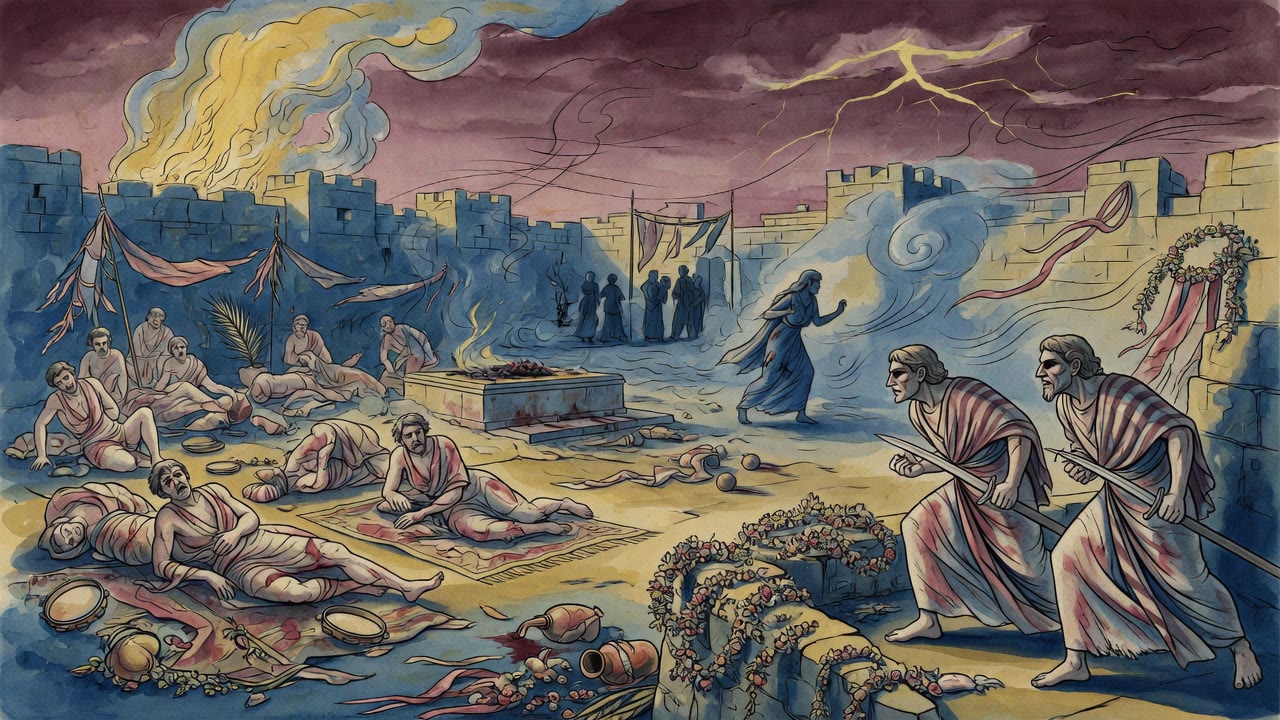
Their father never forgave them. On his deathbed he told Simeon and Levi that the swords on their hips were stolen goods that belonged to Esau.
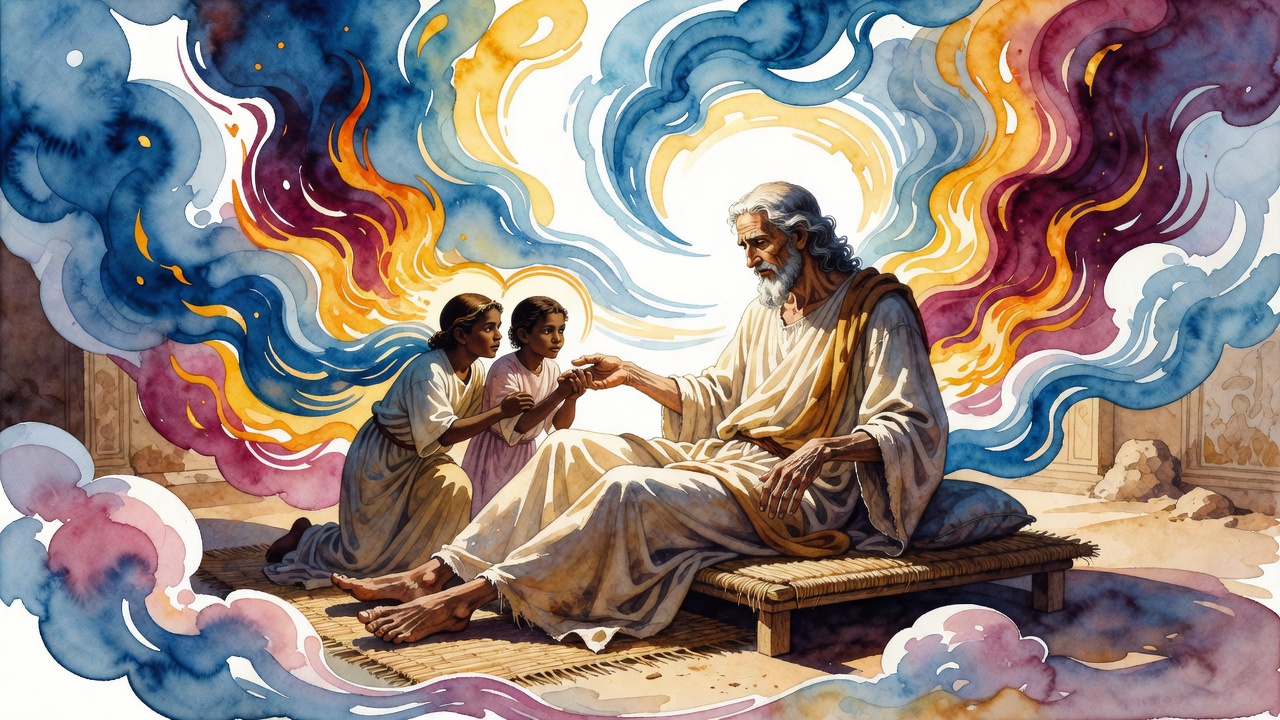
The firstborn was in the room. So was the son who would be king. Jacob sent for neither of them, because neither one could get a body past the border.
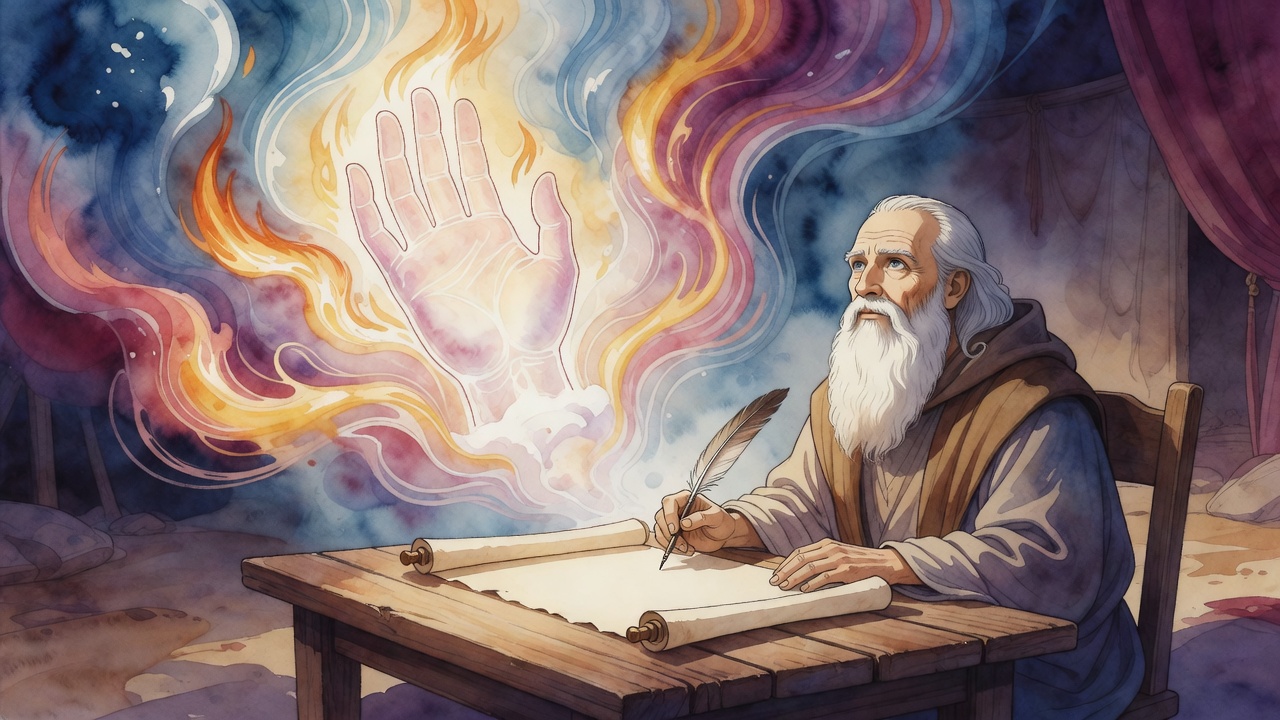
The camp woke to frost on the ground that was bread. Nobody sang over it. God had opened His palm before they asked.
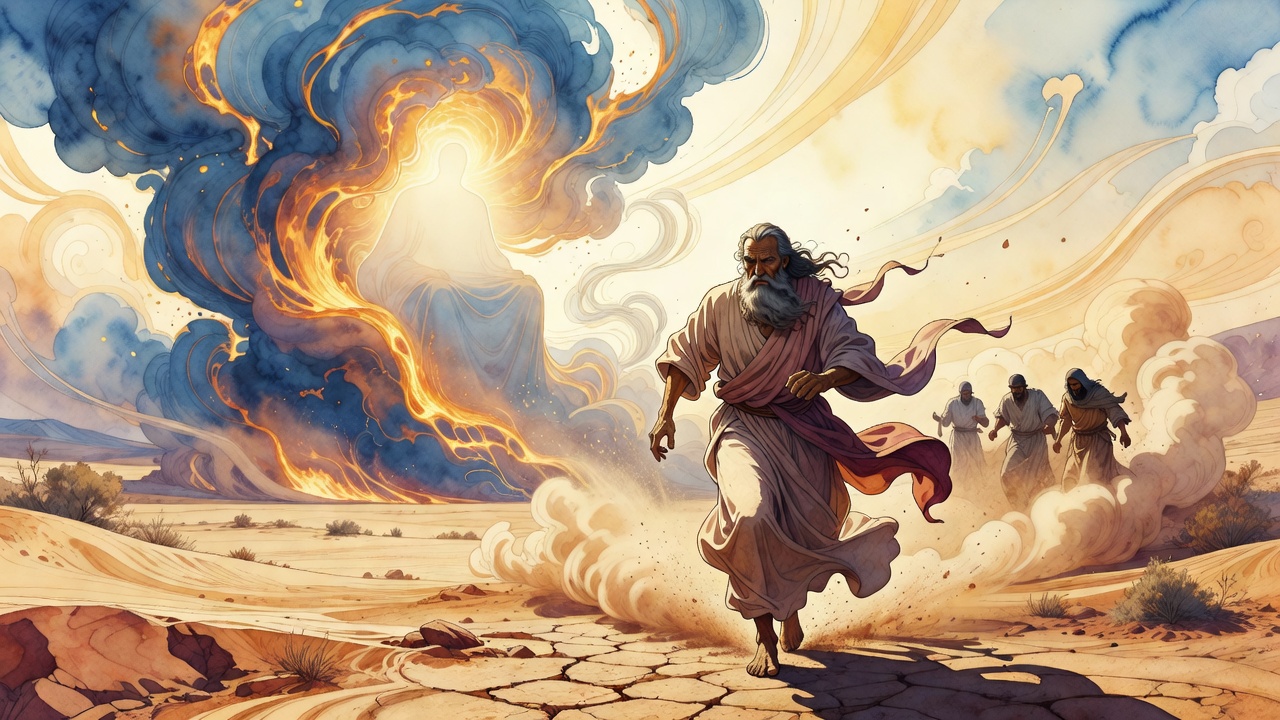
The third day after circumcision is the worst of them. God was at the tent door. Three men stood in the road in the heat.
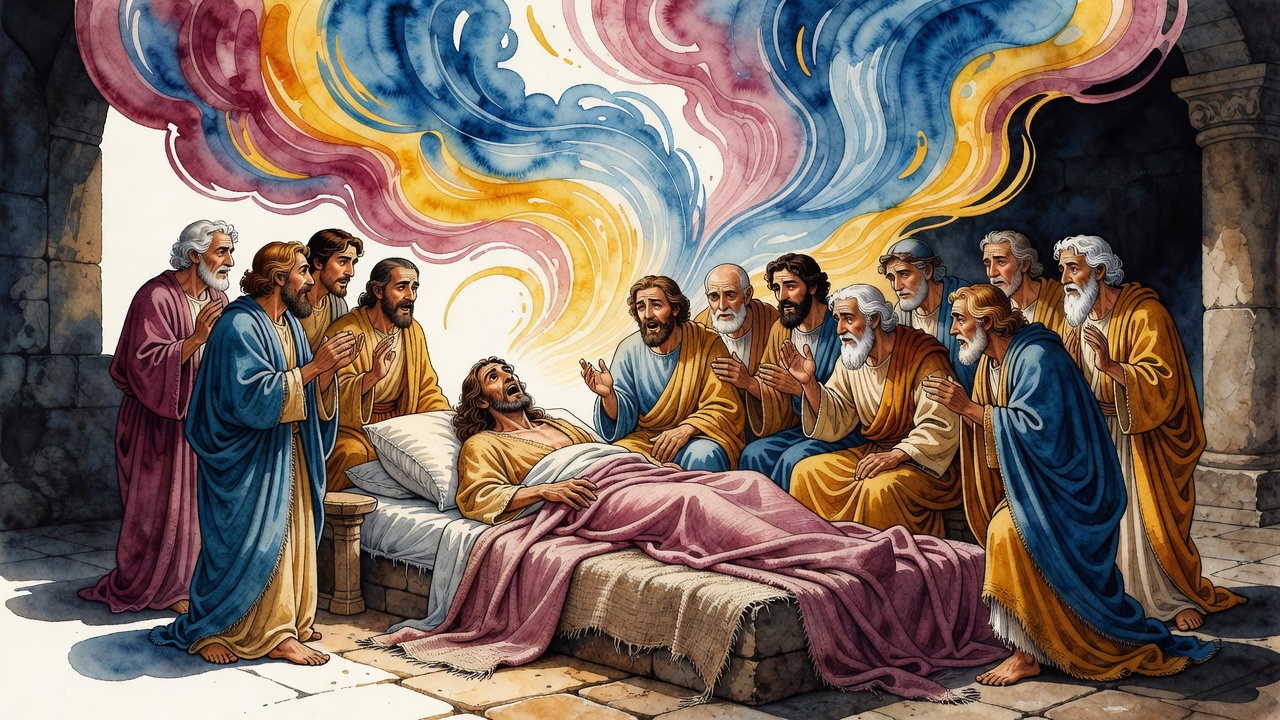
Twelve wet-haired sons waited for a date. Jacob opened his mouth, and the Presence took the year away before a number could land.
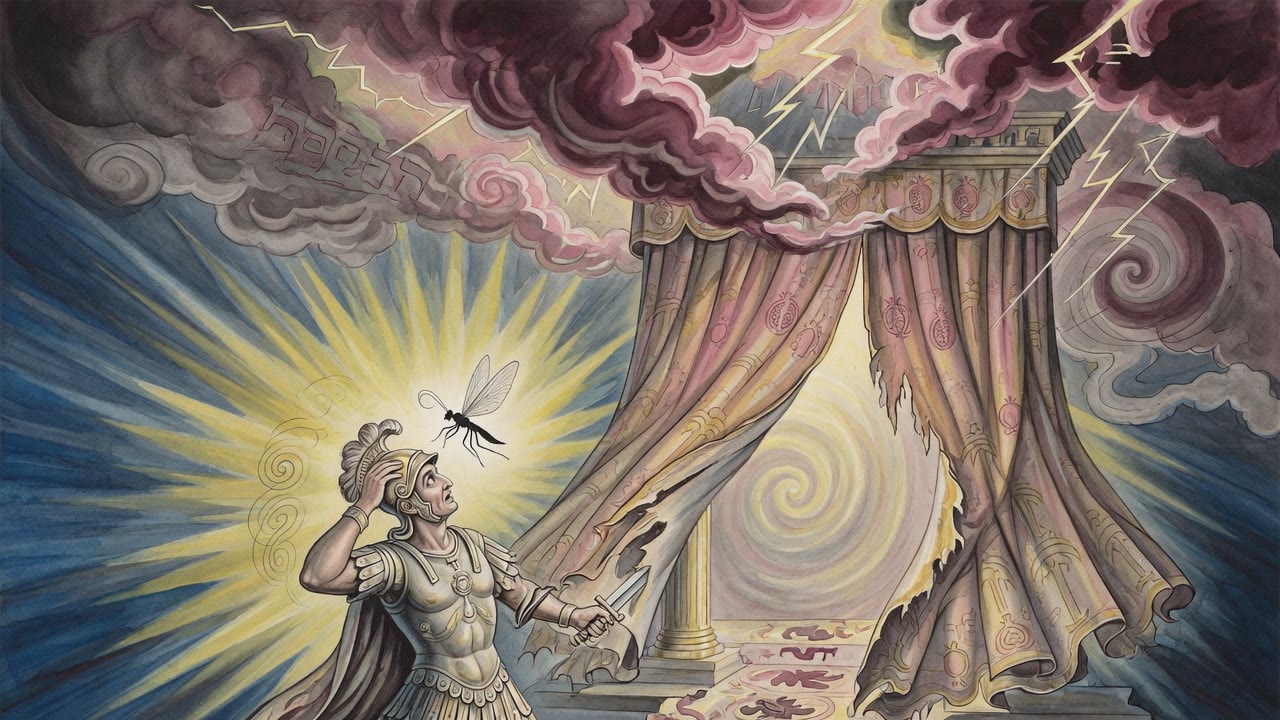
The Temple is burning and the priests have fled. One figure stands in the ruins with no right to be there, refusing to go until God answers him.
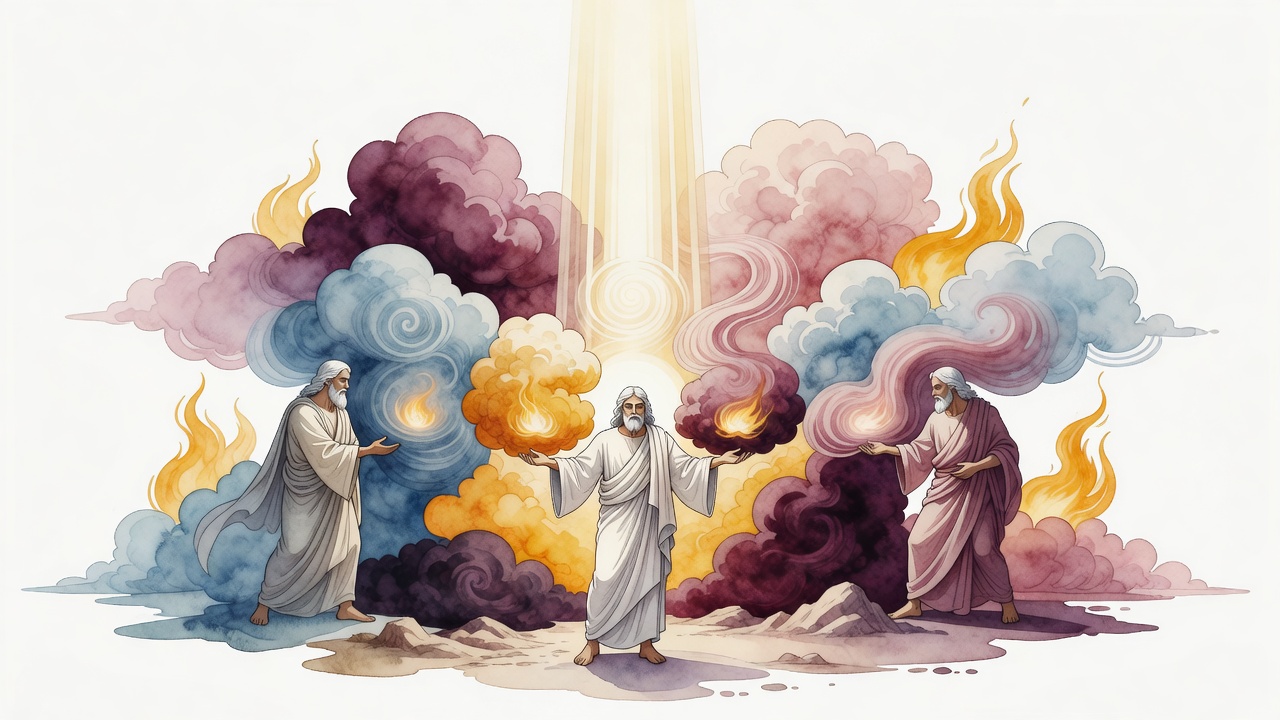
The Egyptian governor made small talk with the youngest brother. How many sons do you have? Ten. And what are they called?
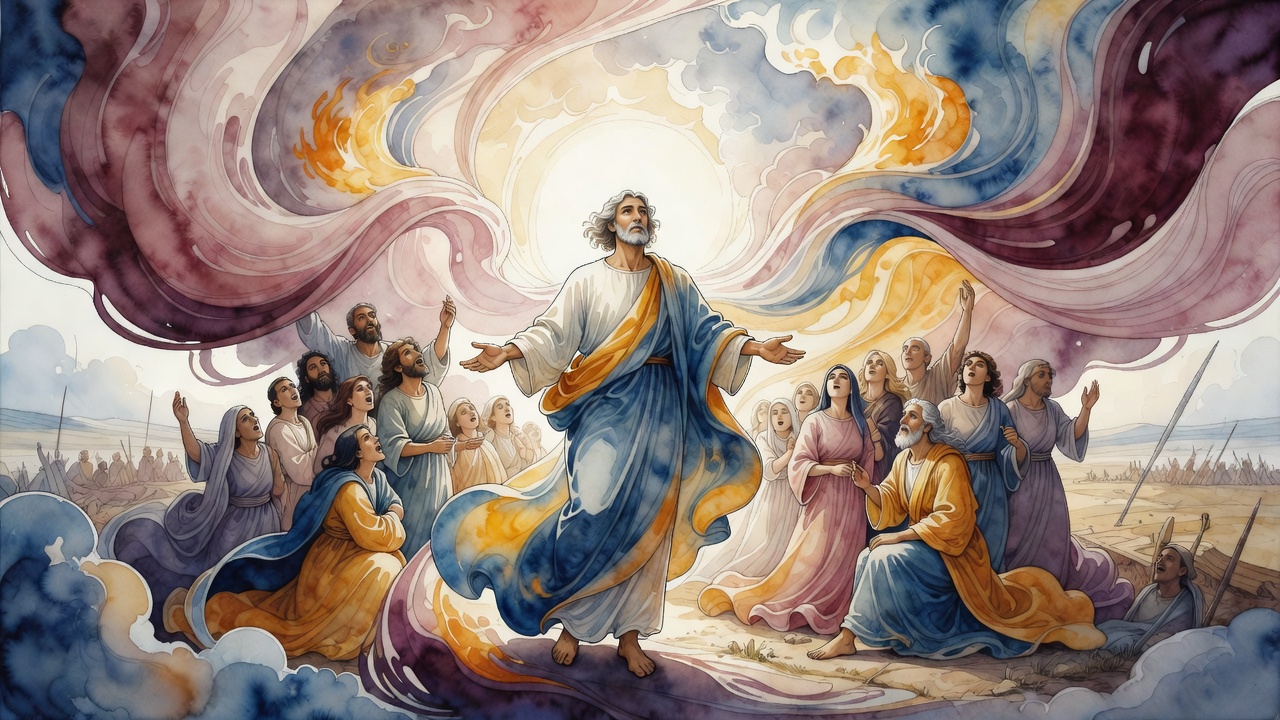
He threw dust at Amraphel's line and it came down as swords. Nations slept under those wings. Abraham was the one who woke them.
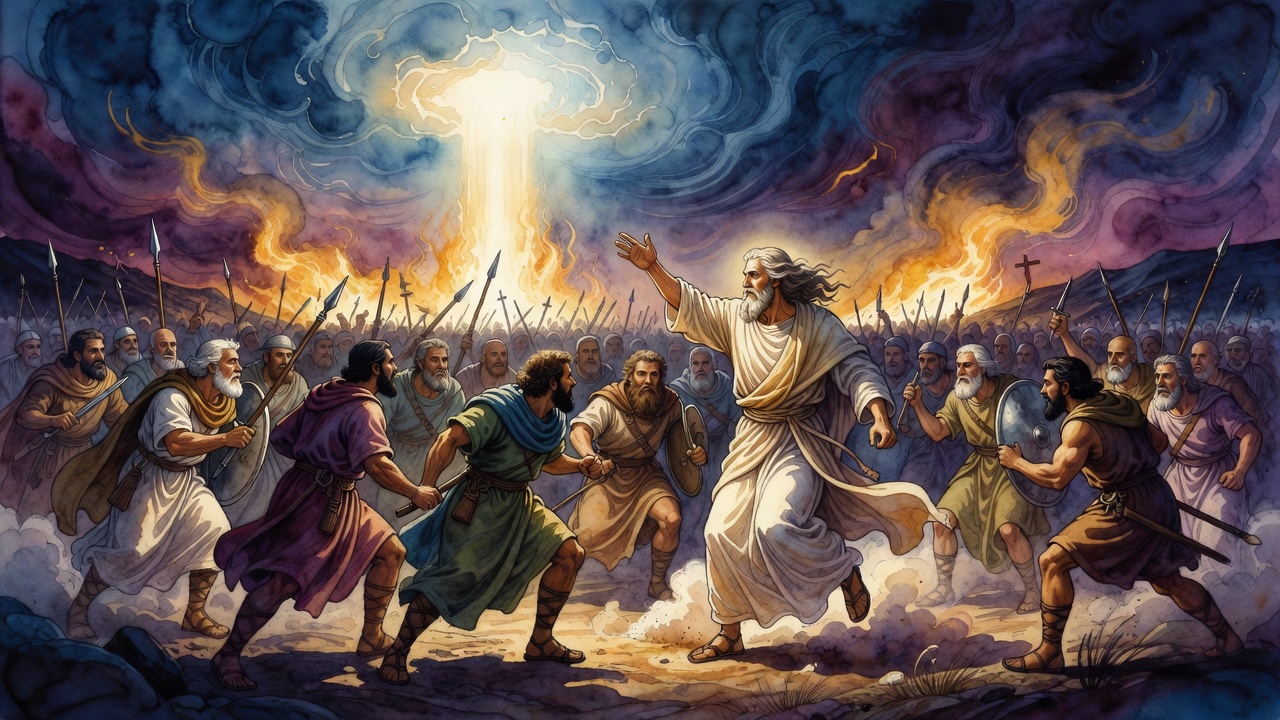
Og ran to Abraham with news of Lot. He hoped the old man would die in the fight and leave Sarai free. Abraham armed anyway.
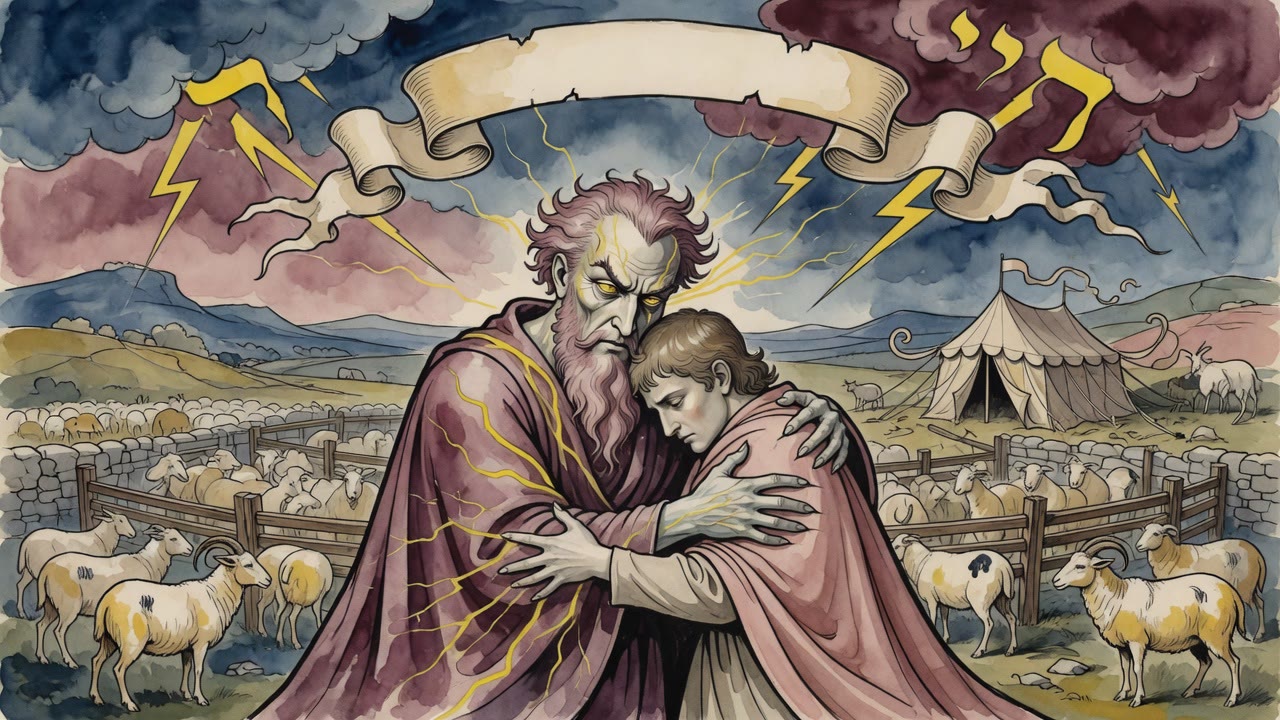
Laban called Jacob his brother though Jacob was his nephew. The word was a bid, not an embrace, and it opened twenty years of systematic fraud.
Laban's household god was a salted human head set into a wall with a gold plate under its tongue. It answered questions. Rachel grew up with it.
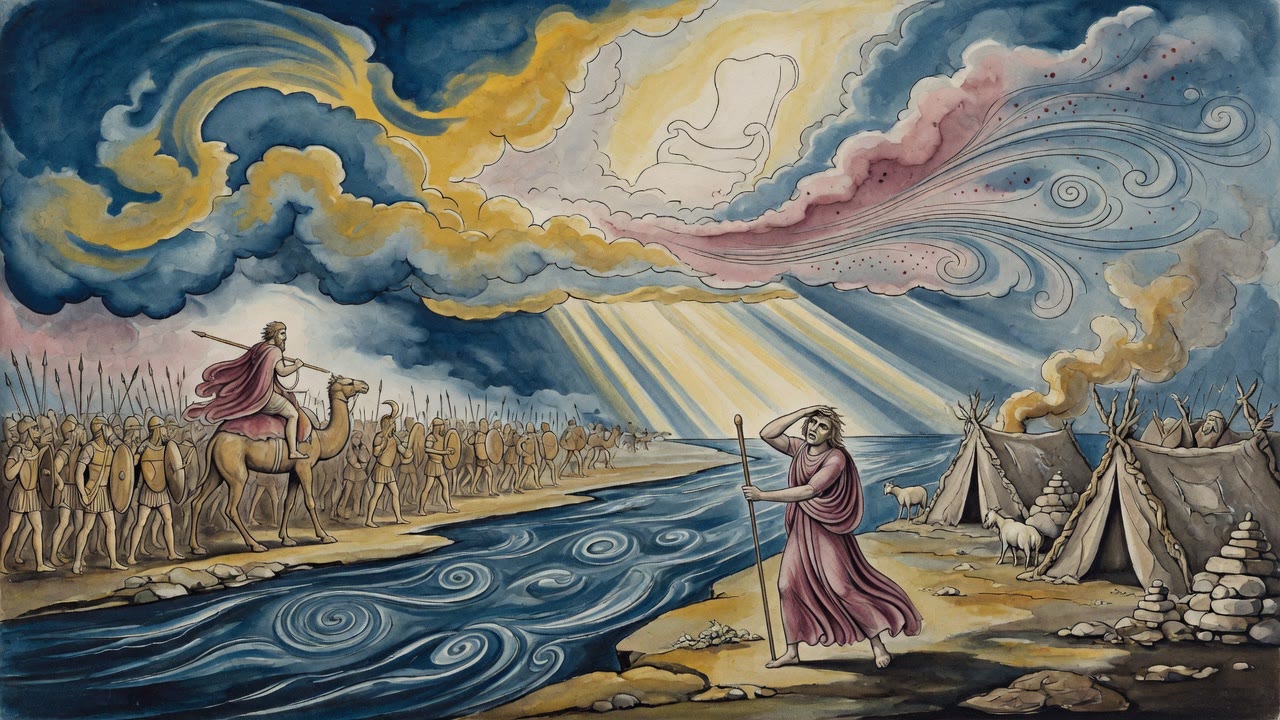
Jacob survived Laban, crossed the Jordan alone, and built two camps. Then he heard Esau was coming with four hundred men and was genuinely afraid.
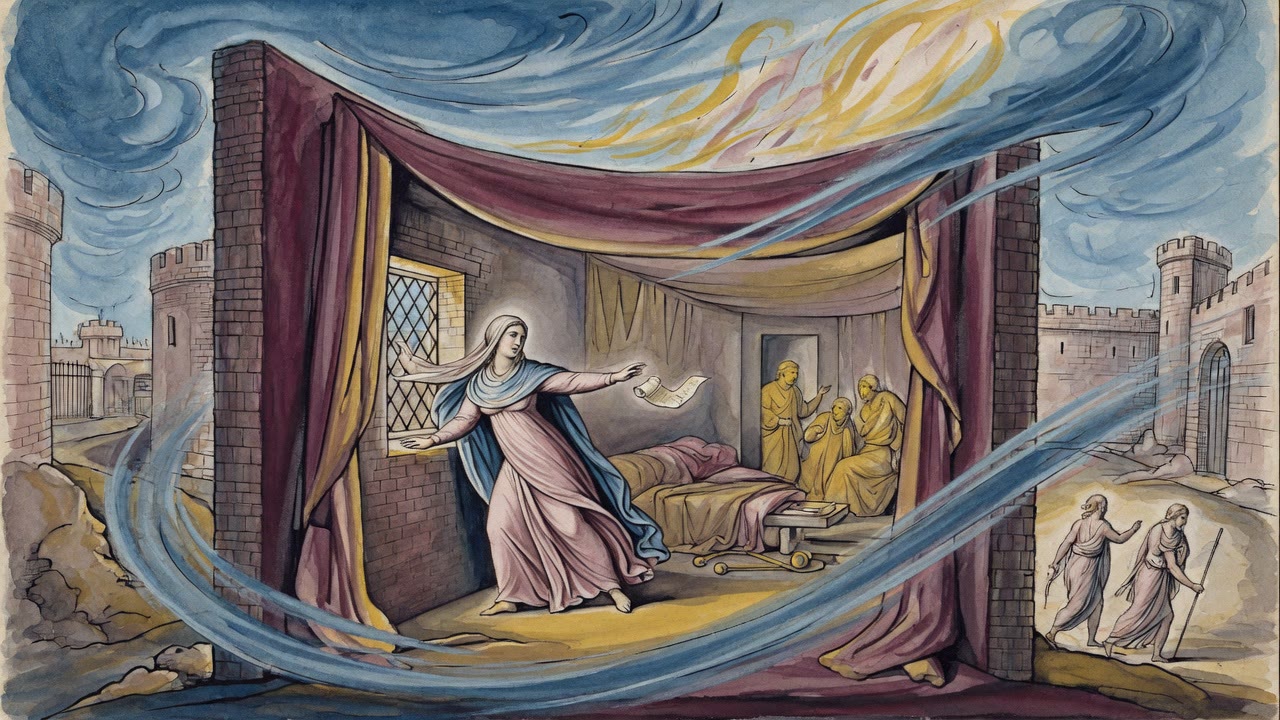
She was twelve and she was being held in the prince's house when she overheard what the men downstairs were planning to do to her family.
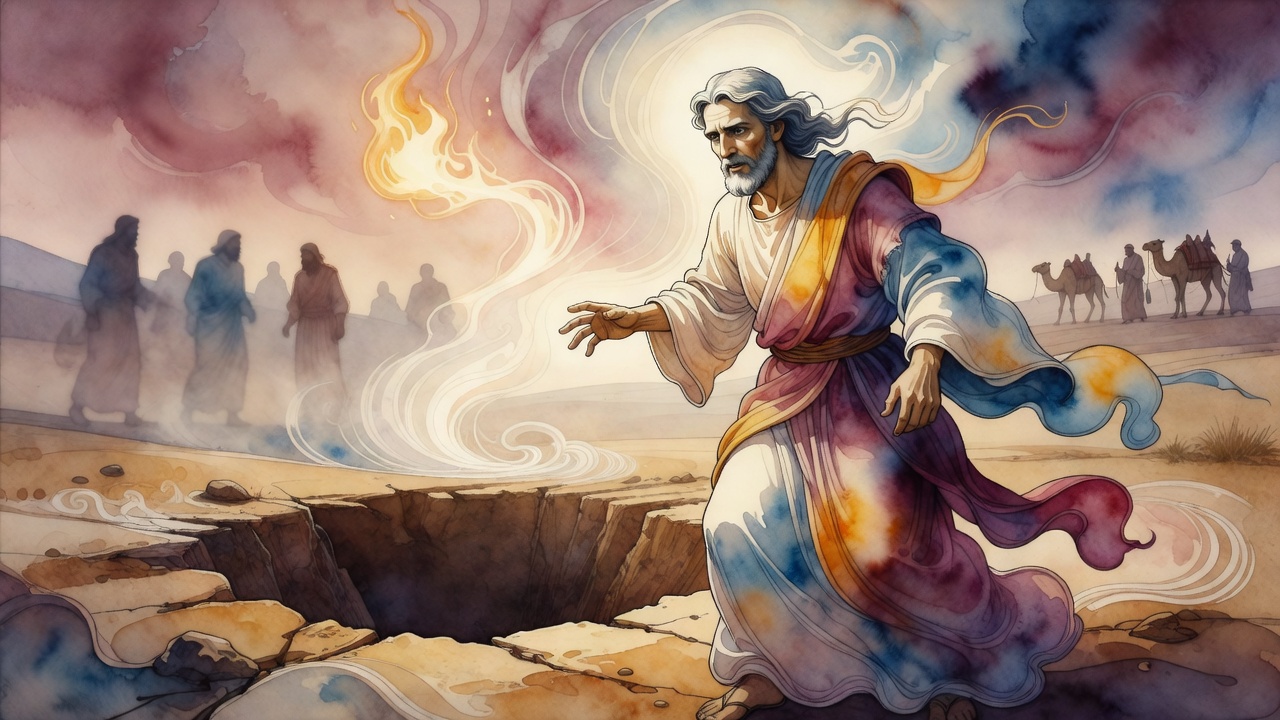
Reuben planned to rescue Joseph from the pit. He left before the caravan arrived and came back to find the boy gone.
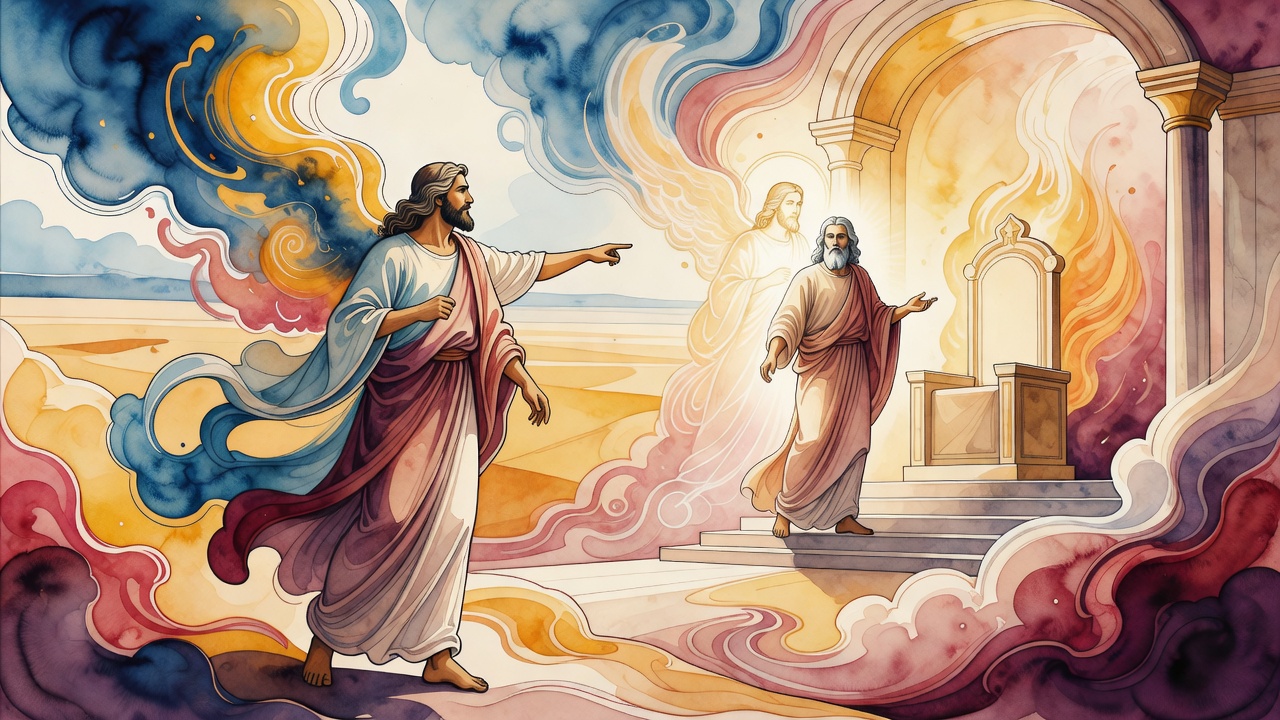
A man in the Shechem field sent Joseph toward Dothan. Joseph was seventeen. Thirteen years later Pharaoh put a ring on that same hand.
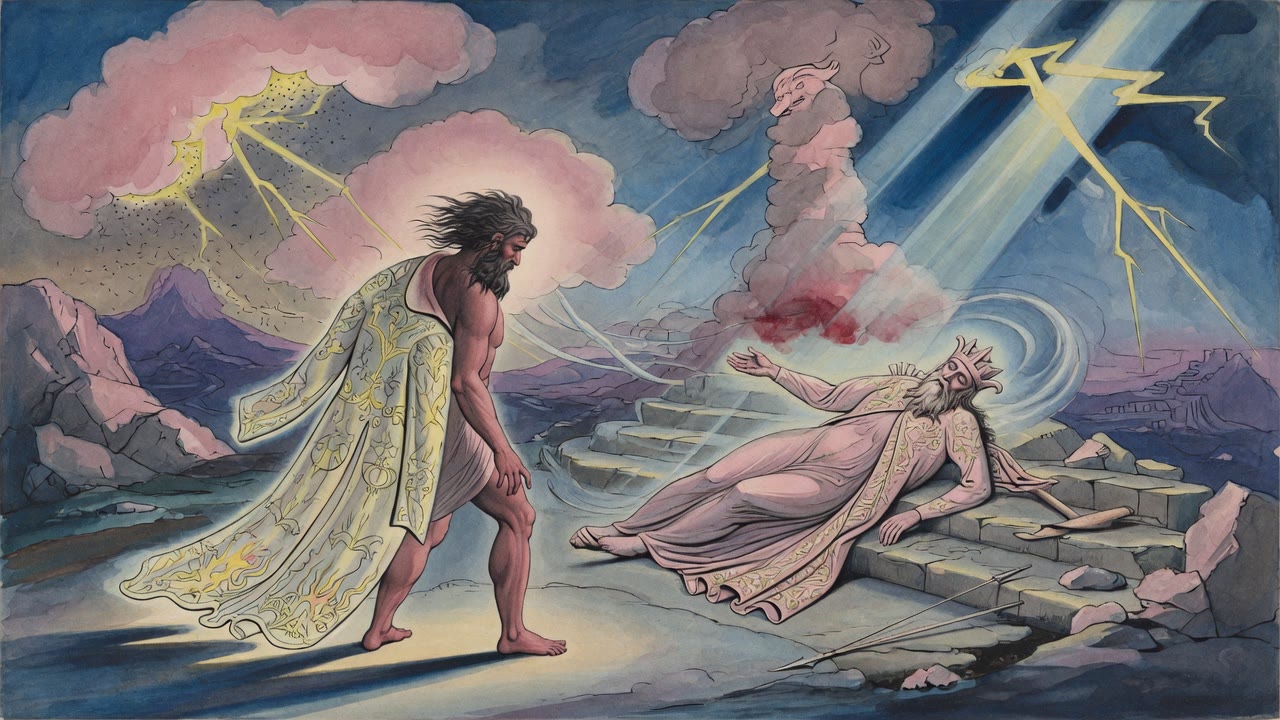
Isaac was blind and near death. He took Esau's head in his hands and asked God for mercy. The answer came back without softening.
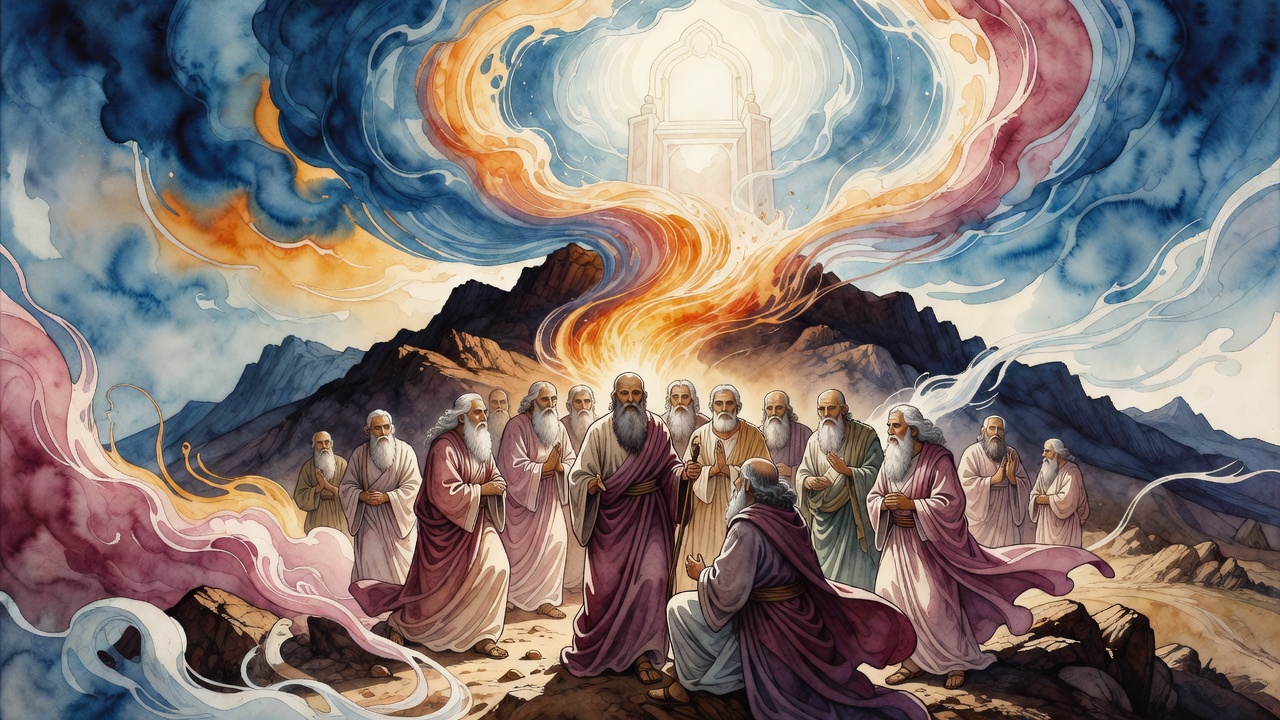
The pavement under His feet was sapphire, clear as sky. The seventy did not dissolve. Hunger returned, and they answered it with a meal.
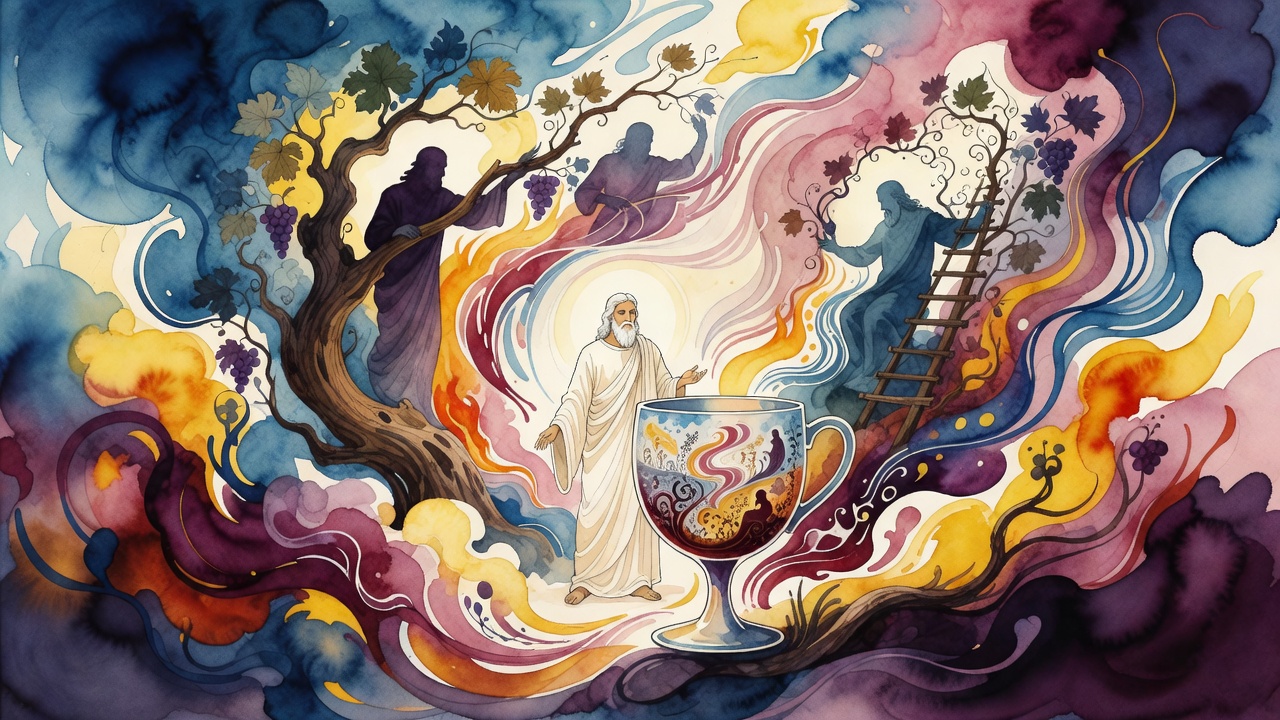
Two officers of Pharaoh woke up frightened. Joseph looked at their faces and asked why they seemed worse this morning than on all the mornings before.
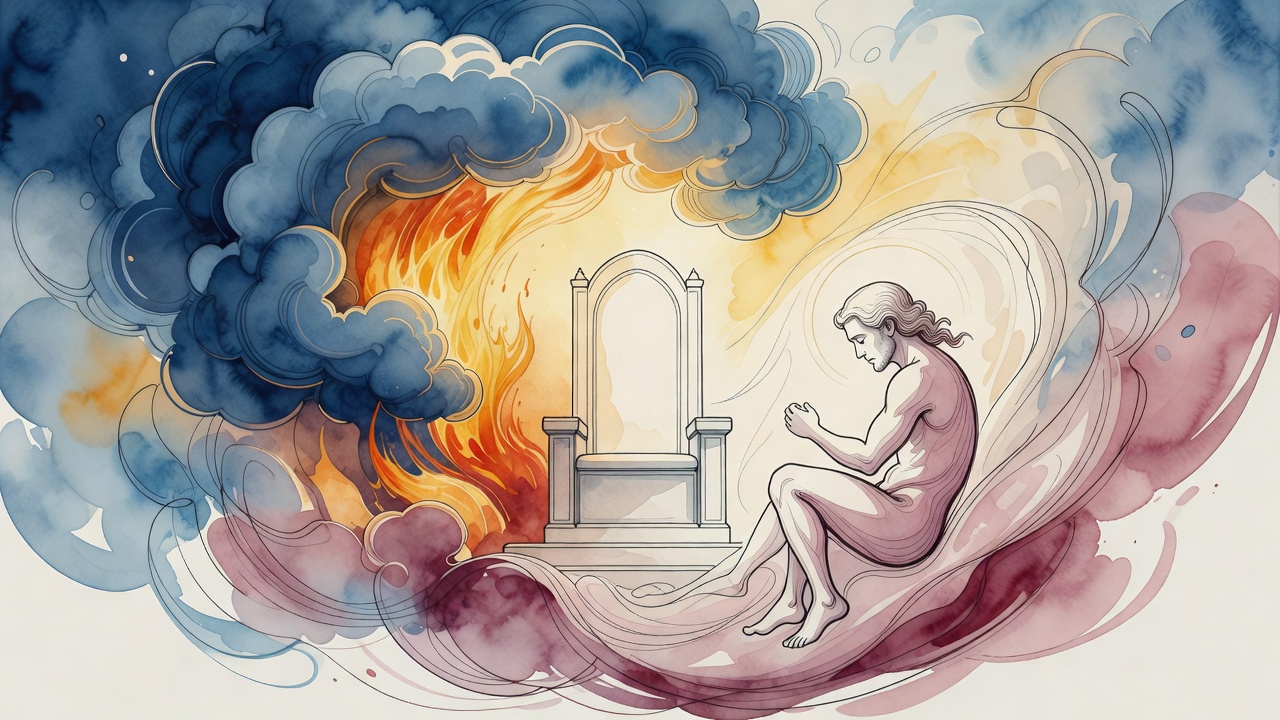
The terms of Jacob's judgment were set inside the covenant God made with Abraham. Every blessing he received came with an obligation he had not chosen.
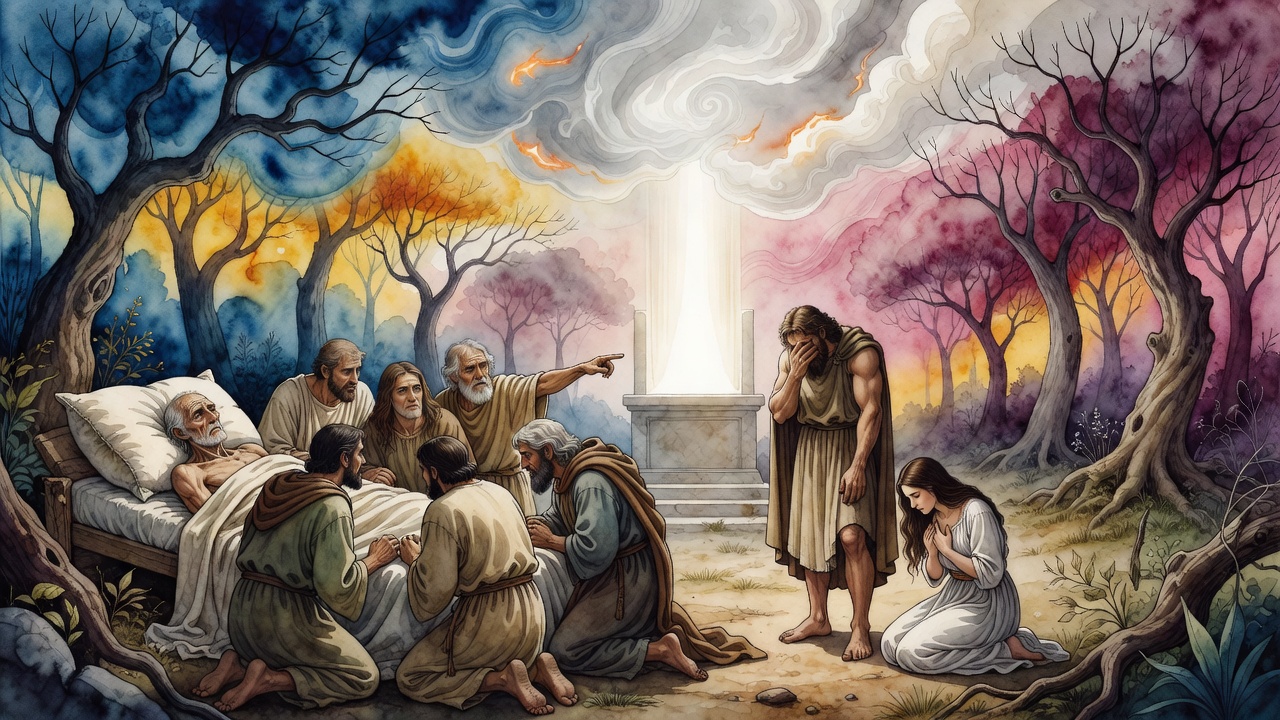
He was a hundred and twenty-five. He kissed his sons, then went back to the tree Eve had looked at until looking became eating.
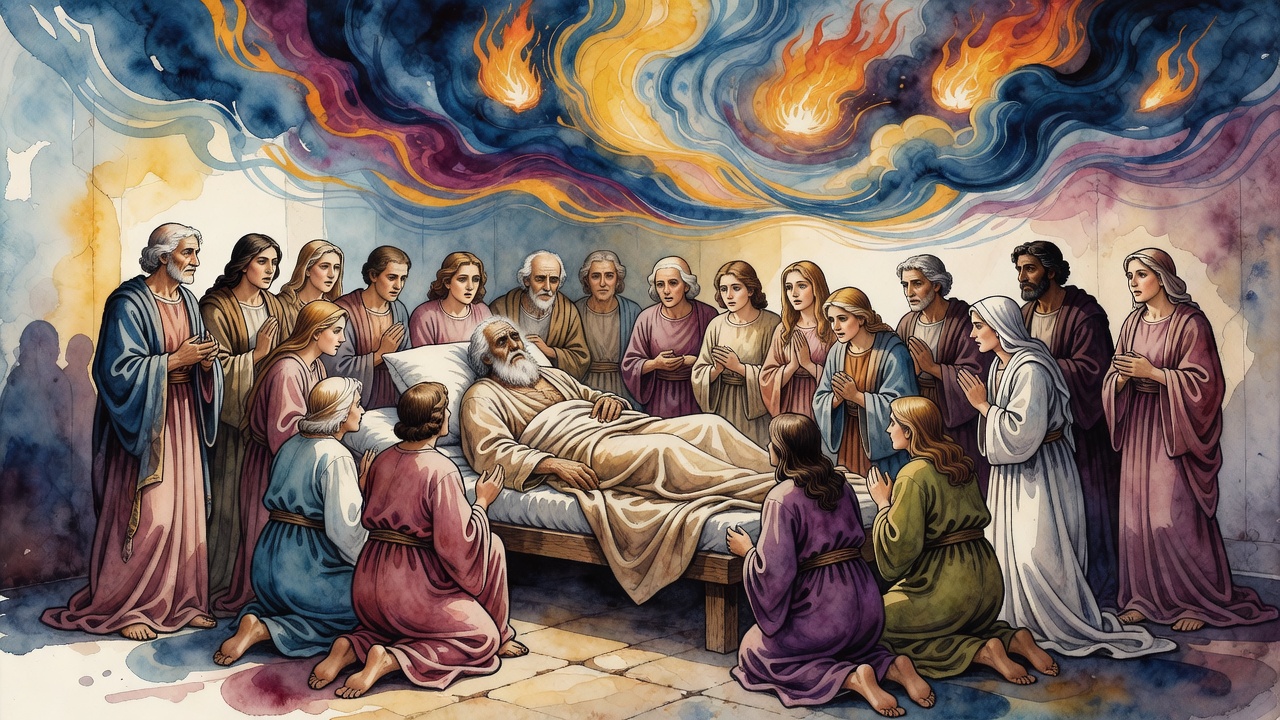
On his deathbed, the patriarch Simeon gathered his children and named the force that had once brought him to the edge of fratricide: not hatred, but envy.
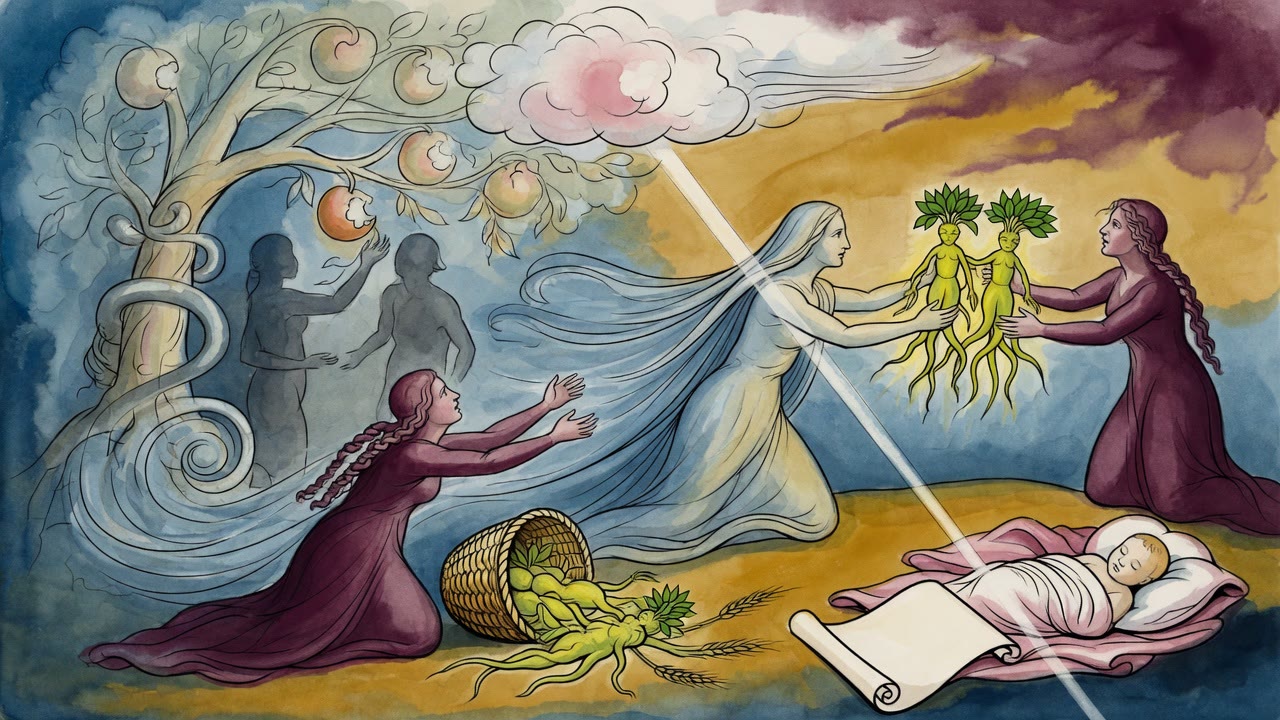
Reuben tied his father's donkey to a mandrake root and walked off. He came back to find the plant torn out of the ground and the donkey dead beside it.
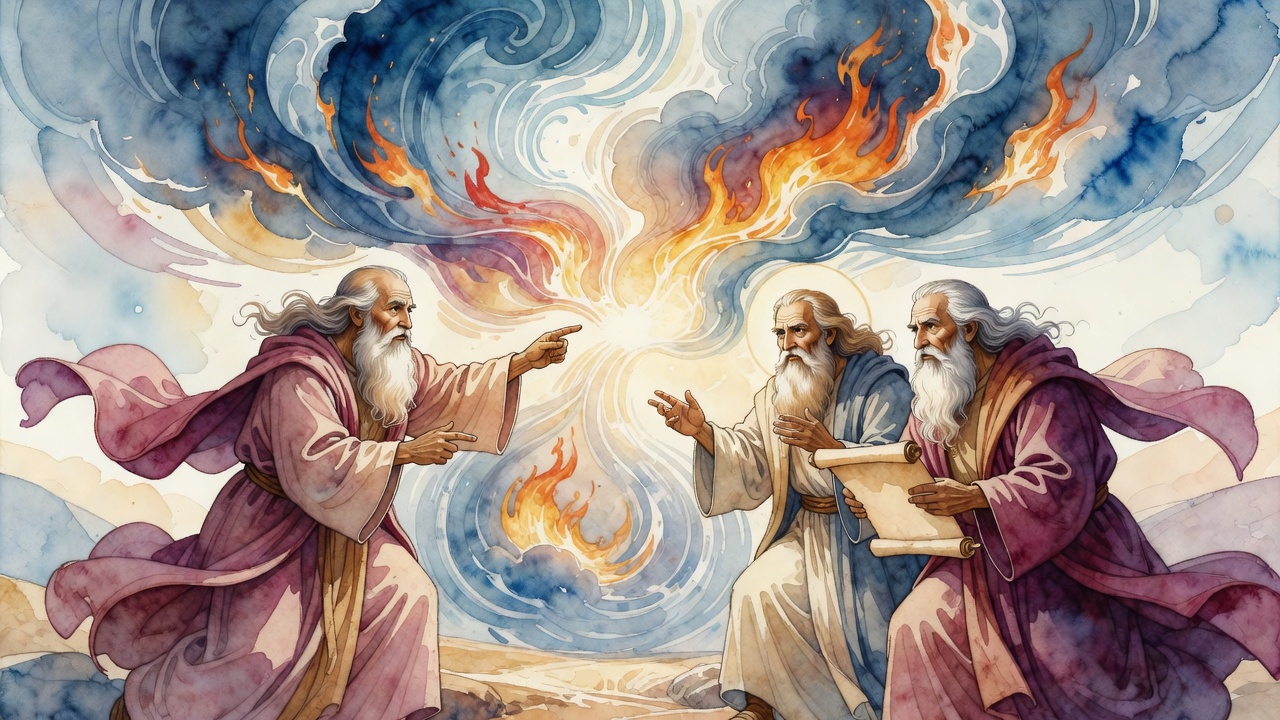
Numbers lists the rebel as Korah son of Yitzhar son of Kehat son of Levi, and stops there. The next name in that line should have been Jacob.
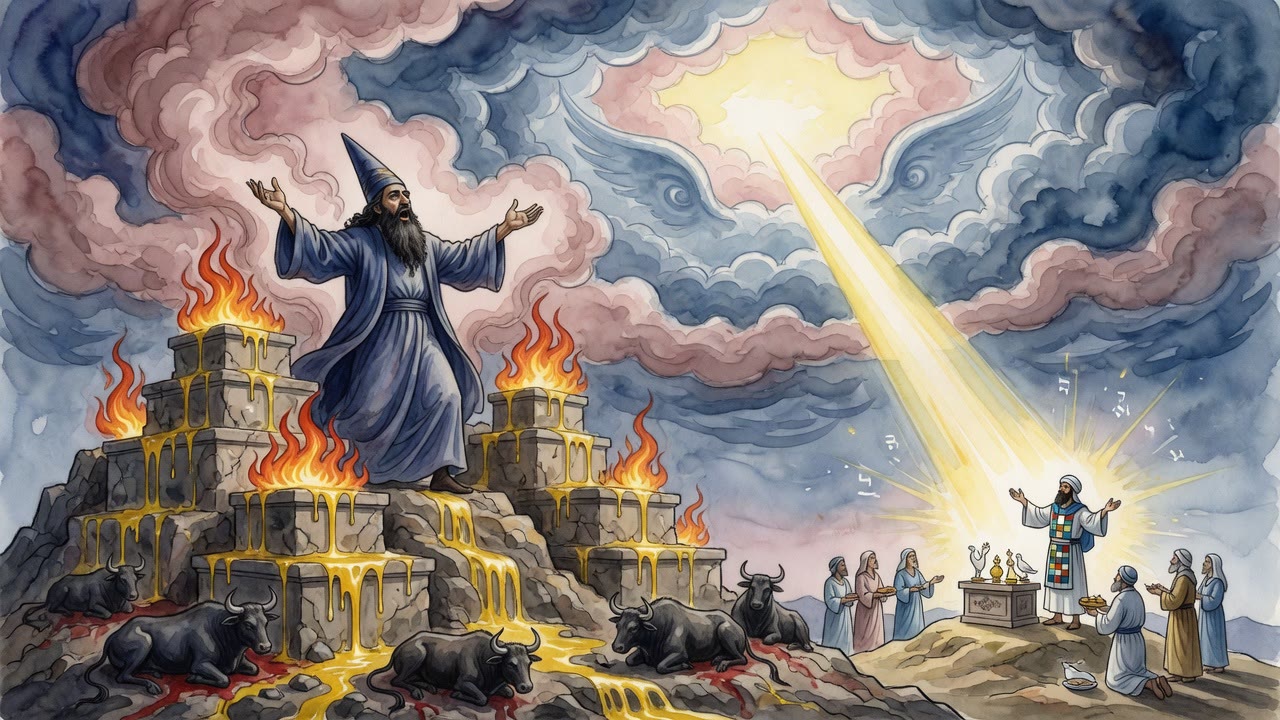
Balak paid for a curse. From the mountain Balaam's mouth opened and he saw David, the star from Jacob, and the King Messiah rising at the end of days.
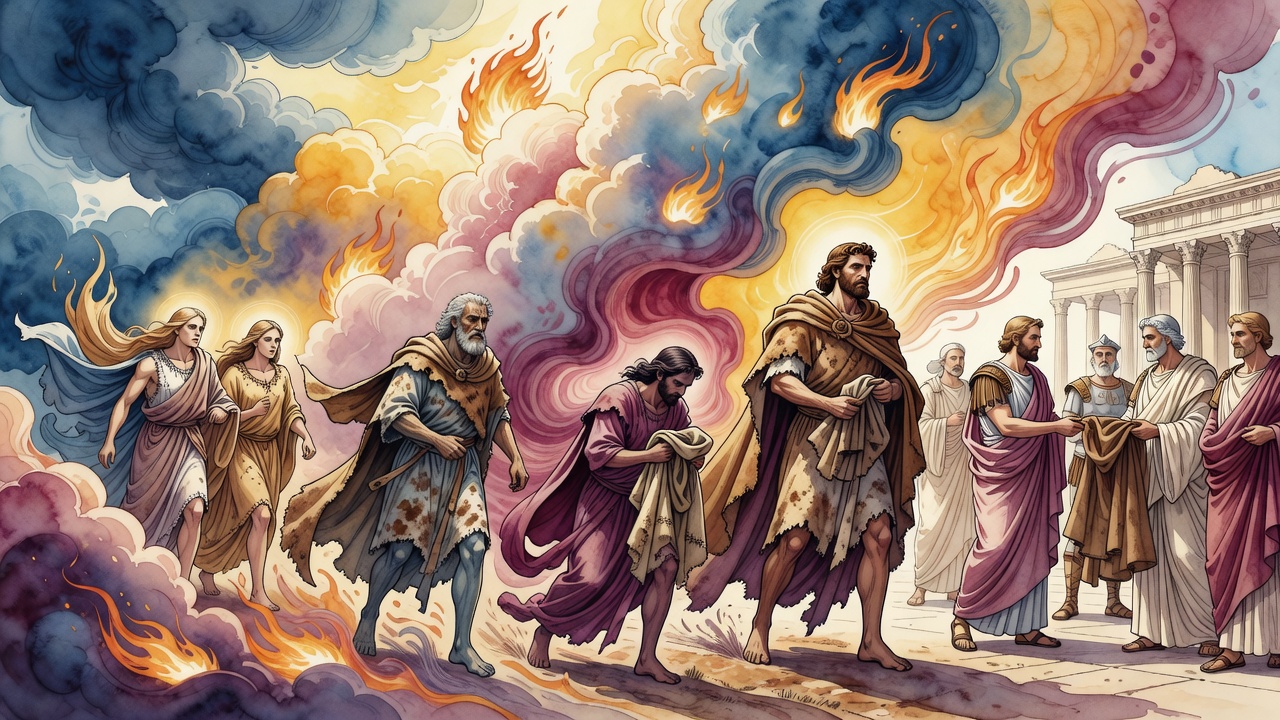
When Nimrod put on Adam's garments, the animals stood still for him. Esau killed him for them and stripped them off the body in the field.
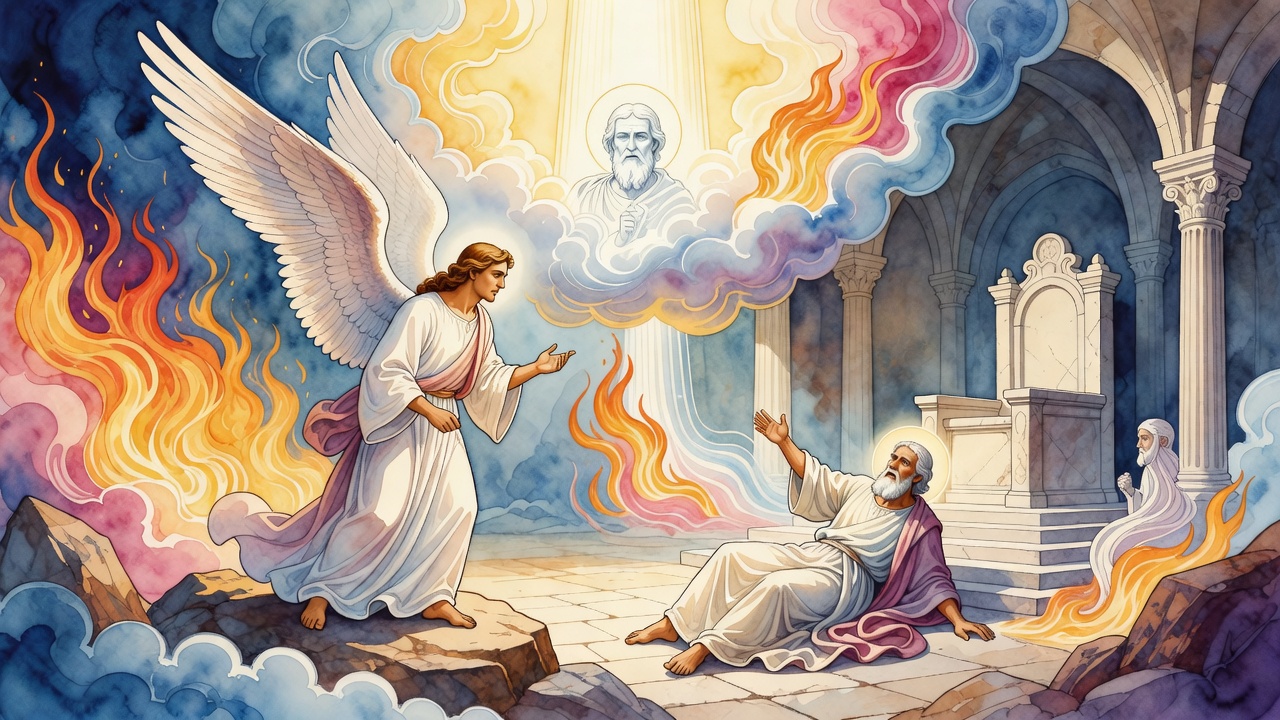
Michael sat through the whole meal and could not say why he had come. Abraham washed the visitor's feet and asked to see the gates first.
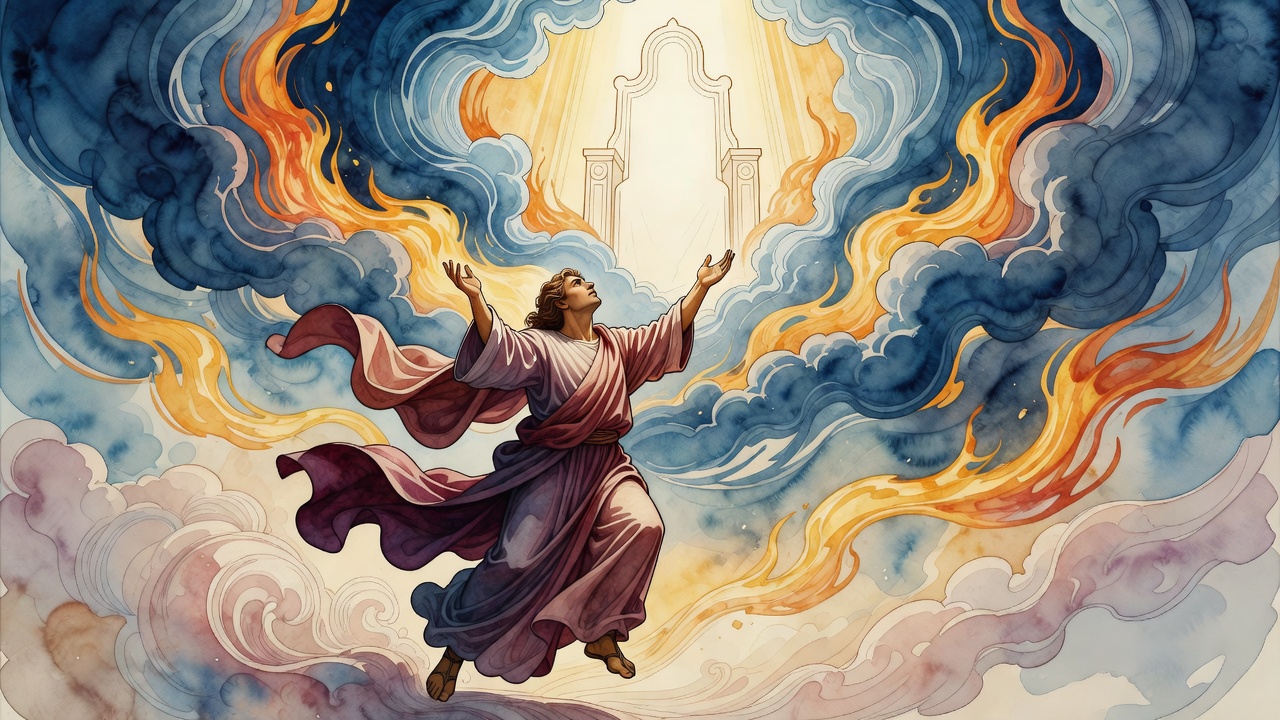
He was twenty, out with the flocks, when the sky opened and an angel told him to come in. On the road home he found the shield lying there.
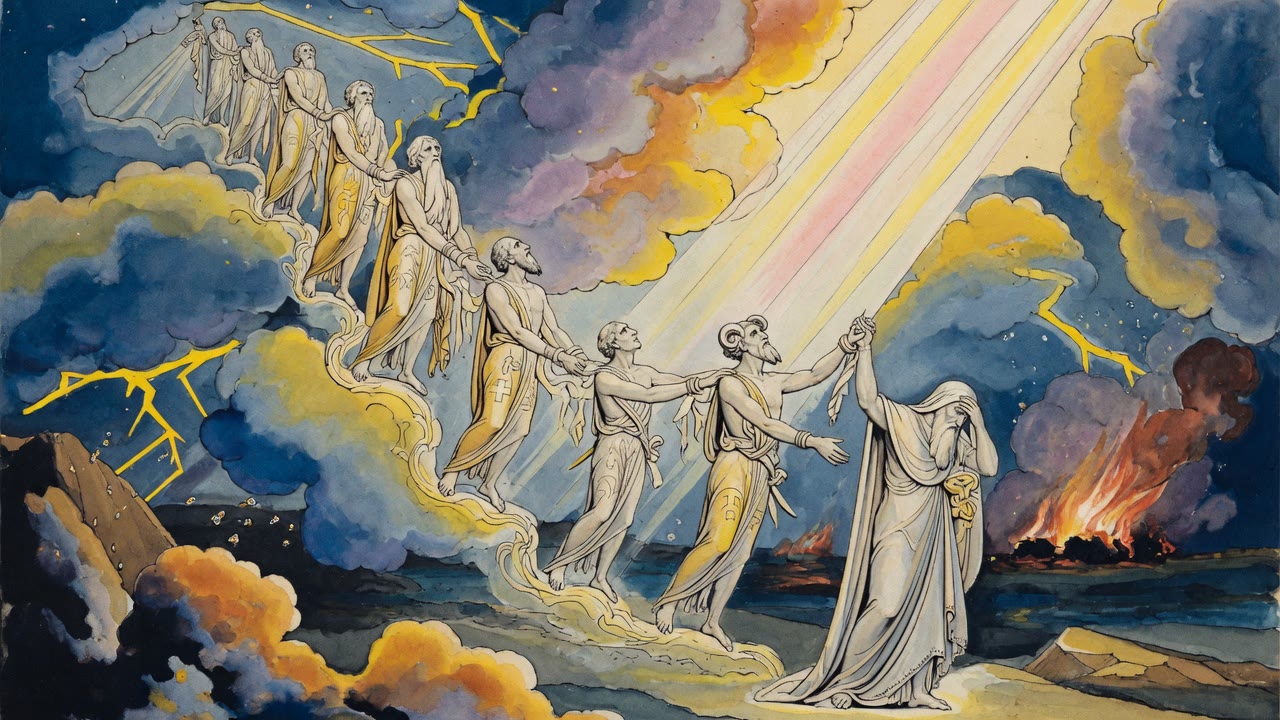
Lot chose Sodom and seemed to step out of the covenant. The rabbis found a hidden thread running from his fall all the way to King David.
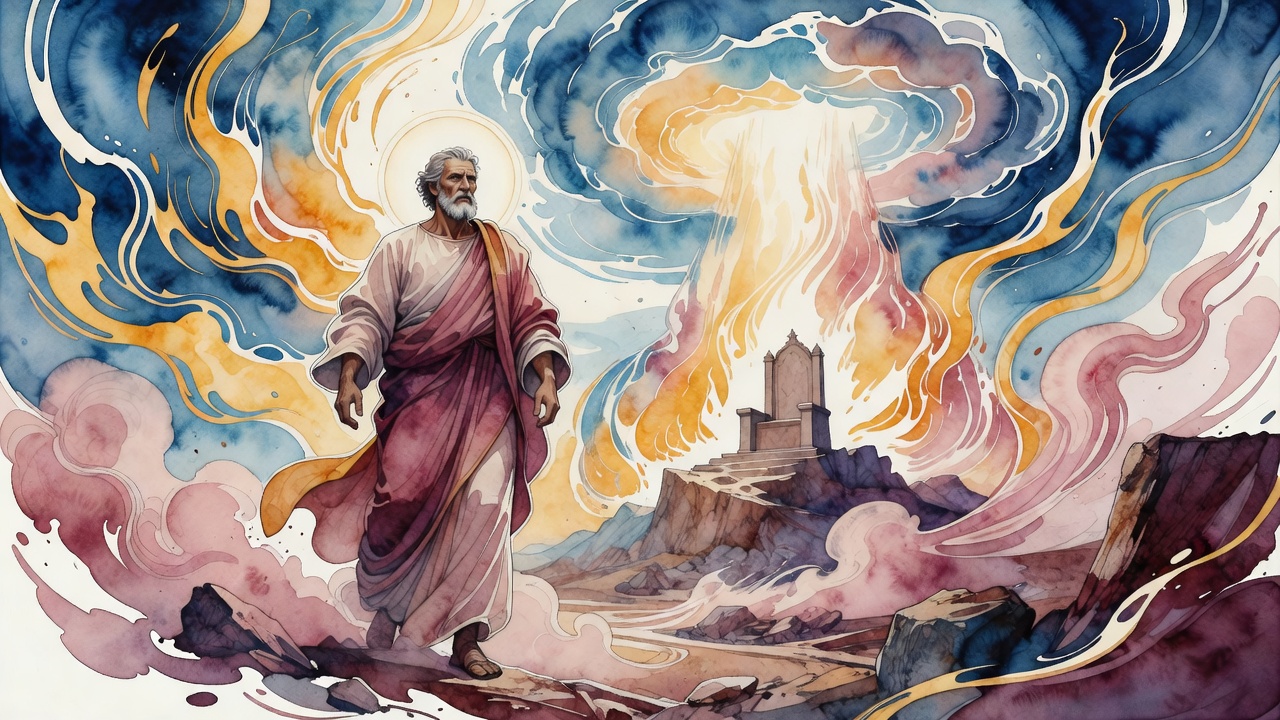
Elisha was plowing behind oxen when Elijah threw a cloak over his shoulders and said nothing. He performed sixteen miracles, twice Elijah's eight.
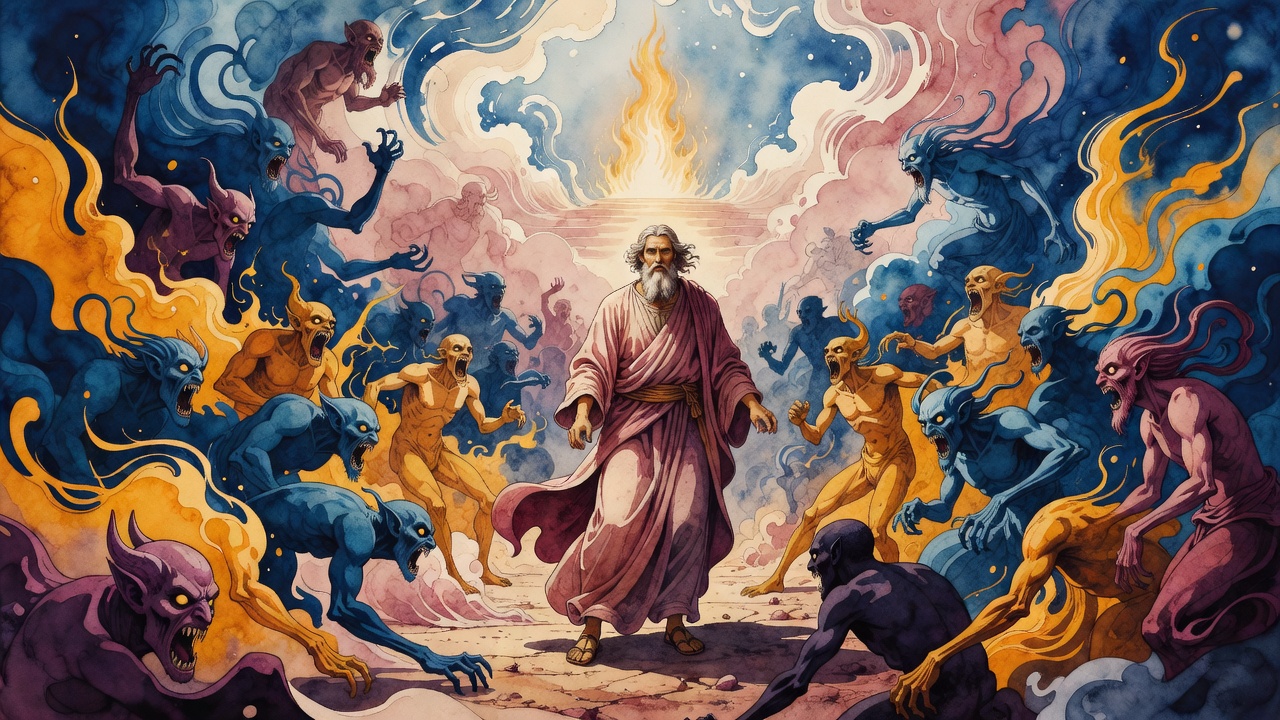
Two thousand years before there was an earth, a voice was already calling out for people to come back. There was nobody yet to come back from anything.
