308 myths · Page 6 of 11
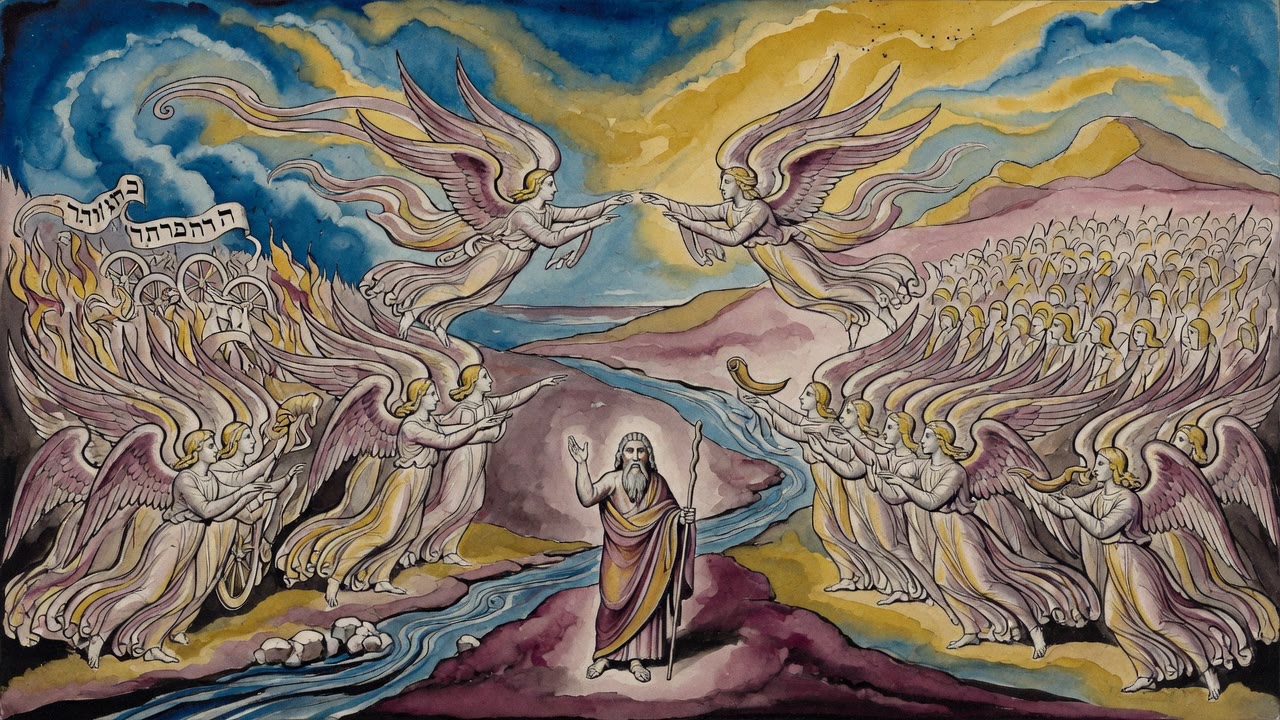
He looked at the host and said they were not Esau's men, and not Laban's. Then the messengers came back with four hundred riders.
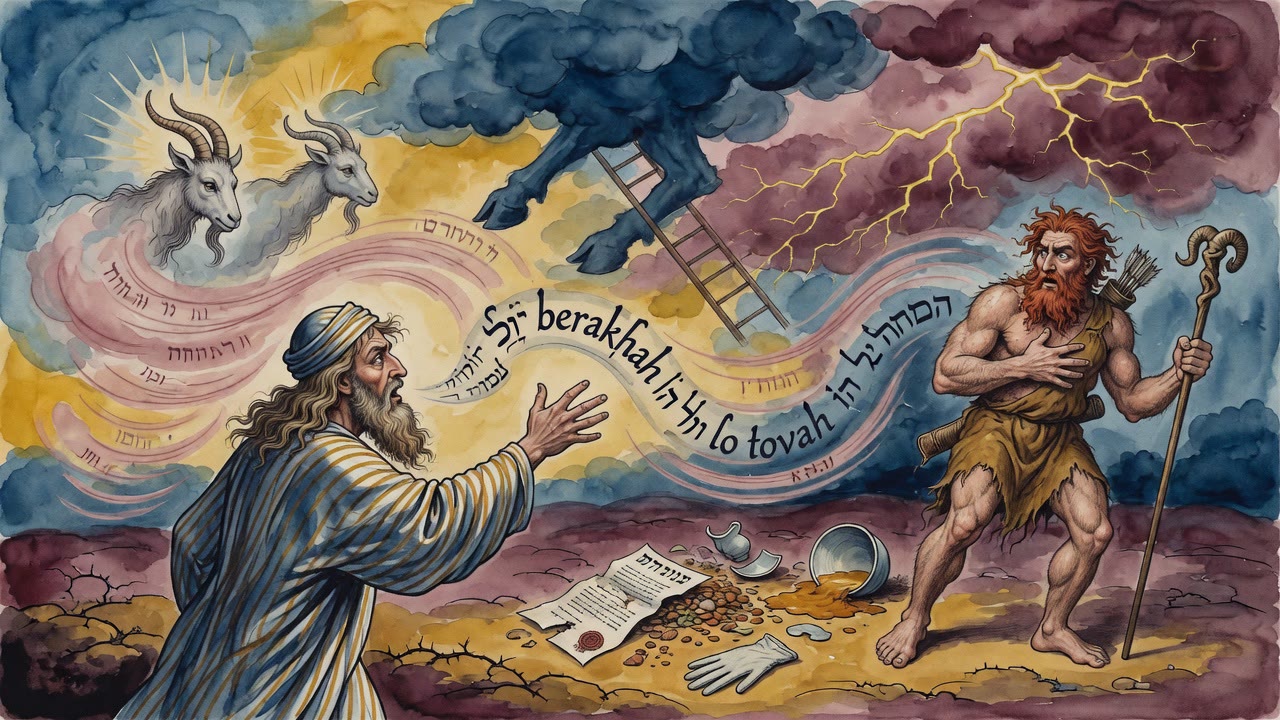
Jacob wept when he heard of Esau's four hundred men. He sent word that the stolen blessing had left nothing in his hand but a few cattle.
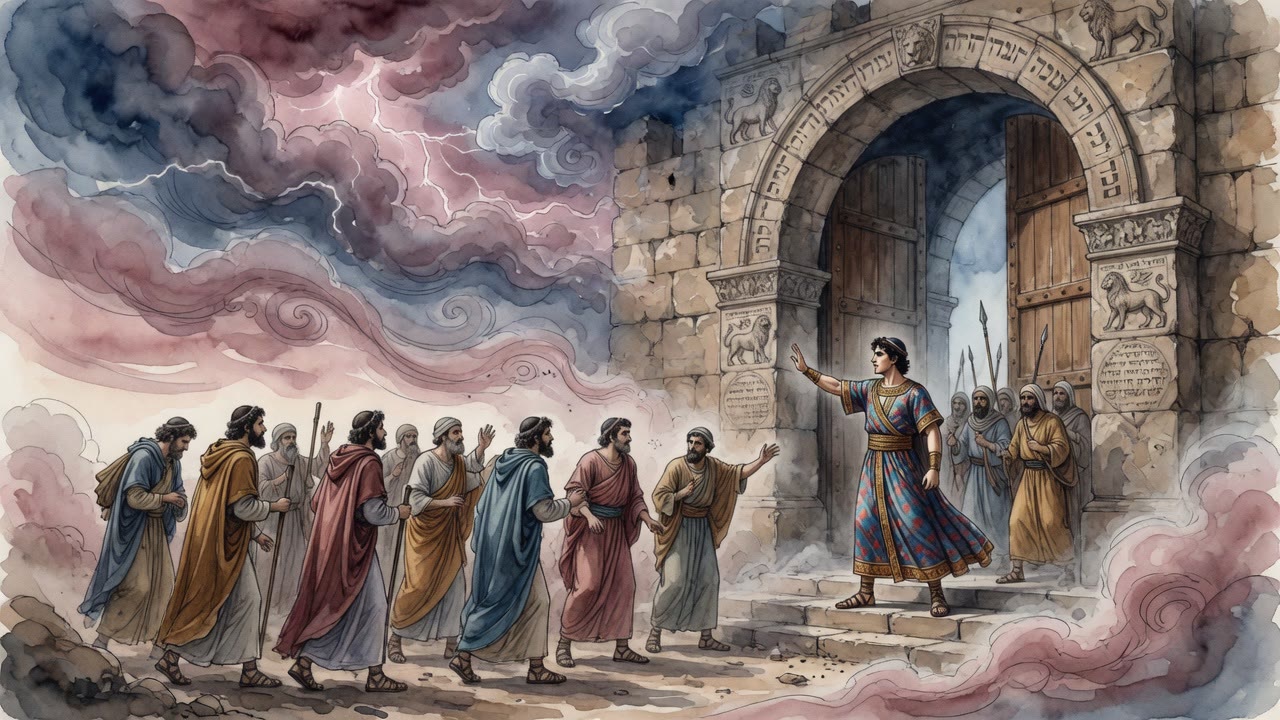
Shechem seized Dinah while his city watched. Jacob's sons invoked the covenant of Noah, and the tradition holds the whole city answered for it.
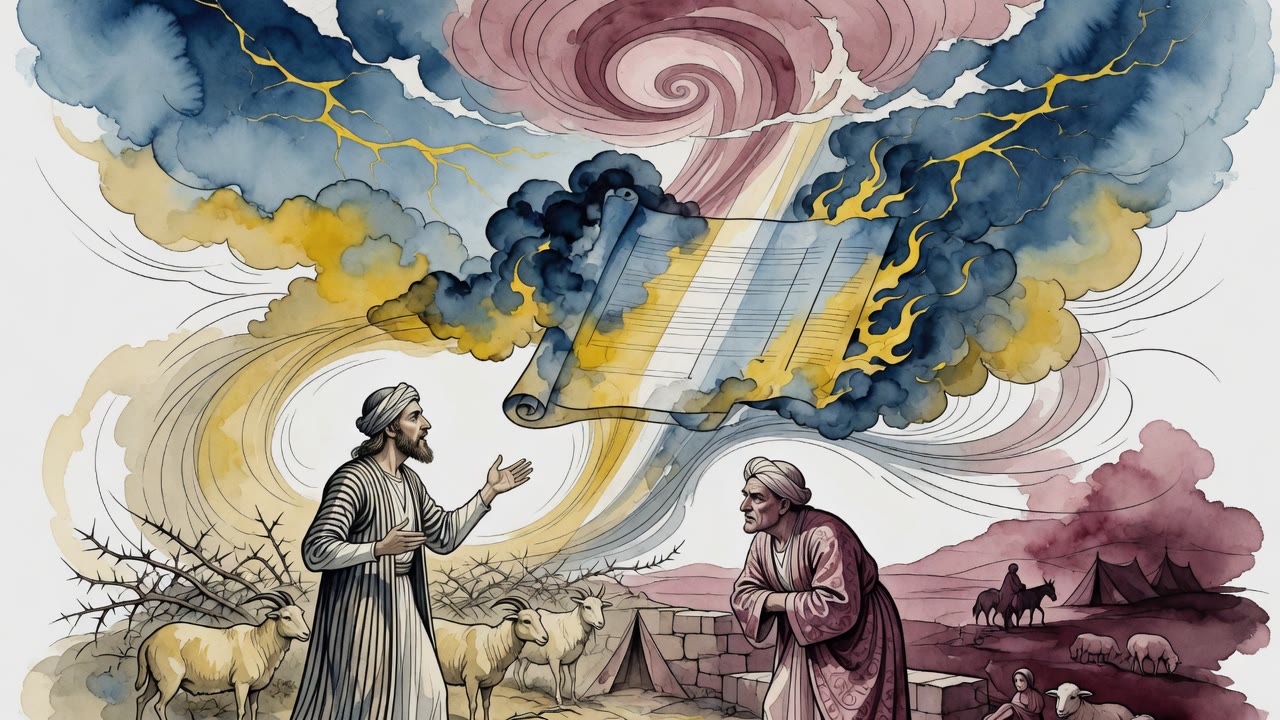
Esau was riding in with four hundred men, so Jacob shut his daughter in a chest. God told him exactly what the lid would cost him.
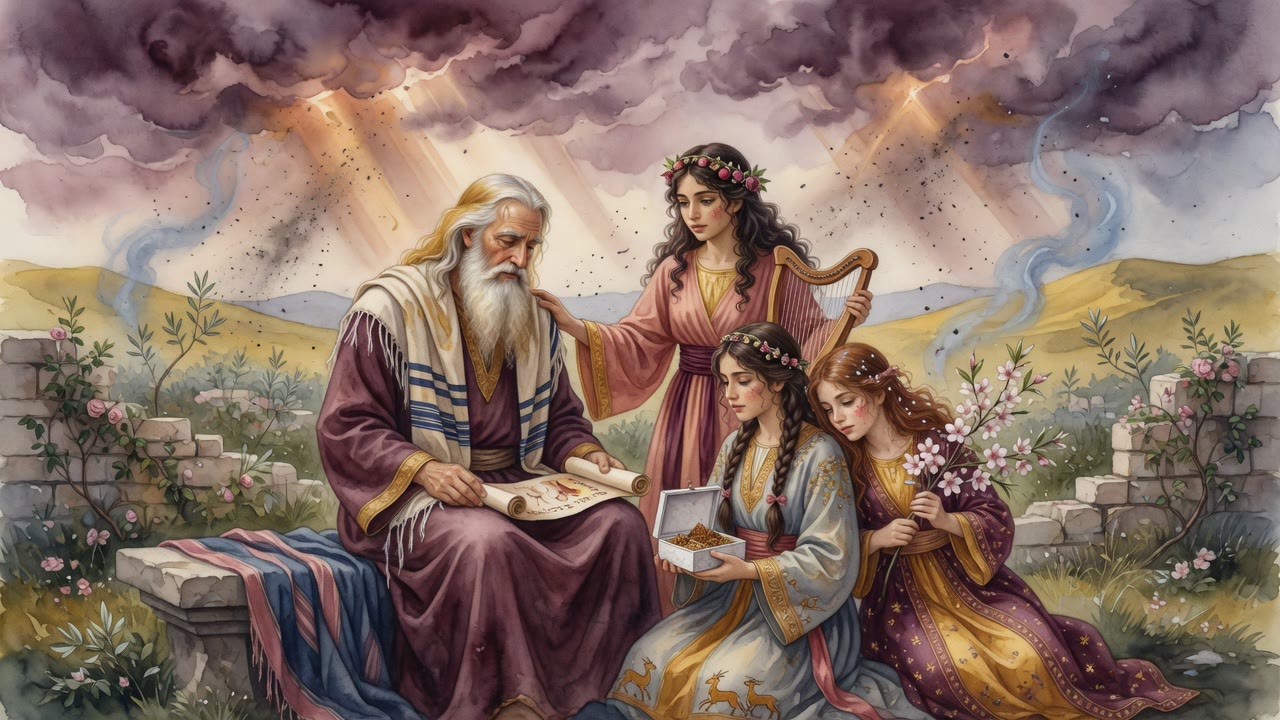
Job told Eliphaz to go look at his own father Esau. Eliphaz answered that a son does not carry his father's guilt, and heaven made him carry it anyway.
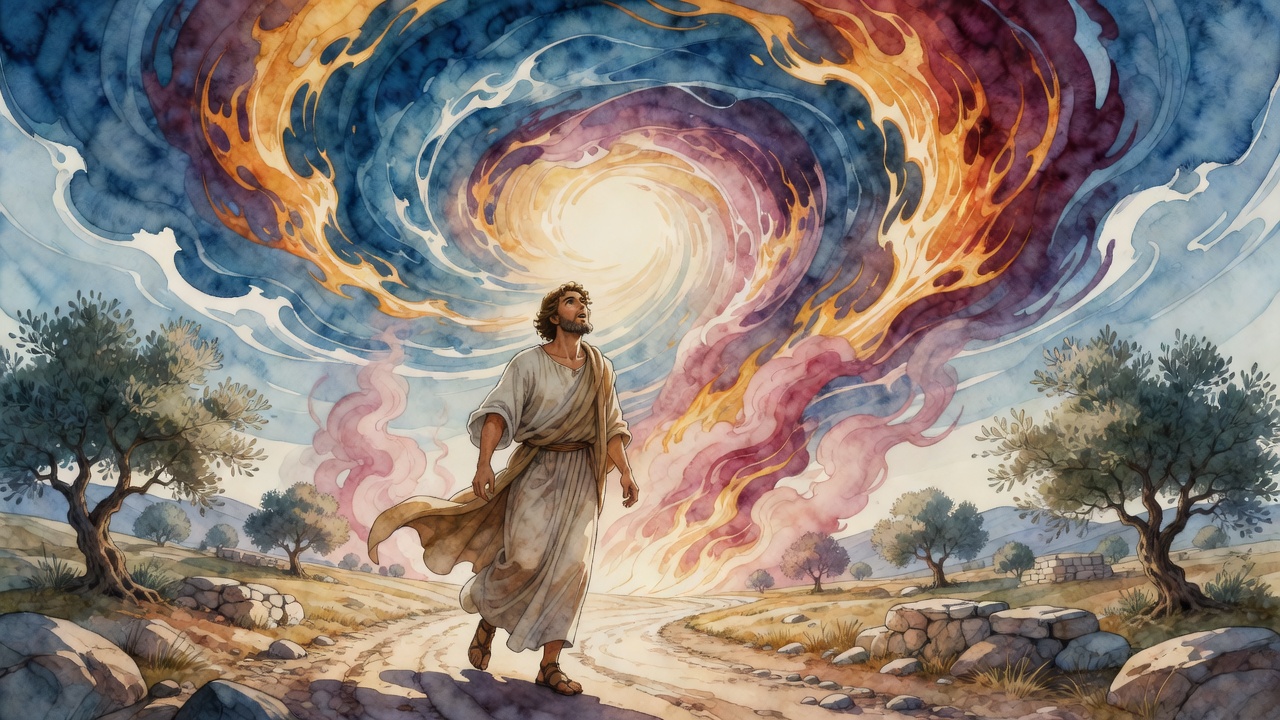
Jacob told him to walk by daylight and send word. He never said come home. In the empty fields near Shechem, a man was already waiting.
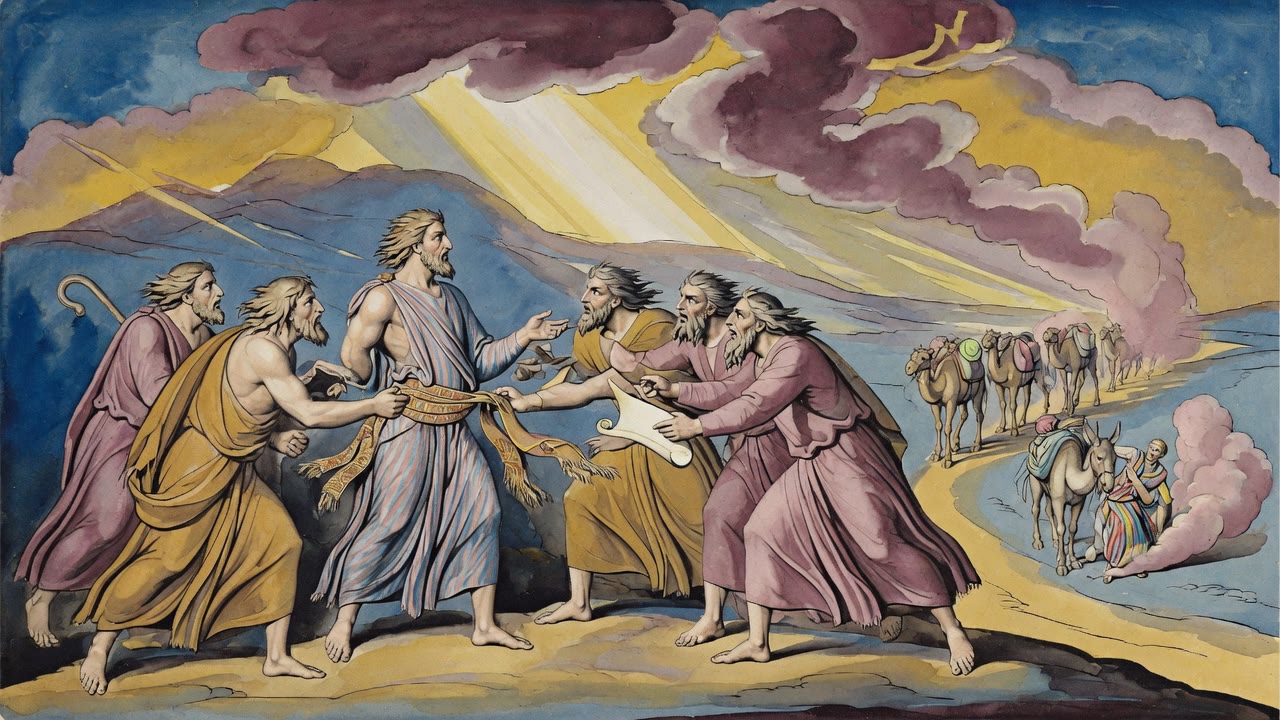
His brothers took the crown off him and put him out of the family. A Canaanite king threw him a feast, and the king's daughter kept his cup full.
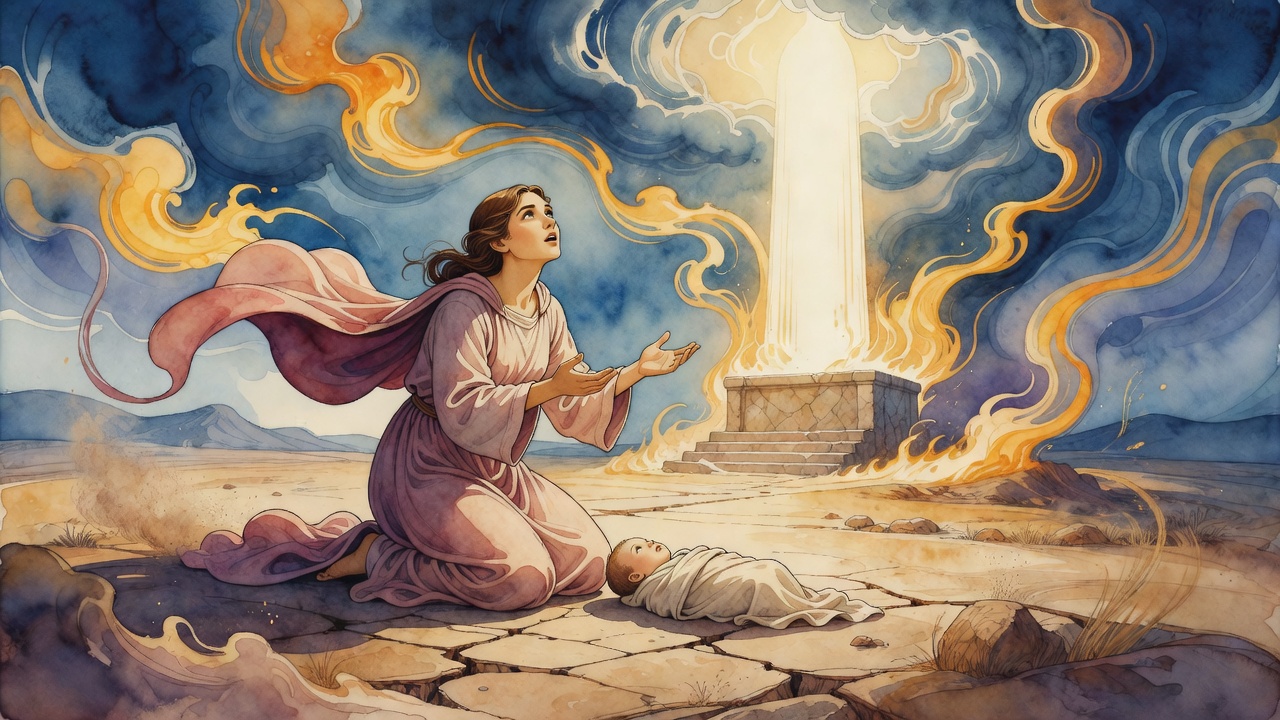
Jacob would have four wives and twelve sons. Three apiece was Leah's portion and she already had hers. Then a fourth boy came, and she counted.
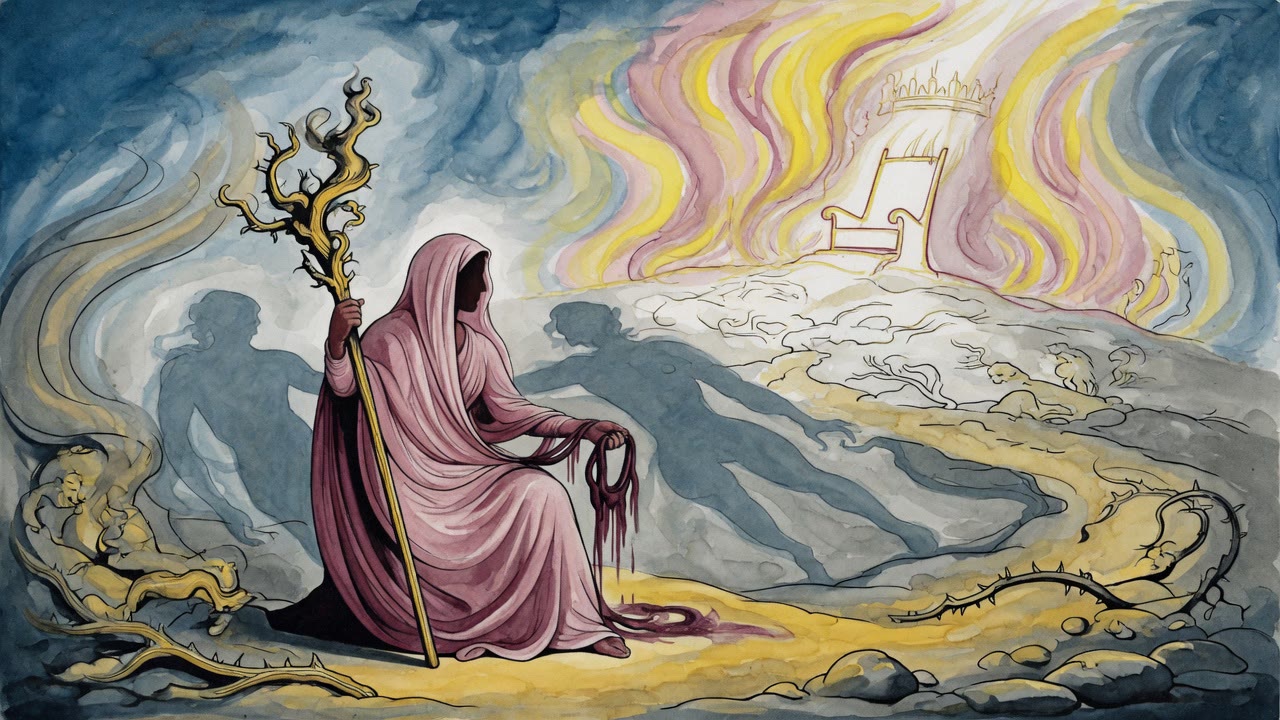
When Tamar was brought before the judges, Isaac sat on the bench. So did Jacob. So did Judah, who had to speak first and already knew what he had done.
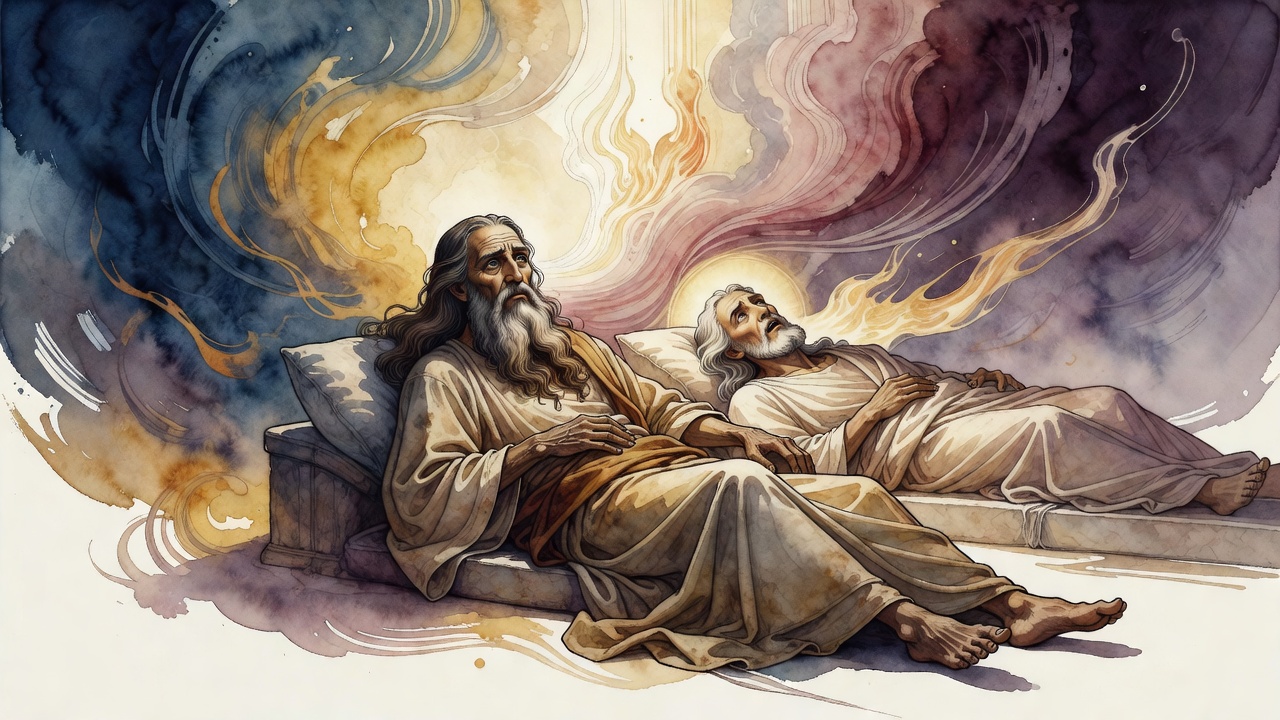
Judah's last words listed the lion he killed barehanded and the bear he flung off a cliff. Levi told his sons to teach their children to read the Torah.
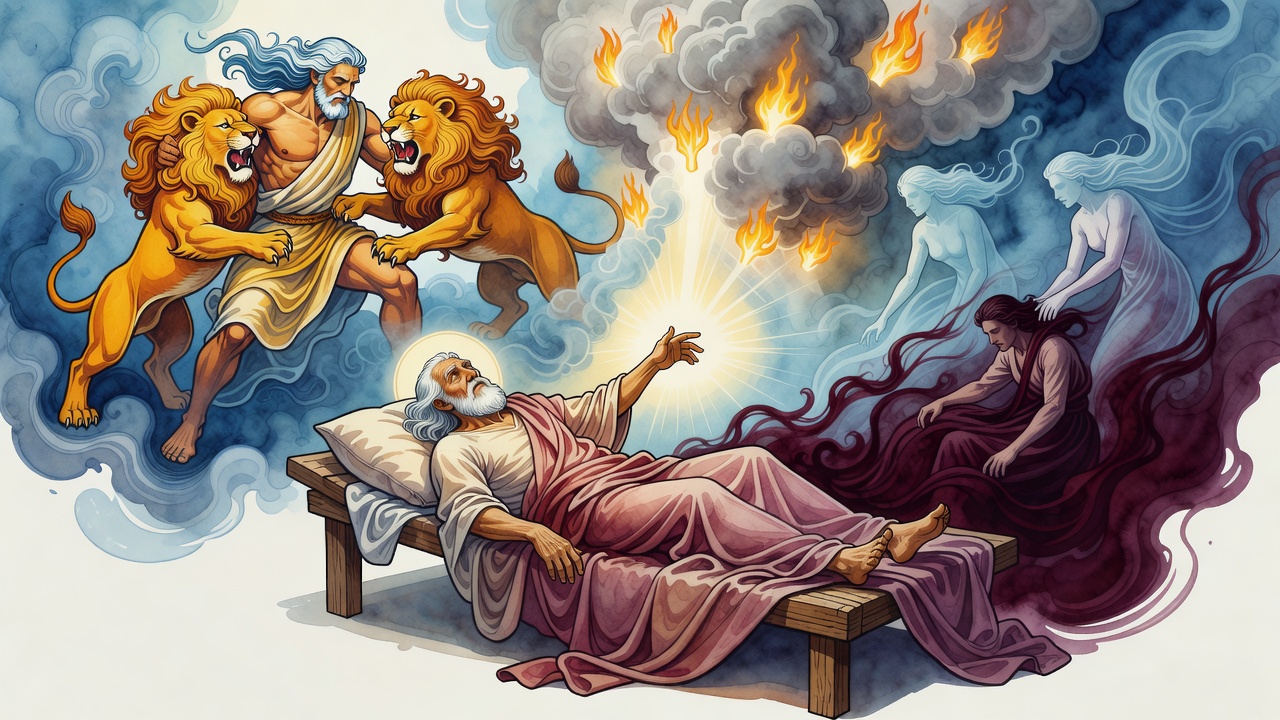
Judah killed lions bare-handed. Wine and beauty brought him low twice. On his deathbed he named both failures so his children could see the terrain.
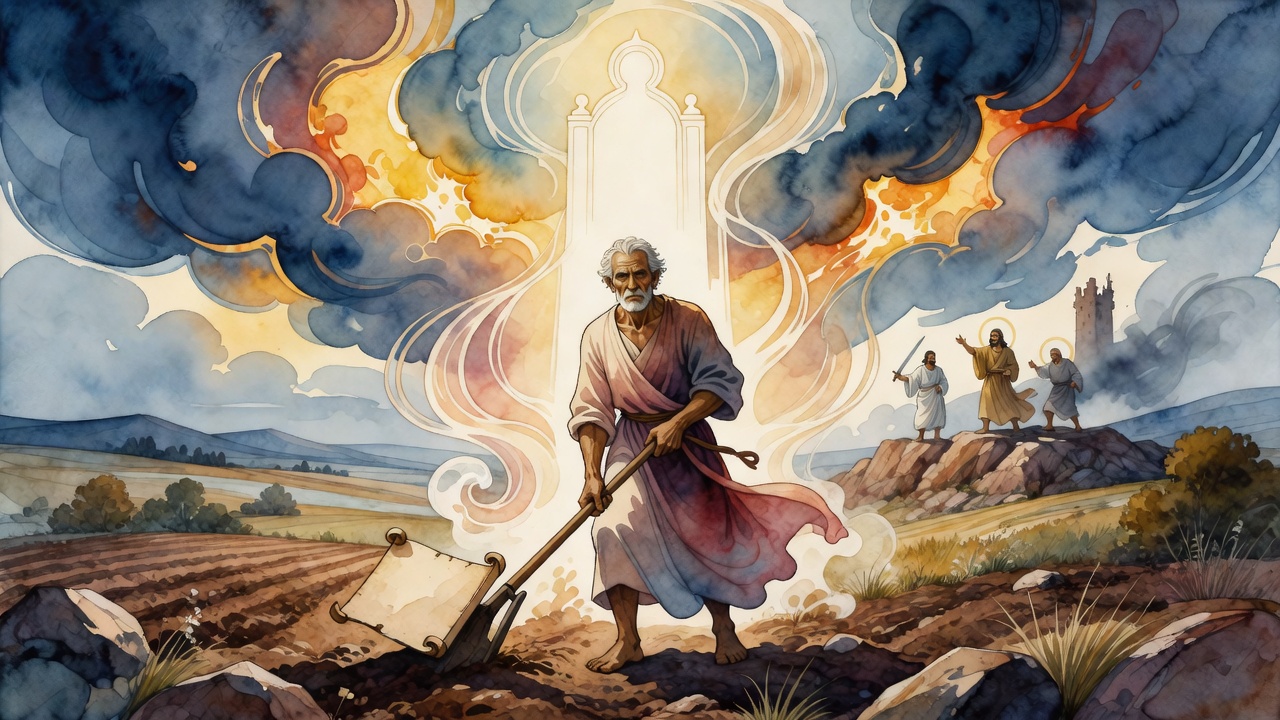
While his brothers sought power, Issachar farmed. He did not marry until he was thirty, too worn out by the fields for desire to find him at night.
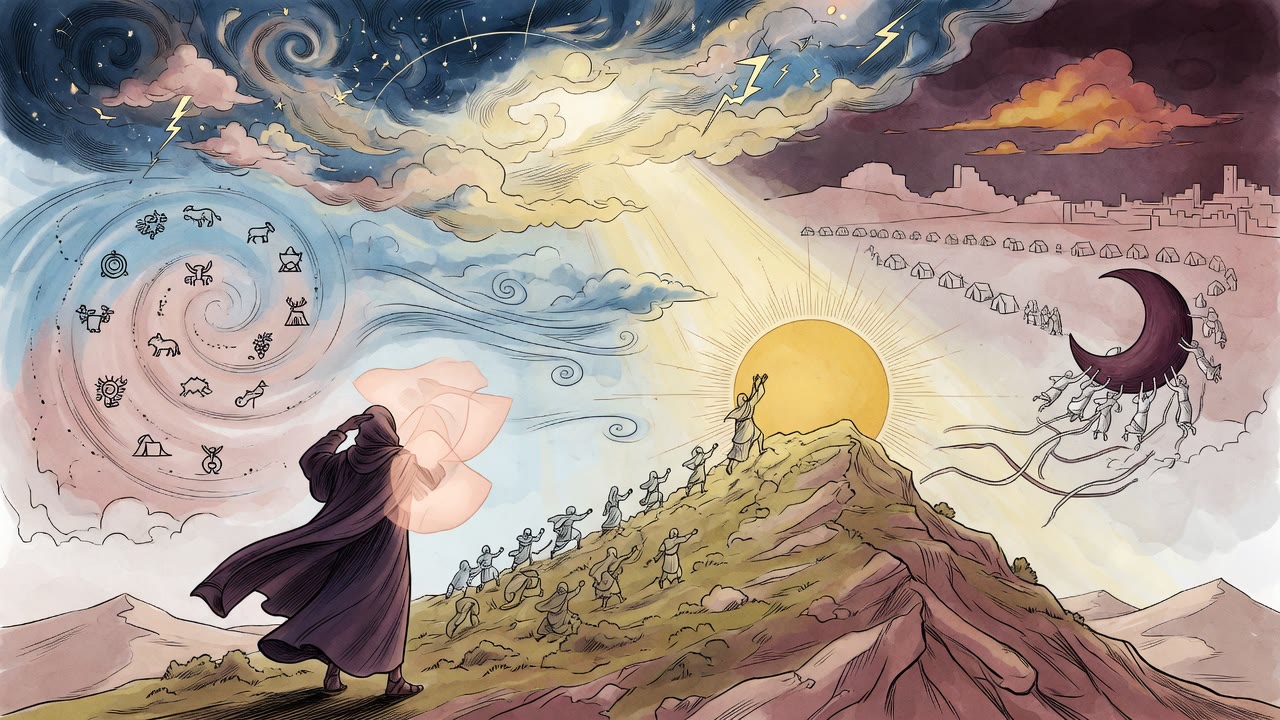
At 132, Naphtali told his children he was leaving no silver and no gold. What he left instead was one commandment he called the easiest thing in the world.
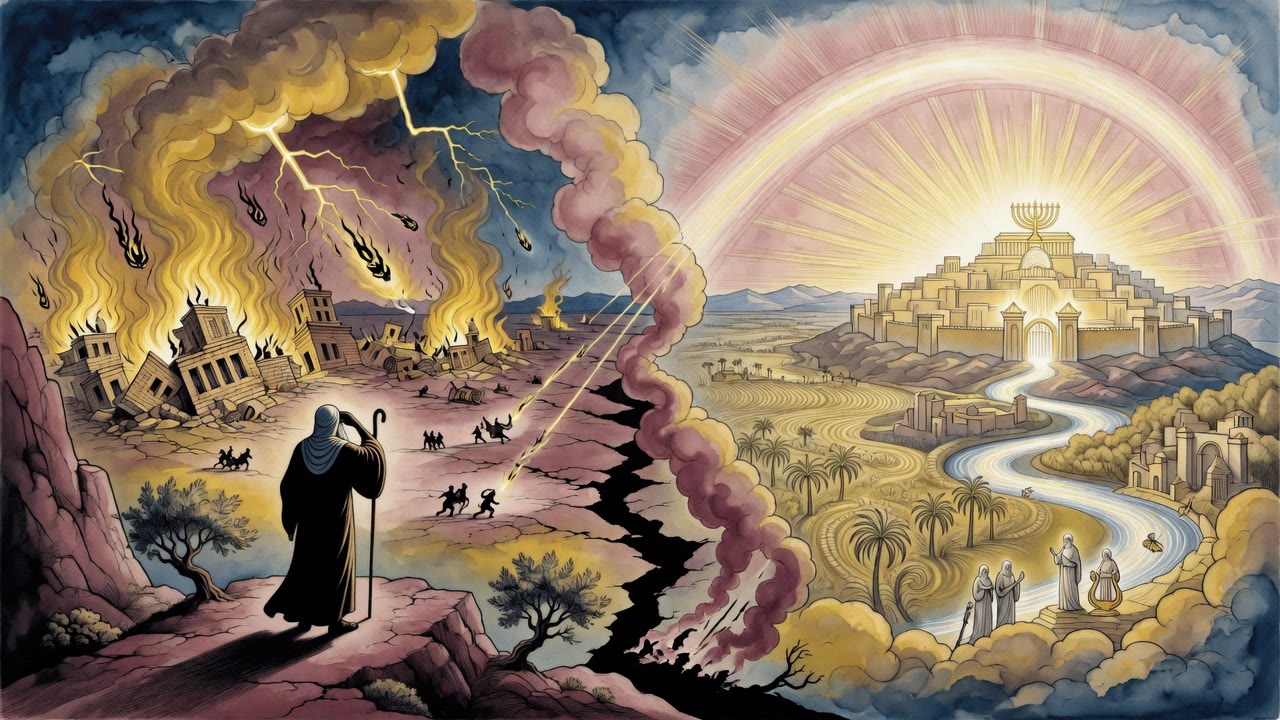
Jacob saw a vision of Joseph numbered among celestial beings, before Egypt, before the pit. He understood at once this greatness would cost Israel everything.
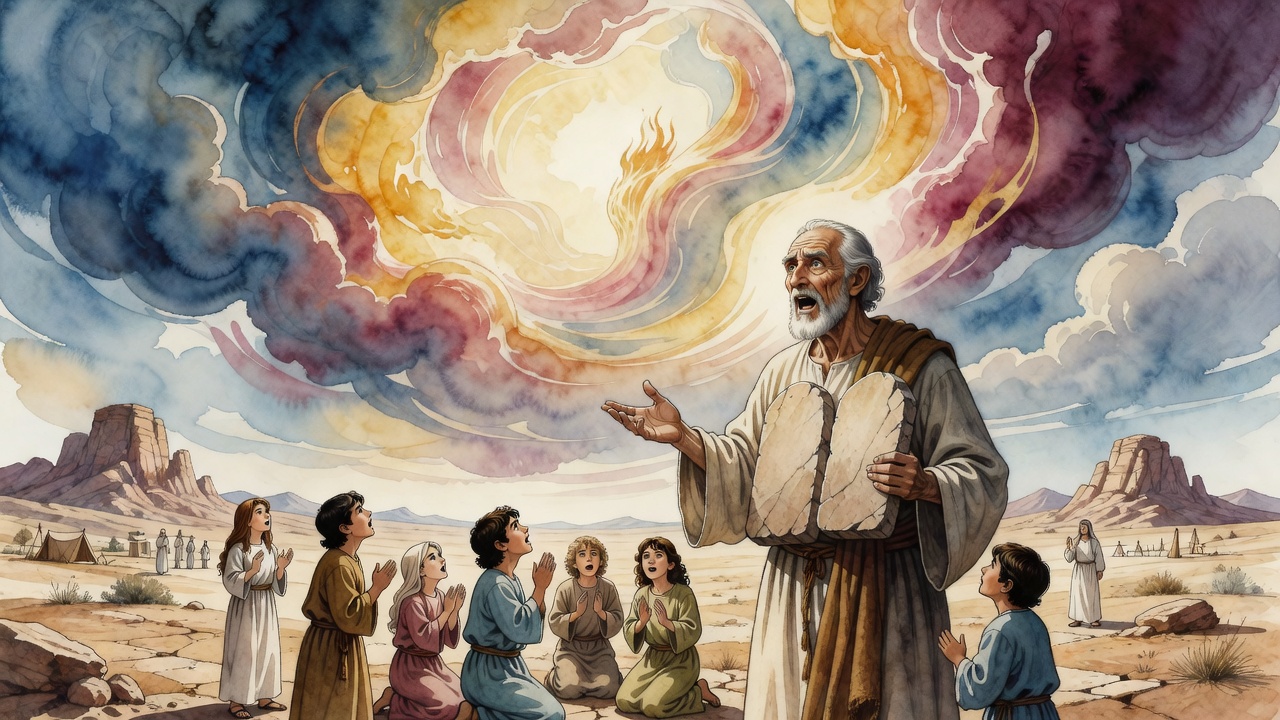
Centuries before the Temple was built, a patriarch warned his children: act like Sodom and your sanctuary will fall. He had read it in the tablets of heaven.
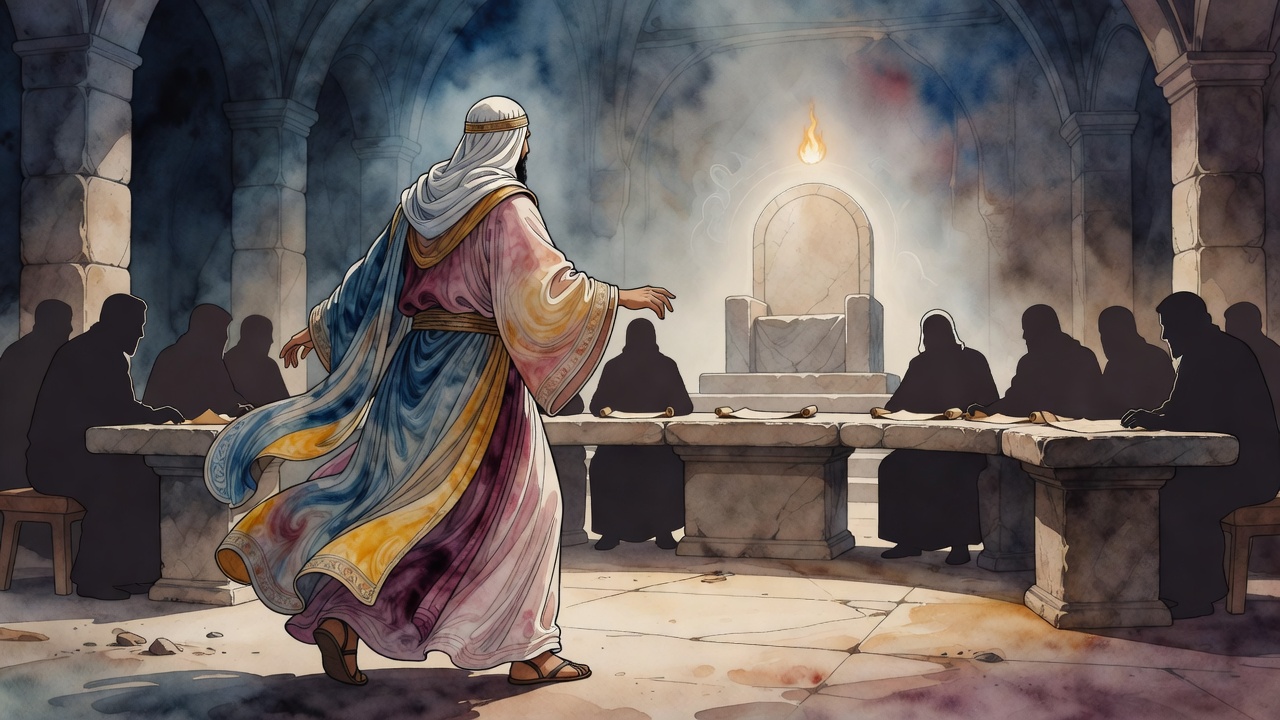
Balak wanted a plan against Israel. Reuel named four generations of rescue. The king still asked for a curse, so Reuel left the room.
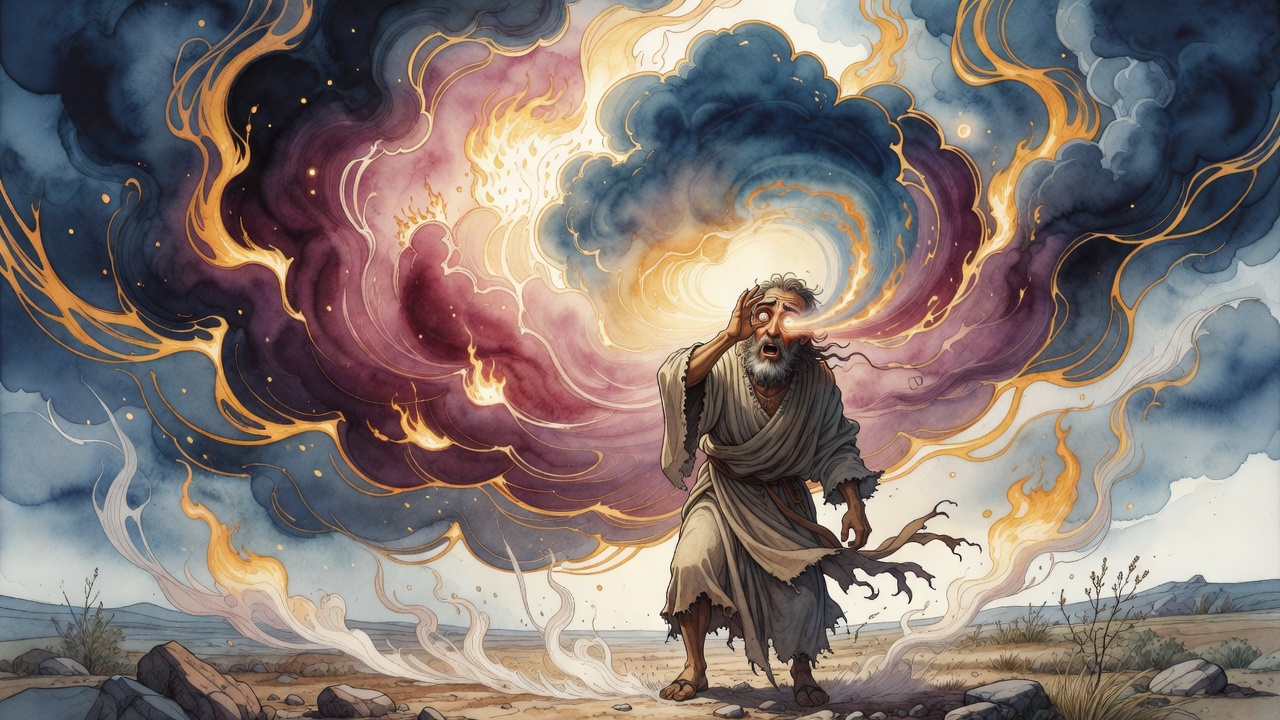
God asked Balaam a simple question. Balaam used it to boast. The reply cost him an eye and stripped his curse of force before it began.
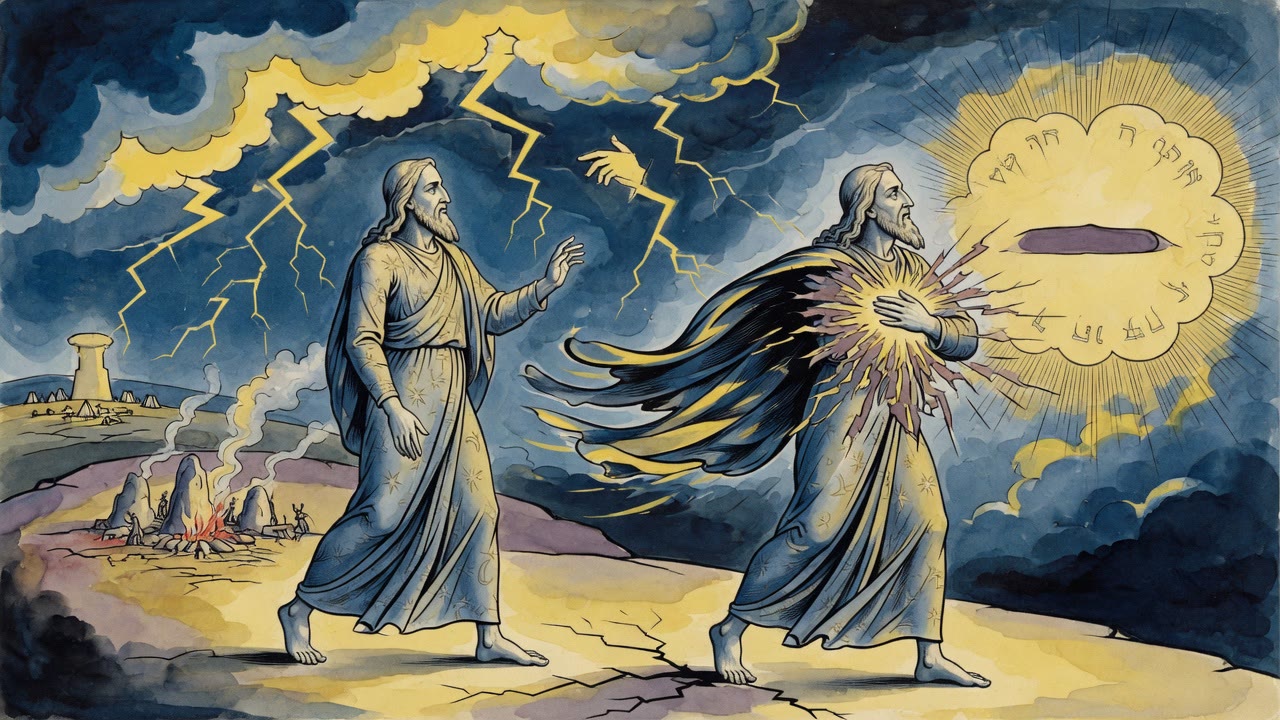
When God finally let Balaam see the angel blocking his road, Balaam fell on his face. He could not stand. His donkey remained upright.
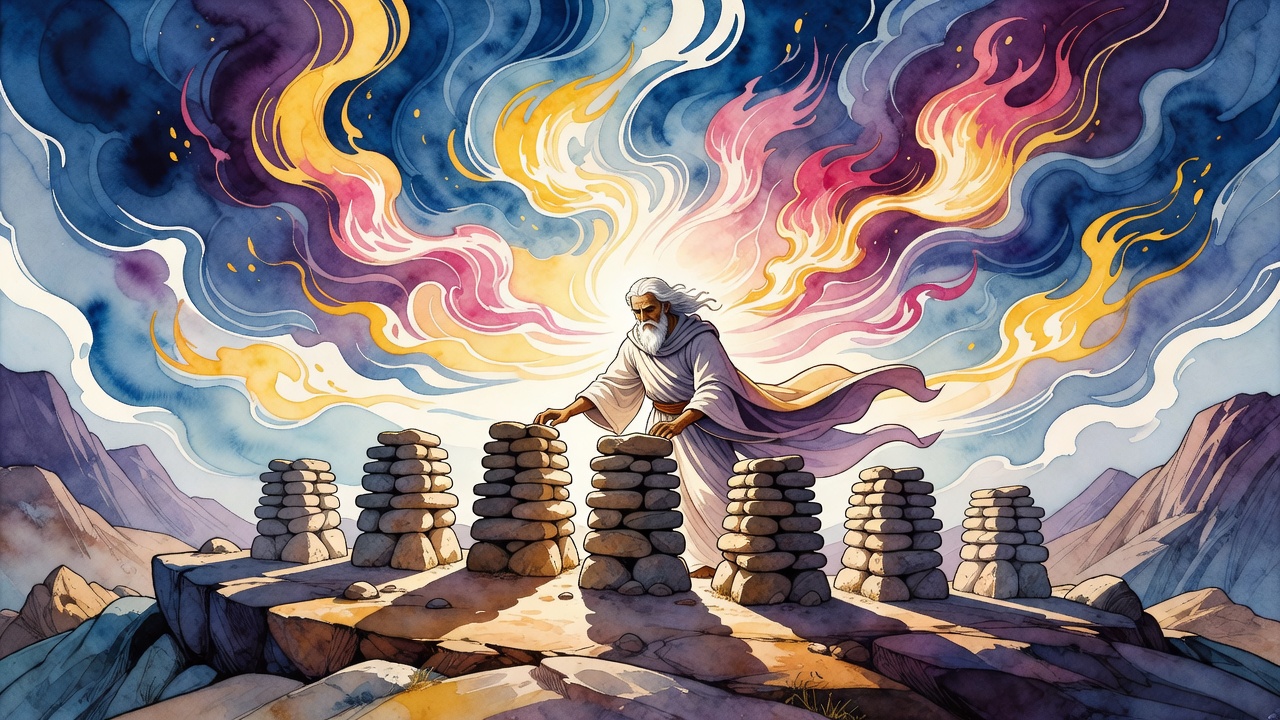
Balaam counted every altar the patriarchs had ever built, then built the same number to match their merit. God answered with a single verse about dry bread.

Tabor still had dry shoulders from the Flood. God sent the tall peaks home and chose the small one that had torn itself from Moriah.
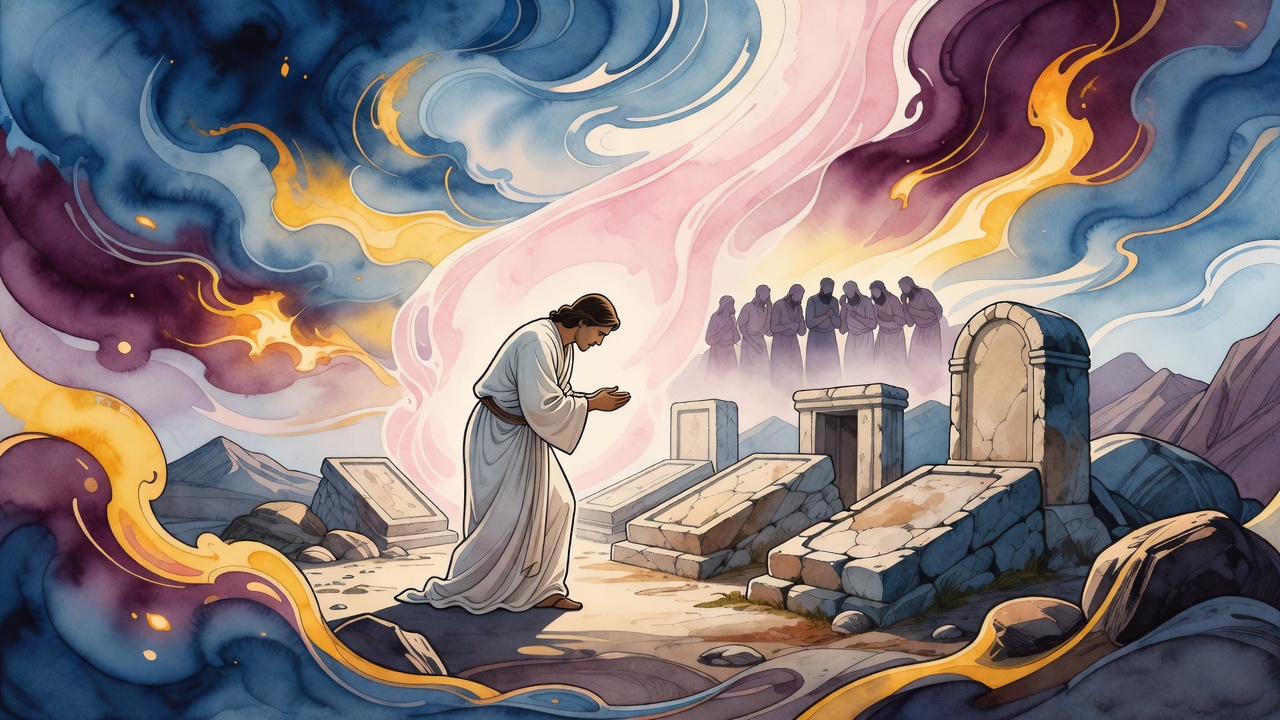
The ten had already chosen their report. Caleb left camp at night and stood at the graves in Hebron, asking bones to keep him from their counsel.
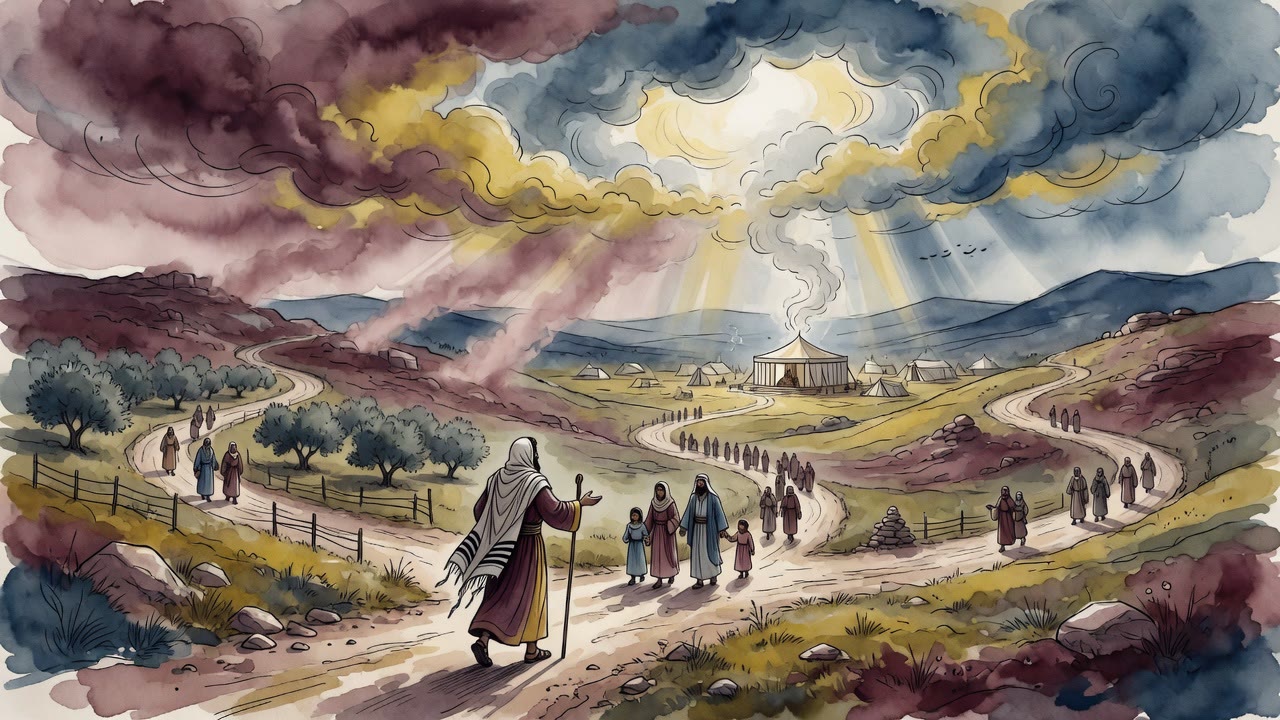
Five households followed him the first year, ten the next. God was ready to wreck the world over Micah's idols, and one man's road kept holding.
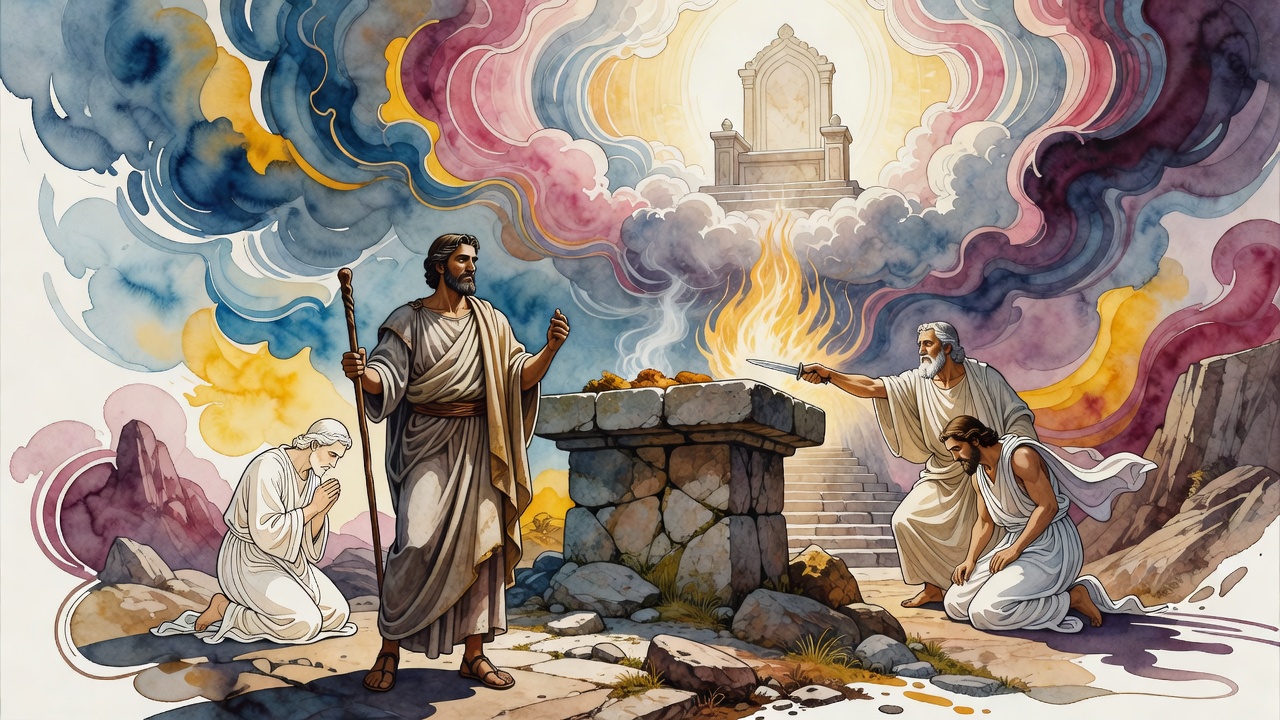
When David claimed Jerusalem, he was not discovering a place. Adam had prayed there. Noah had built an altar. Abraham had nearly lost his son there.
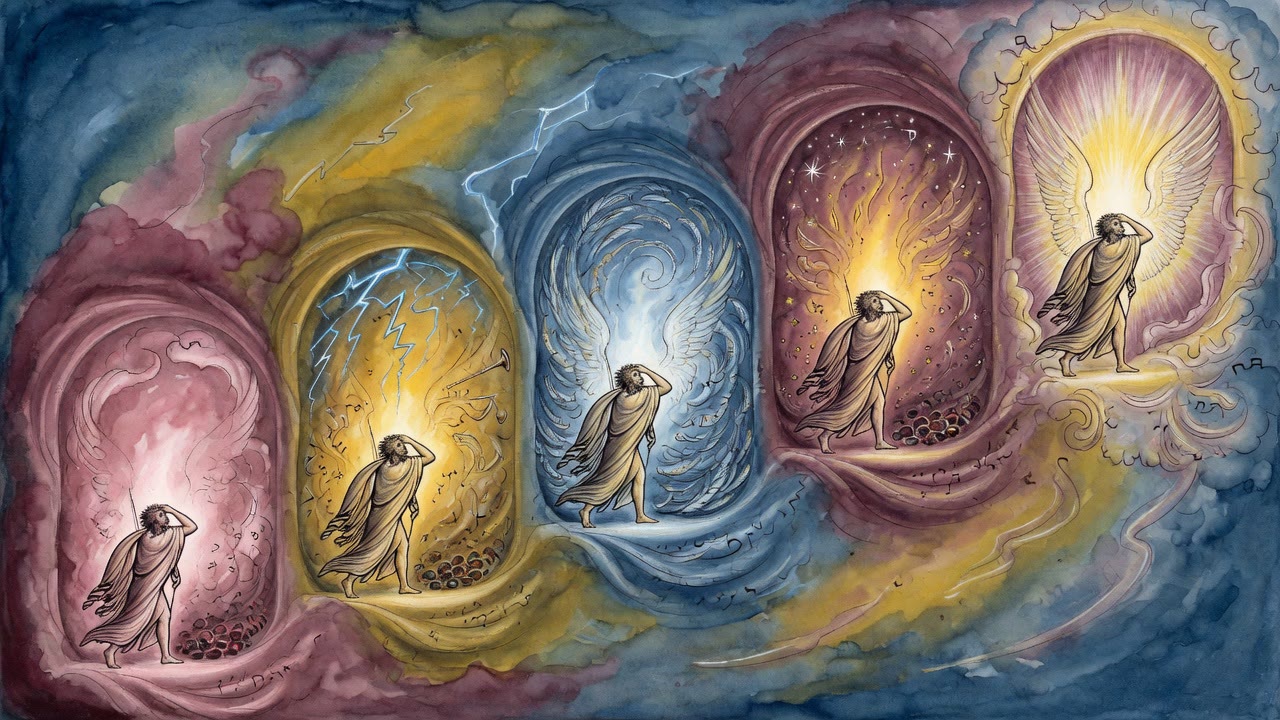
The first division drank the Jordan dry. The last kicked dust. Hezekiah spread the letter on the Temple floor and waited.
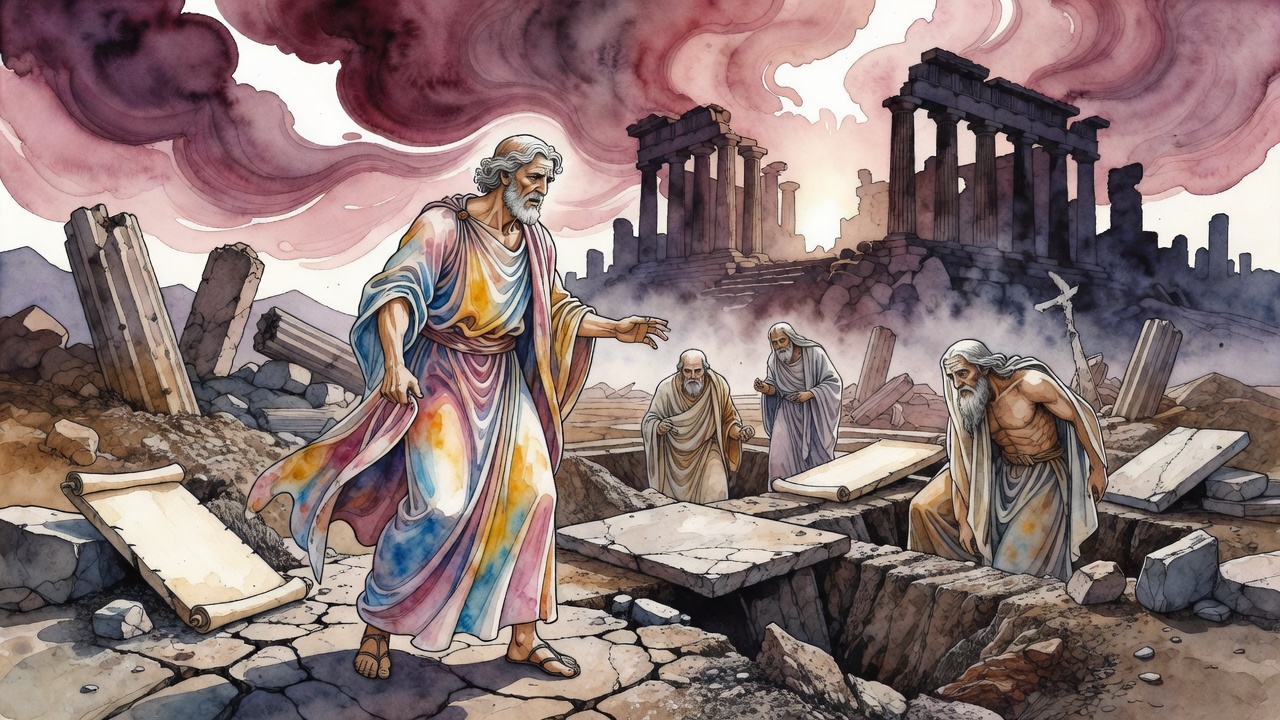
After the Temple fell, God sent Jeremiah to wake the Patriarchs from their graves. Jeremiah lied to them. He feared they would blame him for what had happened.
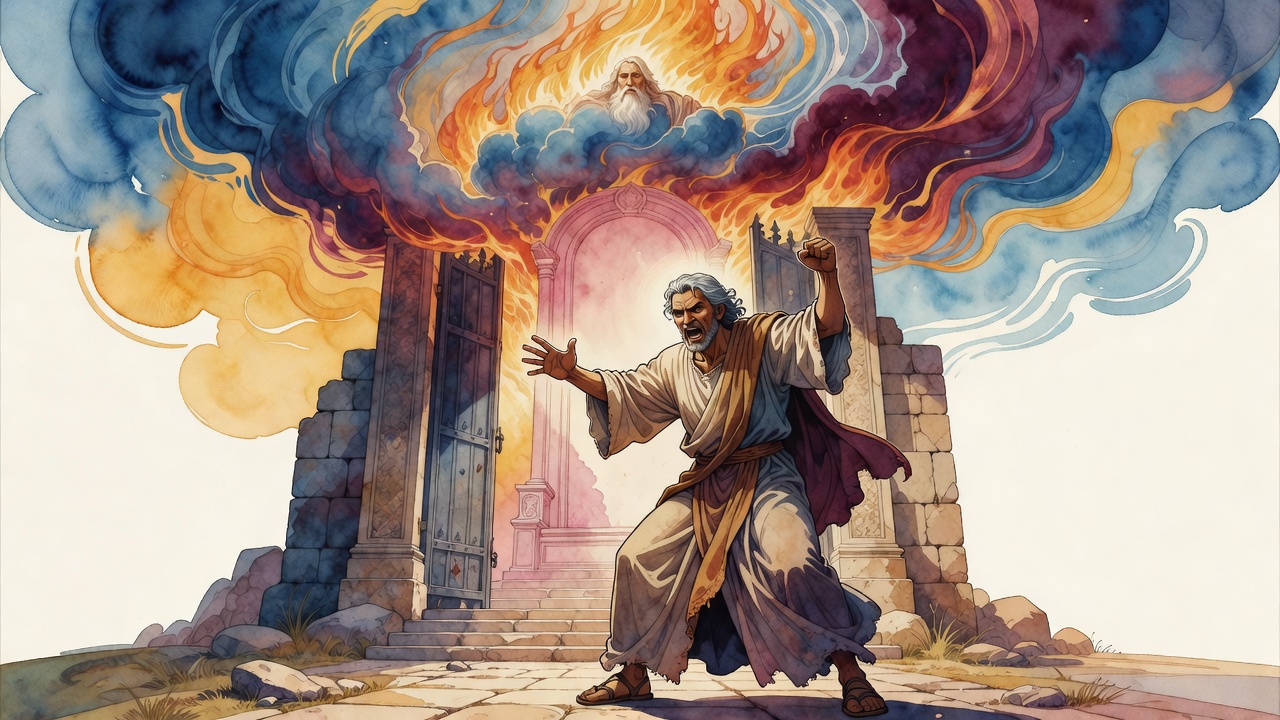
When the decree went out, Mordecai did not weep quietly. He pressed the covenant like a creditor, demanding God answer for the oath sworn to the patriarchs.
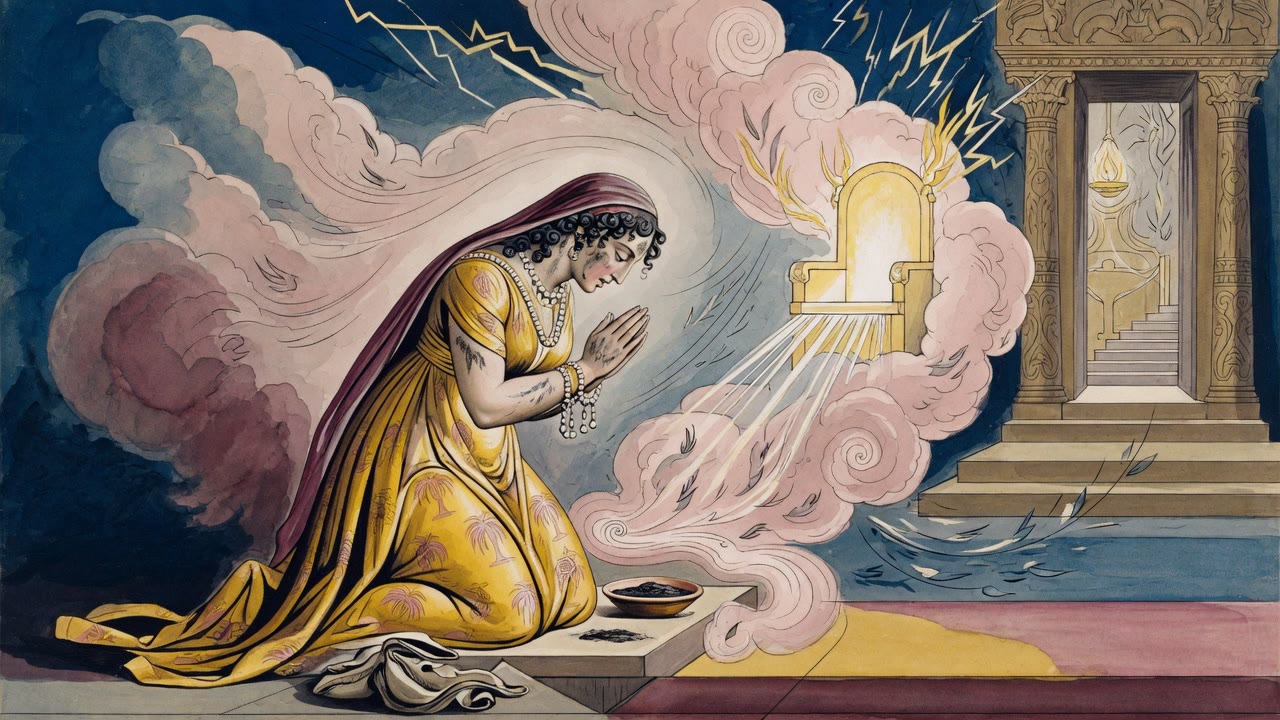
Three days face down in ash, then silk and gold shoes. She told God plainly that she was not asking because she thought herself without blemish.
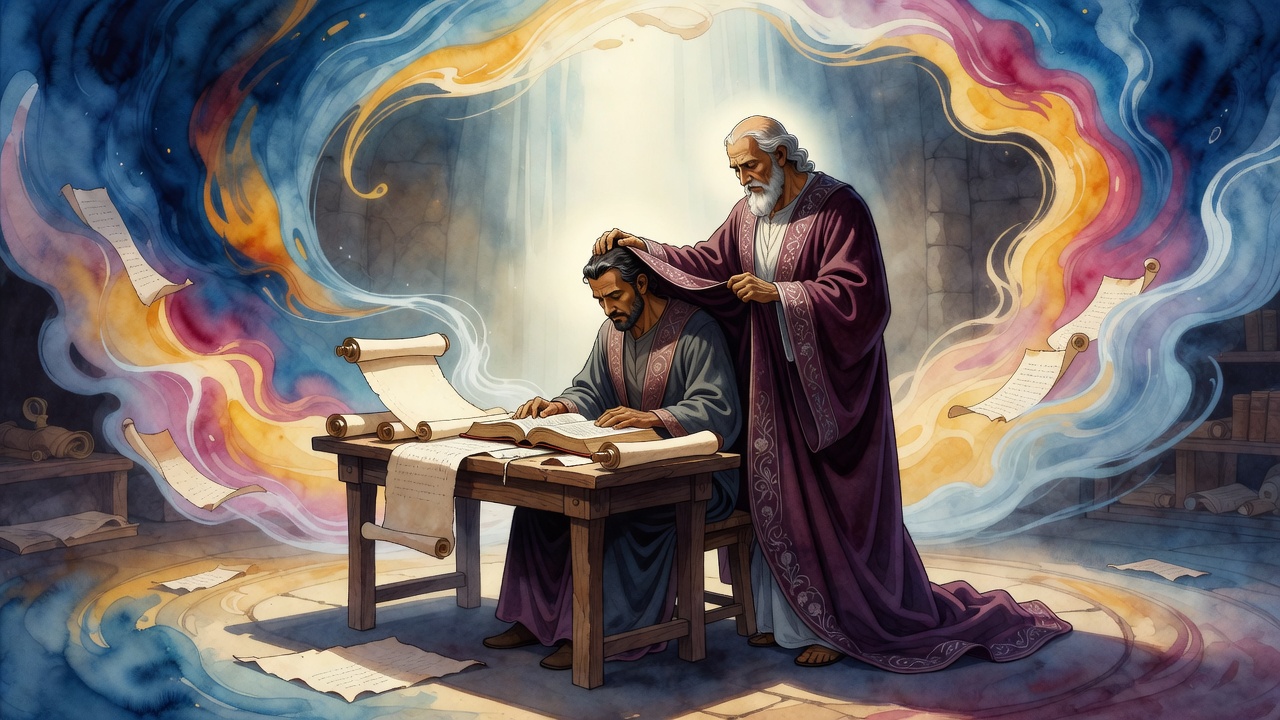
Mordecai still wore sackcloth and asked for a last meal. Haman had come to wash him, because every bathhouse in Shushan was shut.
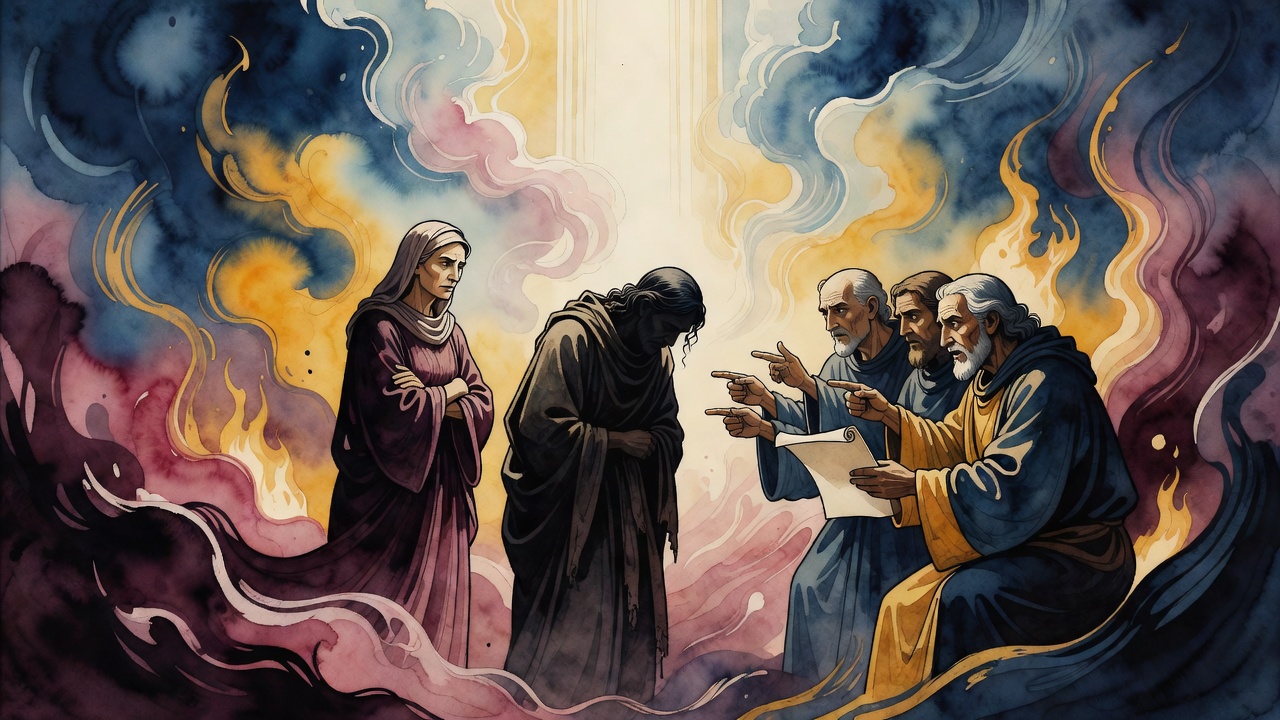
After leading Mordecai through the streets, Haman came home in mourning. His wife and advisors did not comfort him. They delivered a verdict.
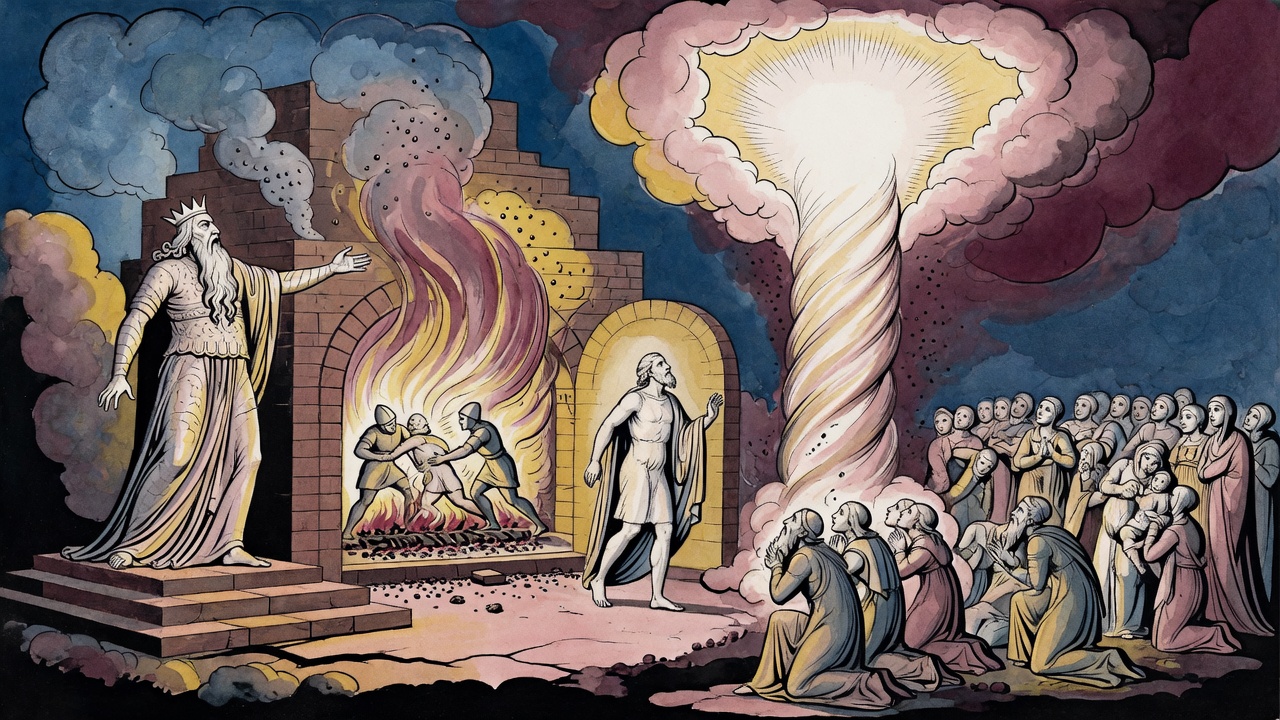
In Chaldea the sun and moon were gods. Abraham watched them drift and asked who gave them their orders. The city turned on him.
