308 myths · Page 5 of 11
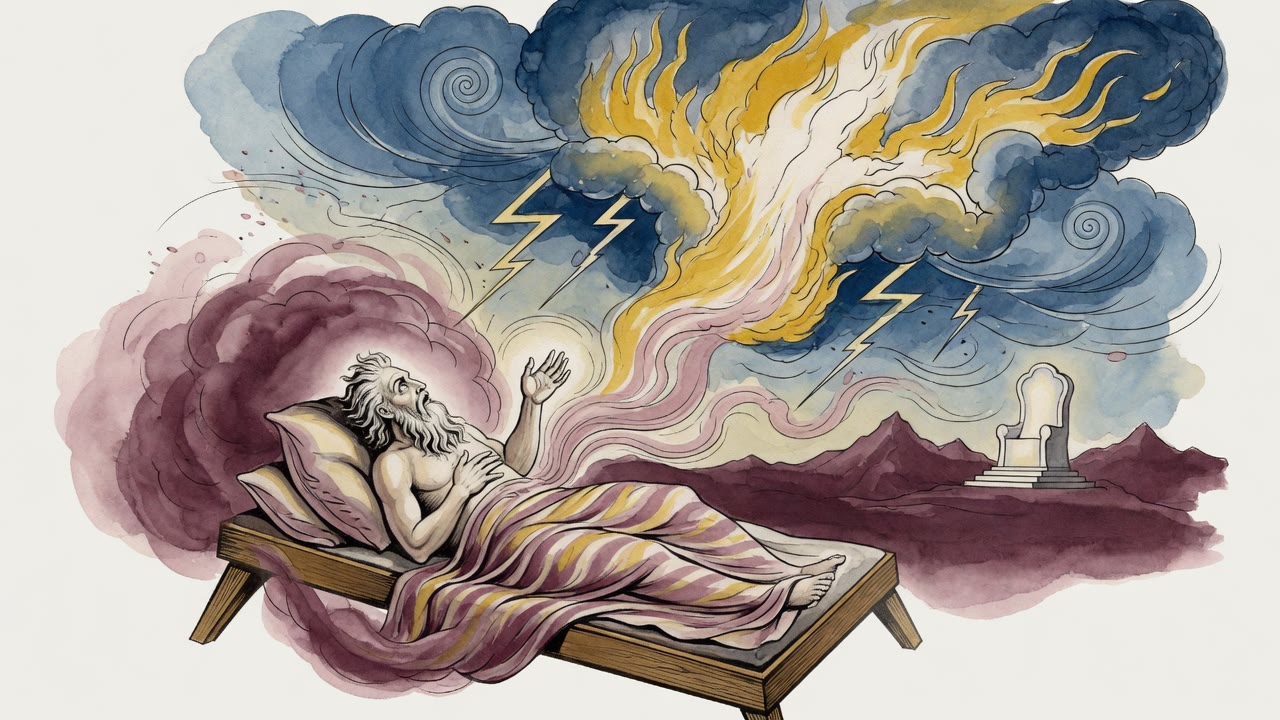
Before Jacob, a man could still be talking when death took him. He asked for a warning. The first fever came to his own bed.
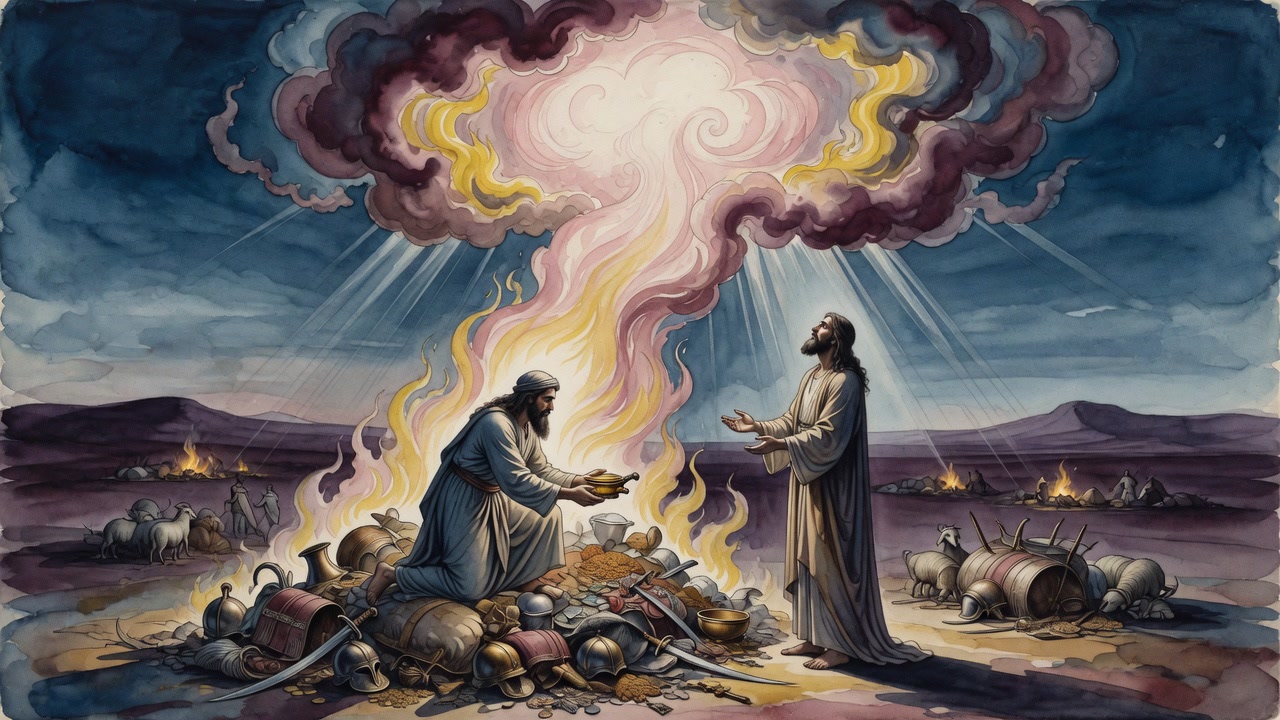
Adam held the sapphire to his eyes and a flame inside it became letters. Noah later sealed that same book in gold and carried it through the rain.
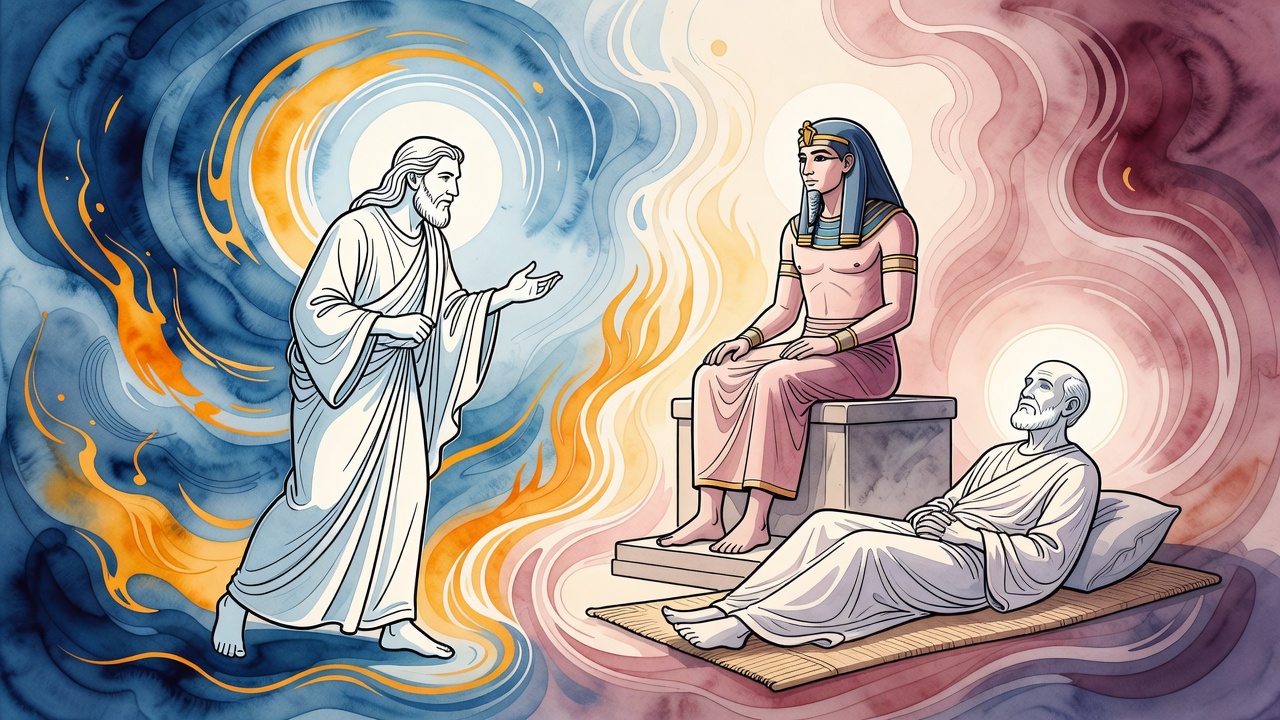
Judah did not kneel. He named the kings who had taken women from this family, and the viceroy who held Benjamin had to keep his face still.
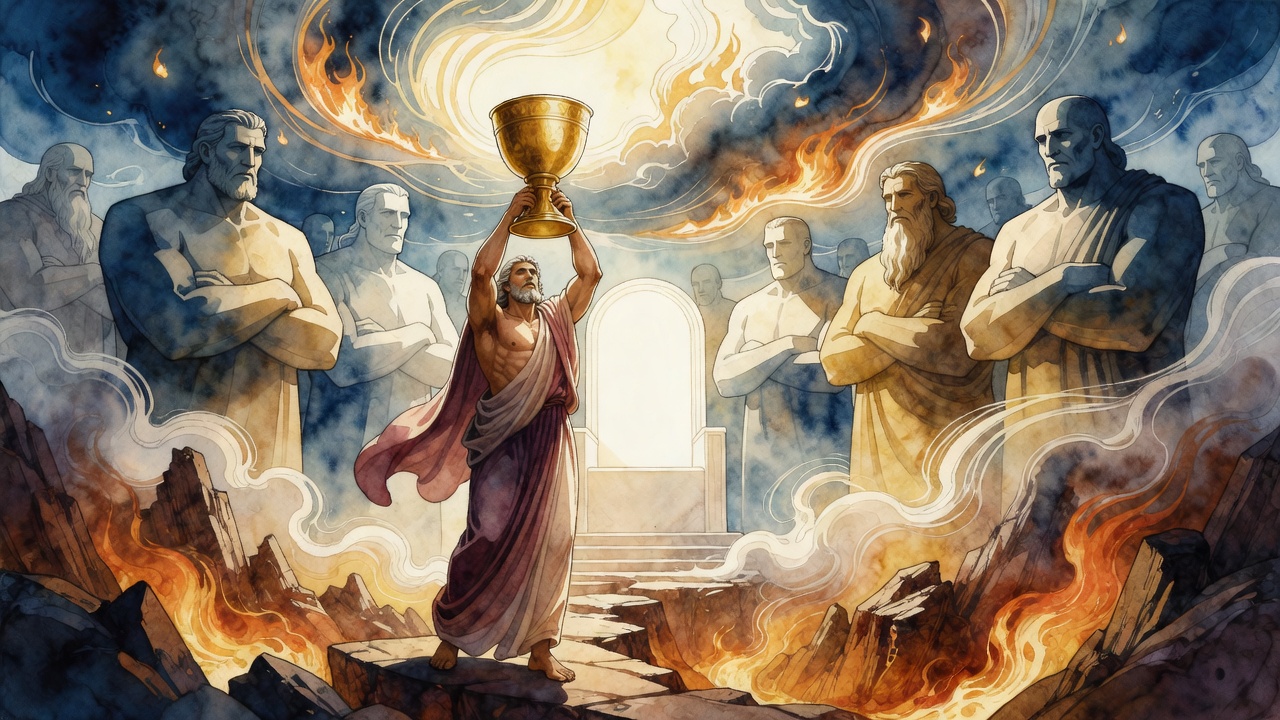
The meal in Paradise was over. A cup of blessing waited for a mouth that could praise after judgment. Abraham set it down.
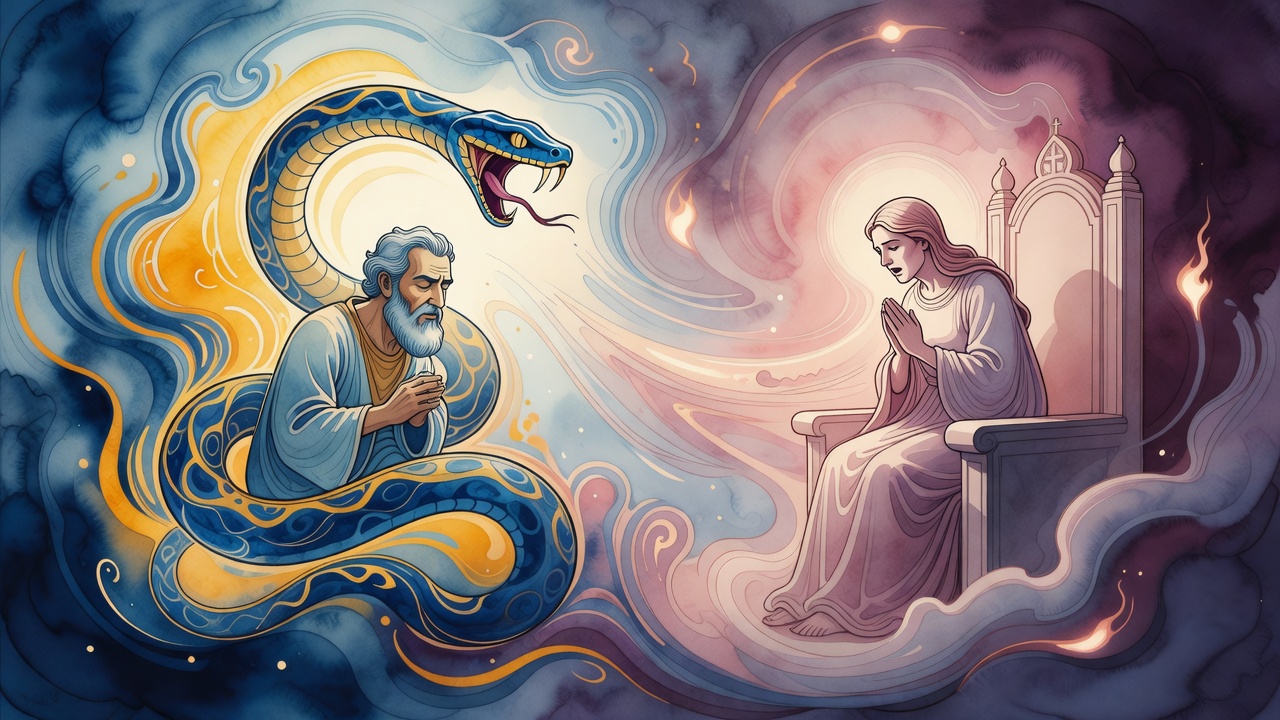
Mordecai dreams of a snake rising against Israel, then sends Esther toward the king as she prays through terror and fading holy strength.
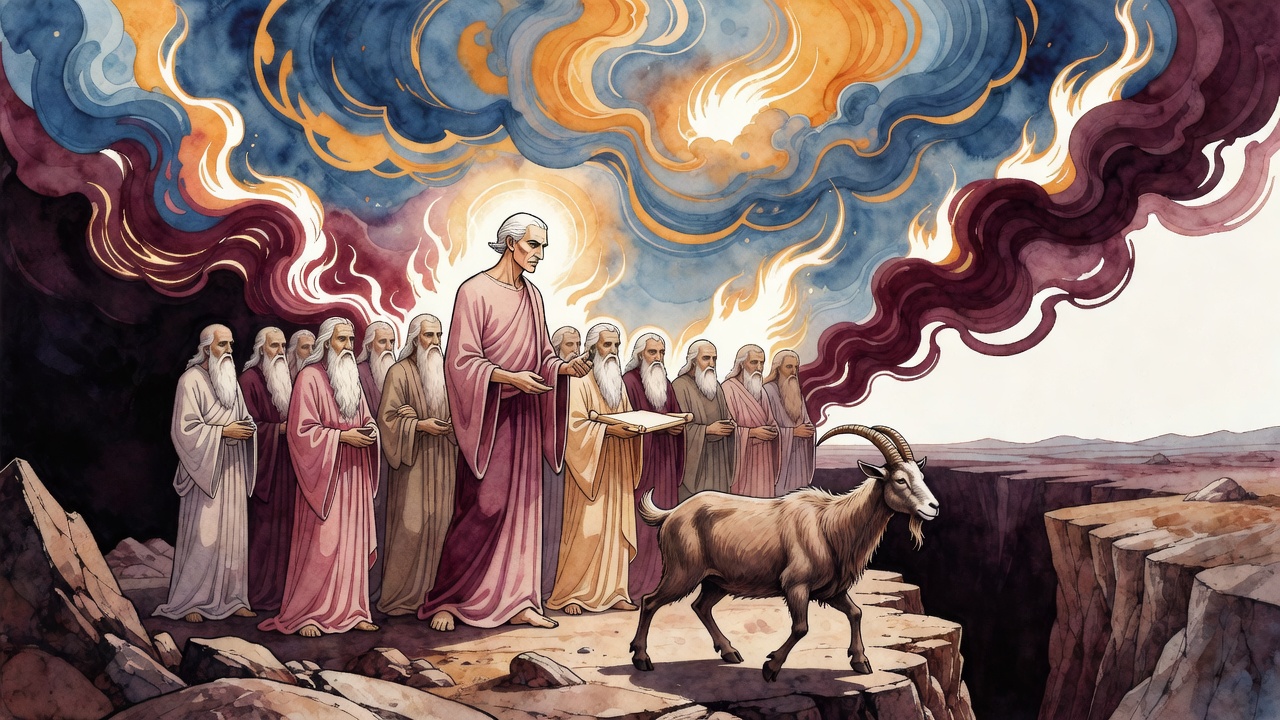
Rabbi Ishmael heard his own name eighth on the list. He came back down and repeated every name, including the one that was his.
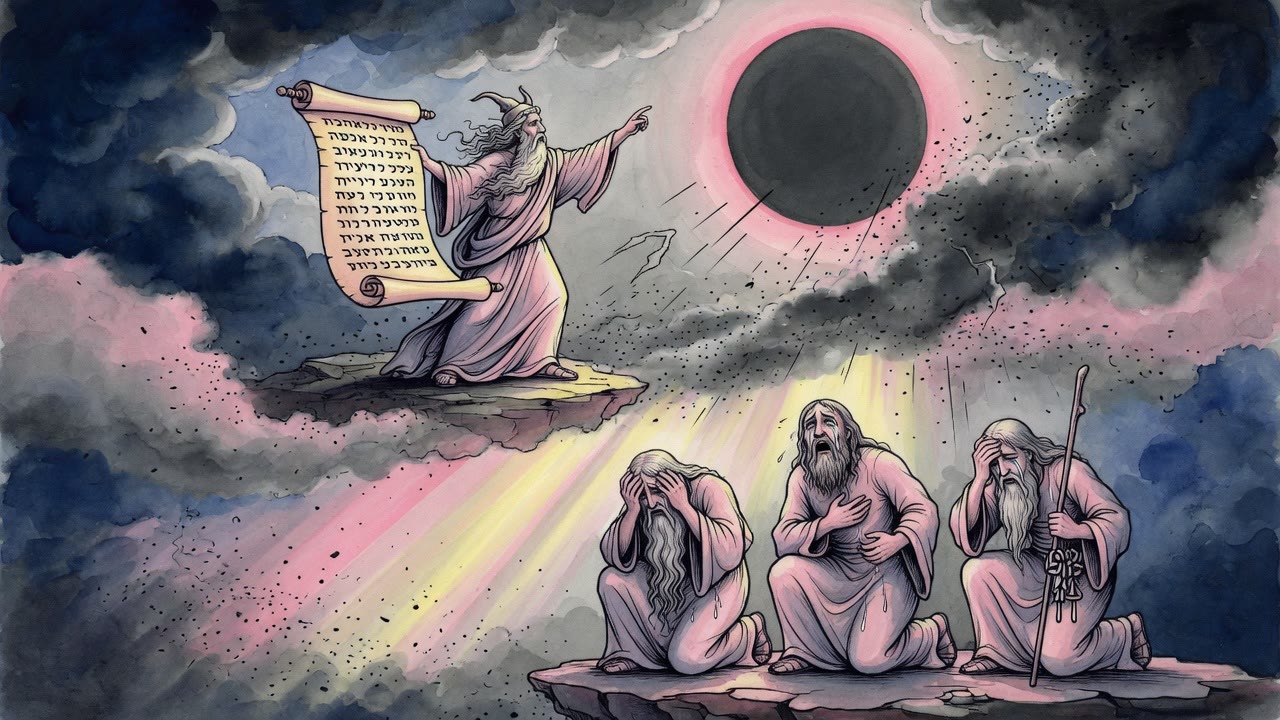
The sun went out at midday and no tree moved. Under the ground Abraham, Isaac and Jacob shouted that nobody would be left to plead for their children.
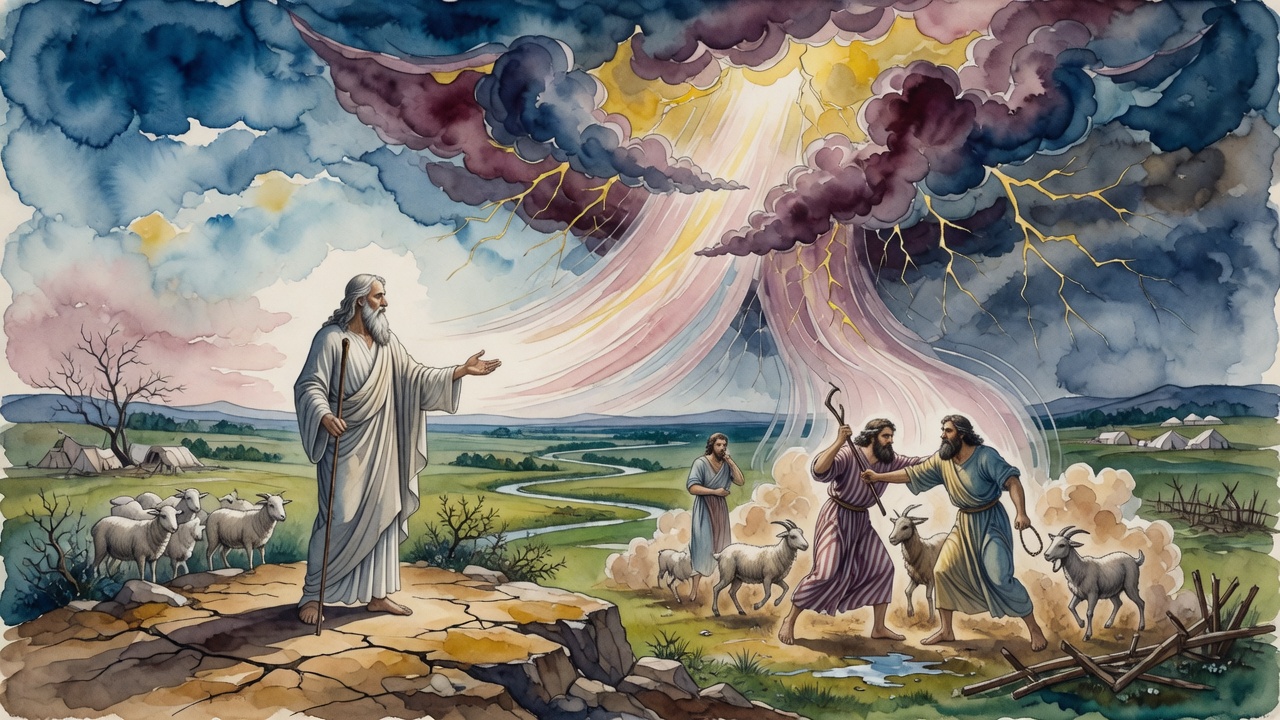
When Abimelech came seeking a covenant, Isaac agreed. But Jubilees records what the Torah omits. That night, Isaac said plainly he had sworn under constraint.
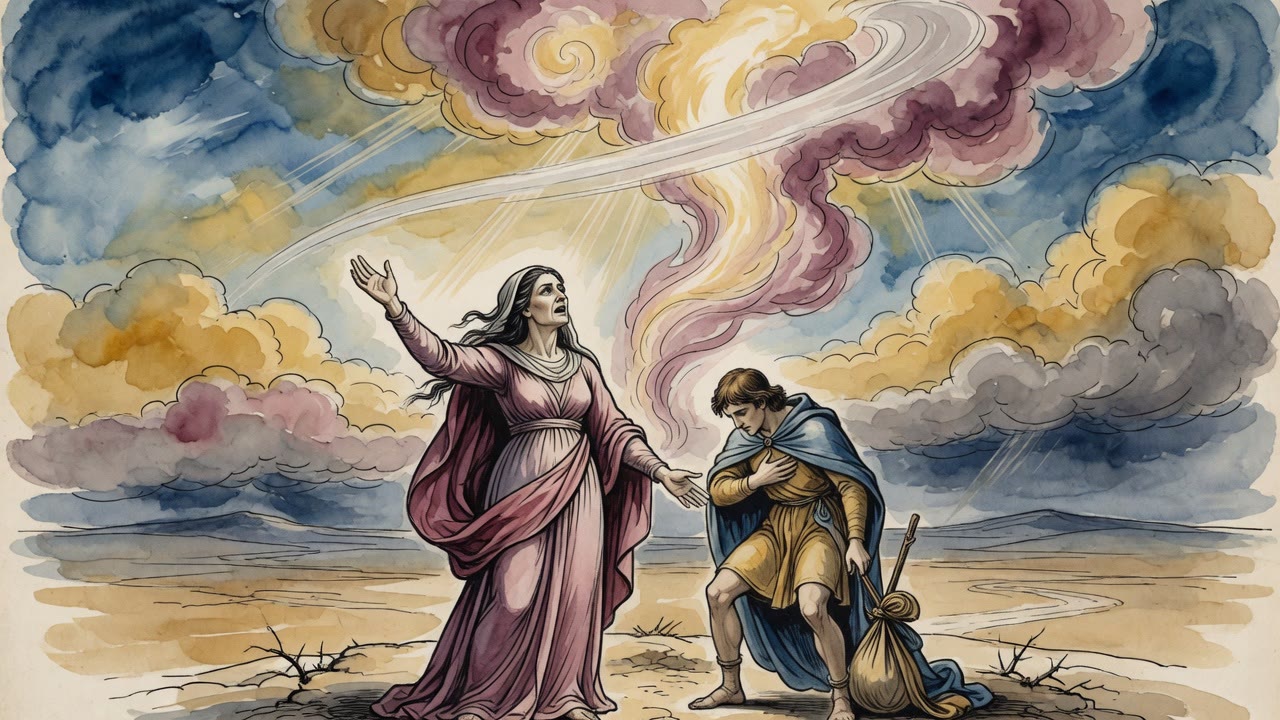
Esau's wives had made the tent bitter for years. Before Jacob left for Haran, his mother made him swear the words out loud, palms already opening.
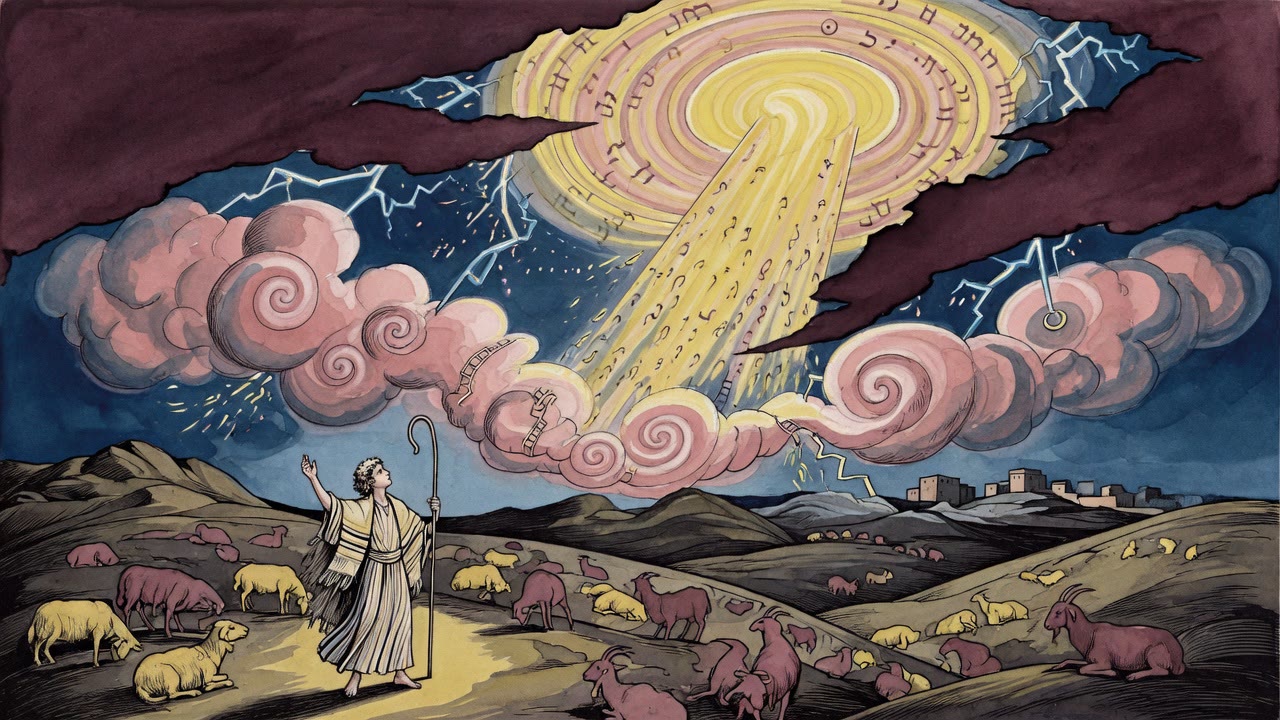
Abraham had been dead twenty years. In the dream he embraced his grandson and said he loved him with all his soul. Then he warned him about Laban.
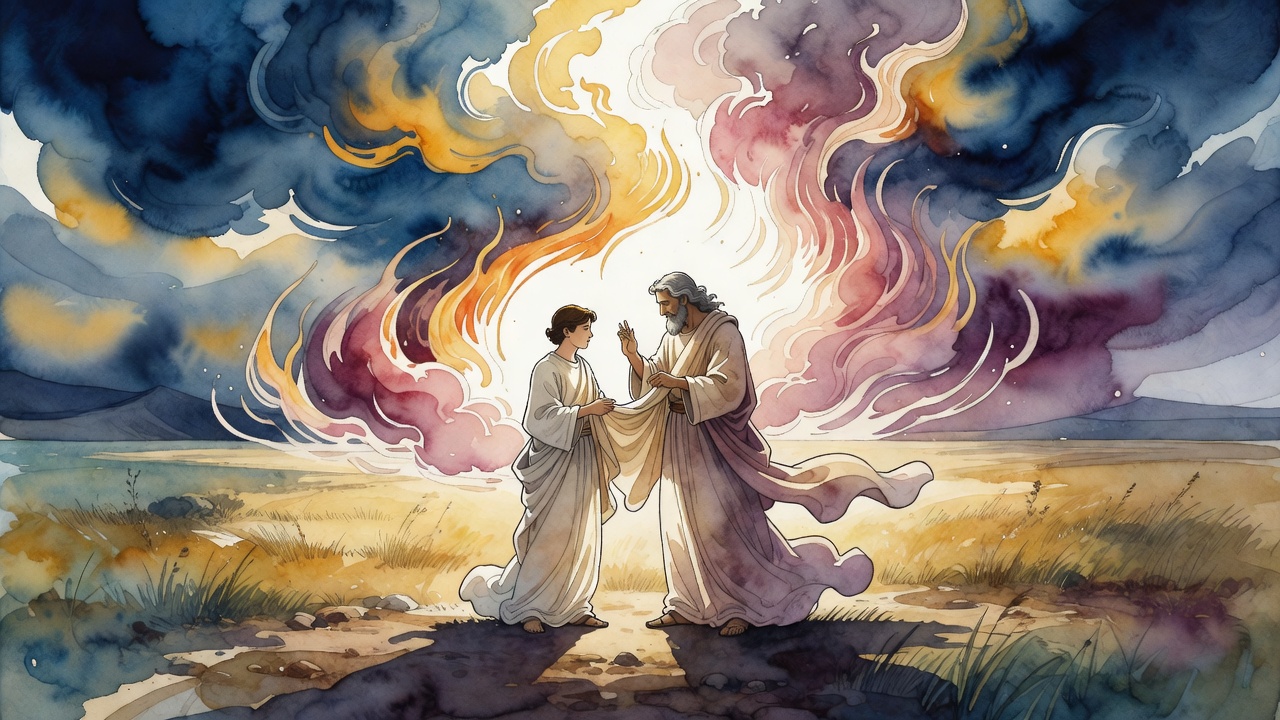
Levi was born at the new moon of the first month. Long before Sinai, his father Jacob dressed him in priestly garments and ordained him in a field.
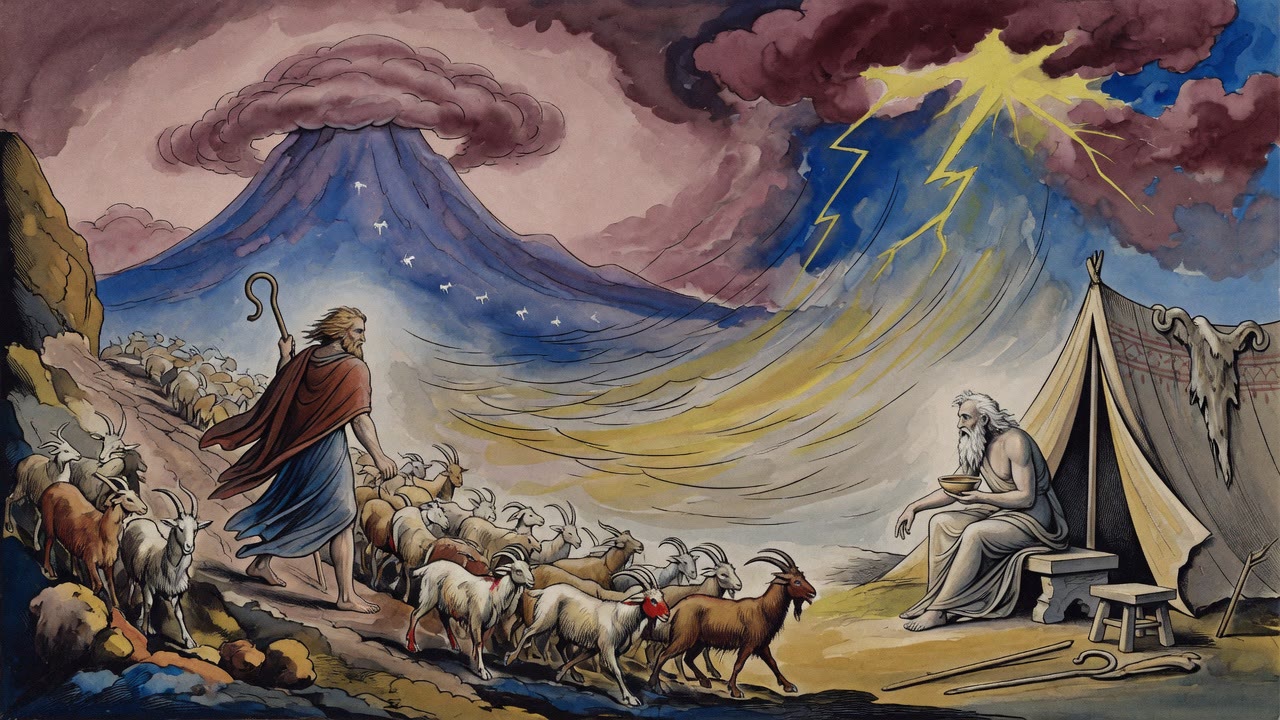
When Jacob left for Mesopotamia, Esau moved his herds to Mount Seir. The word that sits in the text like a verdict is: alone.
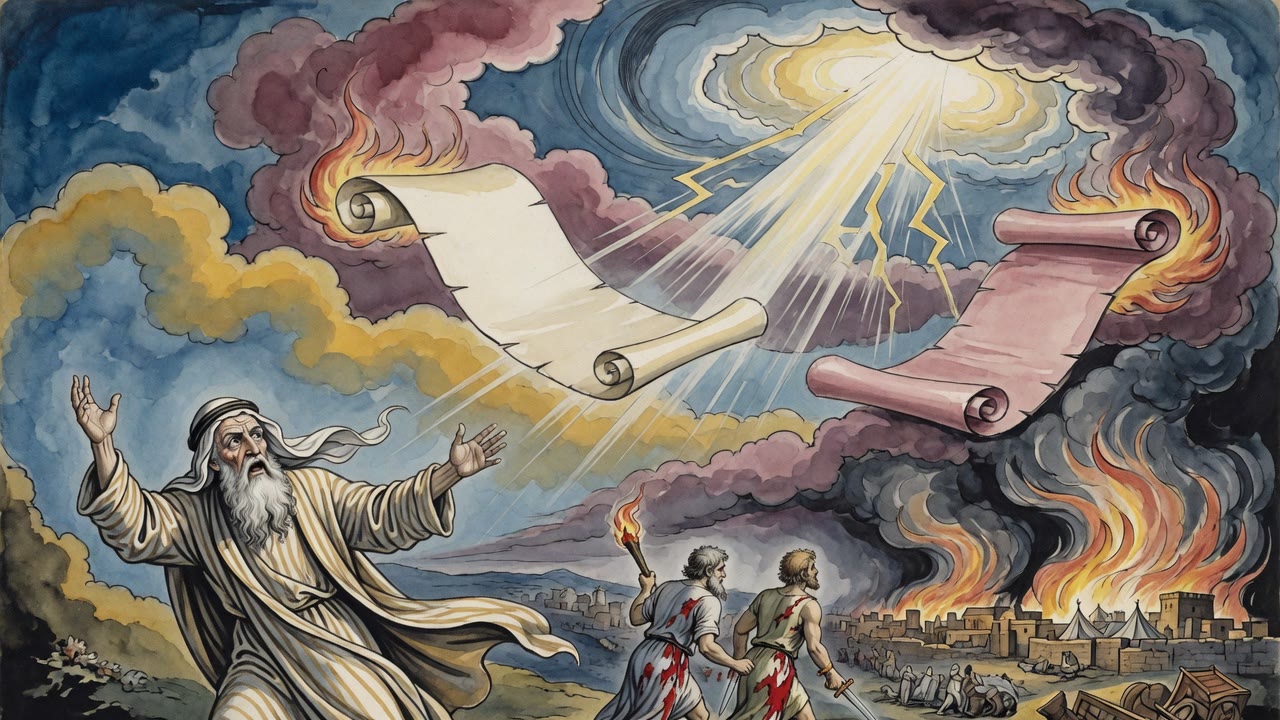
Jacob rebuked his sons for the slaughter at Shechem. A heavenly record reached a different verdict. Both accounts survived.
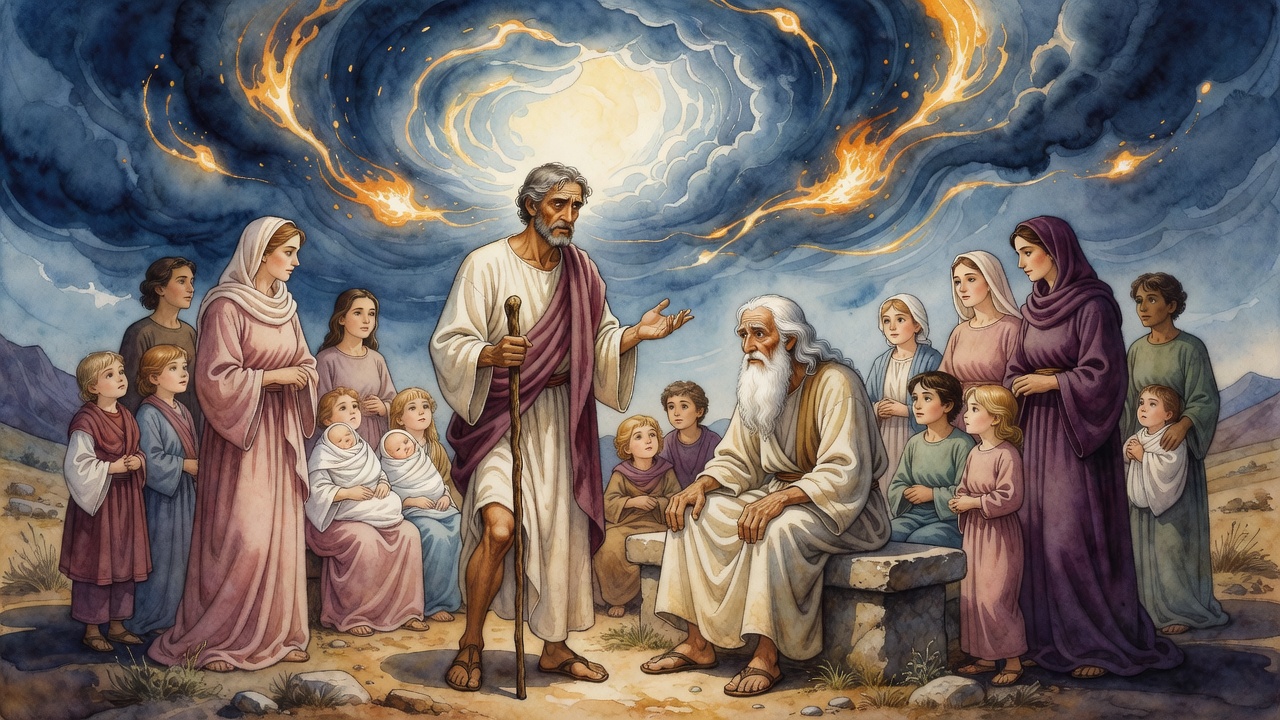
After twenty years apart, Jacob came back to Isaac with wives, children, and a limp. That night he told his father everything.
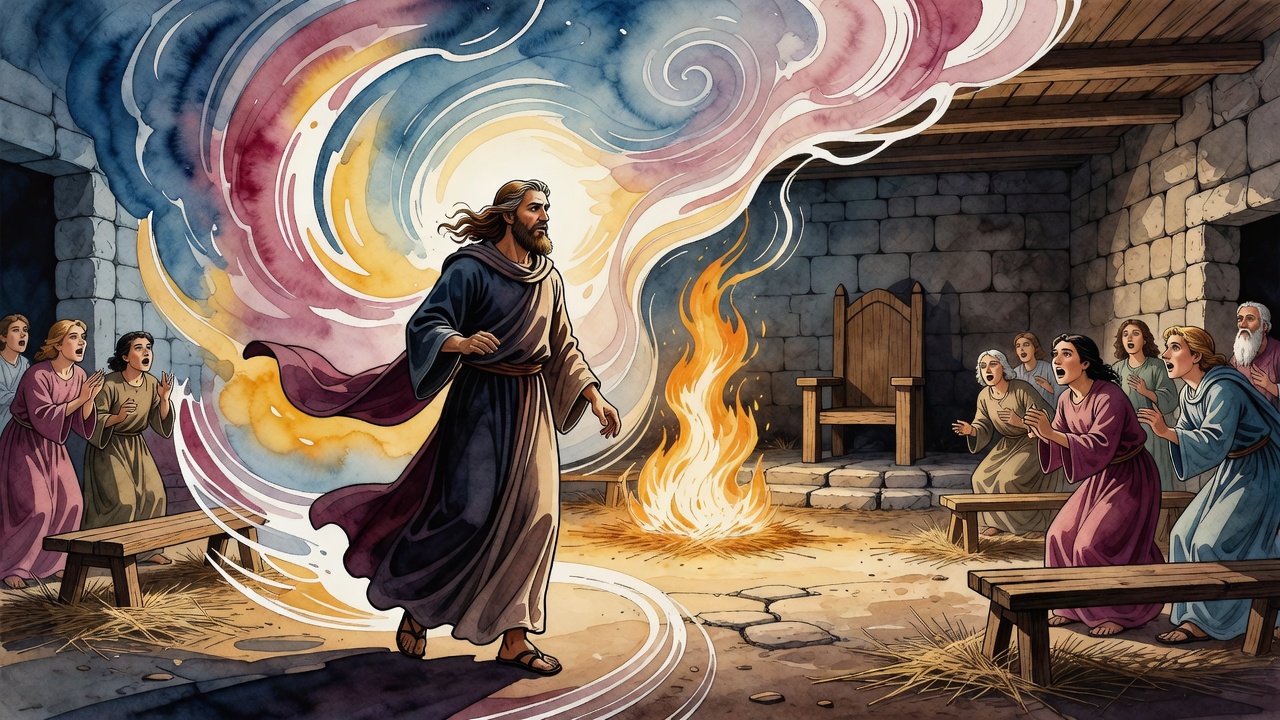
Elijah came daily to Rabbi Judah's school. One morning he was late. His explanation for why the Patriarchs could not pray together still echoes.
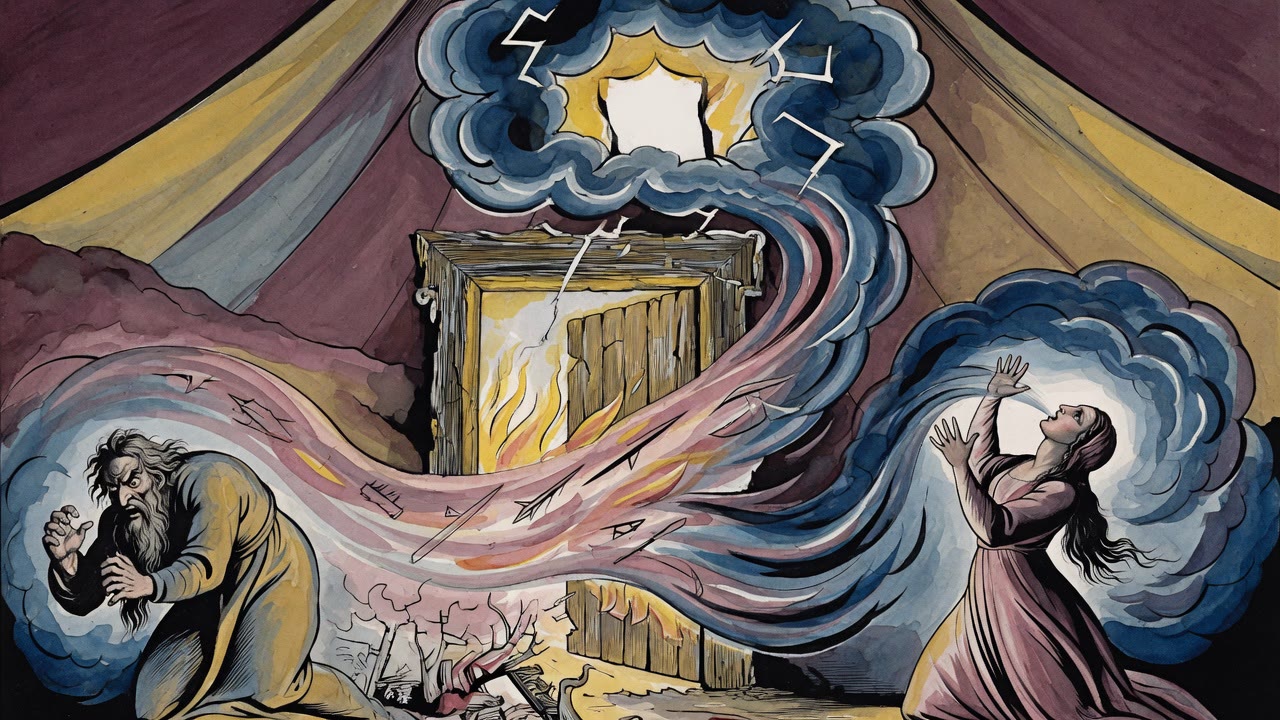
She rose from the floor with dust on her mouth. The name she had used was Simeon, the son who walked into Shechem with a sword.
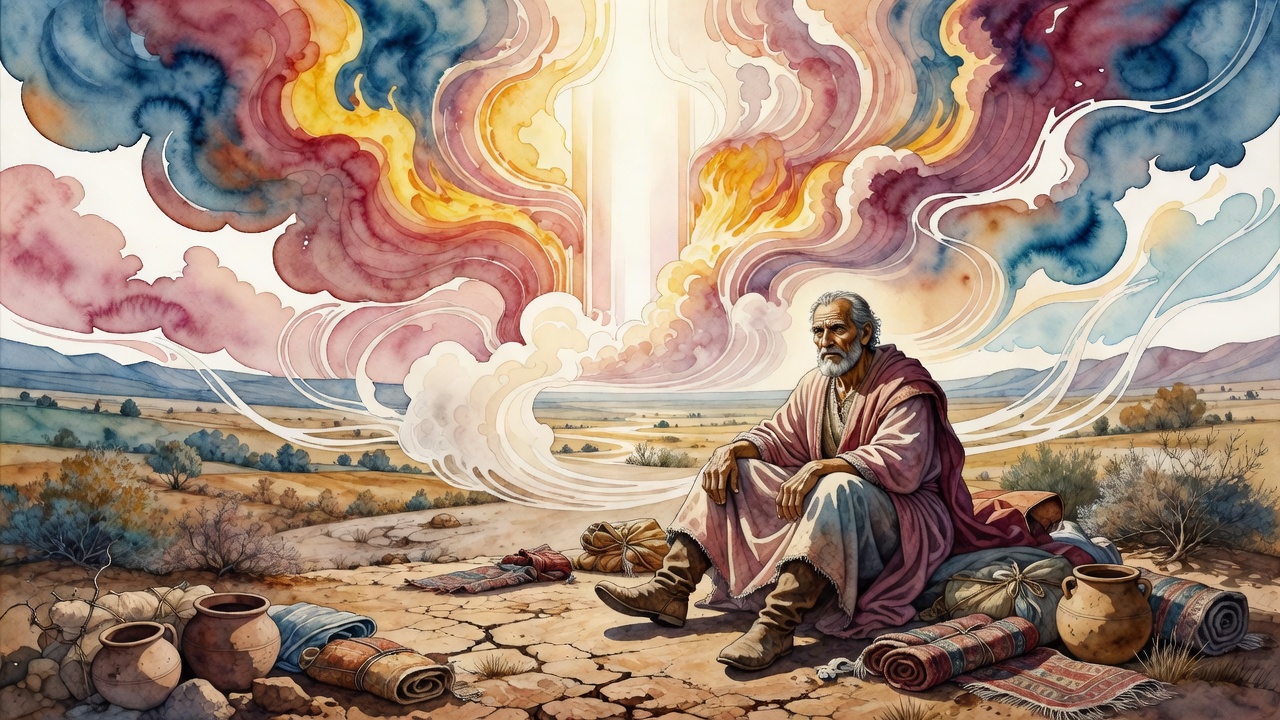
Terah was the one who packed the household for Canaan. He set out first. Then he stopped at Haran and the land was good and he never left.
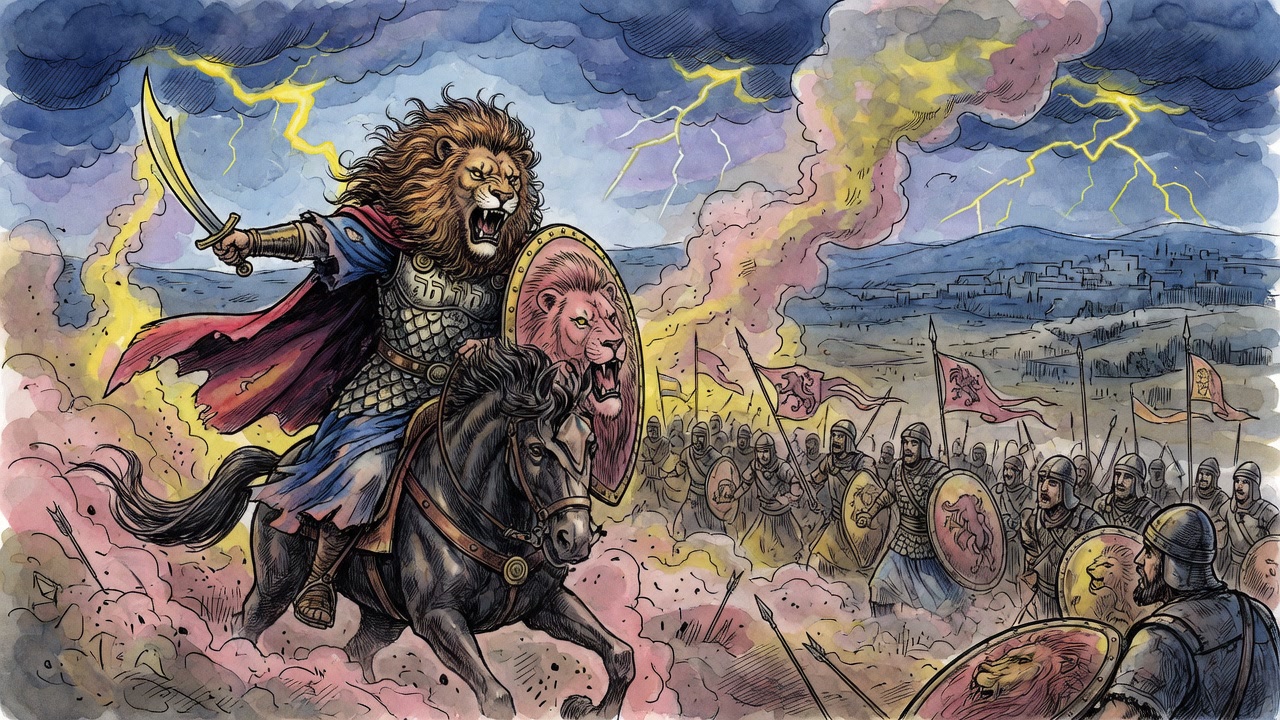
Seven Canaanite kings ringed the camp at Shechem. Jashub rode in iron, shooting from both hands. Judah ran at him first.
Ninus carved his dead father Bel in stone. Prayers to the statue earned royal pardon. That is how idol worship spread across the world.
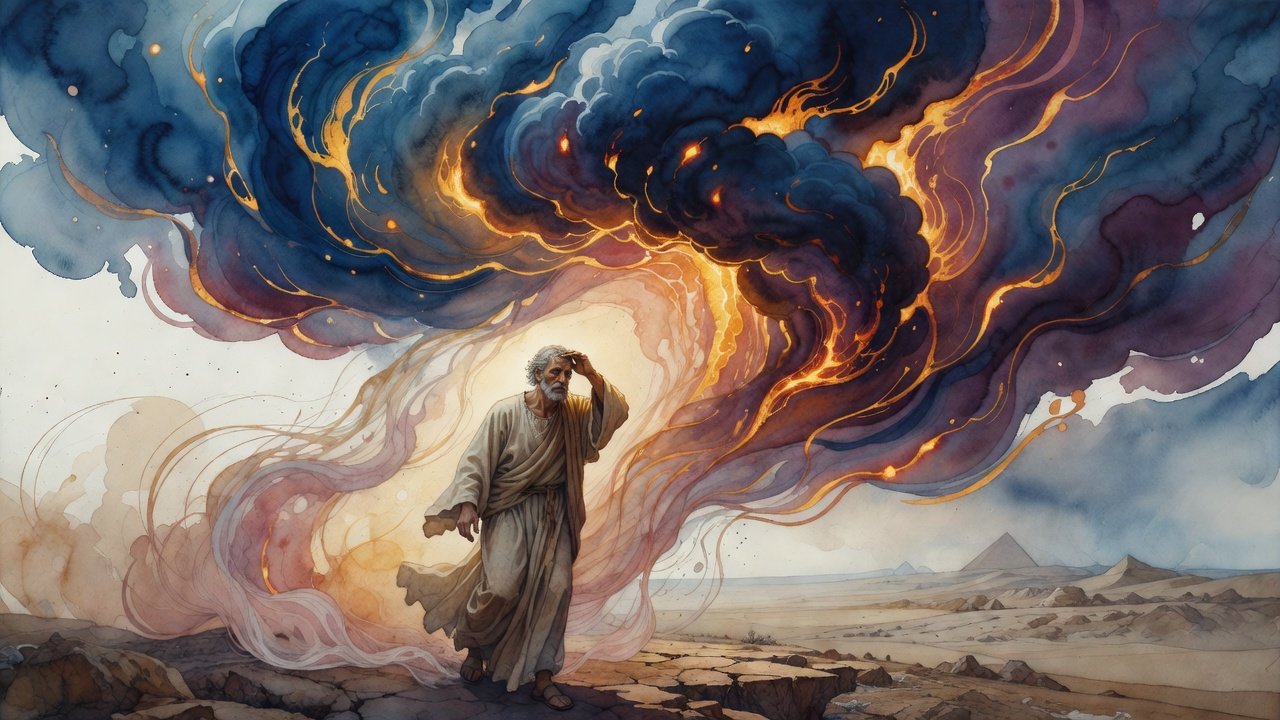
Famine struck and Isaac looked toward Egypt. God stopped him with one reason: a consecrated offering taken outside its sanctuary becomes invalid. He stayed.
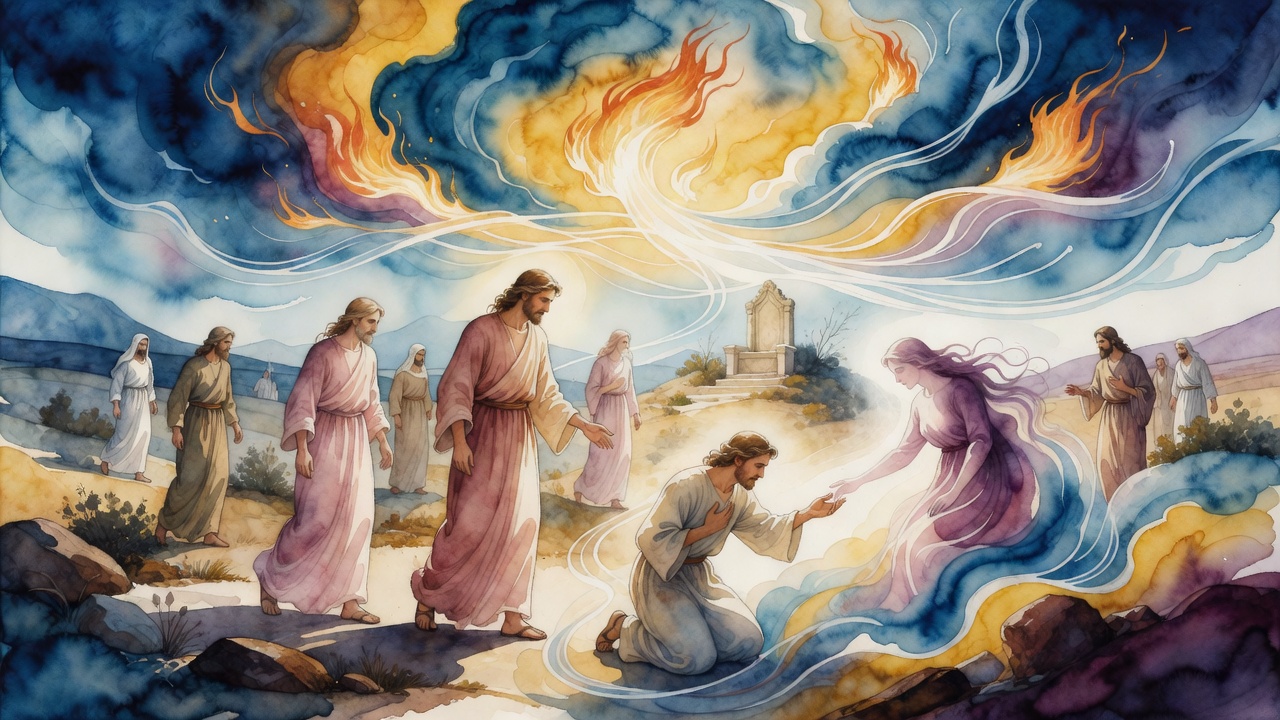
In the year Joseph was sold, Jacob was too broken to arrange marriages. His sons had to find their own wives in grief's shadow.
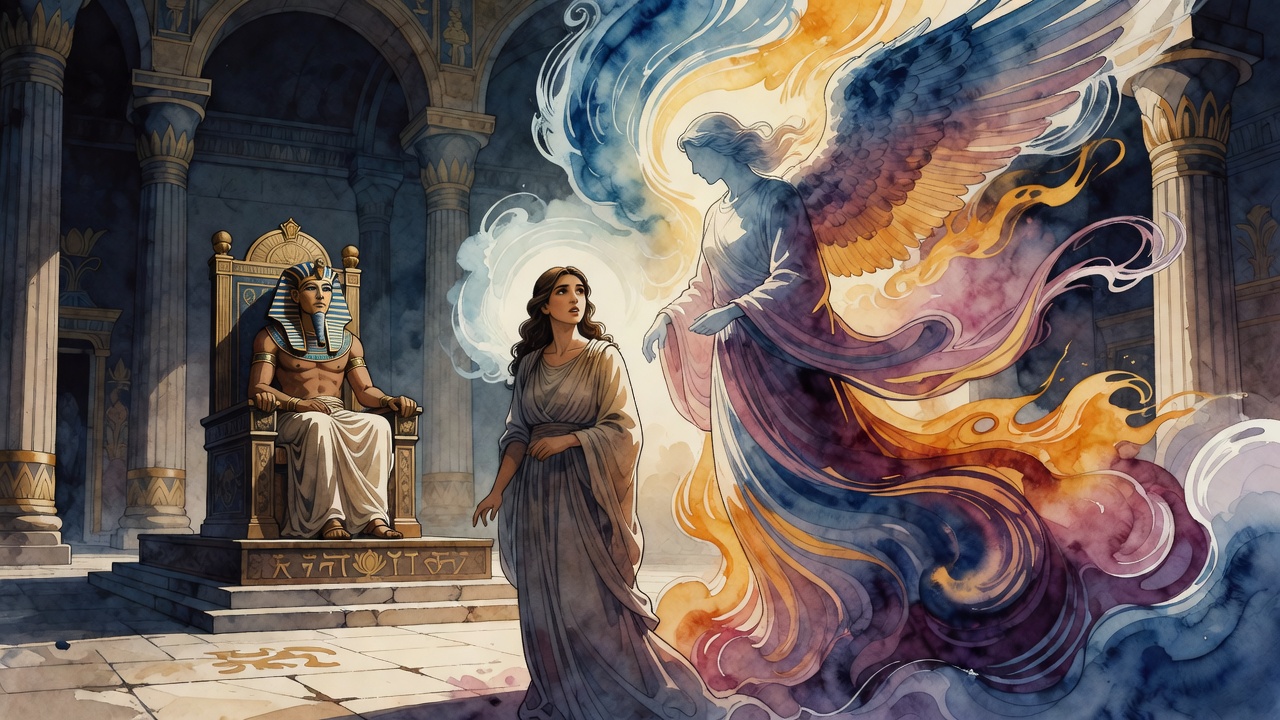
An angel appeared in Pharaoh's throne room while Sarah stood before the king. Only she could see him. He told her not to be afraid.
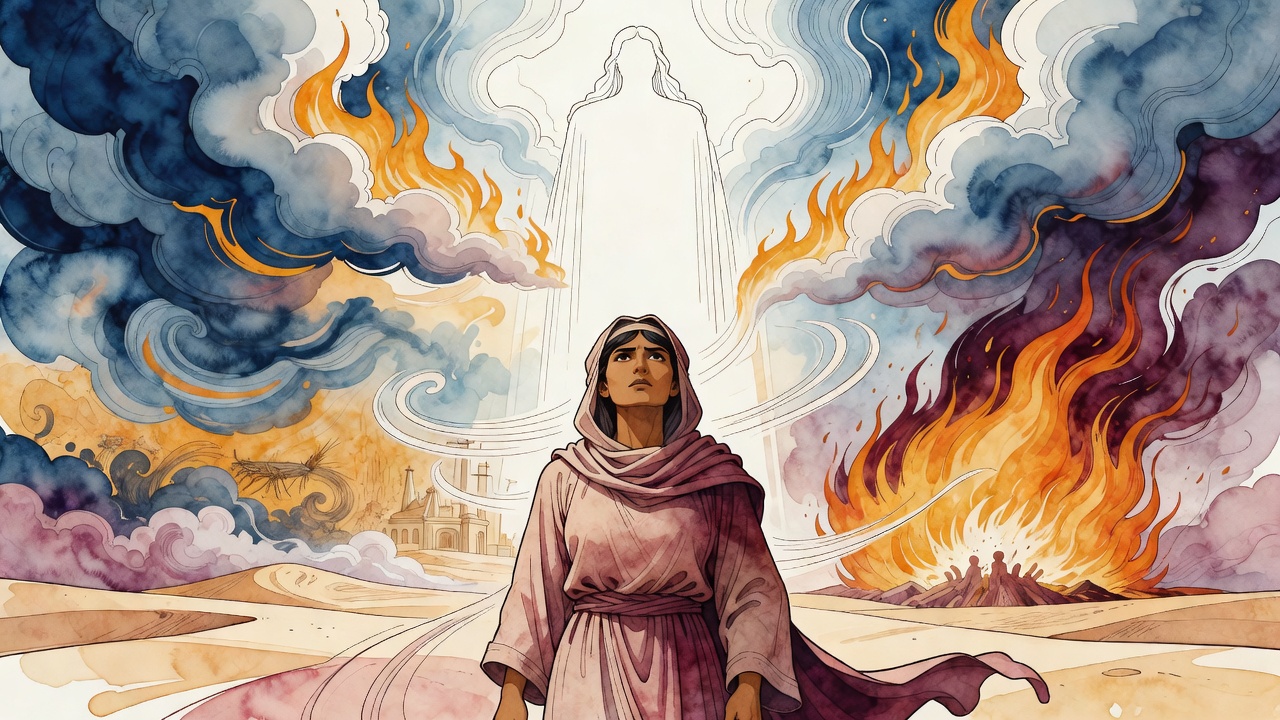
Hagar had watched Pharaoh's plague and the furnace miracle before she ever conceived. Her contempt came from drawing the wrong lesson from what she knew.
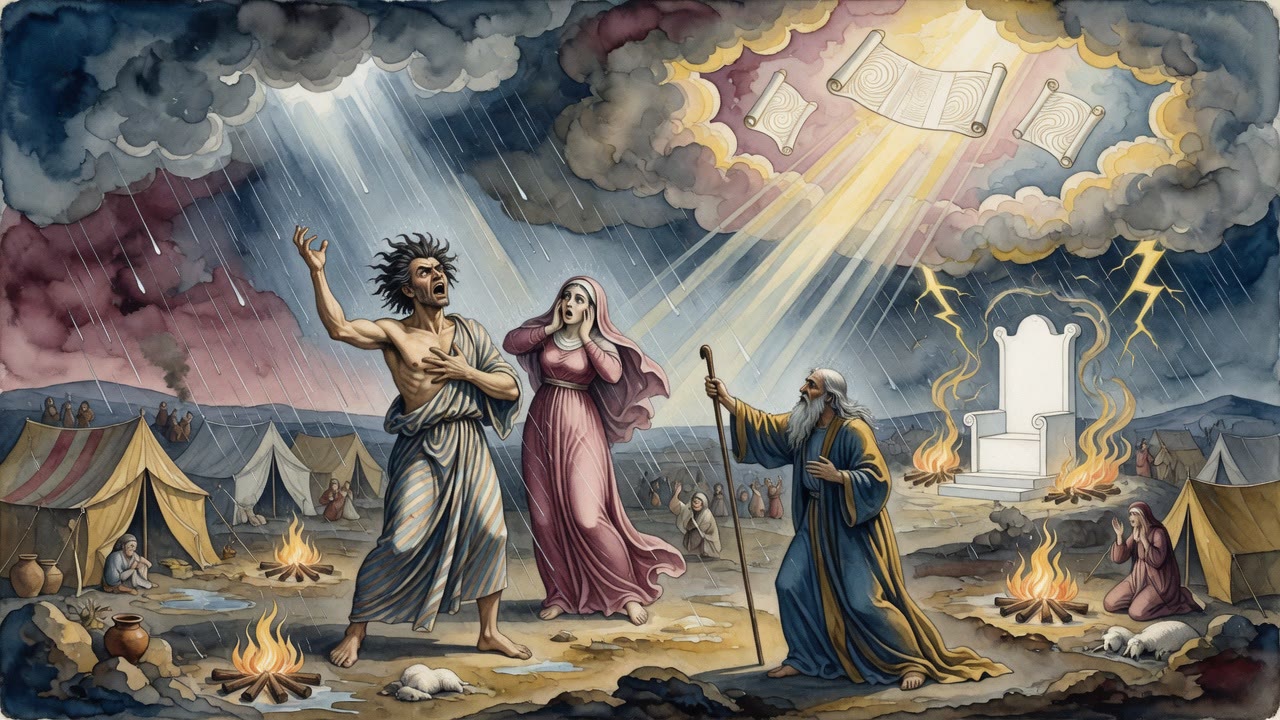
Centuries before Moses received the Torah on Sinai, Shem son of Noah kept a house of study in Canaan. The patriarchs went there to learn.
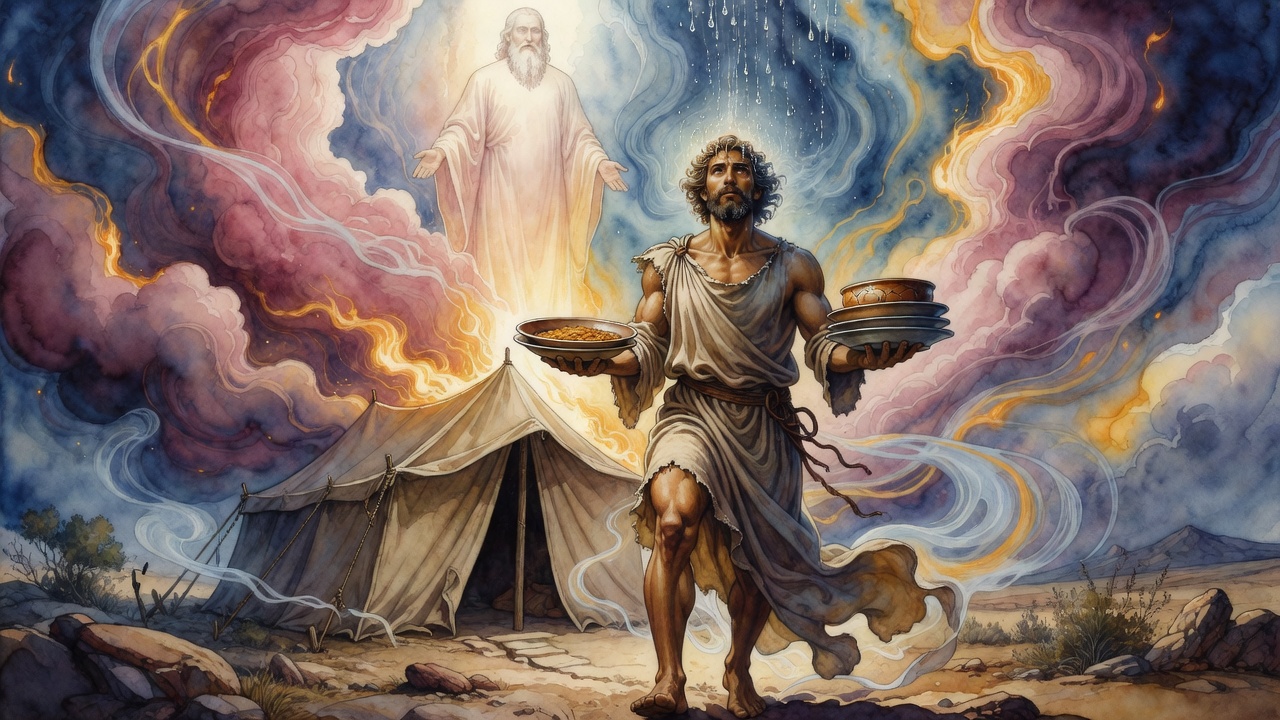
When Jacob stepped from Isaac's tent, celestial dew fell on him and changed his body. He was carrying his father's meal plates when it happened.
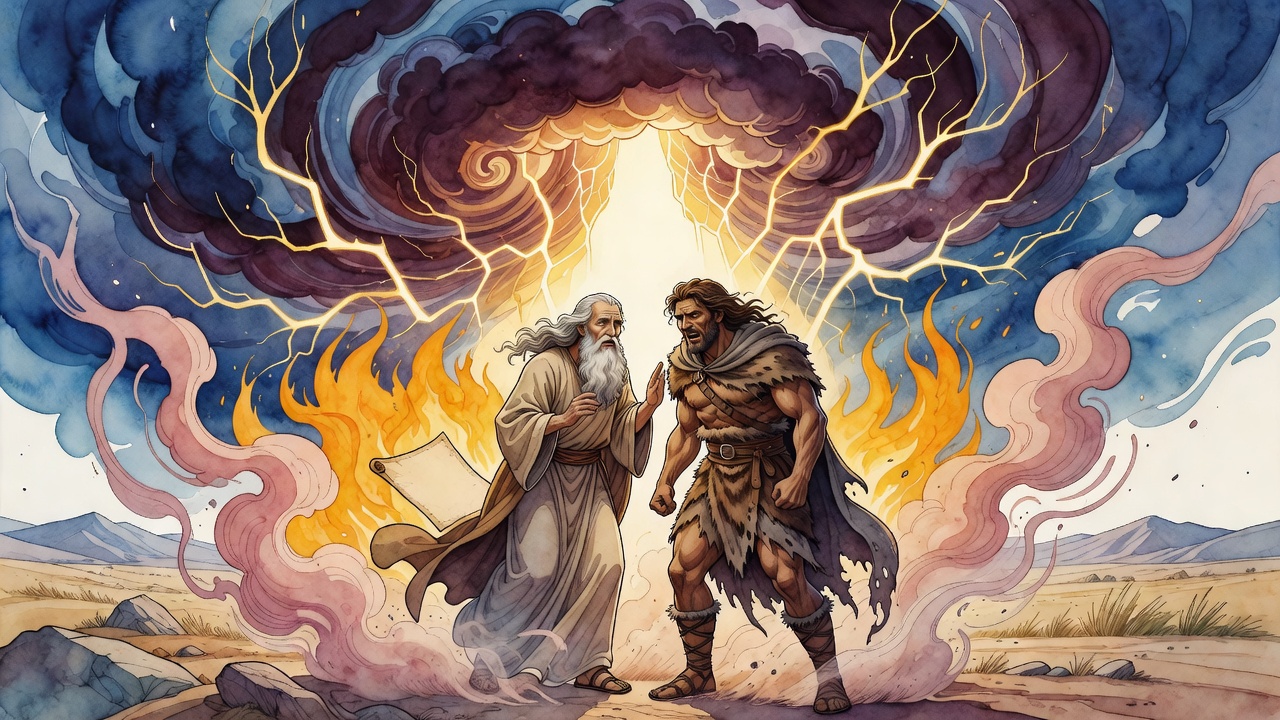
After Jacob fled with the blessing, Isaac tried to comfort Esau. God rebuked him for it. The exchange is one of the most unsettling in midrash.
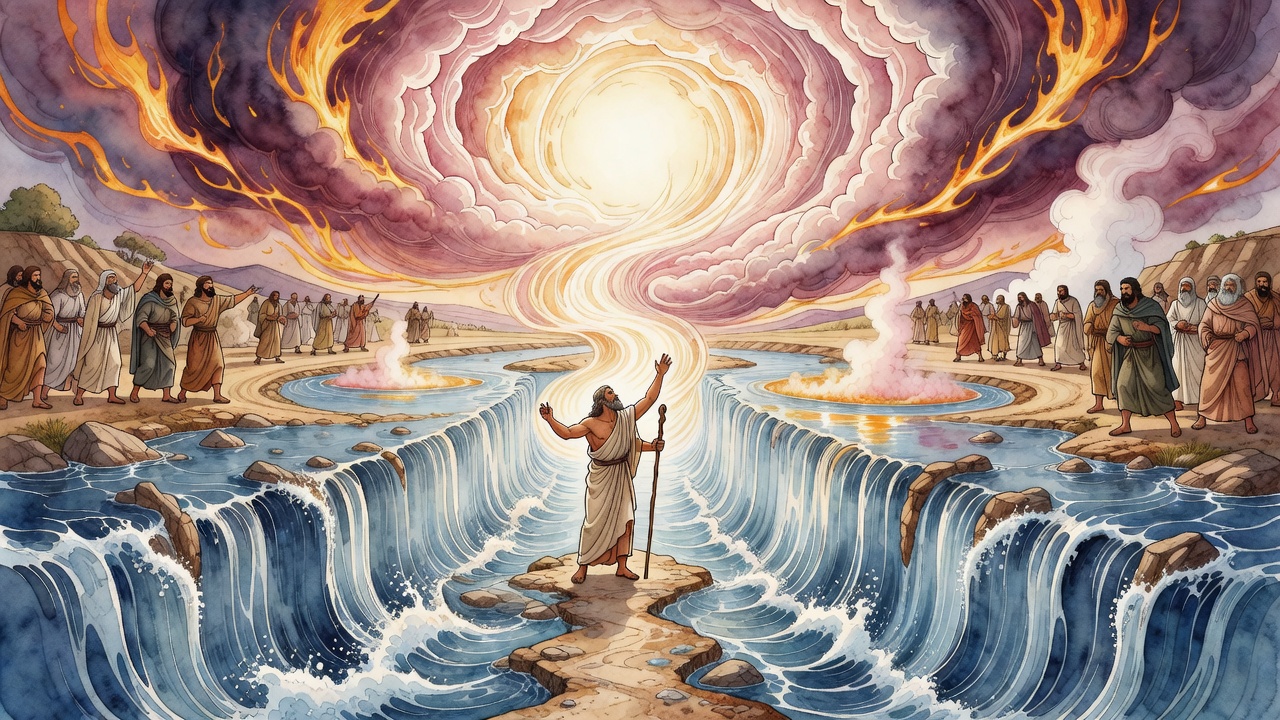
Esau's men held the road to Haran. Jacob had a staff and no bread. The river stood in his way, and his brother was already ahead.
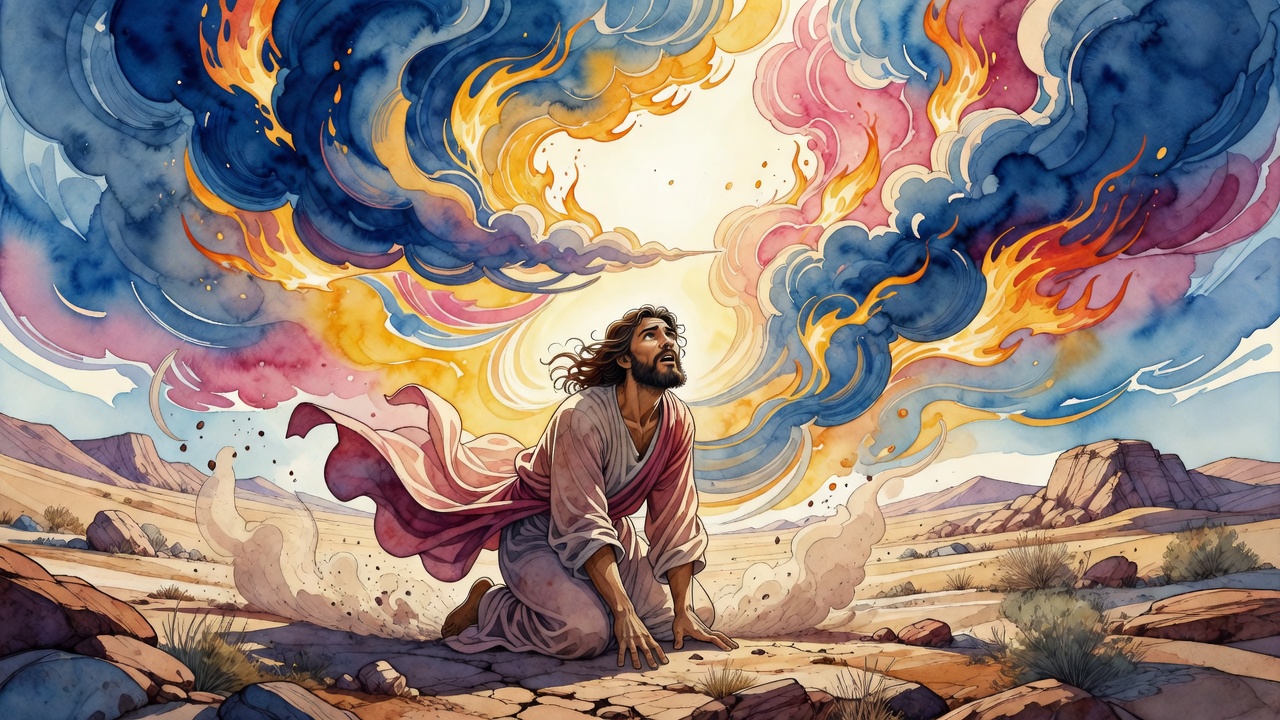
His parents told Jacob to run to Haran. He stopped at Beersheba first and waited. He needed to know whether leaving the land was God's will.
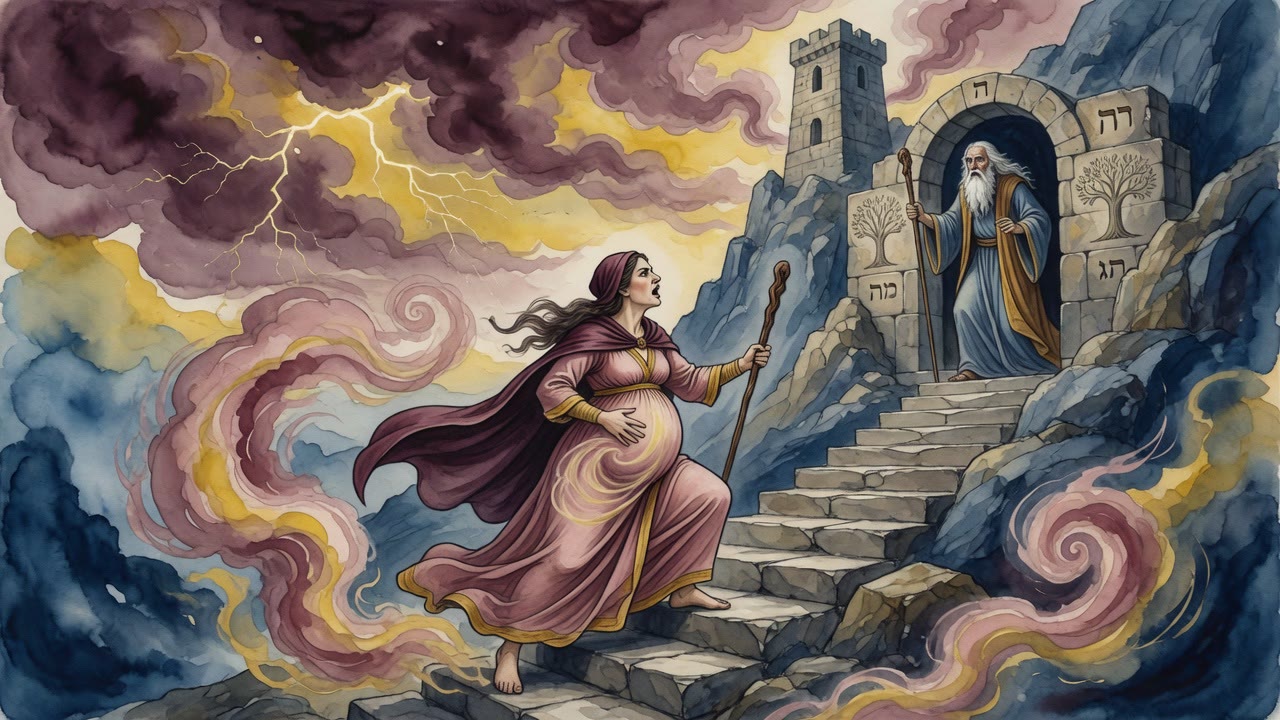
Leah wept over her promised fate as Esau's wife until her eyelashes fell out. What she feared, what she got instead, and what she named her sons.
Jacob swore that whoever took Laban's idols would not live. He had no idea it was Rachel. The words were already moving toward their target.
