Isaac's Name Carried Laughter Into the Future
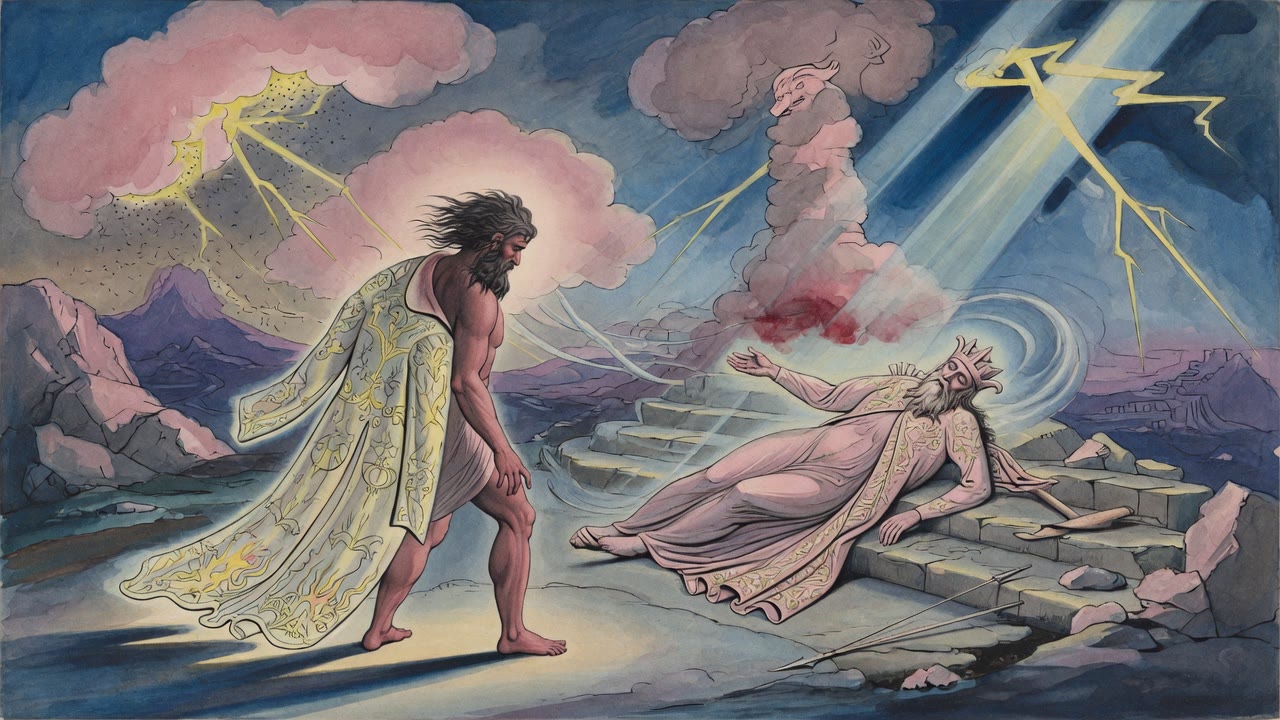
Og the giant came to the weaning feast and said the boy was small enough to crush with one finger. Isaac was the first child who needed a cradle.
Table of Contents
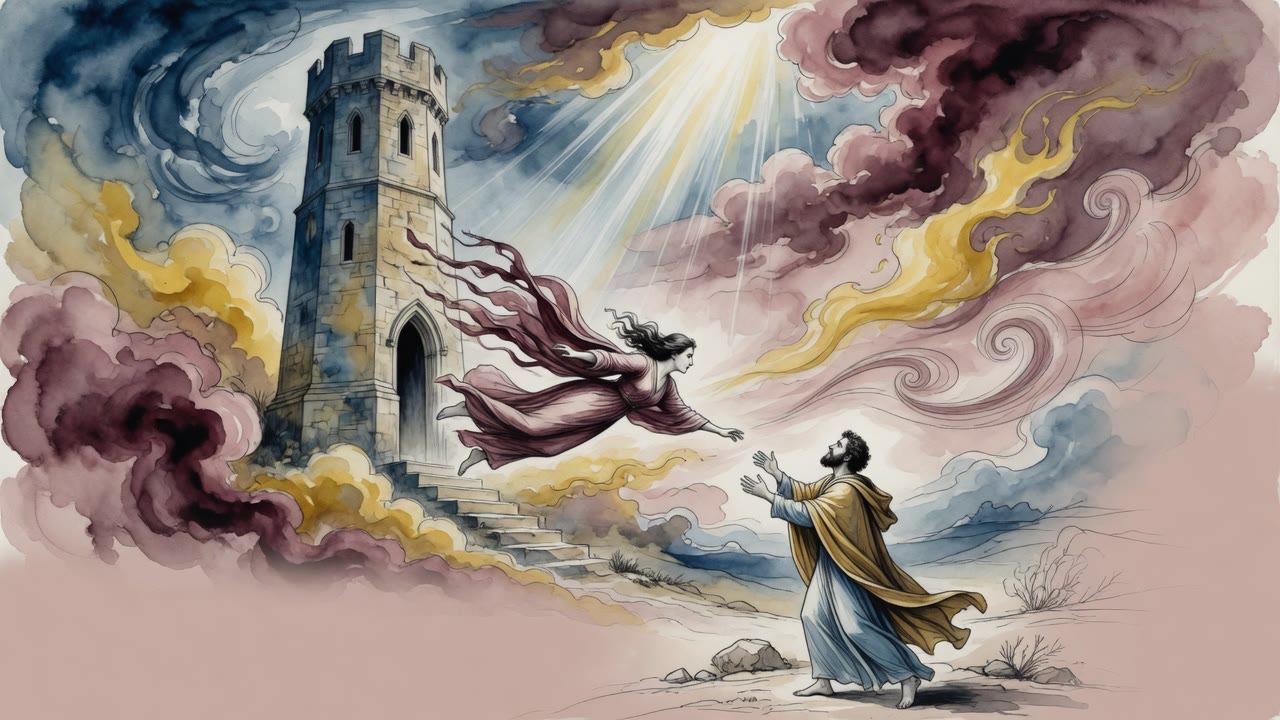
Before Isaac could speak, his name had already begun to argue with the impossible.
 Click for full size
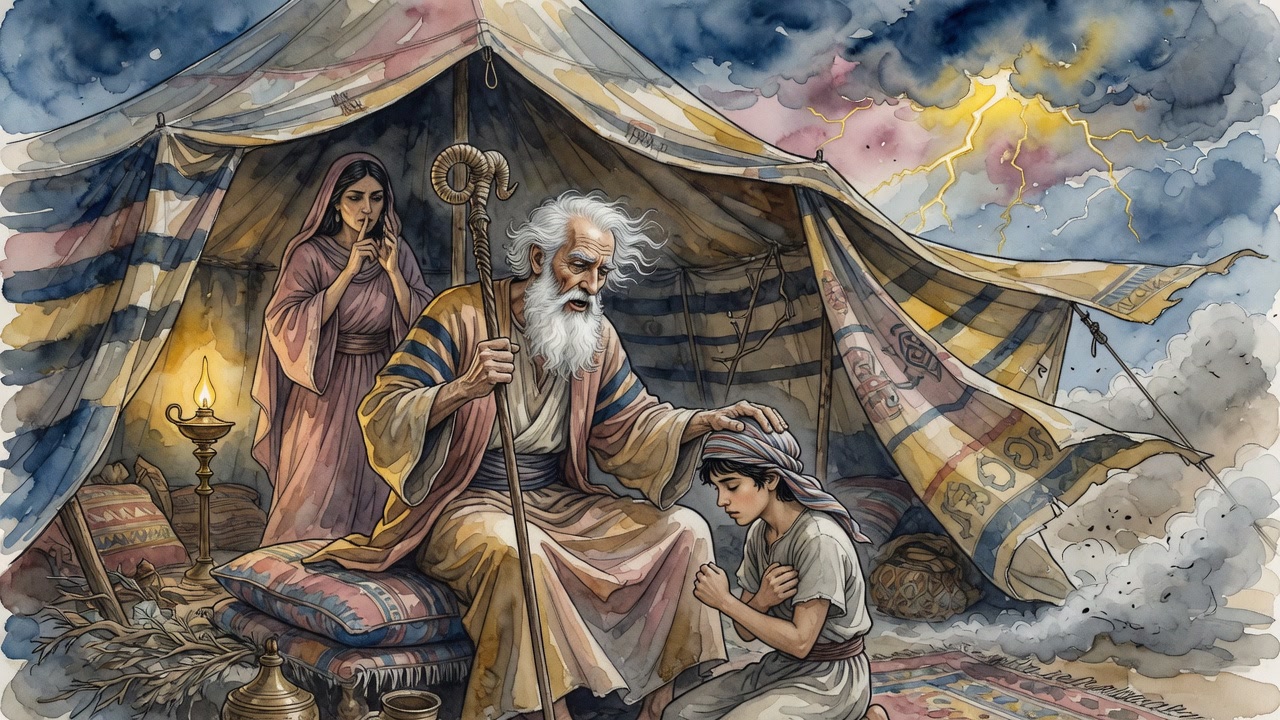
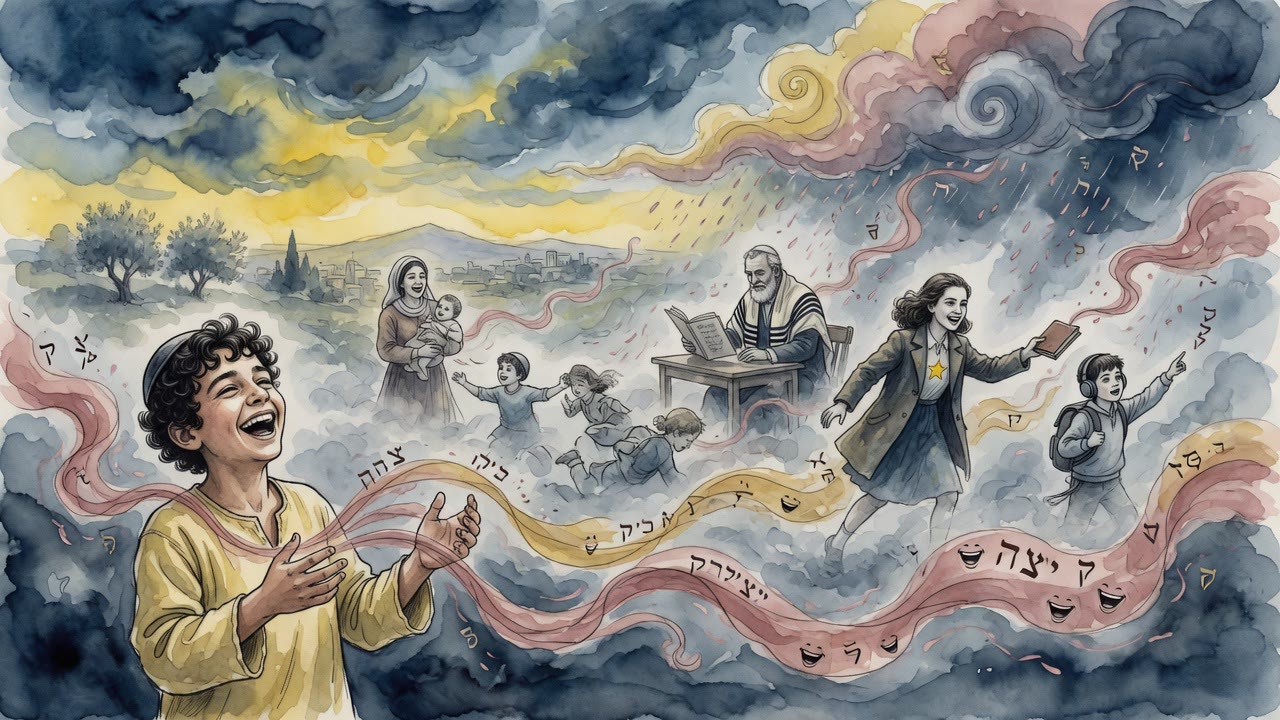
Yitzhak. He will laugh. Not he laughed, as if the matter were finished with Sarah's startled mouth in the tent. Future tense. A child named for laughter that had not yet run out of work to do. Abraham held the infant and gave him a name that sounded like joy, disbelief, covenant, and prophecy all at once.
The old house had become noisy.
The Letters Held the Miracle
The sages opened the name letter by letter and found the family story folded inside it. The yod held ten, the shape of commandments not yet given but already waiting somewhere ahead of the child. The tzadi held ninety, Sarah's age when birth finally broke through her worn body. The kuf held one hundred, Abraham's age when the son came. The het held eight, the day on which the covenant would mark the child in flesh.
So Isaac's name did not merely identify him. It carried numbers like witnesses. Ninety and one hundred stood beside the cradle. Eight waited with the knife of circumcision. Ten waited far off at Sinai. The letters made the baby's small body into a sealed document, and the house of Abraham learned to read it while he slept.
The rabbis heard another word inside the name too: a portion had gone out into the world. A righteous person is not only born to a household. He is given to the whole earth.
The Giant Mocked the Cradle
When Isaac was weaned, Abraham made a great feast.
The mighty came. The great ones came. Even Og, the giant whose body made ordinary men look like children, stood there and looked down at the boy. Isaac was small enough to mock. Small enough, Og said, to crush with one finger. Abraham had once been called barren as a mule, and now the child who answered that insult lay in a cradle like something fragile.
God heard the contempt.
The answer did not come as thunder over the tables. It came as future. The tiny child Og dismissed would have descendants beyond counting, and one of those descendants would one day bring Og down. The giant looked at a baby and saw weakness. Heaven looked at the same baby and saw an army sleeping in generations not yet born.
Isaac was the first child, the midrash says, who needed a cradle. The weakness Og mocked became the place where destiny rocked back and forth.
The Prayer Turned Like a Pitchfork
Years later the laughter stopped at another closed door.
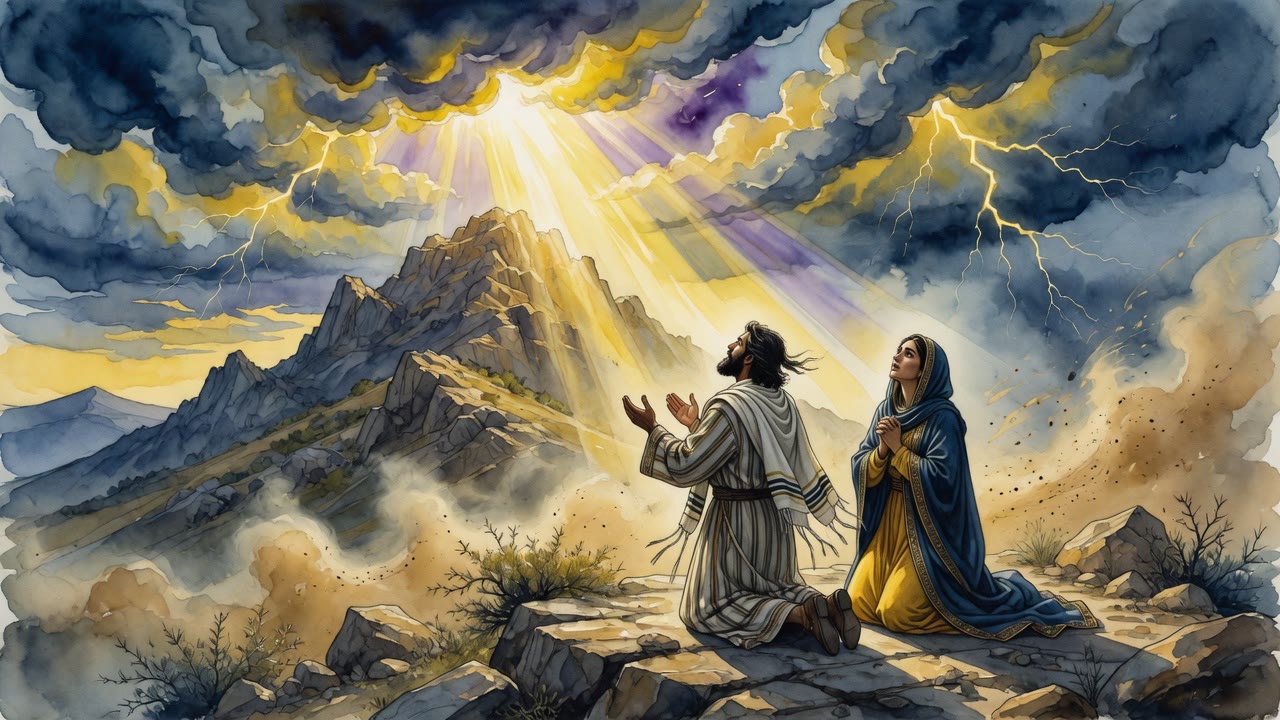
Rebecca was barren. Isaac did not stand above her with a private claim to the promise. He placed himself opposite her and prayed. One body on one side, one body on the other, each turned toward God, each asking that the children come through the righteousness of the other.
The prayer had force. The sages heard the word for Isaac's entreaty and compared it to a pitchfork turning grain. His prayer turned the decree over. It did not tap politely at fate. It got under the heavy thing and flipped it.
Some sages made the miracle sharper still. Rebecca did not merely struggle to conceive. God had to fashion the very place within her that could carry children. The promise did not find a waiting vessel. The promise made one.
The Servant Would Not Eat First
Rebecca entered Isaac's life because another man refused a meal.
Eliezer came weary to her father's house, food set before him, the dust of the road still on him. He would not eat until he had spoken. I am Abraham's servant, he said, beginning not with wealth or importance, but with his own place in another man's mission.
That humility opened the door for Isaac's future. Eliezer asked for kindness and truth. If the family would not answer with both, he would turn elsewhere. Right or left, Ishmael's line or Lot's line, another path could still be sought.
But Rebecca came. The woman for whom God would later fashion a womb crossed into the life of the child whose letters already held laughter, numbers, covenant, and the strange strength of weakness. Isaac was born from laughter, mocked in a cradle, and answered by prayer strong enough to overturn a decree.
← All myths