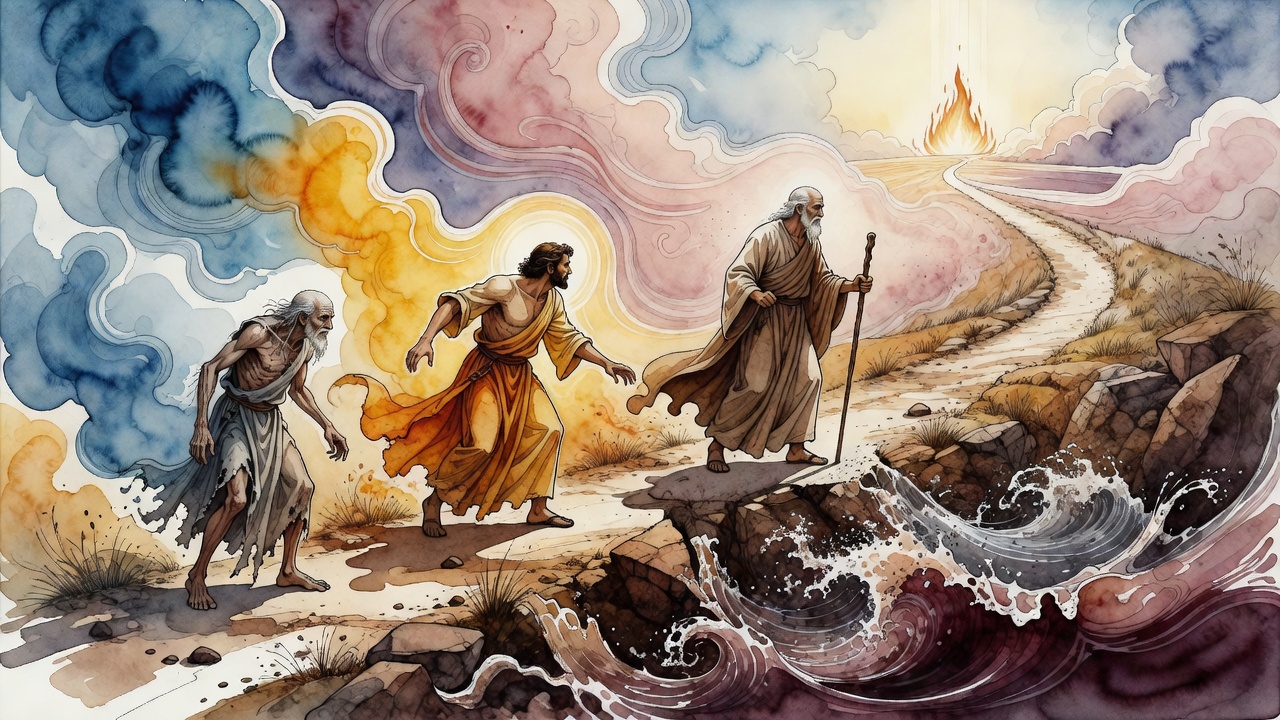
Isaac Brought Rebecca to Mount Moriah to Pray for a Child
Twenty-two years of barrenness. Isaac took Rebecca to the mountain where he had once been bound and laid on the altar. He knew what the place could do.
Table of Contents
 Click for full size
Twenty-Two Years
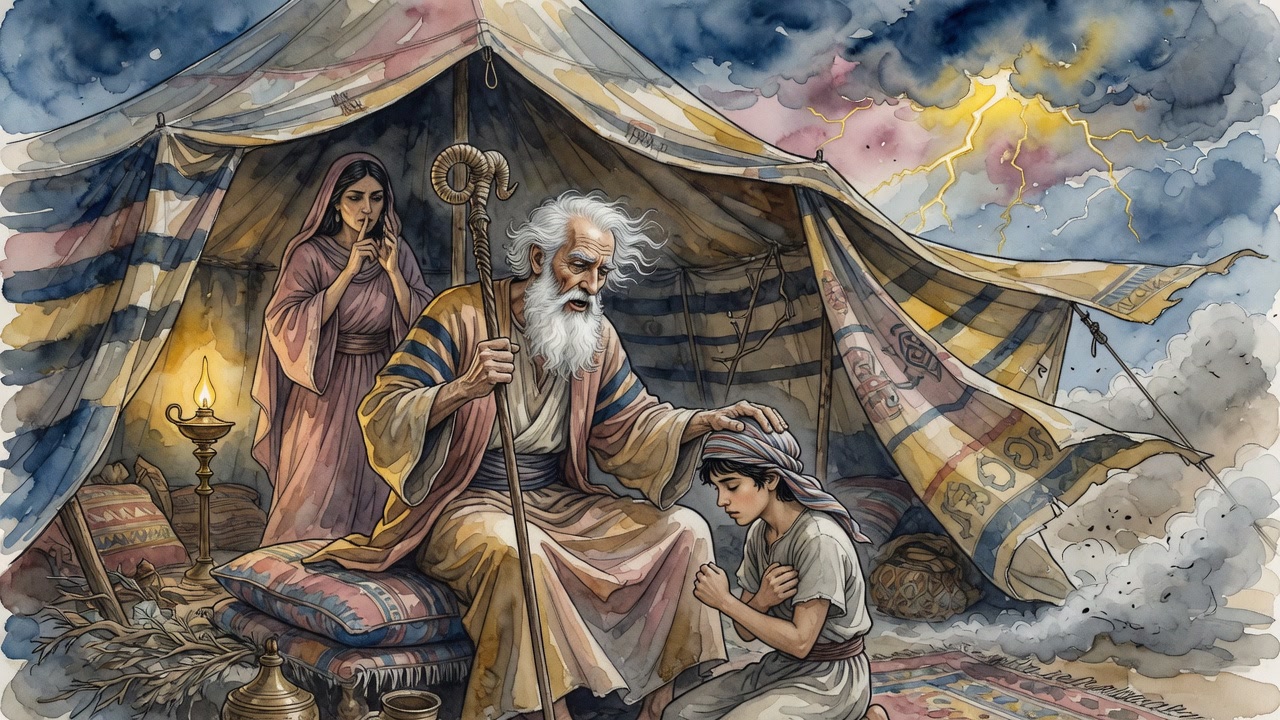
Isaac married Rebecca and she was barren. The Torah dispenses with this fact quickly, in a few verses, before recording that Isaac prayed and Rebecca conceived. It does not say where Isaac prayed, or what the prayer was, or what the years of waiting were like inside the marriage of two people who carried between them the weight of all the promises God had made to Abraham.
Twenty-two years. Targum Pseudo-Yonathan fills in the number. Twenty-two years of waiting, two people holding a future that had been promised before they met, in a covenant made with someone else's father, destined to continue through children they could not yet produce.
The Choice of Mountain
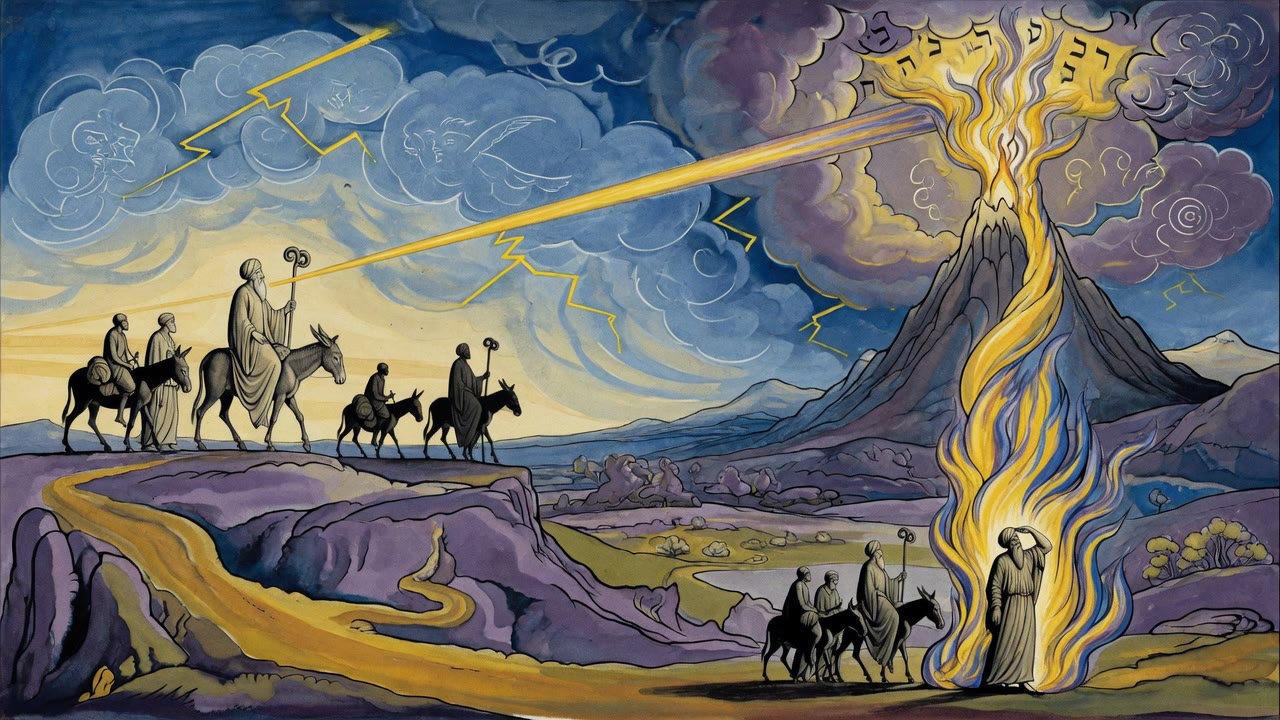
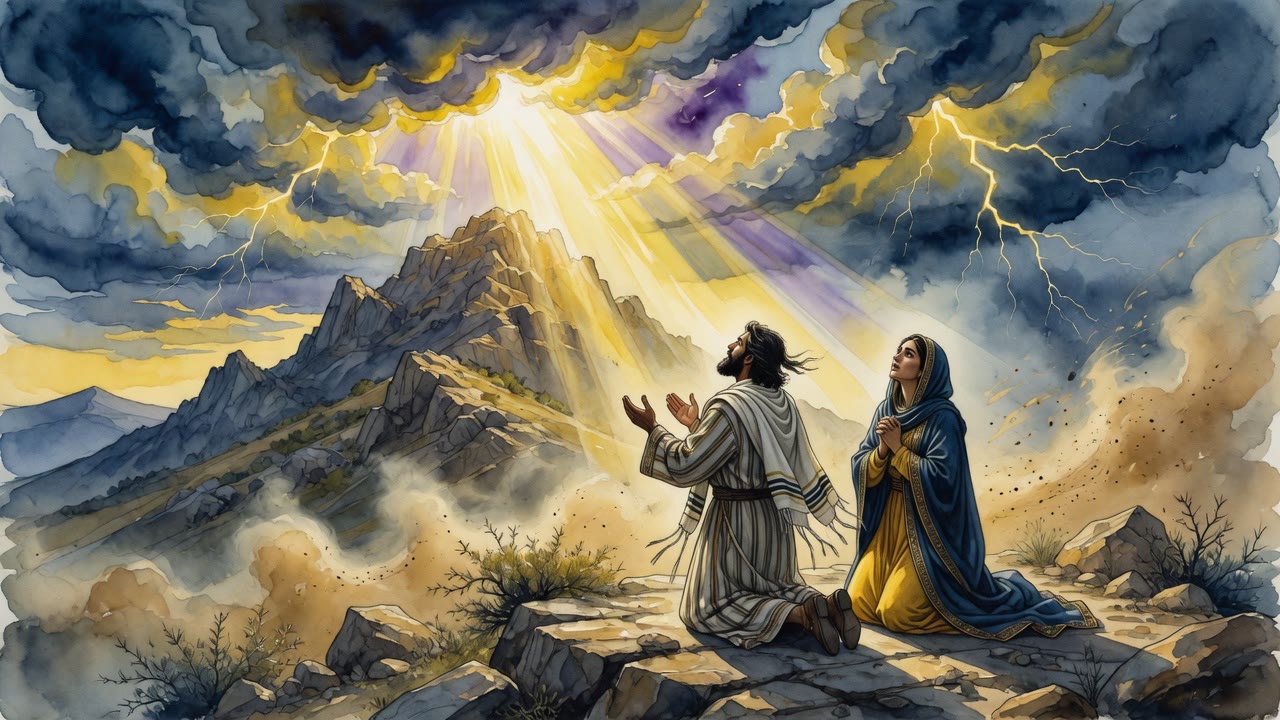
When Isaac decided to do something about the barrenness, he did not pray in Beersheba where Abraham had planted a tamarisk and called on God. He did not pray in any neutral place. He took Rebecca to Mount Moriah.
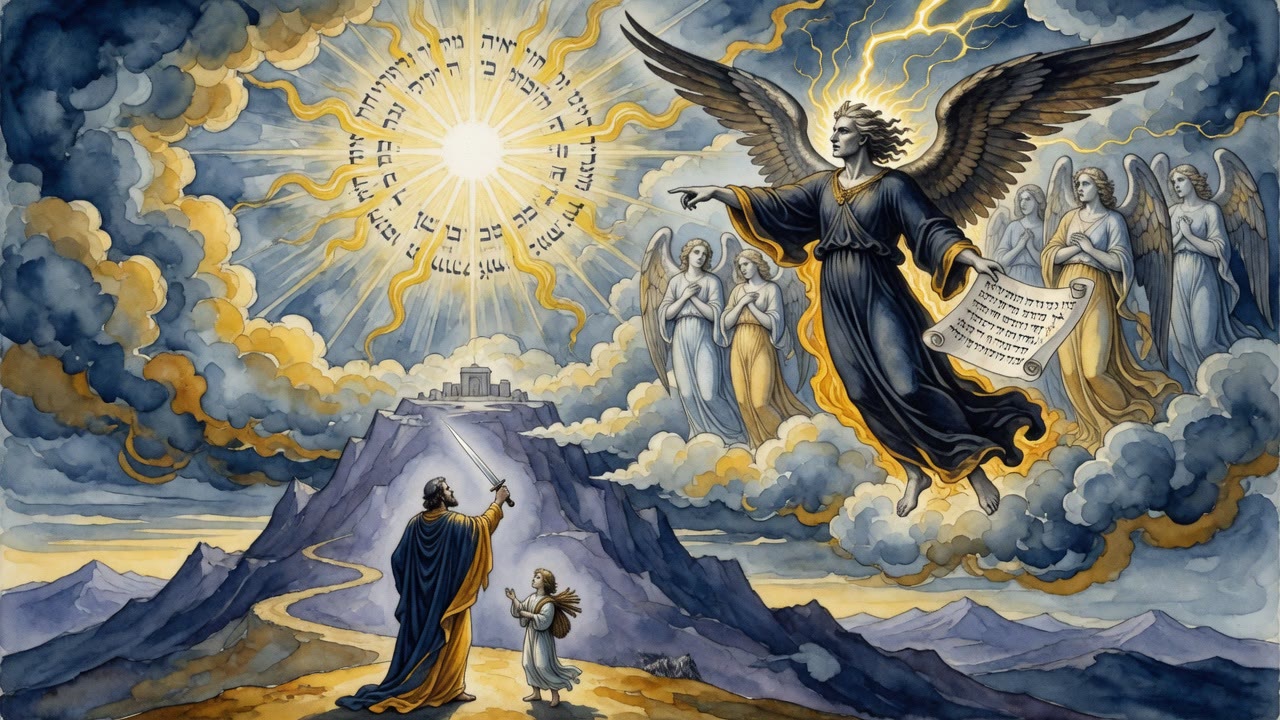
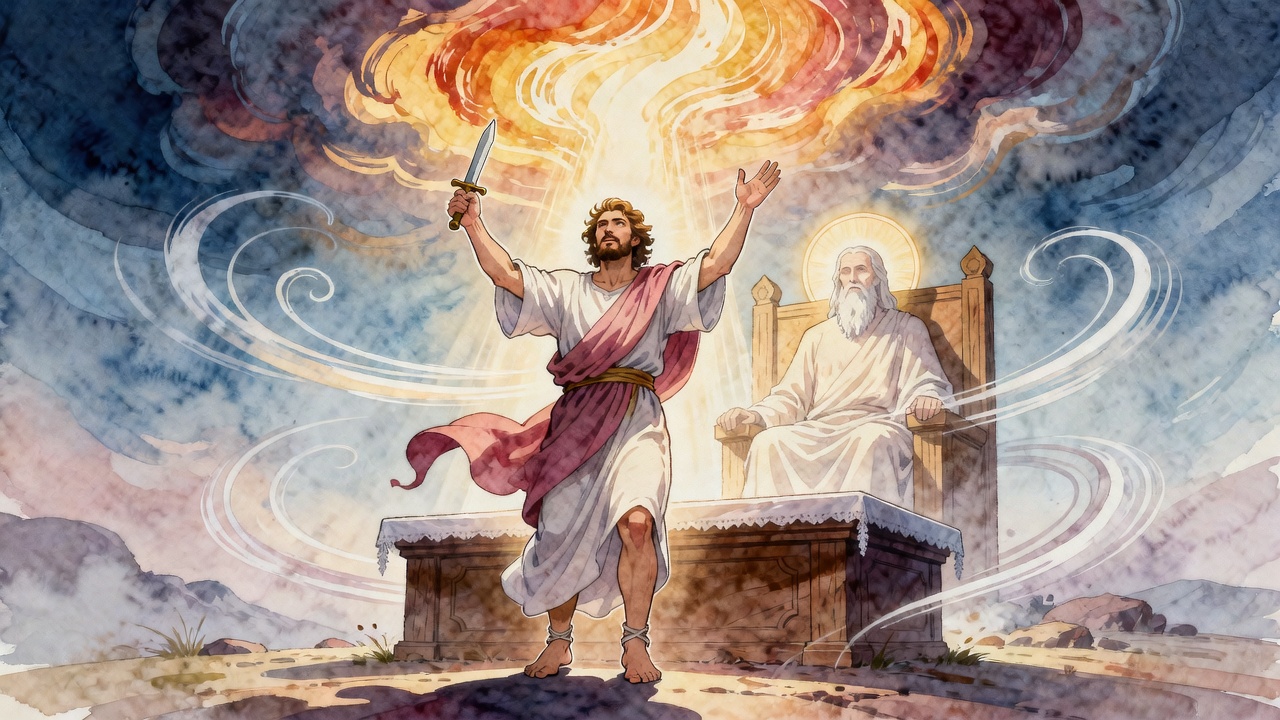
That was where he had been bound. That was where his father had raised the knife. That was where, as a young man, he had understood what was being asked of him and had not run. The altar was there, or its memory was there, and the ram caught in the thicket, and the angel's voice stopping everything at the last second, and the divine promise renewed to Abraham on the basis of what he had been willing to do.
Isaac knew what that mountain could hold. He had felt the rope and then felt its absence. He had seen what absolute surrender produced: the opening of heaven and the words of promise cascading down. He was going back because he knew the location mattered. Holy places are not interchangeable. Moriah was where God had already proved what a prayer of total willingness could accomplish.
What the Mountain Was
The Book of Jubilees confirmed what tradition had preserved: Mount Moriah, the site of the Akeidah, was the same place where the Temple would eventually stand. Abraham had named it, "God will see," and the name had proved accurate on the day the ram appeared. But it had not exhausted itself in that single seeing. The mountain that received Abraham's willingness and returned a promise was the same mountain where Solomon would later build the house, where the altar of the Temple would stand, where the smoke of sacrifices would rise for centuries.
Isaac stood on that ground with Rebecca and prayed for what Abraham's covenant had promised would come. He was not praying in a random location. He was praying on the site where the covenant had been sealed with an act of sacrifice, asking for the next generation of that covenant to begin.
The Angels Who Watched
Jubilees records that on the day of the Akeidah, the angels of the presence stood watching from heaven. They saw everything: Abraham's preparation, Isaac's willingness, the knife raised, the angel's call, the ram. They witnessed the moment that would define Isaac's life and make the mountain what it was.
When Isaac returned to that mountain with Rebecca, those witnesses were still in the memory of the place. The ground carried what had happened on it. When he prayed there, he was not just a man asking God for a child. He was the son of the Akeidah, the near-sacrifice who survived, standing on the ground where his survival had been purchased, asking for the continuation of the life that had almost been ended there.
God Answered
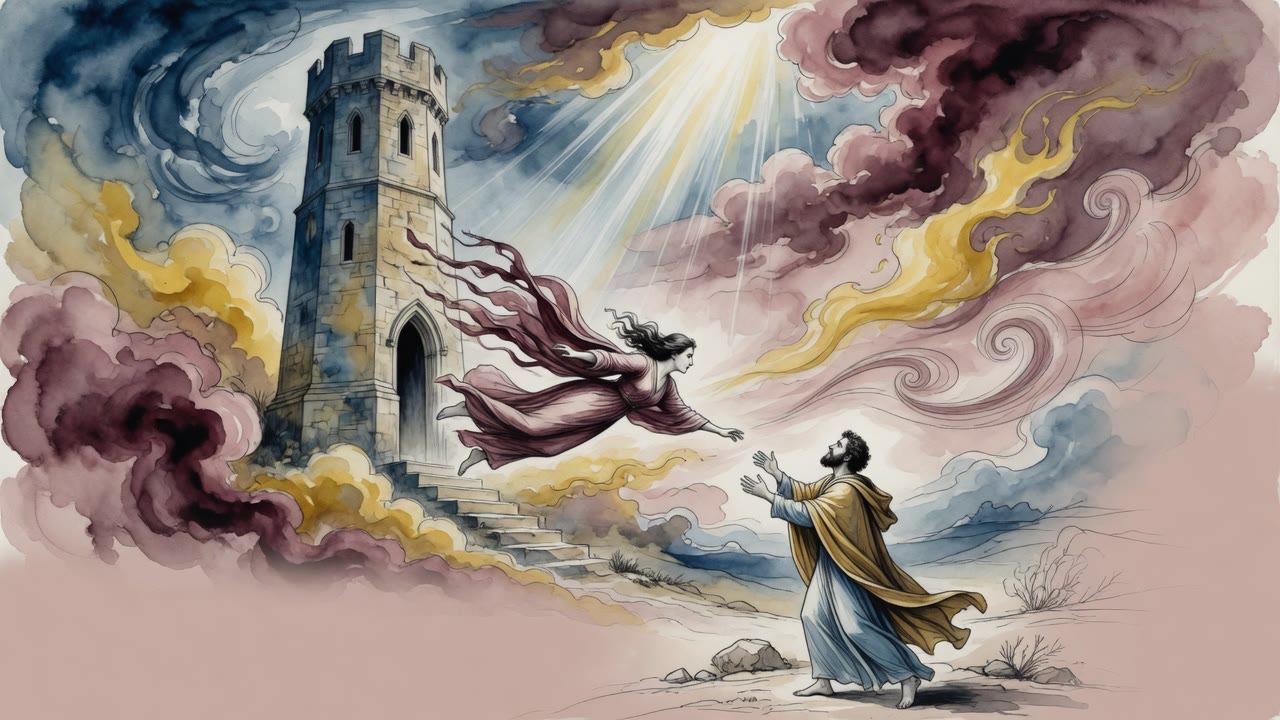
Isaac prayed opposite his wife. The phrase is specific in both the Torah and the midrash: they stood across from each other, two people praying simultaneously for the same thing, their prayers meeting in the middle. And God answered, and Rebecca conceived, and in the end there were twins in her womb, pressing against each other even before birth, continuing the struggle that would define the whole subsequent history.
The mountain that had nearly taken Isaac's life gave him children instead. The place of maximum surrender became the place of maximum receiving. He had not avoided it. He had returned to it, because he understood that the door through which the hardest thing comes is also the door through which the most desired thing arrives.
← All myths