Ha-Satan Blocked the Road to Moriah Three Times
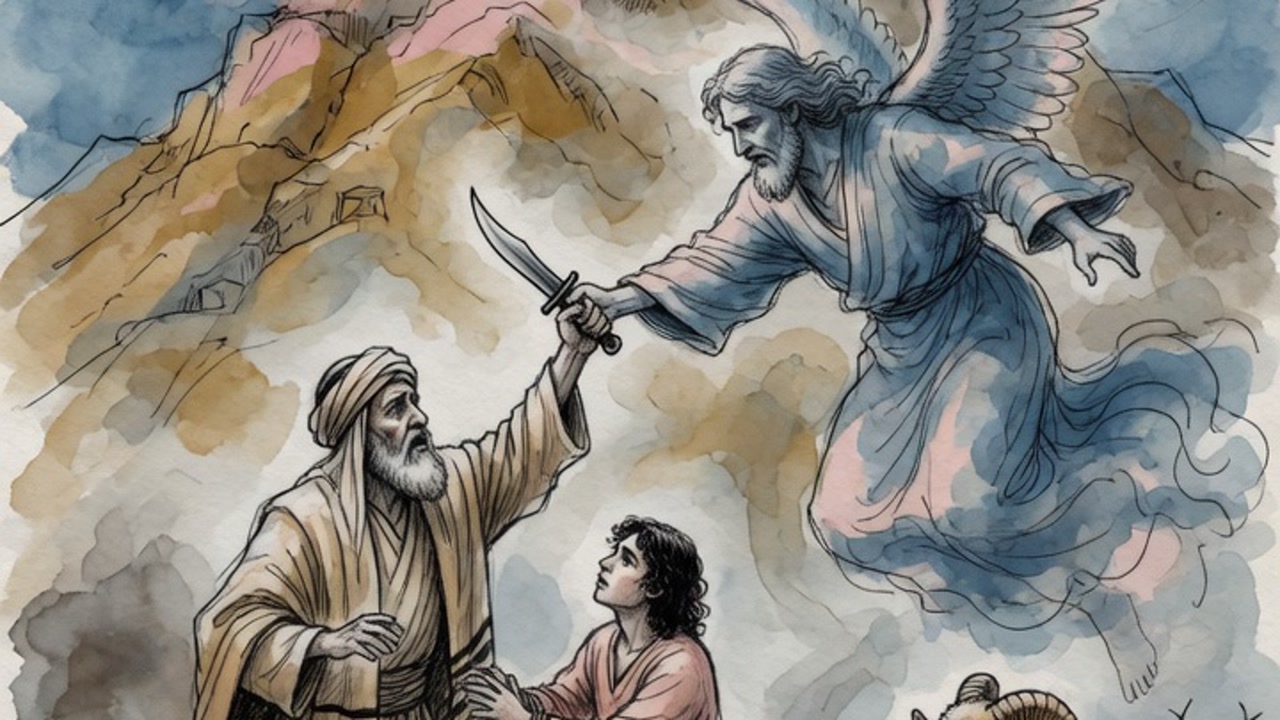
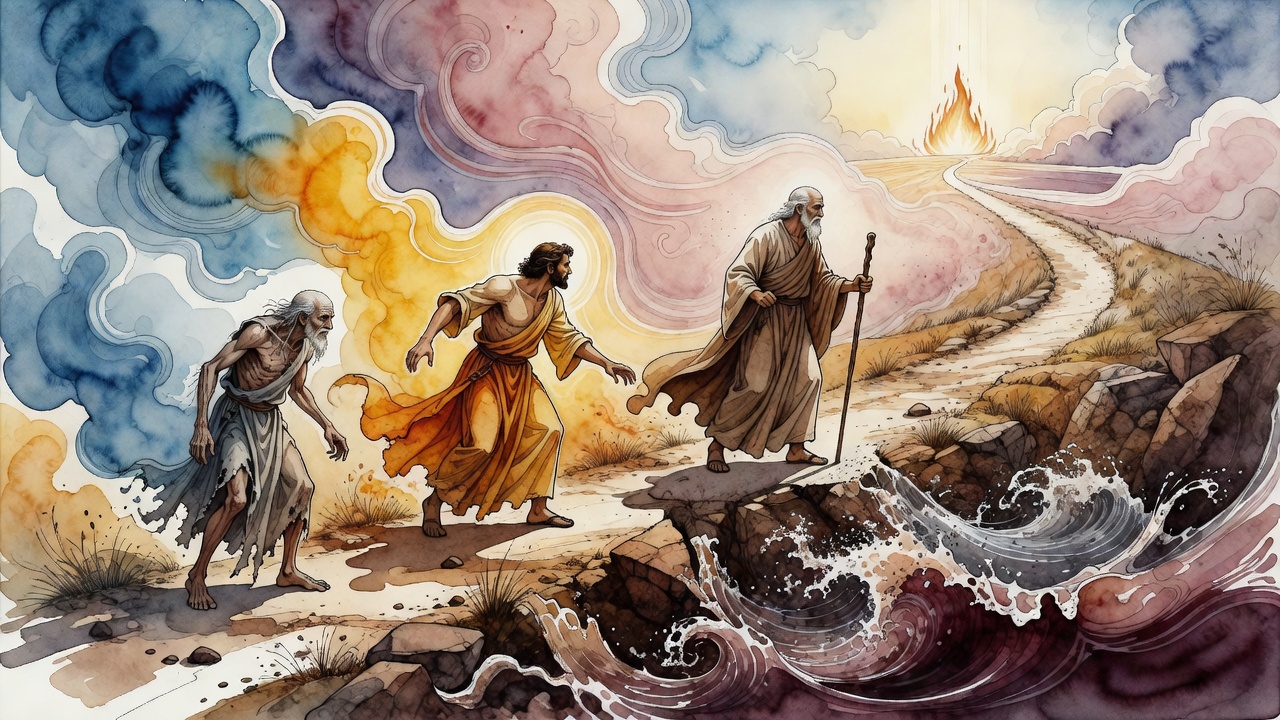
On the road to Moriah, Ha-Satan, the Accuser, blocked Abraham three times as an old man, a young man, and a flood. Abraham crossed all three.
Table of Contents
The road to Moriah was not empty.
 Click for full size
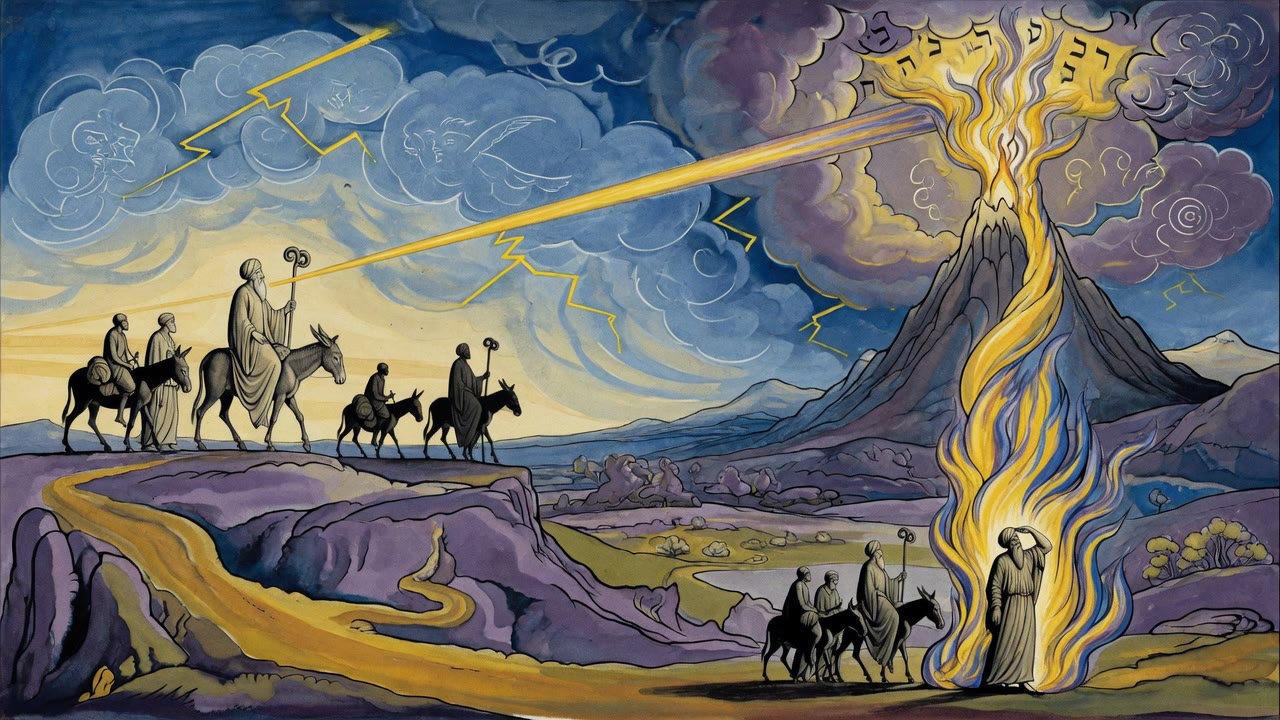
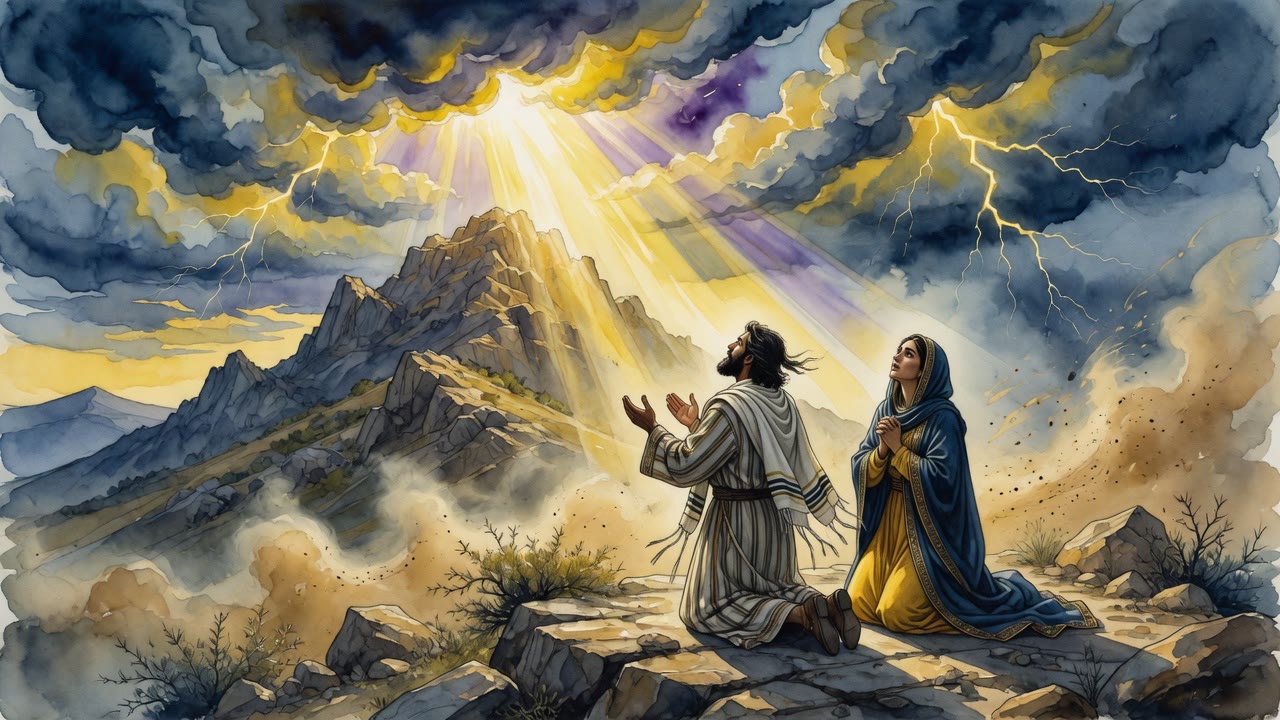
Abraham walked with Isaac, two servants, wood, fire, and the knife. The command had already landed. The mountain had not. Between them stretched three days, enough time for obedience to grow teeth, enough time for every doubt to learn Abraham's name.
Ha-Satan (the Accuser) had reason to be there. He had helped bring the test before the heavenly court.
The Accusation Began at a Feast
Isaac's weaning feast was full of important guests.
Abraham had waited a century for the child. Sarah had laughed, nursed, and proved the miracle before women who had doubted her. The house overflowed with celebration. But the poor were not fed at the door, and the Accuser noticed. Ha-Satan carried the omission upward and set it beside Abraham's whole life of hospitality.
God defended Abraham. If asked for Isaac himself, God said, Abraham would not refuse. The road to Moriah began before Abraham ever saddled the donkey.
The Old Man Tried Pity
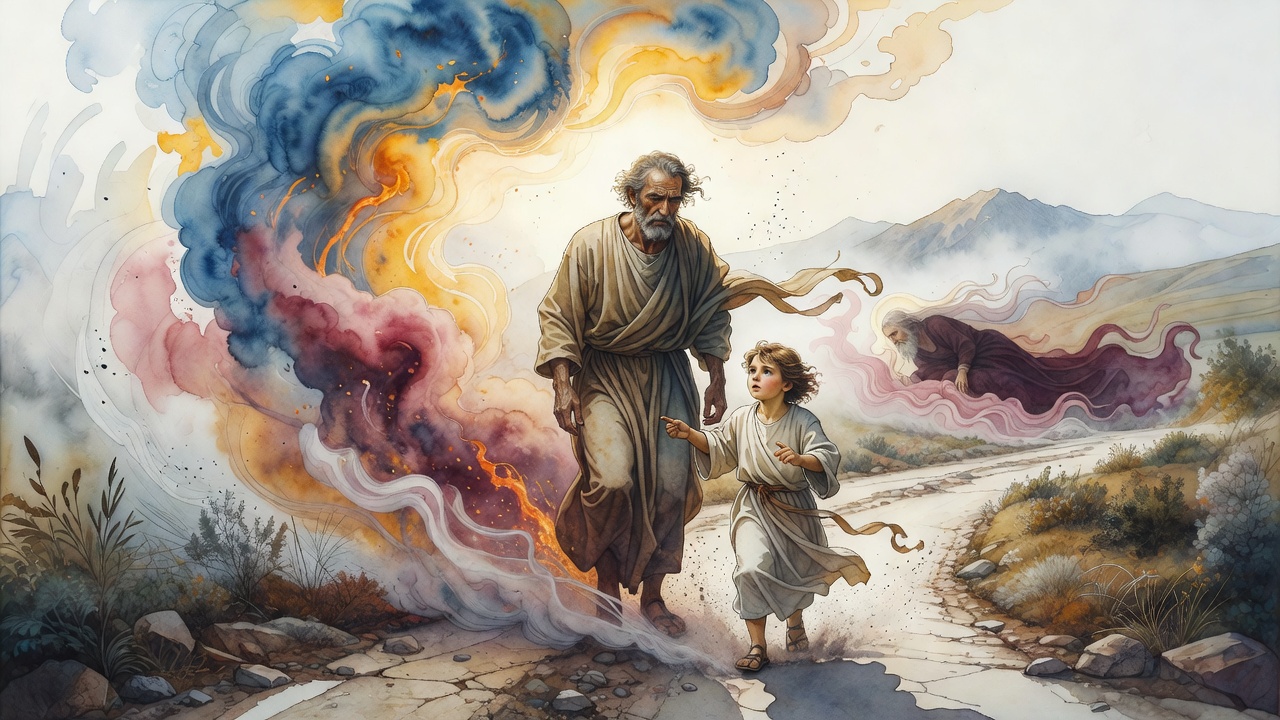
Ha-Satan appeared first as an old man.
He sounded sorrowful, reasonable, wounded on Abraham's behalf. Was the patriarch mad? Had God given him a son in old age only to demand slaughter? Could such a command truly come from heaven? The questions were shaped to feel like compassion. They pressed on the place where love and obedience were tearing at each other.
Abraham heard the voice beneath the disguise. He kept walking.
The Young Man Turned to Isaac
The next disguise was youth.
Ha-Satan went to Isaac with urgency and flattery. His father was old. The command was foolish. A life should not be thrown away because an aged man had misunderstood God. Isaac felt the words and carried them back to Abraham. The test had moved from the father's solitude into the son's hearing.
Abraham warned him. The voice was the Accuser. The command remained. Father and son continued together.
The Water Rose to Their Necks
The last obstruction had no face.
A river appeared where Abraham knew no river belonged. The travelers entered, and the water rose. First the feet, then the legs, then the body, until it reached their necks. The mountain was ahead, but the road had turned into drowning.
Abraham recognized the trick by the landscape itself. This place had not held water before. He rebuked Ha-Satan, and the flood vanished. Dry ground returned under their feet.
The Knife Was Not the First Trial
By the time Abraham reached the altar, he had already refused three exits.
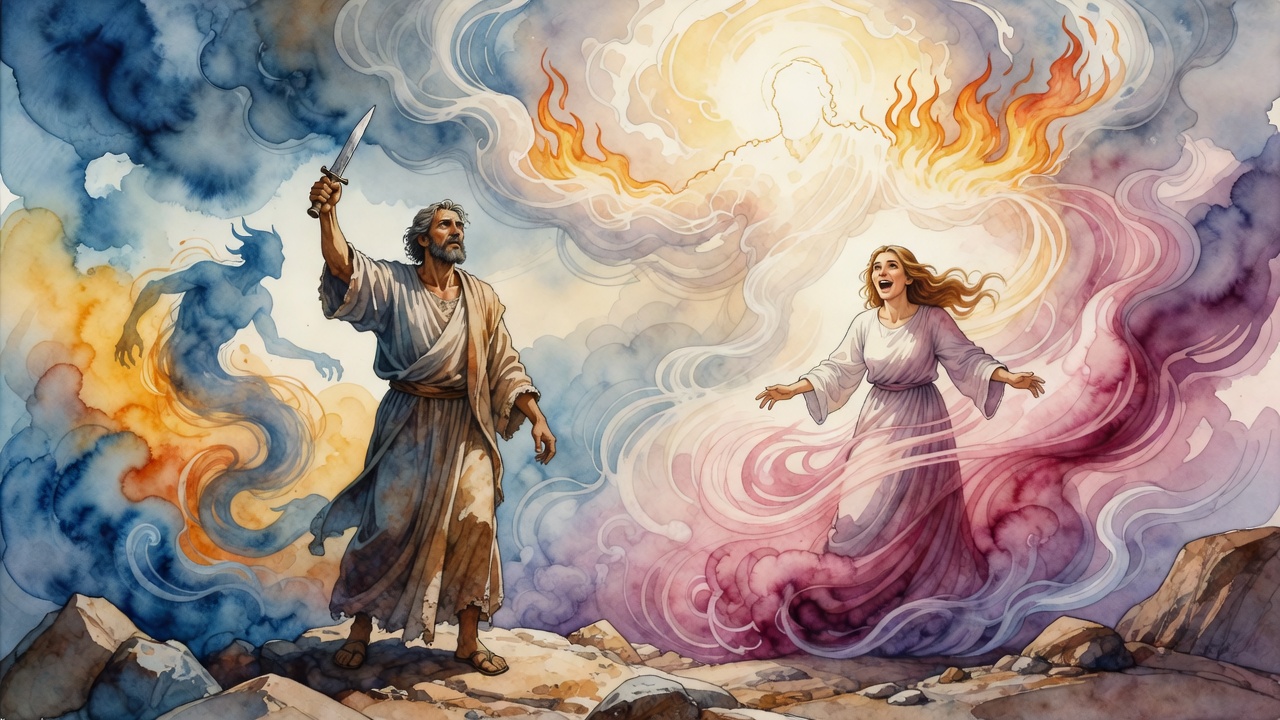
He had refused pity that would loosen obedience. He had refused youth's argument that sacrifice was merely confusion. He had refused the terror of water rising against the body. The binding did not begin when Isaac lay on the wood. It began when the first voice tried to make Abraham turn around.
Ha-Satan came with grief, reason, and fear. Abraham carried the knife past all three, and Isaac kept walking beside him.
Those three attempts matter because each blocked a different part of the road. The old man attacked Abraham's mercy. The young man attacked Isaac's trust. The flood attacked the body itself. Ha-Satan did not repeat one argument three times. He tested the command from three directions, hoping that father, son, or flesh would break before the mountain appeared.
The companions at the edge of the scene make the pressure heavier. They carry supplies, see the strange obstacles, and still cannot enter the center of the command. Abraham and Isaac move past them into a solitude no servant can share. By the time the servants are left behind with the donkey, the Accuser has already failed to turn the two people who matter most.
The road is therefore part of the binding. Moriah begins with voices in disguise and water at the throat.
Abraham's rebuke breaks the pattern each time. He does not negotiate with the old man, comfort the young man, or study the flood for a safer crossing. He names the obstruction and moves. The Accuser can delay, disguise, and frighten. He cannot make Abraham call the command by another name.
Every step after that is quieter because the road has already screamed.
Silence after such resistance is not emptiness. It is decision.
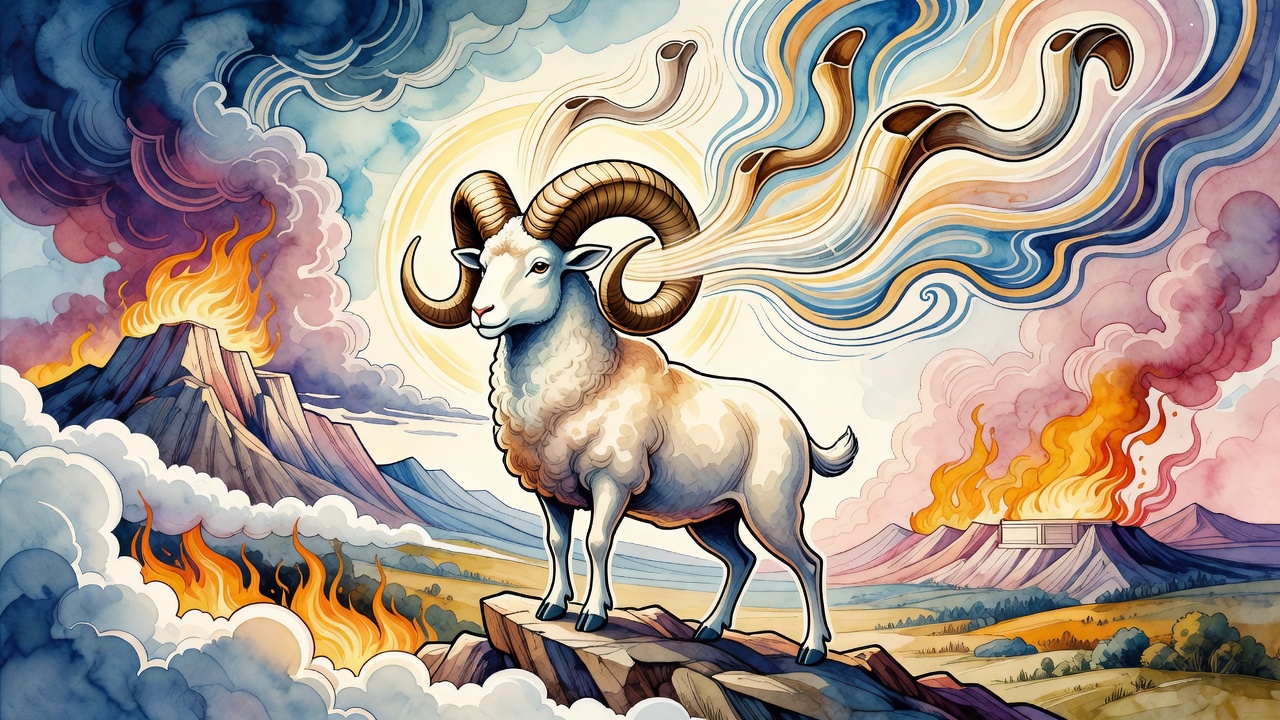
The mountain received men who had already crossed an unseen battlefield.
← All myths