Joseph Was the Only Brother Esau Could Not Answer
Jacob's sons named Esau's hunt and the four hundred men. Esau named the pit at Dothan. Joseph came in still feeding the men who sold him.
Table of Contents
The brothers came into court with old blood on their hands.
 Click for full size
They had charges to bring. Esau had hunted Jacob with murder in his mouth. He had waited for Isaac to die so he could kill the brother who took the blessing. He had forced Jacob into flight, filled their father's house with fear, and turned brotherhood into a thing with teeth.
The sons of Jacob remembered all of it. They stood as tribes now, not only as sons, and they wanted a verdict.
The Brothers Named the Hunt
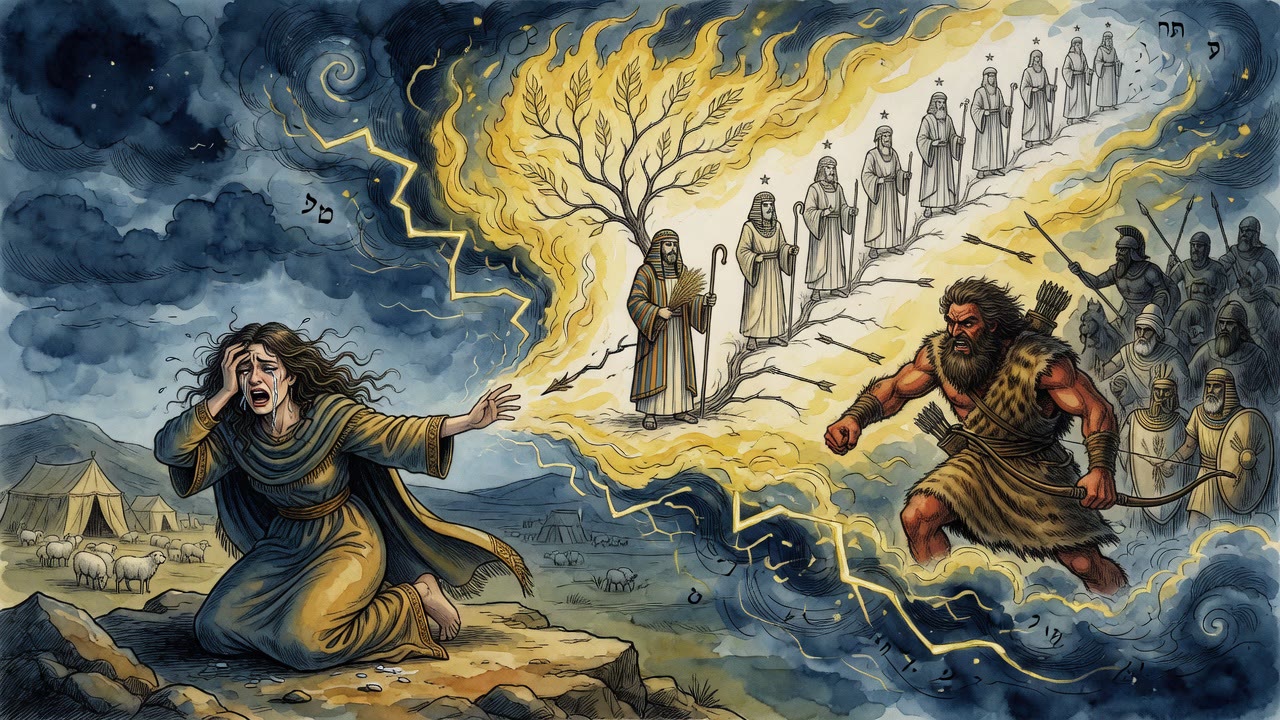
Reuben spoke with his wounded dignity. Simeon and Levi came with their swords still on them. Judah had kings hidden in his name. Issachar, Zebulun, Dan, Naphtali, Gad, Asher. Each carried Jacob's injury forward. Each had inherited the right to say that Esau had pursued a brother to harm him.
The charge sounded clean when they first spoke it. Esau had nursed anger for years. Esau had made Jacob run from home. Esau had met him later with four hundred men at his back. If justice needed a witness, Jacob's sons could point to the road, the exile, the long terror of return.
Then Esau lifted his head.
Esau Opened the Pit at Dothan
His answer did not clear him. It stained them.
"What about Joseph?"
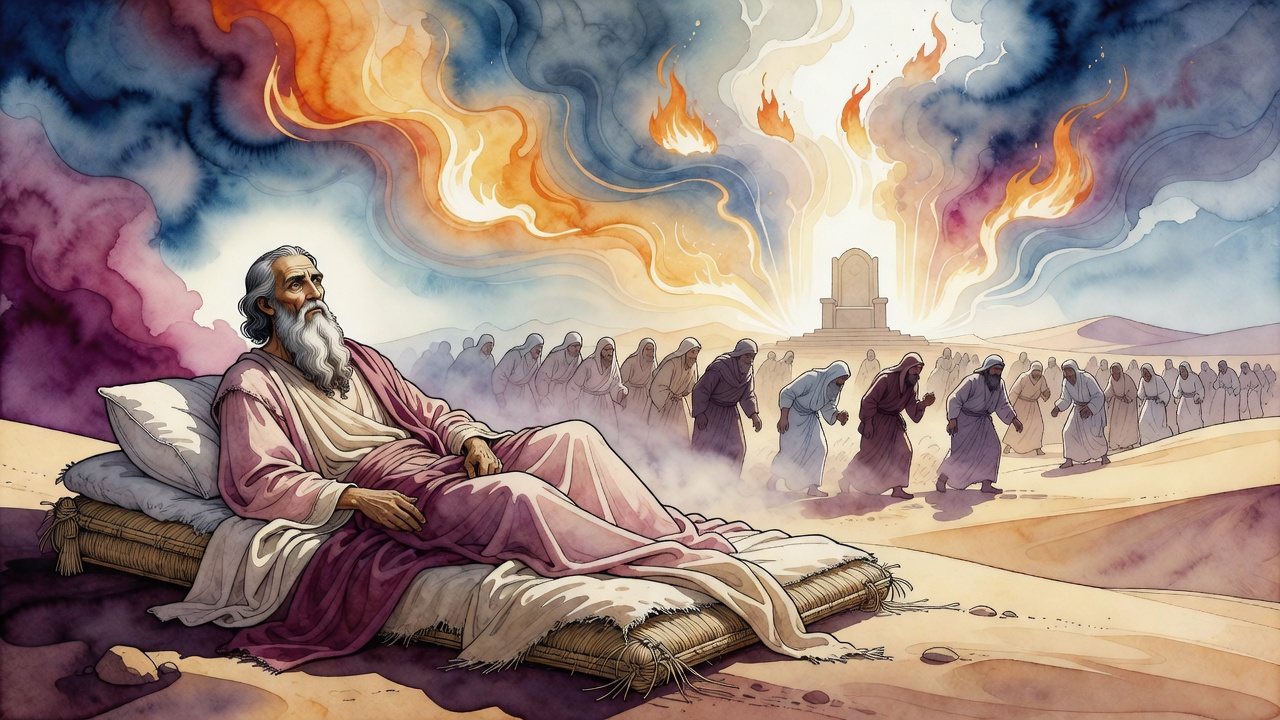
The name fell among the brothers like the sound of a pit opening again. They had stripped a brother. They had lowered him into the earth. They had sat down to eat while his voice rose from below. Then they saw merchants on the road and turned blood into silver. Twenty pieces changed hands. A robe went home soaked in blood. Jacob tore his garments and refused comfort, and his sons let the lie live in the house for years.
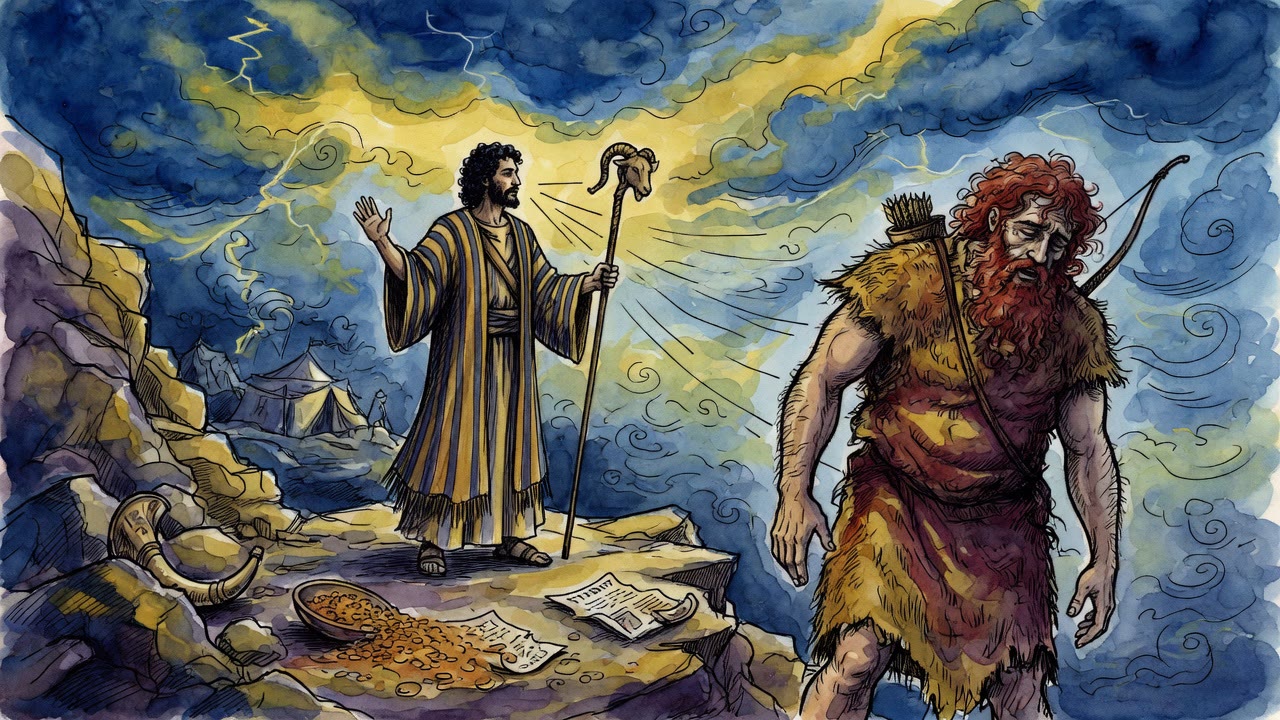
Esau did not need innocence. He needed only comparison. If the sons of Jacob accused him of hunting a brother, he could point to Dothan and ask what they had hunted there.
The accusers had become evidence. The court waited on a man who was not yet in the room.
Joseph Came in From Egypt
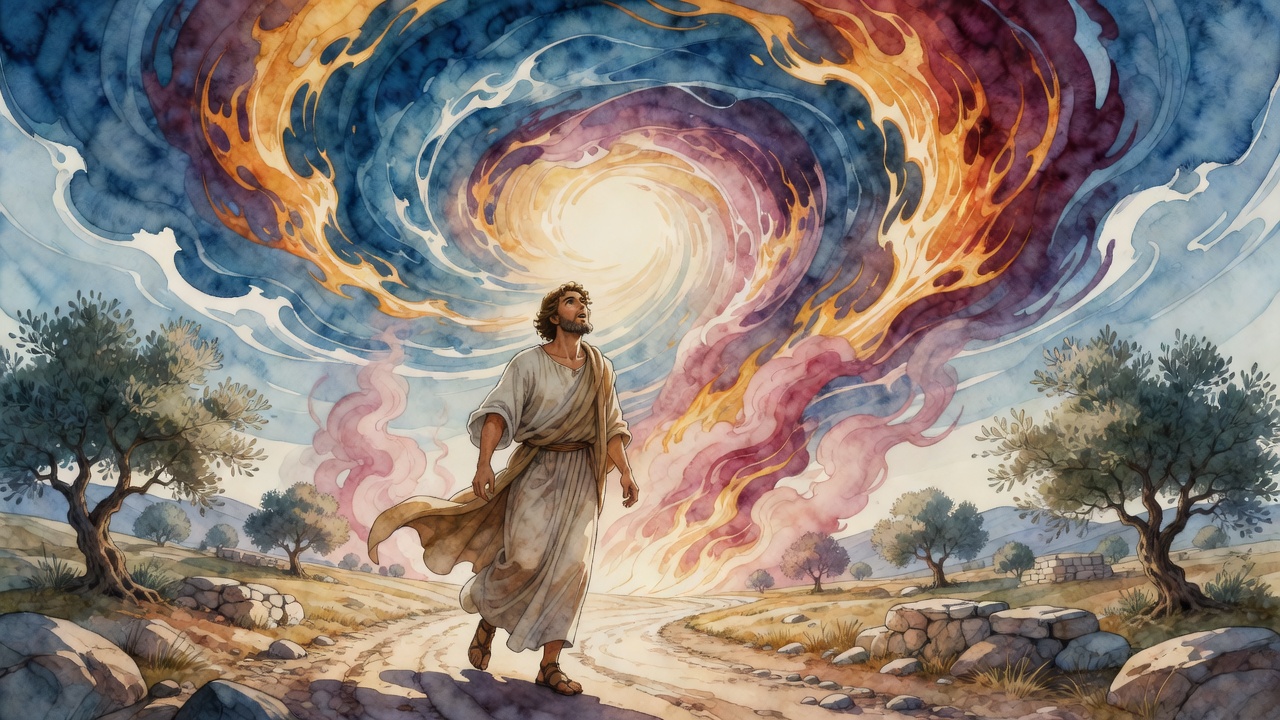
Then Joseph came.
He did not arrive as the boy they remembered. Egypt had dressed him in power. The brothers had once seen him as a dreamer in a colored robe. Now the man before Esau had known chains, prison walls, hunger, statecraft, and the terrible pleasure of holding one's enemies helpless.
Joseph had been wronged more cleanly than Esau. No one stole his blessing with a disguise. His brothers threw him away. They sold him to strangers. They let their father bury him in imagination while he was still breathing.
He had also held them in his hand. They came to Egypt starving. They bowed before him without knowing his face. Joseph could have taken payment then. He could have made Benjamin disappear as he had disappeared. He could have fed Jacob the same years of grief. Instead he wept where power could not protect him from memory, opened his face to them, and fed the men who had sold him.
Mercy Left Esau Without a Mouth
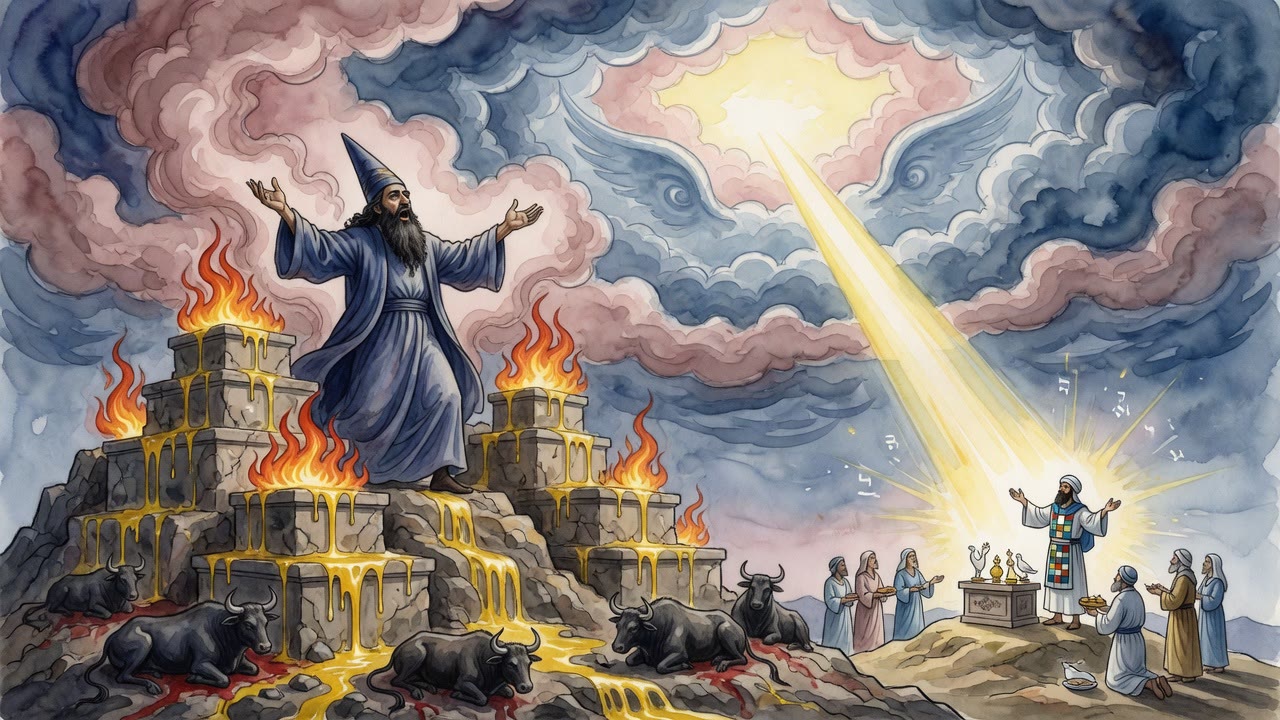
Esau's defense depended on injury. He could say Jacob had wronged him. He could say rage had a history. He could say a stolen blessing makes a man dangerous. Against the other brothers, the answer worked, because their own history had the same shape. They had also turned grievance into harm.
Against Joseph, it died.
Joseph had an answer no sword could make. "My brothers repaid me with evil, and I repaid them with good." The words did not excuse the pit. They made the pit heavier. They showed that suffering does not force a man to become Esau. A brother can be betrayed and still refuse to build his whole life around revenge.
Benjamin stood in the same line, but for another reason. He had not been at Dothan. He had not watched Joseph's robe leave his body. He had not heard the bargaining with merchants or seen the silver split. His tribe carried no guilt from the sale. Innocence can accuse. Mercy can silence. Joseph was the sharper witness.
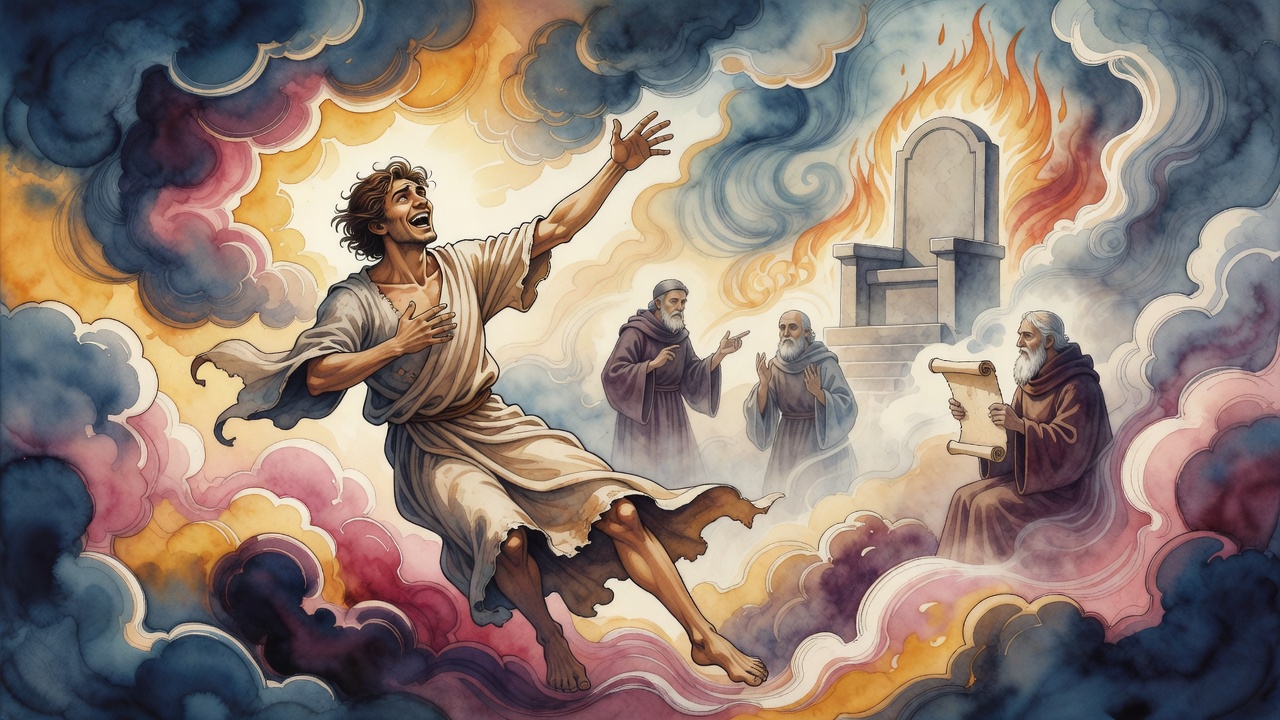
So Esau, who had once made Jacob run, stood before the brother who had every reason to become him and did not. The answer left his mouth before he could speak it. The old rage had met the one man it could not explain.
← All myths