308 myths · Page 4 of 11
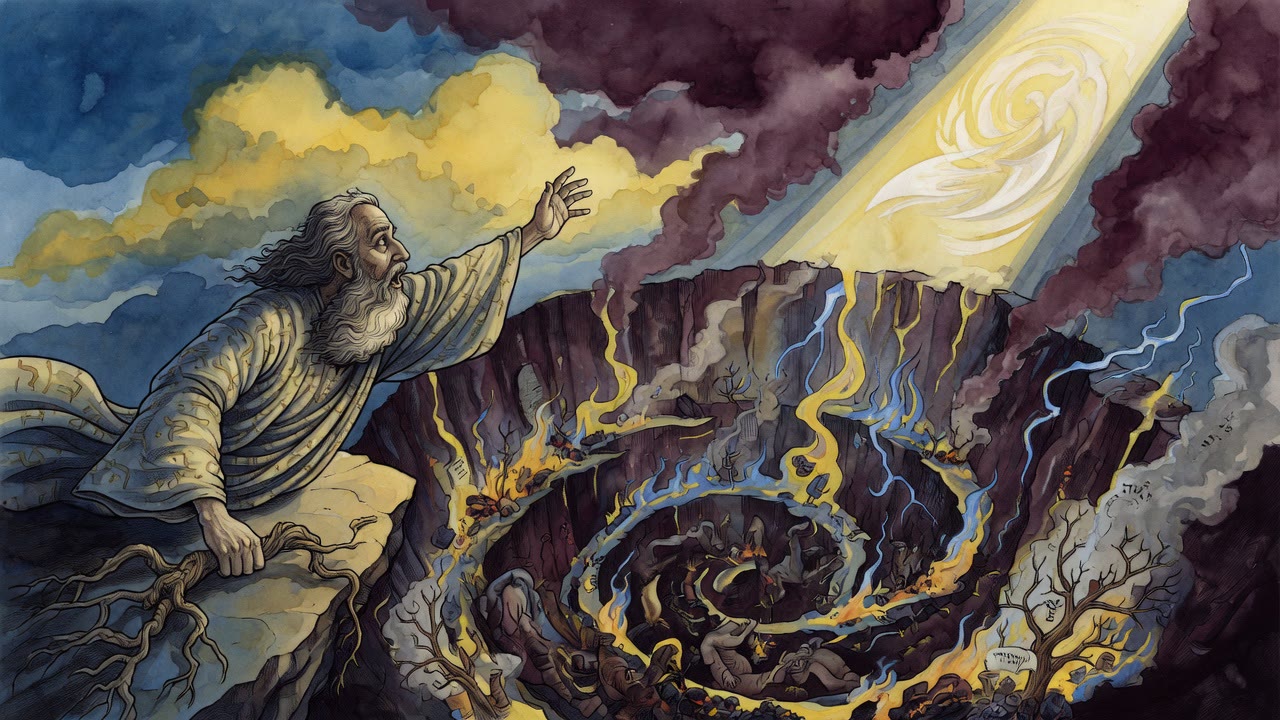
No dust rose on the road. Abraham, still healing, sent Eliezer anyway, then rose himself toward heat that had come up from below.
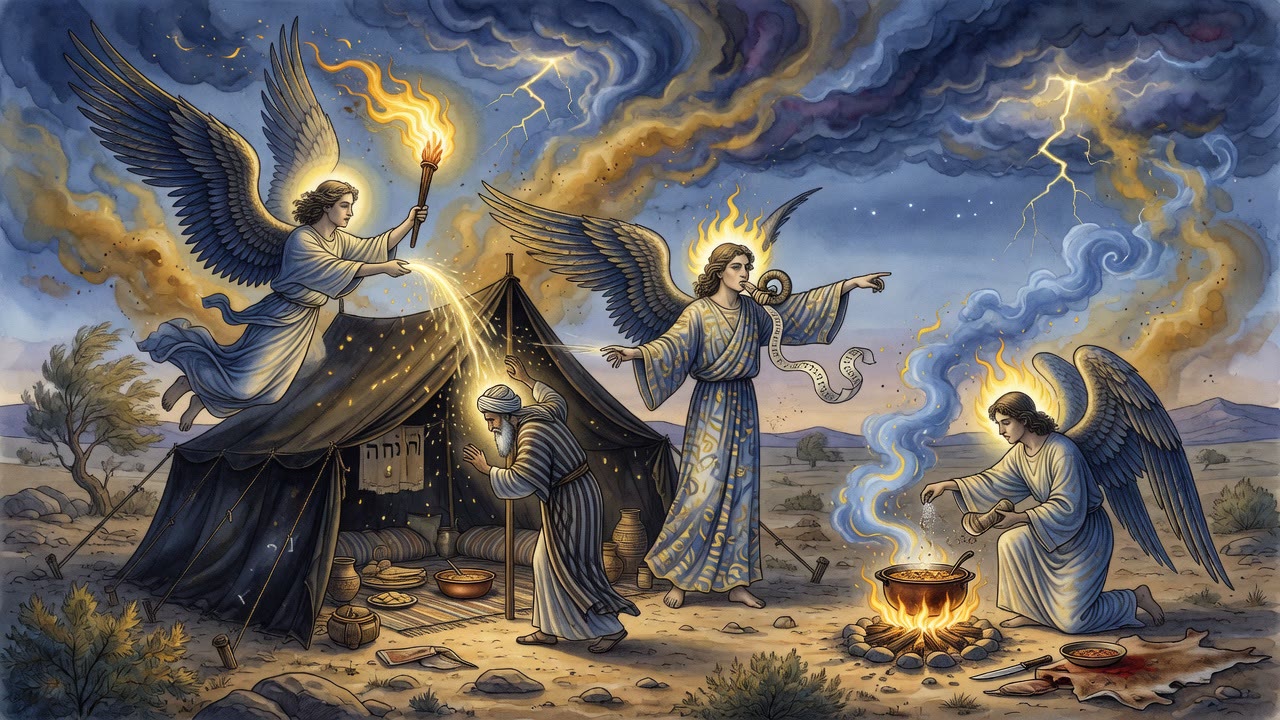
Abraham sat in the tent door three days after the knife, the air hot as Gehinnom. He still ran when the three men appeared on the road.
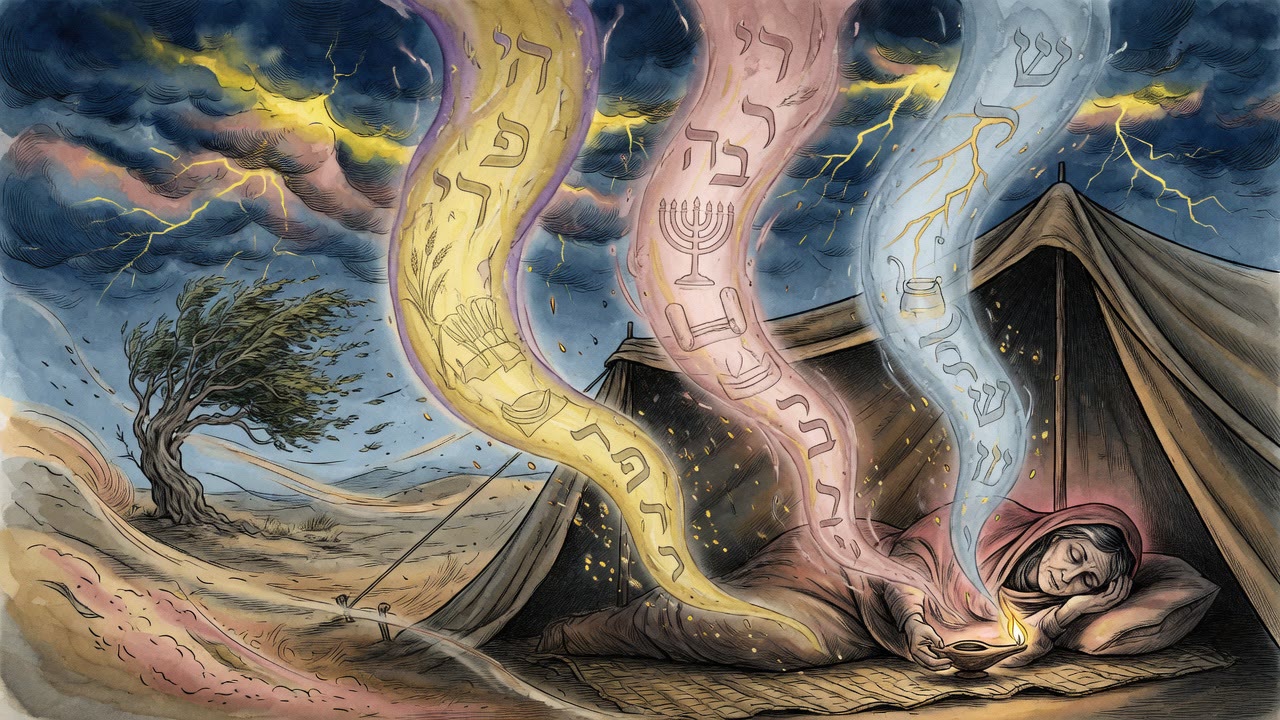
Pharaoh woke at dawn and could not explain the night. He had brought Sarah into his palace and had not been able to come near her.
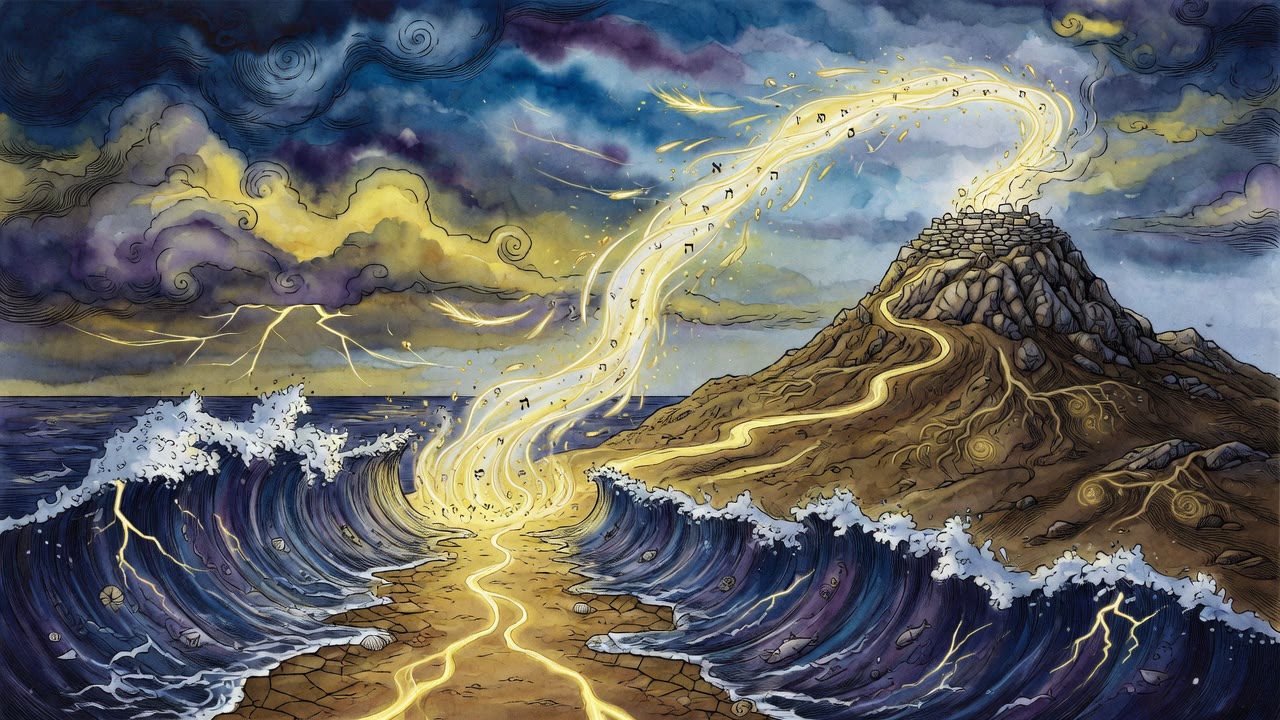
Israel stood at the sea with nowhere to go. The rabbis asked what finally moved God to split it. The answer started with a promise made centuries before.
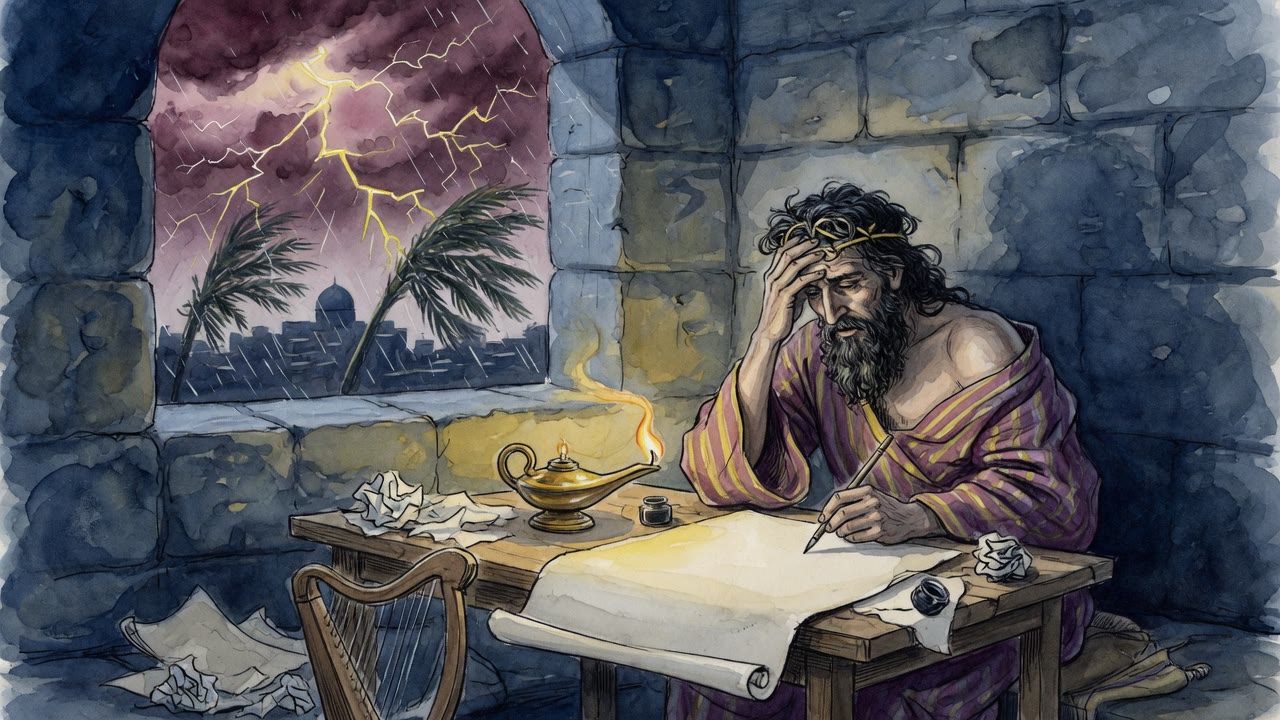
He held the whole army in place until the court finished reading old treaties. Then he went to war, and afterward he wrote that he was alone.
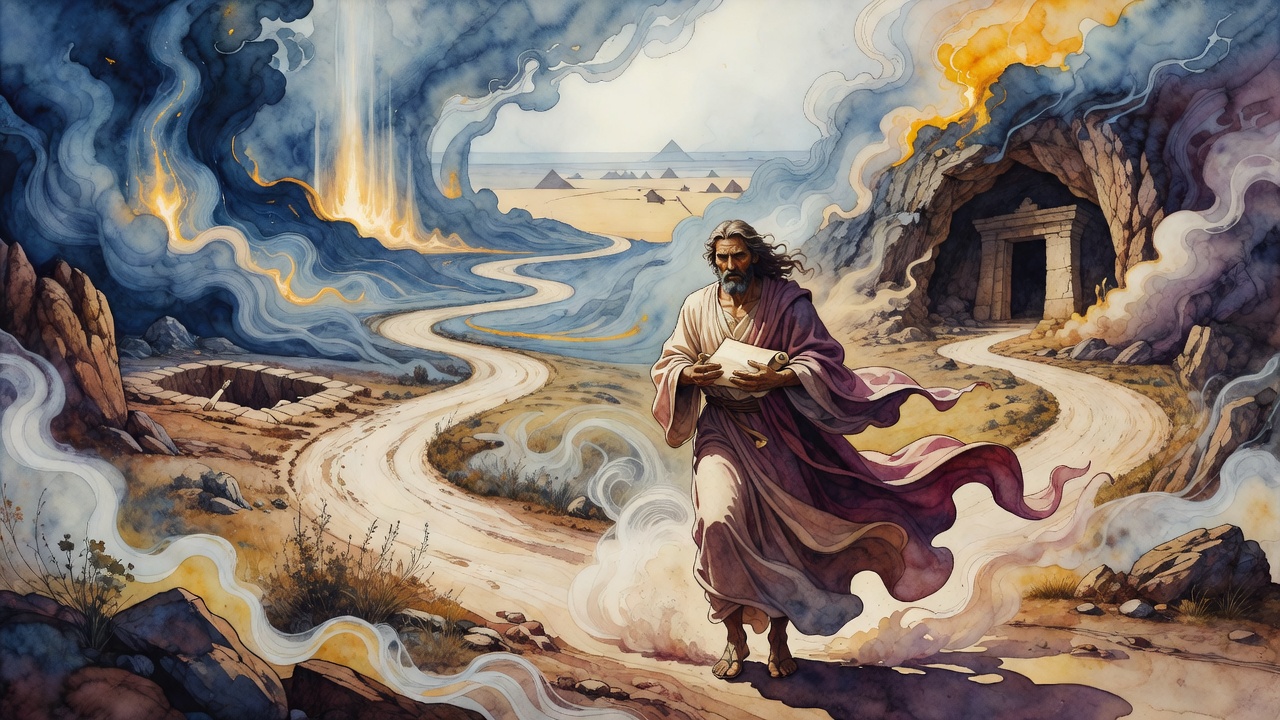
Rachel died between towns, close enough to Bethlehem that the family could have turned. Jacob set a pillar in the dust and kept walking.
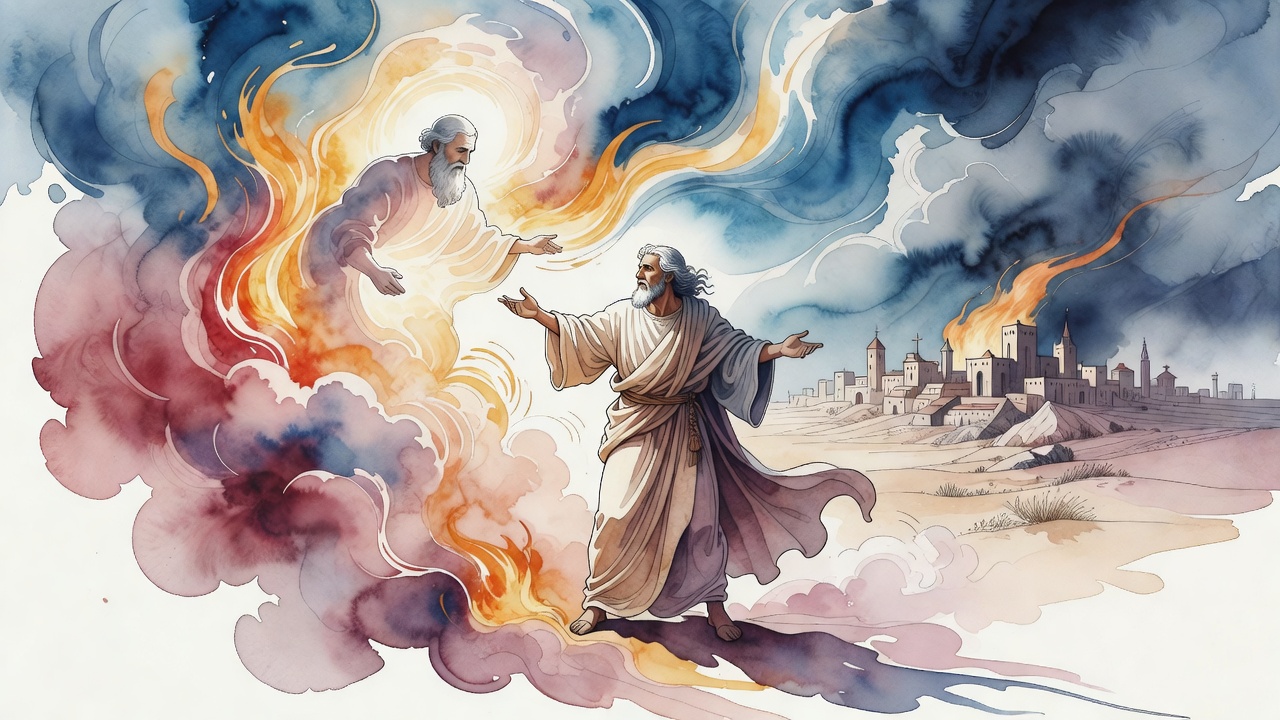
Abraham accused God of slipping out of His own oath. God answered by offering to march every generation He had ever destroyed past him, one at a time.
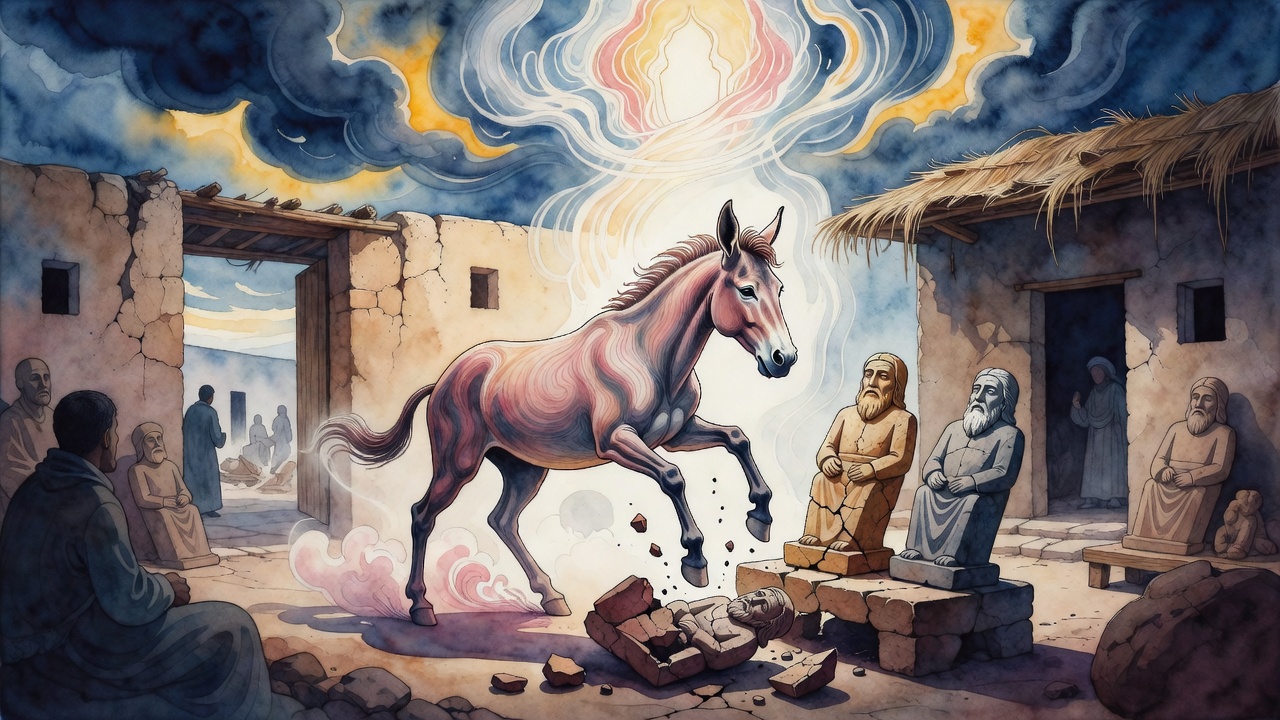
Before Abraham became the great icon-breaker, his mule panicked at a Syrian inn and broke three idols. The first crack came by accident.
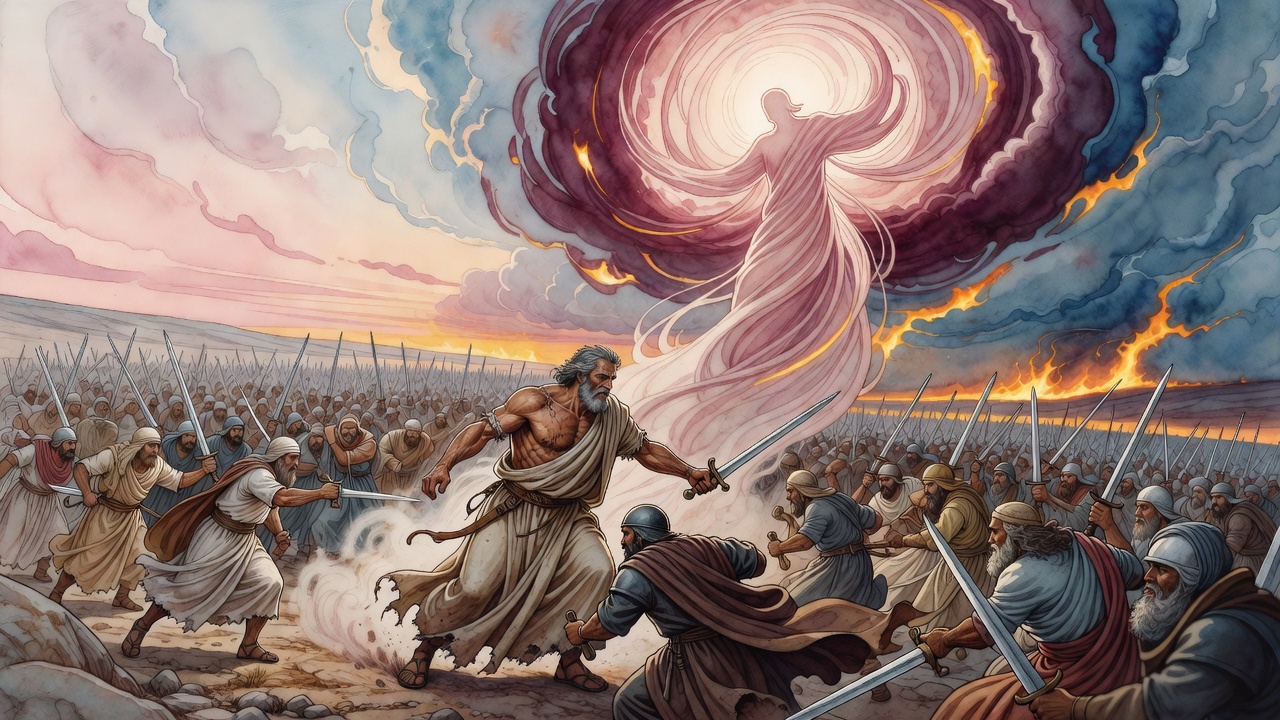
Jacob led six thousand swordsmen against the Amorites and fought from sunrise to sunset. He invented tithing and wrestled an angel.
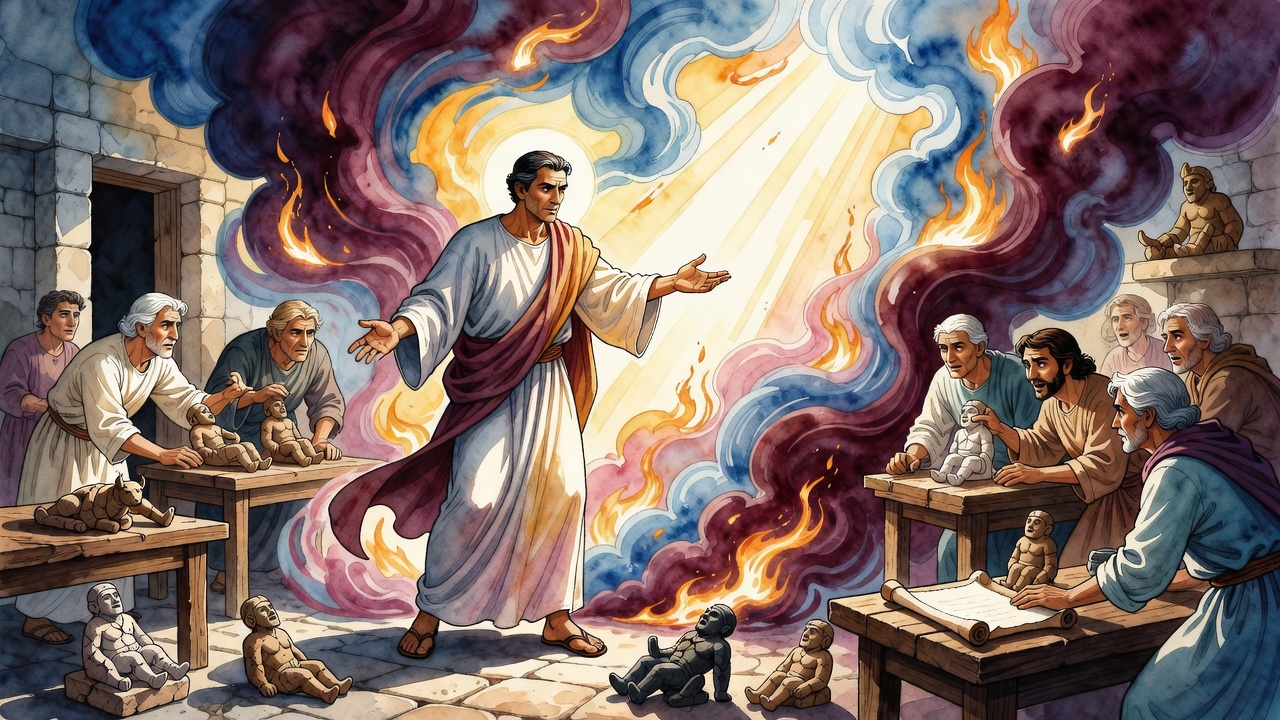
Abraham's father sent him out to sell idols. Abraham turned the shop into a courtroom and made every buyer doubt his god.
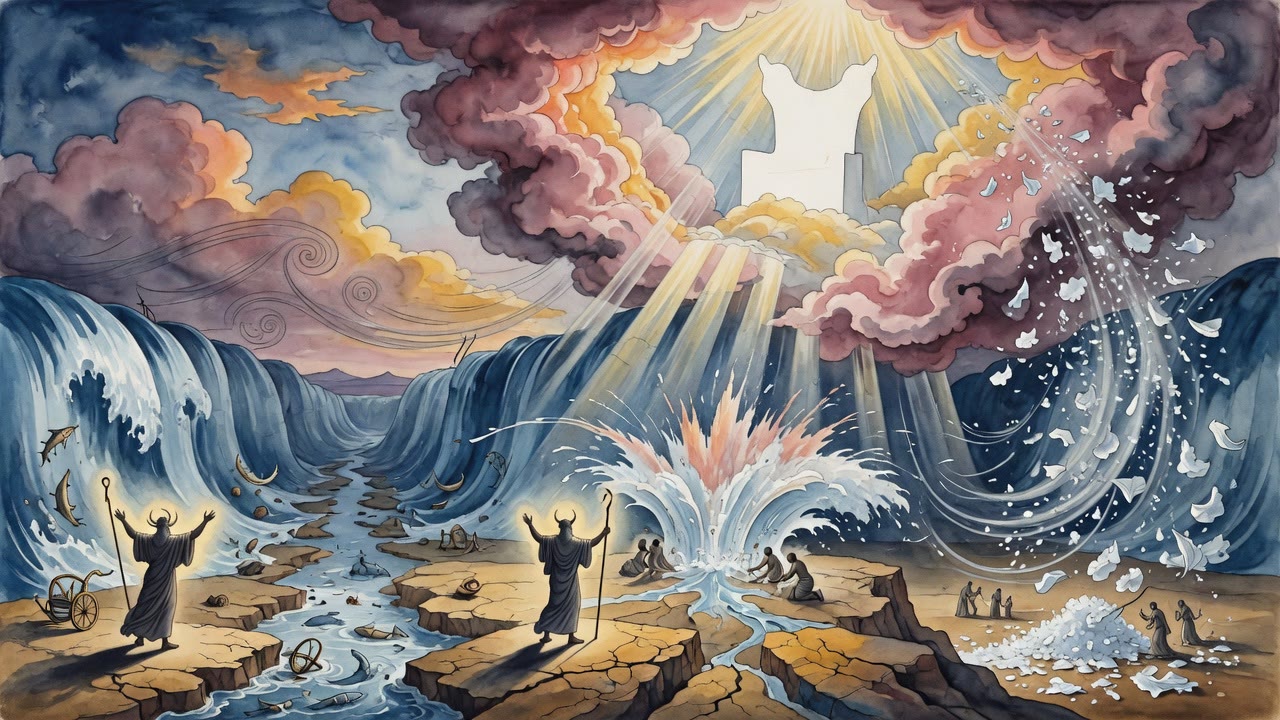
Famine opened the road to Egypt. Isaac packed. In the night a voice forbade the Nile and sent him into Philistine ground instead.
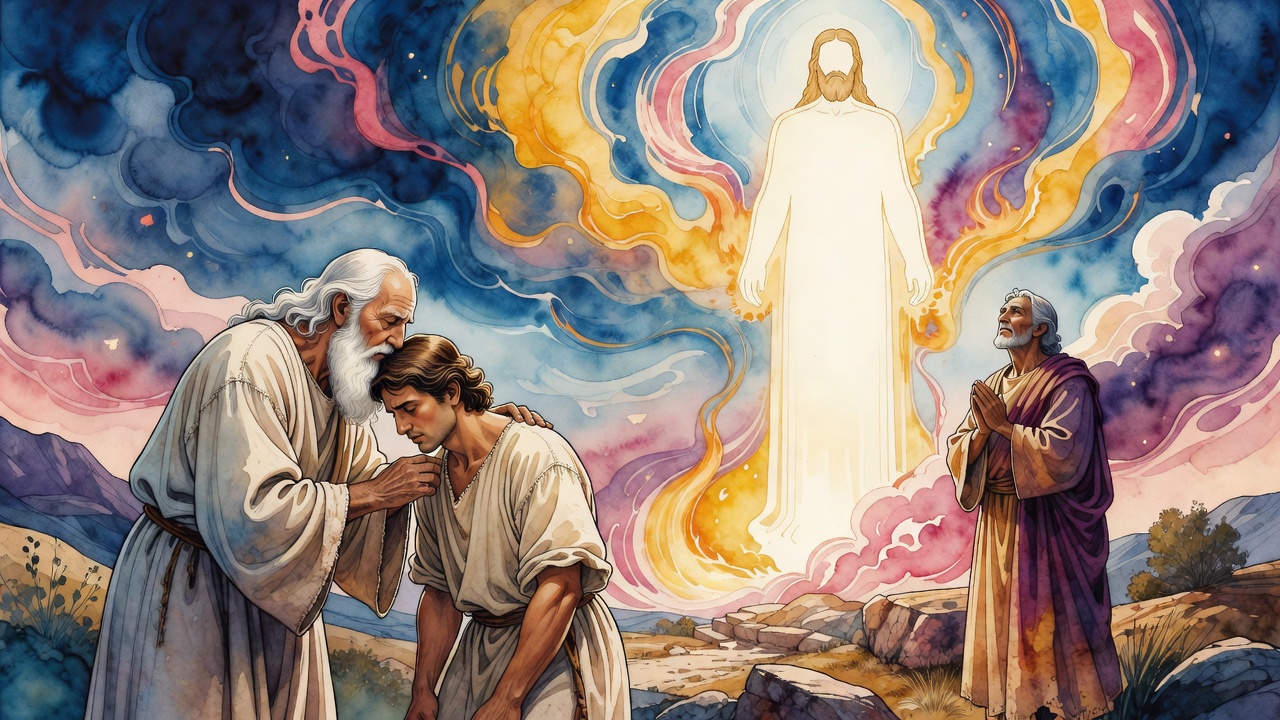
Abraham blessed Jacob and died that night. Later Jacob found the Shekhinah, the Divine Presence, waiting at Bethel, and night prayer became law.
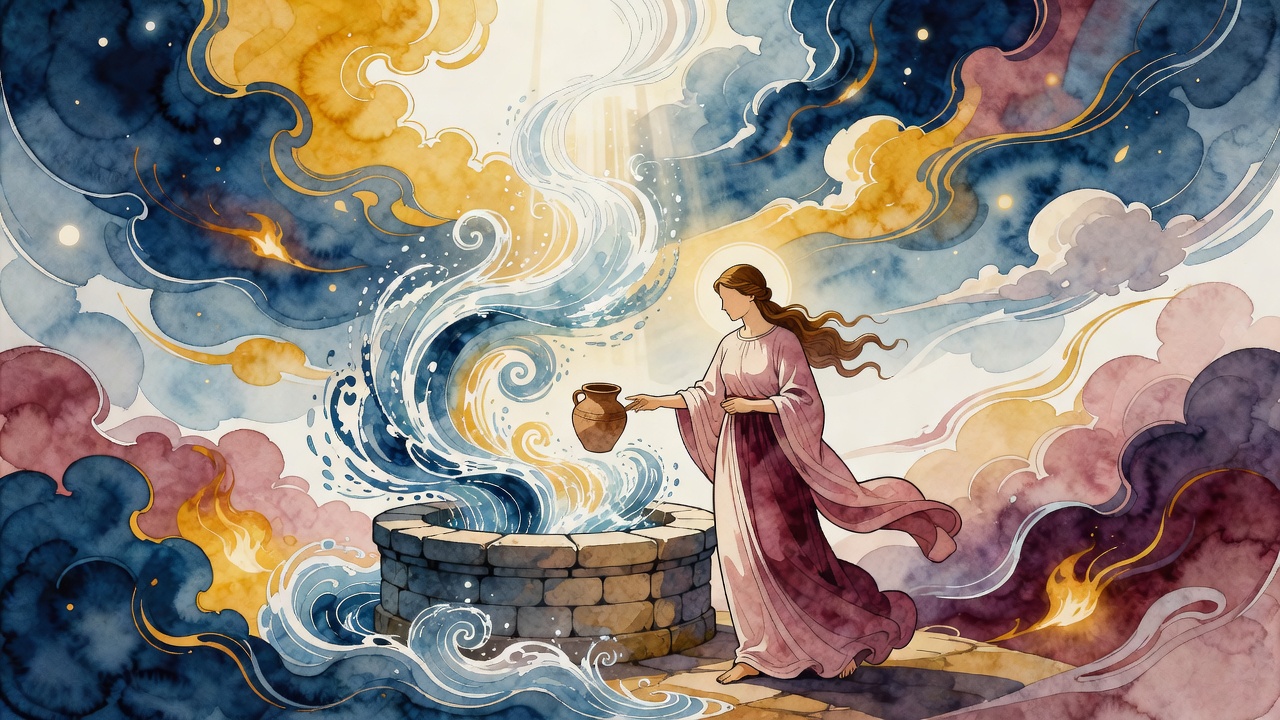
The midrash says water rose for Rebecca at the well before she touched the jar. Bereshit Rabbah says the cosmos arranged itself around her goodness in advance.
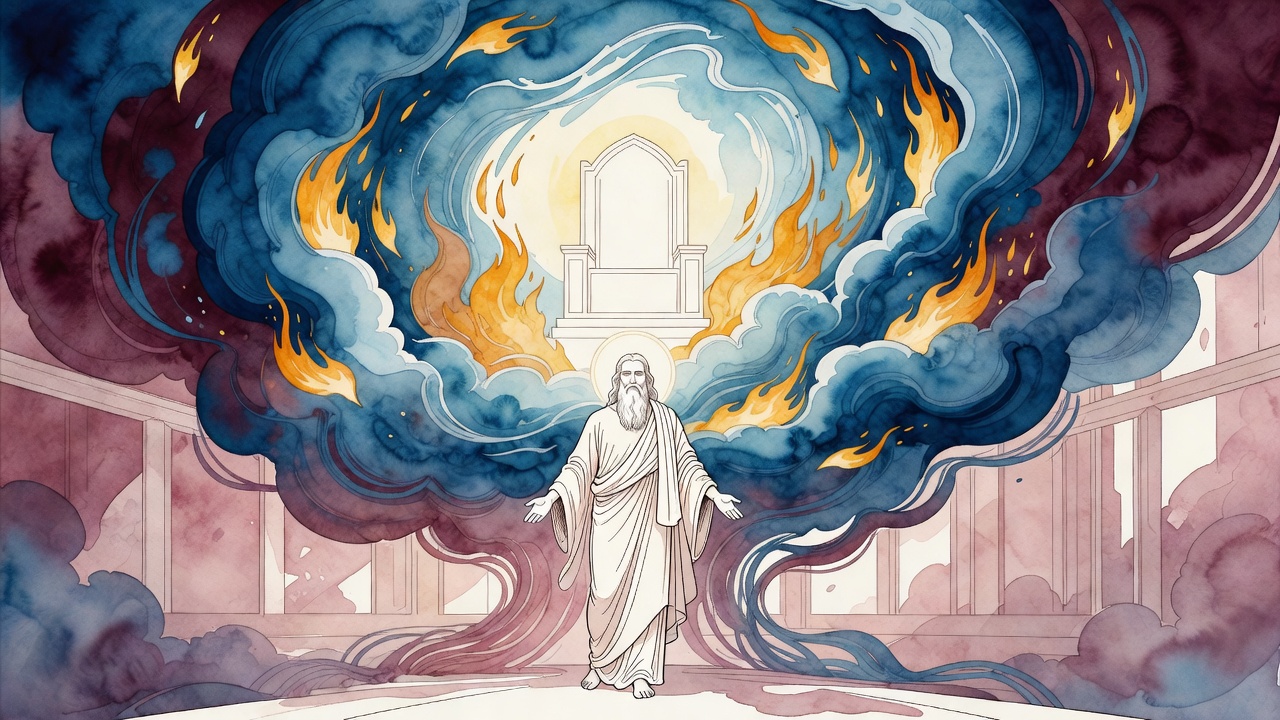
God kept Abraham unmade until Adam had already broken. At Sinai, Moses spent those unused trials on five angels of destruction.
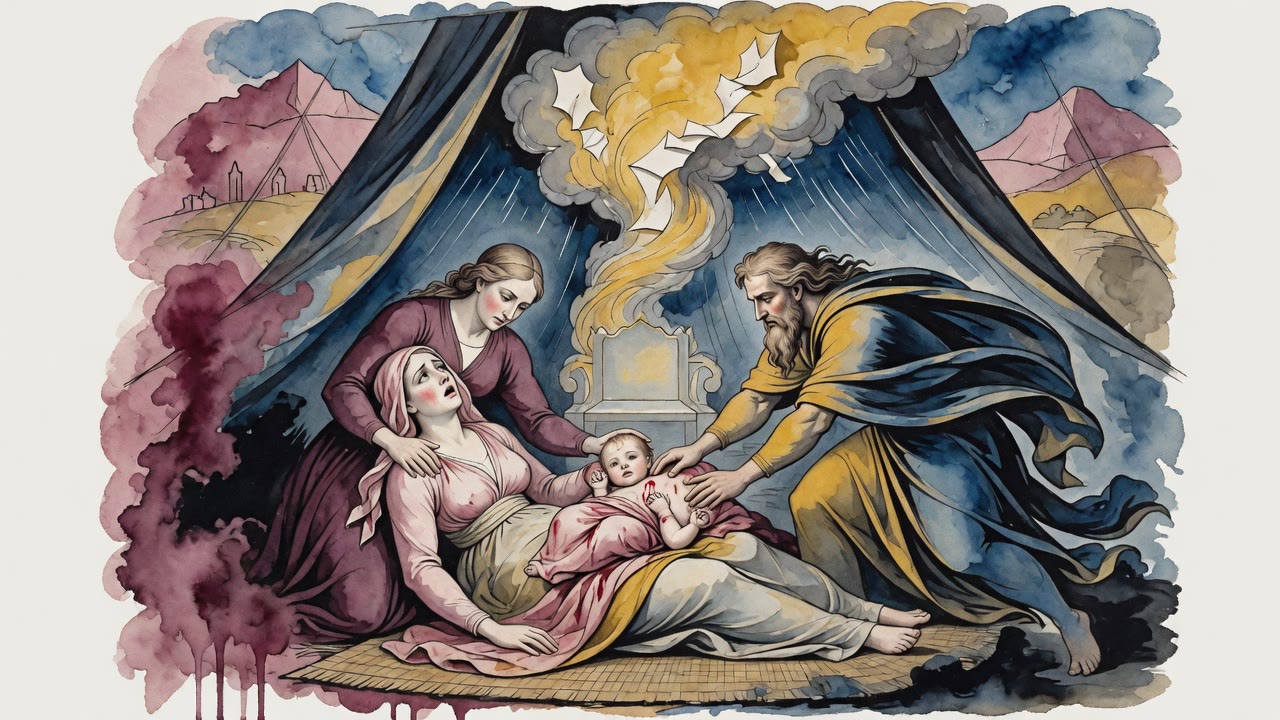
Rachel's last act was to name her son for her own grief. Jacob renamed him immediately. The Torah kept both names and refused to choose between them.
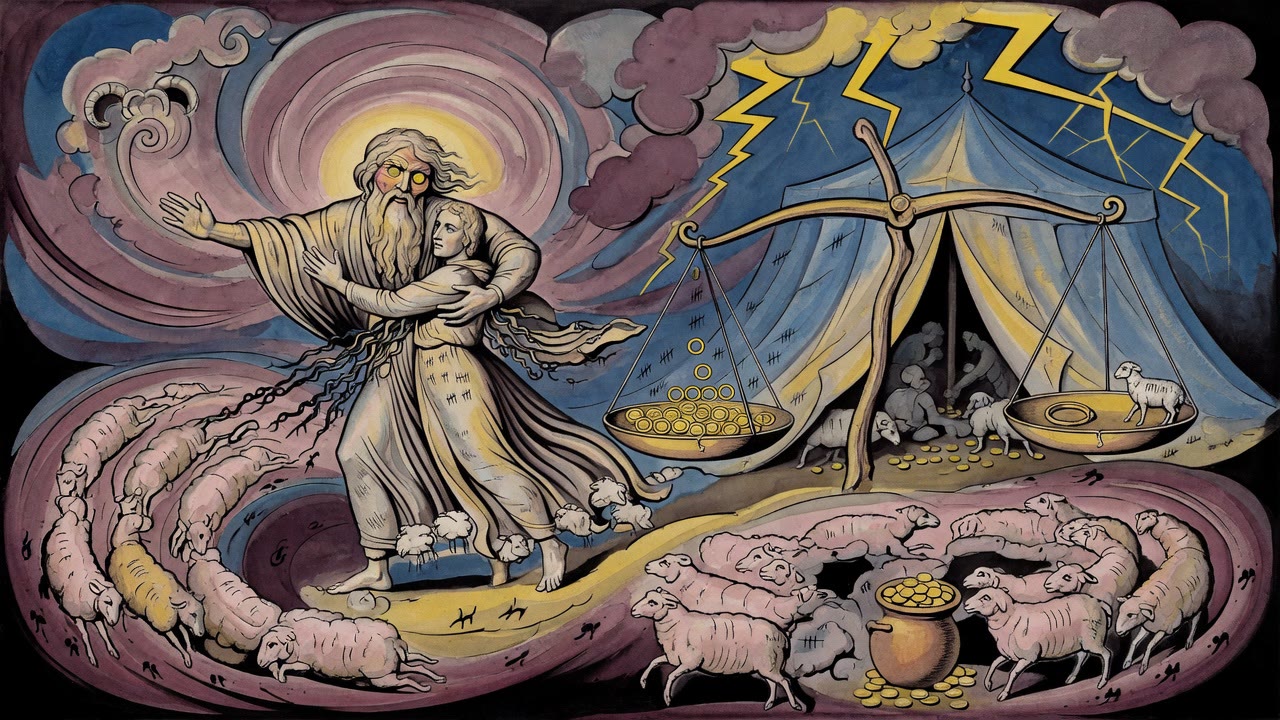
He threw his arms around Jacob's waist, feeling for gold. Then he kissed him, hunting the mouth. Both searches came up empty.
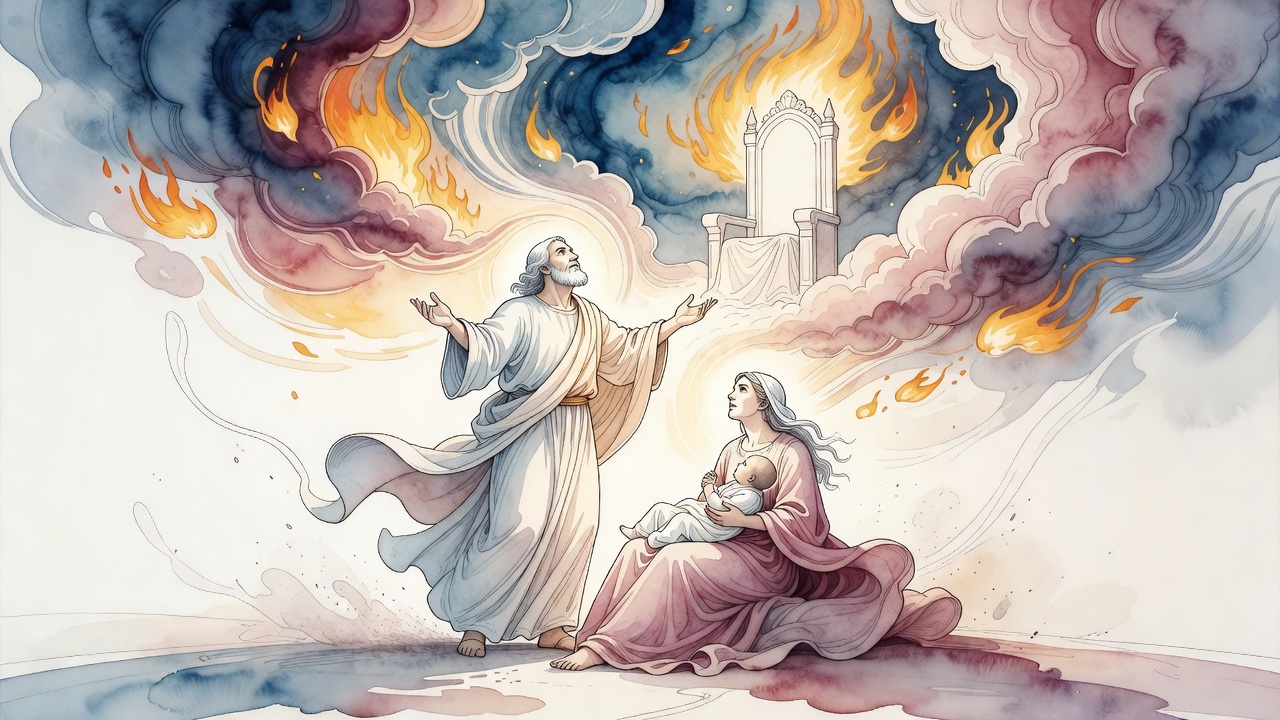
Abraham prayed for a stranger's house, and the closed wombs there opened. Then heaven turned to his own tent. Isaac was born with Abraham's face.
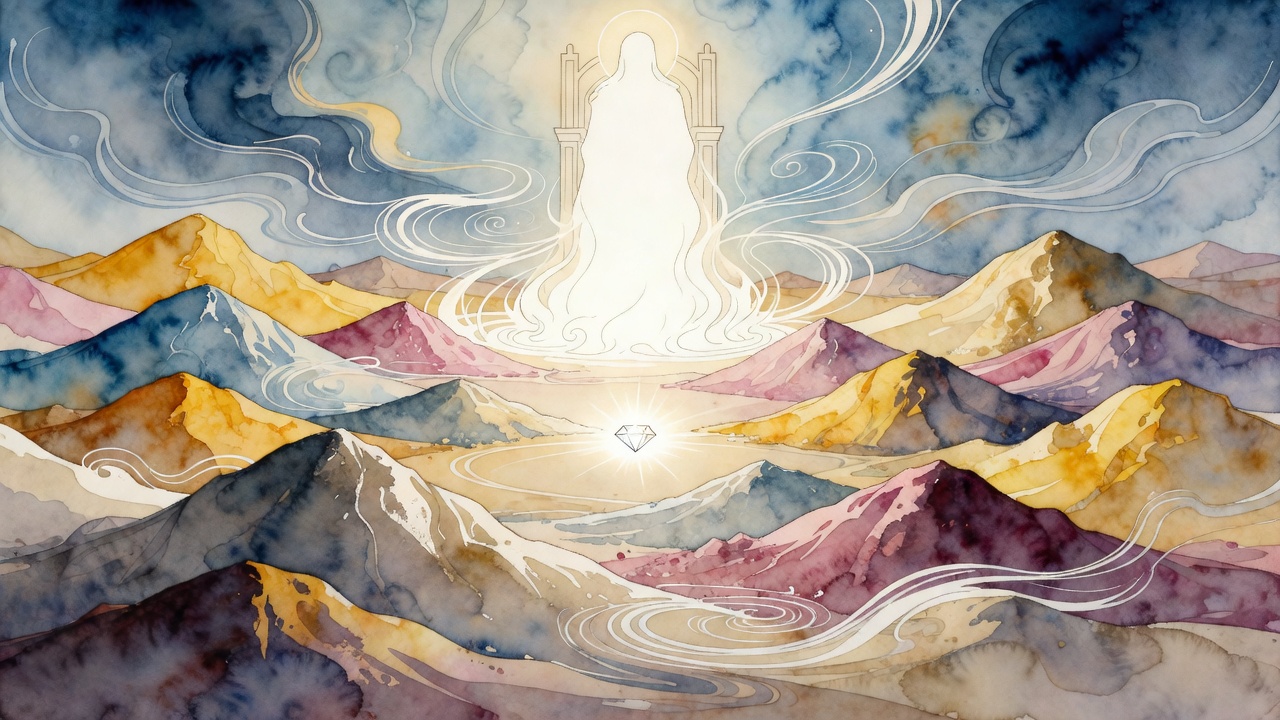
Bereshit Rabbah compared God searching for Abraham to a king sifting piles of dust for a lost gem. Twenty generations of dust. One gem, gleaming.
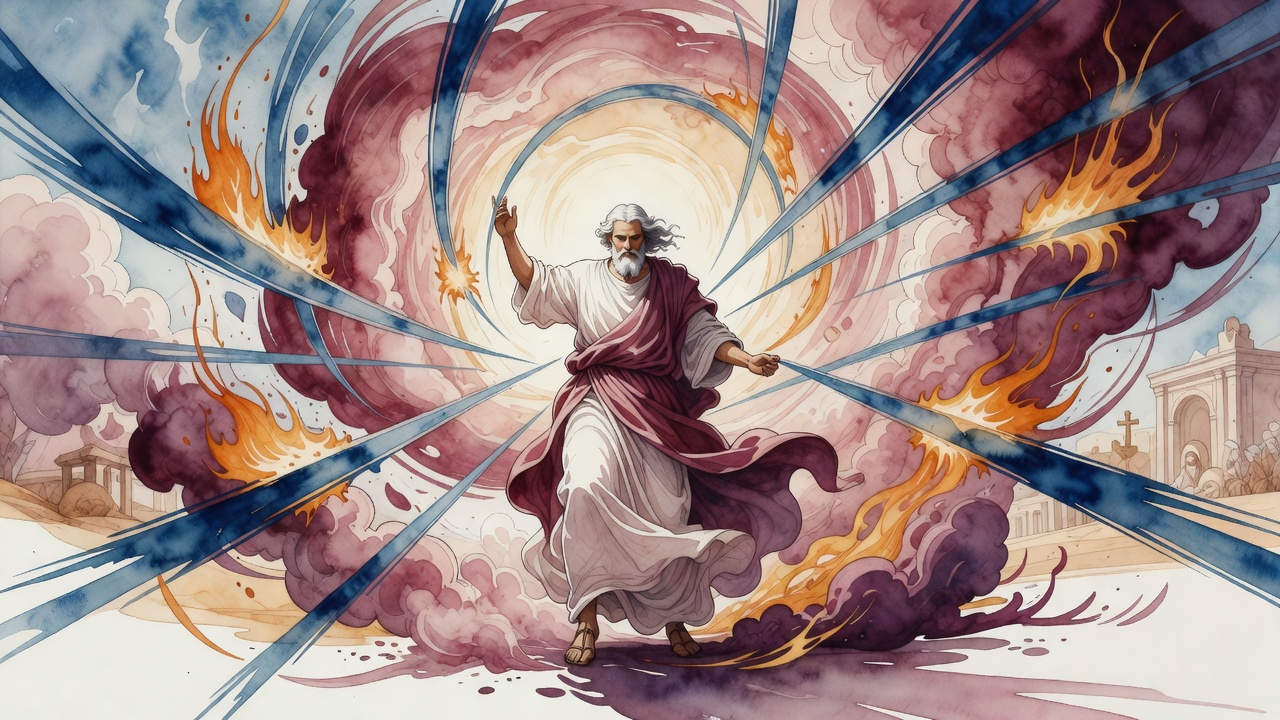
The rabbis compared Abraham to a vessel struck by a potter. Ten times the tests hit him hard, and still his faith rang true.
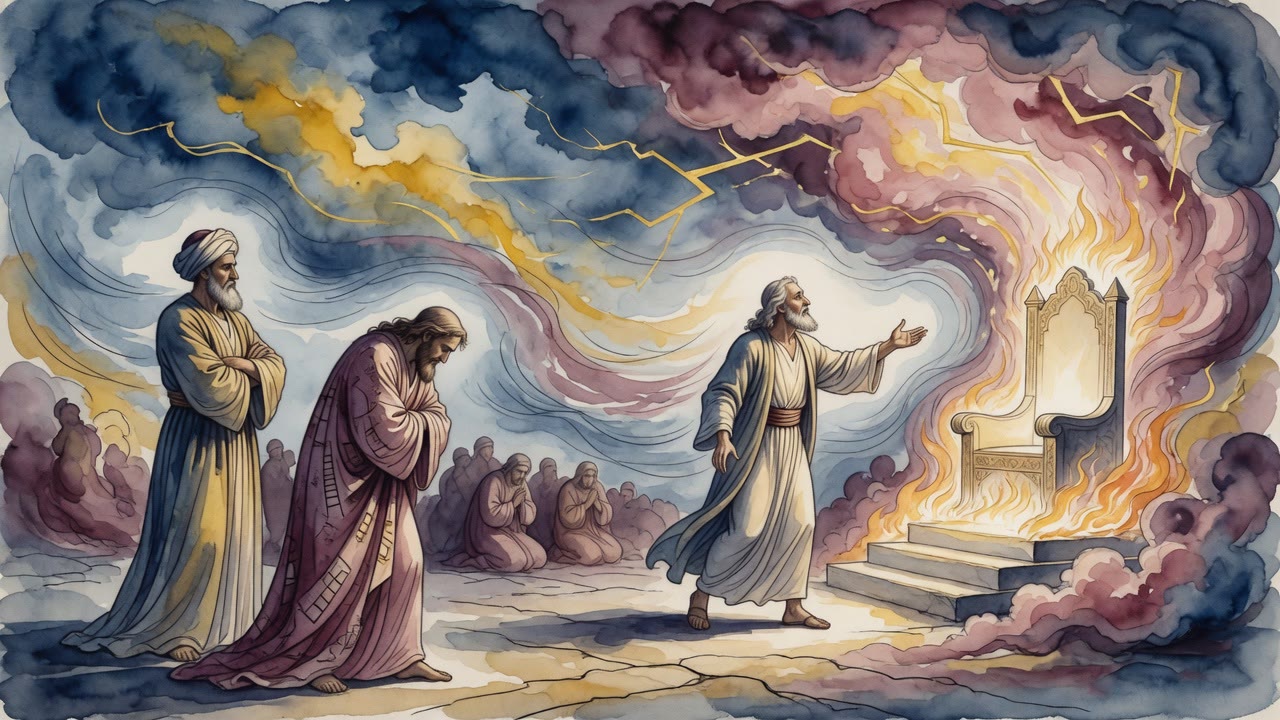
Sarah packed him a fine garment and a turban with a stone in it, and told Abraham not to let the boy walk or sit in the sun.
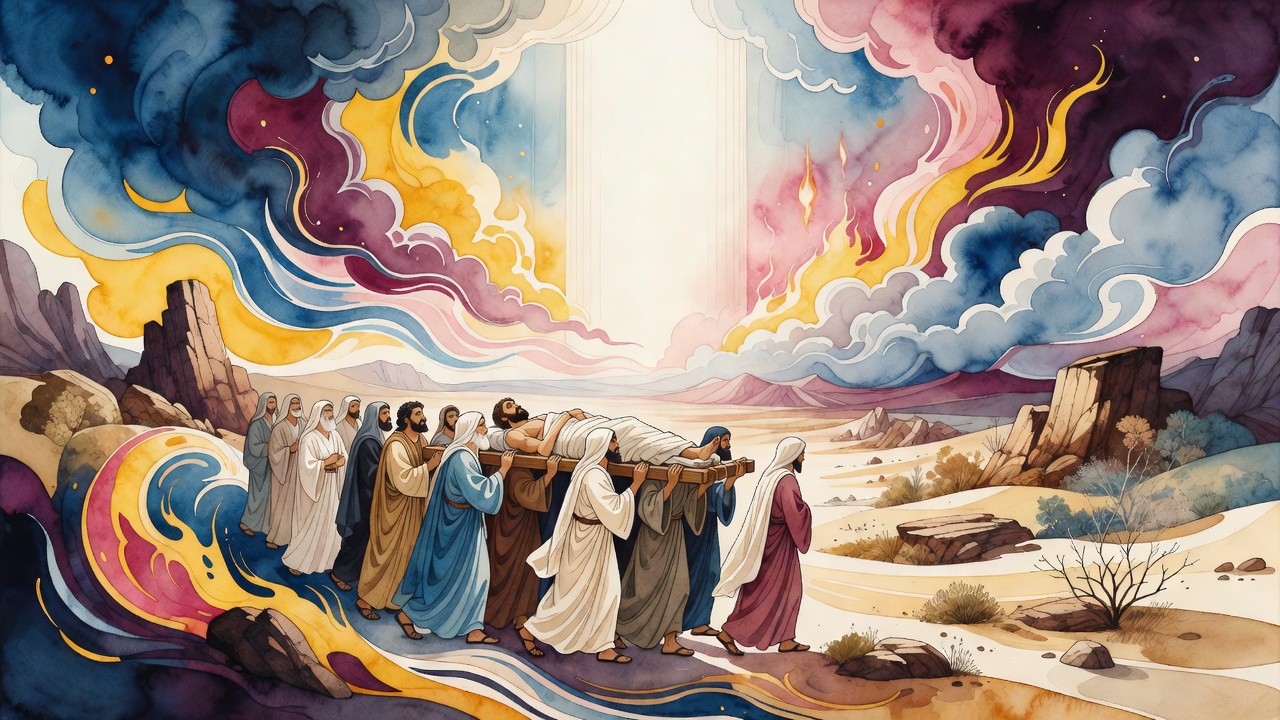
Jacob's body rode north on an ivory couch overlaid with gold. Canaanite kings saw the procession coming and thought an army had entered the land.
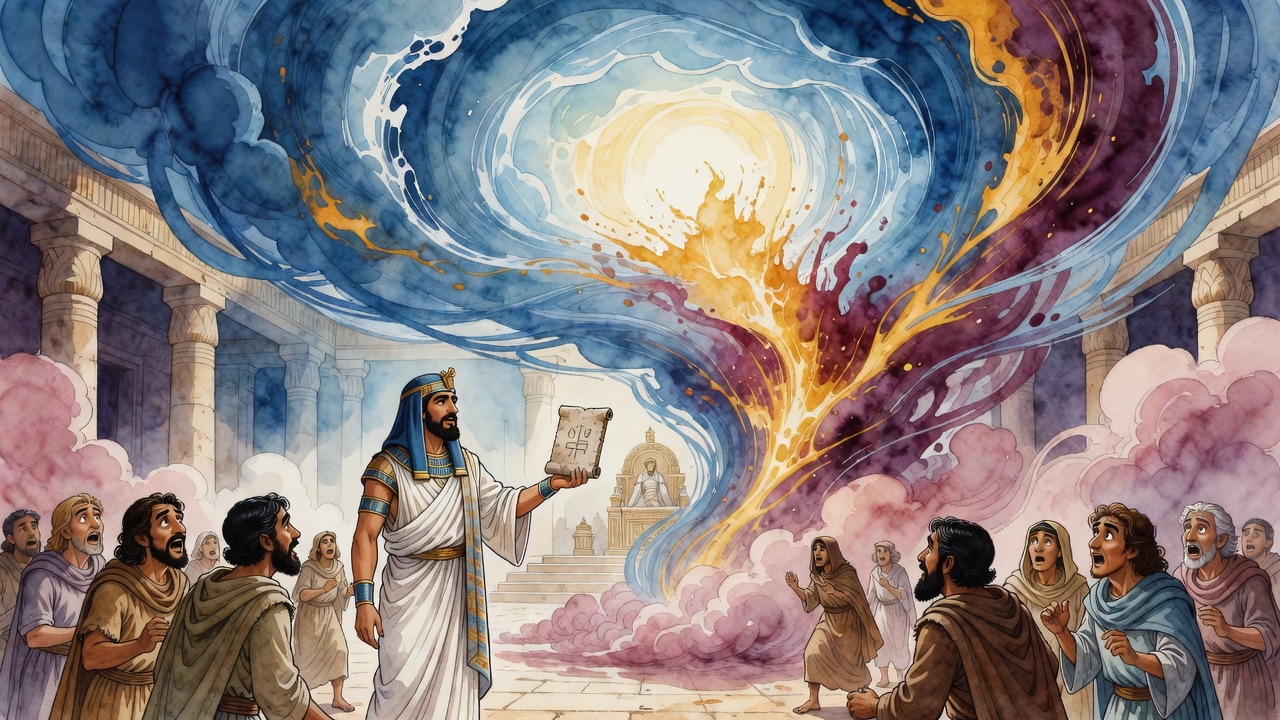
They could believe an Egyptian trap. They could not believe their brother. He bared Abraham's mark, and the room went violent.
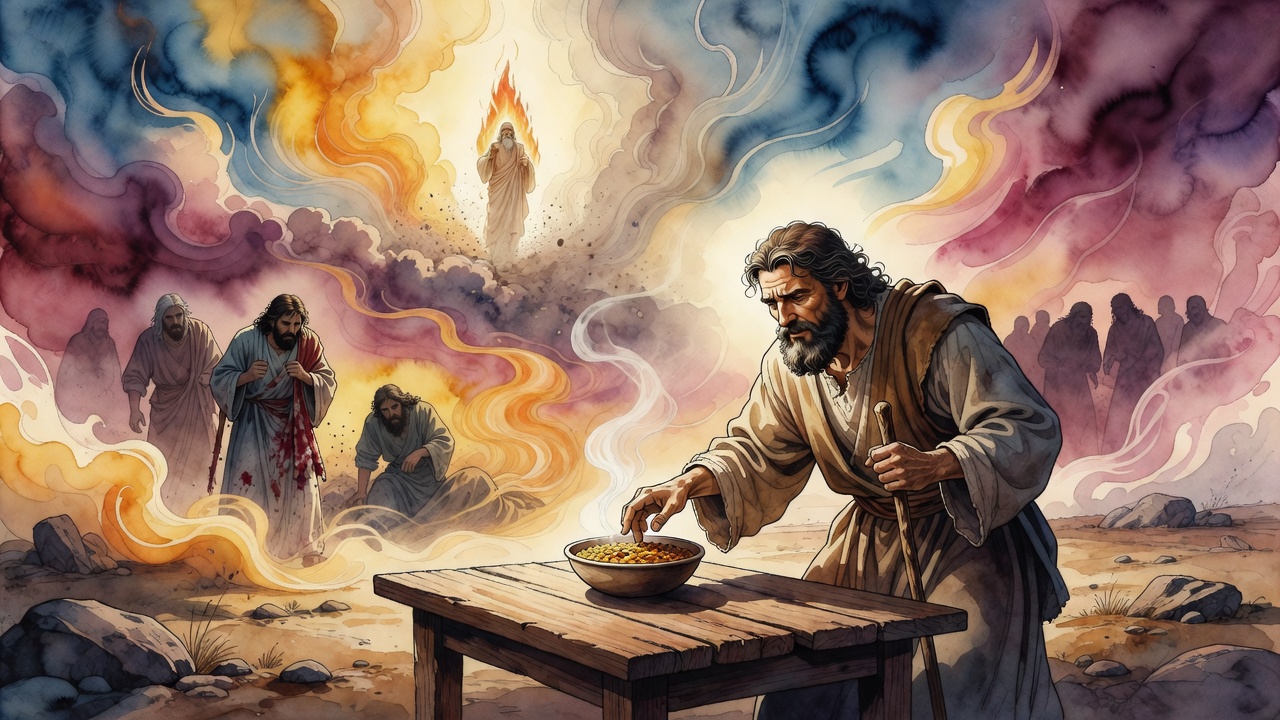
The stew was still hot. Esau sold the firstborn's portion for a mouthful and walked out. His sons later took Seir the same way.
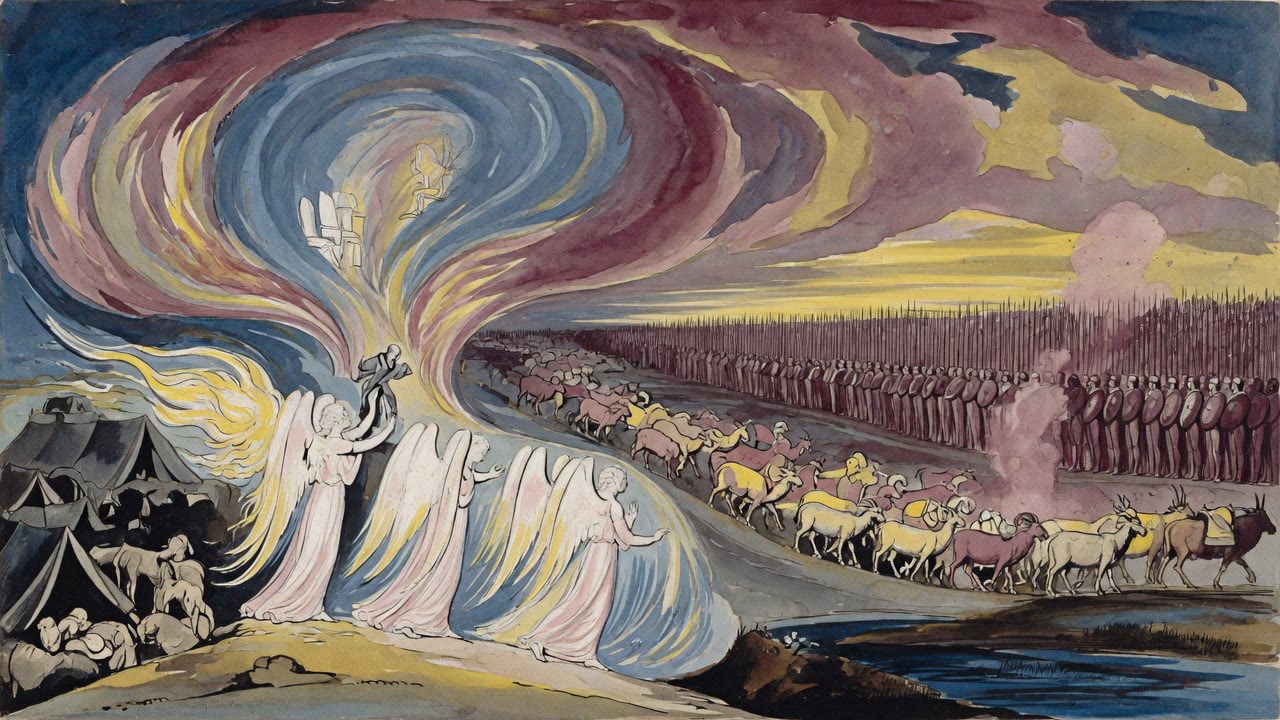
The cities around Shechem did not move. Seven years later the Amorite kings did. They came for the land Jacob's sons had already taken.
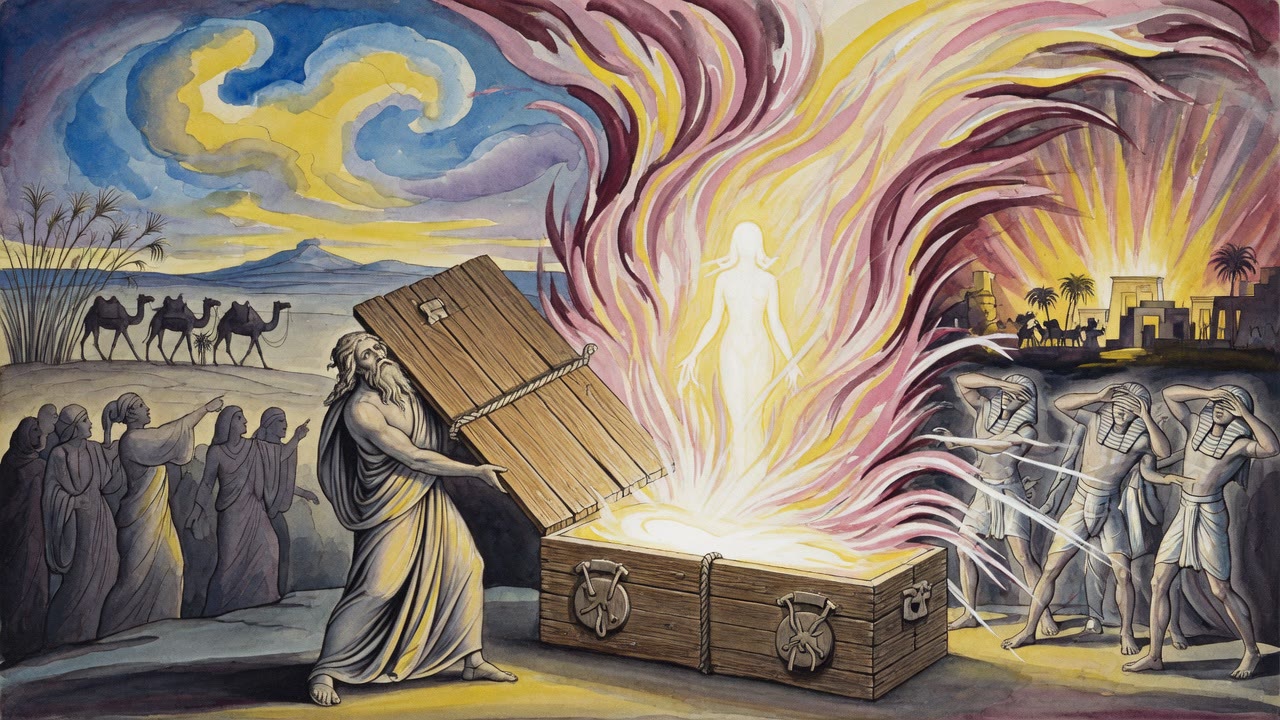
Abraham had been married to Sarah for years before her reflection in a stream stopped him. At the border he paid the tax on gems rather than open the lid.
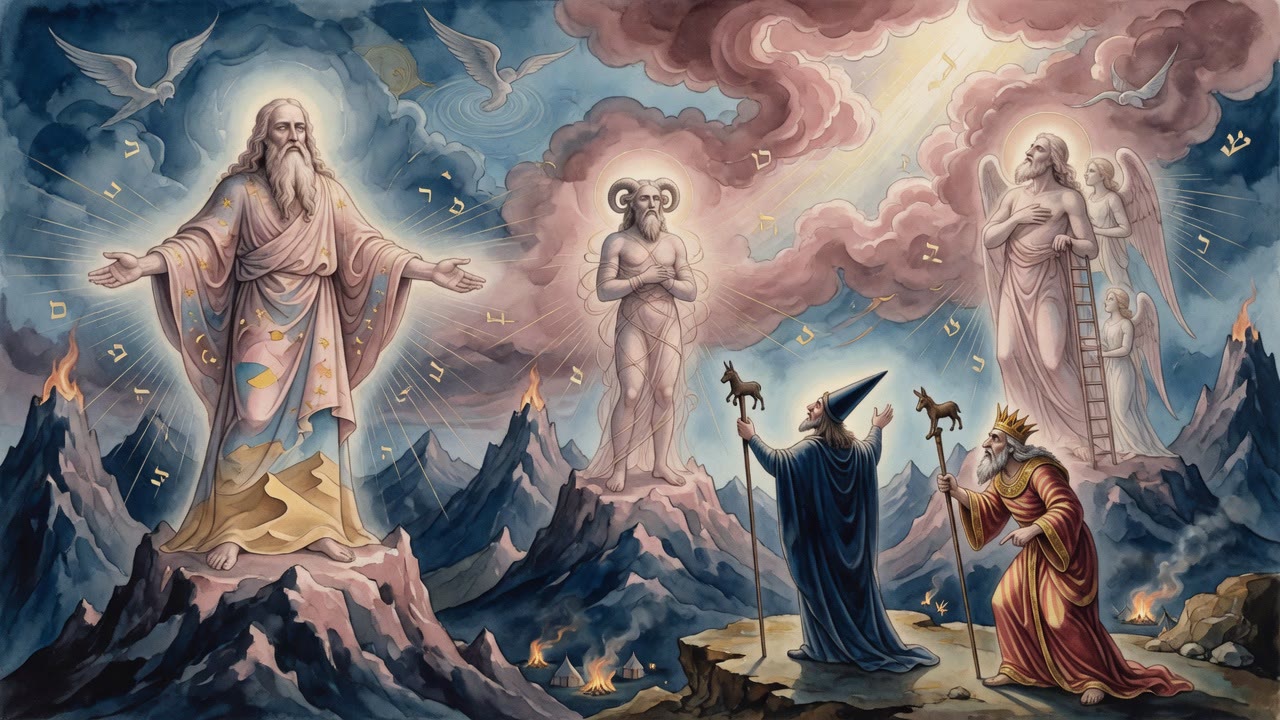
Balak paid for a curse and waited below the hill. Balaam came down and told him to stand. The fathers of Israel were already up there.
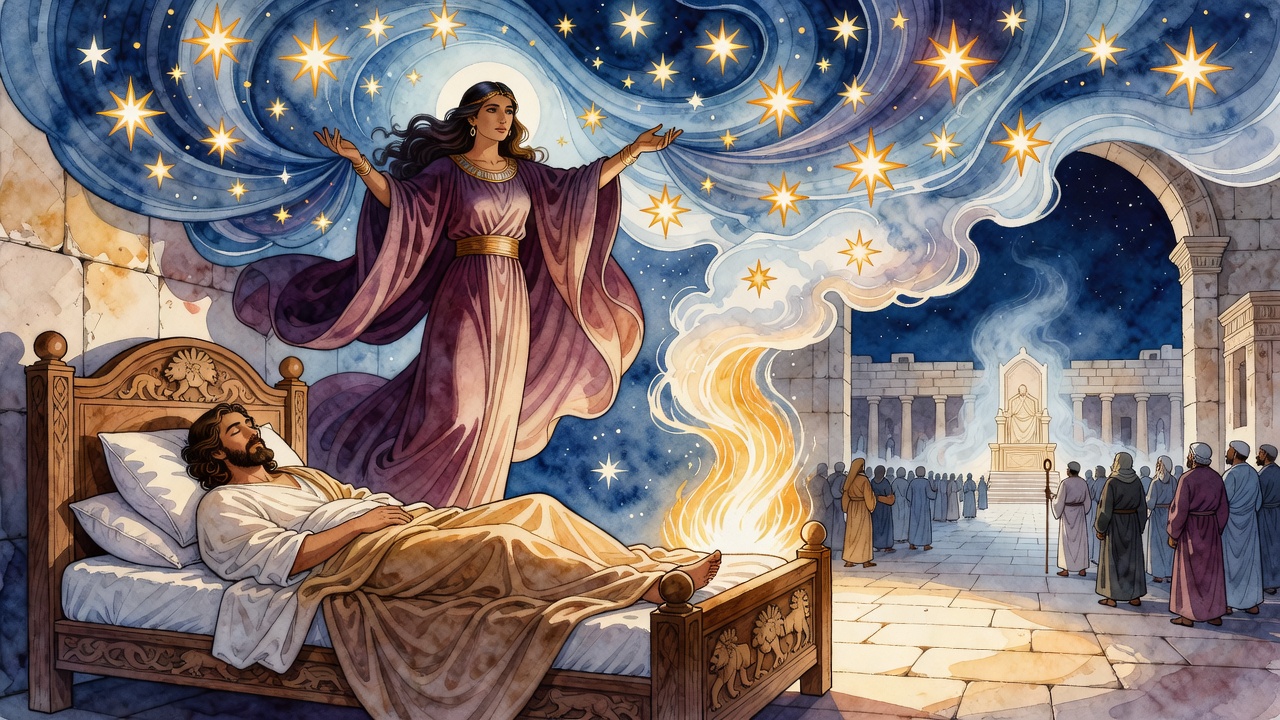
The morning lamb stood ready. Priests kept the fire. Israel waited in the court while the king slept under a sky someone had sewn.
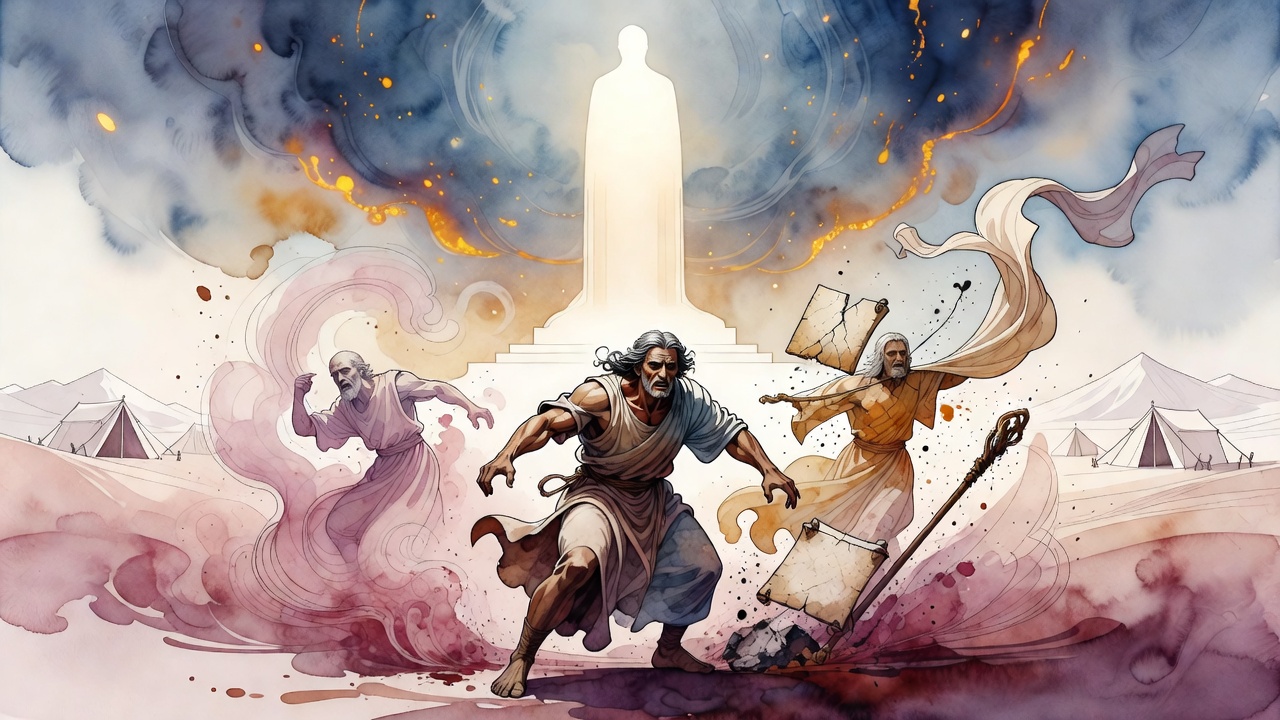
Lentils sat on the fire the day Abraham was buried. Esau did not ask what the pot meant. He opened his mouth and told Jacob to pour.
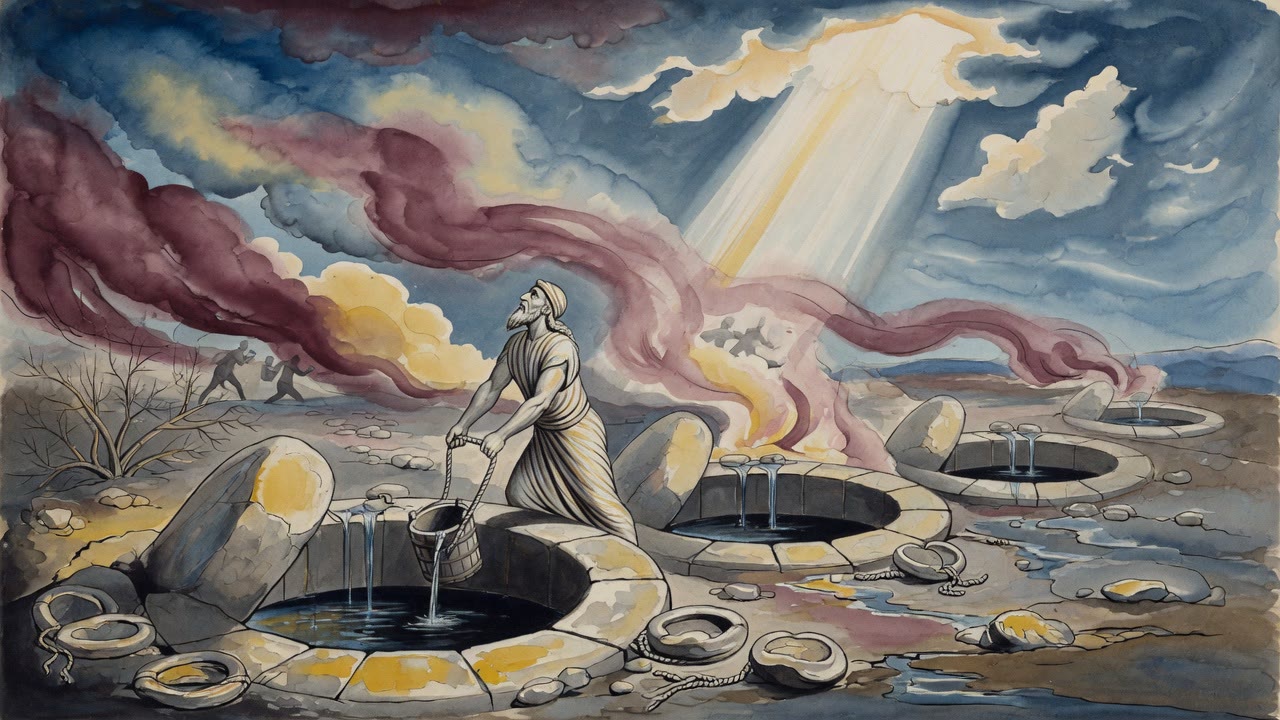
The Philistines poured earth into Abraham's wells until the rims sat useless in the sun. Isaac came back with a spade and sore shoulders.
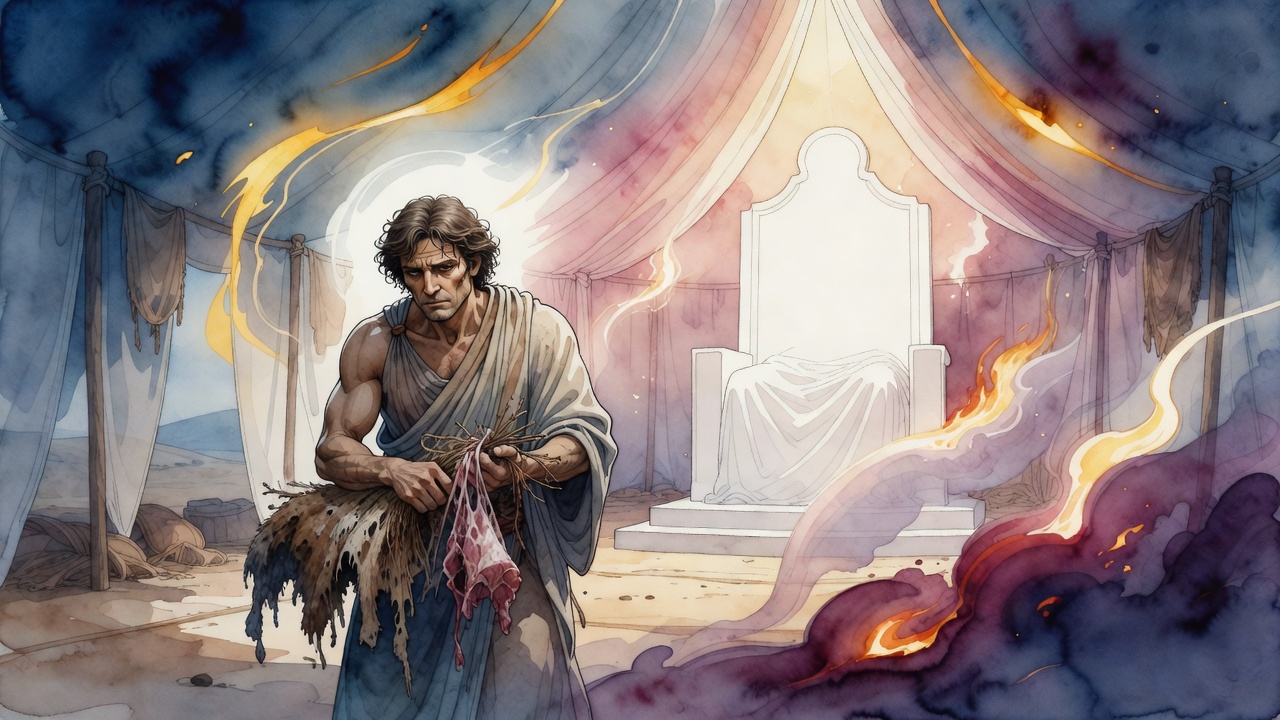
Esau came back four hours too late, carrying false venison and finding that Jacob had already taken the blessing meant for him.
