Rachel's Roadside Grave Guarded the Exiles
She named the boy Ben-oni and died beside the road. Jacob would not carry her to the cave. He had already seen the exiles marching that same dust.
Table of Contents
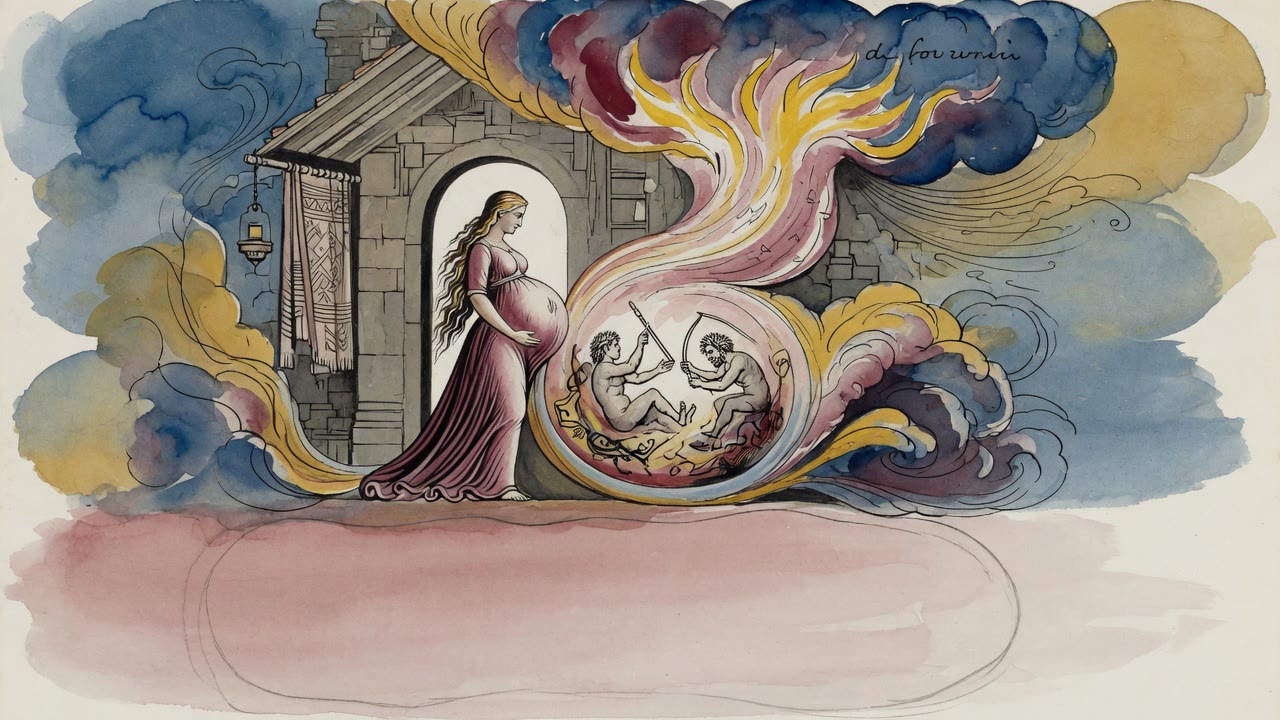
Rachel labored beside the road, not inside a tent, not beside a mother, not within reach of the family cave.
 Click for full size
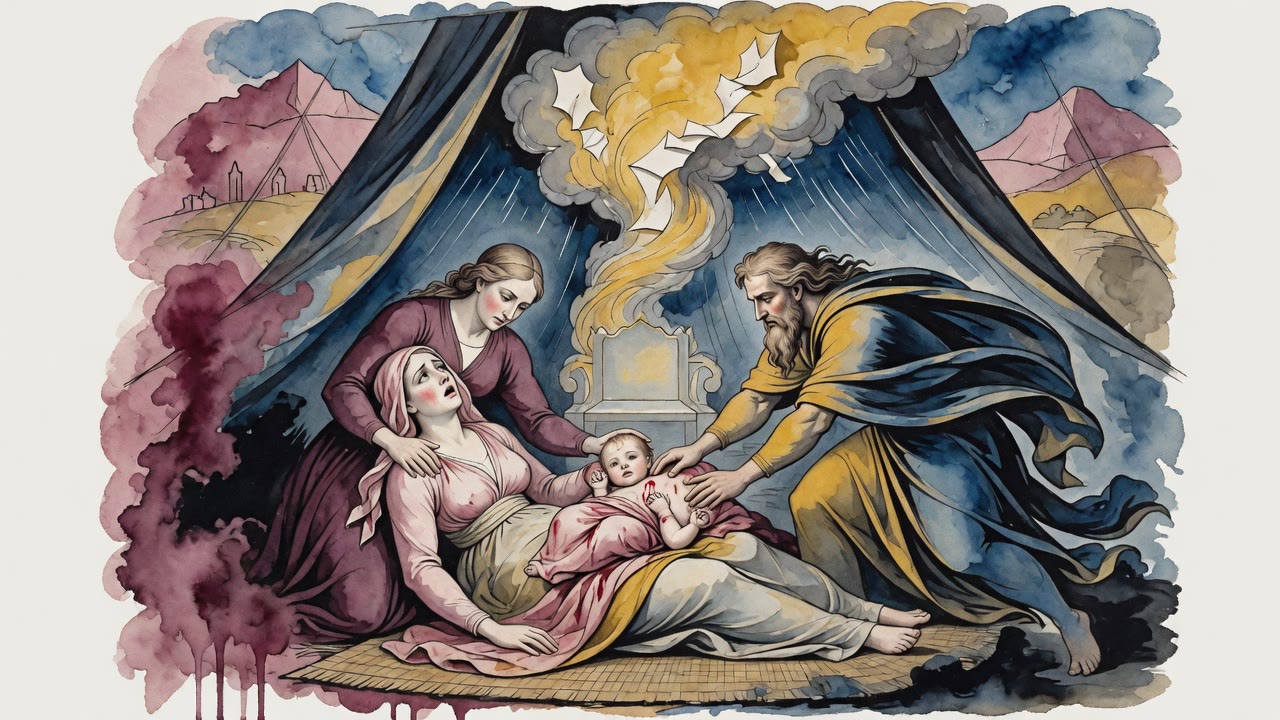
The road from Bethel toward Ephrath had dust, stones, animals, frightened servants, and one woman fighting for breath. The child came hard. The women near her tried to give courage, but courage could not loosen death's grip. Rachel was giving Jacob his last son, and the price was her own life.
Before the breath left her, she named the boy Ben-oni, son of my sorrow.
The Child Named for Sorrow
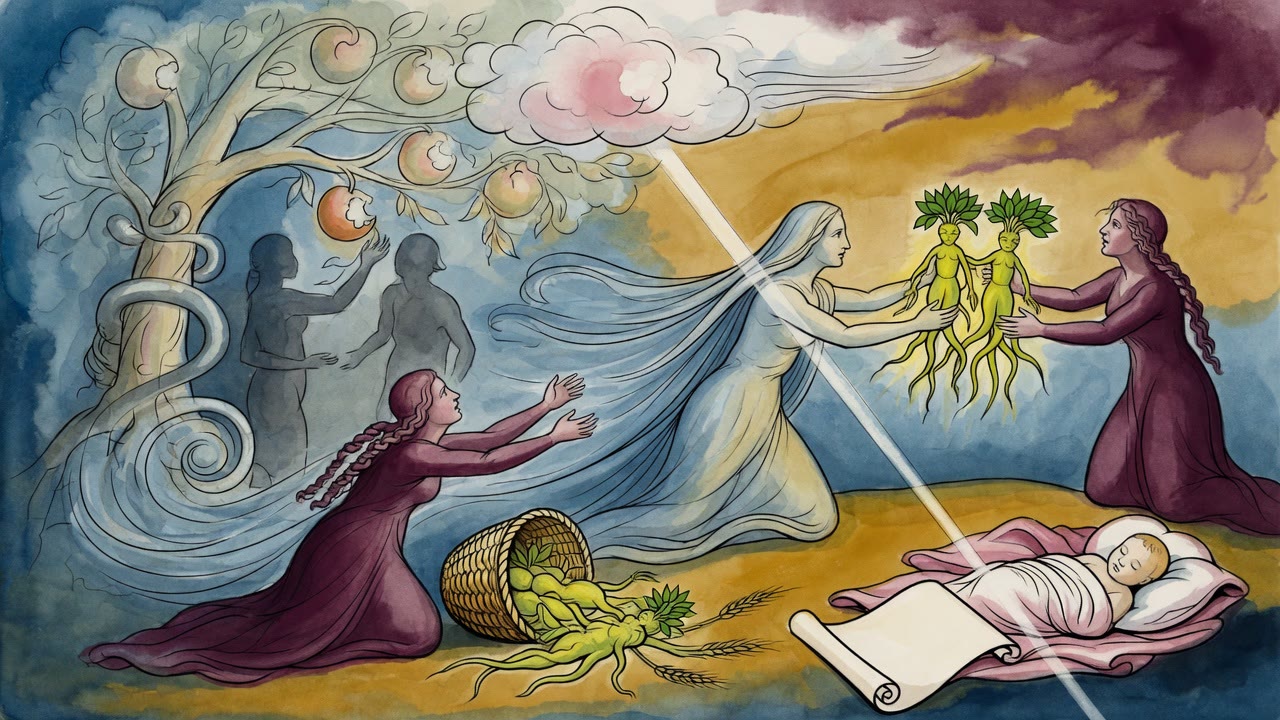
The name was honest. It carried the room that was not there, the bed she did not reach, the cry that tore through the roadside camp. Rachel had waited years for children. She had watched Leah's sons run through the tents. She had bargained for mandrakes, given her maidservant, prayed, envied, hoped, and at last held Joseph.
Grief had already been walking with Jacob. Deborah, Rebekah's nurse, had died at Bethel, and he had buried her under a palm. Shortly after, Rebekah herself died, and they buried her at night so Esau would not stand as the public face of the house. God had appeared to Jacob in that season and foretold Benjamin, Manasseh, and Ephraim. The promise arrived. The mother of the last son was still on the road.
Now the boy was coming, and she could not stay to mother him. Jacob would not let the child live under the name death had placed on him. He took the son of sorrow and renamed him Benjamin, son of the right hand, son of the south, a name held close to strength rather than buried under the hour of his birth.
Rachel died there. The road did not pause.
Jacob Would Not Carry Her to the Cave
Machpelah waited in Hebron, the cave of the ancestors. Abraham and Sarah lay there. Isaac and Rebekah belonged there. Leah would one day lie there. Jacob knew the road. He knew the pull of that cave and the weight of family honor.
He did not carry Rachel to it.
From a distance the choice could look like neglect. The beloved wife, the woman for whom he had worked fourteen years, left beside an open road instead of gathered into the ancestral tomb. A man can love and still be accused by the place where he buries.
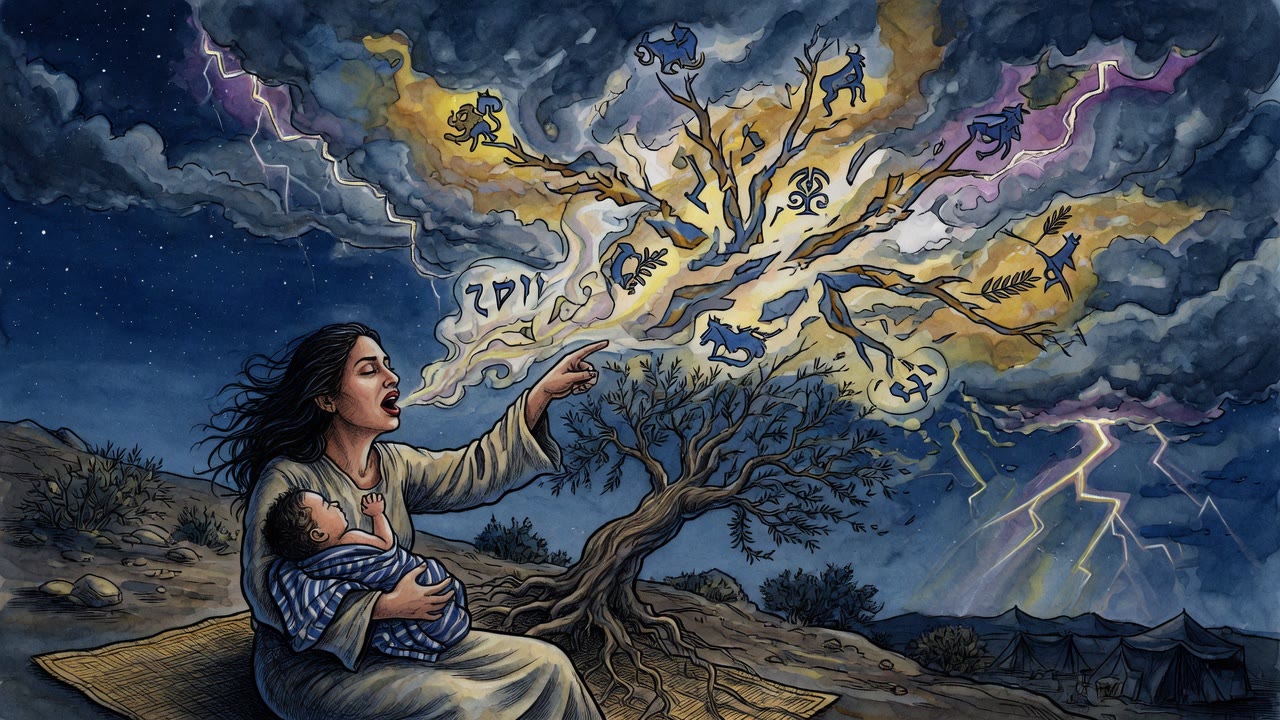
Jacob's eyes were not only on the grave before him. By ruach hakodesh (רוח הקודש), holy inspiration, his sight ran down the centuries. He saw children not yet born driven from their land. He saw soldiers pushing them northward, then eastward, away from homes and vineyards and the city they thought would stand forever. He saw them pass this road with dust in their mouths.
They would need a mother there.
The Old Man Explains Himself
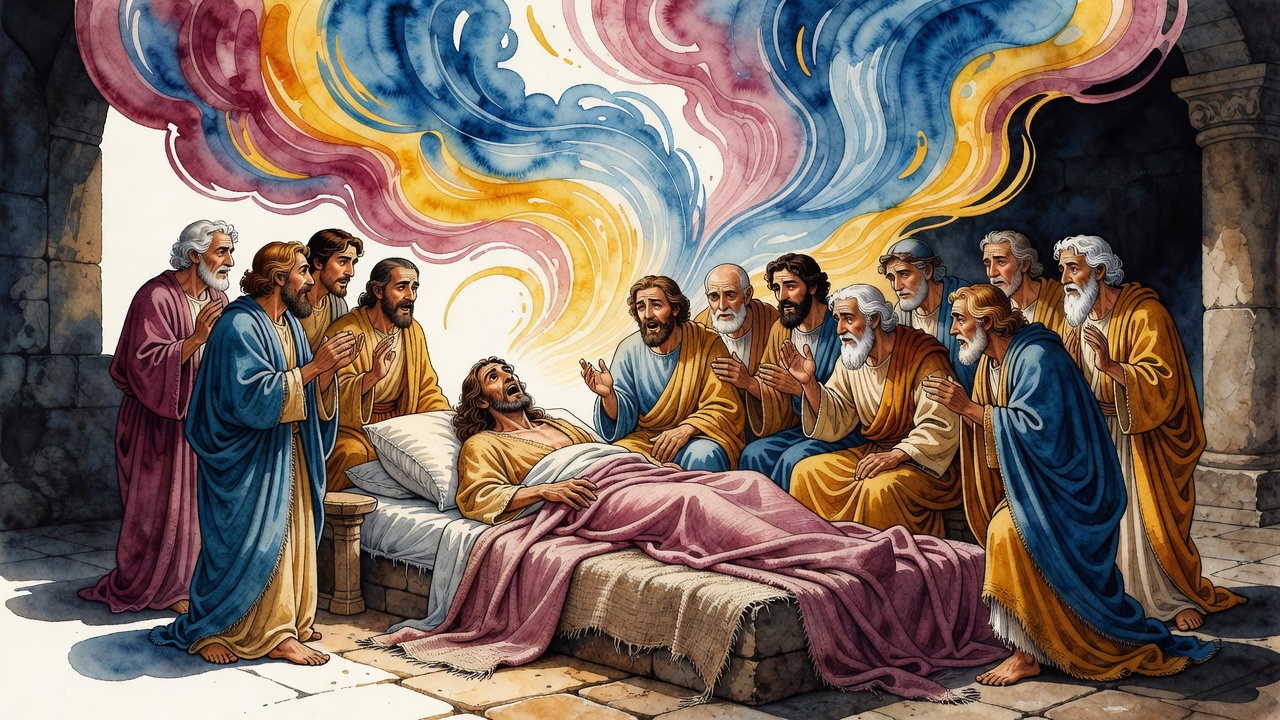
Decades later, in Egypt, Jacob's bed became a place of unfinished business. Joseph stood before him with Ephraim and Manasseh. Blessings waited in the room, but Jacob turned first toward an old wound.
"Rachel died upon me," he said. Upon him. Not only near him. Not only during the journey. The words carried a husband still answering for the roadside mound (Genesis 48:7).
Joseph had lived under that absence his whole life. His mother had been a grave on the way to Bethlehem, a story told with lowered voices, a pillar passed by travelers. Jacob knew his son could ask why. Why was she not taken farther? Why was the beloved one left outside the cave?
The old man did not hide behind weather, distance, or haste. Rachel had died suddenly, with ground still between them and Ephrath. He had buried her there. The sentence sounded like apology, but under the apology stood a command he had obeyed before Joseph was old enough to understand. He named the place: on the way of Ephrath, which is Bethlehem. He wanted Joseph to know the exact dust.
The Exiles Passed the Mound
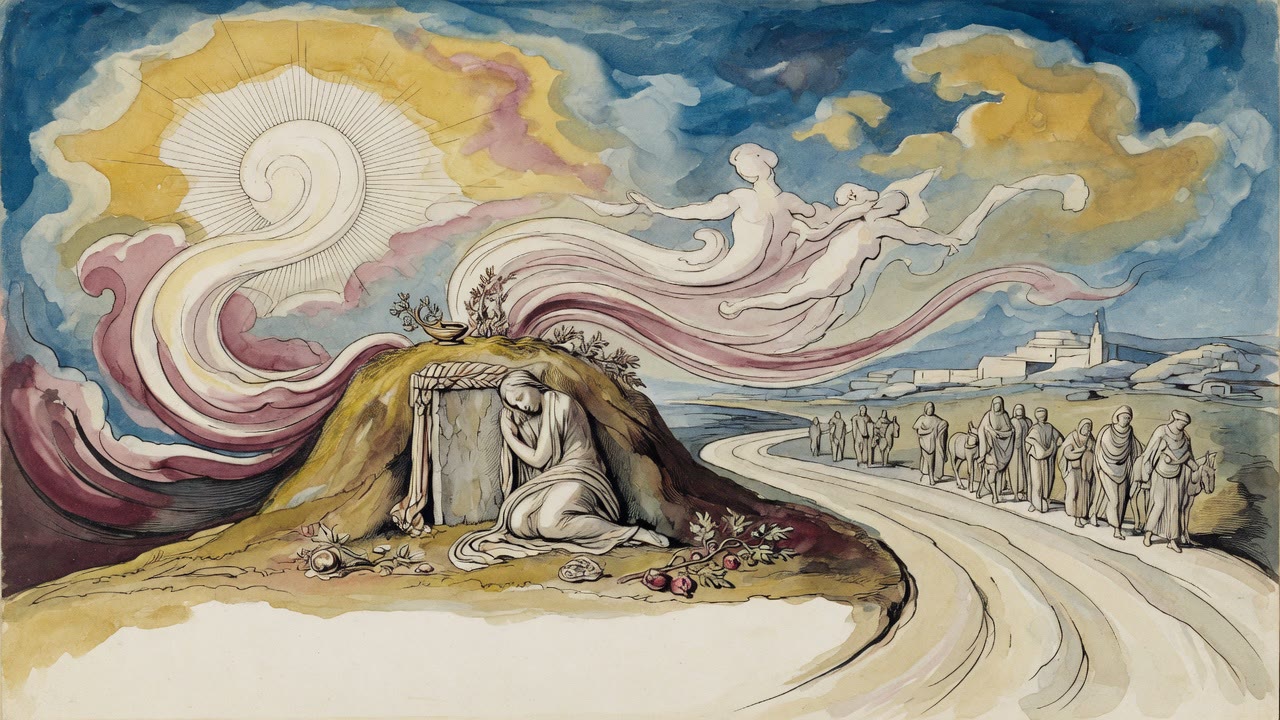
Centuries later, the road filled with Rachel's children.
They were not coming with wedding songs. They were not carrying harvest baskets. Babylon had broken the land, and captives were being marched away from Judah. Mothers held children. Old men stumbled. The young looked back until the hills hid everything.
Then they passed Rachel's grave.
The roadside mound became a court. Rachel rose, not with the softness of memory but with the force of a mother whose children were being taken. The ancestors had their cave. Rachel had the road. She had been placed at the wound in advance, set like a guard where exile would tear open.
She pleaded before Heaven. She did not ask for honor. She asked for return.
Rachel Refused Comfort
A voice was heard in Ramah, lamentation and bitter weeping. Rachel wept for her children and refused comfort because they were gone (Jeremiah 31:15-17).
Comfort can become a lid pressed over grief too soon. Rachel would not let anyone close the wound while her children were still in chains. She had died in childbirth once. Now she entered the labor of exile, crying until Heaven answered.
The answer came with a command to restrain the weeping voice and dry the eyes. There was reward for the labor. The children would return to their border.
Jacob had left her on the road because the road would one day need a mother who did not move on. Rachel's grave stood outside the family cave, outside the settled honor of Hebron, outside the comfort of being gathered home. That was its power. The cave kept the ancestors. The road kept Rachel. The road needed her.
← All myths