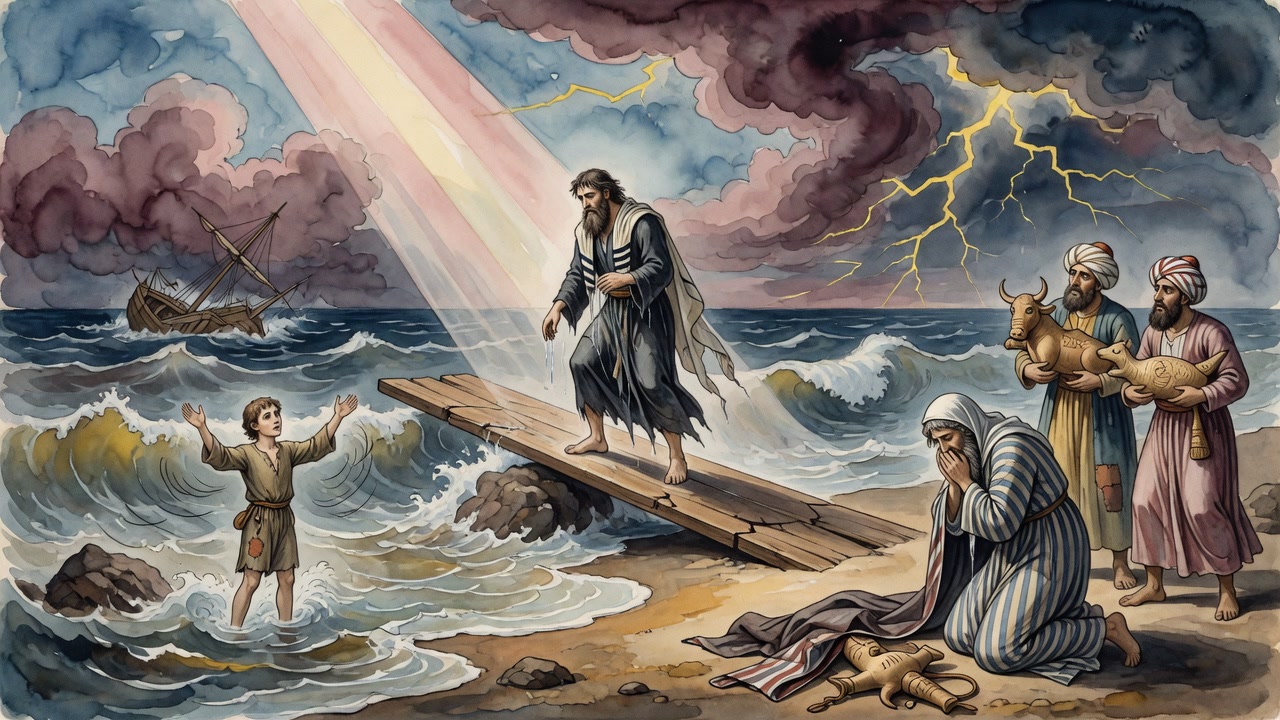
Jacob Named Moses Before He Died and Passed the Torch
He had worked through all twelve sons, Reuben unstable as water, Judah with the scepter. Then he spoke one more name. The boy was not yet born.
Table of Contents
 Click for full size
The Blessing That Pointed Forward
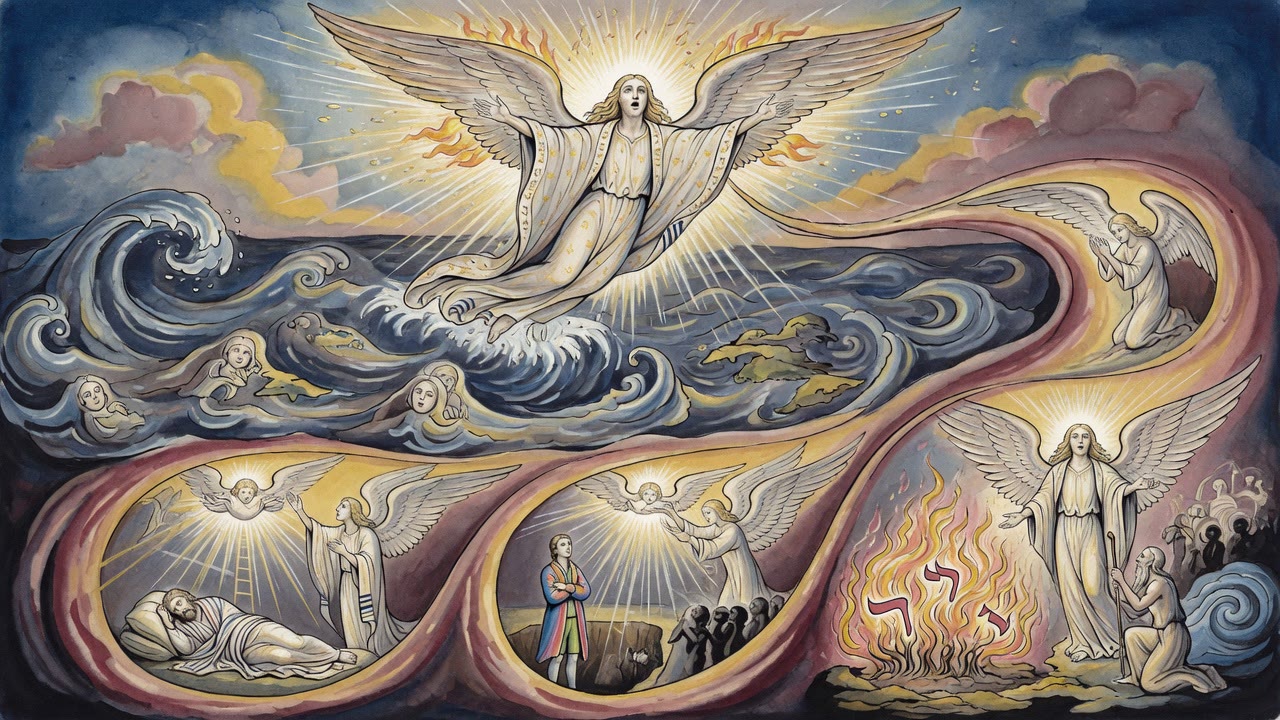
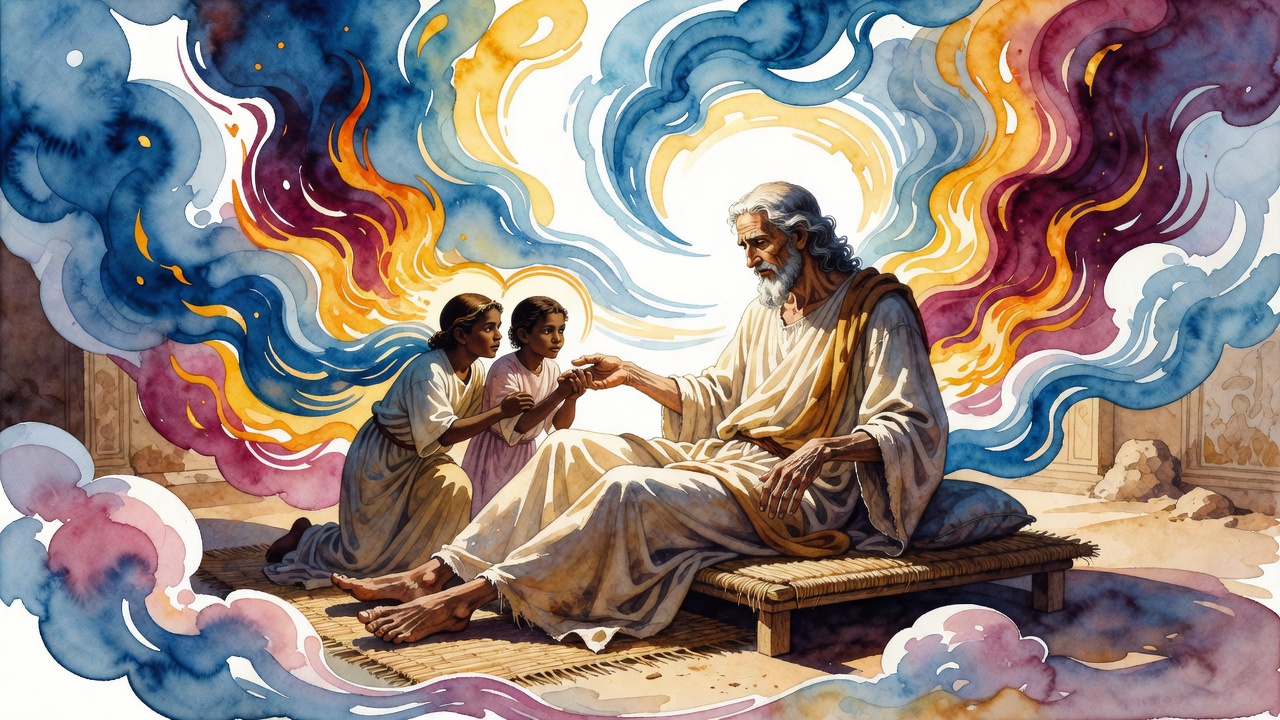
Jacob had called his sons to him one by one and given each his accounting: Reuben who had unstable water, Simeon and Levi whose anger was too fierce, Judah who would be praised and who would hold the scepter until Shiloh came. He had worked his way through all twelve, from the oldest to the youngest, the honest assessments of a dying man who had watched his children for a lifetime and had no reason left to soften what he saw.
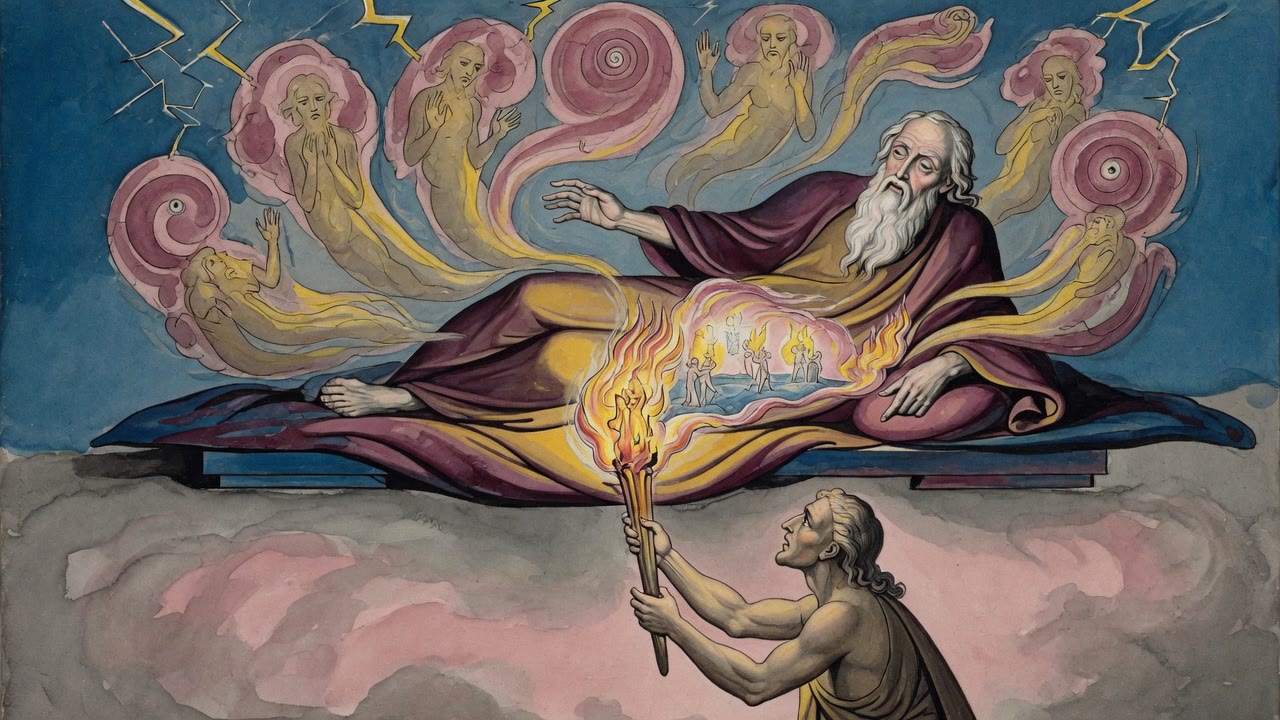
Then he gathered them all together and gave them something the individual blessings had not contained. Not an accounting but a forwarding. He said: "I have blessed you as best I can. But what I could not complete, a prophet will come and continue. There is someone after me."
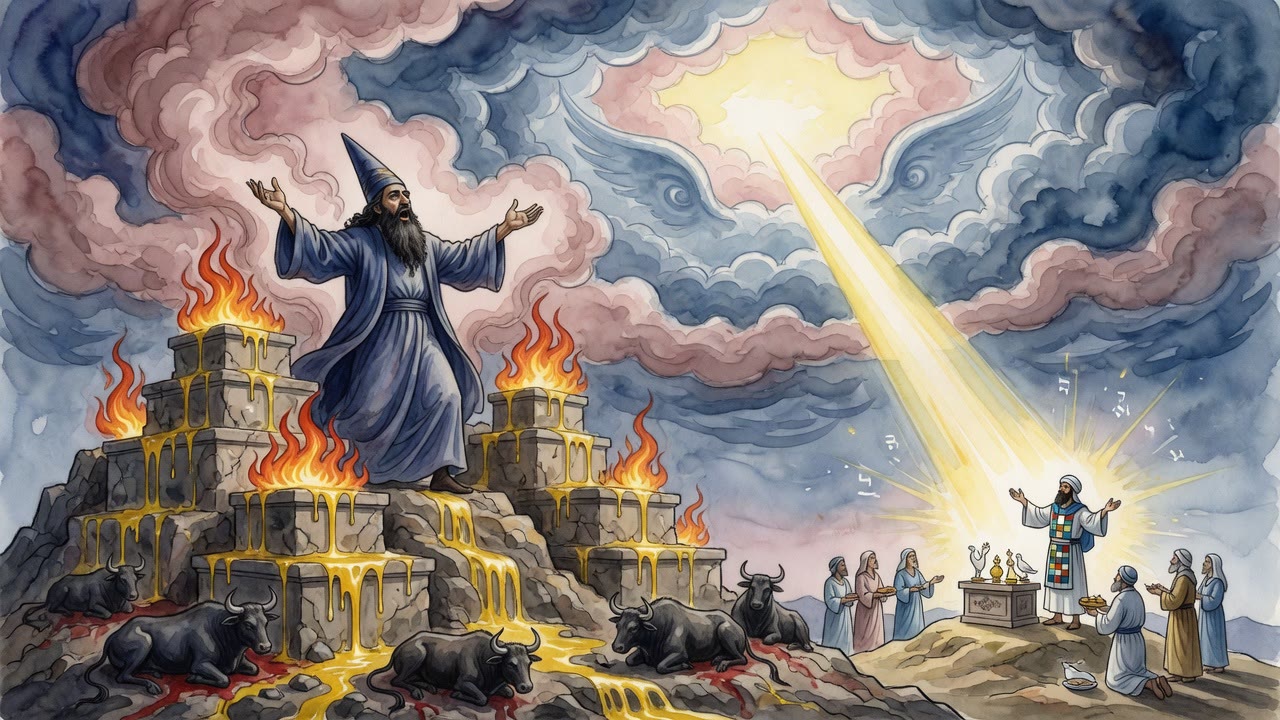
The name he spoke was Moses.
The Prophecy Before Moses Was Born
Moses had not been born yet. Jacob was dying in Egypt, and the boy who would grow up to stand at the burning bush and argue with God and lead two million people through the sea was not yet conceived. Jacob named him anyway. He spoke the name into the room where his sons were gathered and told them: "this is the name of the one who will come after."
The tradition read this as the last act of a patriarch who understood his own limitations. Jacob had blessed twelve sons and organized a family into tribes, but he had not freed them. He had come to Egypt to survive a famine and he had survived it, and his family had multiplied there, and what was coming next, the centuries of slavery and the liberation and the covenant at Sinai, was not his to complete. He named the man who would stand in for him.
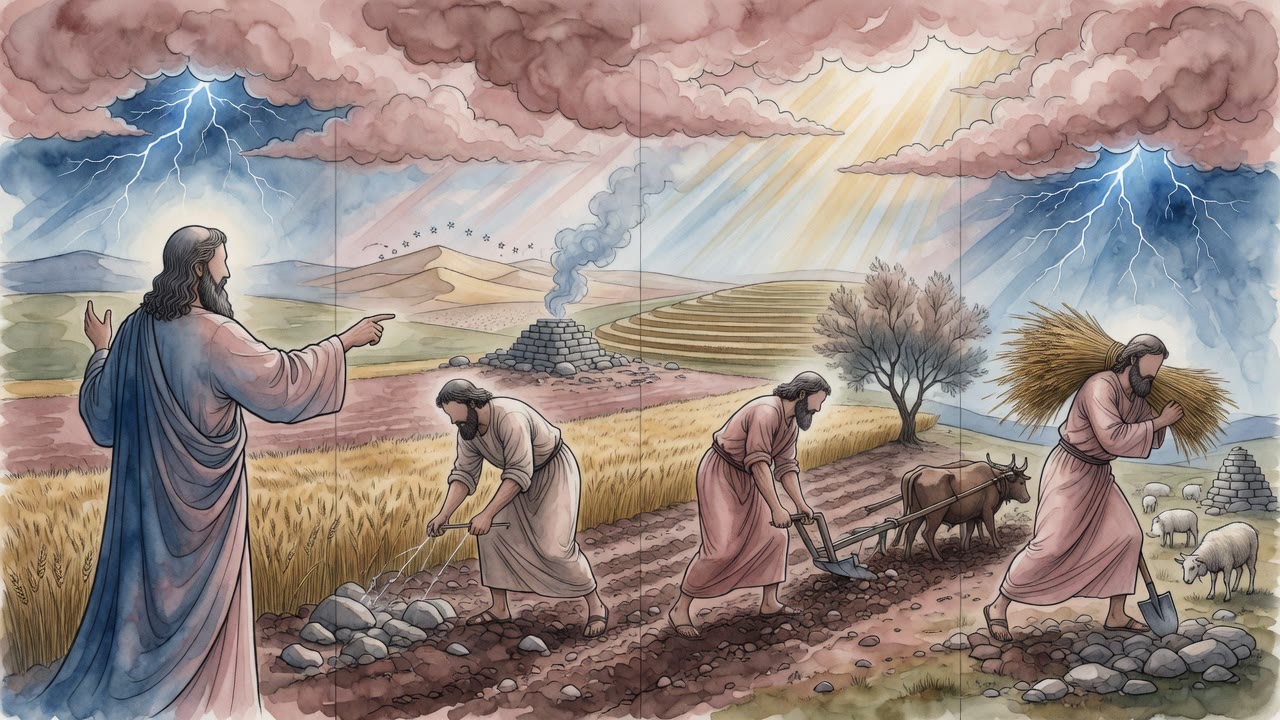
He also told his sons what the blessings were for: not for hoarding within each tribe but for sharing across all of them. Judah's grain for Benjamin too. The fertility of the territories was a shared inheritance, not a competitive one. The twelve tribes were not twelve separate peoples. They were one people who had twelve different faces.
The Man Who Would Not Stop Asking Why
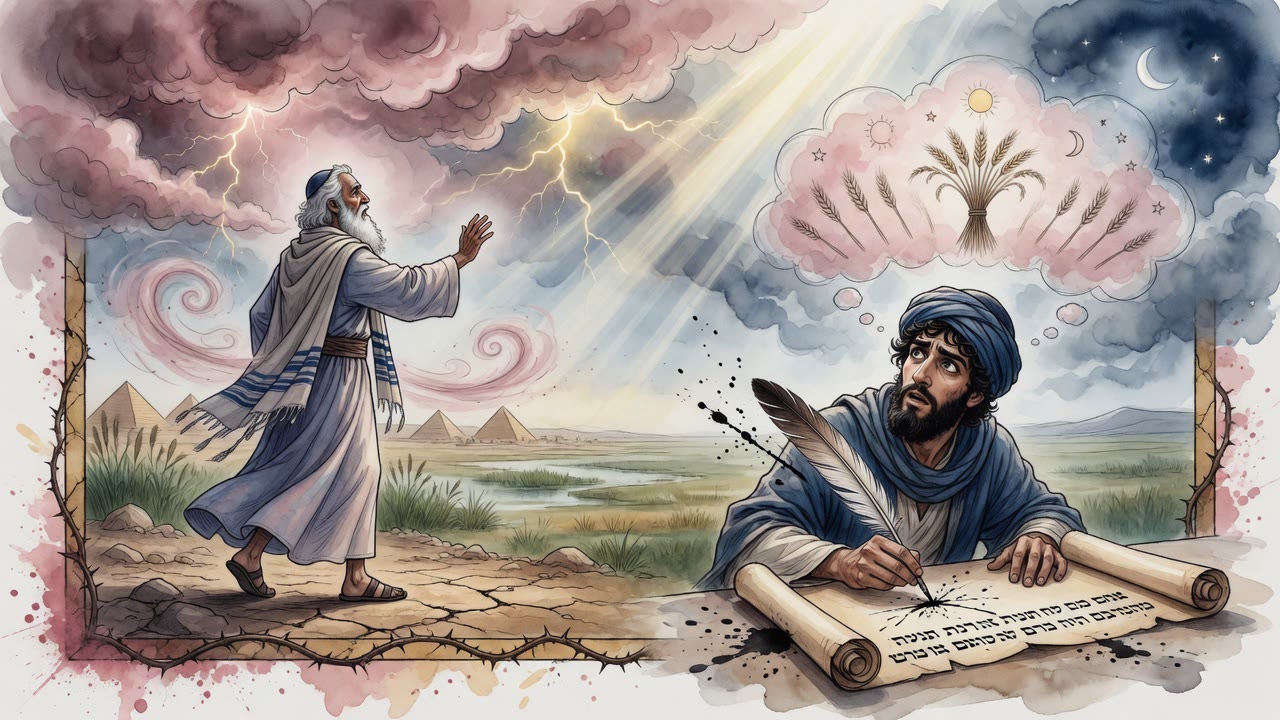
Moses would spend years asking questions that Jacob had not asked. He would sit in Midian after fleeing Egypt and agonize over the question that could not be answered: why does Israel suffer more than every other nation? He had seen the bondage in Egypt before he fled and it had sat in him the whole time he was gone, the specific injustice of a people crushed under work that built a civilization for their oppressors.
He would stand at the burning bush and say: "who am I to do this?" He would argue that the task was too large for one man. He would ask for a second person, a voice, a helper. He would propose his brother Aaron as the one who could speak what he could not.
He would weep over the suffering of his people with a grief that matched Jacob's weeping over Joseph: "I would rather die than watch you suffer so." The line between patriarch and prophet ran through the capacity for personal grief at collective suffering. Jacob had wept for Joseph. Moses wept for Israel. The tradition treated these as the same kind of love expressed at different scales.
The Two Men Compared
The rabbis eventually drew a direct comparison between Moses and Jacob. Both had been absent from their people for a significant span: Jacob had spent twenty-two years in Padan-Aram, Moses had spent forty years in Midian. Both had returned to lead. Both had approached an overwhelming task with the sense that they were inadequate to it. Both had been given specific reassurances by God that were not entirely convincing on first receipt.
Jacob had wrestled an angel and been renamed Israel: he who strives with God. Moses had argued with a burning bush and been given a staff that became a serpent. The encounters were different but the pattern was the same: the leader was not someone who had no doubts. The leader was someone whose doubts were present and visible and who acted anyway because the task required it.
What Jacob Left Behind
When Jacob finished speaking, he gathered his feet into the bed and breathed his last, and was gathered to his people. He had been carried out of Canaan by famine and he went back to Canaan to be buried, carried by his sons the same way he had wanted to carry his father's body, the same cave at Machpelah where Abraham and Sarah and Isaac and Rebekah lay, the cave that held everyone.
He had named Moses. He had told his sons that the work was not finished, that a prophet was coming, that they should trust the name he had given them and watch for the man who matched it. This was not the End of Days he had tried to reveal at the beginning of the deathbed scene, the knowledge the holy spirit had withheld. This was something more specific and more useful: a name, and the instruction to hold it.
← All myths