308 myths · Page 8 of 11
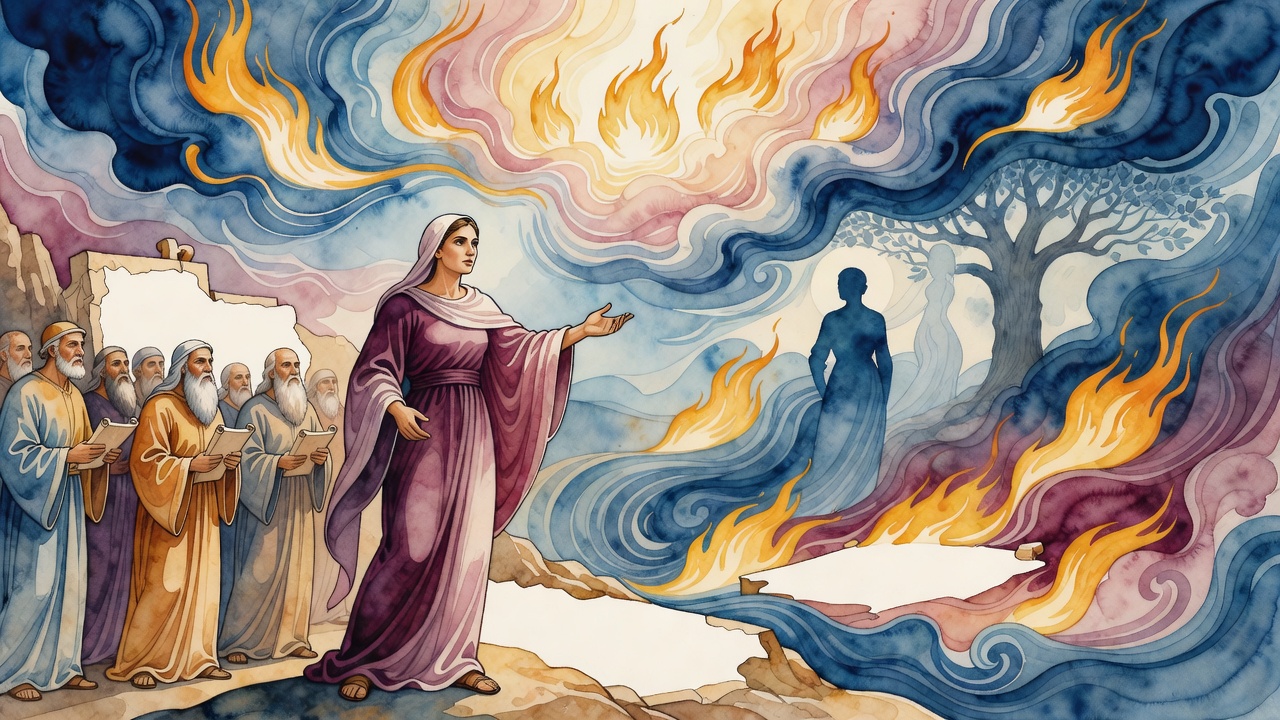
She kissed him and stopped. The goatskins were still on the kids in the flock. Adam had hidden in trees. She would not hide the blessing.
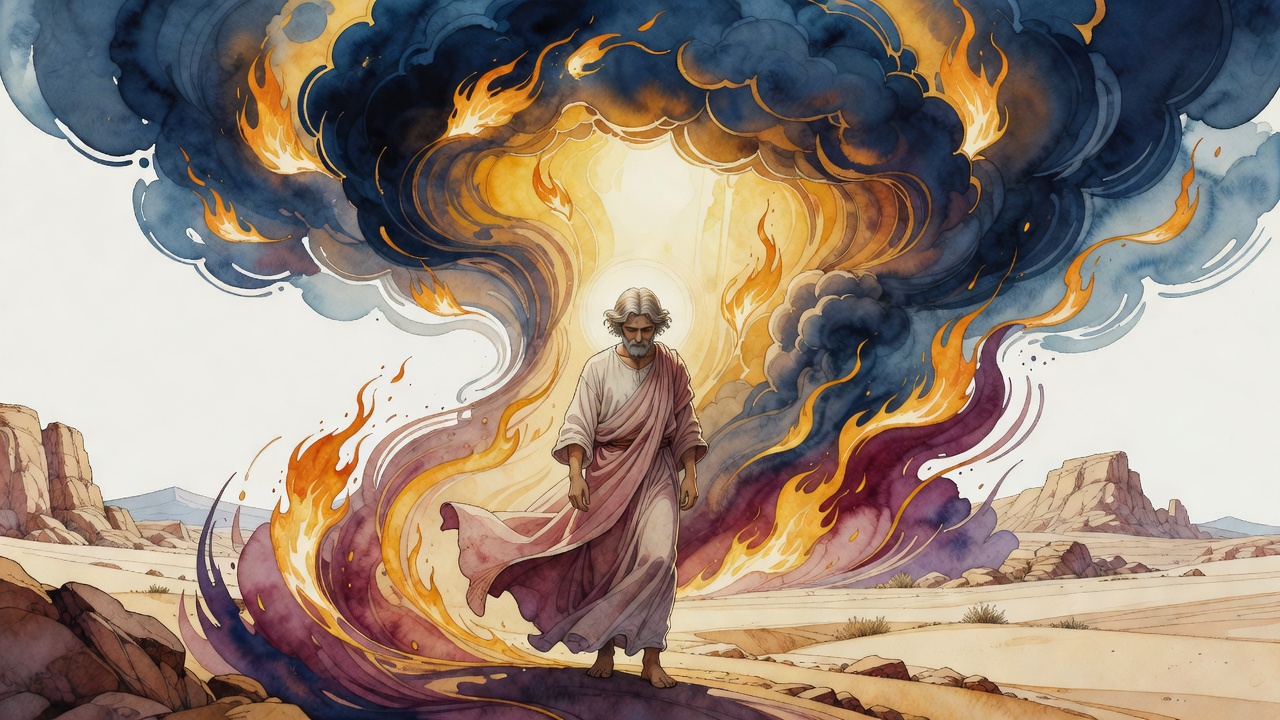
Their water skin was empty in the wilderness. Hagar sat Ishmael under a shrub and went off, because she could not watch the boy die.
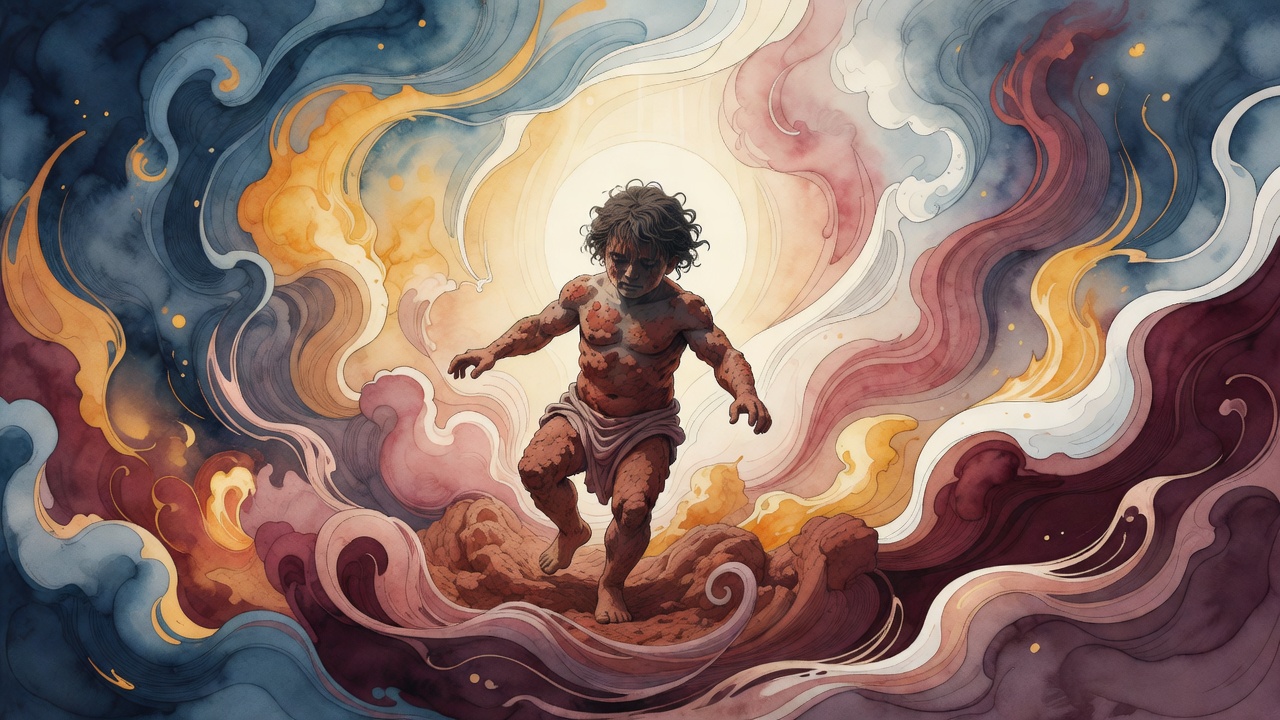
Rebekah's twins fought inside her, and one threatened to kill her to get out first. Shem told her why: her body was holding two nations.
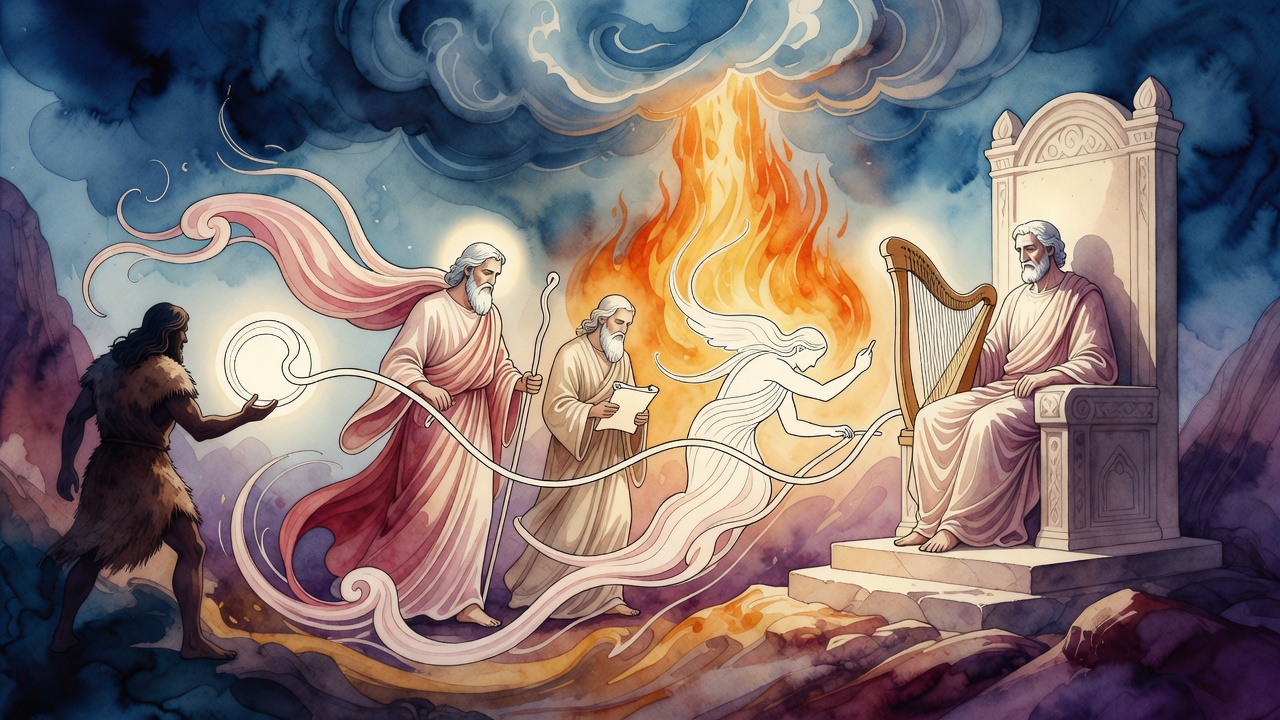
Abraham called Rebecca to his bed and named the grandson to watch. Years later a hunter kept tying deer that would not stay tied.
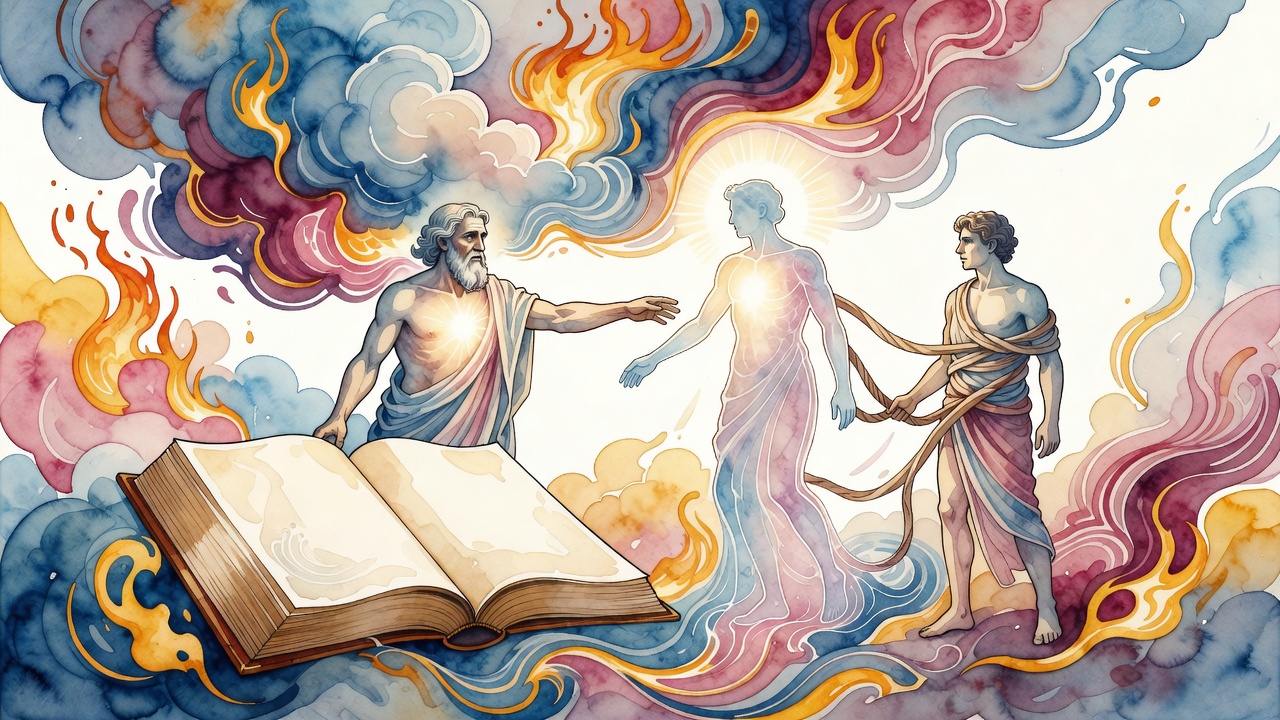
Adam found David's soul in the book of generations with almost no lifespan assigned to it and gave seventy of his own years away.
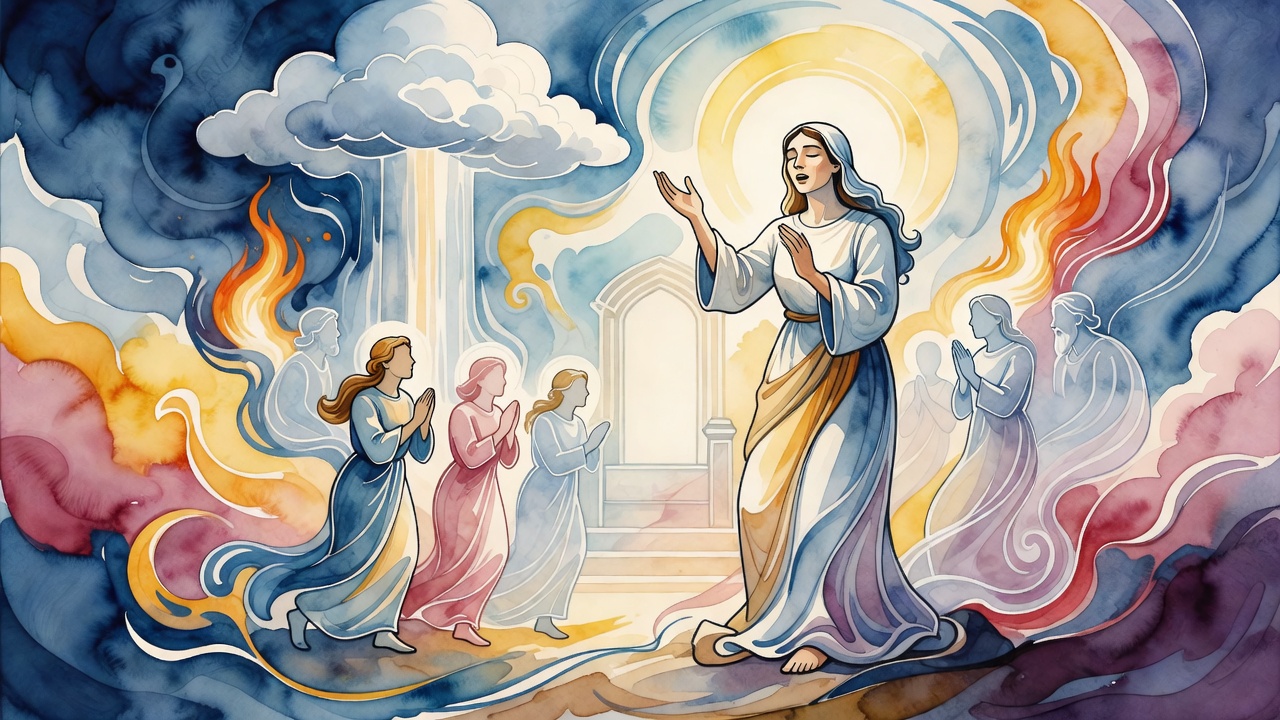
Leah held a firstborn who looked like any other child. She named him so heaven would see the affliction her husband would not.
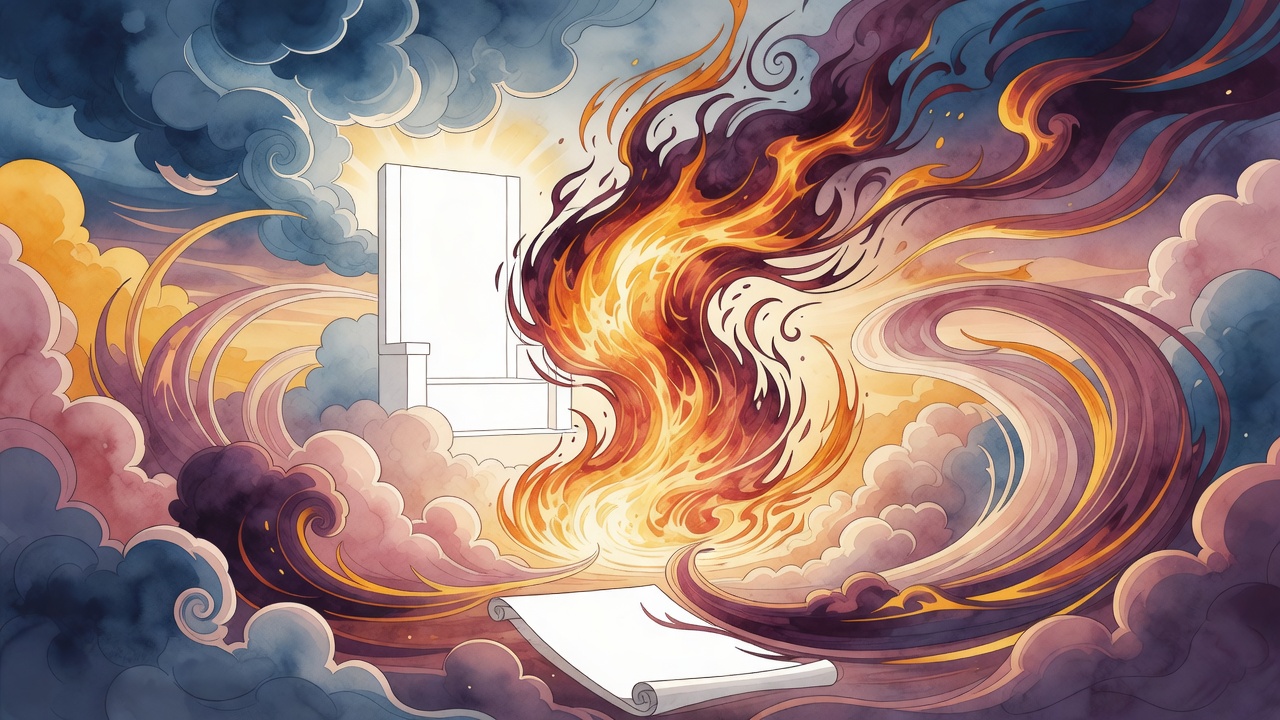
The Angel of Death met Elijah at the edge of heaven and refused to move. He had jurisdiction over every human being alive, and he said so.
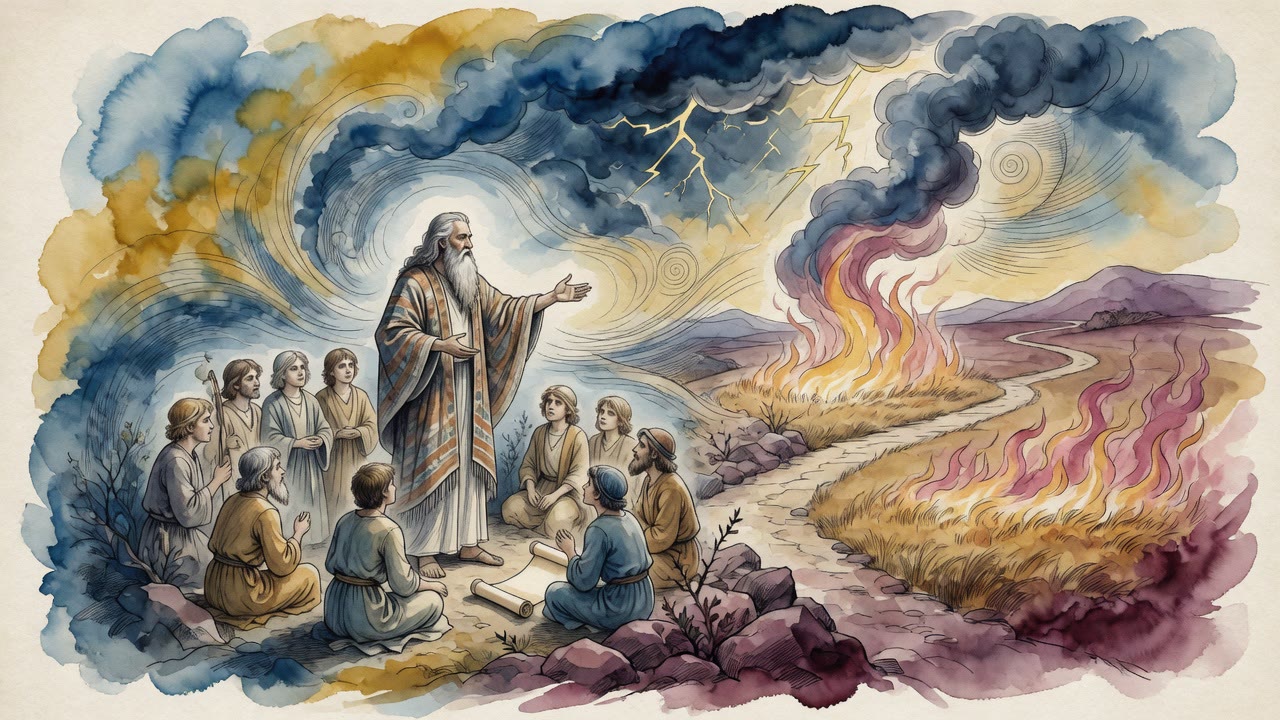
Asher was a hundred and twenty-five and still strong when he called his sons in. He told them a man can hurt someone in order to heal him.
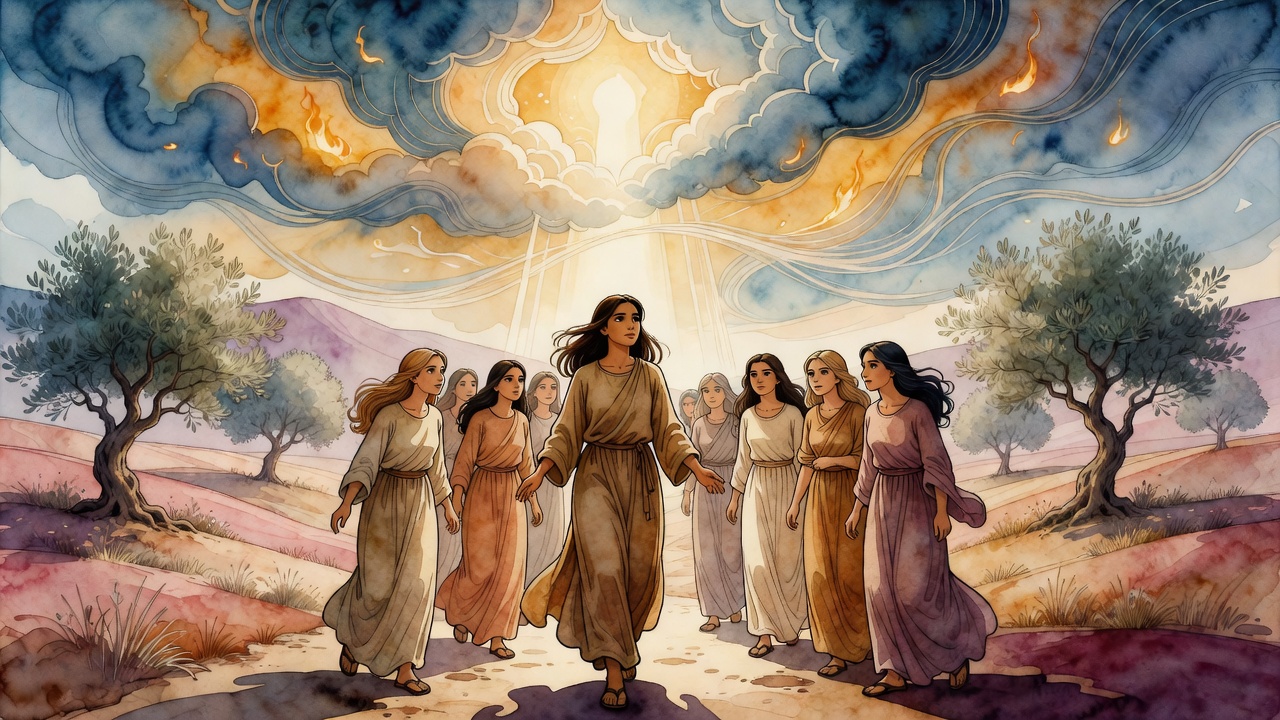
Dinah was twelve when she sat with her mother among the dancers at Shechem. The prince took her by force. Heaven still wrote Levi's name.
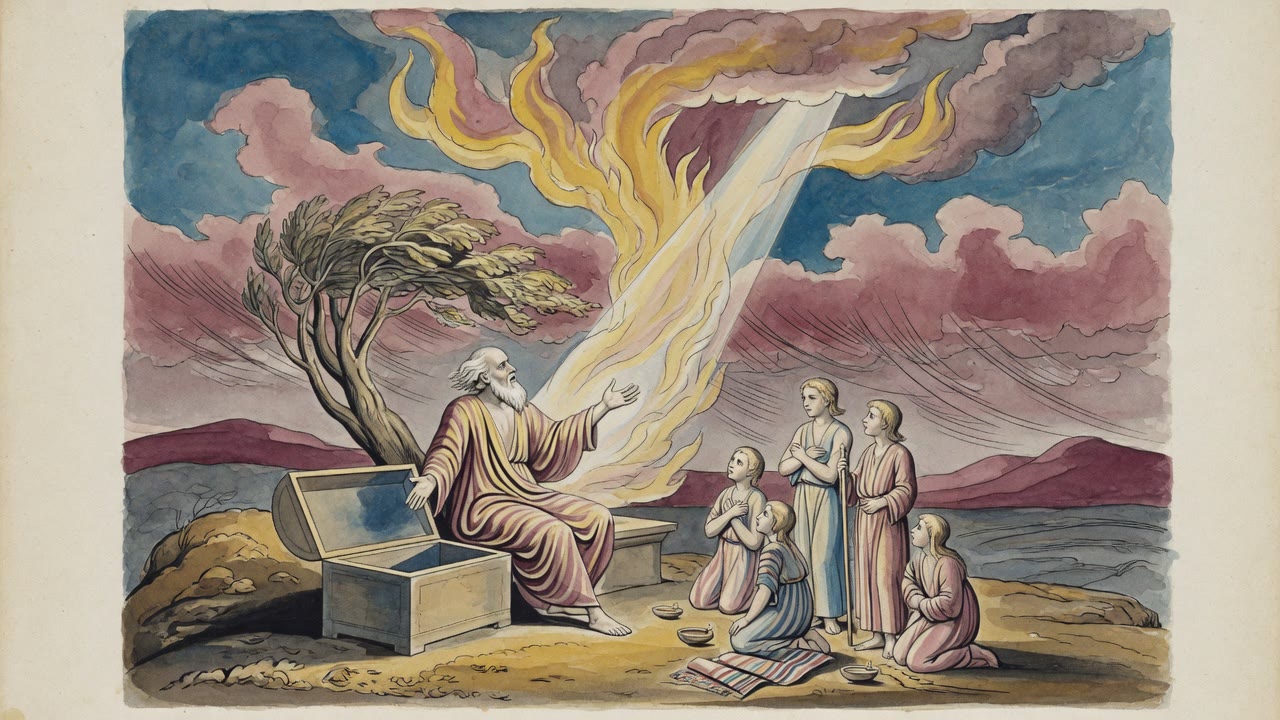
He fed his sons, then told them he was dying. They did not believe him because he still looked strong. Then he told them about the sun and the broken ship.
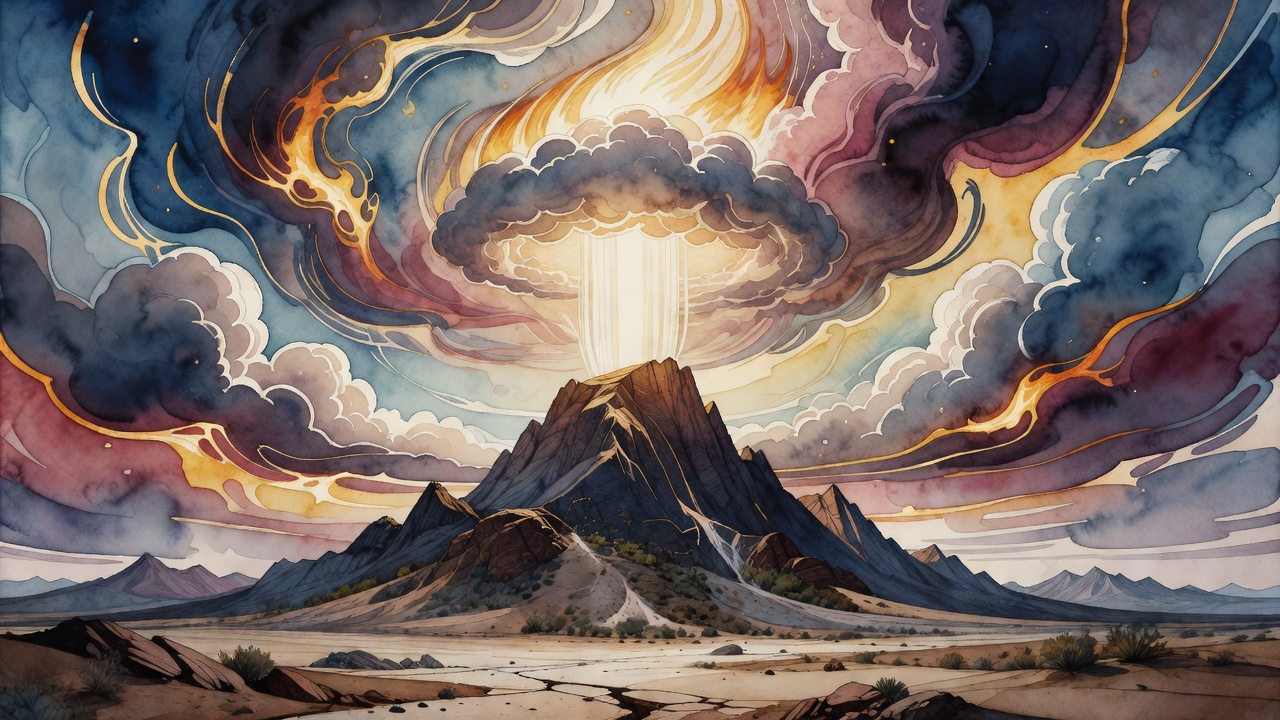
Before Adam drew breath, God set four places apart. One of them was a mountain in the desert, already holy, already waiting for Moses.
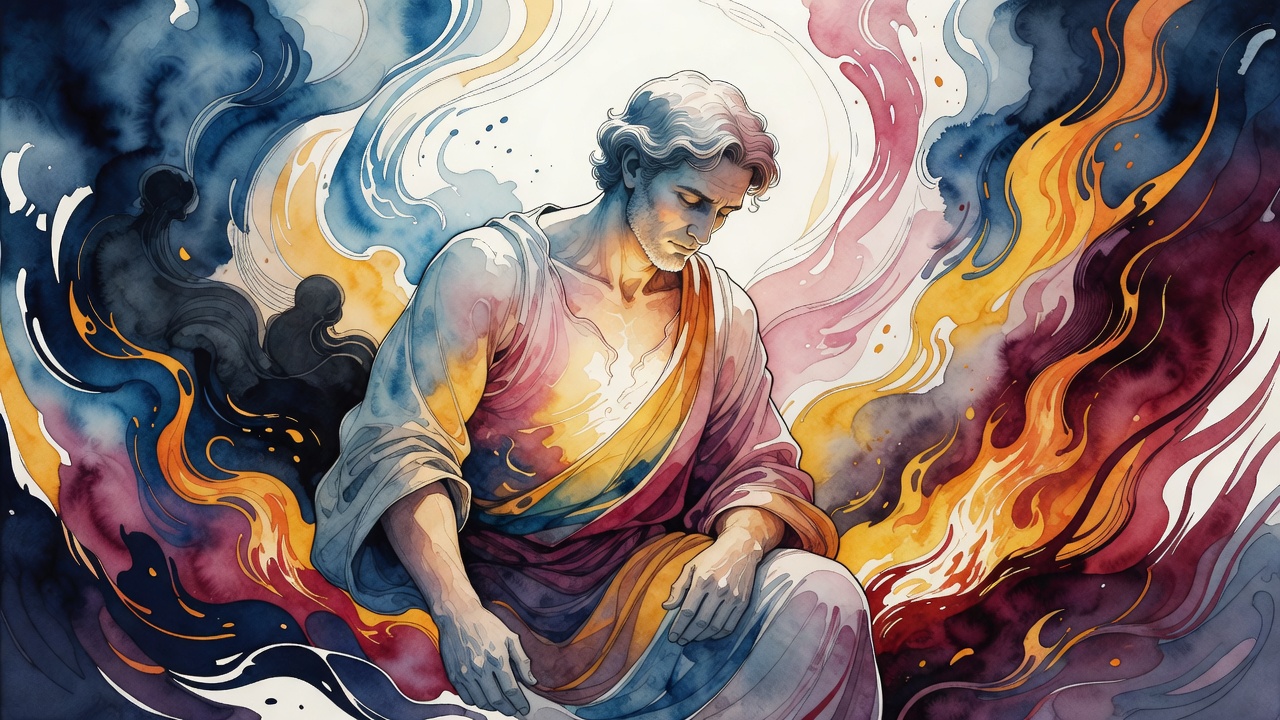
Reuben lost it. Simeon and Levi burned through it. When the blessing reached Judah it arrived at a man already broken open by what he had done.
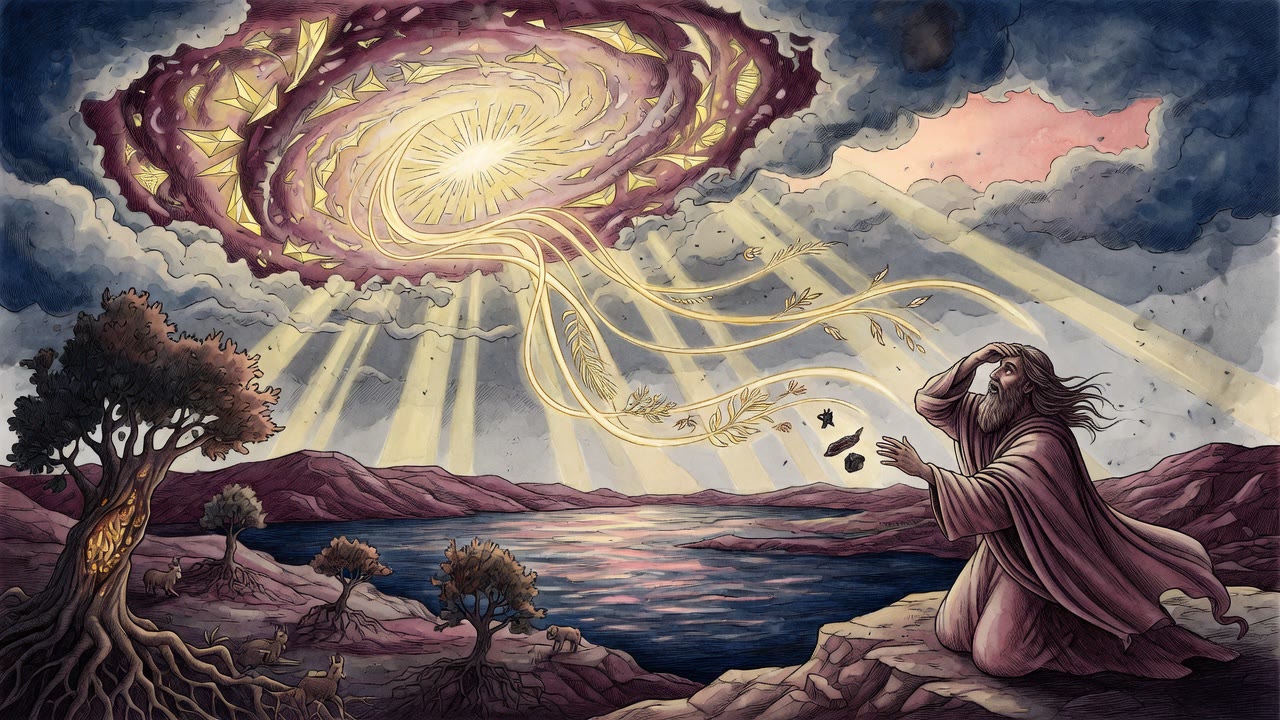
When Isaiah saw the divine throne and the seraphim singing, he did not sing with them. He spent years believing that silence had cost him everything.
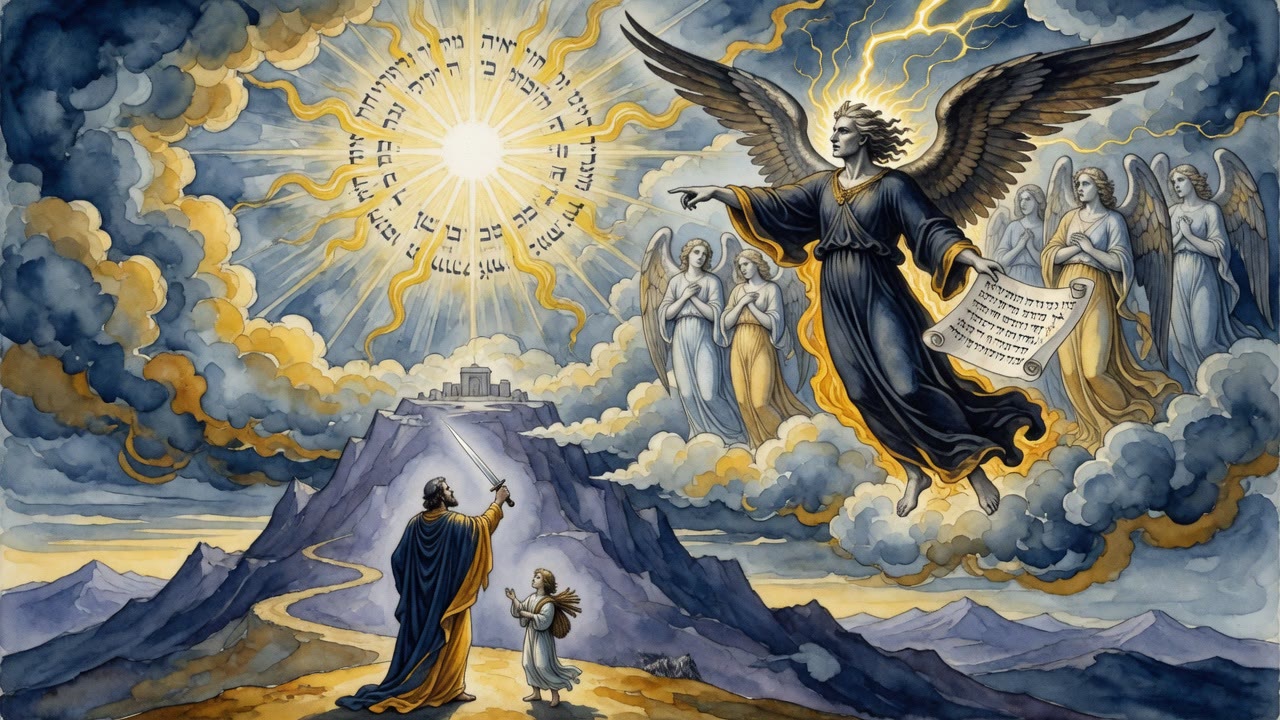
Prince Mastema asked if Abraham would still obey. God said yes. Three days later the ram was already waiting in a thicket on the mountain.
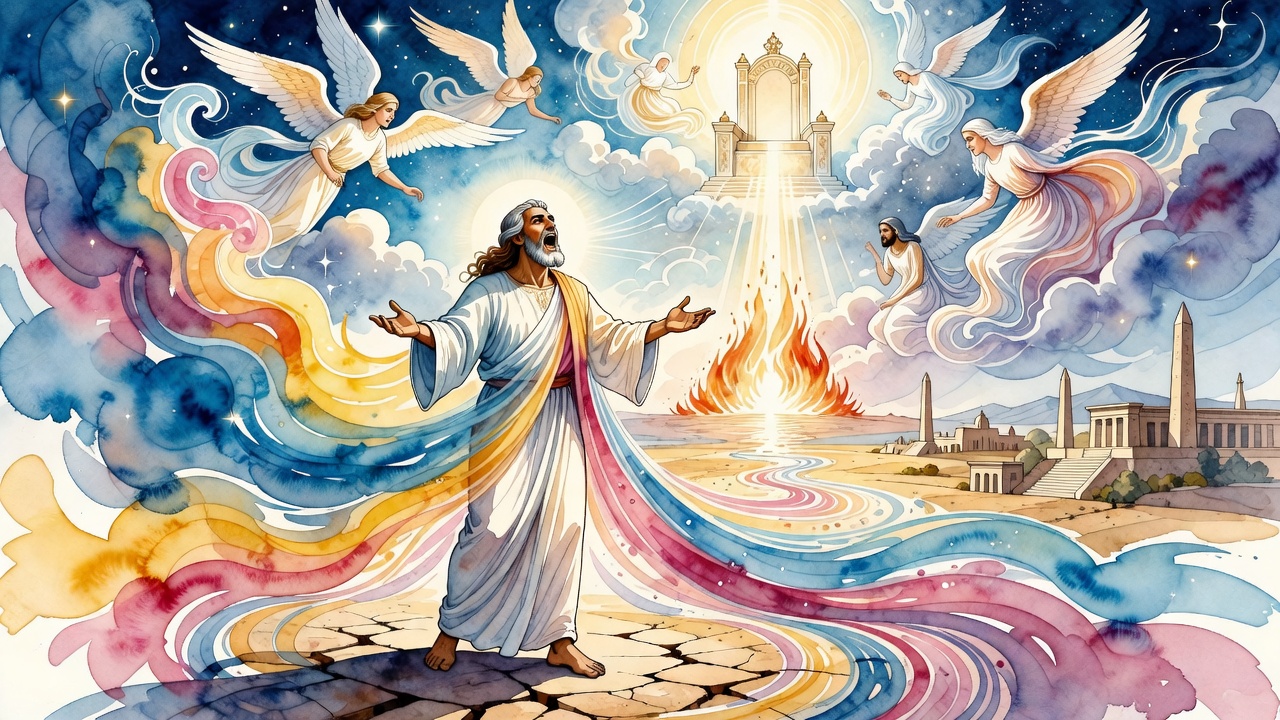
When Judah raised his voice in Egypt demanding Benjamin's release, the rabbis said his cry shook the earth and made the angels tremble in heaven.
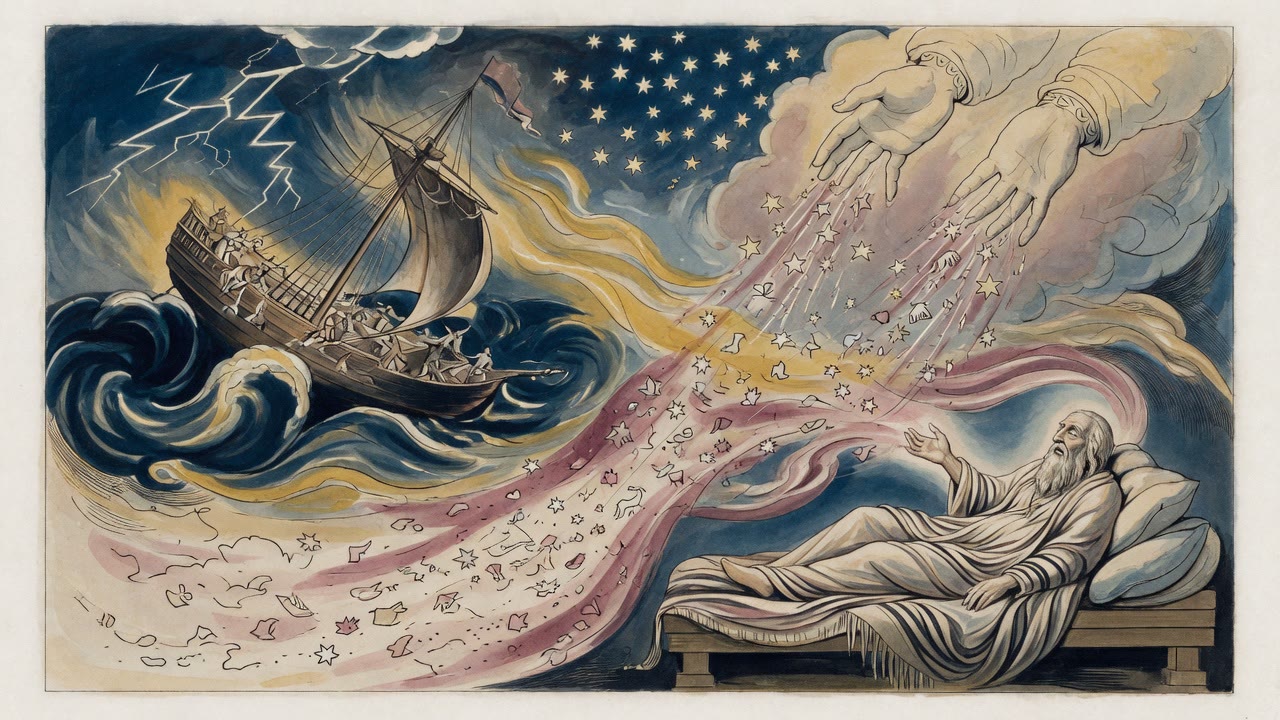
In a dream, Naphtali's brothers grabbed the sun and the moon, and he seized a star. On earth he carried Jacob's messages between Egypt and Canaan.
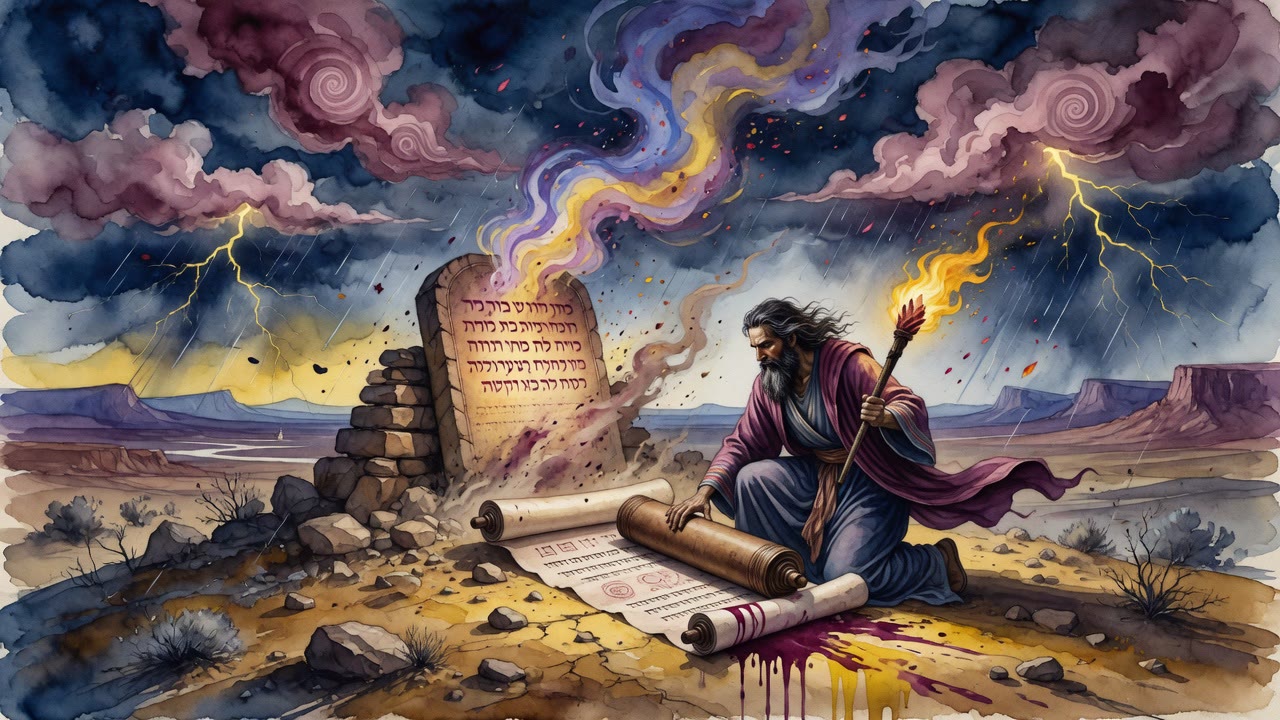
Vayikra Rabbah says a prophet sees God the way a candle is seen through a window. Abraham got nine clouded panes. Moses got one clear one.
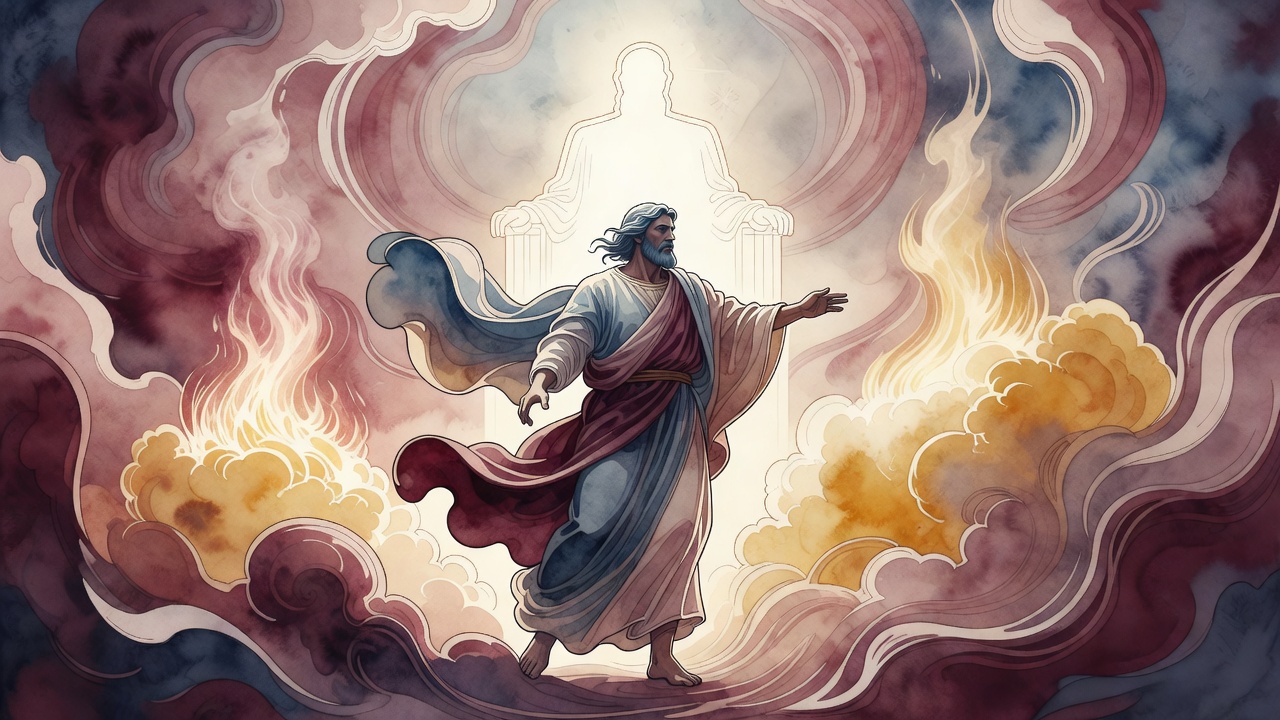
In the Prayer of Joseph, Jacob says he was an angel before the world was made. The man he wrestled at the Jabbok was Uriel, arguing over who descended first.
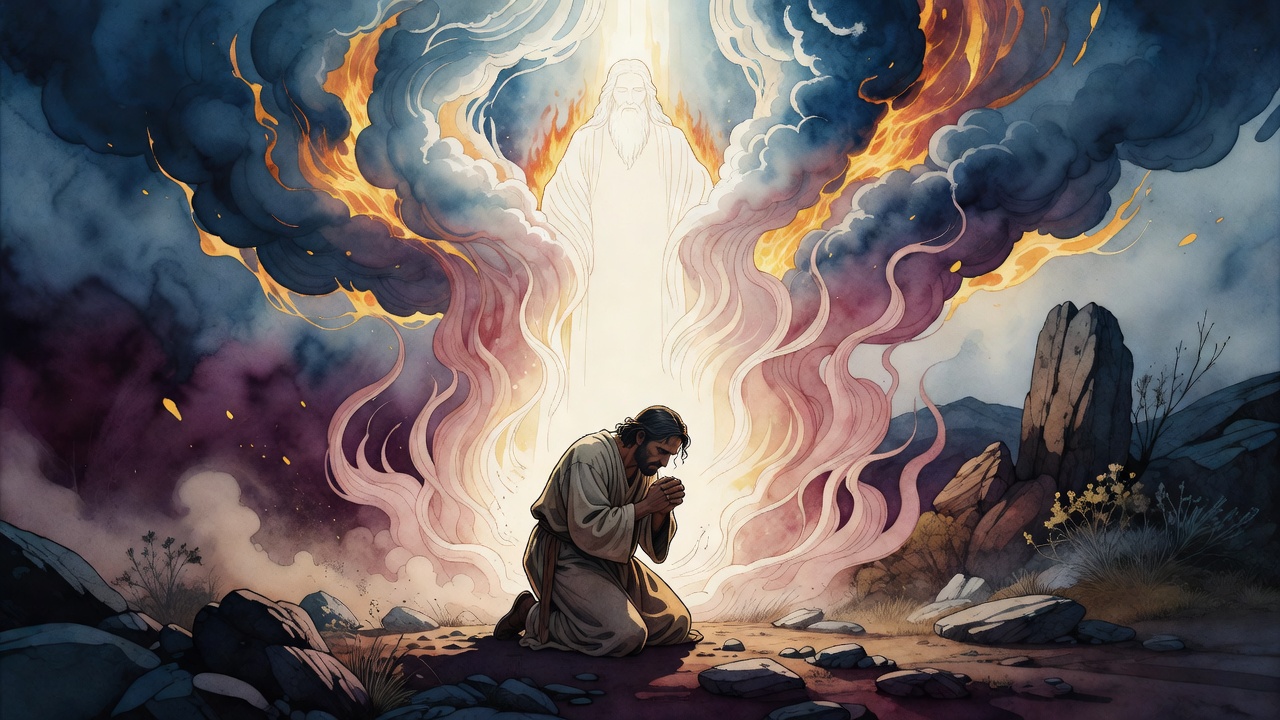
God told Jacob at Bethel: I will bring you back, not one promise will fail. Then Jacob spent twenty years in exile praying for what he already had been given.
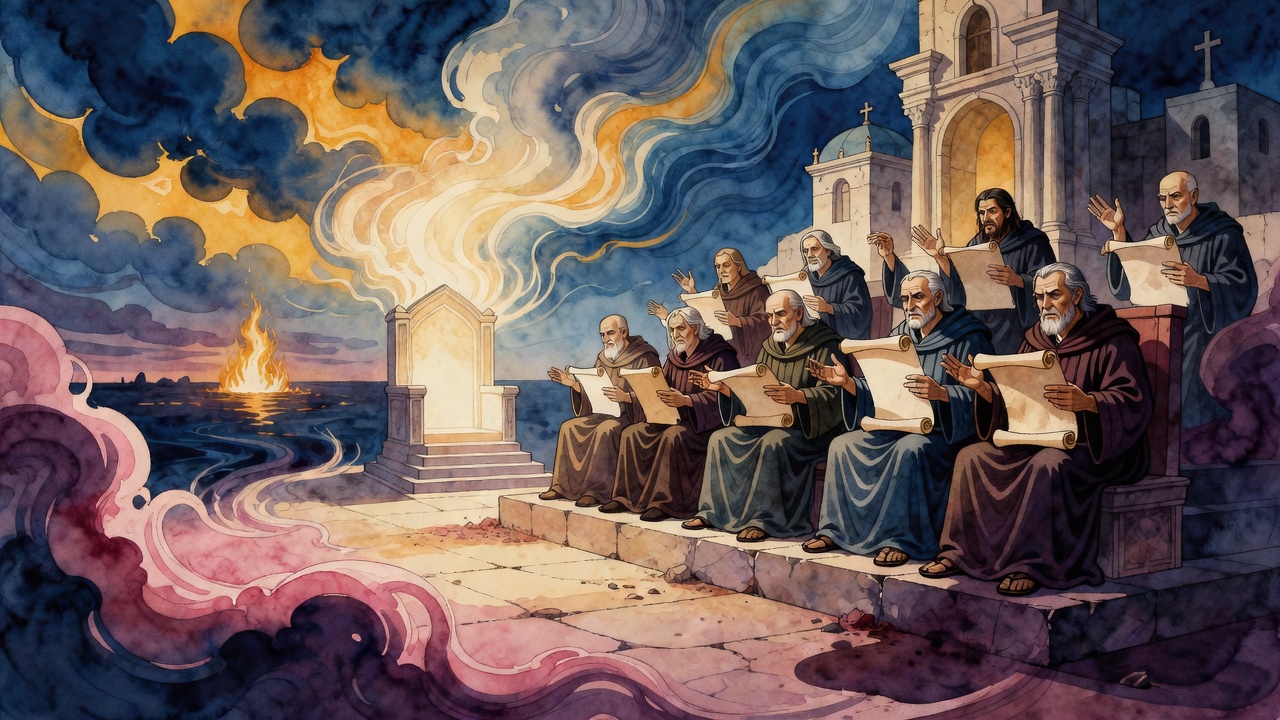
The four judges of Sodom were named Liar, Habitual Liar, Fabricator, and Perverter of Justice. Feeding a stranger got your clothes taken.
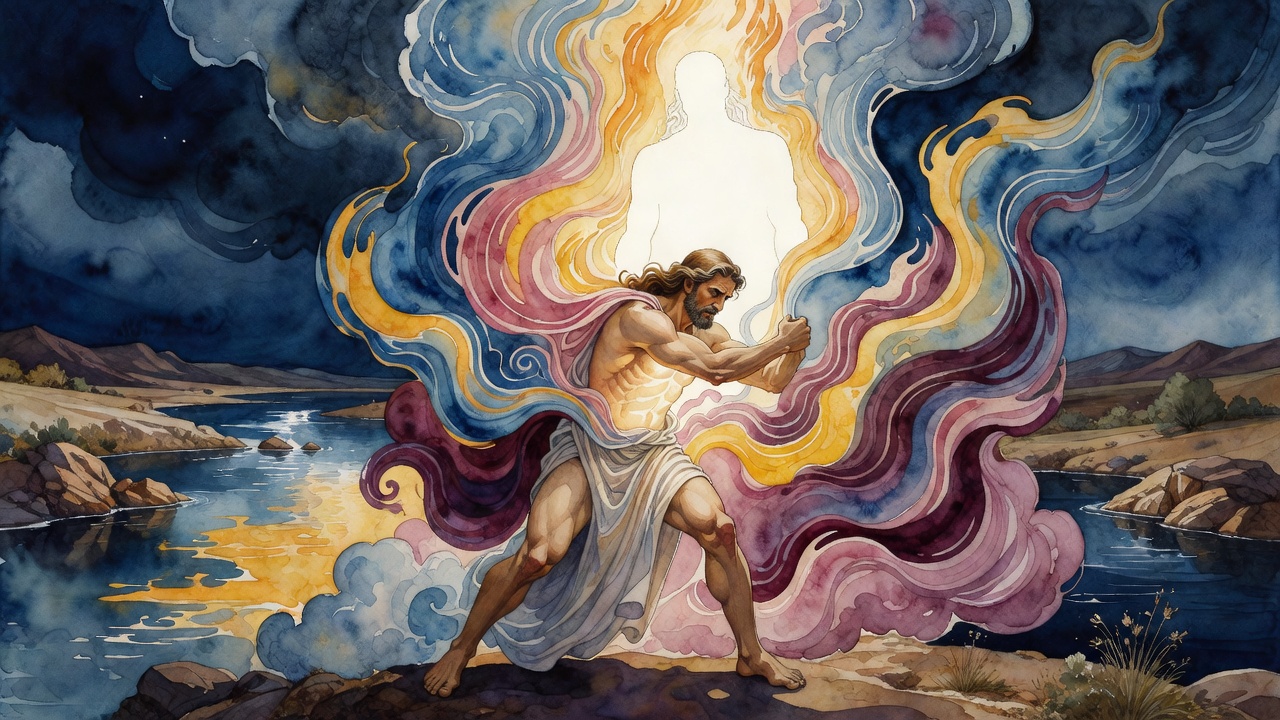
God invited him up the ladder and he said no, because if he climbed he would have to come down again. He did not yet know he had come down once already.
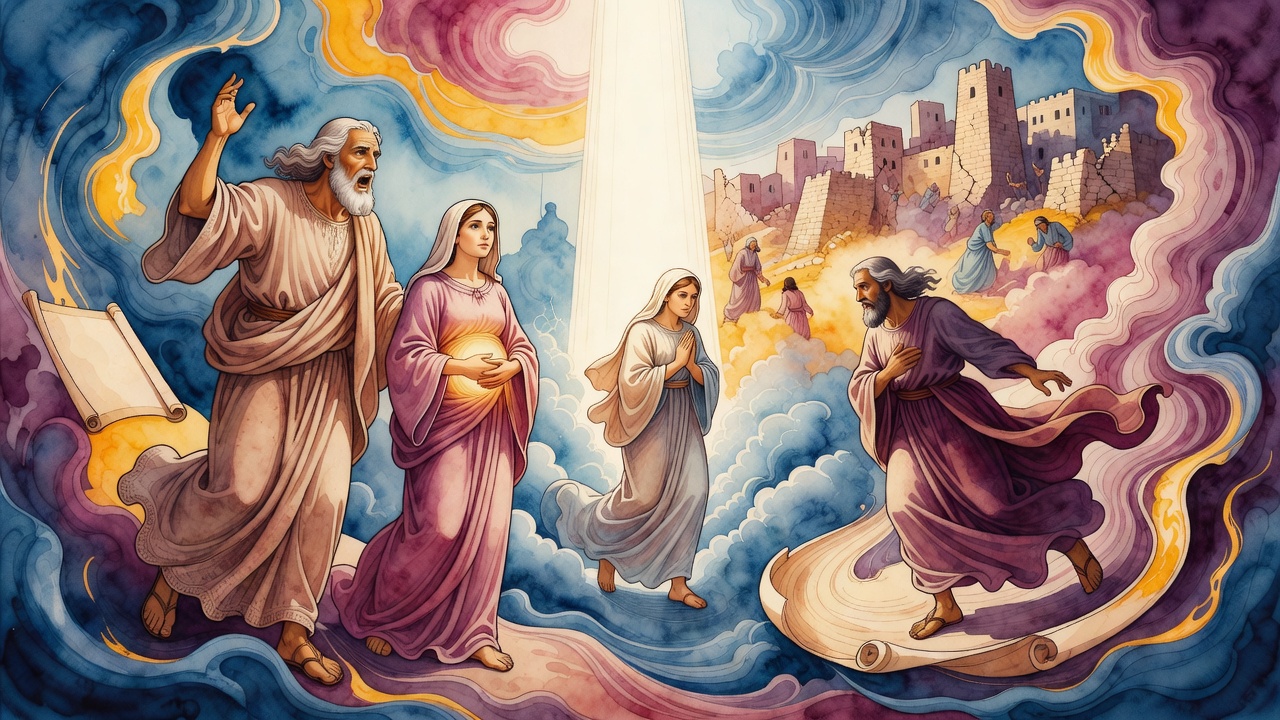
Jacob left home and the ground shortened under his feet. The sun set early so he would sleep at Bethel. The stones under his head gathered into one.
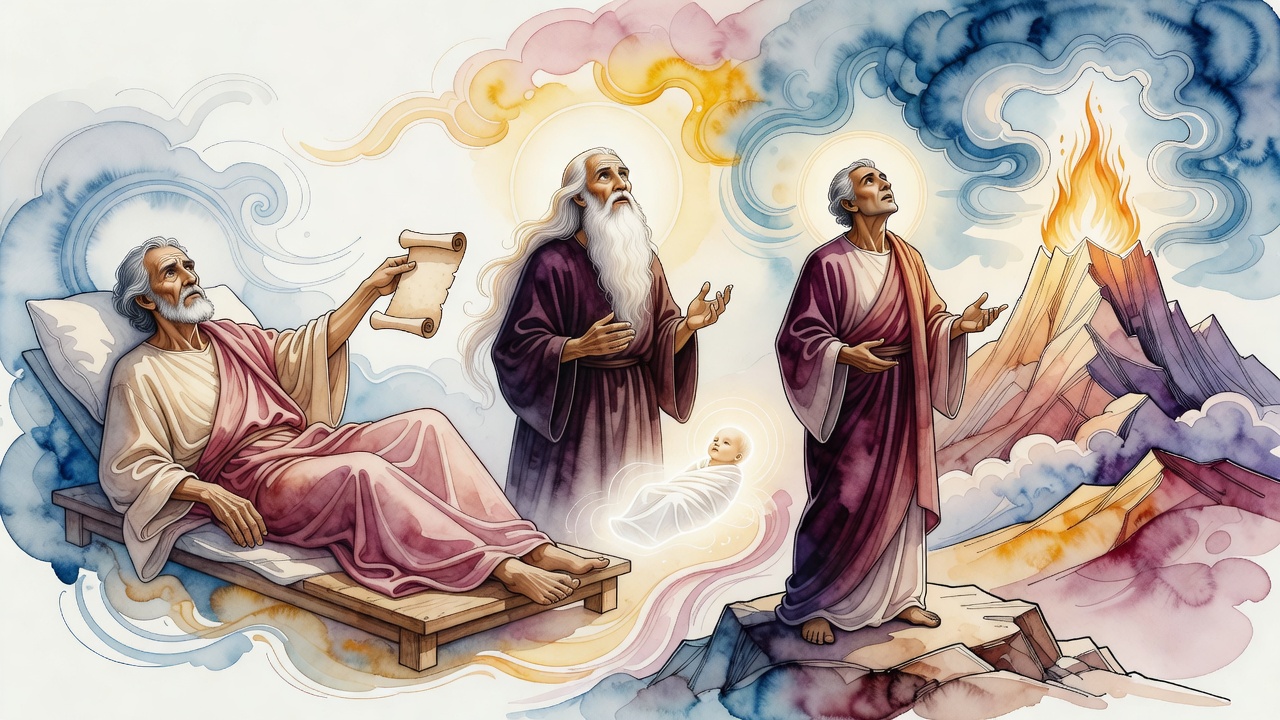
Joseph's deathbed password reaches Moses, Levi lives long enough to see the deliverer born, and Jethro hears of the mountain of glory before Moses arrives.
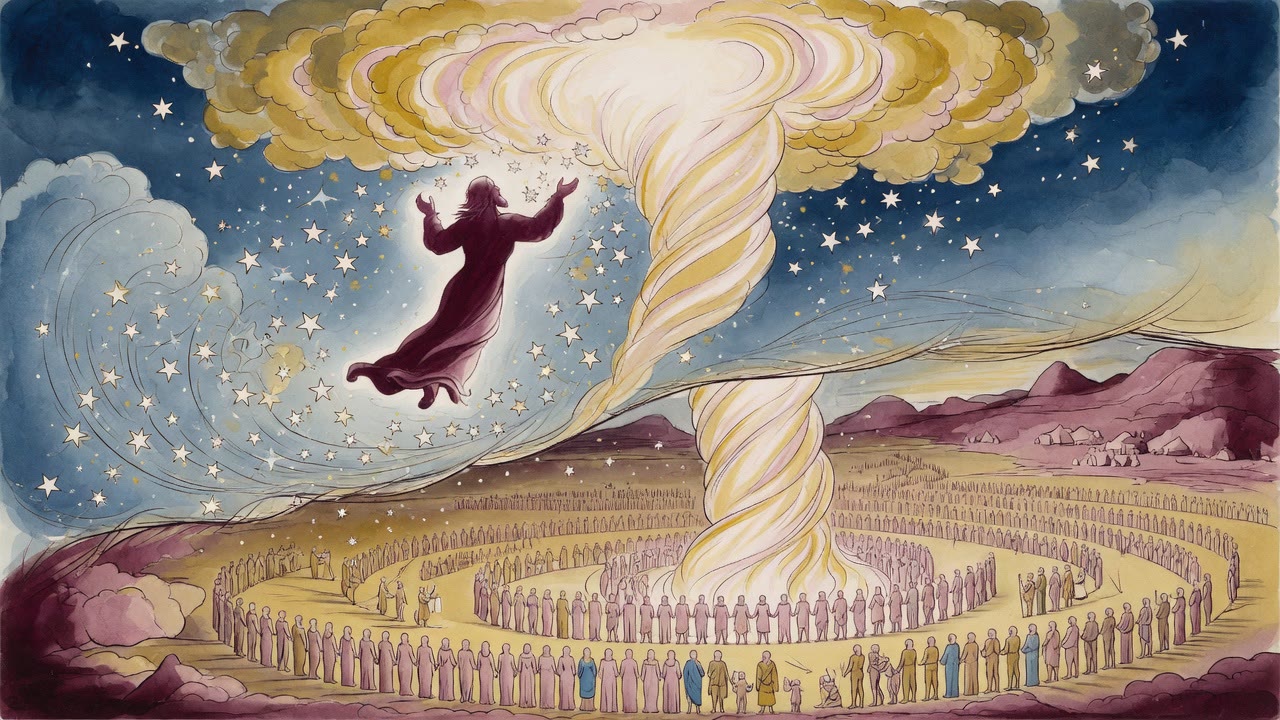
God lifts Abraham above the stars to count them, then the census of the wilderness counts Israel as love made visible in numbers.
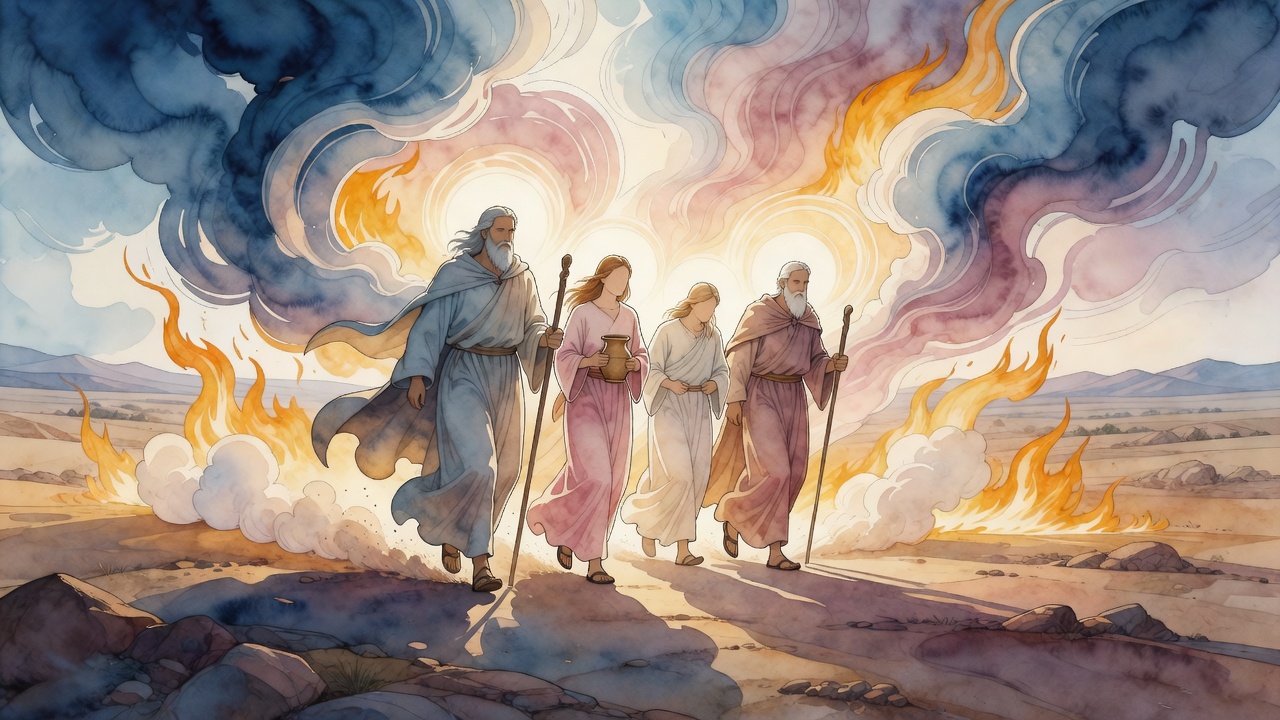
Abraham was seventy-five when he walked away from his father's house toward a land he had not seen. Isaac sowed in a famine year and reaped a hundredfold.
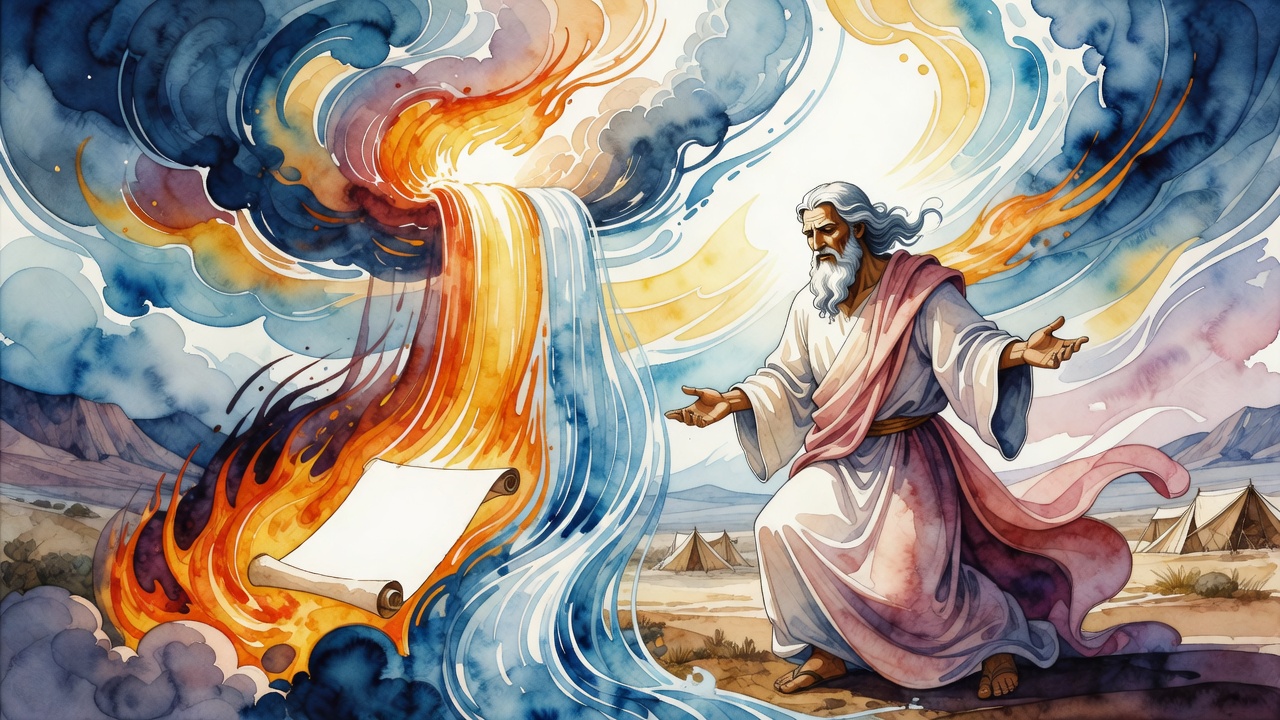
Moses named seventy-seven living men and could not find three more. He asked the dead patriarchs to stand in the breach.
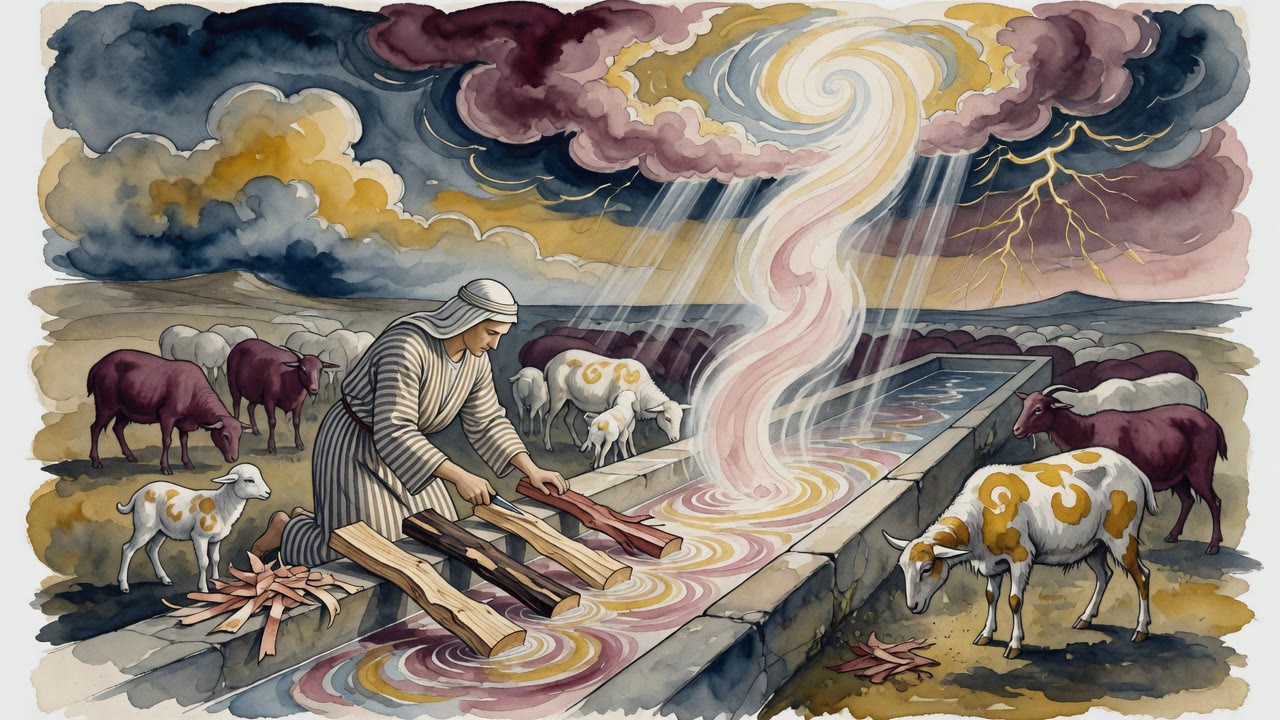
At Laban's troughs with a knife and three kinds of wood, Jacob turns twenty years of cheated wages into the beginning of Israel's herds.
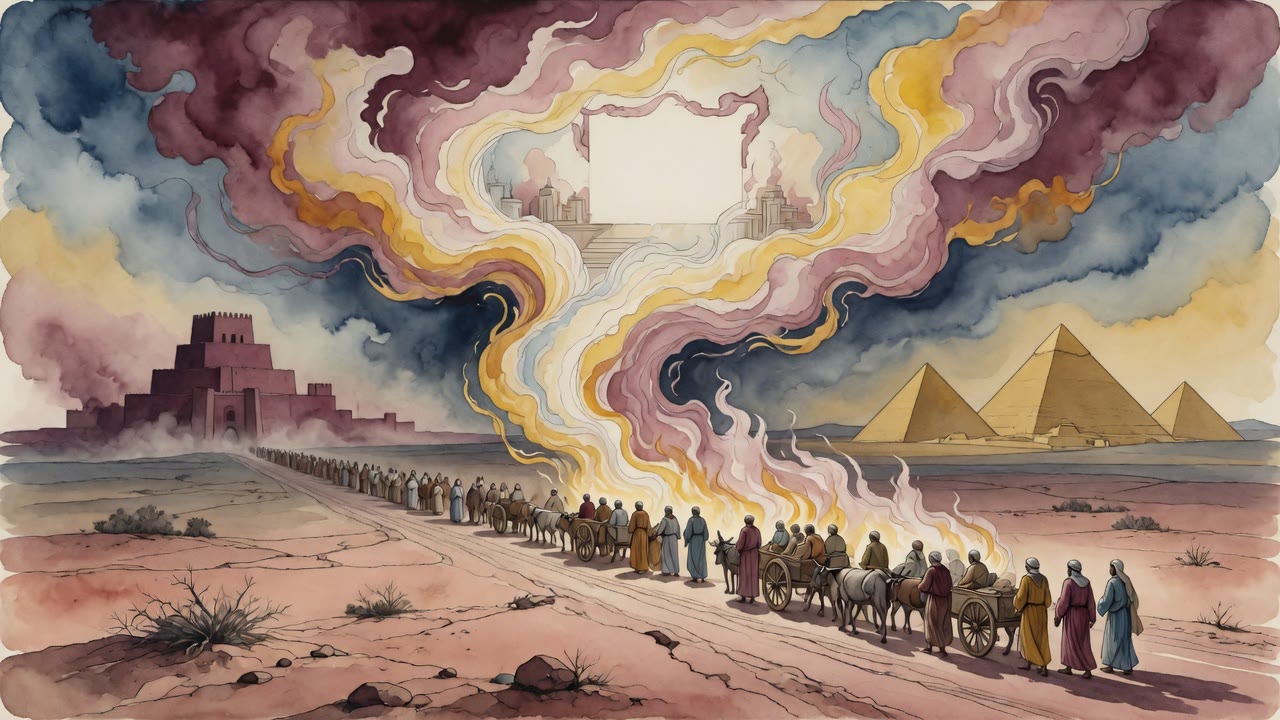
Abraham was ninety-nine and still sore from circumcision when three travelers came. He asked God to wait at the tent door until he had fed them.
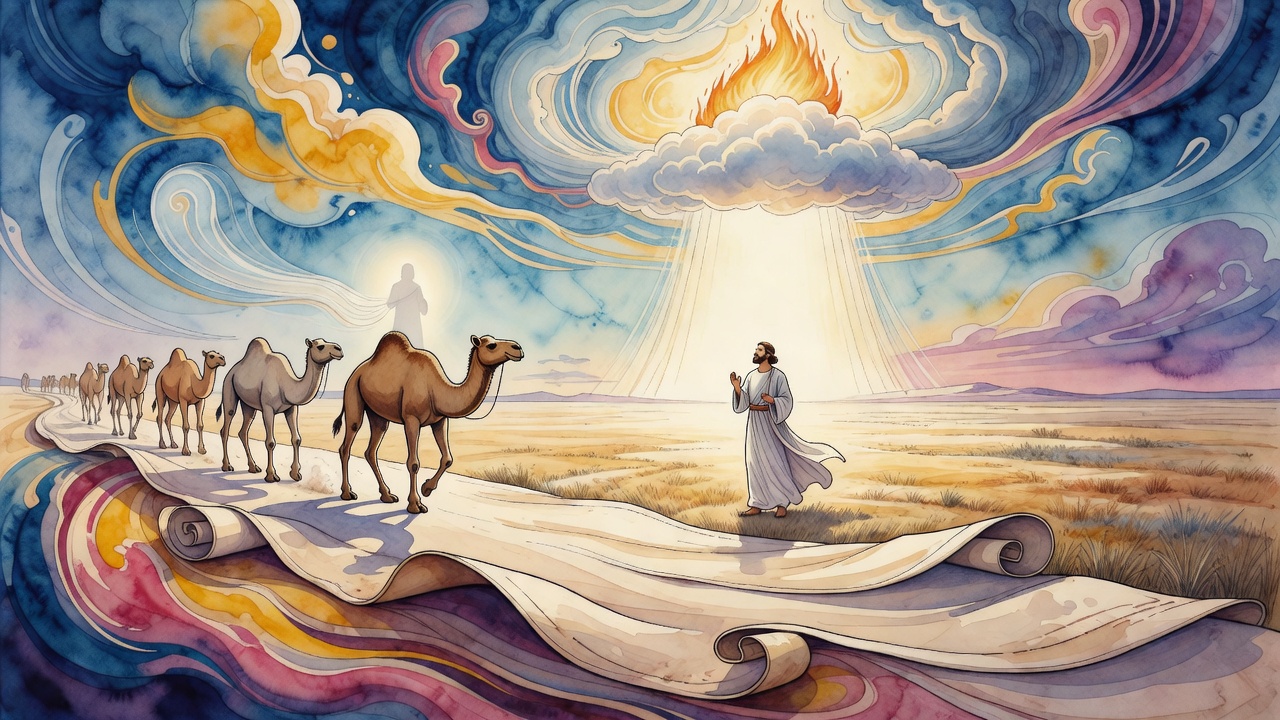
Eliezer's prayer is answered before it leaves his heart, the road folds under the camels, and Isaac stands in a field at evening to pray the first mincha.
The servant would not touch the meal until he had said his errand. He talked half the night. By morning Rebekah's father was dead in the house.
