391 myths · Page 10 of 14
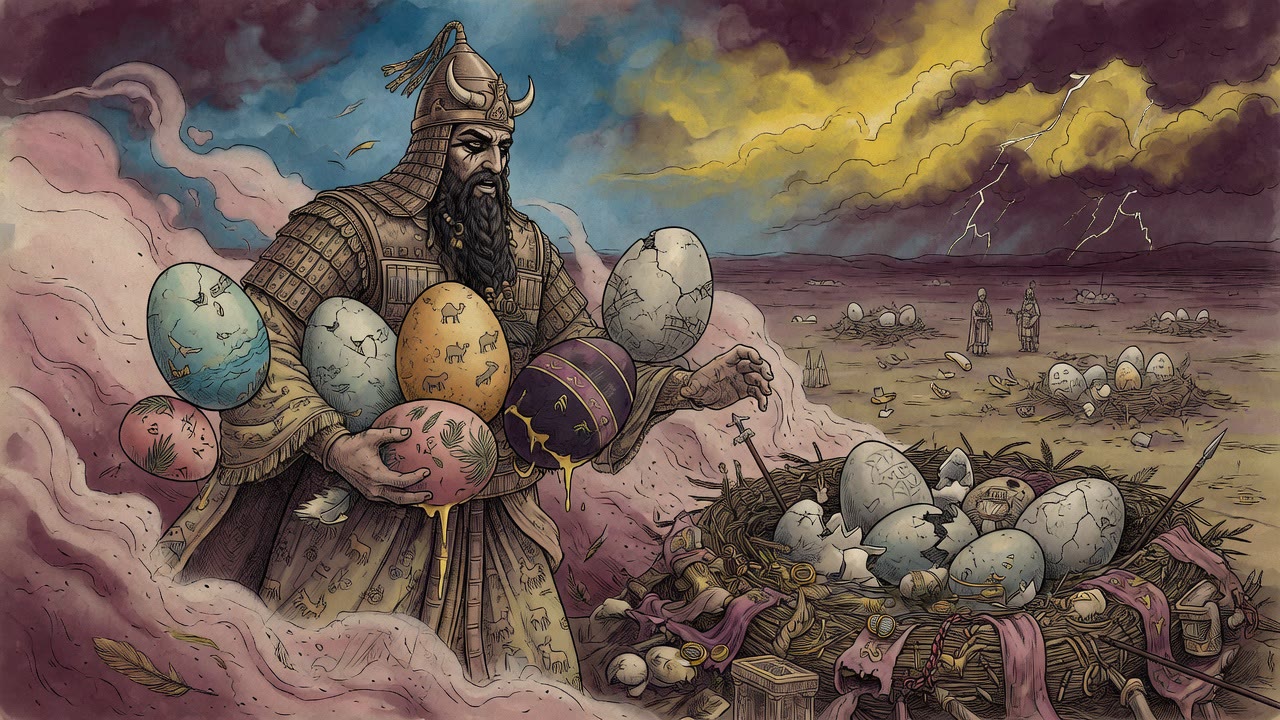
Abraham stood in the smoke and offered comfort. Jerusalem answered with his own mountain. Isaac, Jacob, and Moses came next, and she sent them all away.
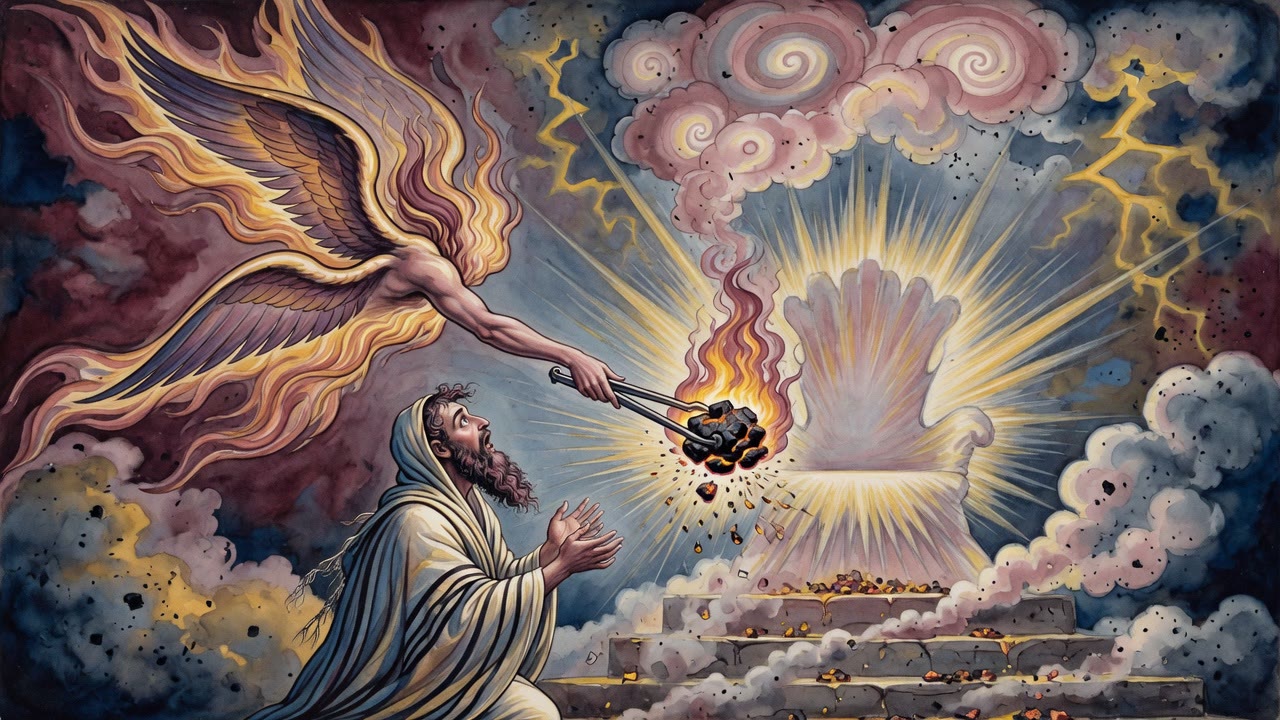
Isaiah stood among six-winged seraphim and called himself ruined. Then a coal from the altar found the mouth he had named unclean.
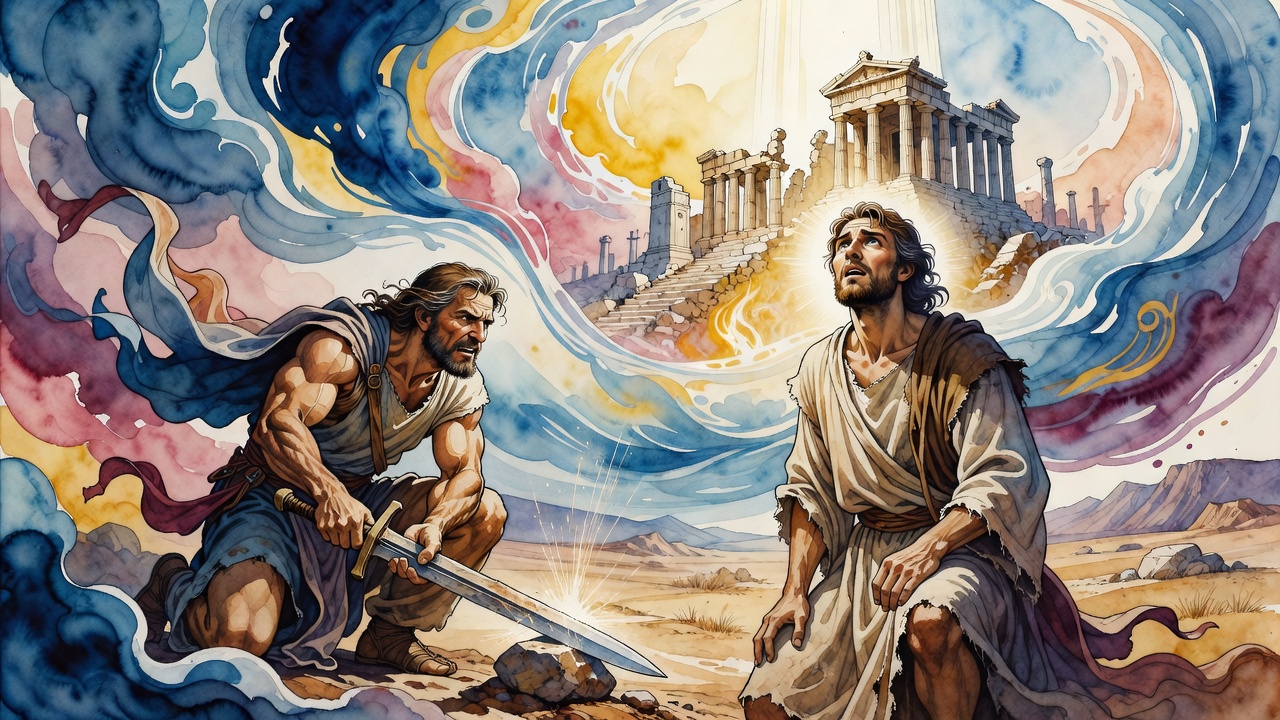
Esau timed a killing for the days of mourning, Jacob waited under the eye of Heaven through sword and famine, and at Bethel he saw the Temple fall and rise.
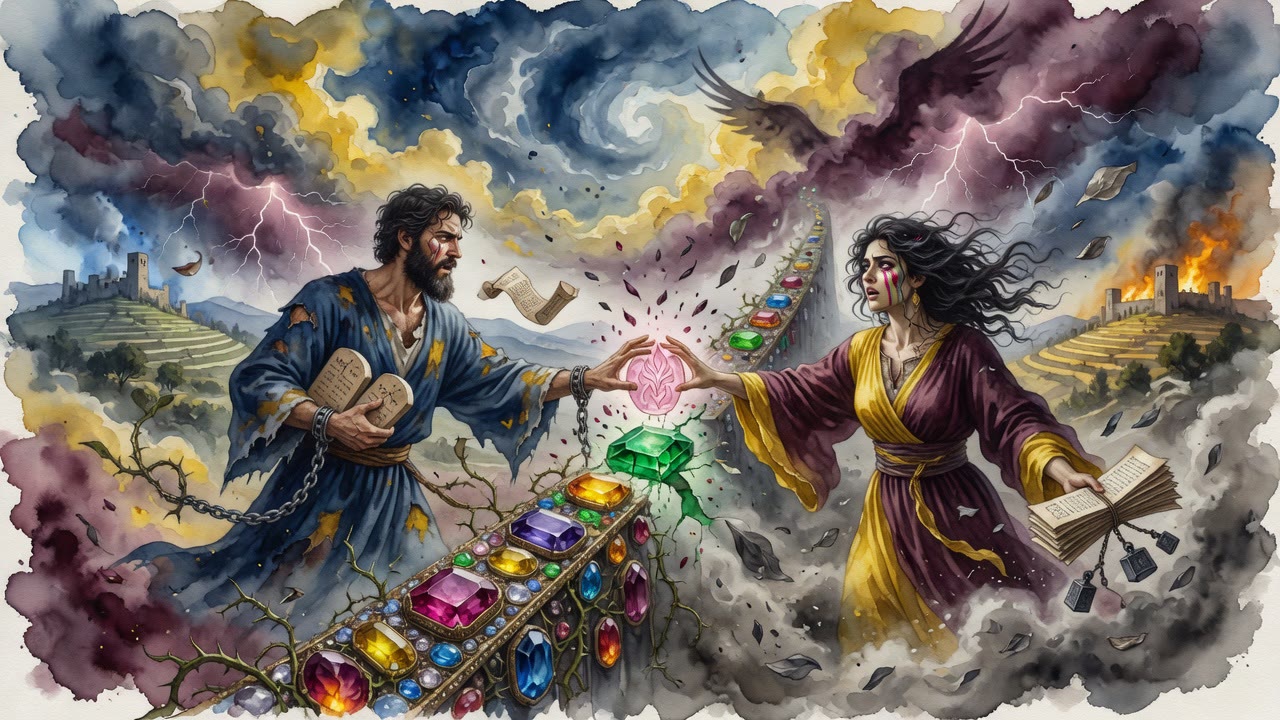
One man owed the other silver, so they walked to Jerusalem to find a judge. At the edge of the city they found gems lying loose on the ground.
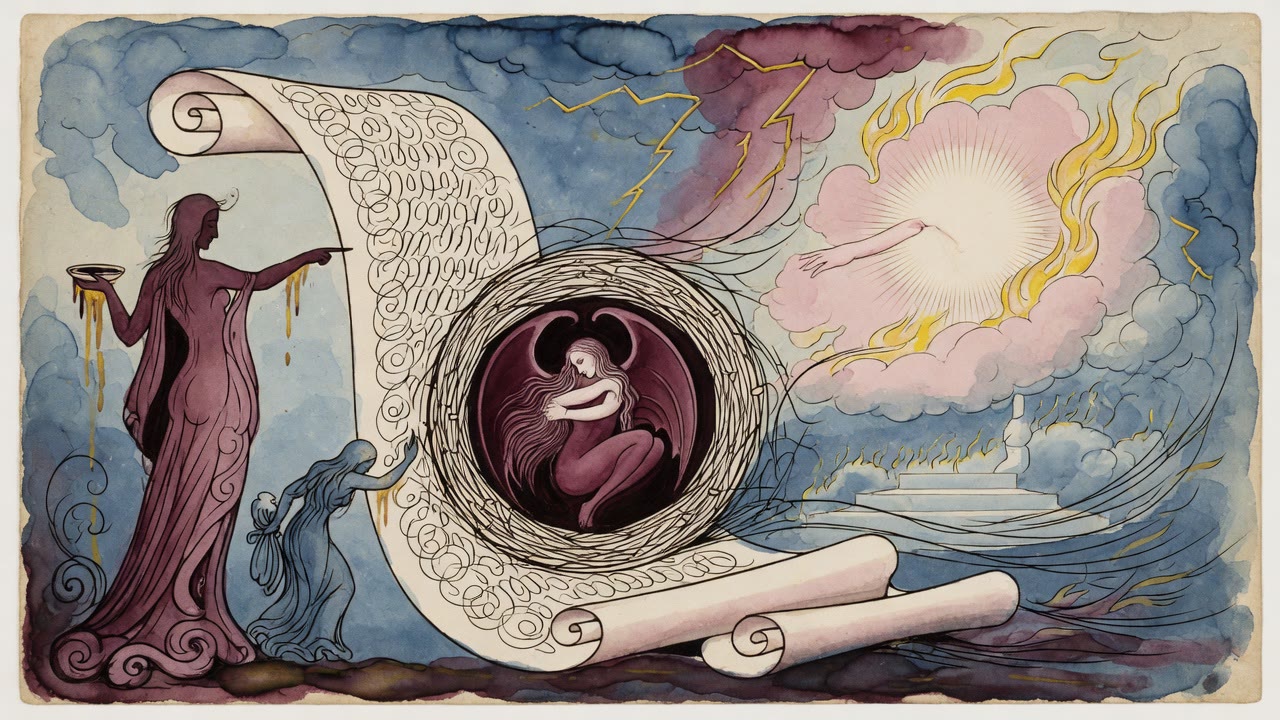
Joseph saw a sheaf stand upright in a field. The Tikkunim read it as the letter Aleph wearing a crown, the same letter at the top of Jacob's ladder.
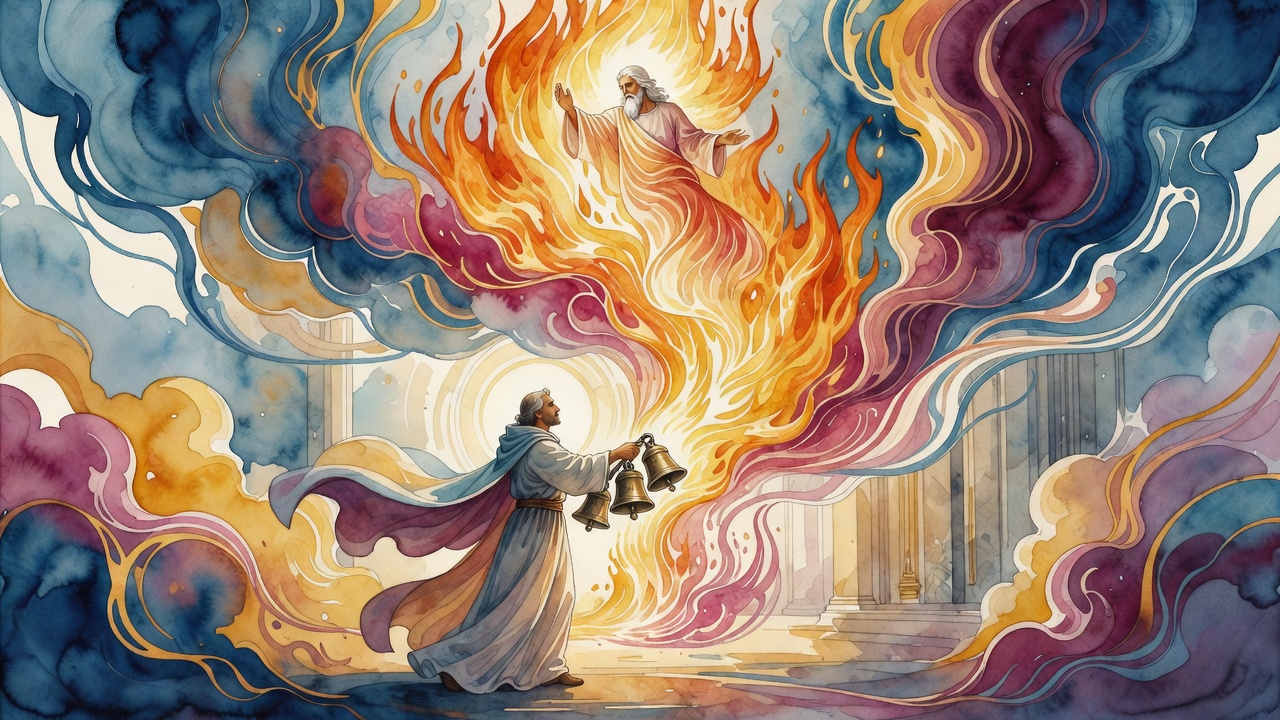
Aaron stopped at the curtain until the gold on his hem spoke. Without that sound, the Holy Place would have taken him as fuel.
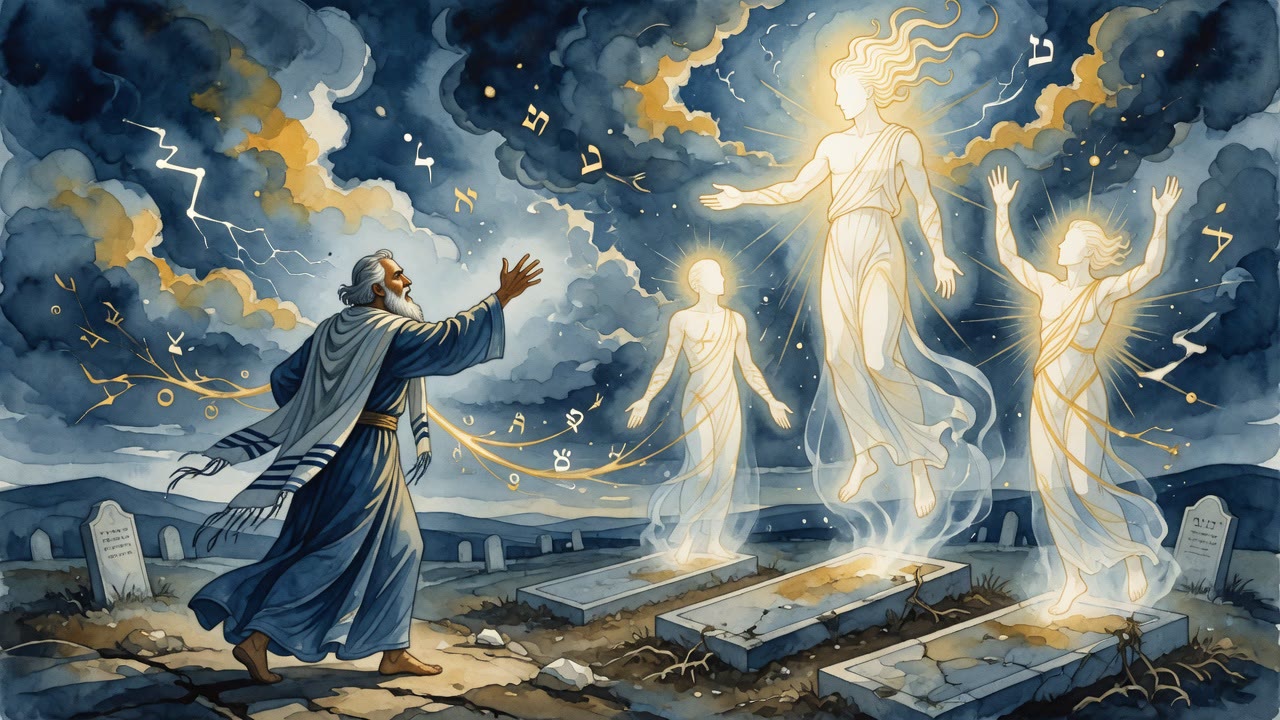
Alone in Zion's ash, Baruch ordered the priests to fling the sanctuary keys upward and told heaven to guard its own house, for the stewards had failed.
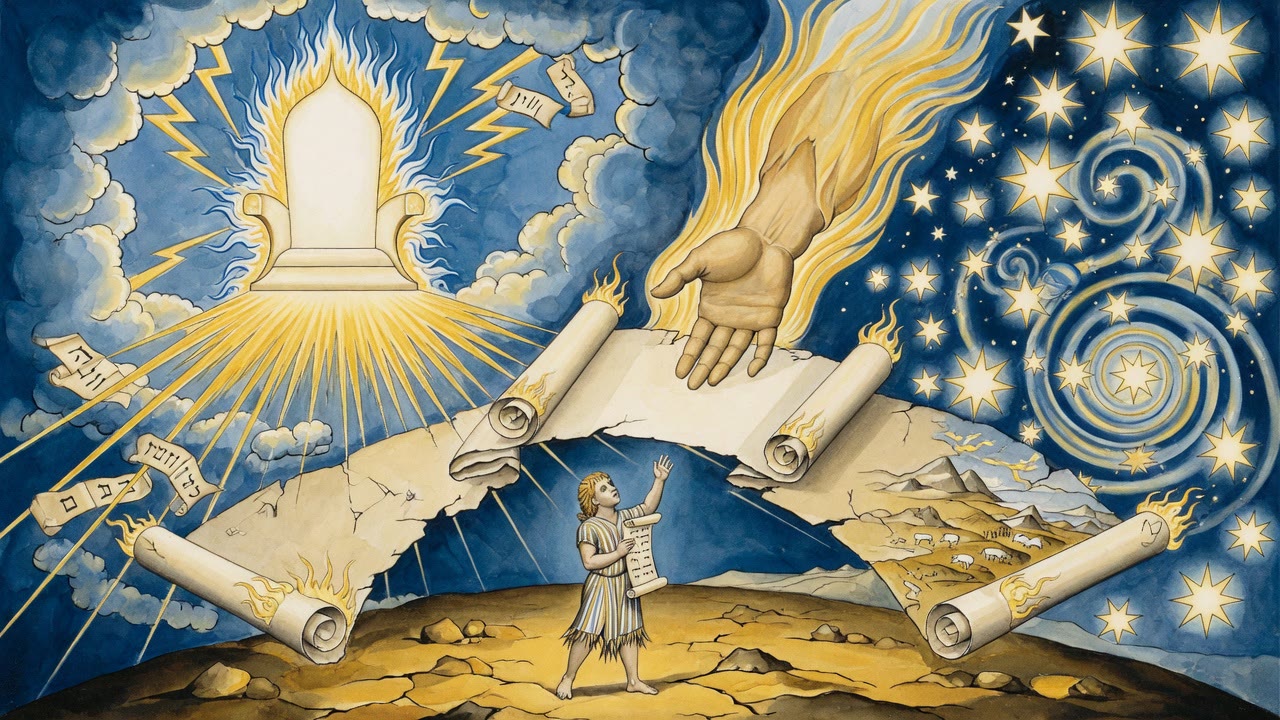
Builders shaped foundation stones for a house still incomplete. Then the throne of glory hung between altar and inner room. Faces hit the floor.
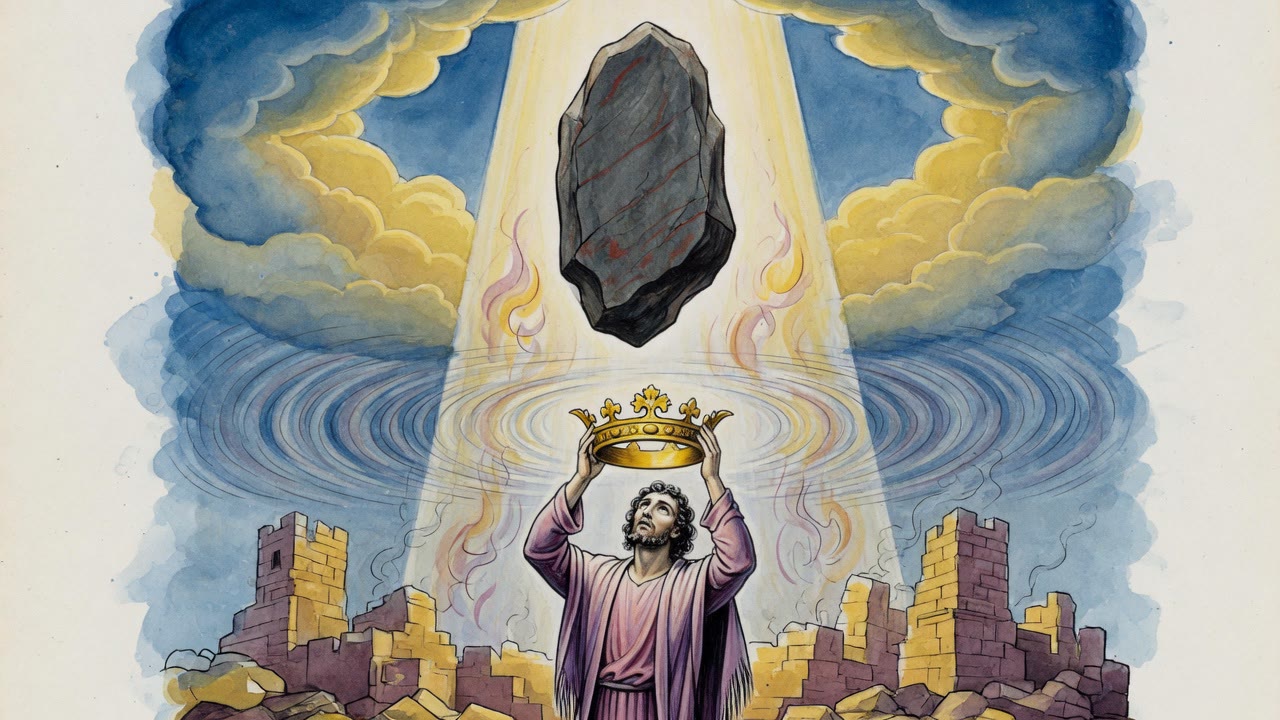
The Masters of the Mishnah cried out as if he had hurled rocks. No stone left his hand. The words finished their rows and the Throne shook.
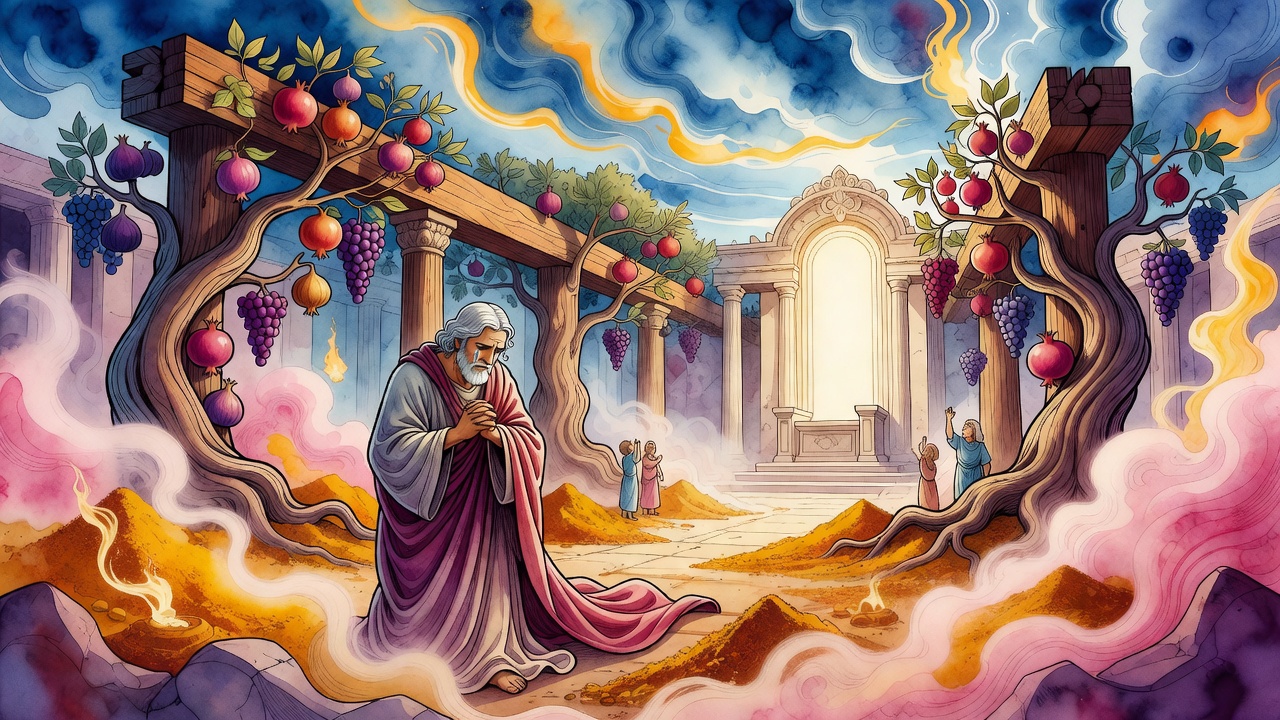
Temple spice filled the earth on dedication day. Solomon wept for coming ruin while cedar beams woke and bore fruit for priests' children.
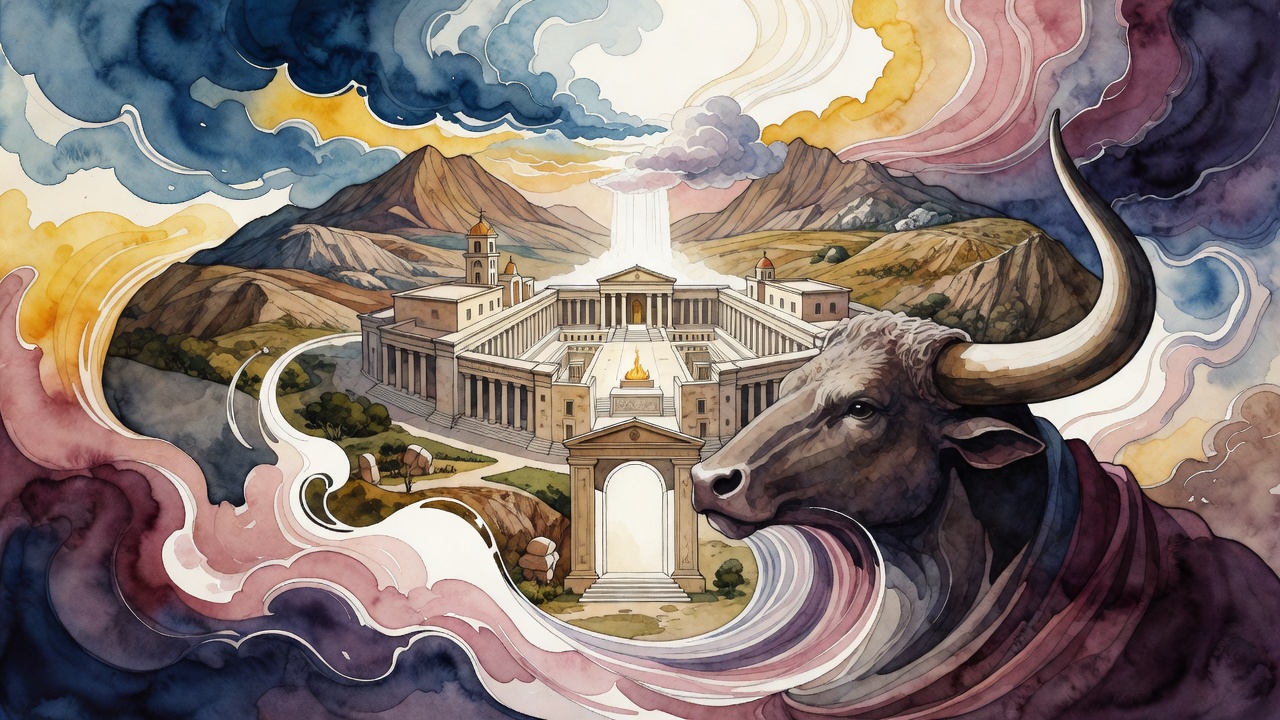
The sanctuary nested in Benjamin's land like a head between shoulders, while Judah's portion pressed the courts like an ox's horn.
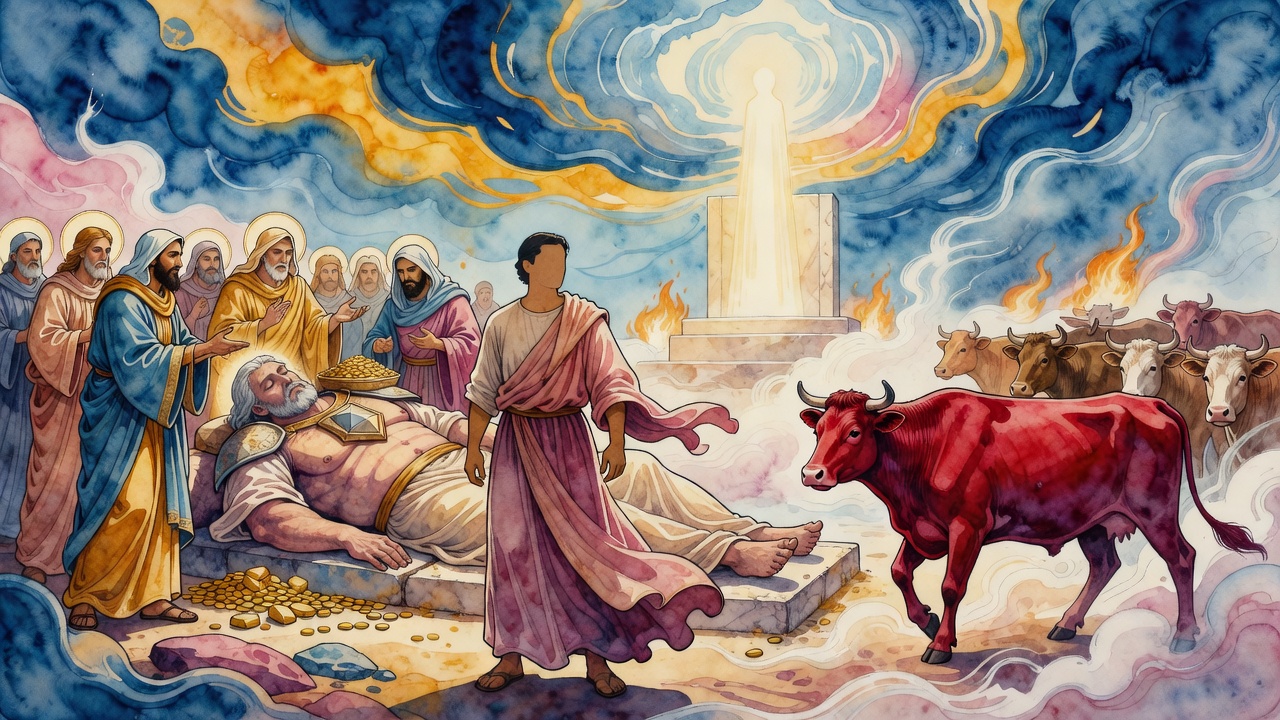
The key sat in a sleeping man's pocket. Temple buyers in Ashkelon kept raising the price, and the son would not move the old man's foot.
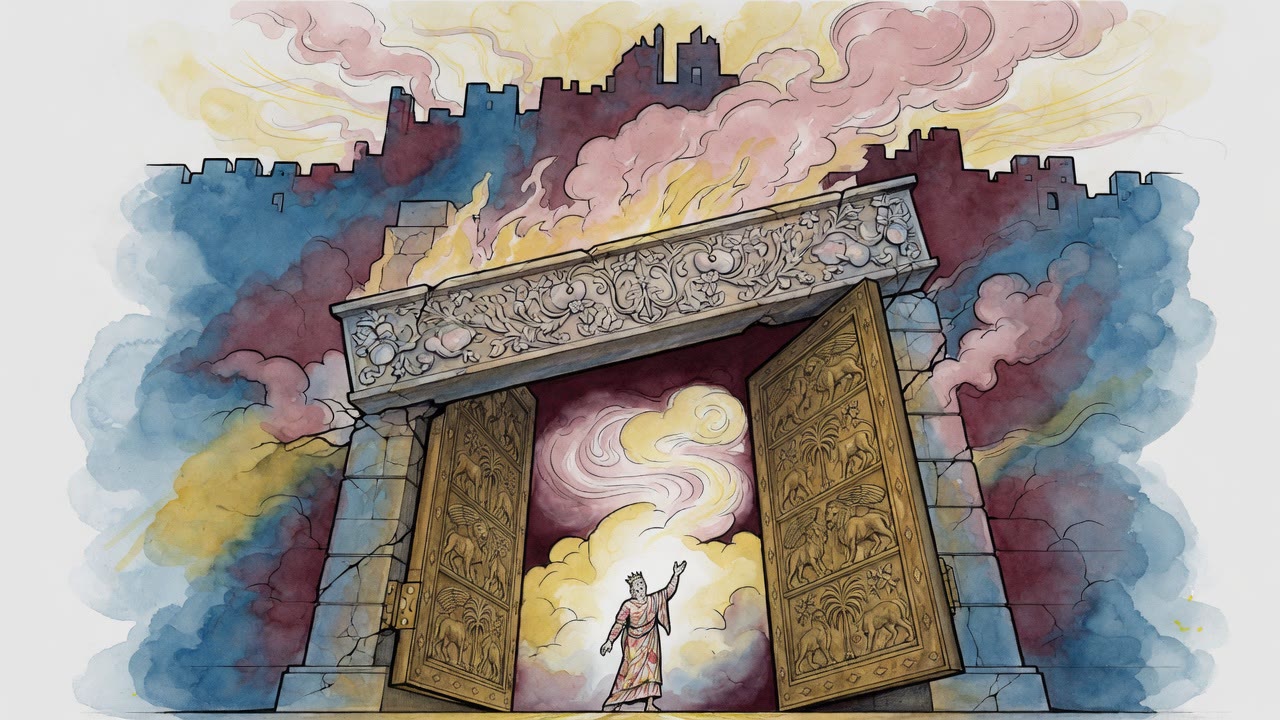
The lintels started down toward Solomon's crown. He had named the wrong king, and the new doors meant to kill him for it.
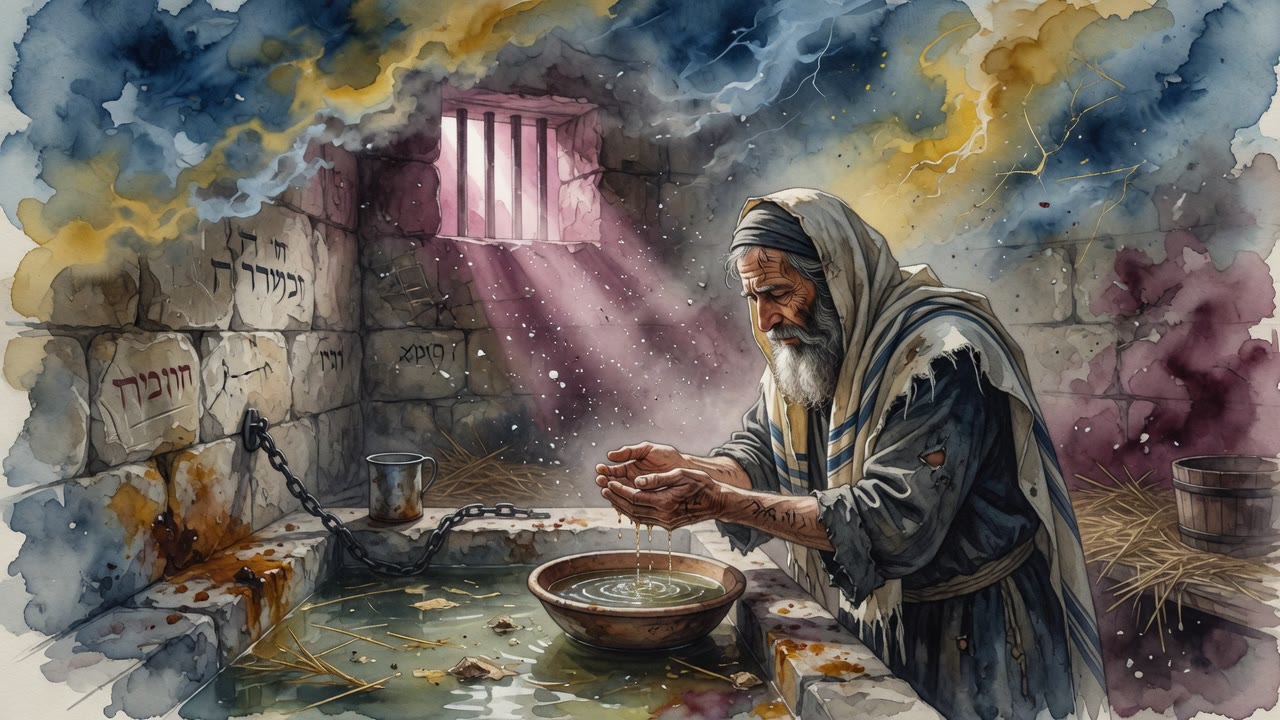
For six months Rome set tables along a river. One wind took every loaf. Joshua said those were only scouting angels.
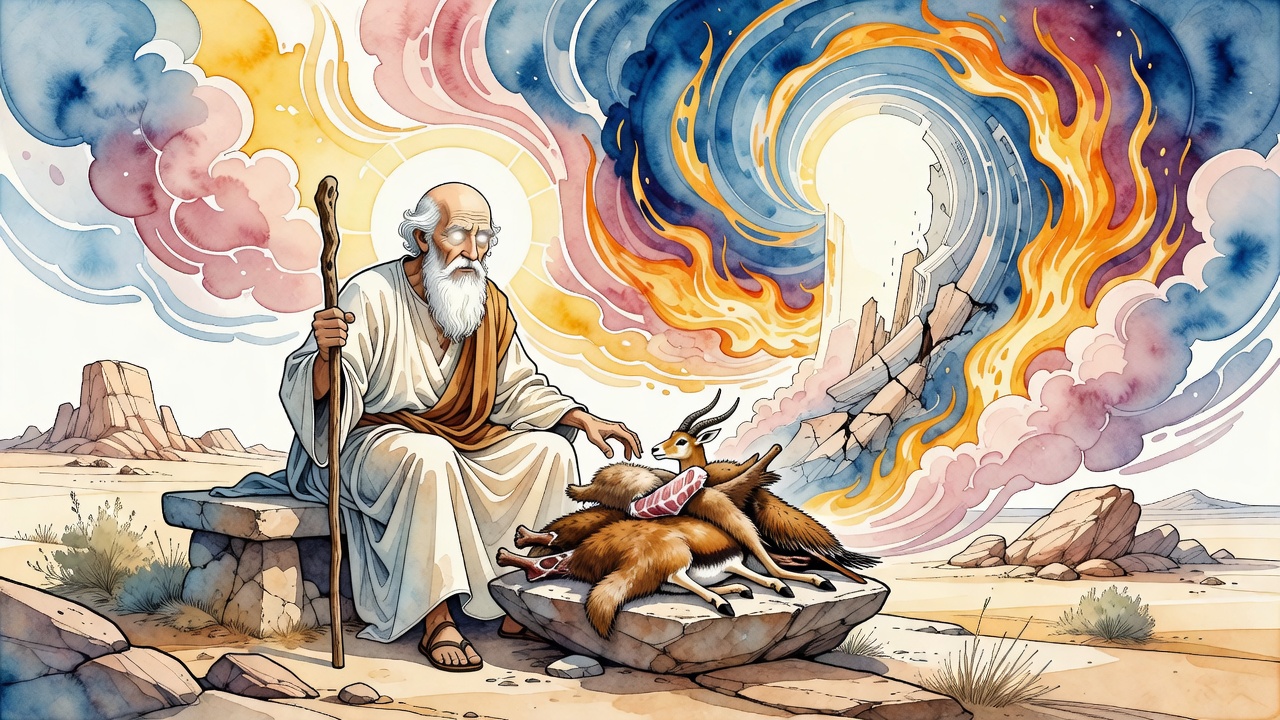
Isaac lay on the altar at Moriah and got up with his eyes intact. What put them out was a plate of his son's hunting, brought home too often.
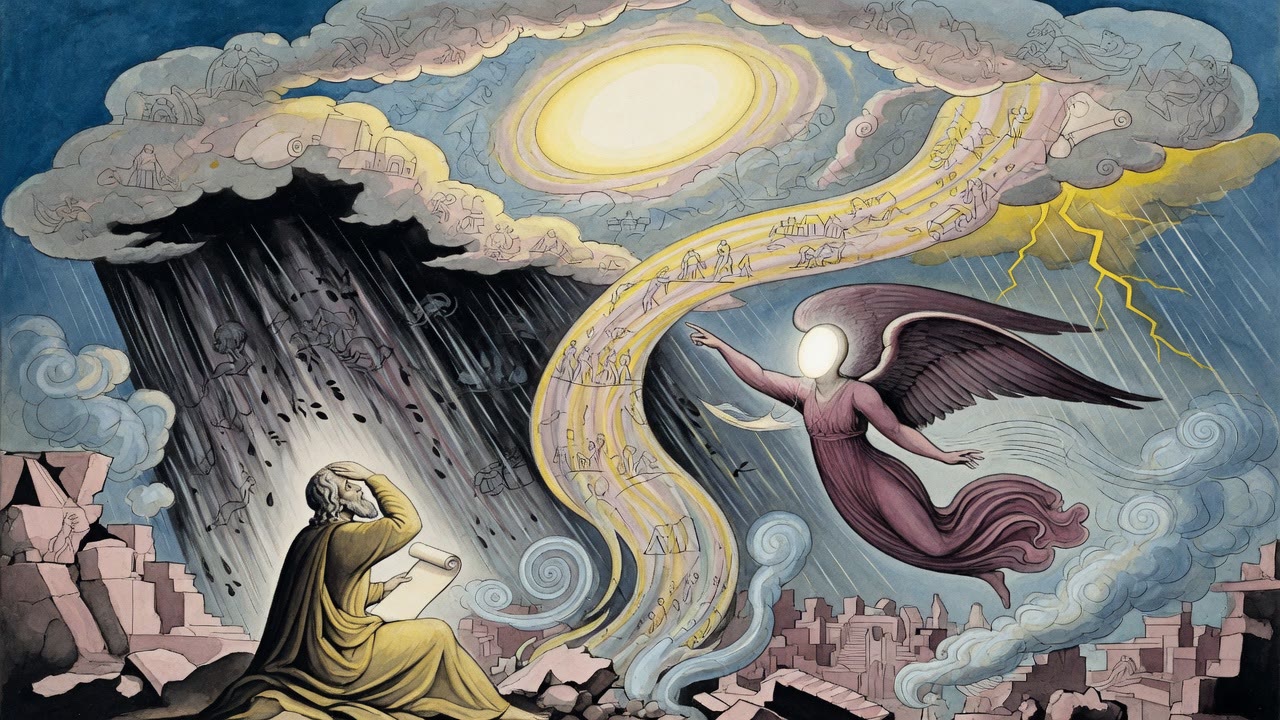
After Jerusalem falls, Baruch sees a cloud pour Adam's black waters and Abraham's bright ones. Ramiel names each flood until history itself becomes weather.
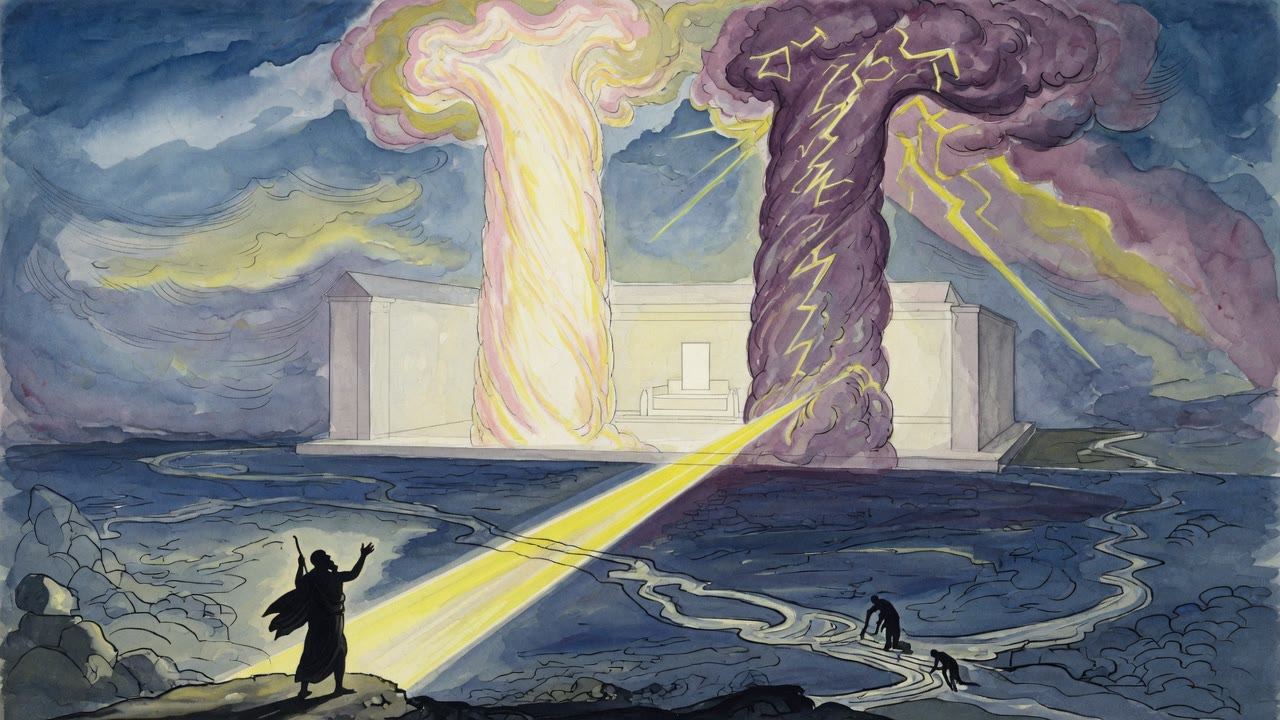
Moses sang on the far bank of a house with no beams yet. Earth had taken one divine hand. The sanctuary demanded two.
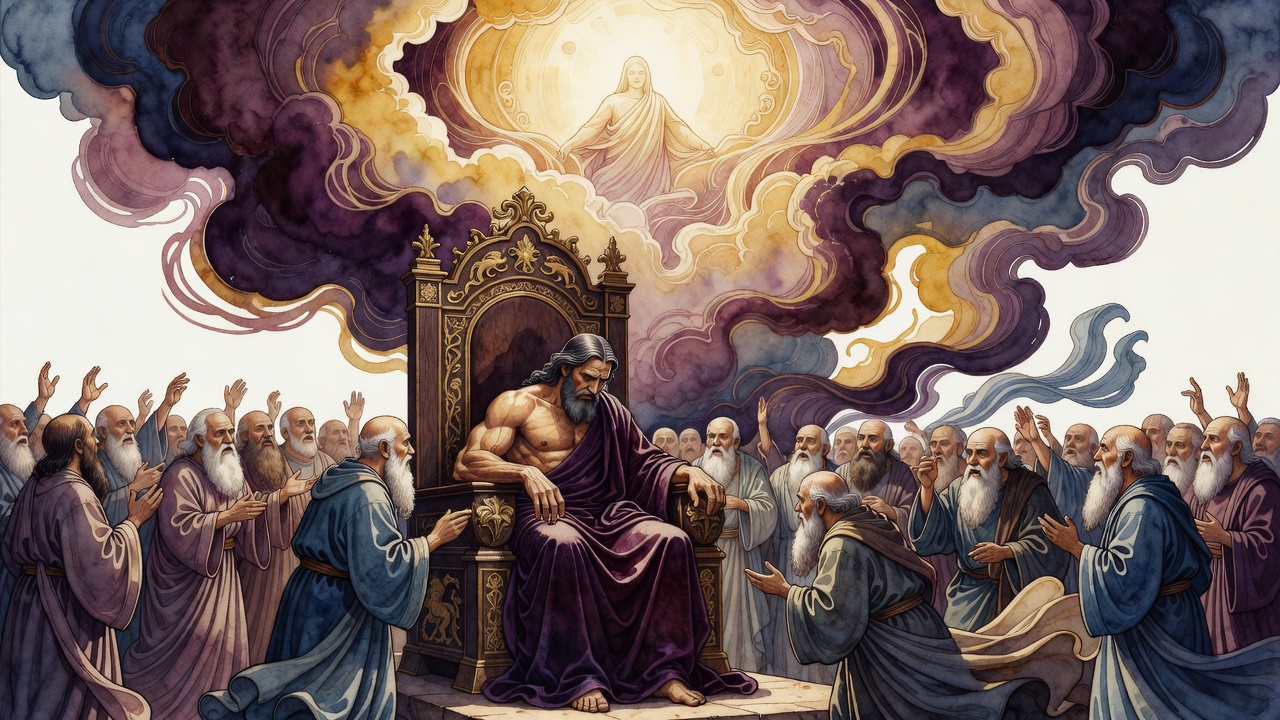
Seven hundred wives and three hundred concubines were already in the file. The judges wanted an eighth name on the list of the damned. Heaven stood up first.
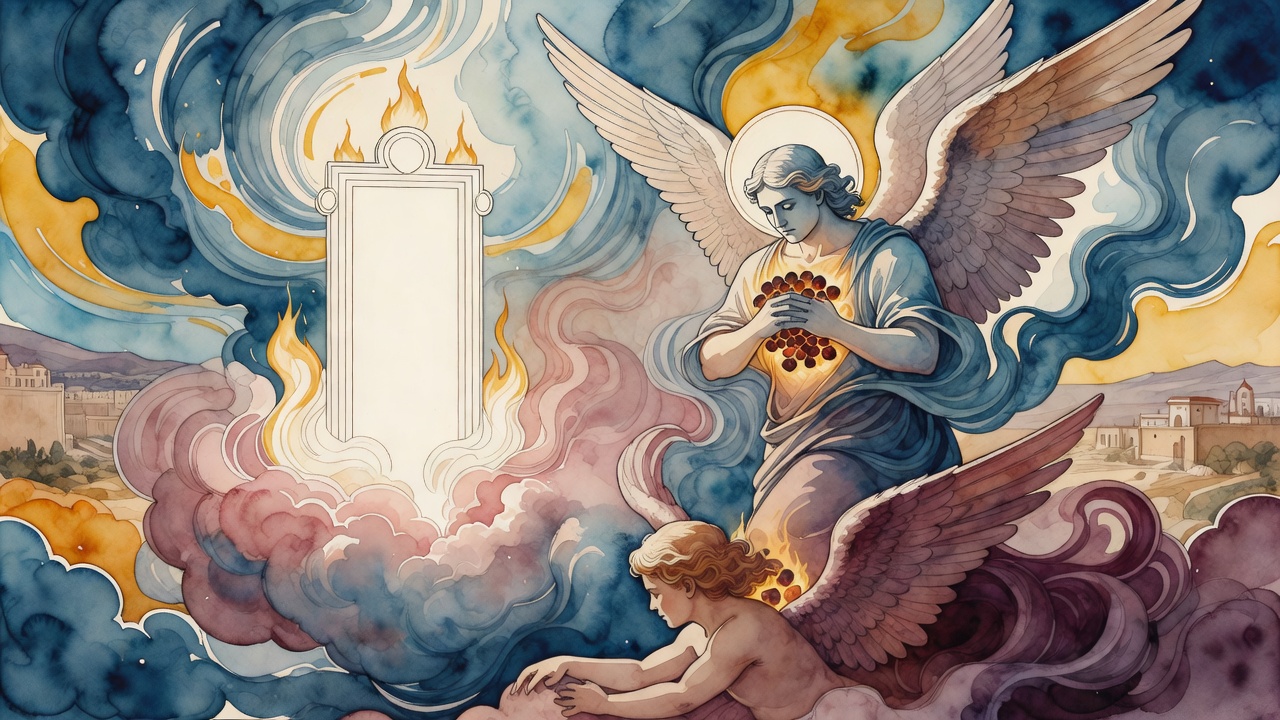
Gabriel cooled the cherub's coals against his chest for six years, waiting for Israel to turn, until mercy stayed his arm for the sake of kindness.
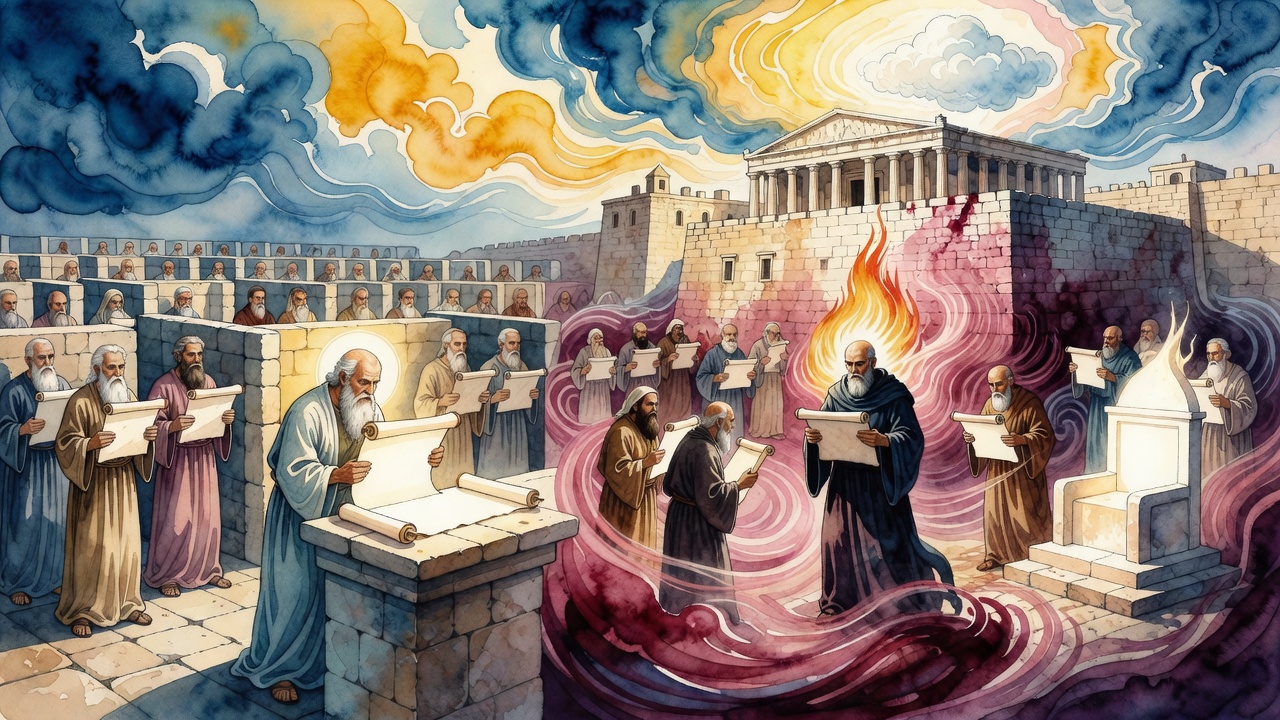
Ptolemy locked seventy-two elders in separate rooms and found one matching Torah. Later Antiochus filled Jerusalem with blood and banned Sabbath and scroll.
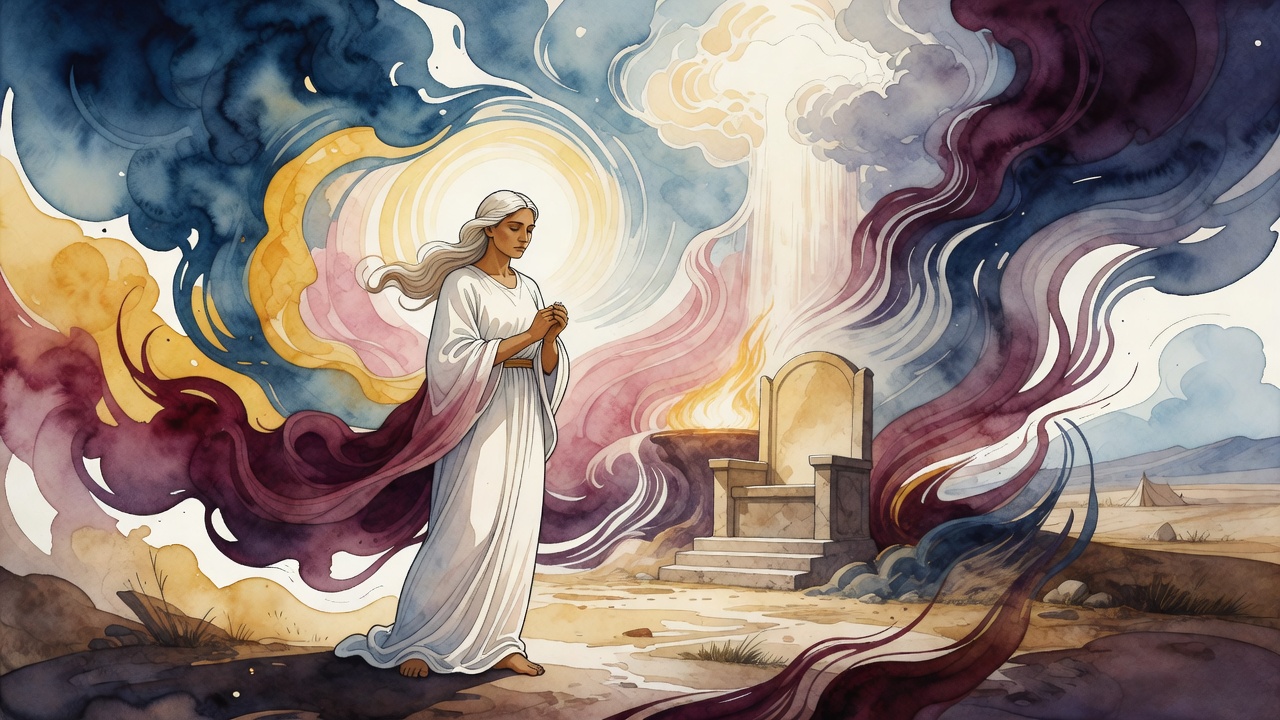
She watched a suspected wife drink the bitter water. That night she swore off wine for thirty days. Her husband said nothing, so the vow held.
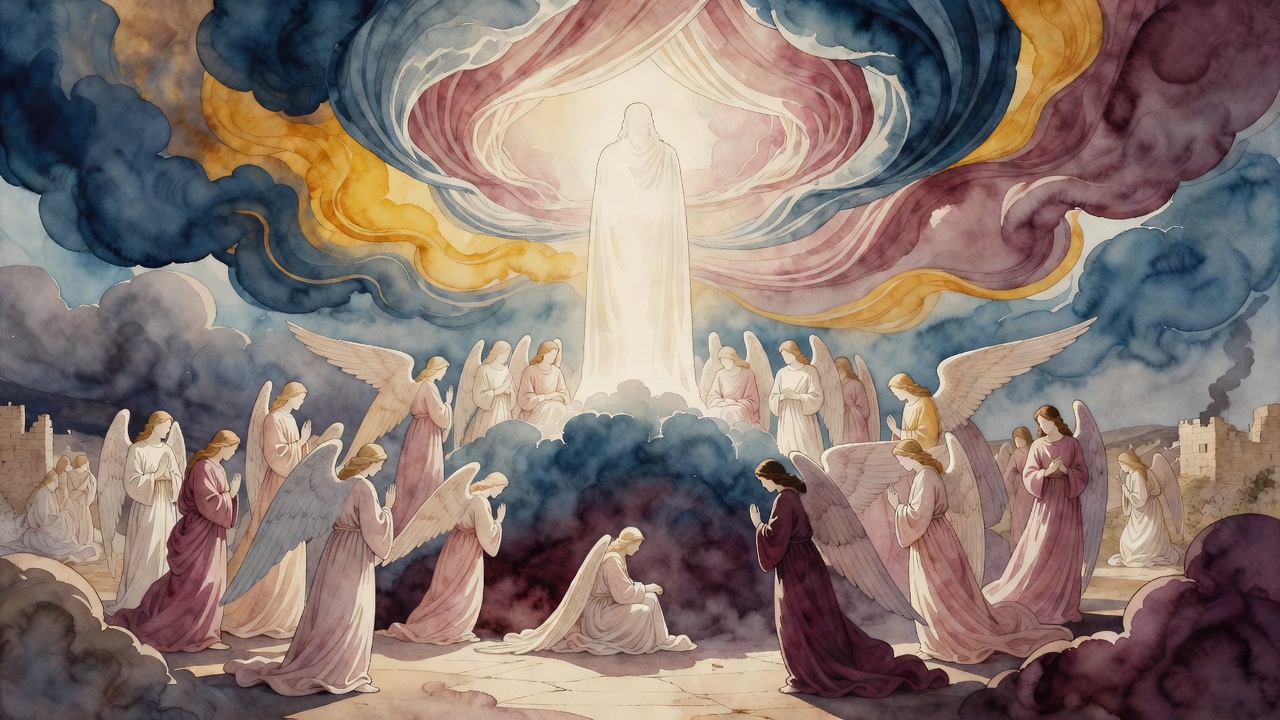
Jerusalem still smoked when the question went out. A king of flesh and blood, what does he do when he mourns? The angels answered. The sky changed clothes.
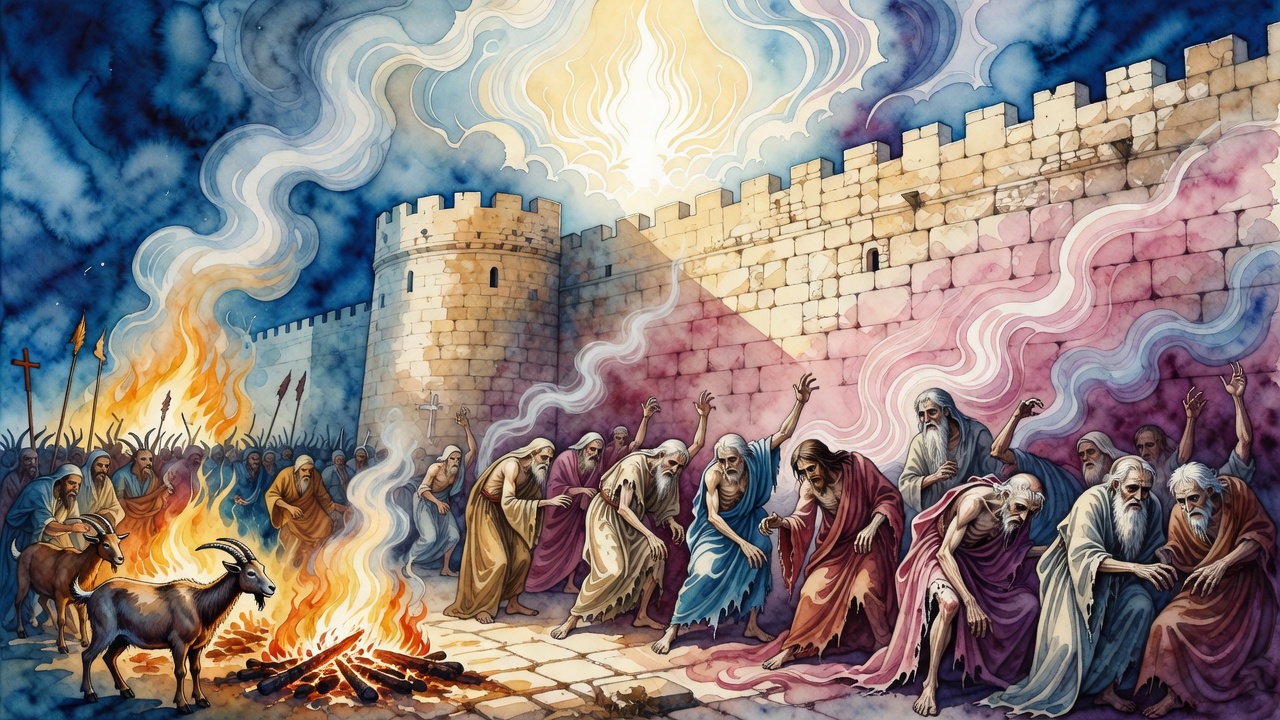
Outside Jerusalem the enemy roasted goats west of the wall so the starving inside died from the scent of meat they could not reach.
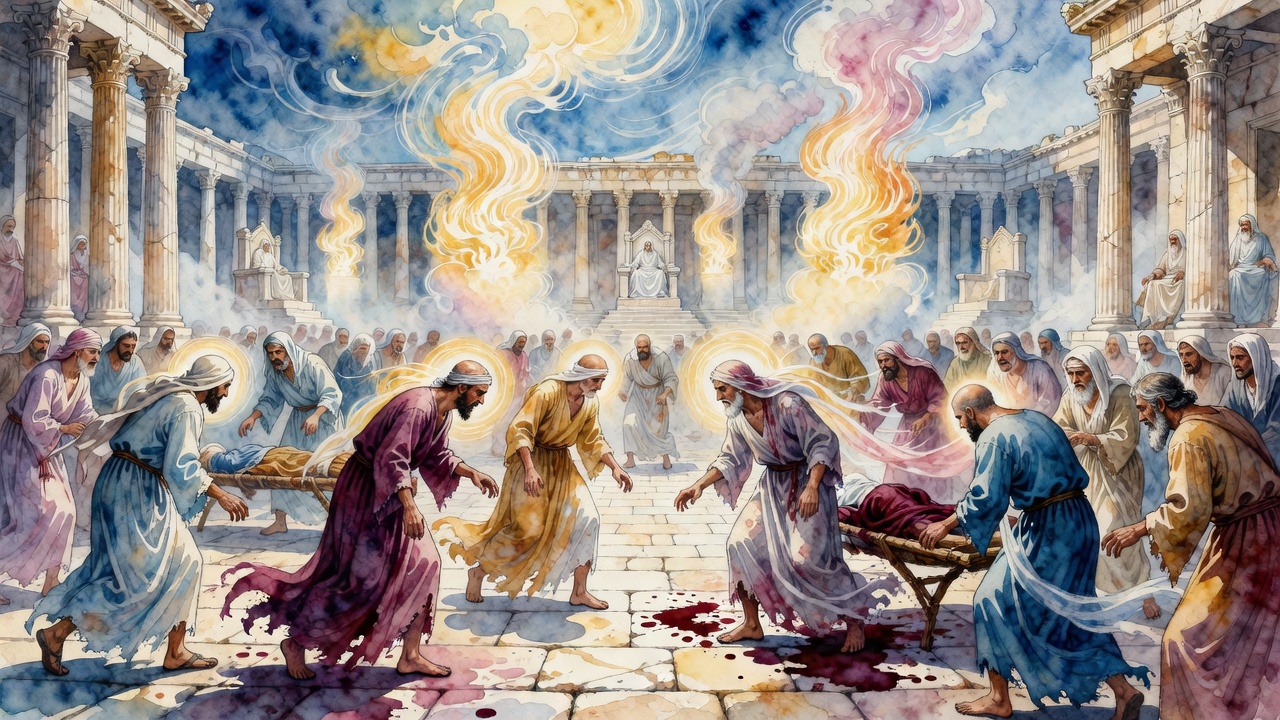
The blind man caught a stranger's sleeve in the ruined street. He asked for Zekharya's stain, not bread. His mouth found warm dust.
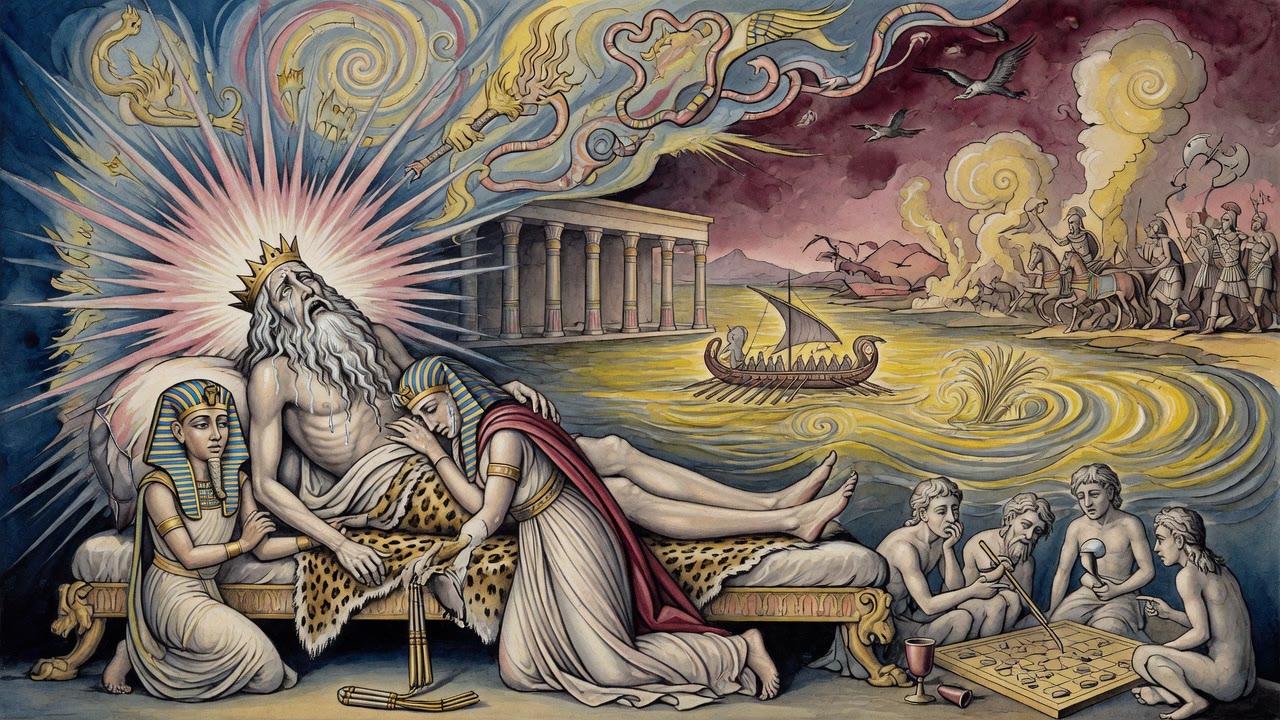
A man lied to the High Priest to hide a deliberate sin, and the false word turned back to strike his own children with leprosy.
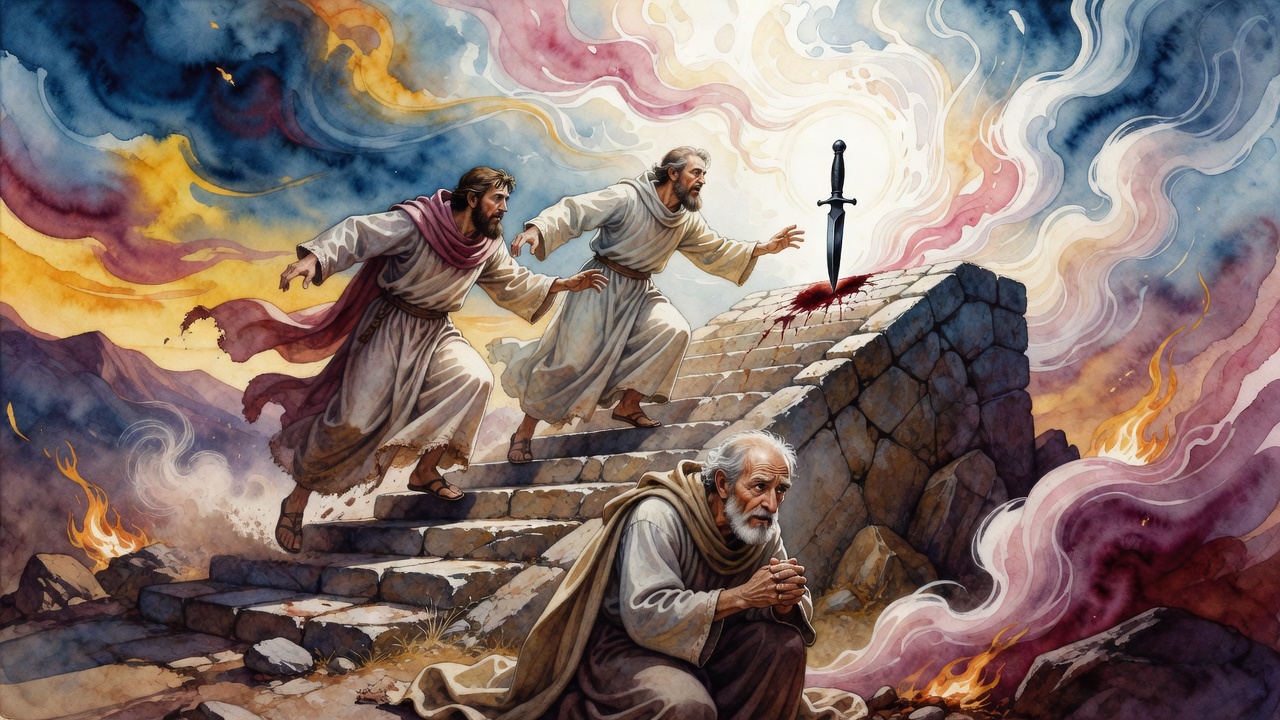
Two equal priests sprinted the altar ramp for one sacrifice; a knife found a heart, and a father begged only that the blade stay pure.
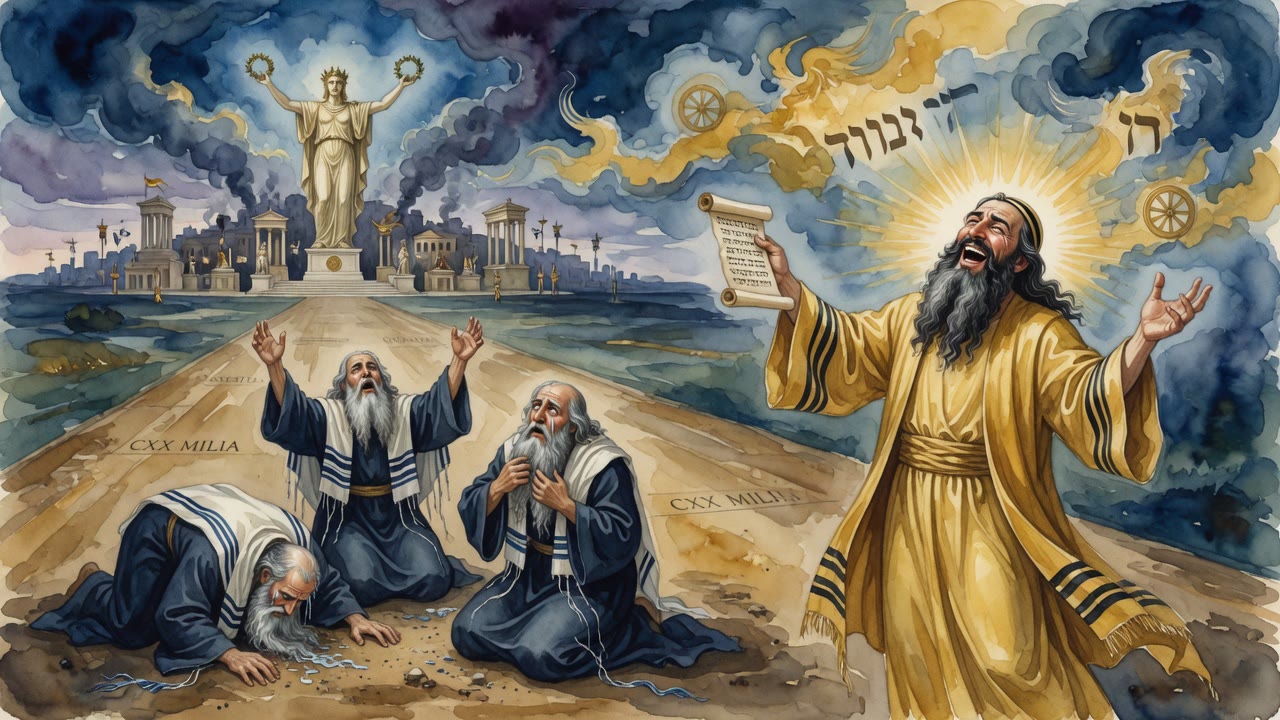
Gamliel stopped on the road. Rome's roar had already arrived. Yehoshua covered his face. Akiva laughed and would not take it back.
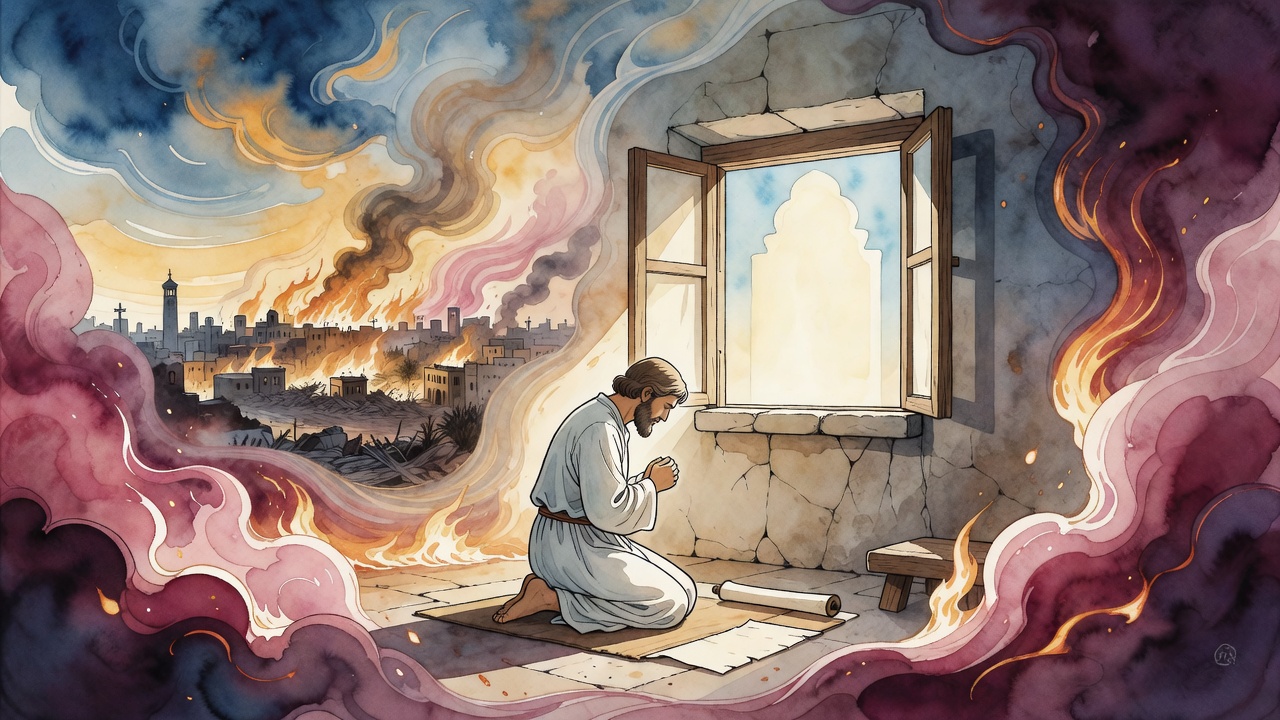
The ink on the king's ban was still wet when Daniel went upstairs. He knelt toward Jerusalem as if fire still lived on the ruined altar.
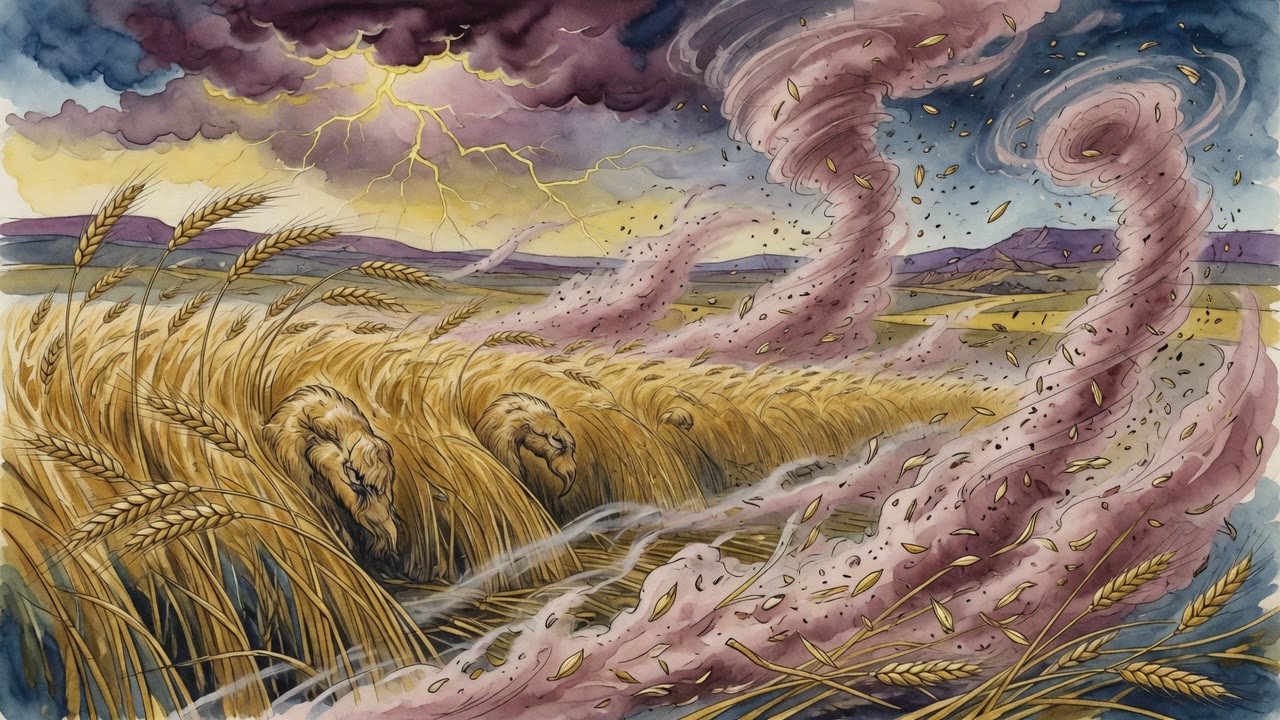
He would not lie down until God had a house. Gad sent him to a farmer's floor that still smelled of chaff, and older fire.
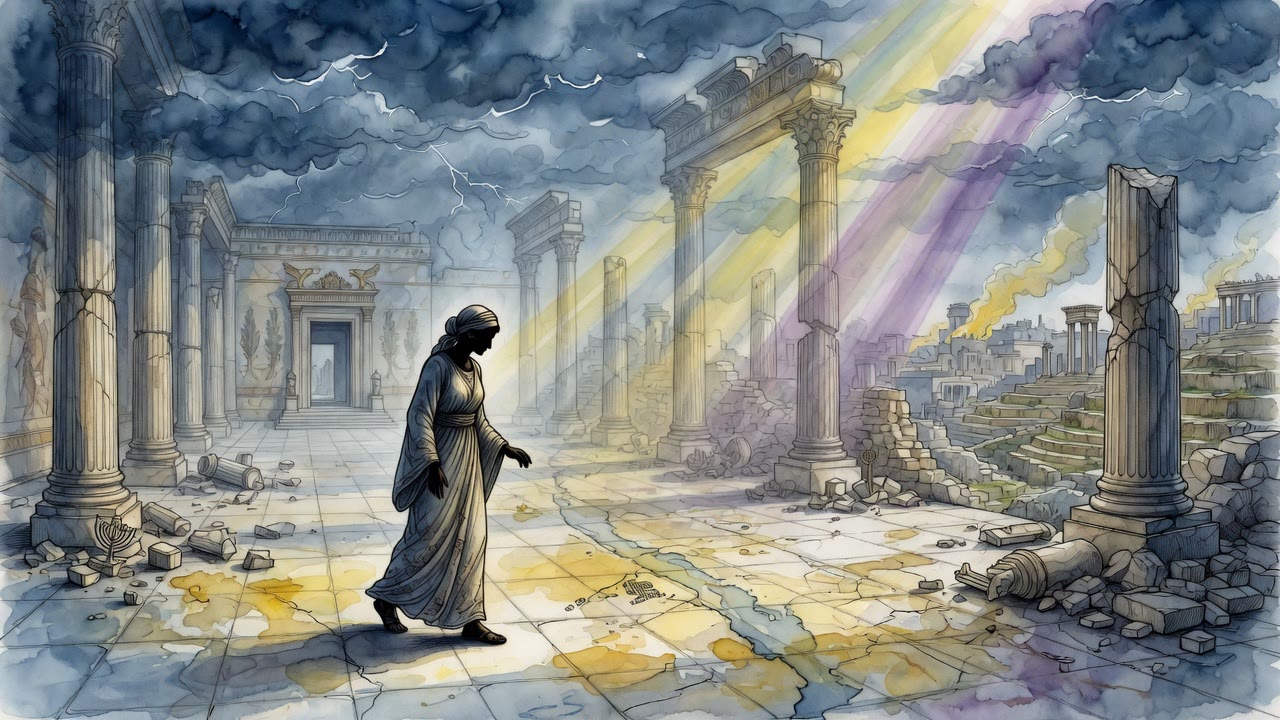
A man flees a lion and runs into a bear. He gets home, leans on the wall, and a serpent bites him. Esther felt that order as the scepter came out.
