391 myths · Page 9 of 14
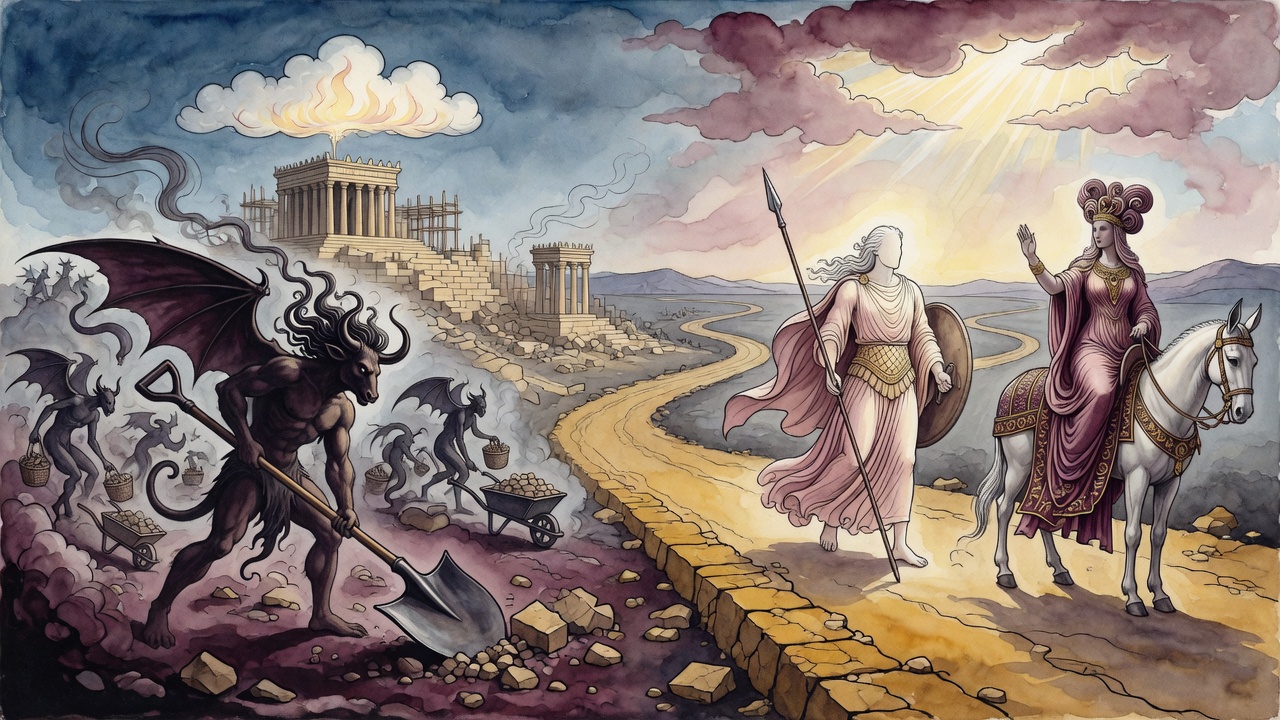
Asmodeus said his business was wrecking marriages. Solomon chained him and made him haul water jars, ten at a time, past fish liver burning on a reed.
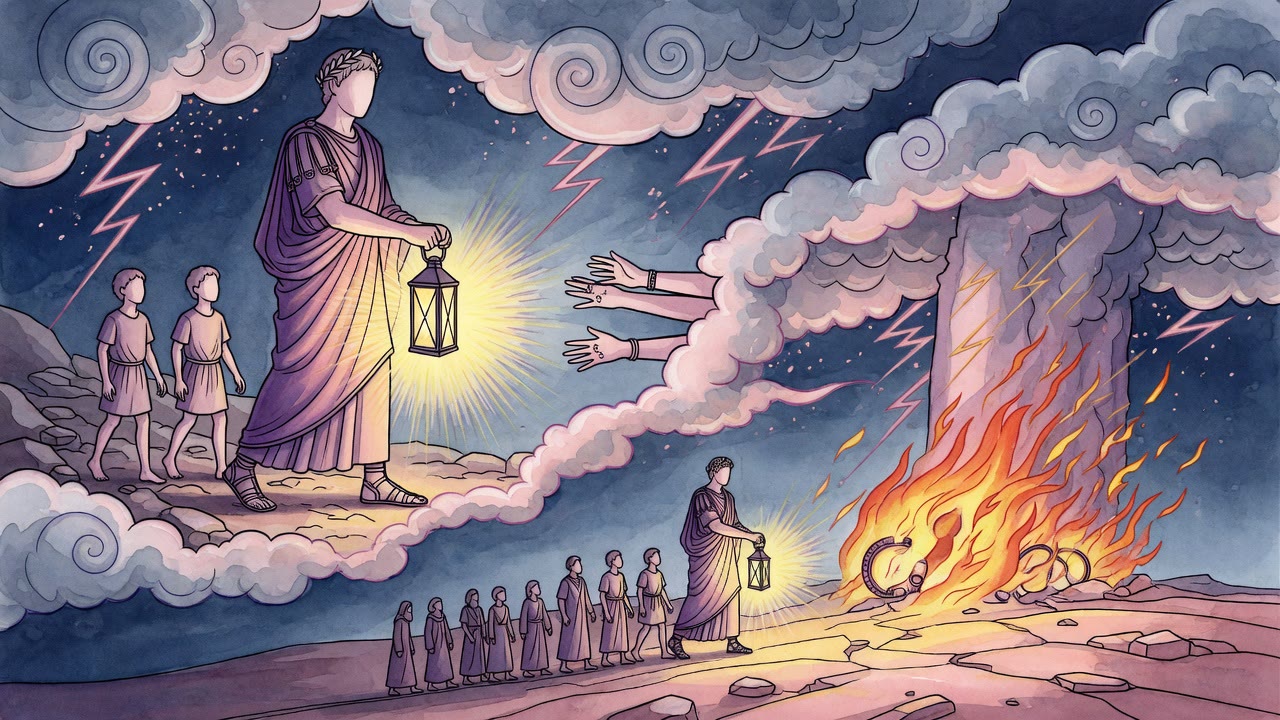
Josephus had a simple reply. Egyptian priests avoid pork and get circumcised too. Then he told how Apion died after his own circumcision.
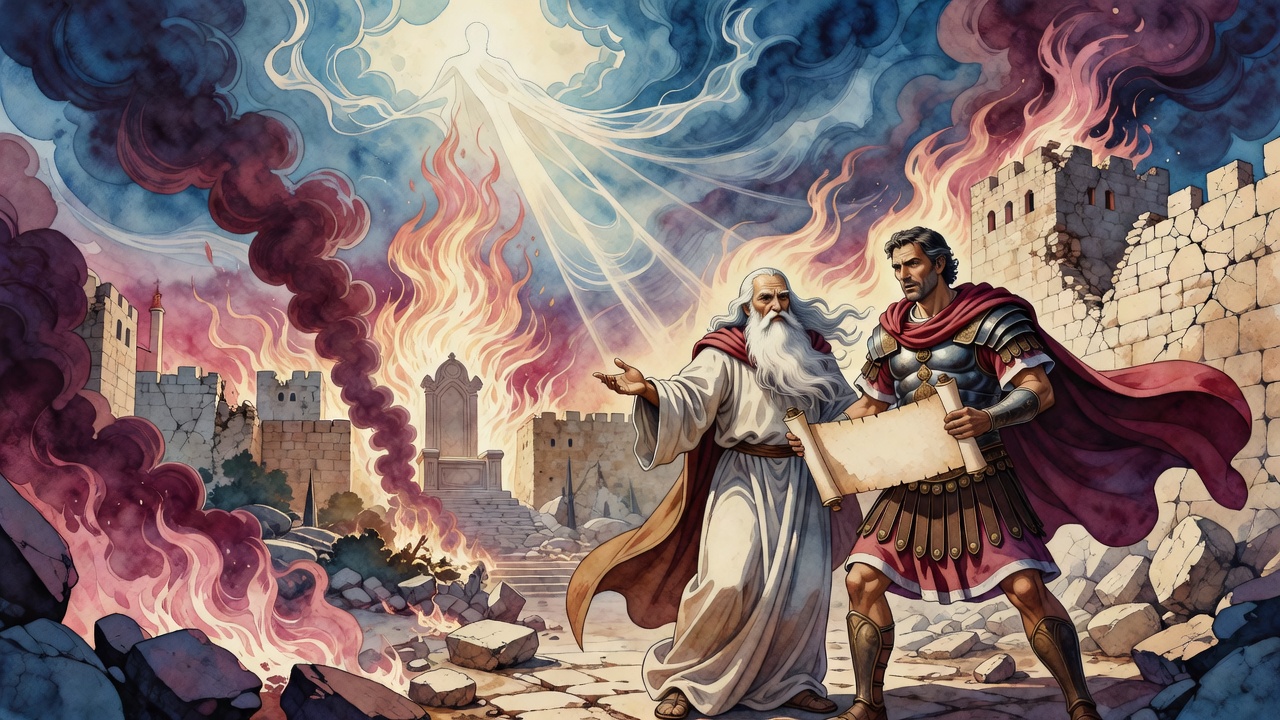
Vespasian told the rabbi he had earned death twice over: once for the title, once for not offering it sooner. Yochanan opened Isaiah instead.
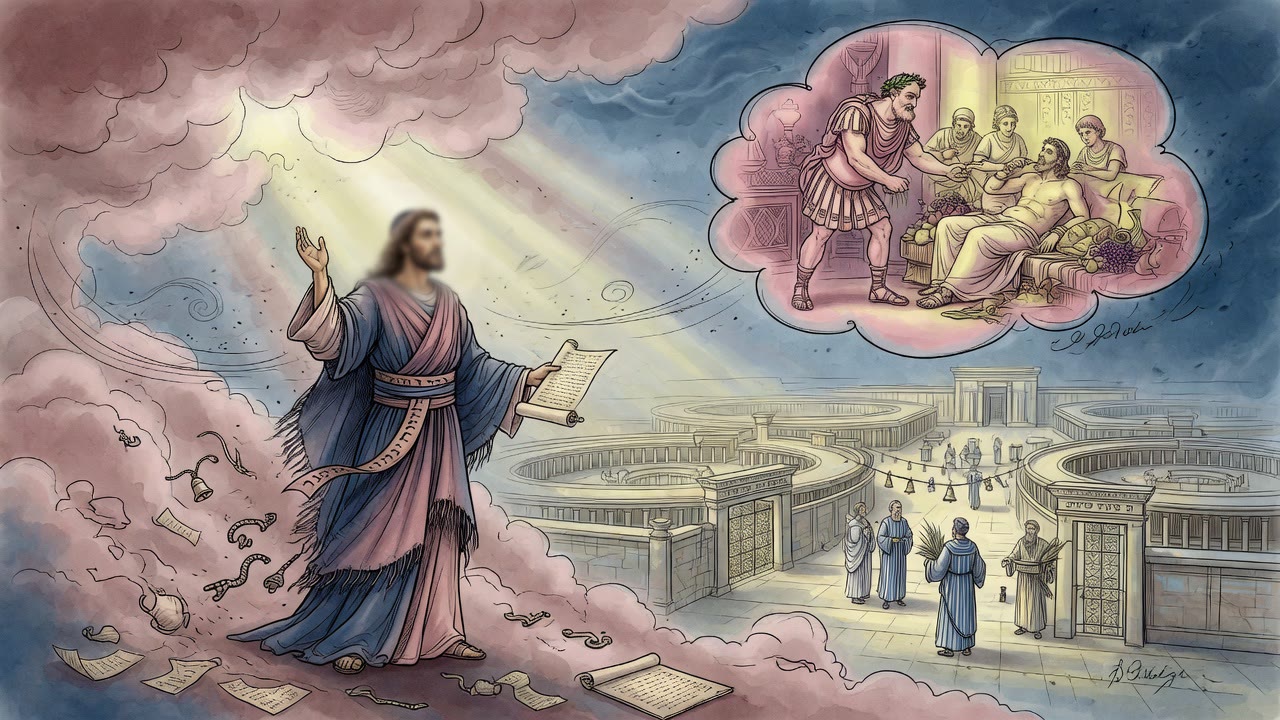
Apion claimed Jews fattened a Greek in a Temple cell for yearly murder, and Josephus answered with courts, purity, and law on Jewish hearts.
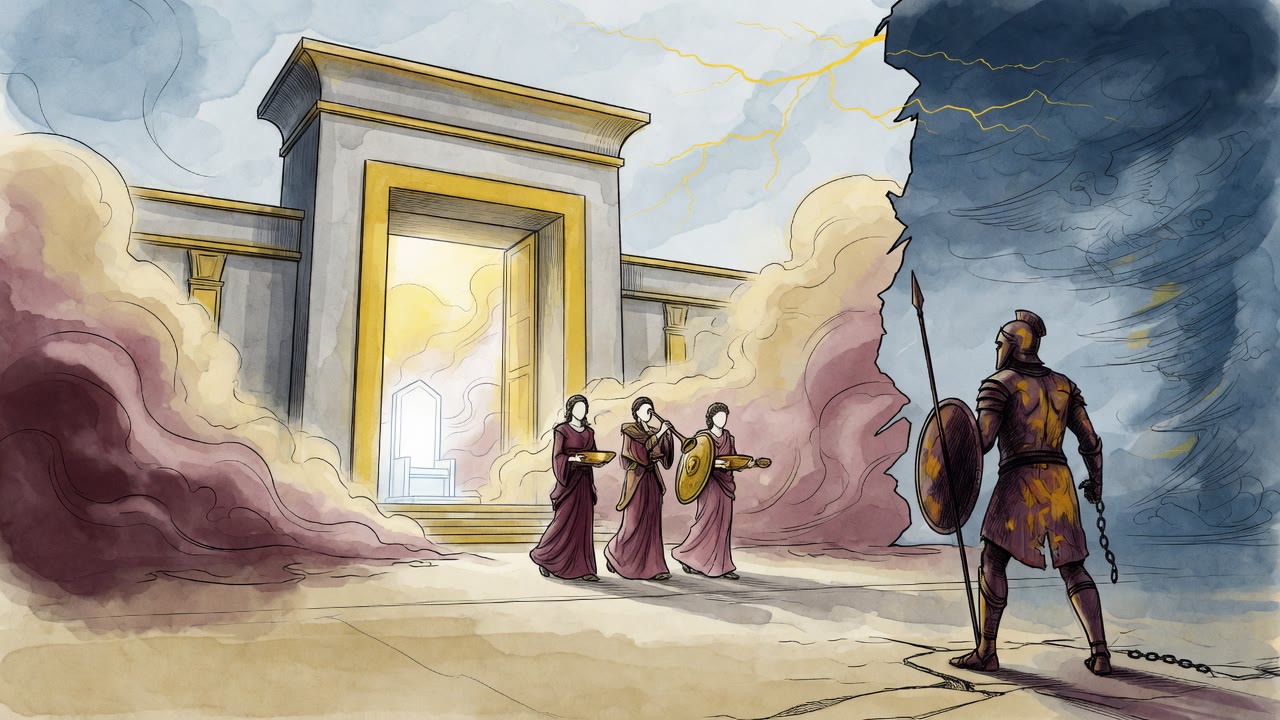
An overseer caught a smith's wrist before iron touched the Tabernacle. Gold could enter the sockets. Rome's metal stayed in the yard.
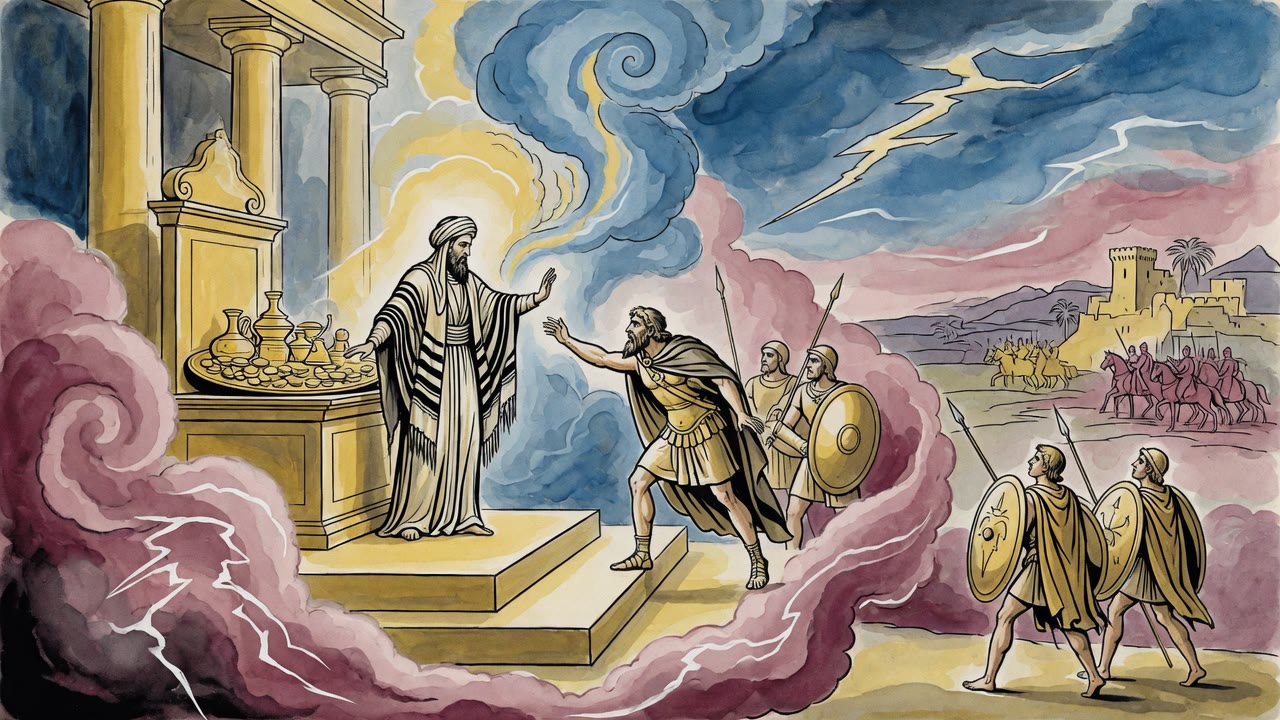
While some Jews volunteered for Greek laws and a gymnasium, Simon strengthened the Temple hill, lived there with his men, and made the day a memorial.
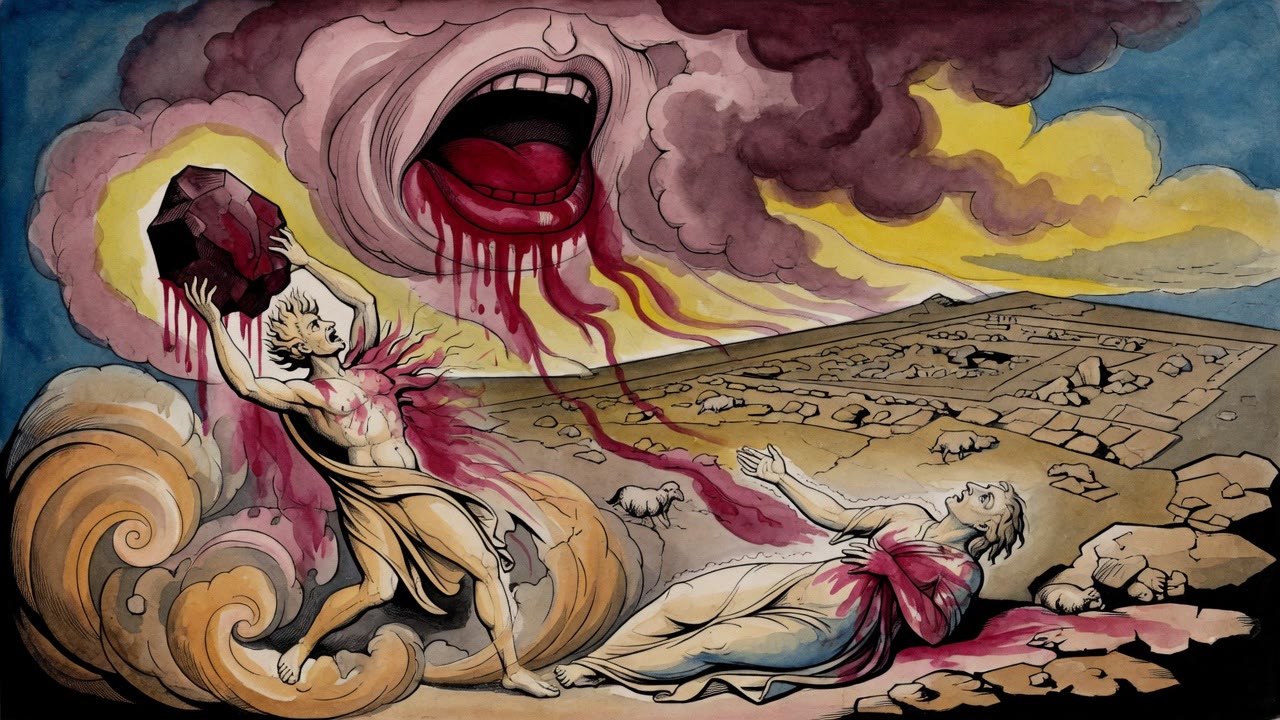
A suspected wife drank bitter water under oath and curse. If pure, she left unharmed, sometimes to conceive, while fire waited for the guilty.
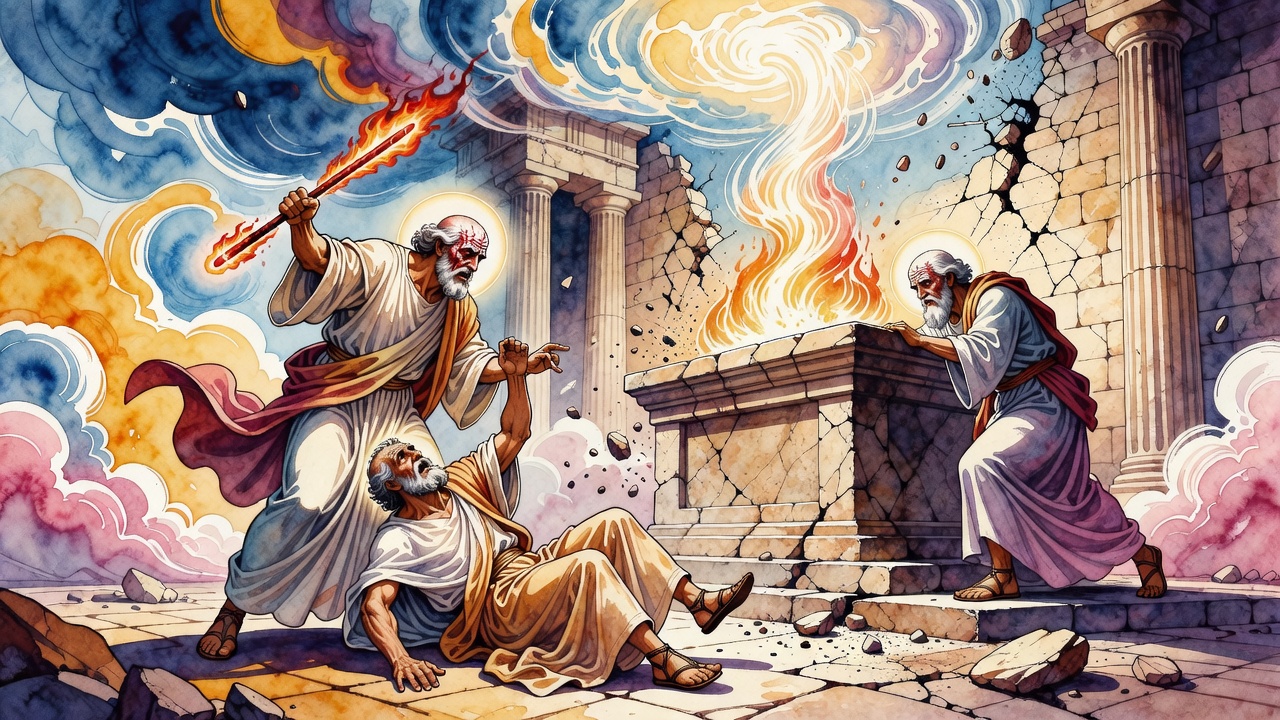
Amos would not quiet his mouth. Uzziah heated an iron and drove it into the prophet's brow. Two years later the king reached for the altar.
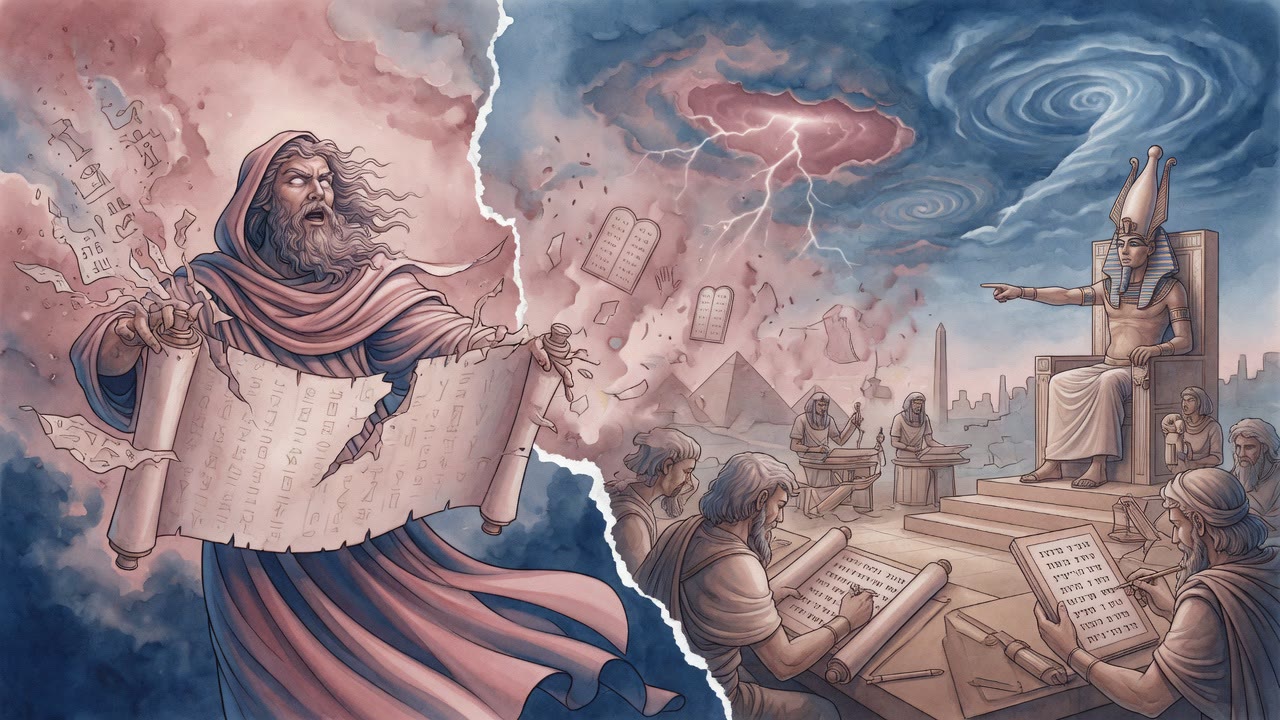
King Amon swore he would revel young and repent old like his father. He burned the Torah, then death cut him off mid-crime with no return.
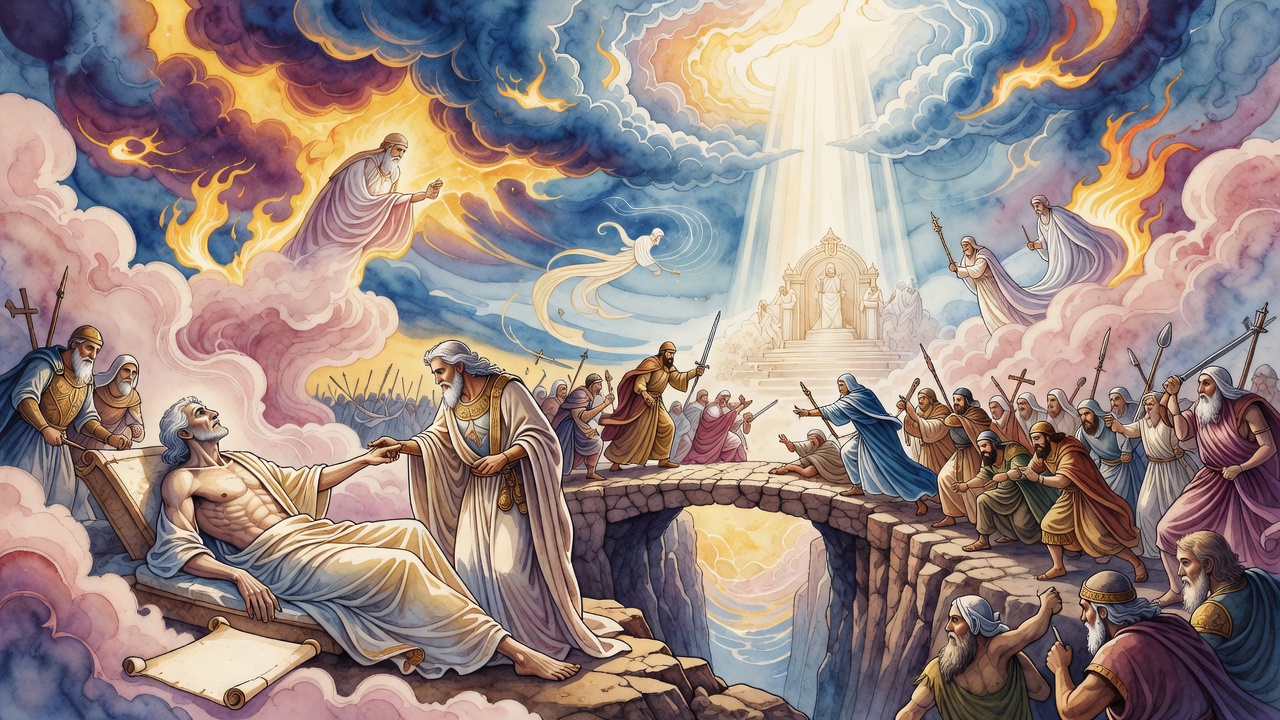
A river cut Shushan in two. Daniel's grave sat on the rich bank, and the poor said that was why the money stayed there. They wanted the bier.
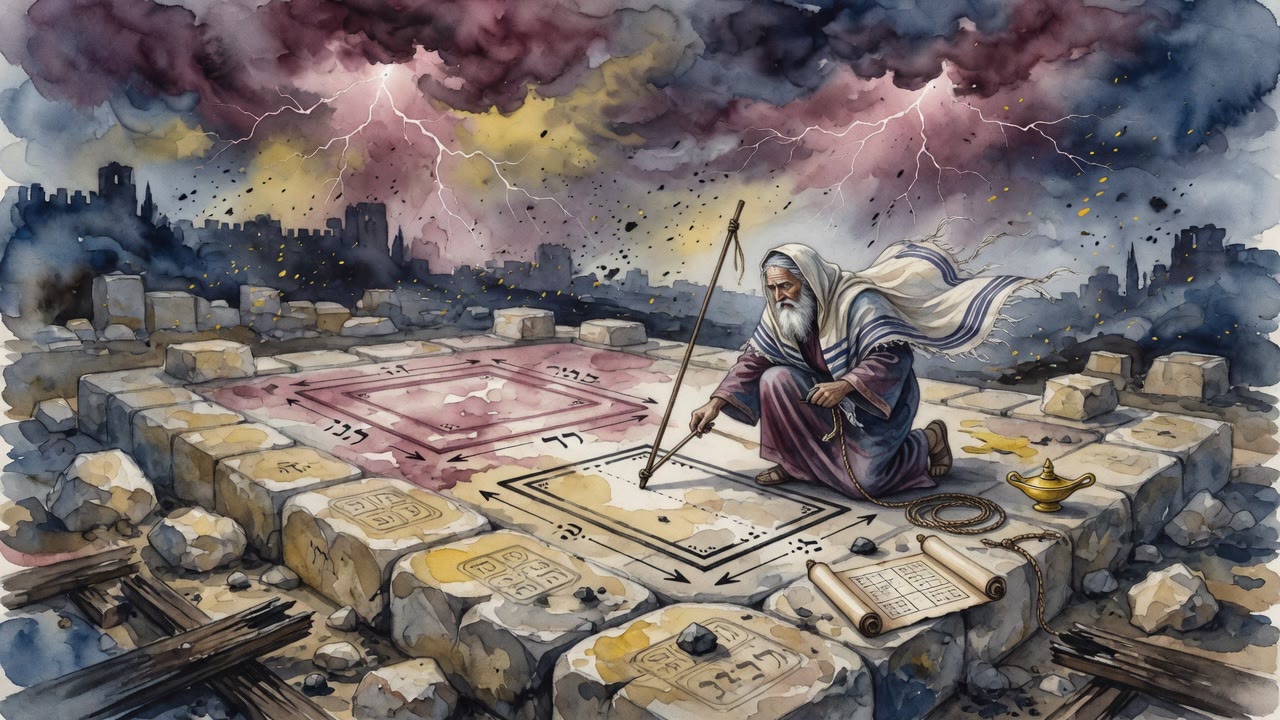
Rebuilding turned up a skull in the dust: Araunah, who sold David the threshing floor. The priests could not say how far the bone defiled.
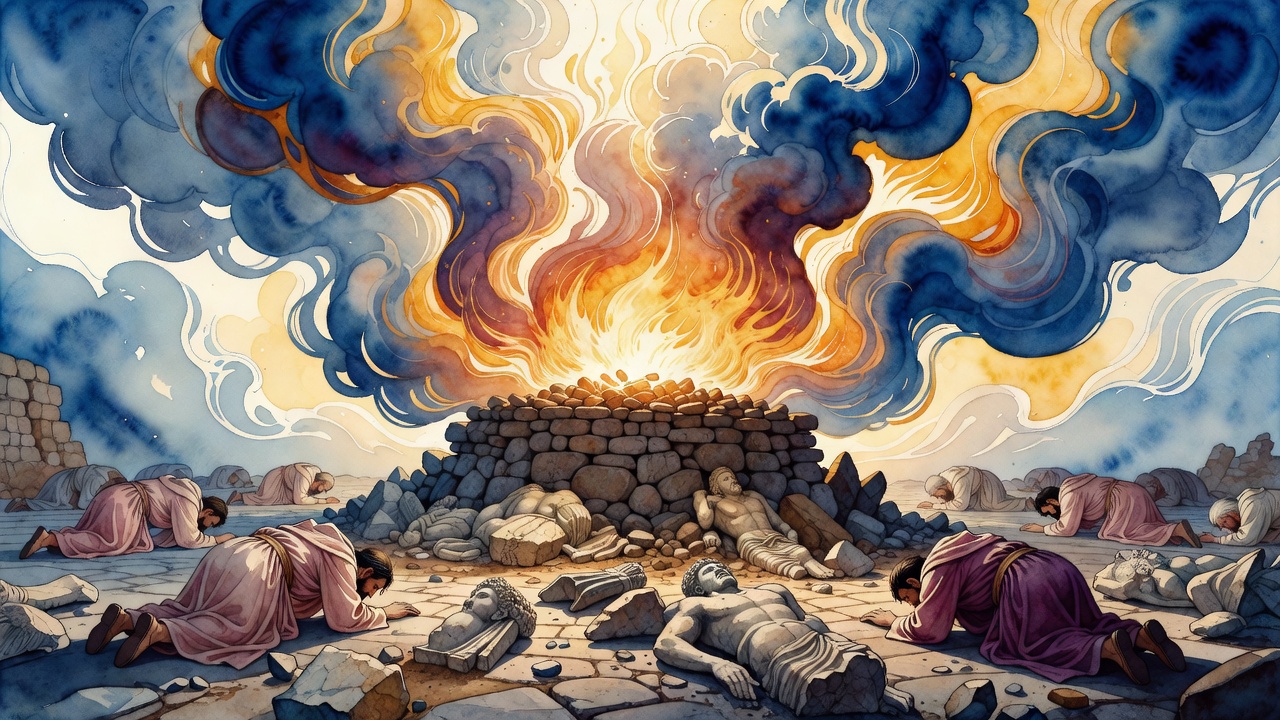
After idols leave the squares, a new altar rises from gathered stones. Priests fall on their faces until the sacrifice is consumed in smoke.
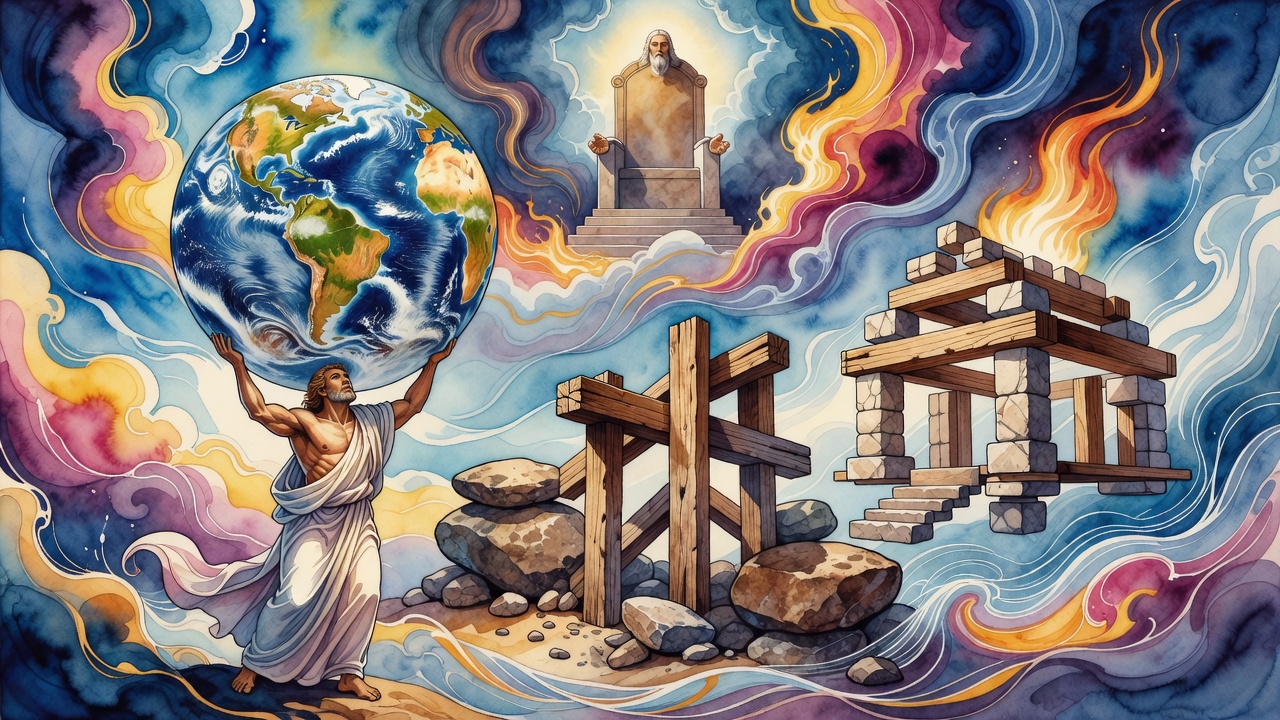
Abraham held the world and still asked for the Temple. Jacob's pillow stones became beams. Solomon's house built itself.
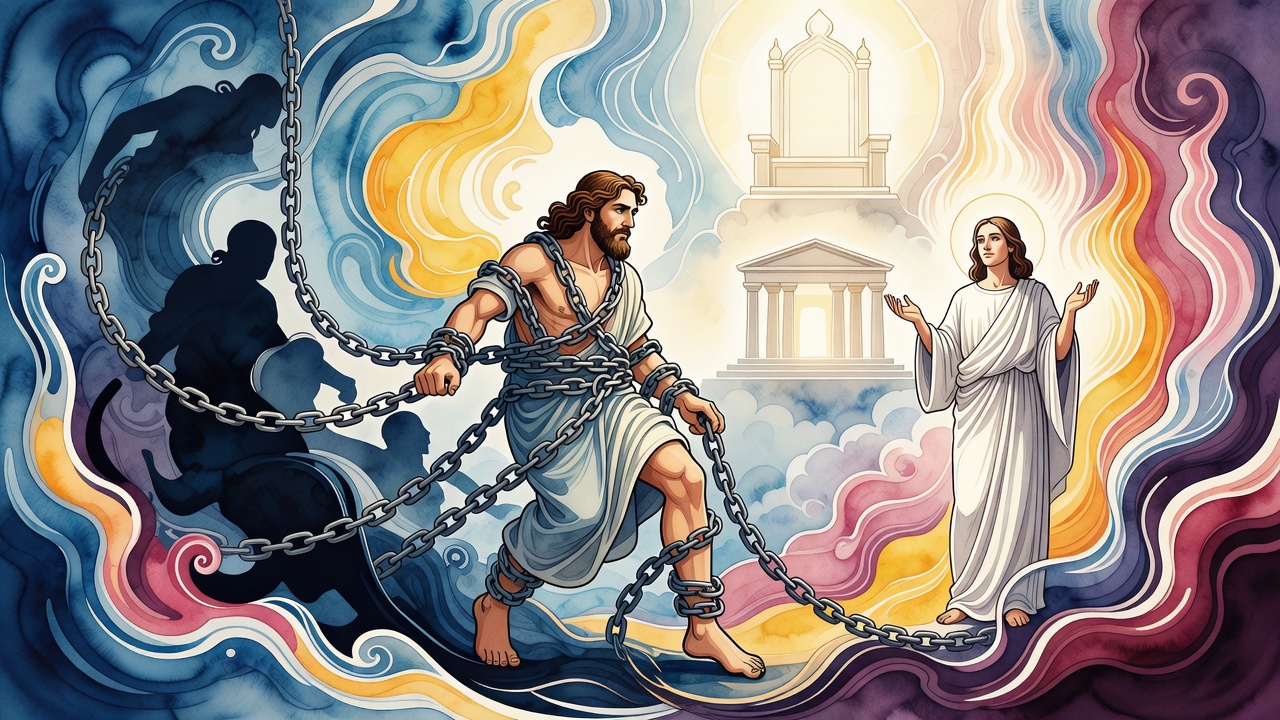
Joseph carried groundless reports about his brothers to Jacob. The words turned on him in slavery, while Benjamin's clean hands earned the Temple site.
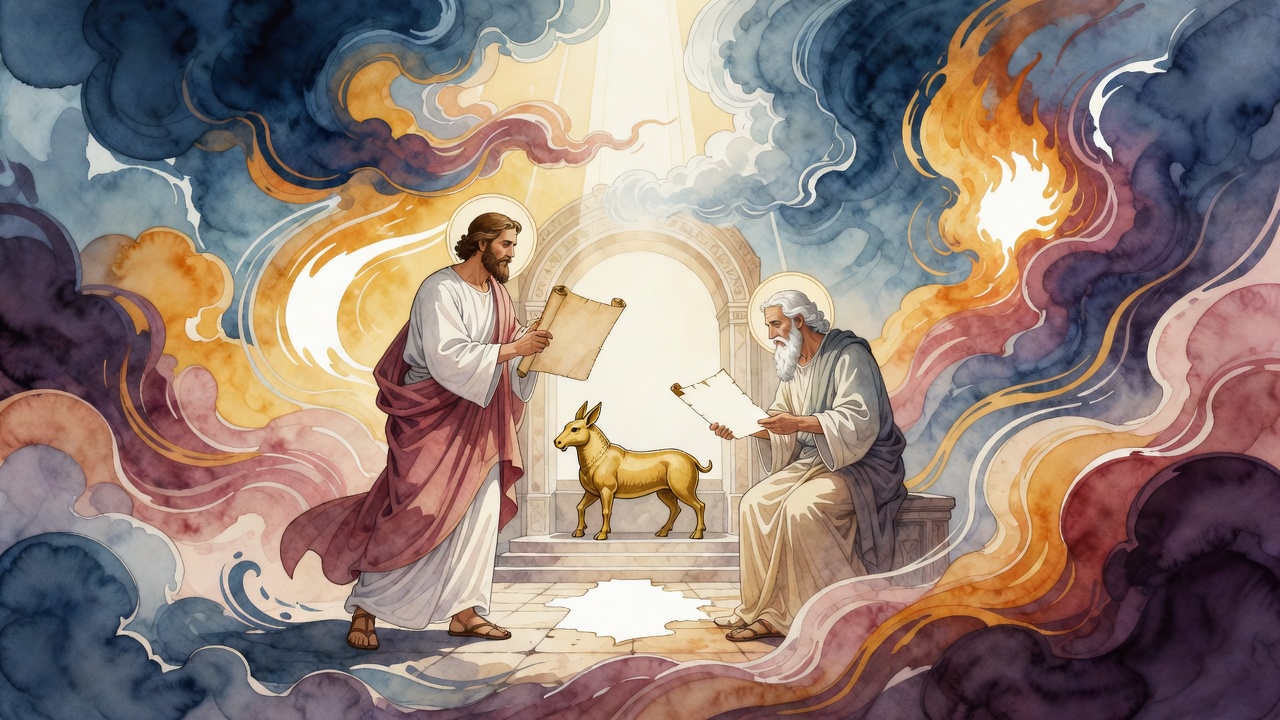
Apion invents a golden ass in the Holy of Holies. Josephus answers with empty sanctuaries, bad history, and Manetho's broken plot.
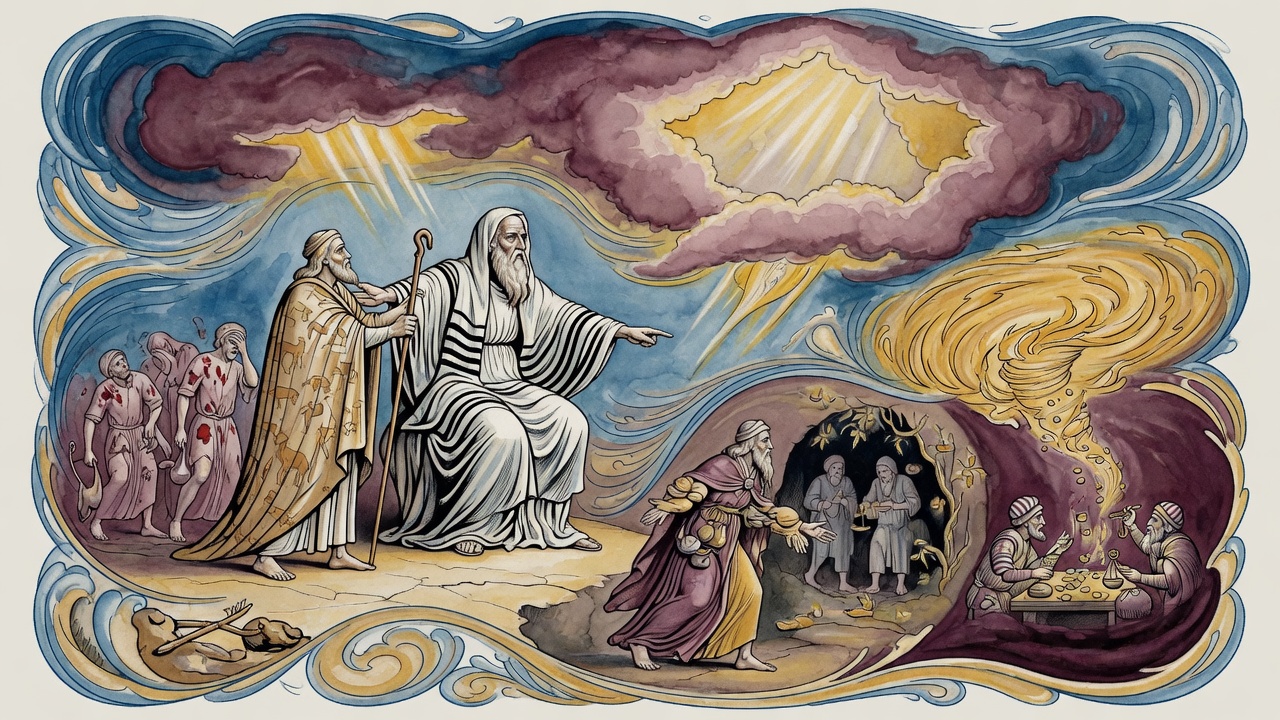
A Rechabite set his waterskin on the Temple stone. From the Holy of Holies a voice named the desert while Judah still fasted.
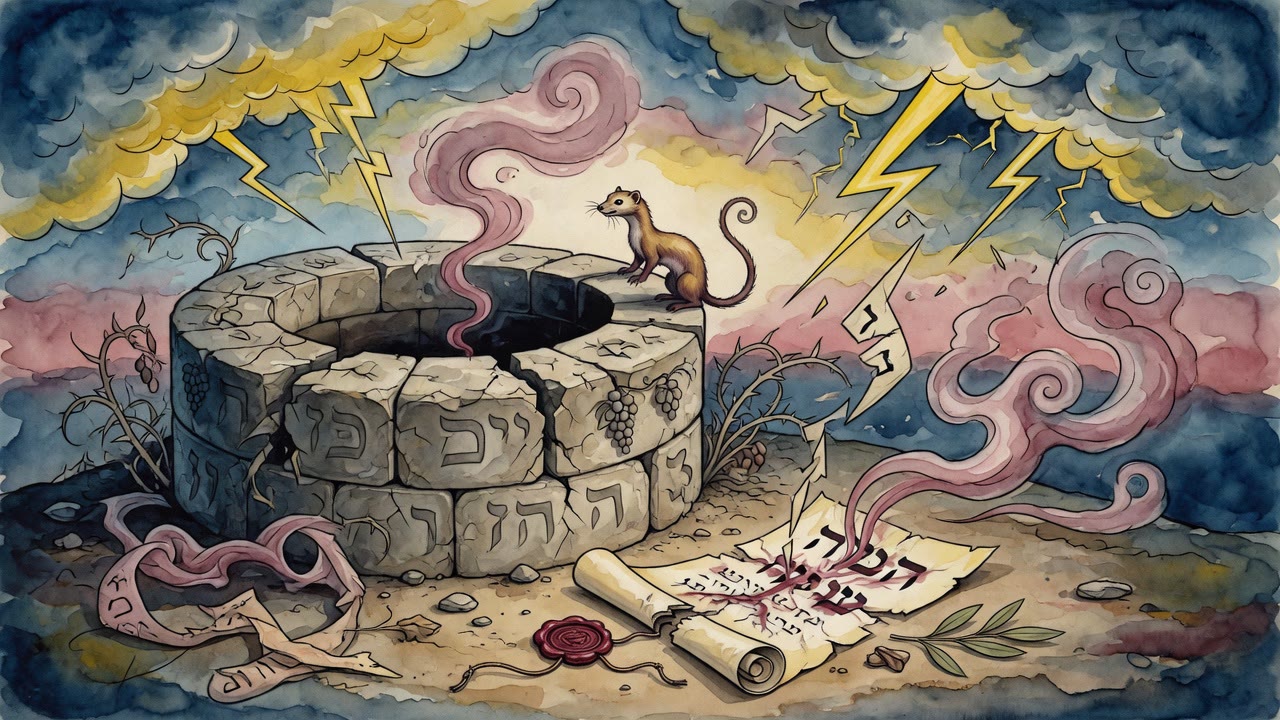
Returned exiles found no sacred fire until an old man led Ezra to Jeremiah's cache, oil that rose into pure flame.
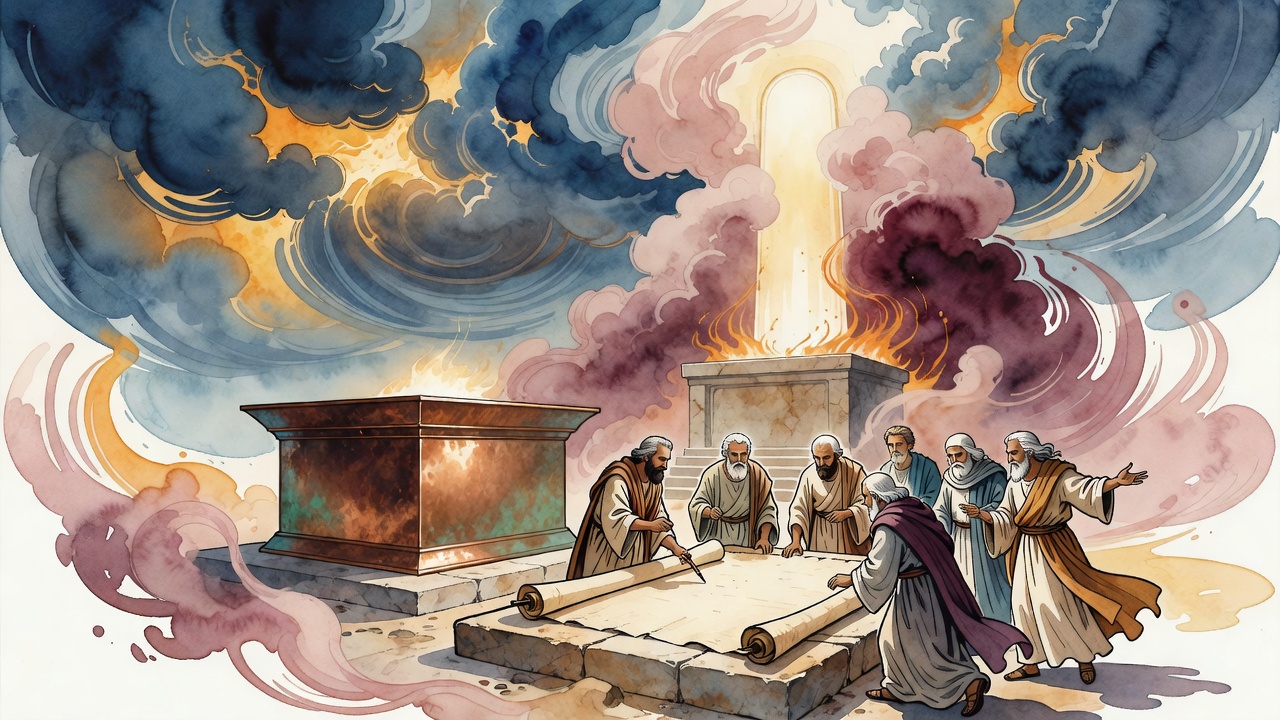
Hirom's scribes set the Temple 143 years before Carthage rose. Solomon's copper altar left service the day a greater house opened.
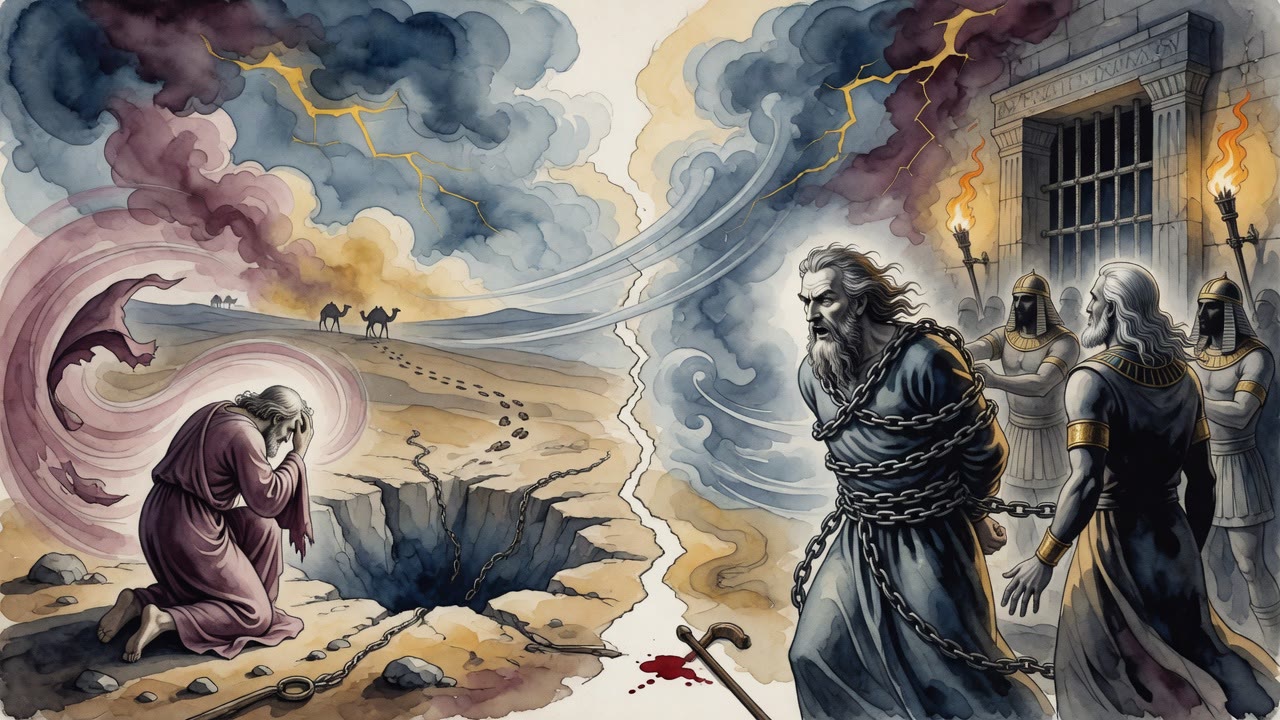
Jacob bought a field at Shechem and opened meat stalls. The stone at Bethel still waited for the altar he had promised on the run.
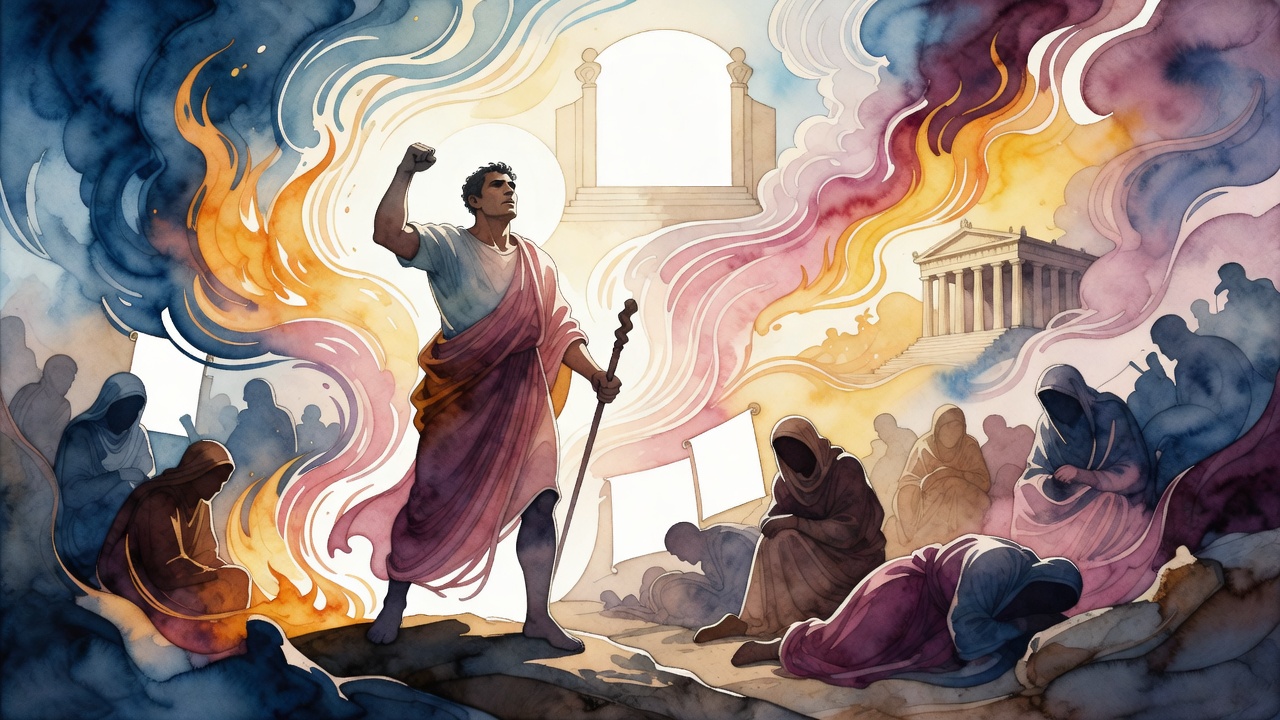
Officers arrived in Modin with an order to sacrifice. One Jew stepped to the altar. The priest's knife did not wait for a speech.
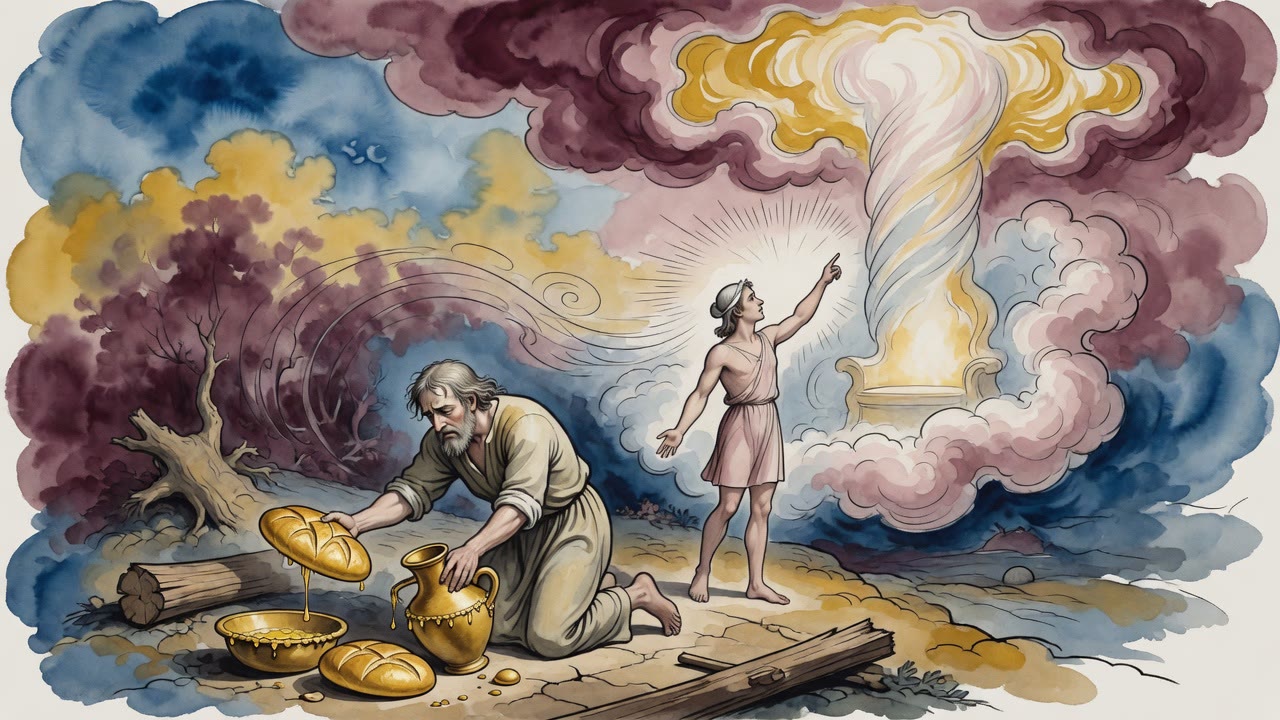
After the calf, God asks for gold again, the same metal of betrayal funding a sanctuary so the nations see Israel forgiven.
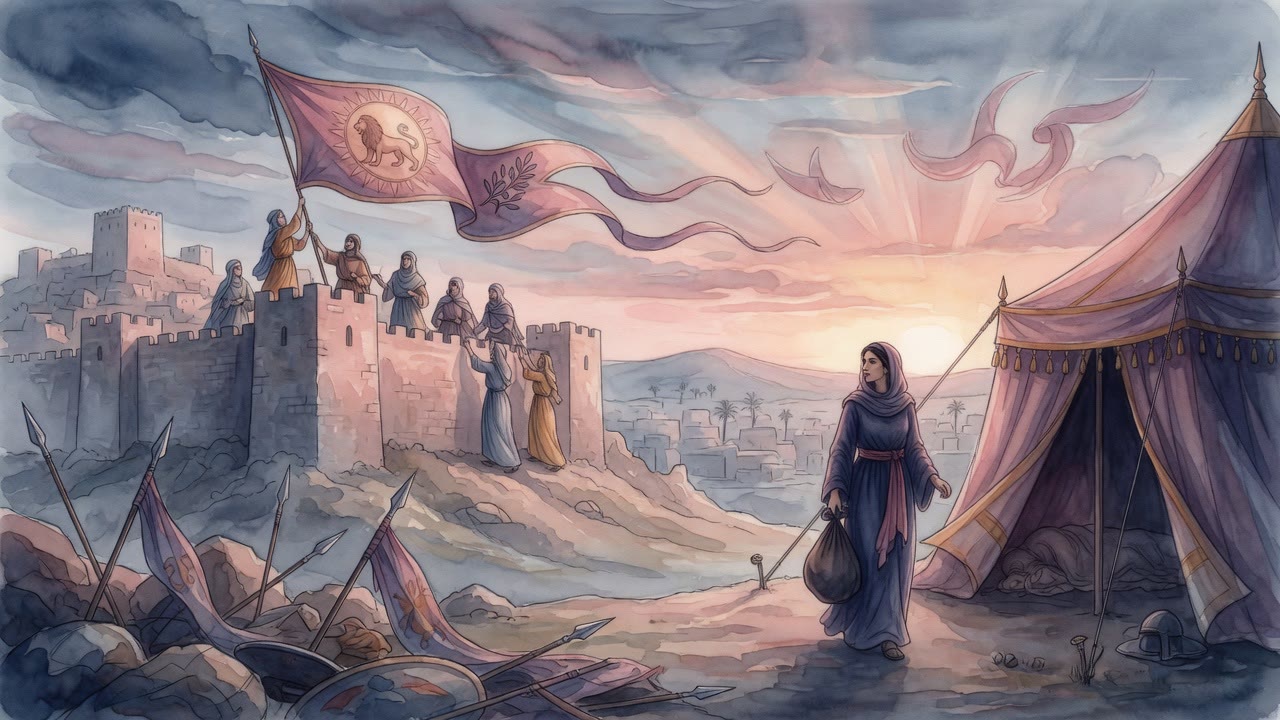
Judah's men cut off Nicanor's arm and hung it at the Temple gate. Antiochus answered by sending Bagris to outlaw the Sabbath and circumcision.
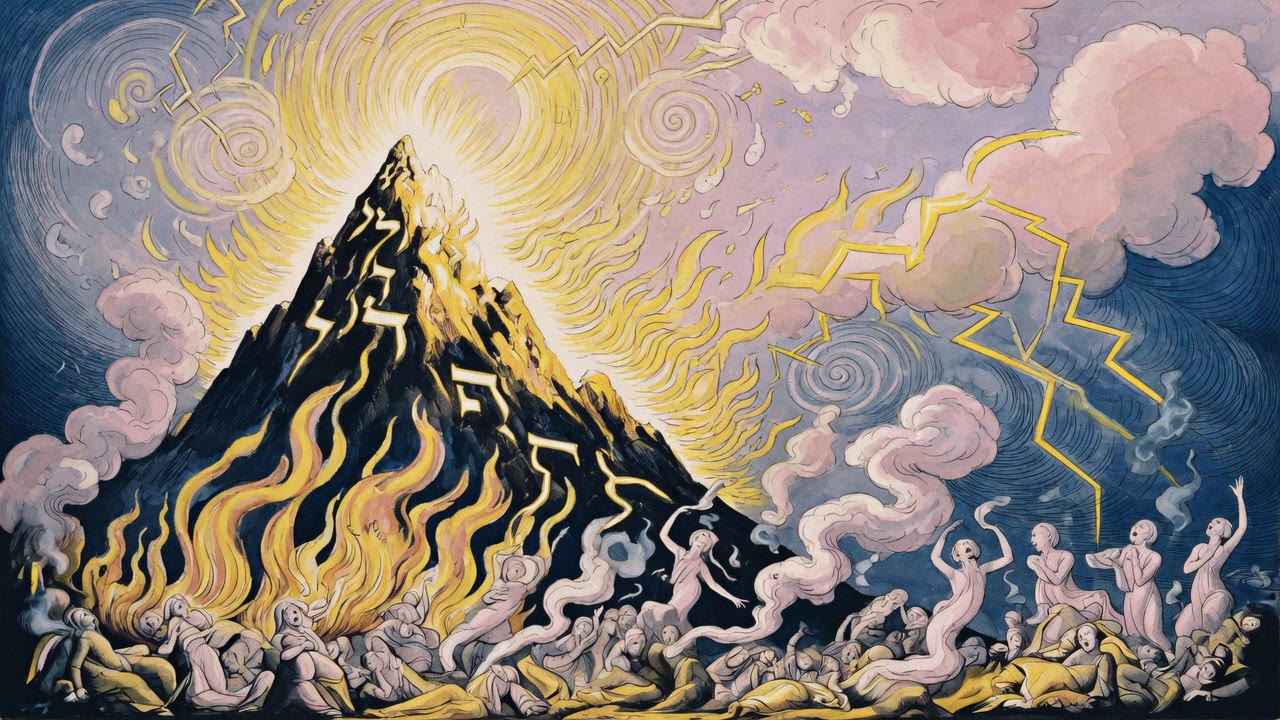
The Temple burned and God's presence went into exile too. She walked down into the dark shells to lift out the sparks trapped there.
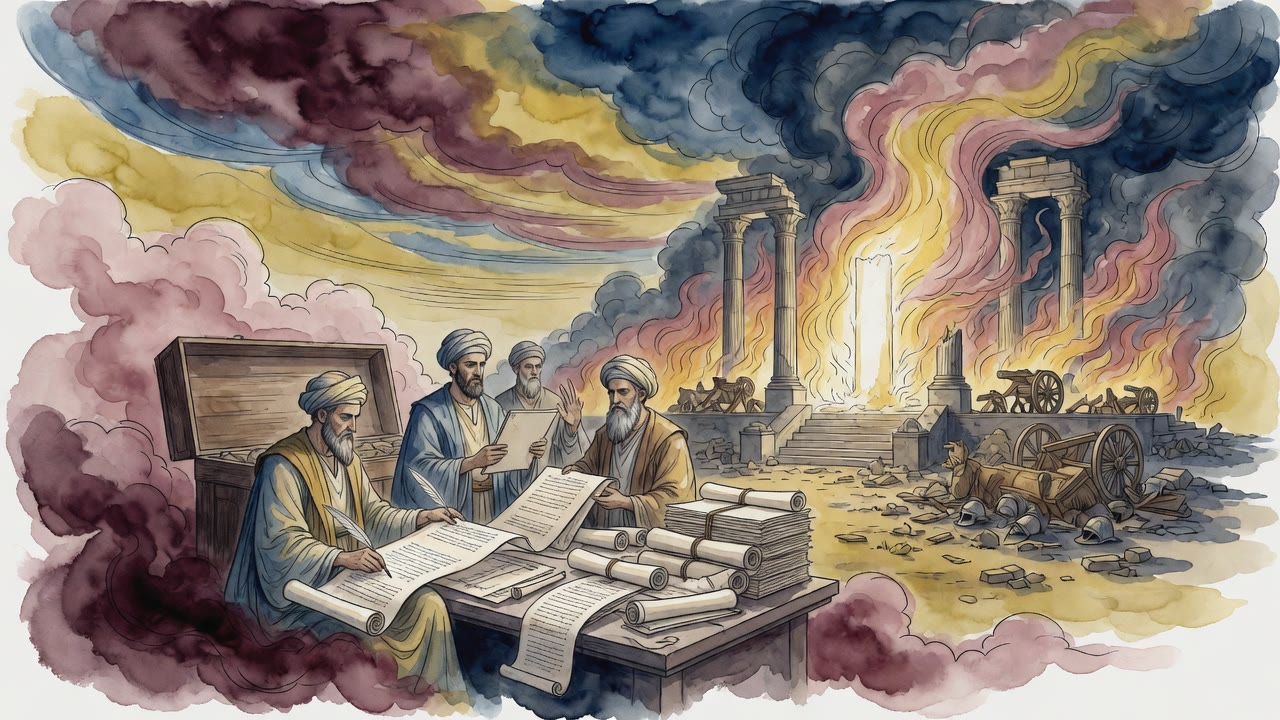
A father unrolled a genealogy by lamplight and would not bless the match until witnesses named every generation. Then the city burned.
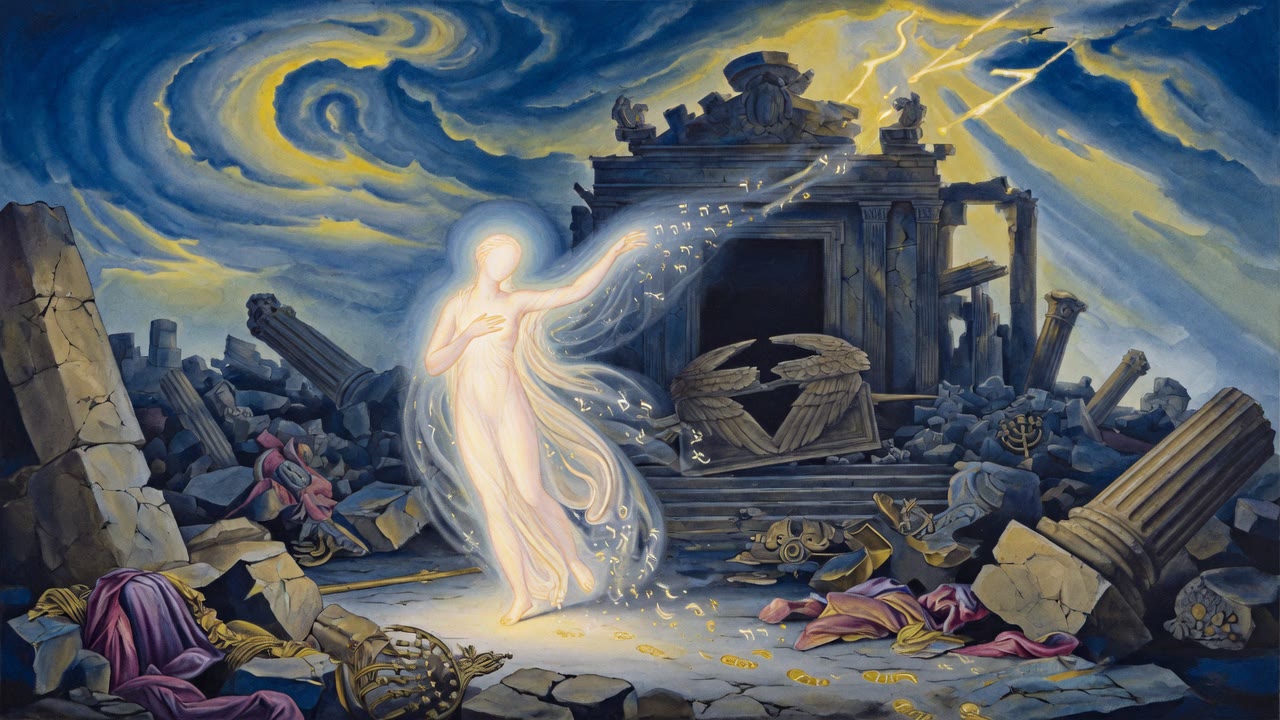
Night after night the Shekhinah, the Divine Presence, descends to the empty Holy of Holies, calling for the husband who vowed never to leave her arms.
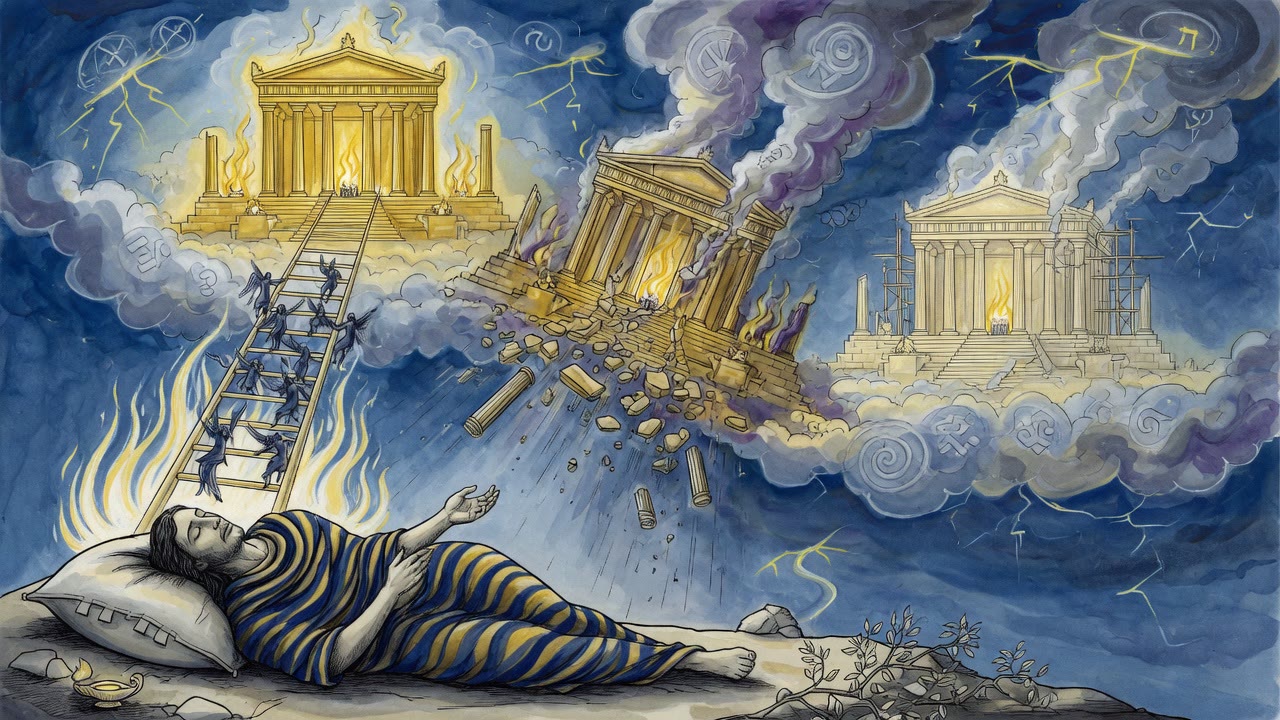
For a long stretch only God knew what would become of the House. Then He told a fugitive asleep on a rock, who woke at dawn and poured oil over the stone.
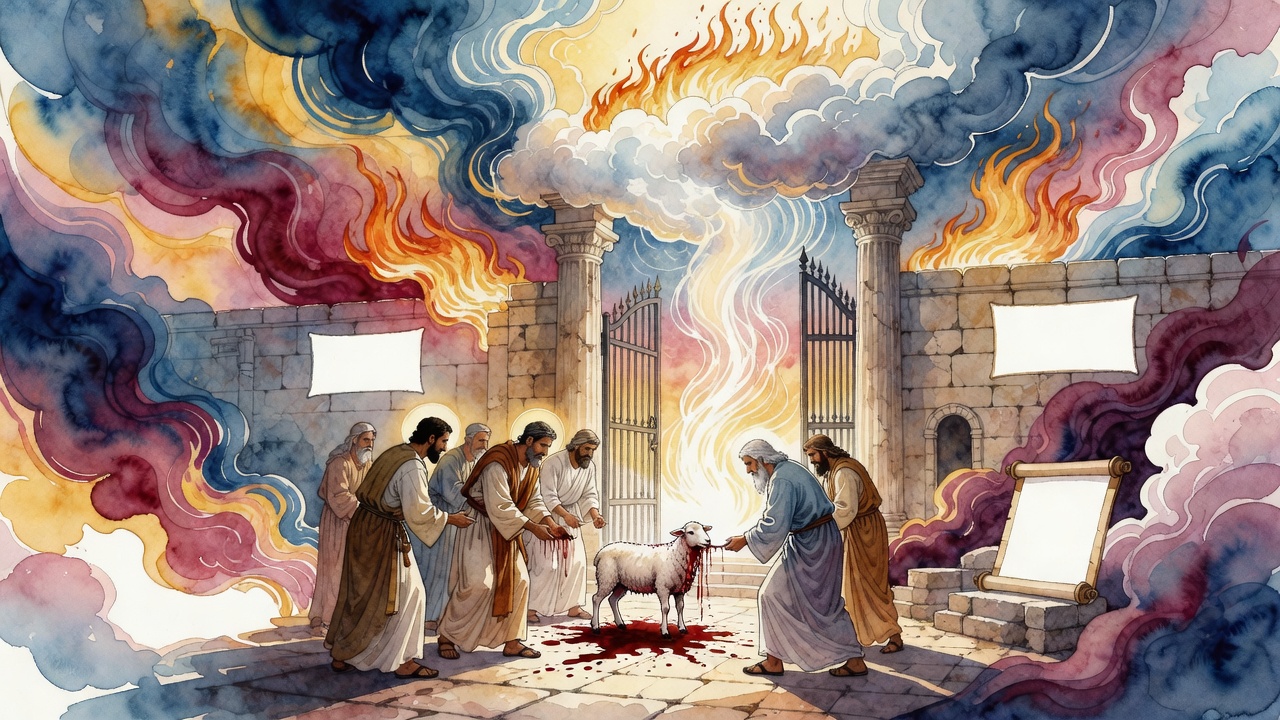
On the fourteenth, between the evenings, Israel slaughters the lamb in the Temple courts or is cut off for missing the fixed season.
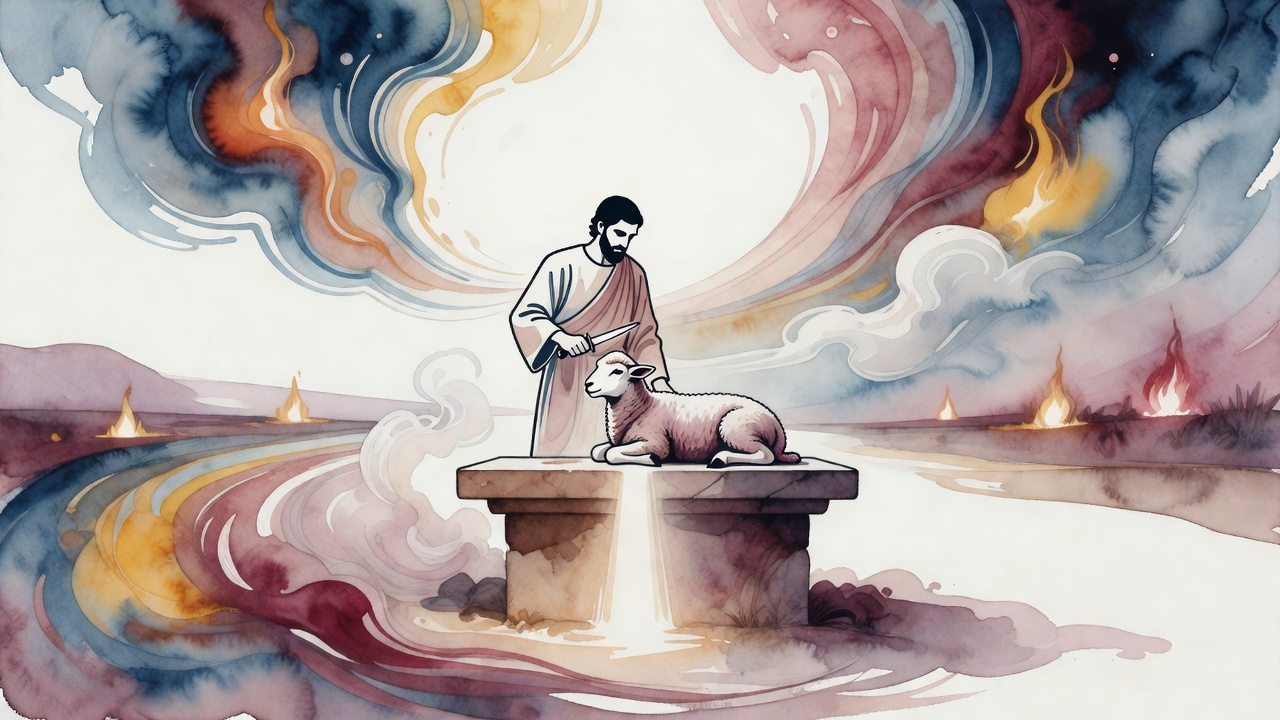
On the fourteenth of Nisan, when the day falls on Shabbat, Israel holds the knife while two laws collide and only one may rule the hour.
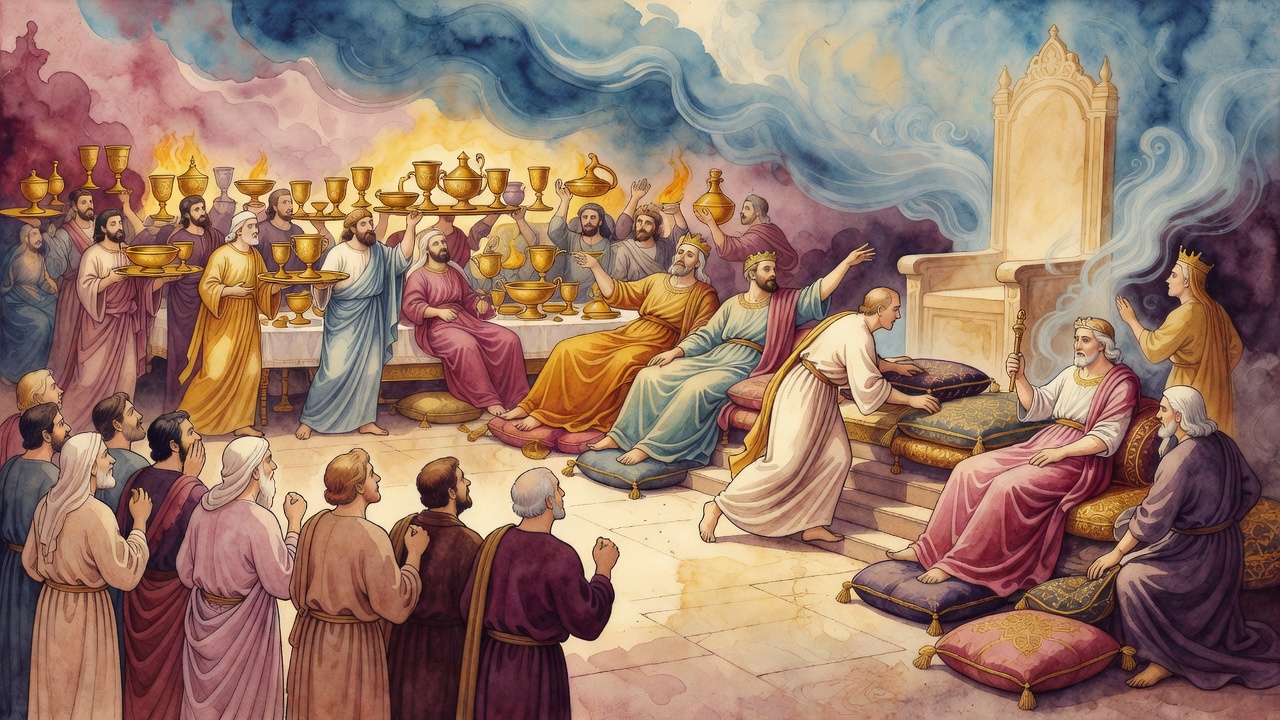
For six months the palace showed off gold plunder, cup after cup. The Jews at the tables recognized the Temple vessels and put their food down.
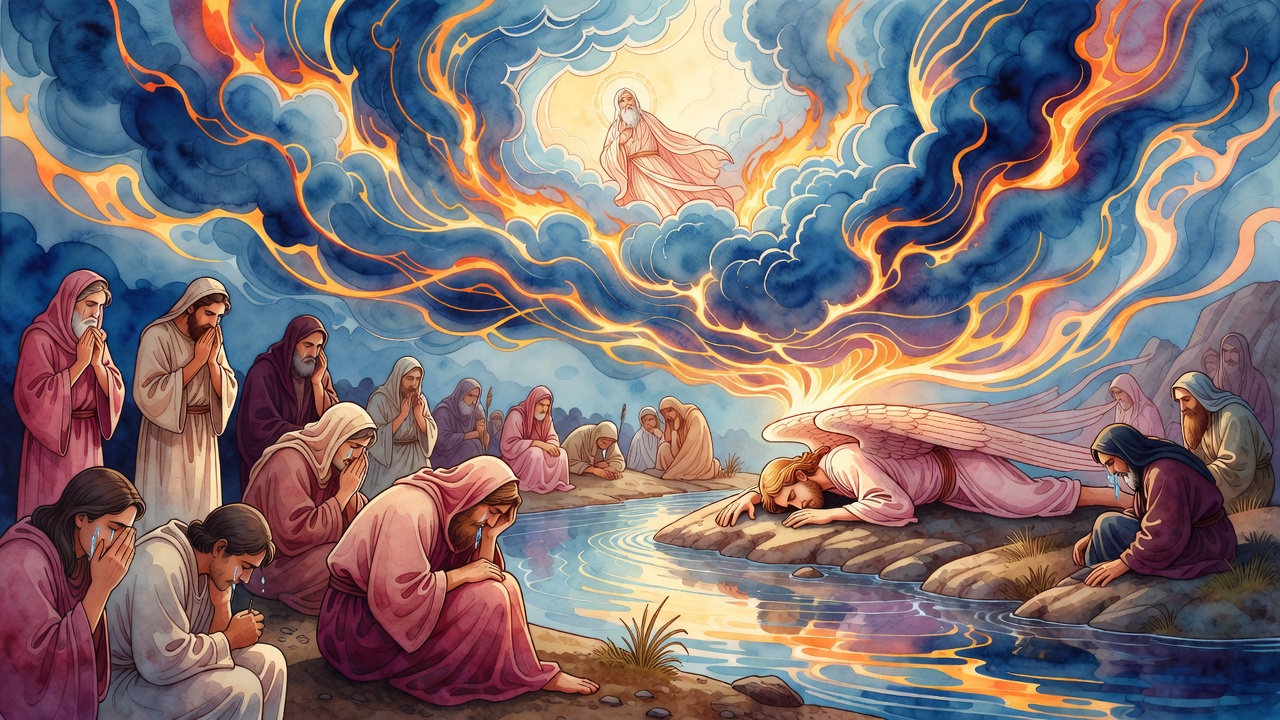
Exiles sit and weep by Babylon's waters, and God takes up the same lament above. Metatron falls on his face and is told not to stop the tears.
