391 myths · Page 11 of 14
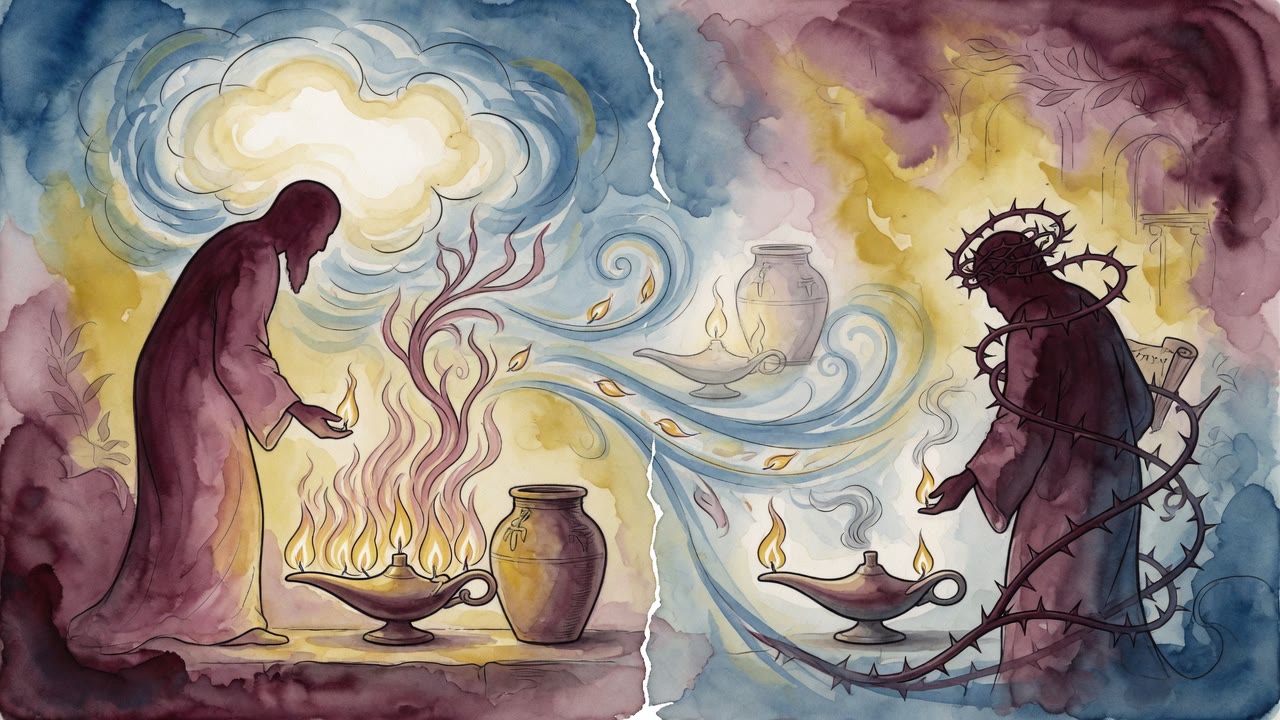
Nathan told David his hands had spilled too much blood to build the House. Better the anger fall on stone and cedar than on people, God said.
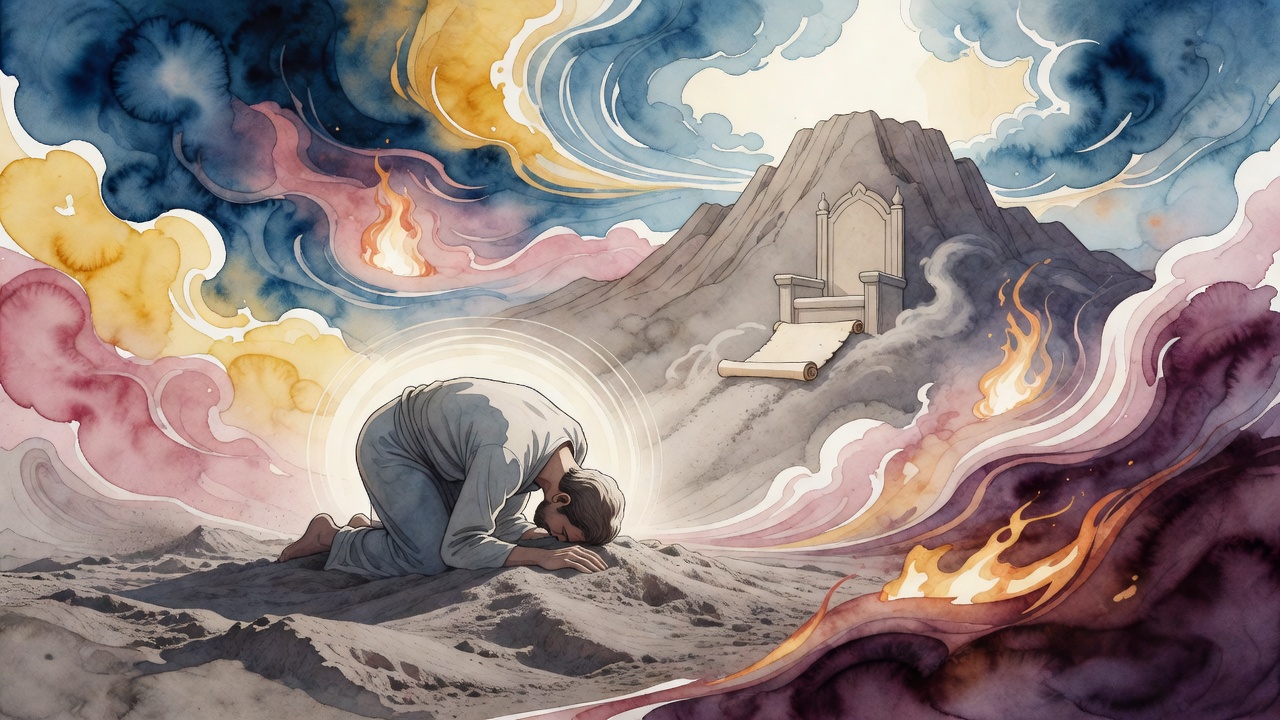
Rabbi Berechiah said that if God's kingdom is late, wait for it in the dust. Do your deeds with kindness, the midrash promised, and redemption comes at once.
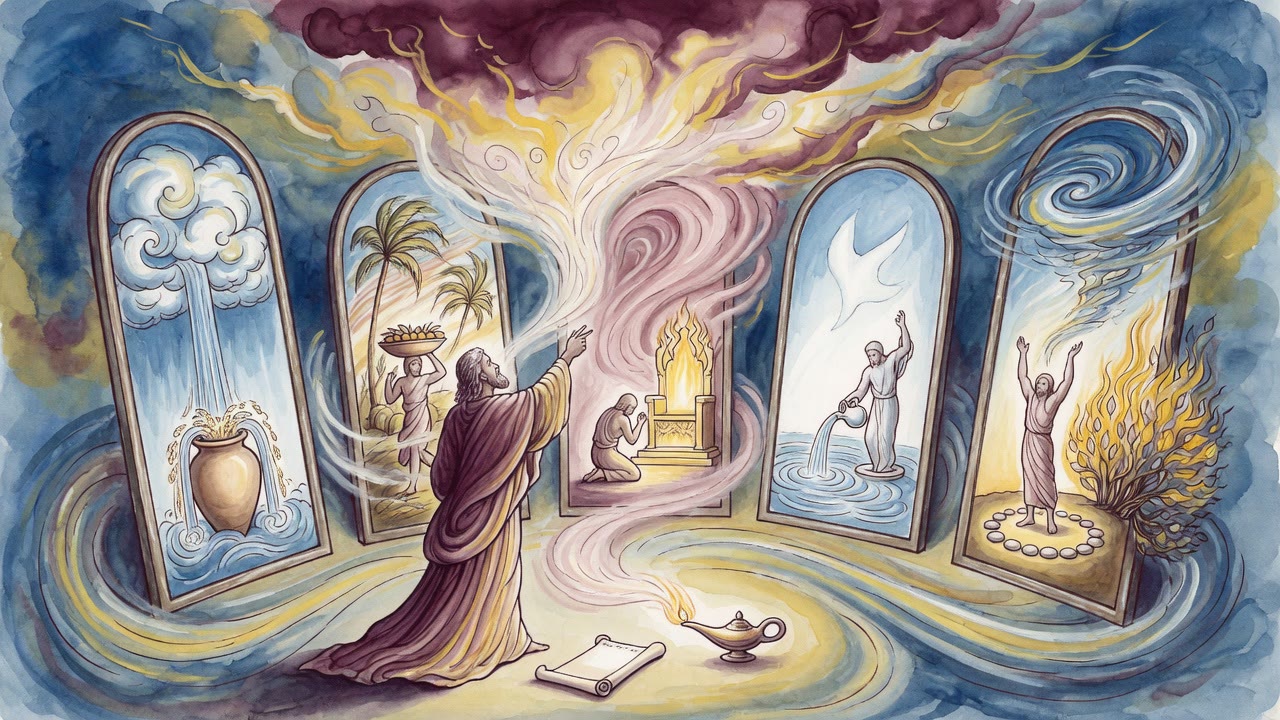
A soul fills its body the way light fills a room. David kept giving his own soul orders until it stopped pretending it had somewhere better to be.
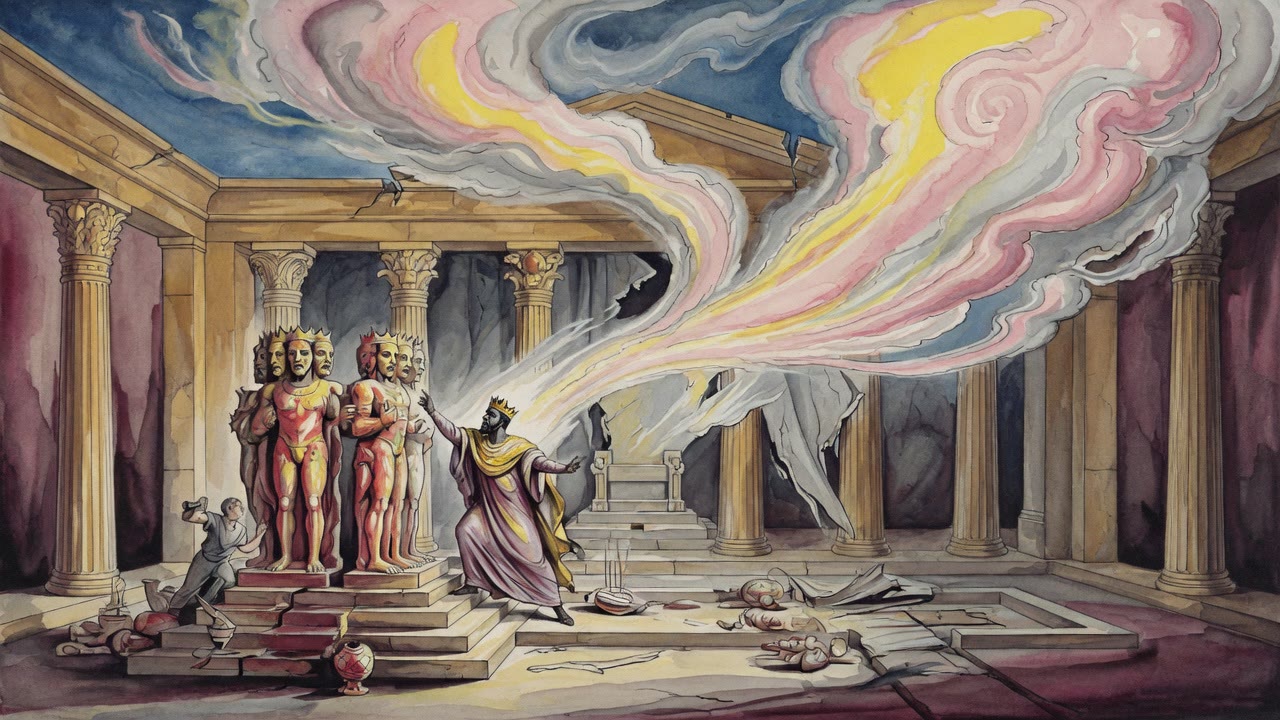
Manasseh dragged a four-faced idol into the innermost room. Wherever the Presence turned, stone stared back. God asked what He was doing there.
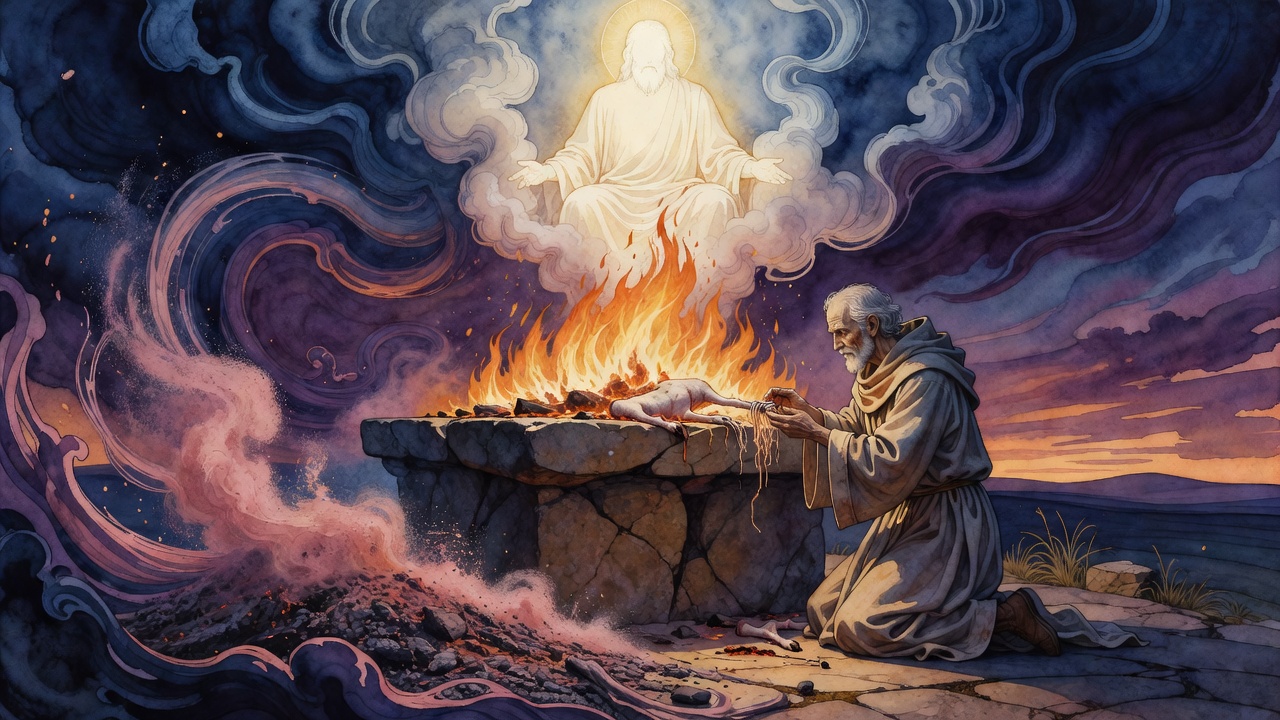
After the last lamb of the day, he raked fat onto the coals. A junior reached for the ash. The senior set his foot on the ramp and did not scrape.
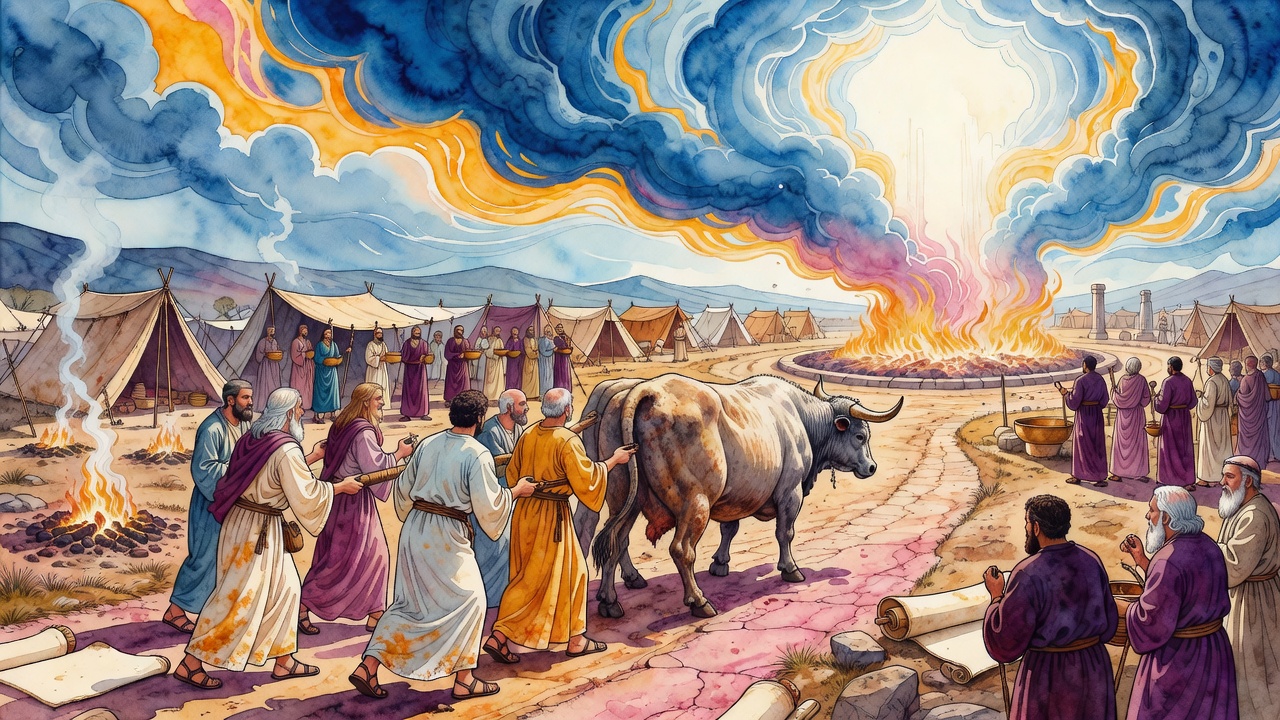
Priests hauled a communal bull beyond Israel, Levites, and the sanctuary ring. Blood had already spoken inside. The body still had to die in the right dirt.
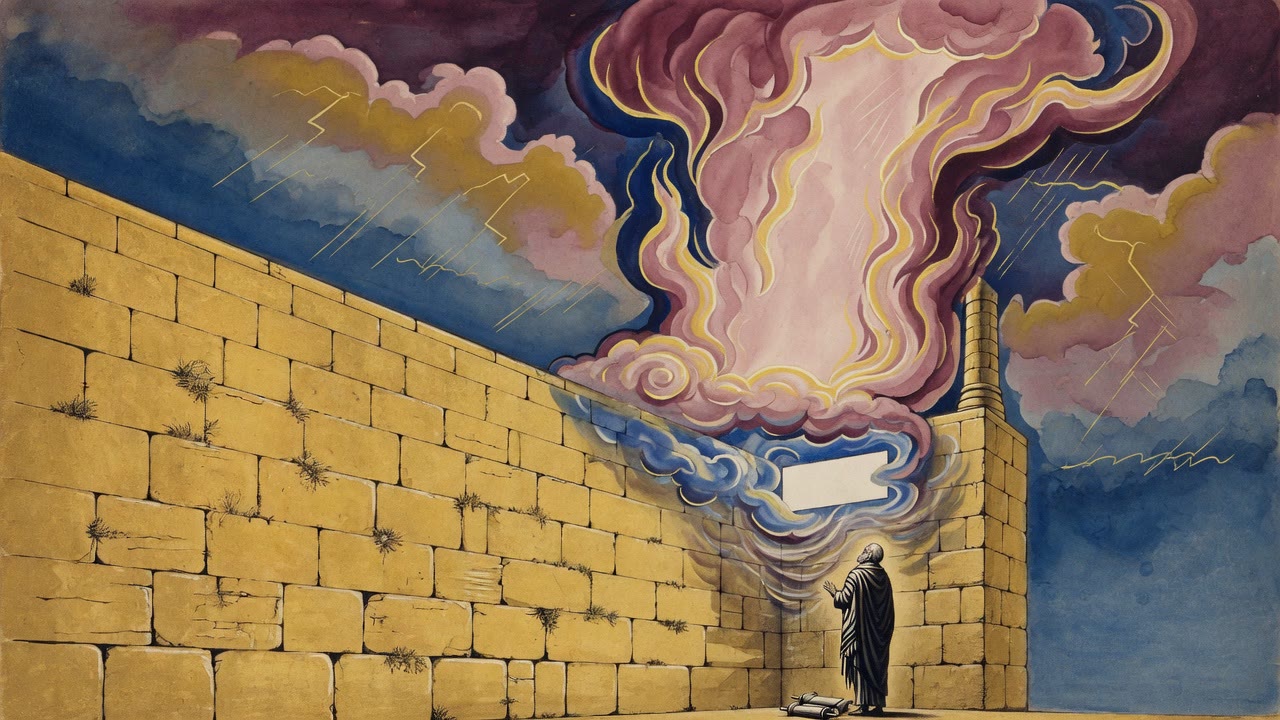
Aaron stopped at the veil with incense and the word zot, this. The Presence stood near or far by the side he took, and even goodness could taste death.
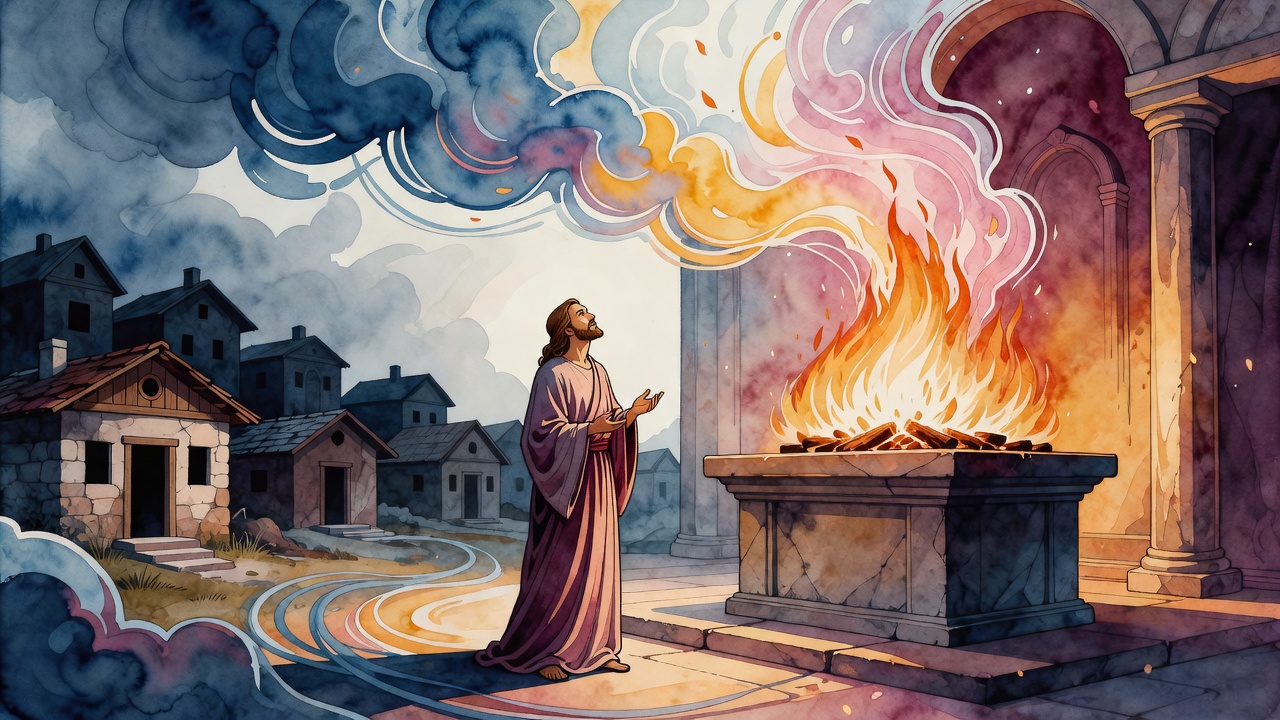
Sabbath houses sat without new flame. In the Temple the perpetual fire kept eating wood, and a disciple asked why fire alone was named.
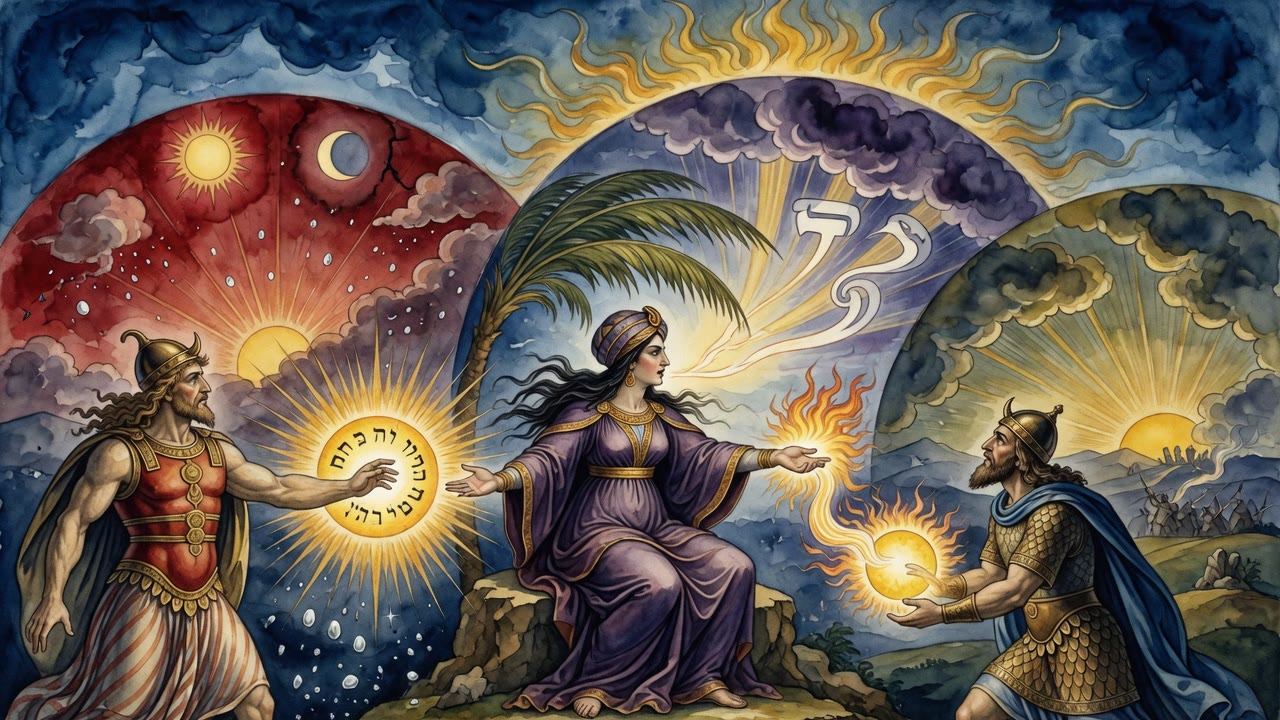
Ash clung to the hills. He closed twenty volumes on eighty-three names, ending with a man chosen by lot who did not know the rites.
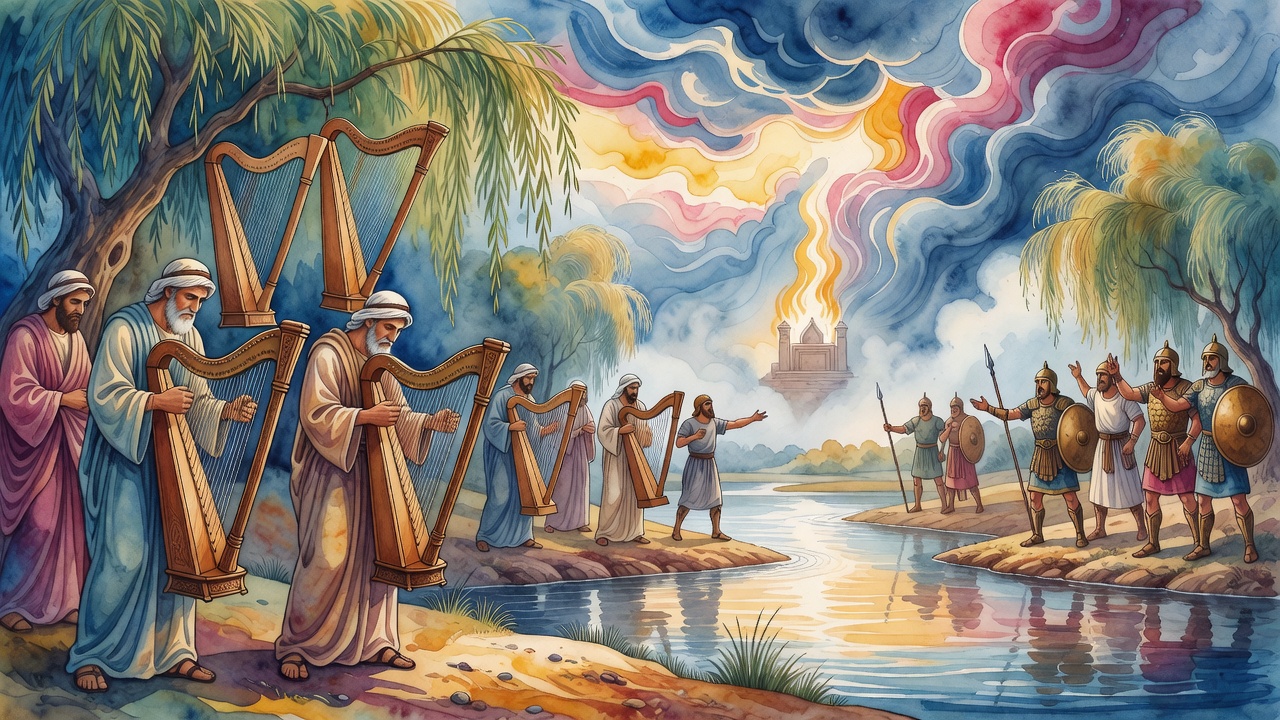
By the rivers of Babylon captors demand Temple songs for idols. Israel hangs its harps, chooses death over that music, and waits for Elijah's hand.
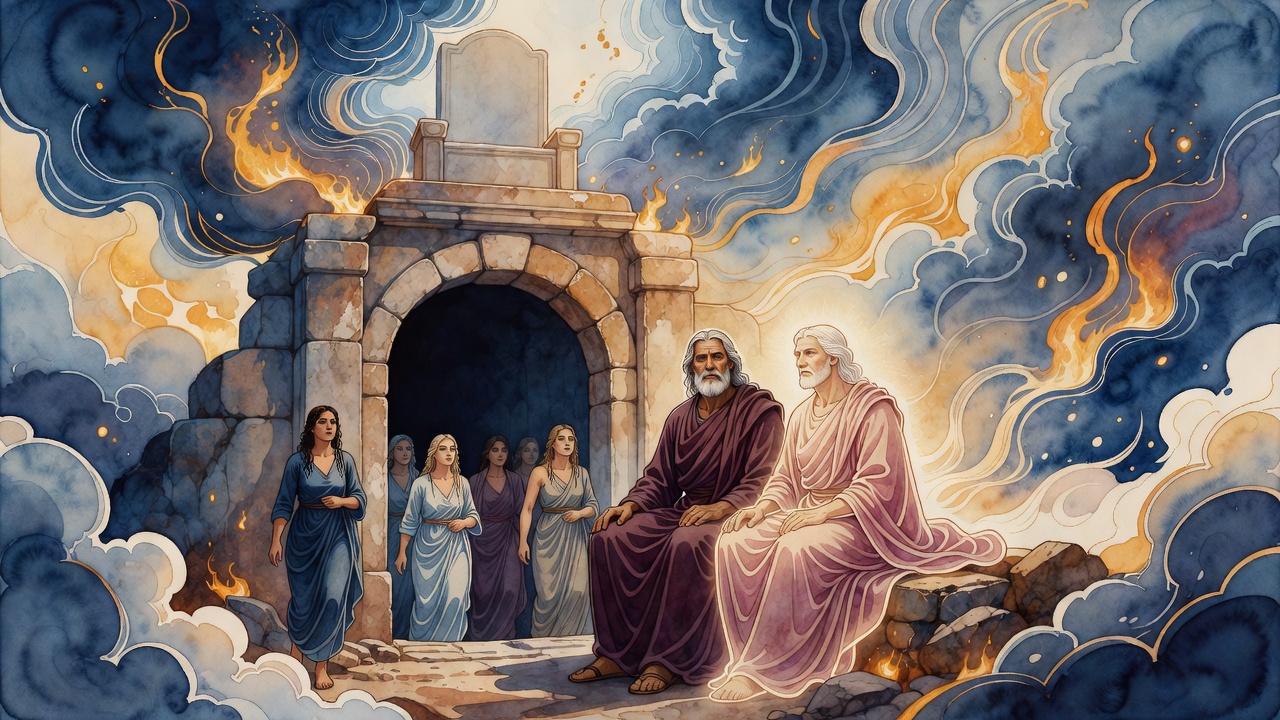
Rabbi Yochanan parks his famous beauty where women leave the mikveh so they will bear radiant children. He trusts Josephs immunity to the evil eye.
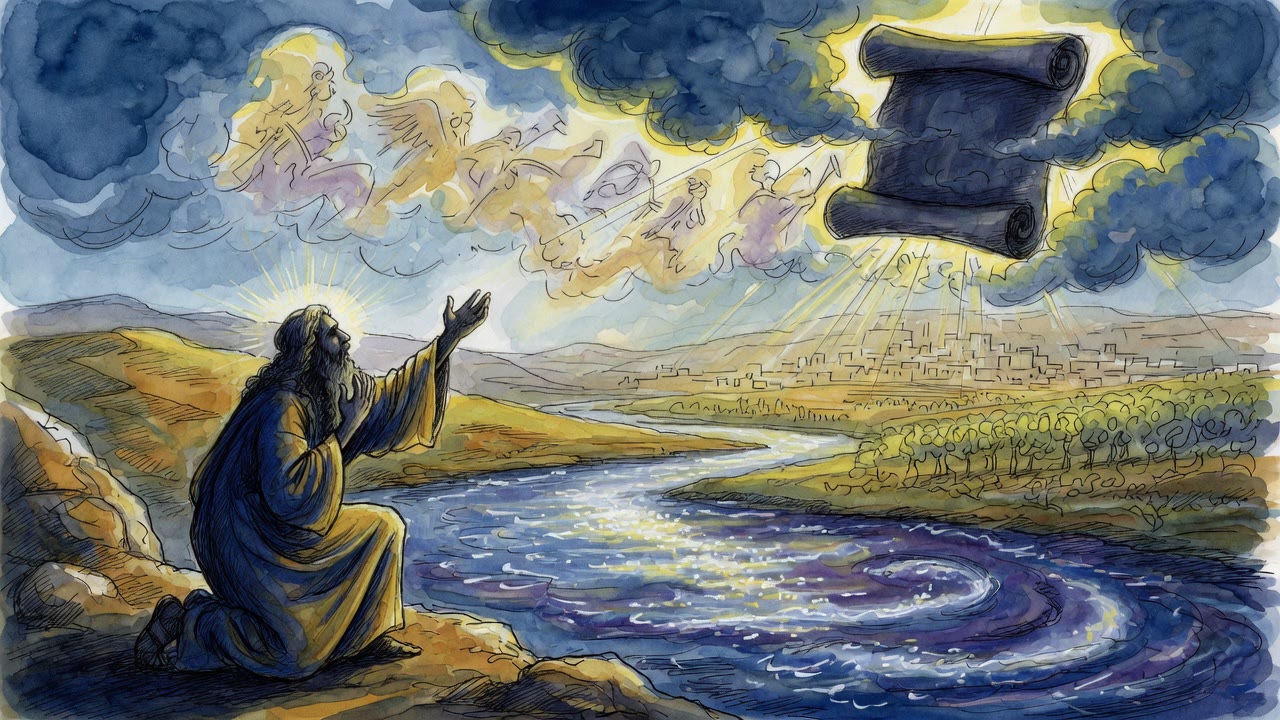
Moses stood on the east bank and asked Heaven to undo its own oath. The answer came in two words he had once thrown at other men.
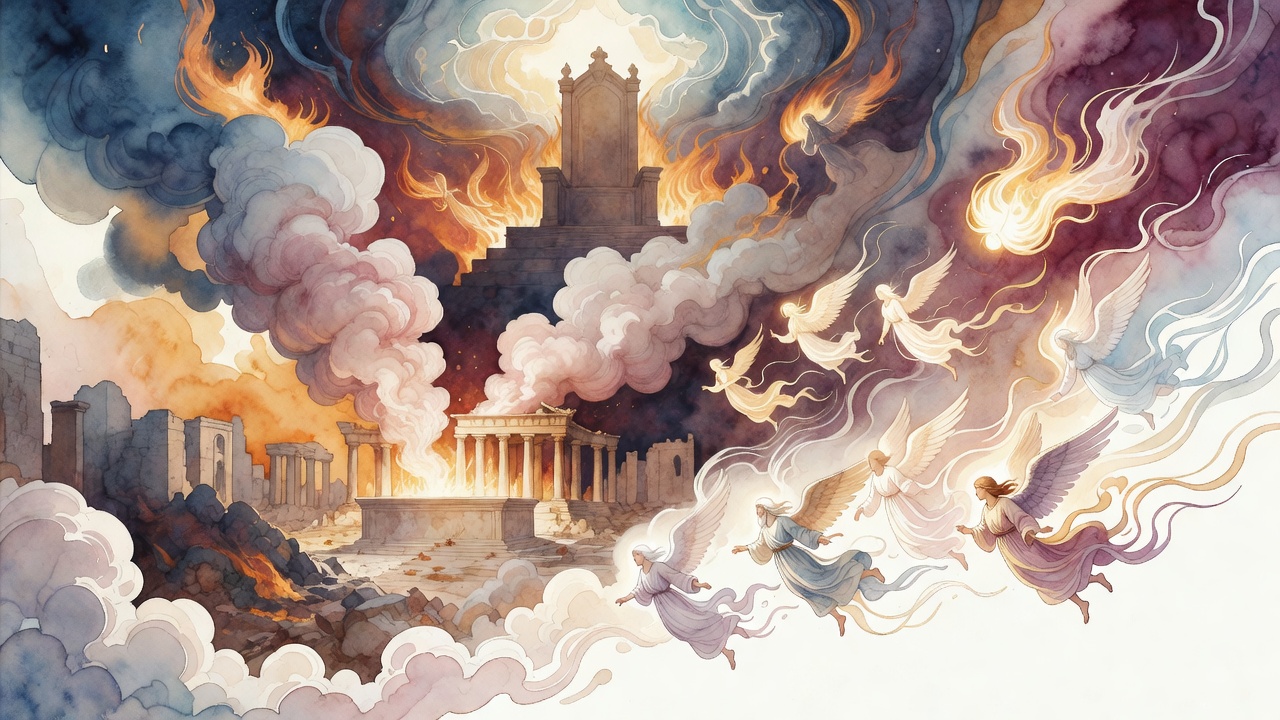
Smoke rose where the altar used to shine. Job asked if God's troops had a number, and Heaven answered by thinning its own ranks after Jerusalem burned.
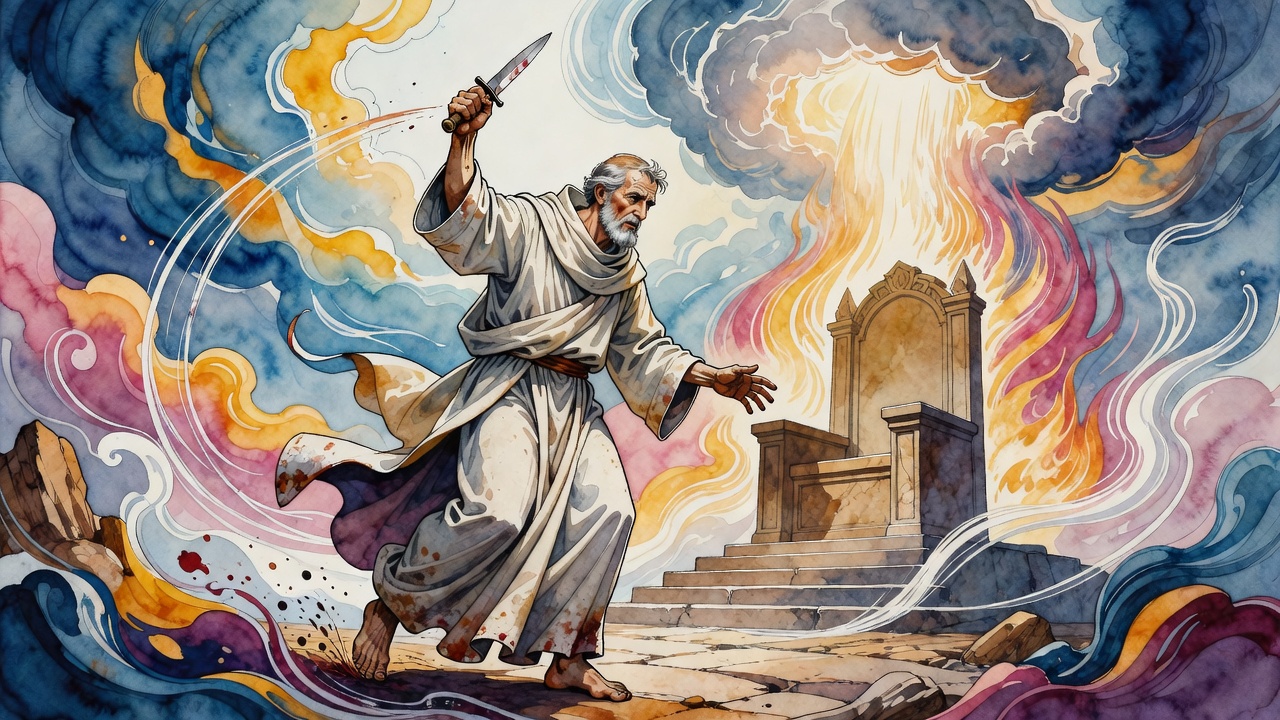
Sleep still stuck to his eyes. He walked past the basin with dirty hands. The water bit his wrists before he was allowed to lift a knife.
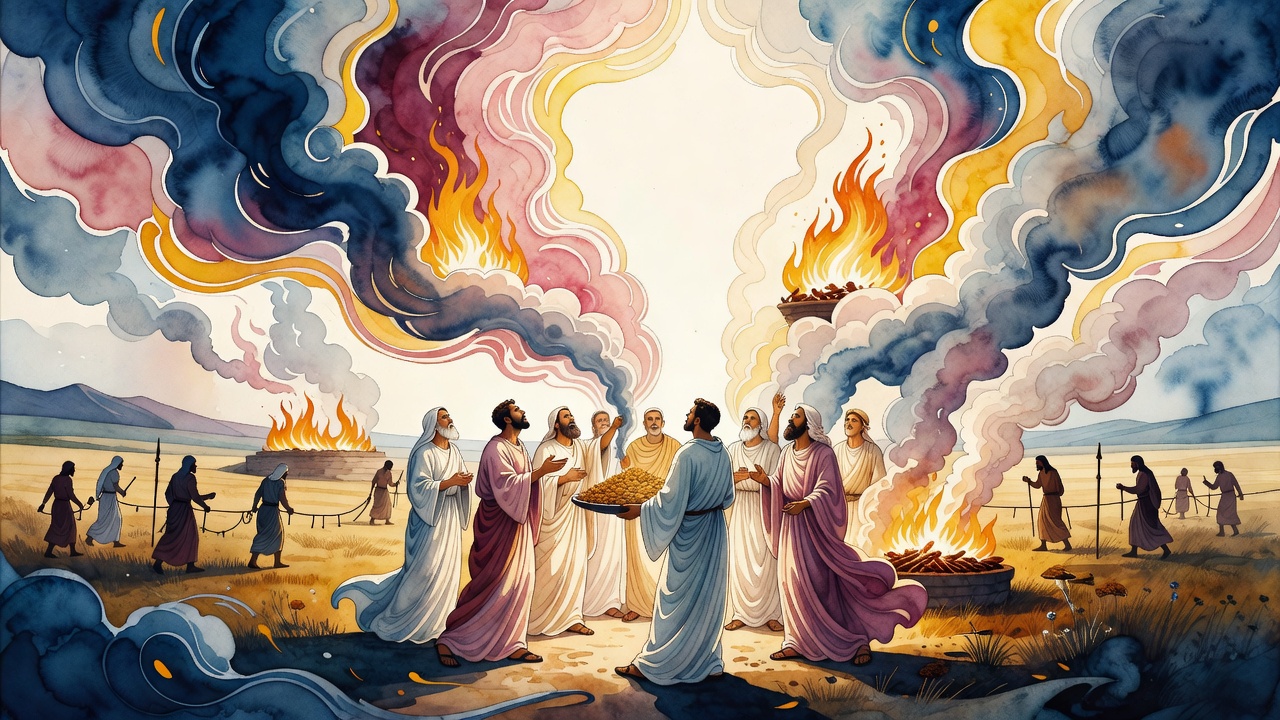
A rich man brought his own logs to finish a burnt offering. Priests stacked public wood, and his animal met a flame he did not own.
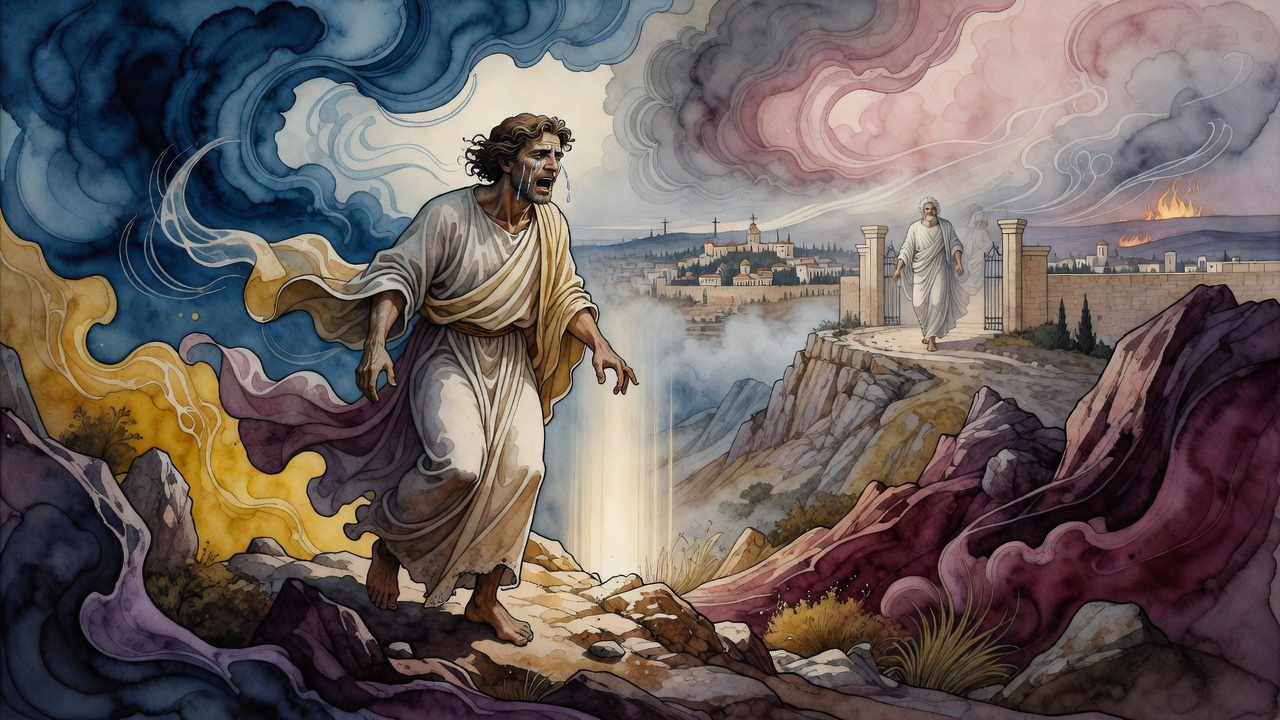
On the Mount of Olives David climbs barefoot, tears on his face, a psalm in his mouth. Absalom takes the city, and measure for measure walks with the king.
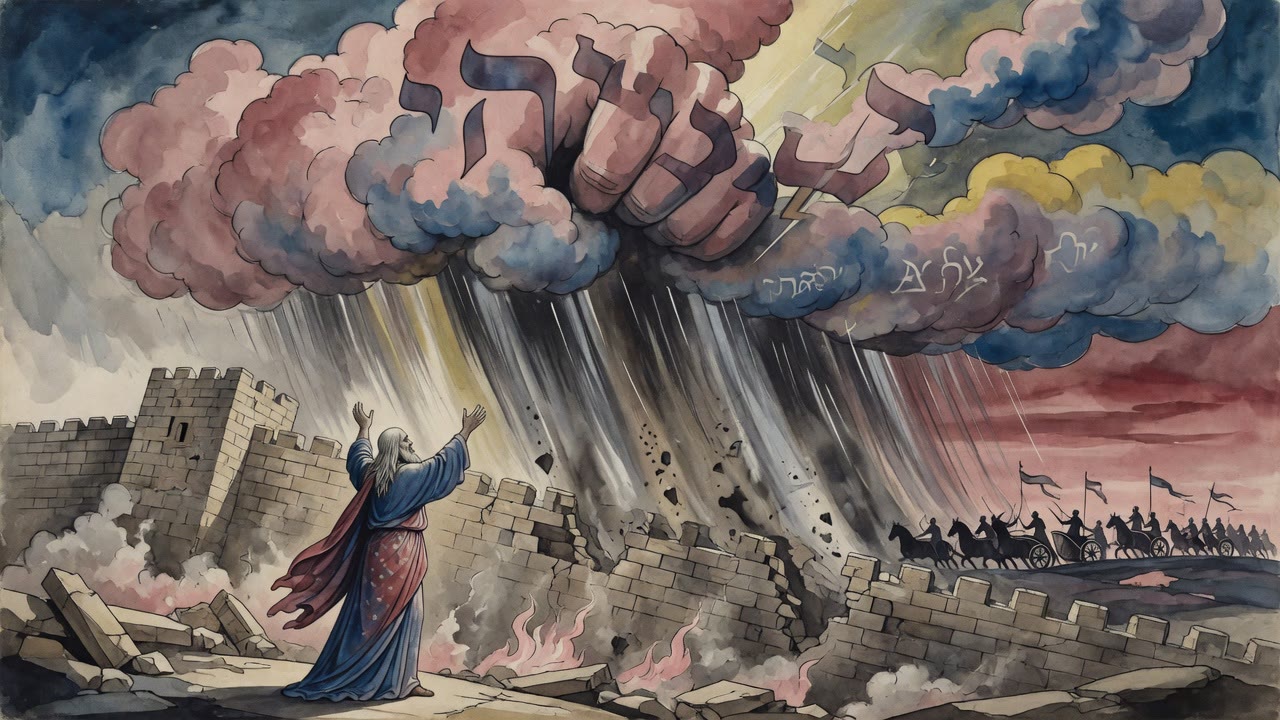
A thing with one eye in its chest walked the noon shade between Tamuz and Av. Schoolteachers were told to put down their straps for four hours.
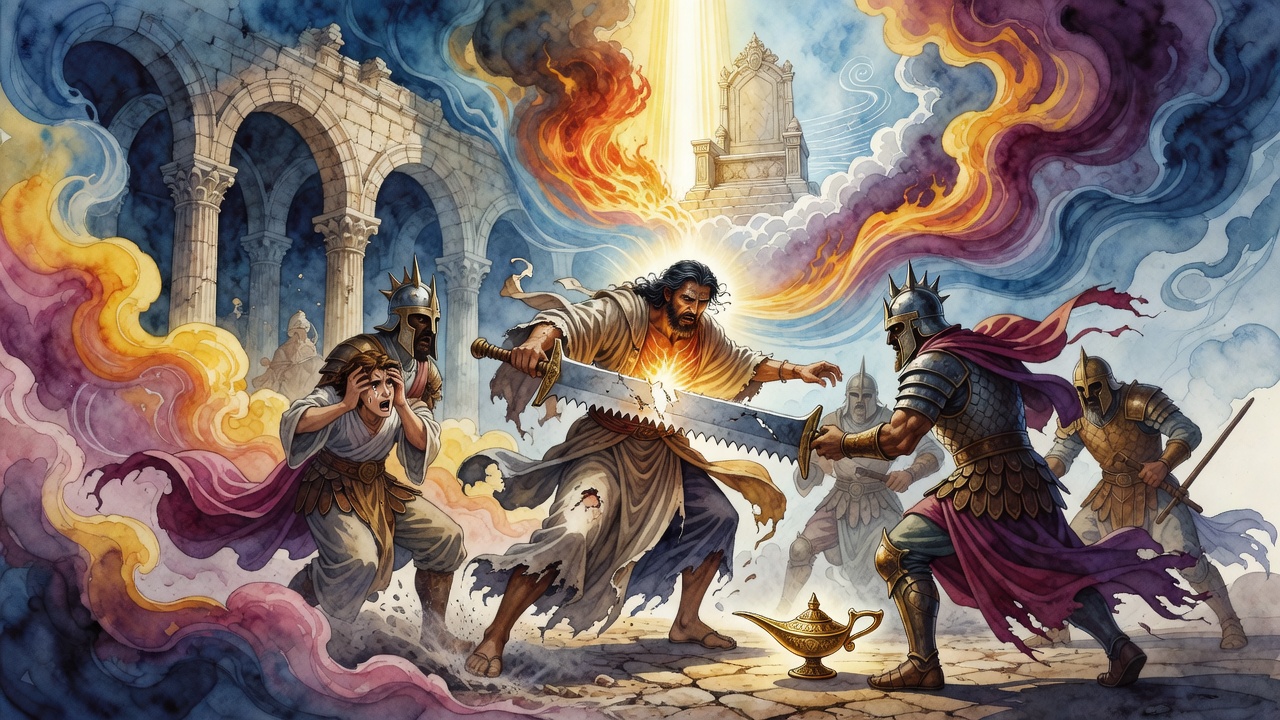
The candlestick was still warm in his hands when they snatched it. A private man, they said, has no right to such gold. The door stood open.
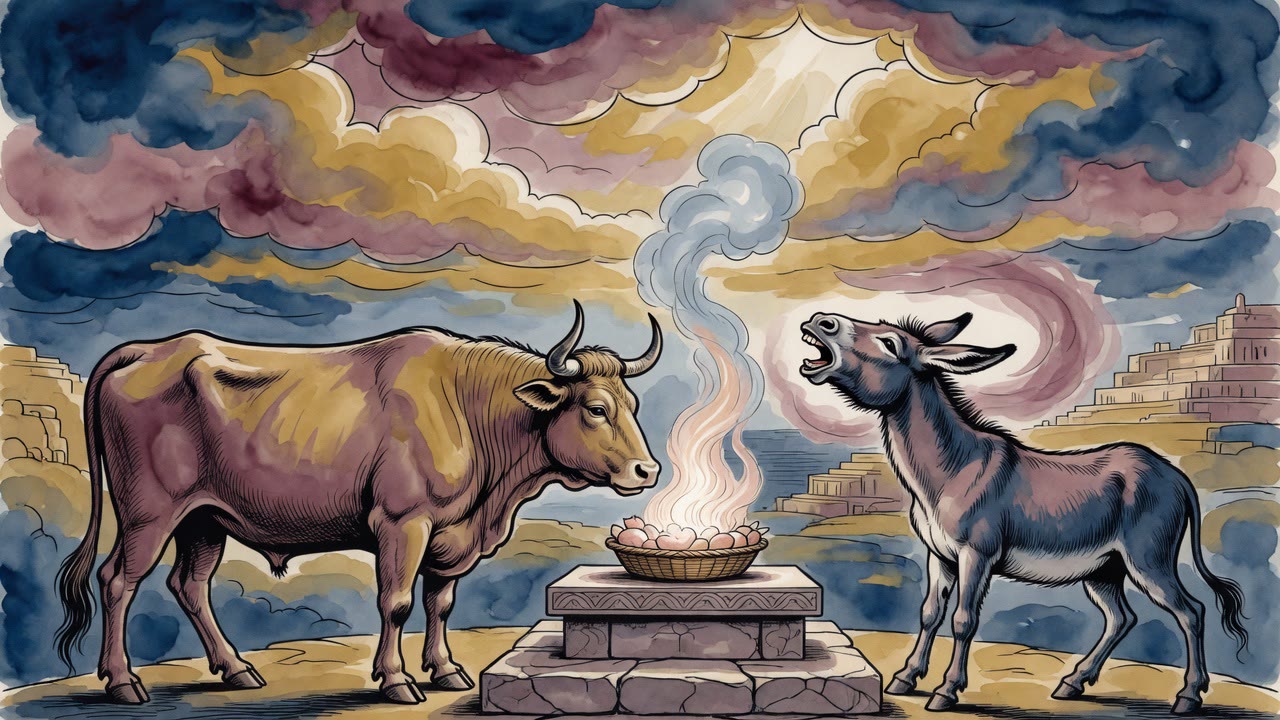
At the afternoon altar the ox waited for a pure gift, but the braying donkey stood ready. Worthiness decided which beast ate the offering.
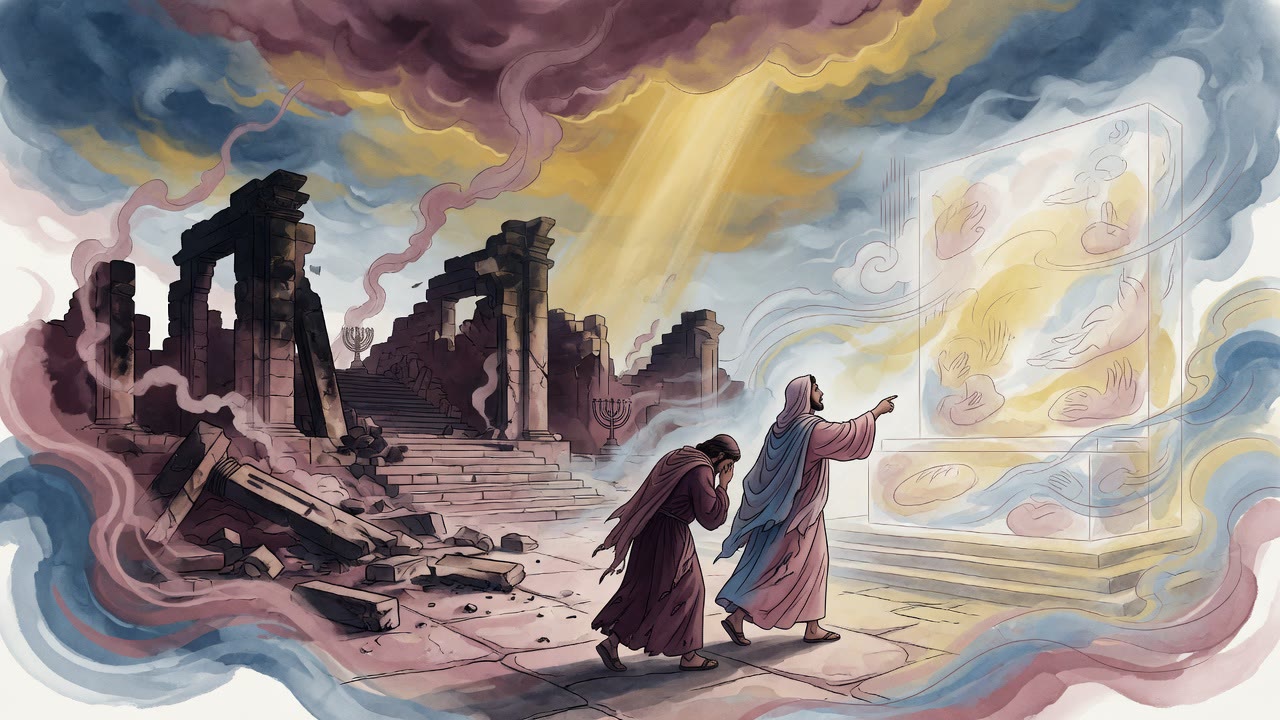
After the Temple burned, Yehoshua mourned the end of atonement. Yohanan led him past the ruins and named loving-kindness as the altar that still stands.
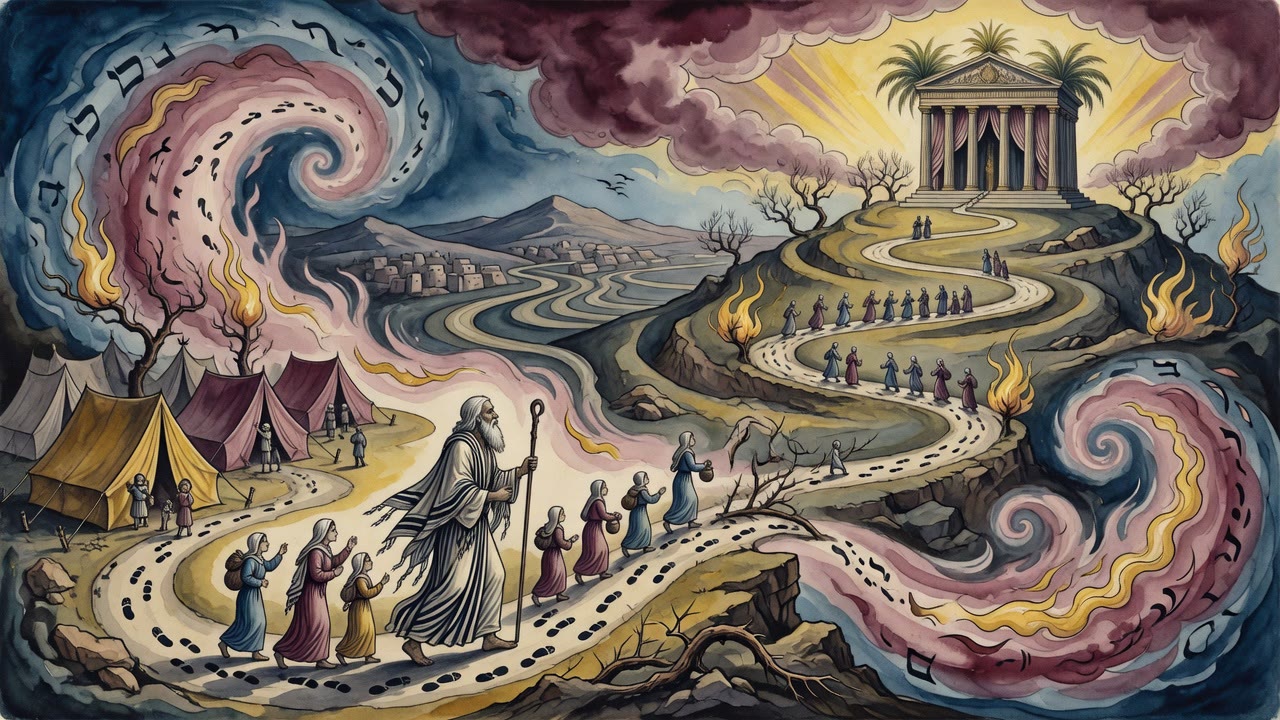
Three times a year the men left fields for the Temple road, and God removed even the desire to seize their land while a cloud pulled every tent to worship.
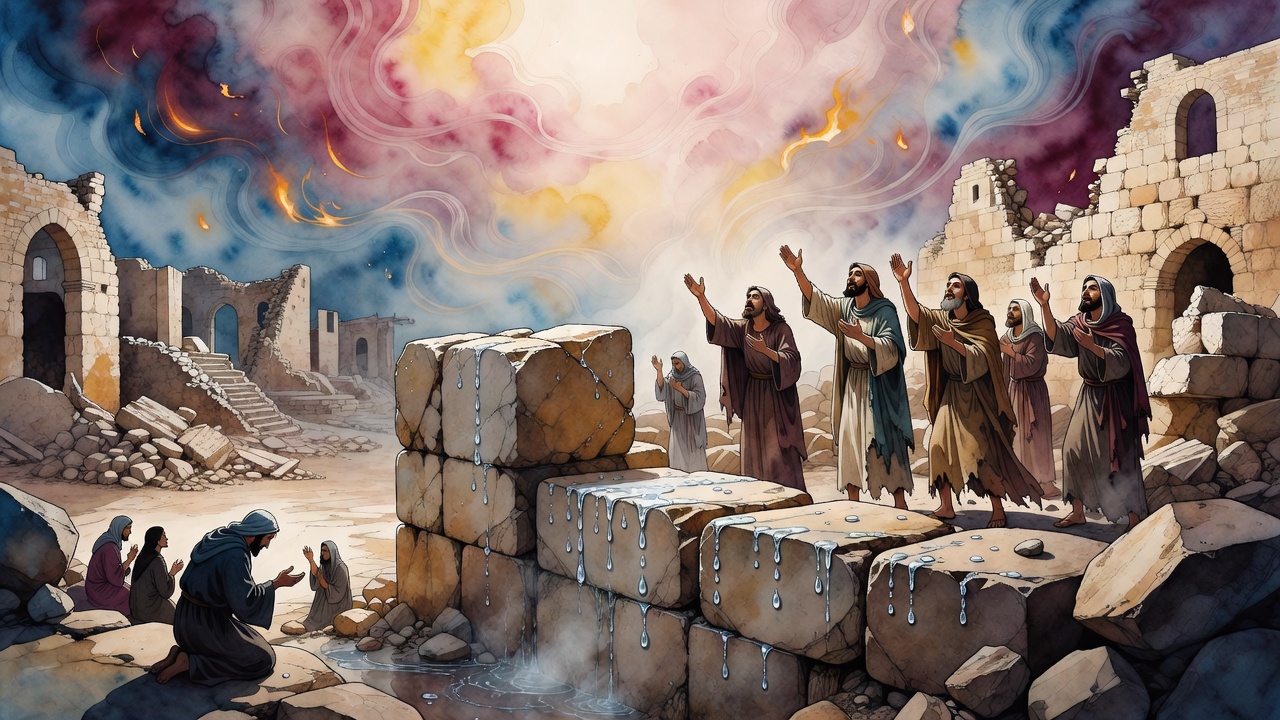
On the Ninth of Av, dew beads on the Kotel's stones like tears, wayfarers clap over ruined Jerusalem, and a mourner teaches that silence can be Torah.
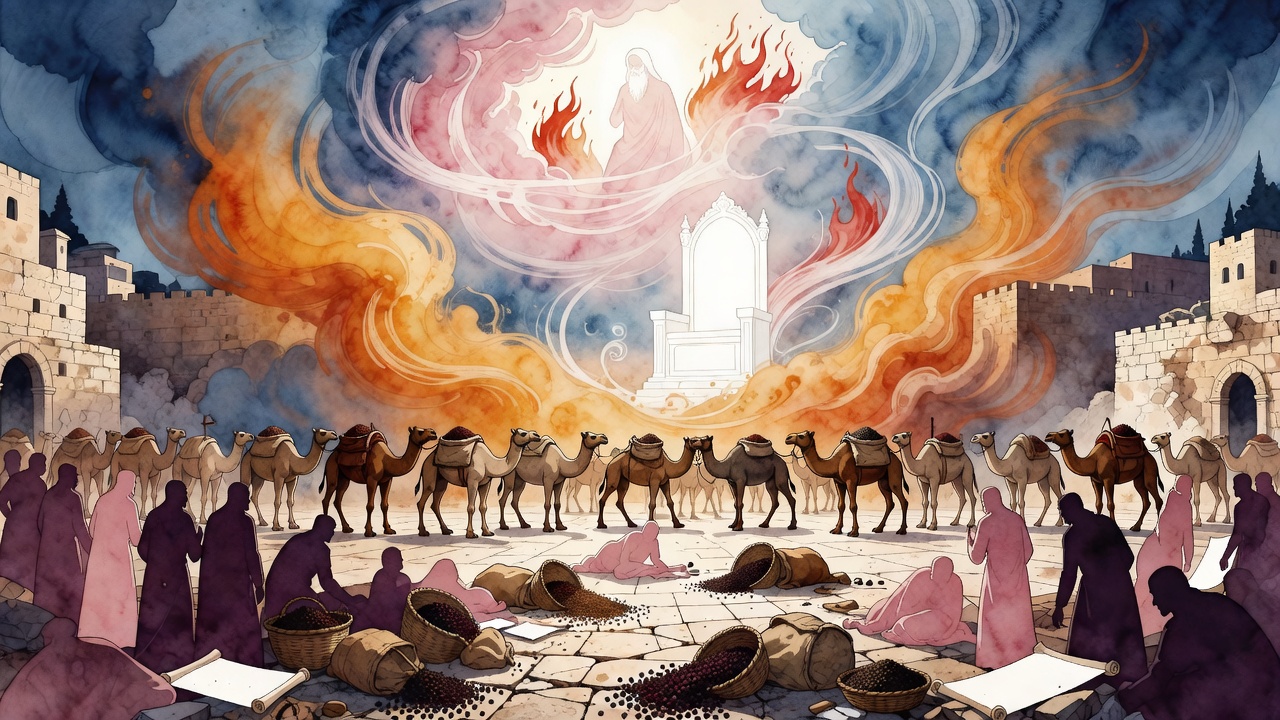
A tailor in Tyre asked the pepper merchant for a pinch and was refused. A tailor in Jerusalem walked him into a courtyard and bought all of it.
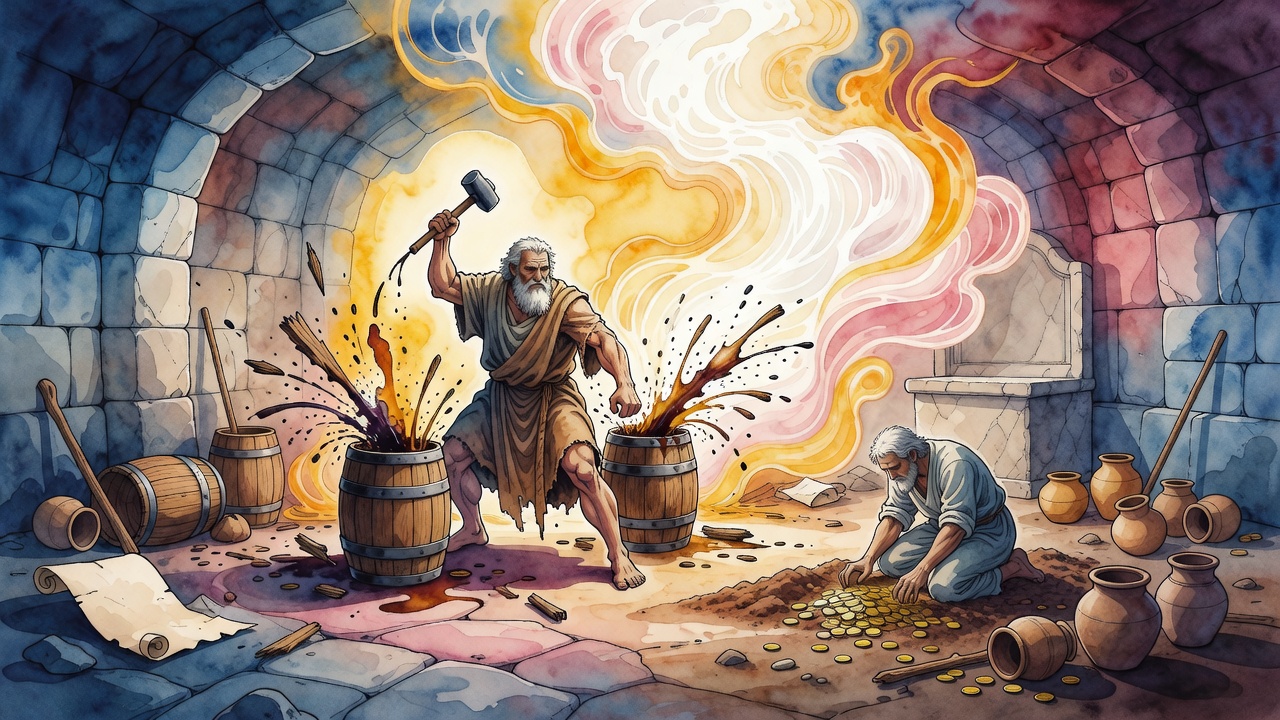
A harvest lord smashed his own casks rather than give the tithe, while another man buried gold in clay and returned to empty jars.
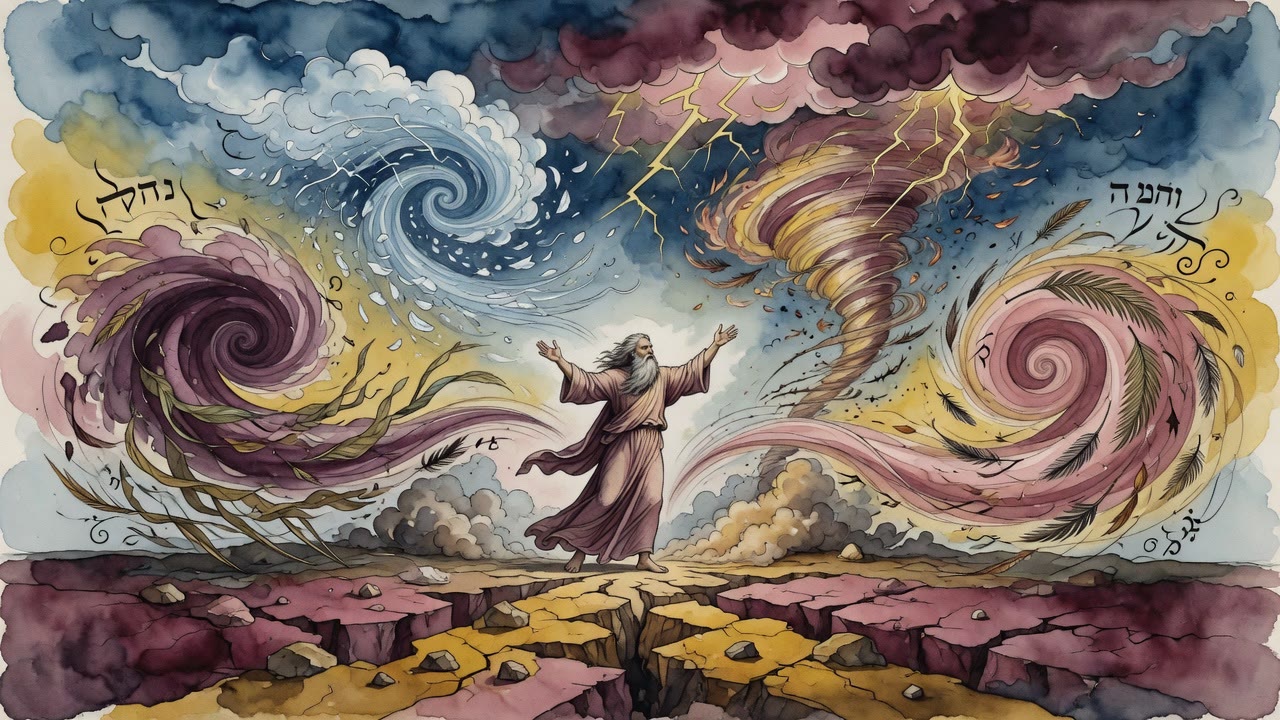
The priest asked for a son at the gate. The father named the small one still in school, the boy who sat over a verse.
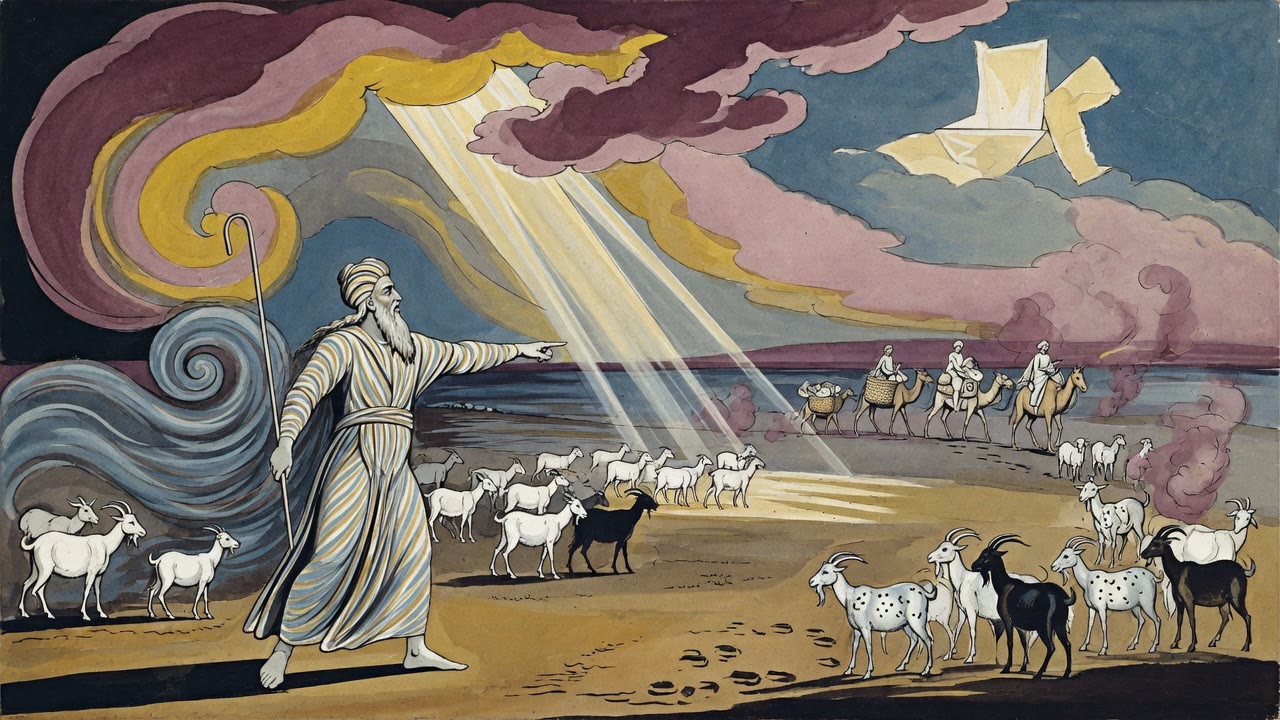
Seekers paid three hundred coins for a pure red cow, the seller yoked her by night, and her eyes betrayed him until he hanged himself.
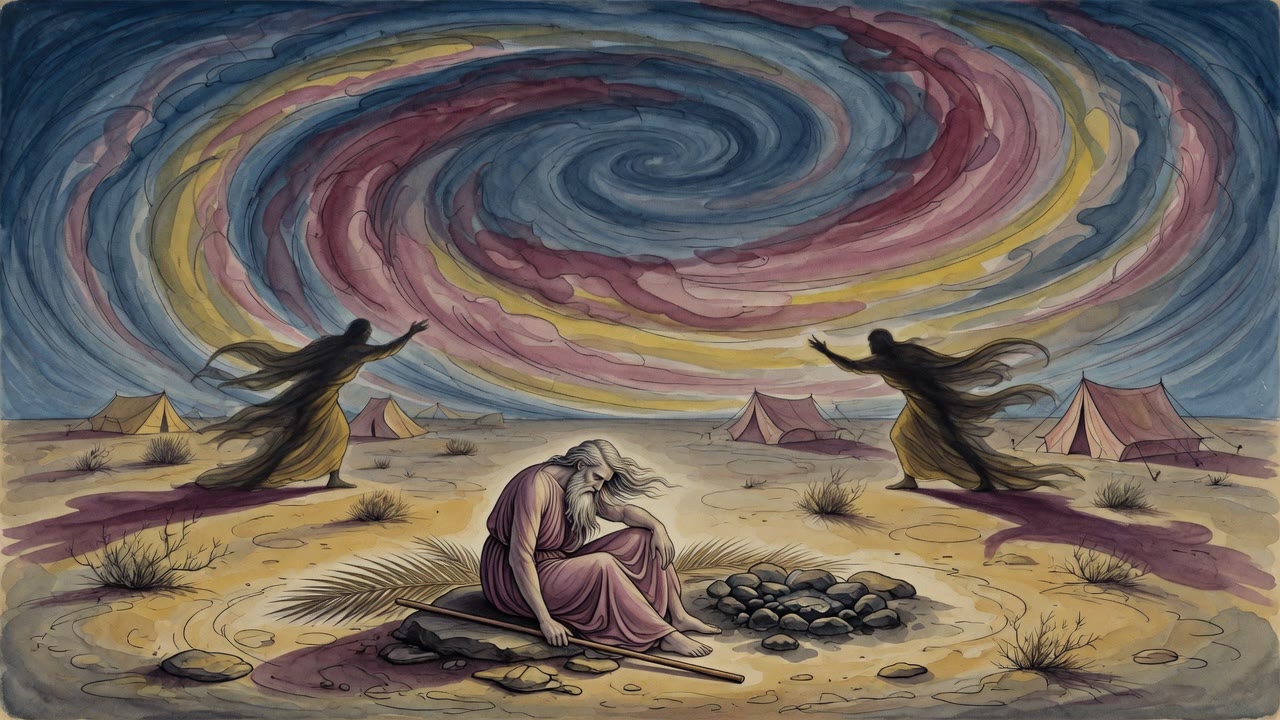
Ammon and Moab wanted one sentence gone: no Ammonite or Moabite shall enter the assembly. Cut that line out of the scroll and the ban dies with the ink.
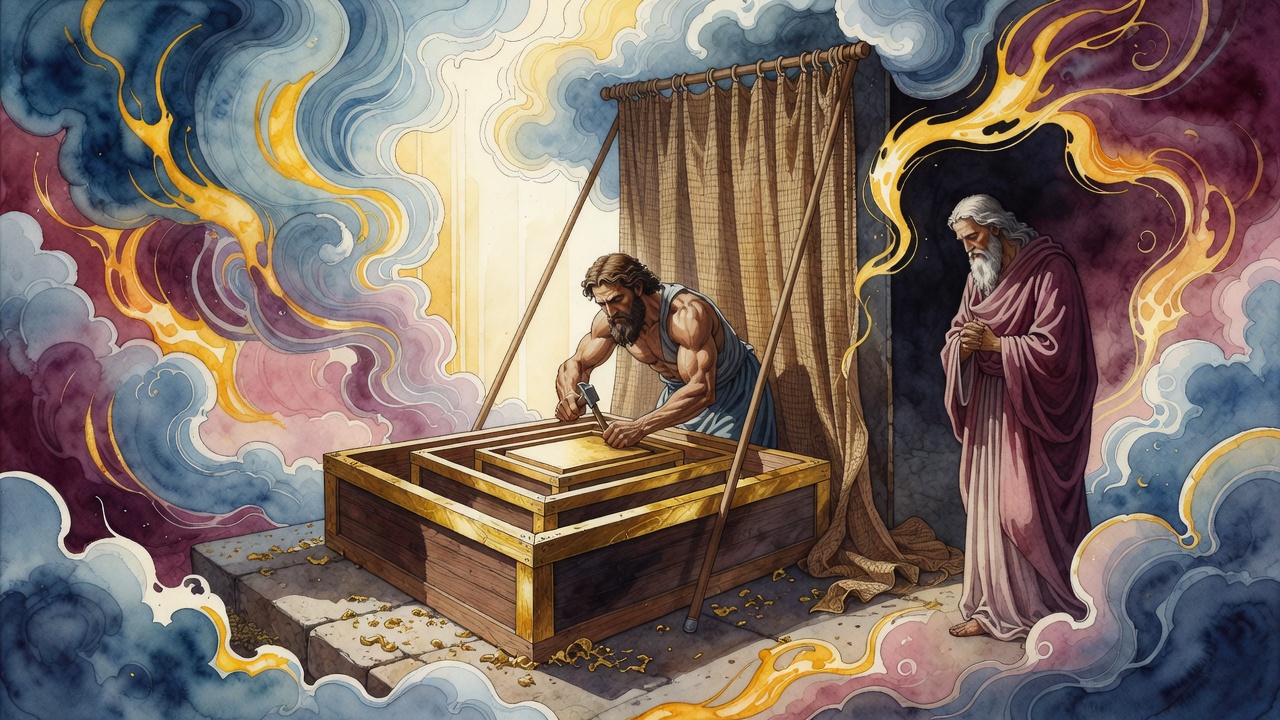
Bezalel builds three nested boxes for the Ark. Poles press the curtain, and Josiah hides what exile must never drag away.
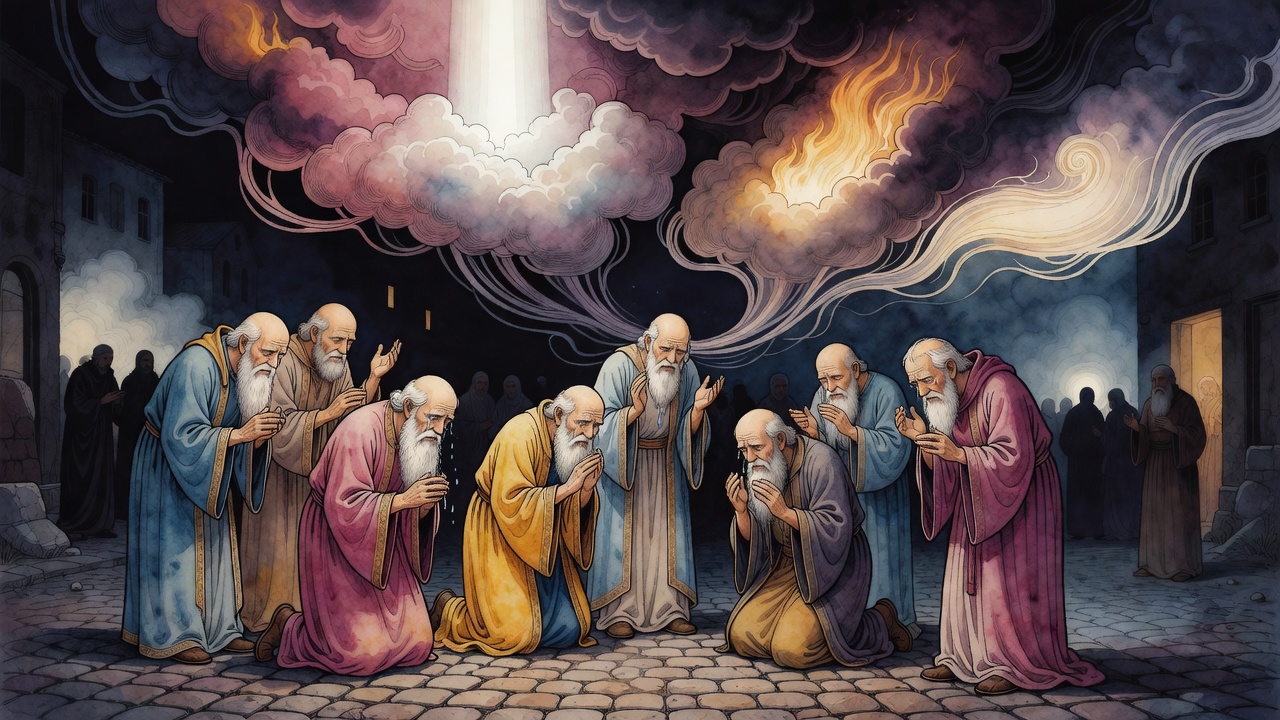
The king had banned Torah, circumcision, and Sabbath. Judah ben Shamua asked a matron who hosted the city's great men. Cry at night, she said.
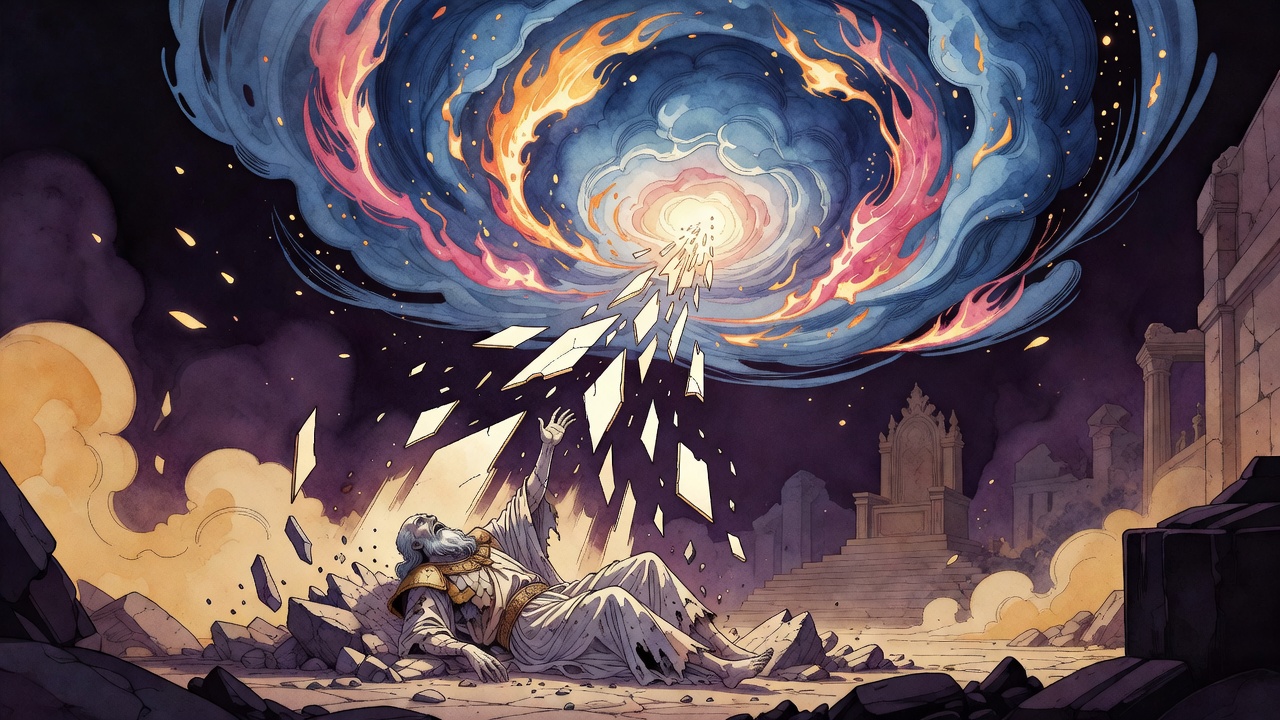
God spits the name of Babylon's king like a man cornering a friend in the street, then counts each broken Word that opened the Temple to fire.
