The Ox Took the Offering or the Donkey Did
At the afternoon altar the ox waited for a pure gift, but the braying donkey stood ready. Worthiness decided which beast ate the offering.
Table of Contents
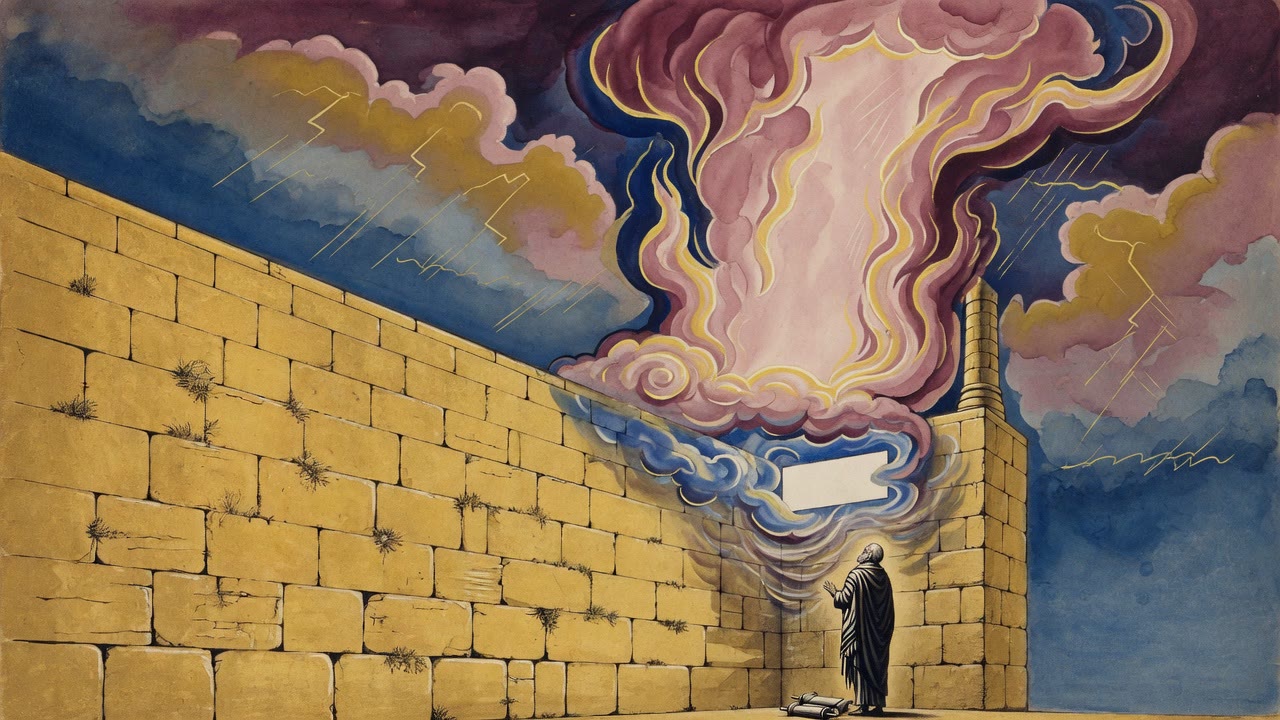
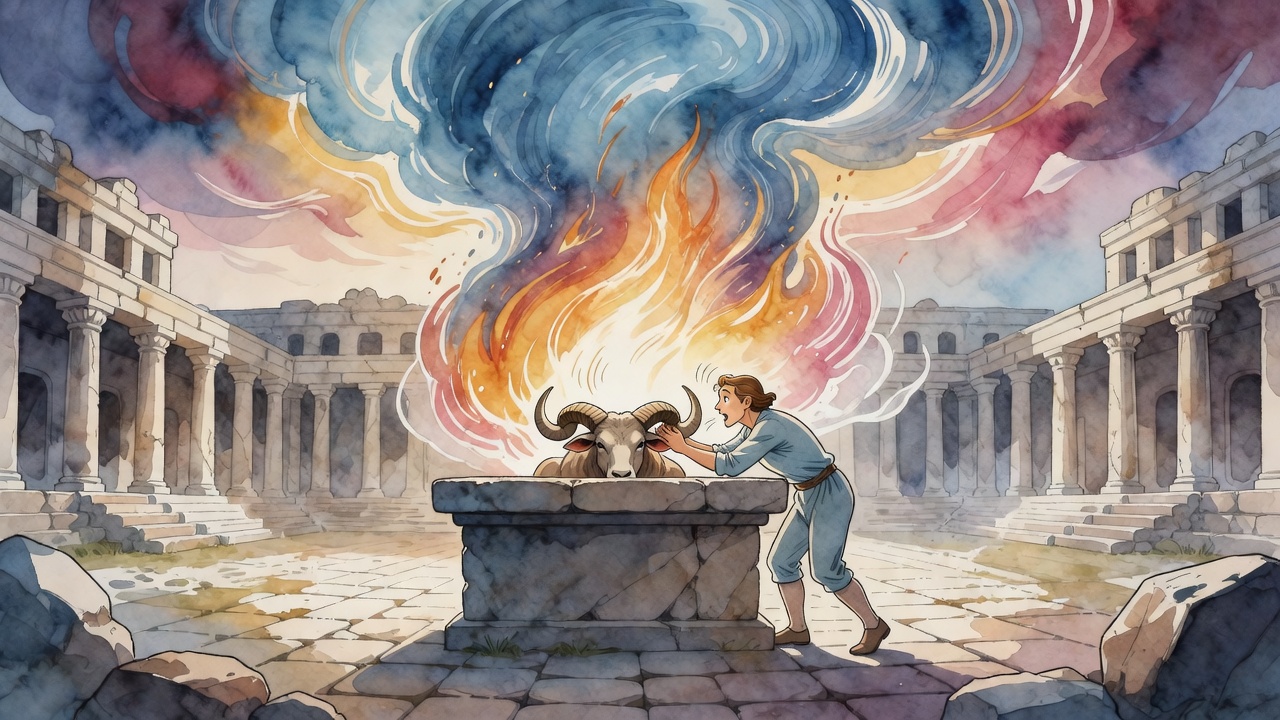
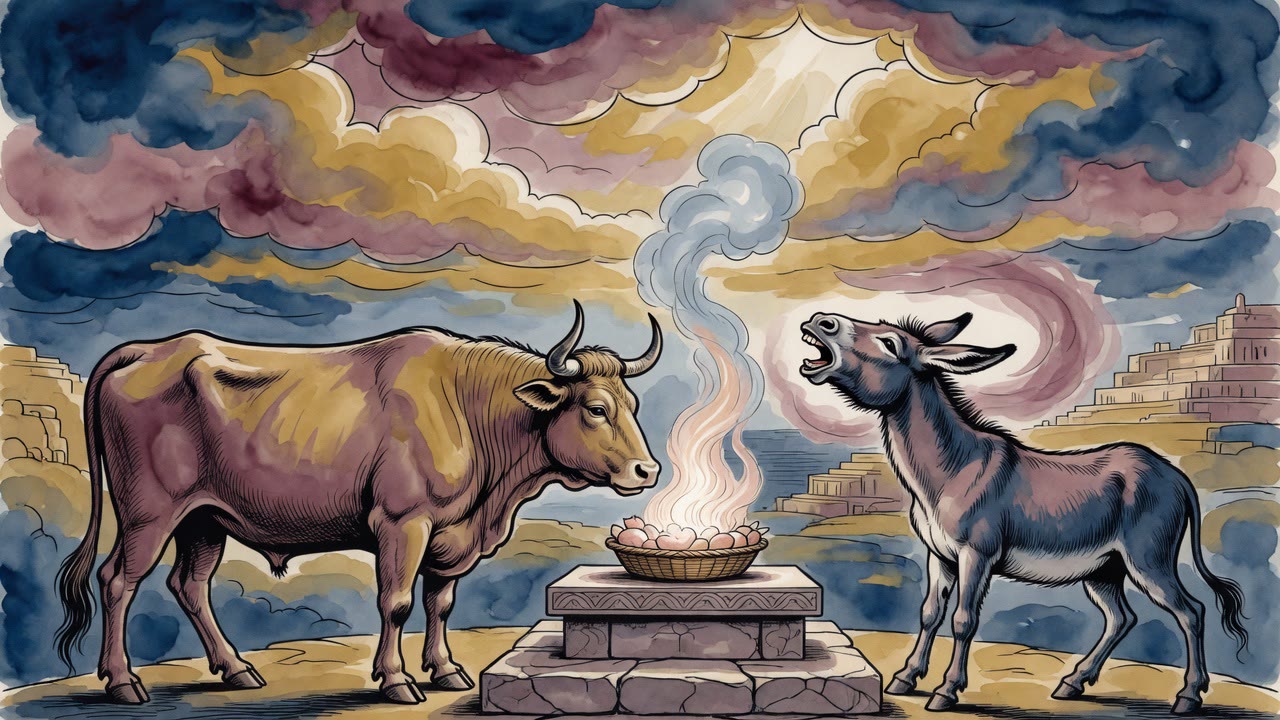
Smoke rose from the afternoon altar in a thin column that looked honest from the courtyard. The priest wiped his hands and watched the animal's breath. An ox stood ready, heavy and calm. Somewhere under the same hour a braying began that no one in the queue wanted to own.
 Click for full size
If they were worthy, the ox would receive the offering. If not, the braying donkey would.
That is the secret the courtyard did not print on its stones. The second offering of the day corresponds to the ox. Minchah, the afternoon service, rides that beast's back. Worthiness is not a stamp on a ticket. It is the whole people leaning one way or the other while the smoke still climbs and the knife still waits for a clean second.
Two Animals Under One Hour
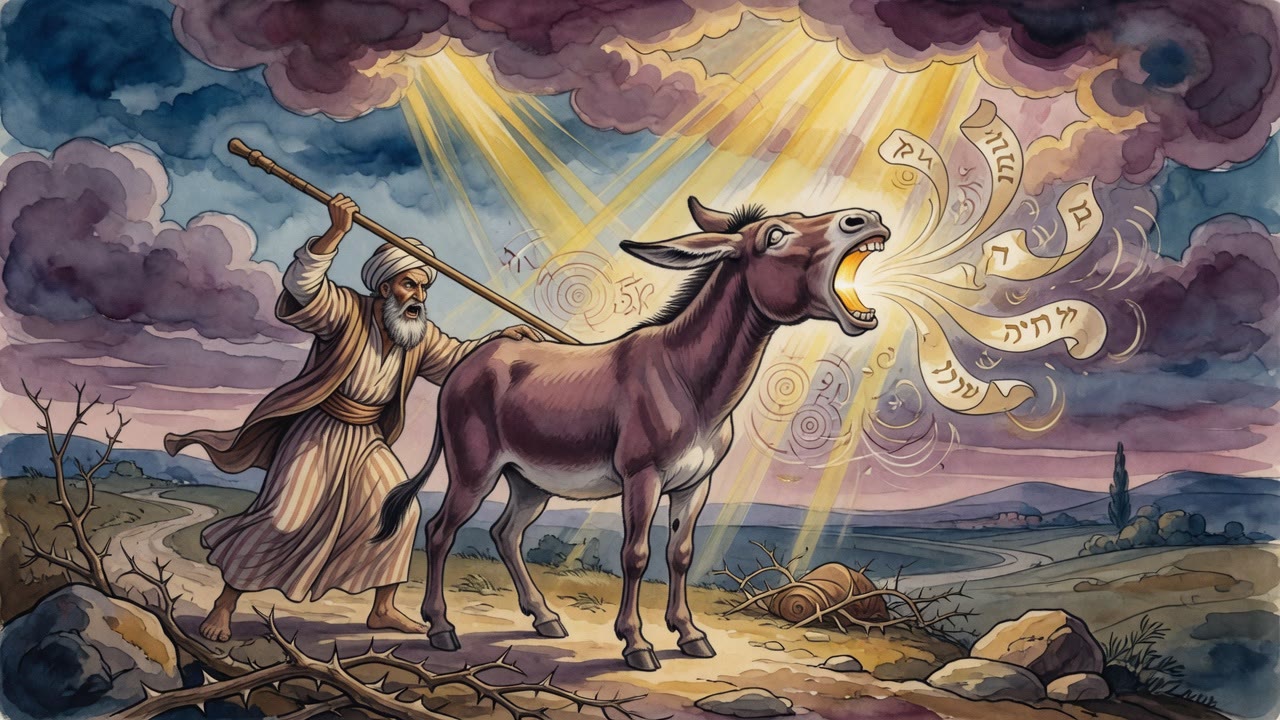
The ox stands for a force that can carry holiness: pure strength yoked to service. The braying donkey stands for the other side, the sitra achra that wants the same gift diverted, corrupted, noisily claimed. An offering is never only meat and fire. It is a package addressed upward. Address errors still deliver. They deliver to the wrong house, and the wrong house always brays louder after it eats.
That is why the Torah forbids plowing with ox and donkey together (Deuteronomy 22:10). Not only animal welfare. The verse becomes a warning against yoking holiness to impurity in one furrow, one intention, one afternoon. Mix the teams and the field itself starts to sound like mockery of the work.
A woman in the court whispered a psalm without drama. A merchant calculated the cost of the animal he had paid for and tasted pride like spice. Both breaths rose with the smoke. The ox and the donkey listened with different ears and different hungers that the stones of the courtyard could not arbitrate out loud.
The priest felt the lean of the hour in his wrists. Knives know when the room is split. He kept the blade true and refused to rush for the gallery.
Herb, Seventy-Two Names, Afternoon Light
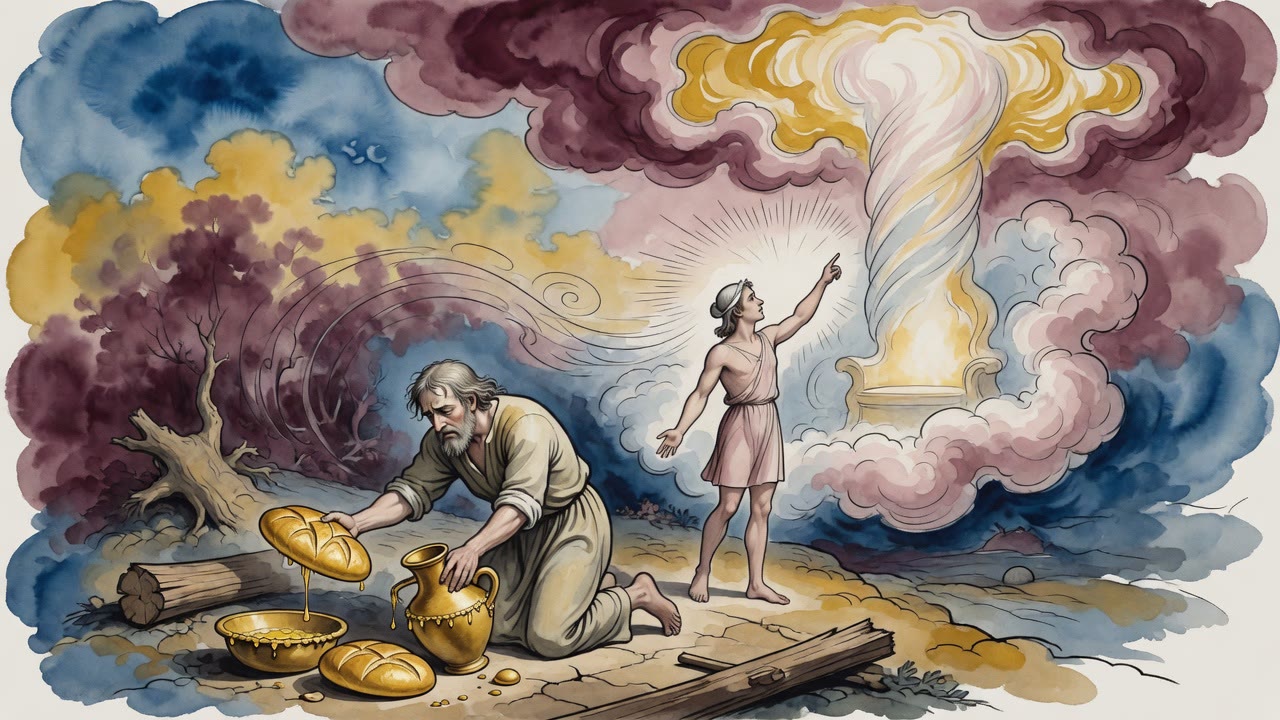
David sang that God grows grass for cattle and herb for the service of man (Psalms 104:14). The teaching cracks esev, herb, into letters that total seventy-two, garments for the seventy-two higher Names drawn from the three verses of the splitting sea (Exodus 14:19-21). Afternoon light is not leftover morning. It is a second garment for the Names, a second chance for the ox to eat what was meant for it before the donkey learns the schedule.
Minchah arrives when the day has already shown its faces: greed, kindness, delay, courage. The second offering tests the sum. The priest's knife is precise. The people's interior is the real scale, and scales tip without announcing the math to the gallery of watchers who came for spectacle.
He lifted the portions. The ox of holiness leaned in. For a breath the donkey's bray thinned, as if noise itself had lost standing. Then a quarrel broke at the gate over place and honor, and the sound returned under the stones like a second pulse no one wanted to claim as their own heartbeat.
Daughter and Mother at the Altar
Higher still, the configuration of the Name places a higher mother above and a daughter below, flow seeking a vessel. Temple service is one of the places the daughter receives without shame. When intention is clean, the scroll of will rests in its ark. When intention is mud, the other side steals the language of sacrifice and wears it like a stolen coat that still smells of incense.
The priest could not audit every heart. He could keep his own hands from becoming a second donkey. That is not small. One clean link in a chain still conducts, and one dirty link can teach the whole chain to bray in holy vocabulary until the words mean nothing but noise with a sacred accent.
He breathed once the way he had been taught before blood work. The daughter above needed a vessel that would not crack into show for the crowd's eyes and the merchant's ledger.
Who Ate When the Fire Died
Evening came. Ashes settled. Some left lighter. Some left still braying inside, though their mouths praised the beauty of the service. The unseen war does not post winners at the gate. It posts consequences later: a home that can pray, a home that can only perform, a night that sleeps, a night that chews its own noise until dawn.
Do not plow them together. Do not send one gift to two addresses. The ox will take what is given in truth. The donkey will take what is given in show. The altar looks the same either way. Only the upper barn knows which animal slept fed and which went hungry enough to plot tomorrow's theft of holiness under a clean name.
The priest washed again and went home under a sky that smelled of smoke and dust. Behind him the courtyard emptied. Above him the second offering's true recipient finished chewing, and the other animal stamped in the dark, waiting for the next unworthy hour to open its mouth and call the sound worship.
← All myths