The Idolater Who Yoked the Red Cow and Then Hanged Himself
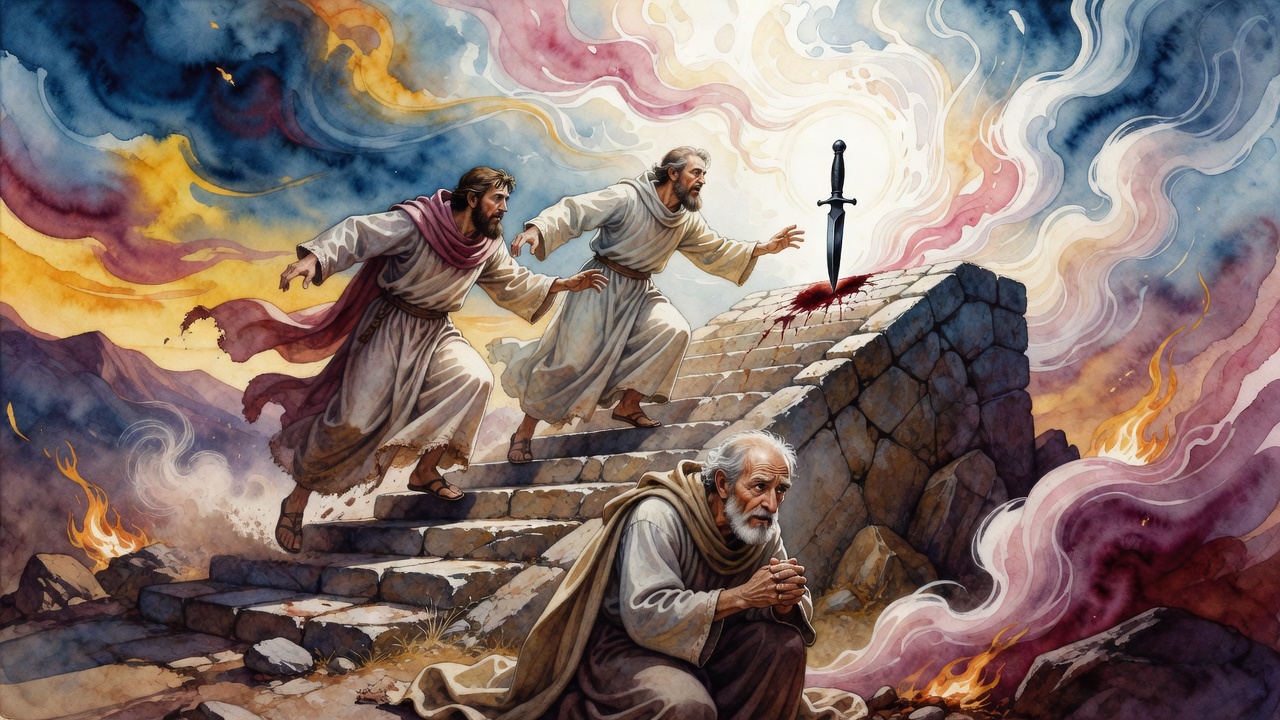
Seekers paid three hundred coins for a pure red cow, the seller yoked her by night, and her eyes betrayed him until he hanged himself.
Table of Contents
 Click for full size
Three Hundred Coins and a Grin
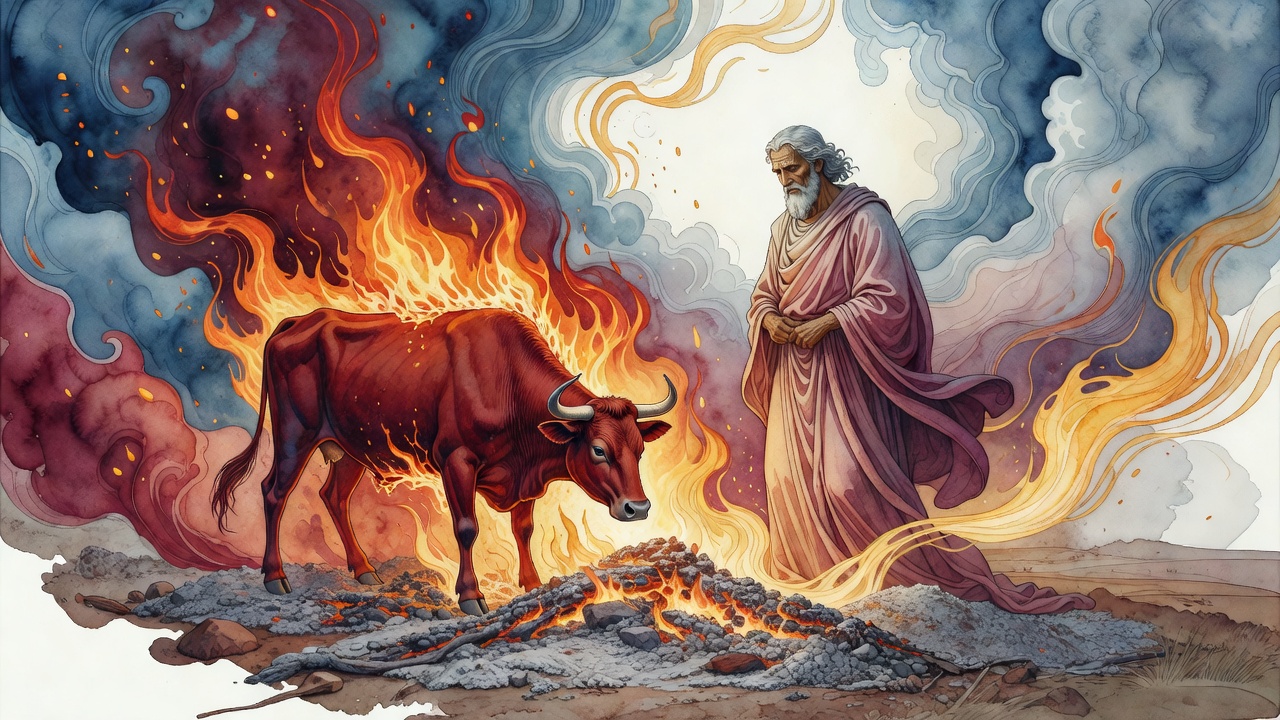
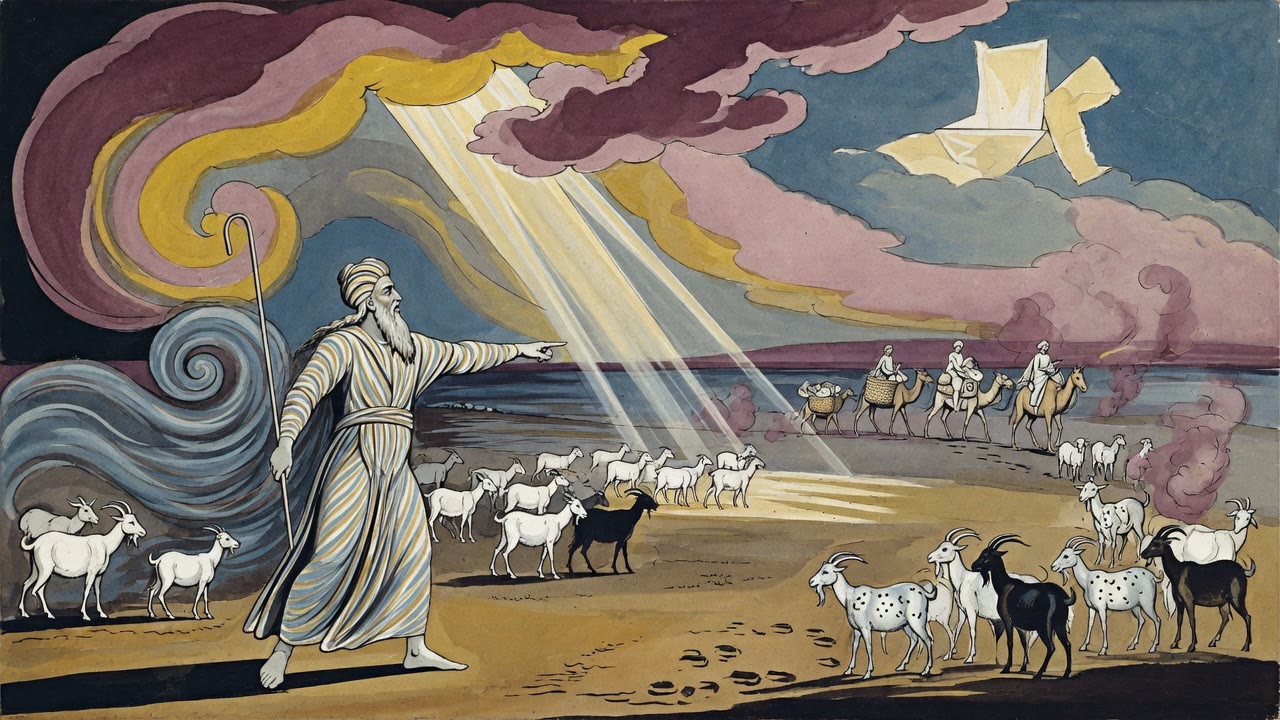
The seekers of the red cow roamed the land one year because the statute is merciless in its details. The cow must be wholly red, without blemish, and never bowed beneath a yoke. They found one at last in the hand of an idolater. He saw their hunger and began to climb his price the way a man climbs a ladder he knows only he can pull up after him.
A hundred gold coins. They counted them out. He stepped into his house and came back grinning. Not unless they added more. Fifty more they piled on. In he went, out he came, until three hundred gold coins lay heaped before him. Then he laughed in his heart. "I will make fools of these Jews," he said, already tasting the double victory of profit and mockery.
By night he laid a yoke upon the cow's neck and let it rest there until dawn. In the morning he led her out, certain his trick was hidden under ordinary light and ordinary bargaining.
The Eyes That Remembered
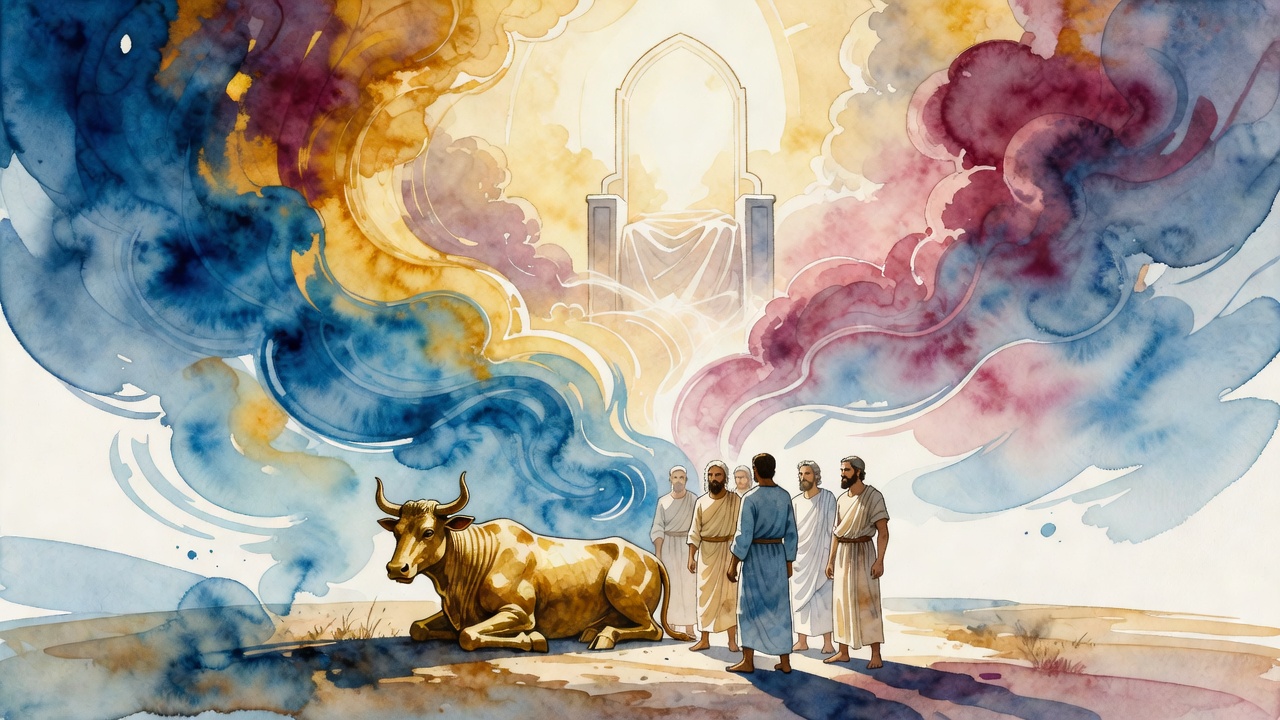
The buyers watched her eyes. They rolled and turned. When a yoke was brought near, she stared at it and shuddered, for her neck remembered what the night had done. No paint on the hide could hide that flinch. "Take back your gold," they told him. "Even as a gift we will not take her. We have no need of her."
The idolater stood astonished. He returned every coin, and out of his own mouth came praise: "Blessed is your God, who has set wisdom and knowledge within you." Then, undone by what he had seen, he strangled himself. The decree of Scripture stood: only a red cow in which there is no defect, upon which no yoke has gone. The seekers walked away poorer by hours and richer by a proof that heaven still guards its own details.
The Challenge in the Study Hall
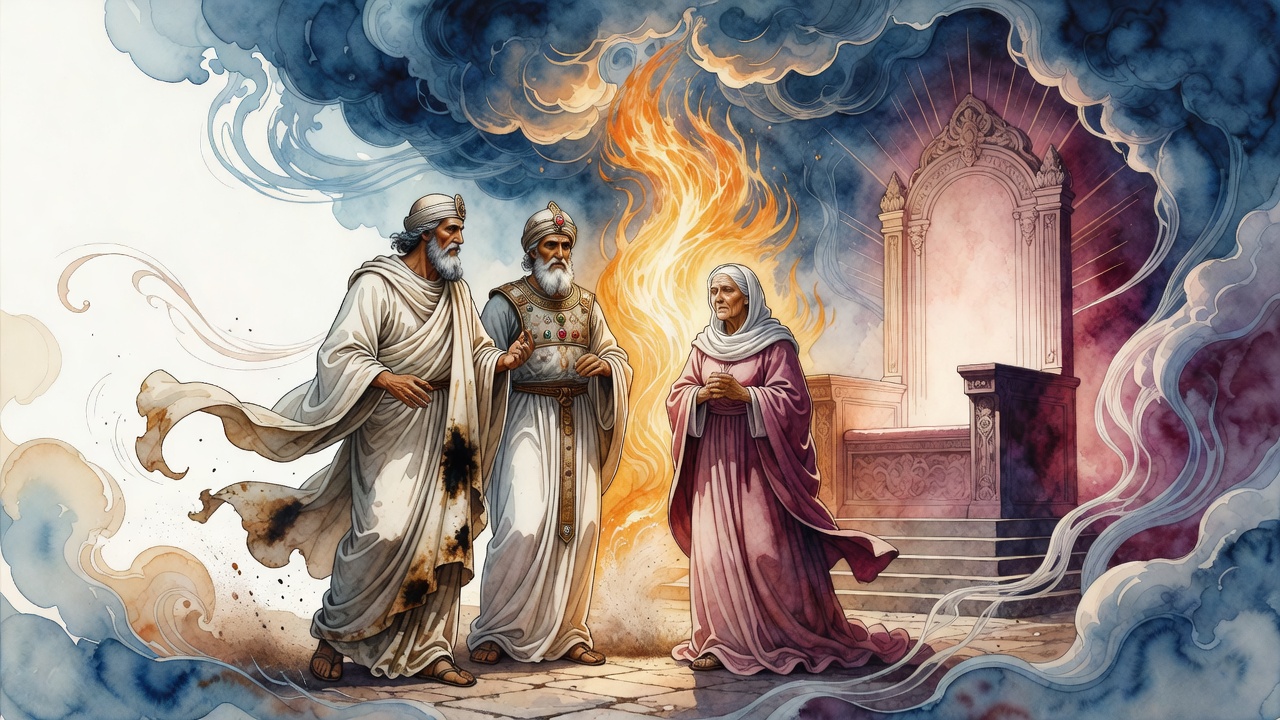
A gentile once brought a sharper mockery to Rabbi Yochanan ben Zakkai. The red heifer looked to him like sorcery, an empty magical rite of the kind practiced among the nations. Ashes mixed with water to purify one who had touched a corpse. He wanted the sage to admit the absurdity in front of students who might be embarrassed into silence.
Yochanan answered him on his own terms. What is done, he asked, against a person seized by an evil spirit? The man replied that one drives the spirit out with herbs and with the smoke of fumigation, and the person is then declared cured. Yochanan pressed the logic. If smoke and herbs are accepted for expelling an evil spirit, then the divinely commanded rite of the heifer is all the more effective for driving away the impurity that clings to one who has touched the dead. The gentile's own assumptions undercut his mockery. He left with his medicine turned into a witness for the statute he came to laugh at.
What He Told His Students After
To his own students Yochanan spoke differently and more honestly. The red heifer is a divine statute, a decree whose reason is not given for human reckoning. One performs it because God has commanded it, not because its mechanism can be explained like a market trick or a smoke recipe. He added a teaching of his own: the ashes of the heifer atone for the sin of the golden calf, for it is fitting that the mother should come and clean up the mess made by her offspring, the cow answering for the calf.
The idolater tried to sell a yoked cow as pure and died of the exposure. The gentile tried to sell the whole rite as magic and left corrected by his own world. Between them the statute does not soften. A neck that has known a yoke cannot pretend. A command that has no market explanation still binds. The seekers who watched a cow's eyes teach Torah learned what the study hall also teaches: purity here is not a feeling. It is a history of pressure on a neck, and a people trained to notice when the history has been faked.
What the Seekers Learned From a Flinch
They had come ready to pay. Gold was not the hard part. The hard part was finding a red cow that had never known a yoke, never bent her neck for a farmer's convenience. When her eyes rolled at the wood, the whole market of deception collapsed. Three hundred coins became worthless paper in a heartbeat. The seller's grin died before his body did.
In the study hall later, students would still ask why the ashes work. Yochanan would still refuse them a mechanism that turns a statute into a recipe. Between the market and the hall the same skill is required: notice the flinch, keep the command, and do not let a salesman or a mocker redefine purity as whatever can be sold or smoked into looking clean.
← All myths