Leprosy Struck the Children of a Man Who Lied to the High Priest
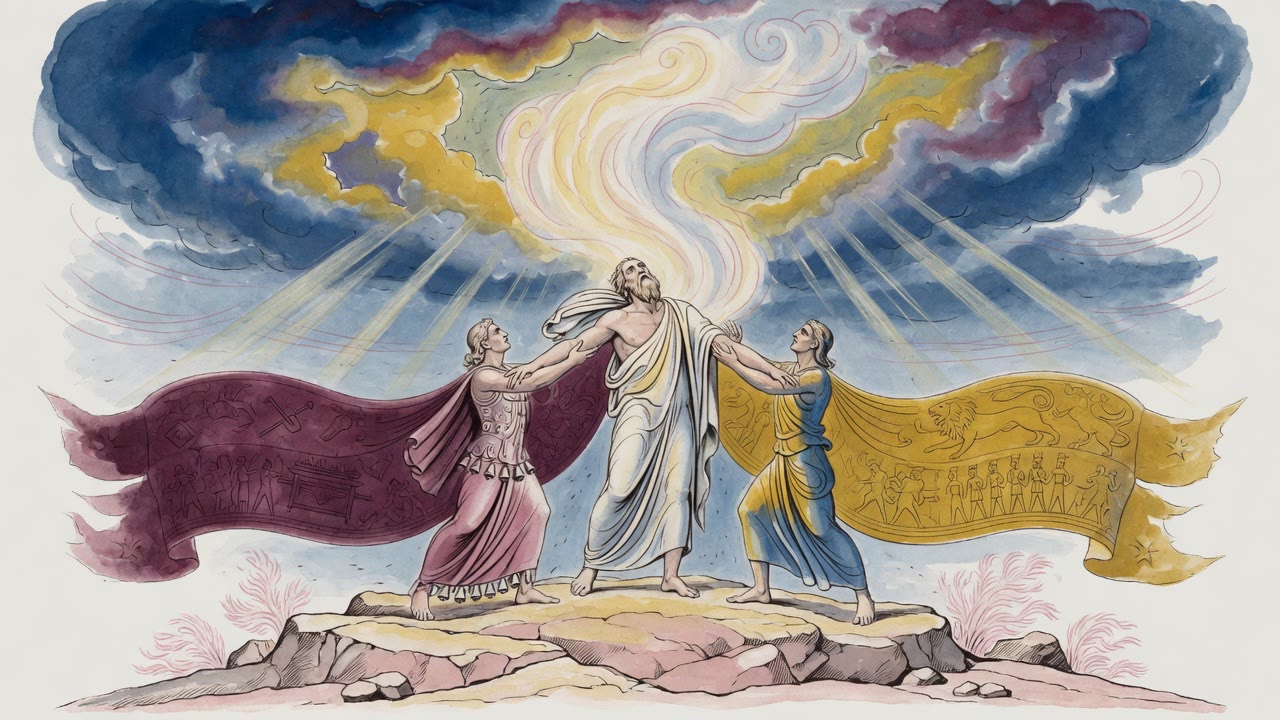
A man lied to the High Priest to hide a deliberate sin, and the false word turned back to strike his own children with leprosy.
Table of Contents
He had sinned on purpose. That much was finished. The cover still needed building.
 Click for full size
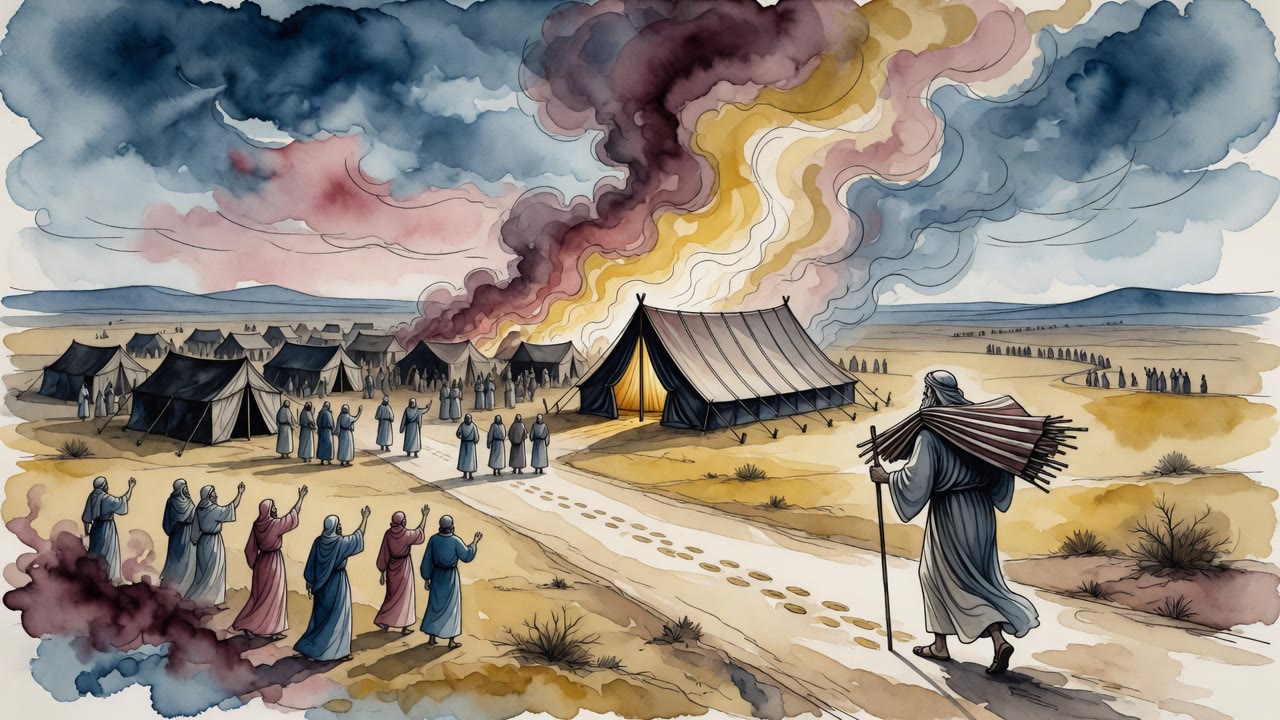
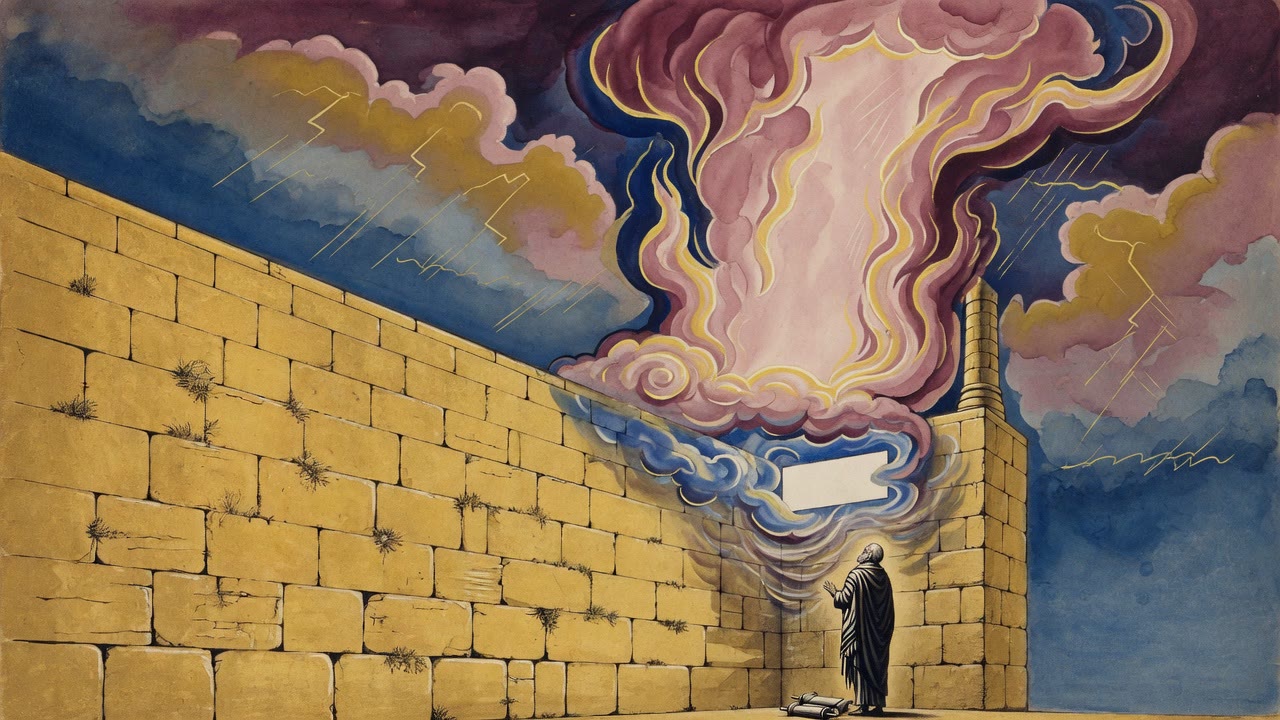
So he walked toward the High Priest with a soft face and a hard plan. "It was a mistake," he would say. "An oversight. I never meant it." The priest's ears were trained for Torah. The man counted on those ears to accept a smaller crime than the one he had chosen in full light.
Ecclesiastes had already posted the warning over such mouths: "Do not let your mouth cause your flesh to sin" (Ecclesiastes 5:5). He walked under that line as if it were decoration.
The Priest Who Is Called Angel
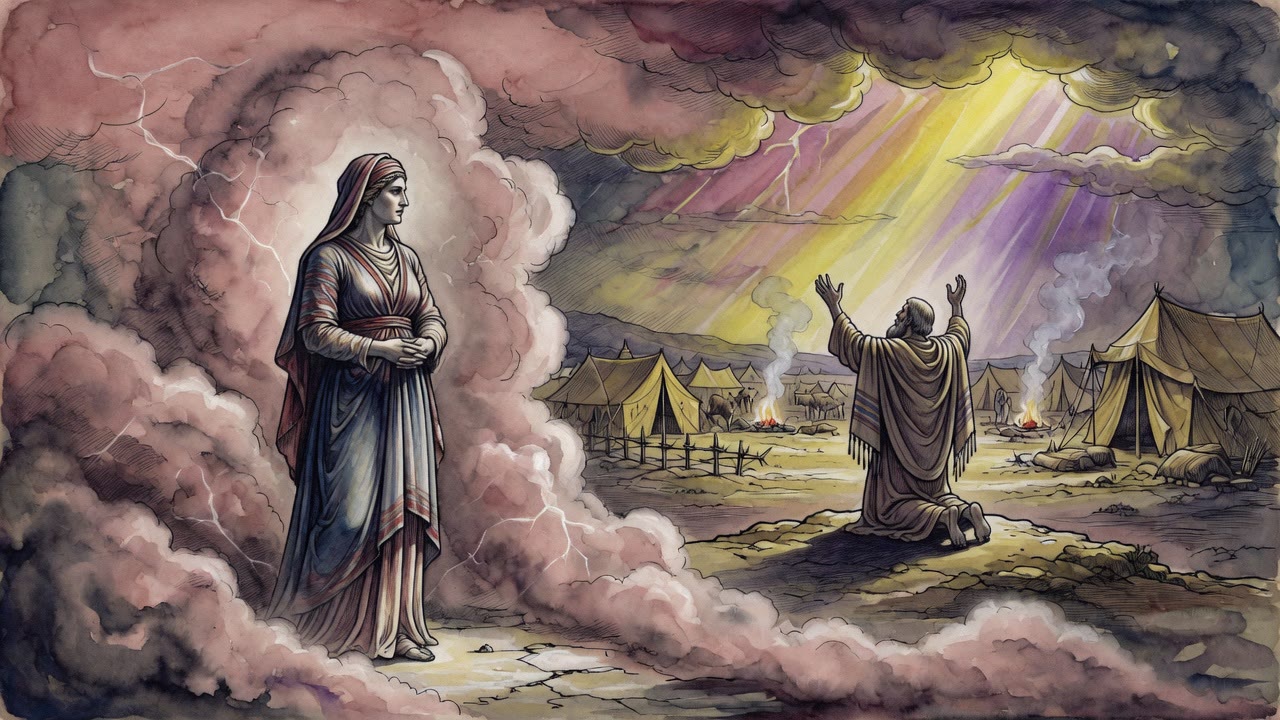
Scripture does not treat the High Priest as a clerk with better clothes. "The lips of a priest preserve knowledge, and they should seek Torah from his mouth," and he is named a messenger of the Lord of Hosts (Malachi 2:7). An angel in linen. A mouth that holds law the way a vessel holds oil.
To lead such a mouth astray is not a small social trick. It is an attempt to bend the altar's speech. The man who comes saying "I sinned only by mistake" when he sinned with intent is not negotiating a fine. He is striking at the priest's office and, through it, at Heaven.
The false word left his tongue cleanly. It sounded humble. It was not.
The Voice That Turns Back
"Do not say before the angel that it was an oversight." The cut is sharp. Whom does such a man imagine he is deceiving? Not the priest alone. Not the court of heaven, which already saw the deed in the hour it was done. The eyes of God run through locked rooms and open courts alike (Proverbs 15:3). The lie was theater for a human audience.
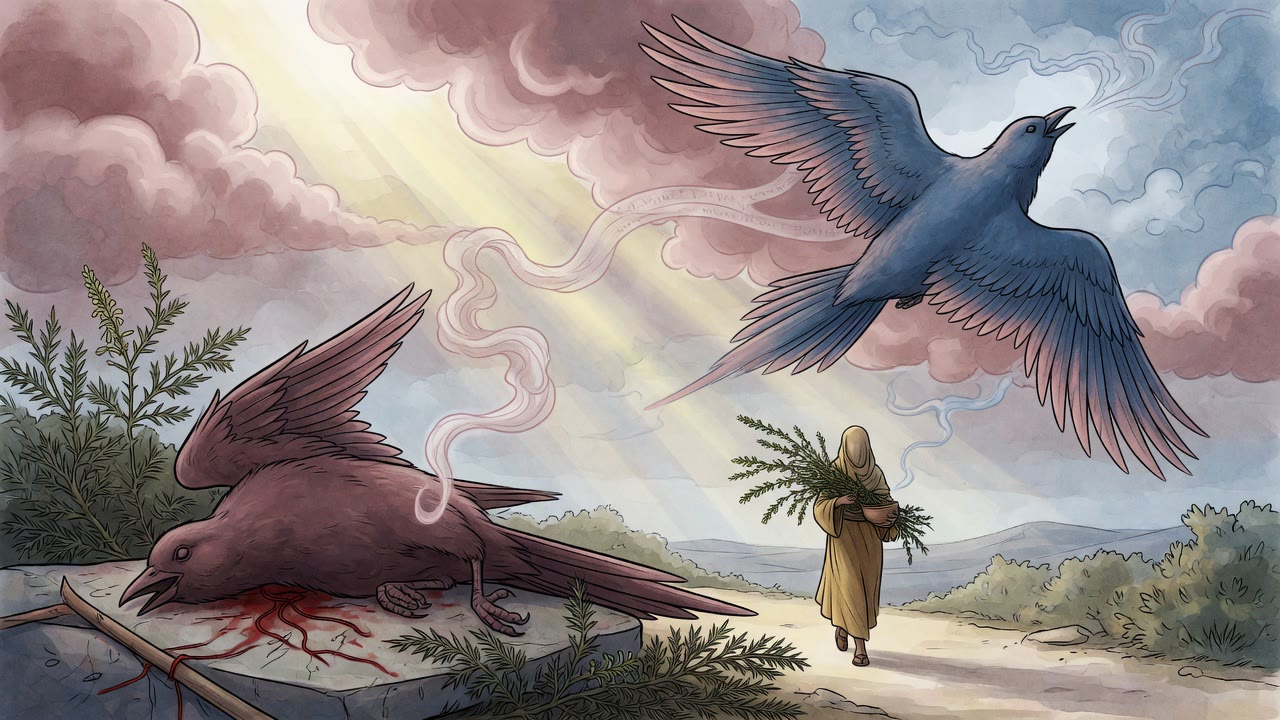
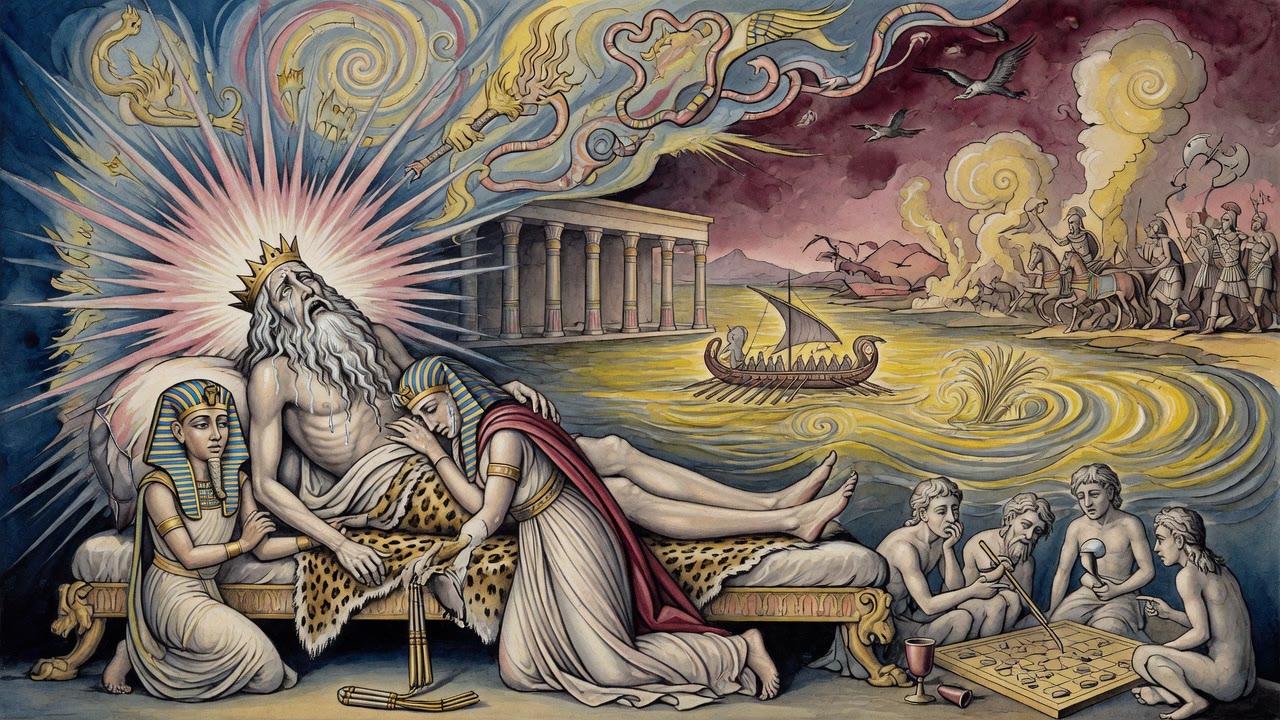
The voice went out and came home. It wounded the work of the speaker's own hands. Children, the midrash says, can carry the blow as leprosy, the skin answering a father's false speech. "Why should God be angry at your voice and destroy the work of your hands?" The work of the hands includes the house that grows from a man's body. Guard the mouth, and the house stays guarded. Loose the mouth, and the house learns the cost in its own flesh (Leviticus 14:2).
He left the priest with a lighter story than the truth. He returned to a doorway that would not stay clean.
A Face That Lights or Falls
Elsewhere the sages watch a disciple's face when a question lands. "A person's wisdom lights up his face" when he can open the Mishnah and answer. When he cannot, "the boldness of his face is changed." The face is an honest witness. It kindles or it drains.
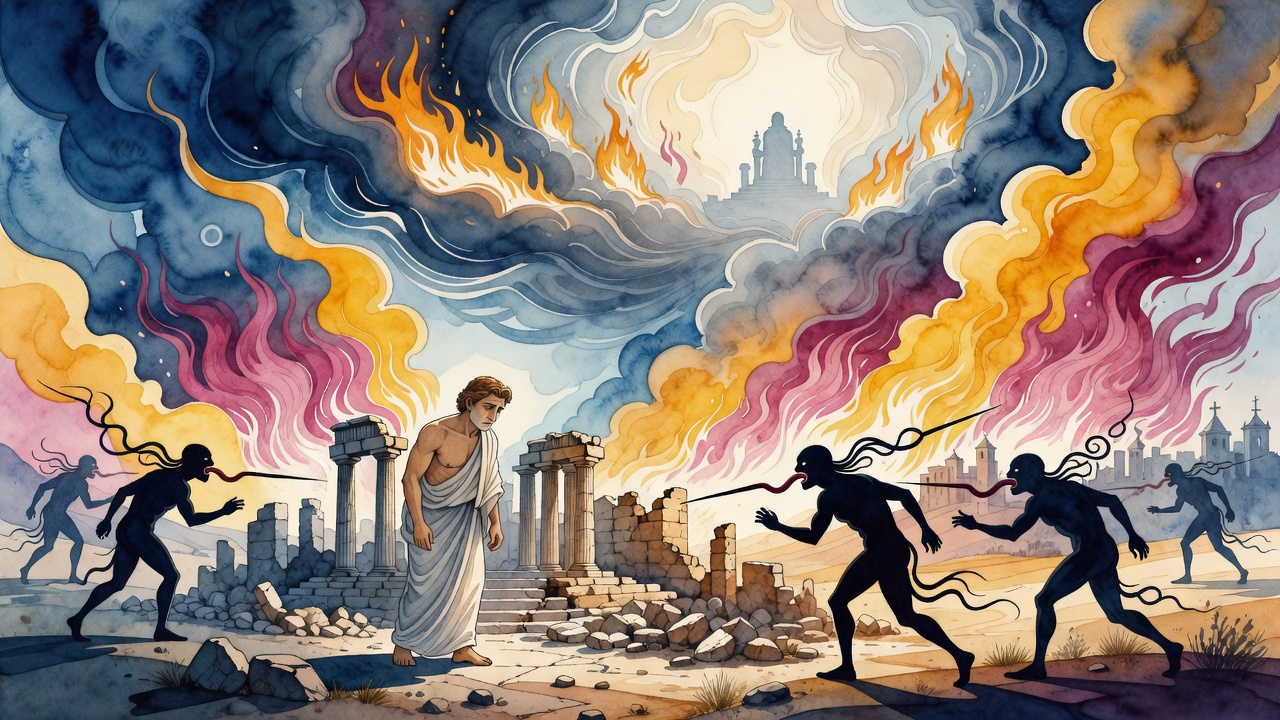
The liar's face had performed well in the priest's court. At home, under a child's changed skin, performance ended. Wisdom's light is not the only thing a face can show. Guilt has its own weather. Neighbors who once trusted his word began to look at his mouth as if it were a tool left too long in the fire.
He had wanted a smaller sin on the record. He received a larger ruin in the house.
What Cannot Be Hidden
On the day when every creature passes under one glance, no "it was a mistake" survives if the heart knew otherwise. Jeremiah's challenge stands: enter a hiding place and ask whether anyone is unseen (Jeremiah 23:24). The answer does not change for priests, borrowers, or fathers who edit their confessions.
The High Priest continued his service. The angel-office did not collapse because one man lied to it. The man's work collapsed because the lie returned to the address that sent it. That is the strange justice of the tongue: it is the only weapon that prefers its owner's house.
Evening prayers rose from the city. Somewhere a father watched white patches spread and finally understood that the softest sentence he had spoken all year had been the hardest blow.
The priest had almost believed him. That near-belief was part of the crime's success and part of its poison. Holy ears are trained to hope for repentance. A liar who wears repentance like a cloak steals from that hope. When the man left, the priest washed his hands from habit and still felt the conversation clinging like grease.
At home the first white spot appeared behind a child's ear, small as a seed. The mother found it while braiding hair. She did not yet connect it to the father's soft visit to the sanctuary. Connection would come later, when the midrash's warning and the household's skin finally used the same language.
He tried one more edit of the past at his table, softer than the first, and his wife looked at him as if words themselves had become untrustworthy furniture. The house had learned to hear tone. Tone was how the wound had entered. Tone would not heal it.
← All myths