Yochanan Sits at the Mikveh Gate for Israel's Children
Rabbi Yochanan parks his famous beauty where women leave the mikveh so they will bear radiant children. He trusts Josephs immunity to the evil eye.
Table of Contents
 Click for full size
Beauty as a Public Tool
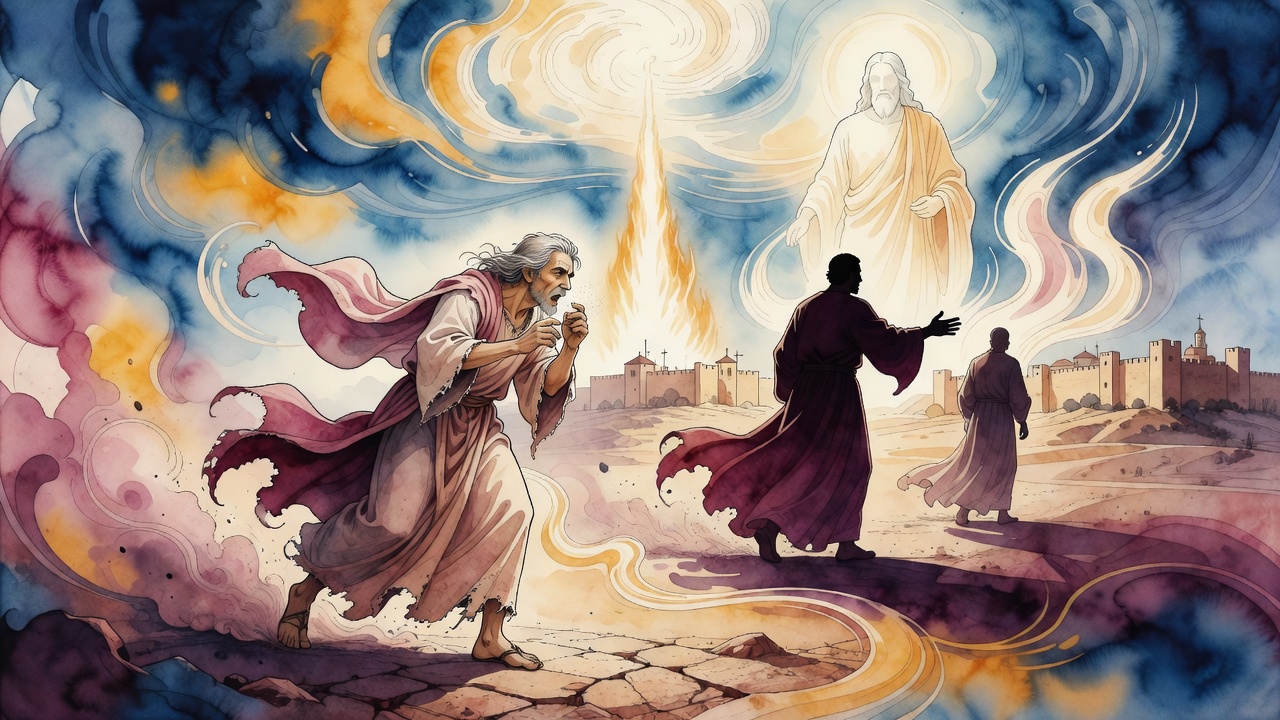
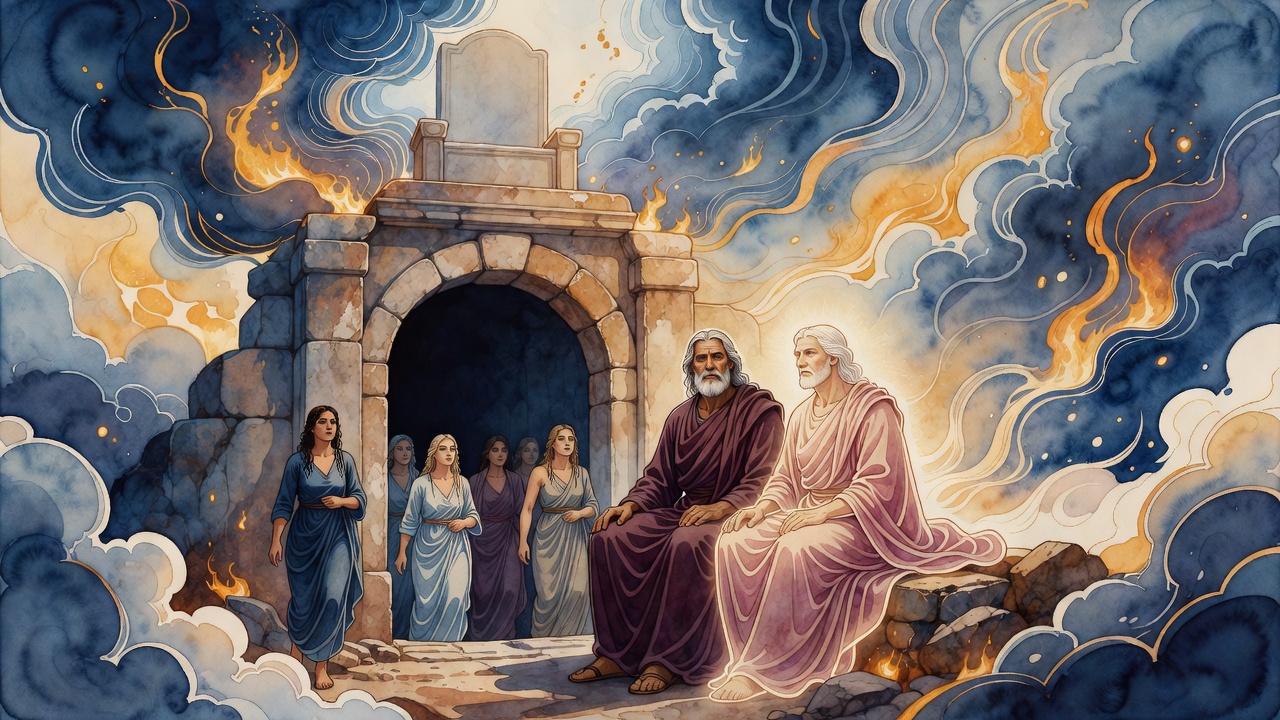
Rabbi Yochanan bar Nappacha of Tiberias had a mind that cut law clean and a face people called a blessing to see. He used to sit at the gate of the mikveh at the hours married women finished immersion and turned home toward their husbands. He sat there on purpose. "Let them look at me," he said, "so they bear children as beautiful as I am, and as devoted to Torah."
Colleagues fretted. Beauty on full display invites the ayin hara, the evil eye of envy. Yochanan did not flinch. "I am a descendant of Joseph." Joseph was called a fruitful bough over the eye (Genesis 49:22). Because he refused the wrong gaze in Potiphar's house, his line was granted a gift: envious eyes cannot land. Yochanan offered his face as a blessing, protected by an ancestor's modesty centuries earlier.
When a Student Needed the Sea
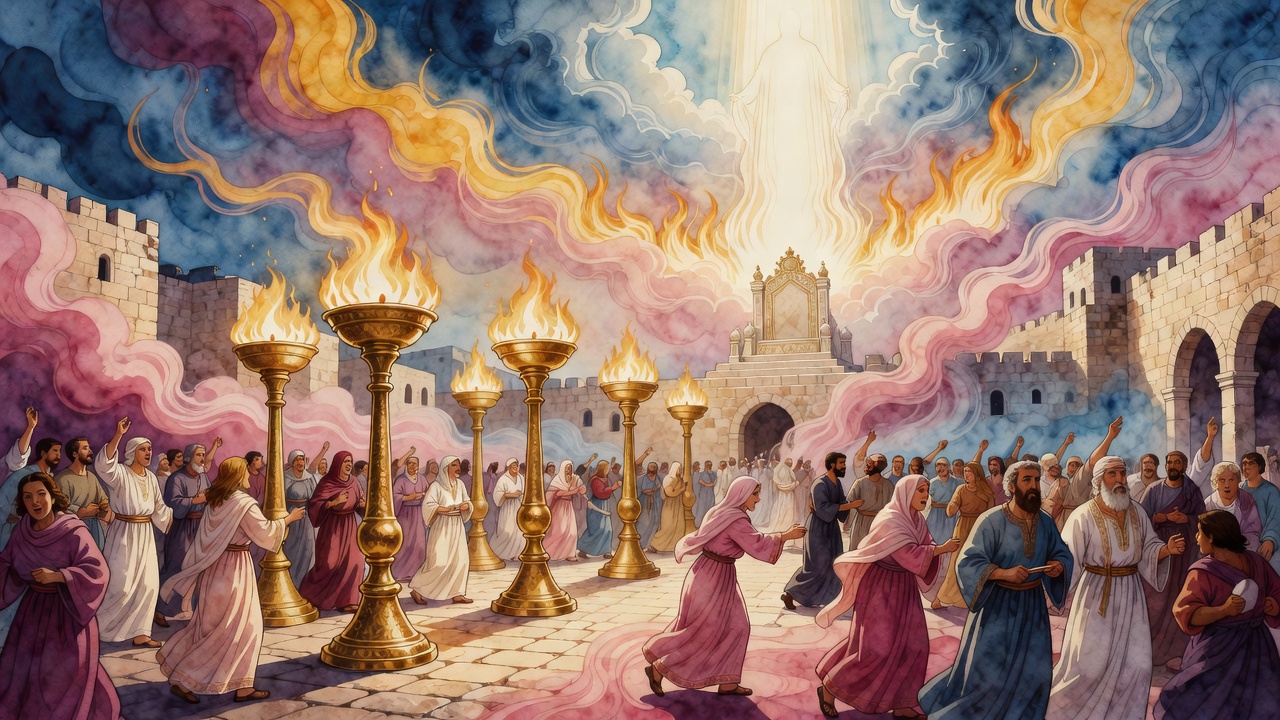
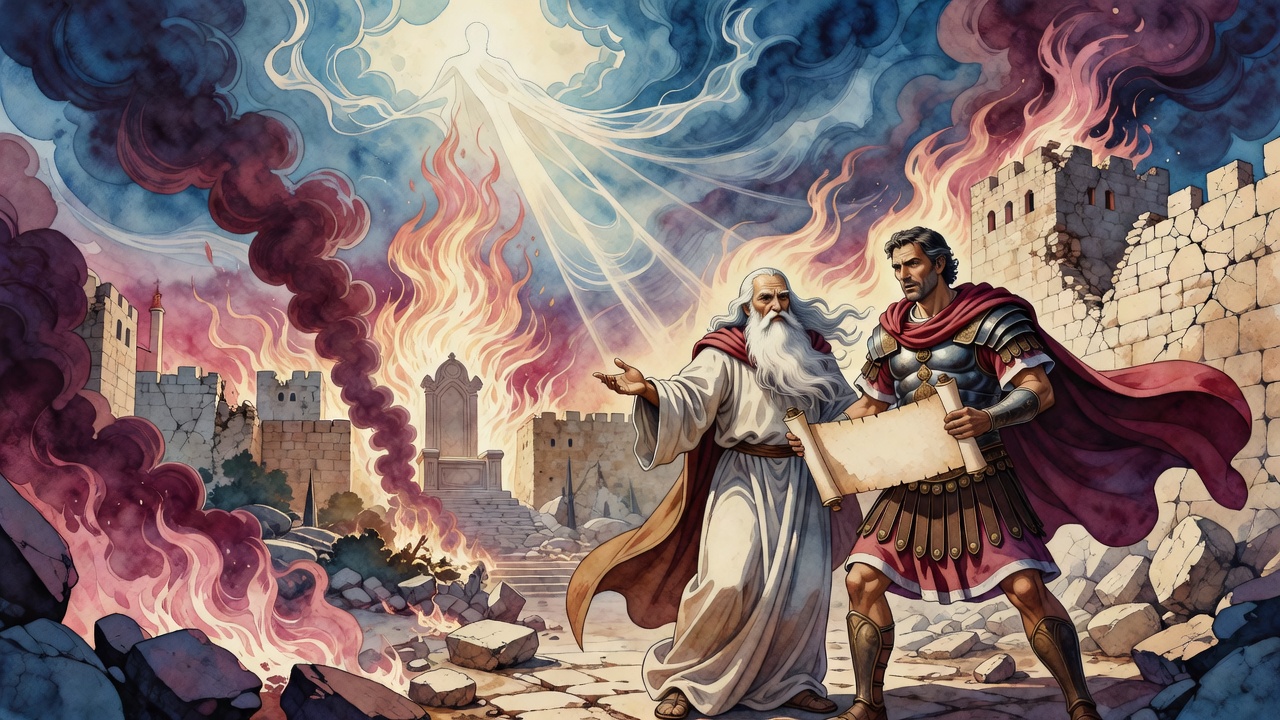
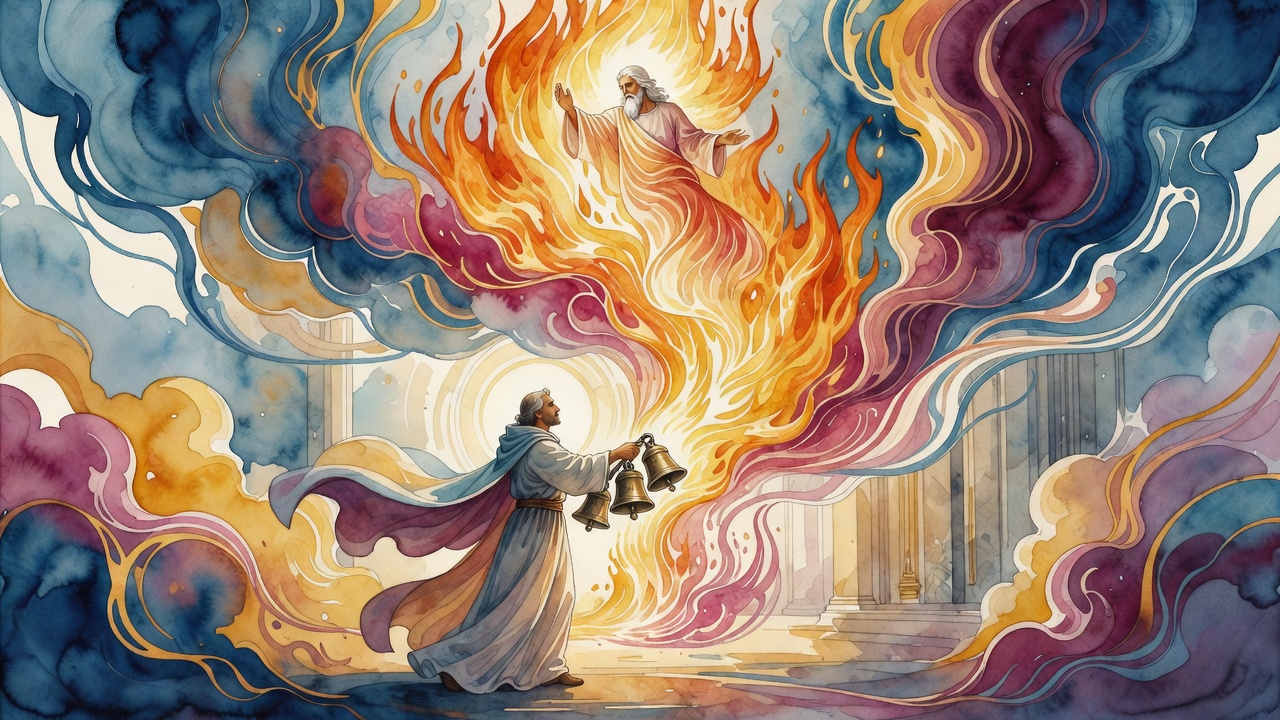
The same Yochanan taught that the future Jerusalem would wear gates of enormous pearls, stones polished from thirty cubits down to twenty by ten (Isaiah 54:12). A student in the back scoffed. No one had seen a pearl larger than a bird's egg. Weeks later that student sailed on trade and, far at sea, saw figures beneath the waves quarrying and polishing stones of unearthly size. "For the gates of Jerusalem," a voice answered when he called down.
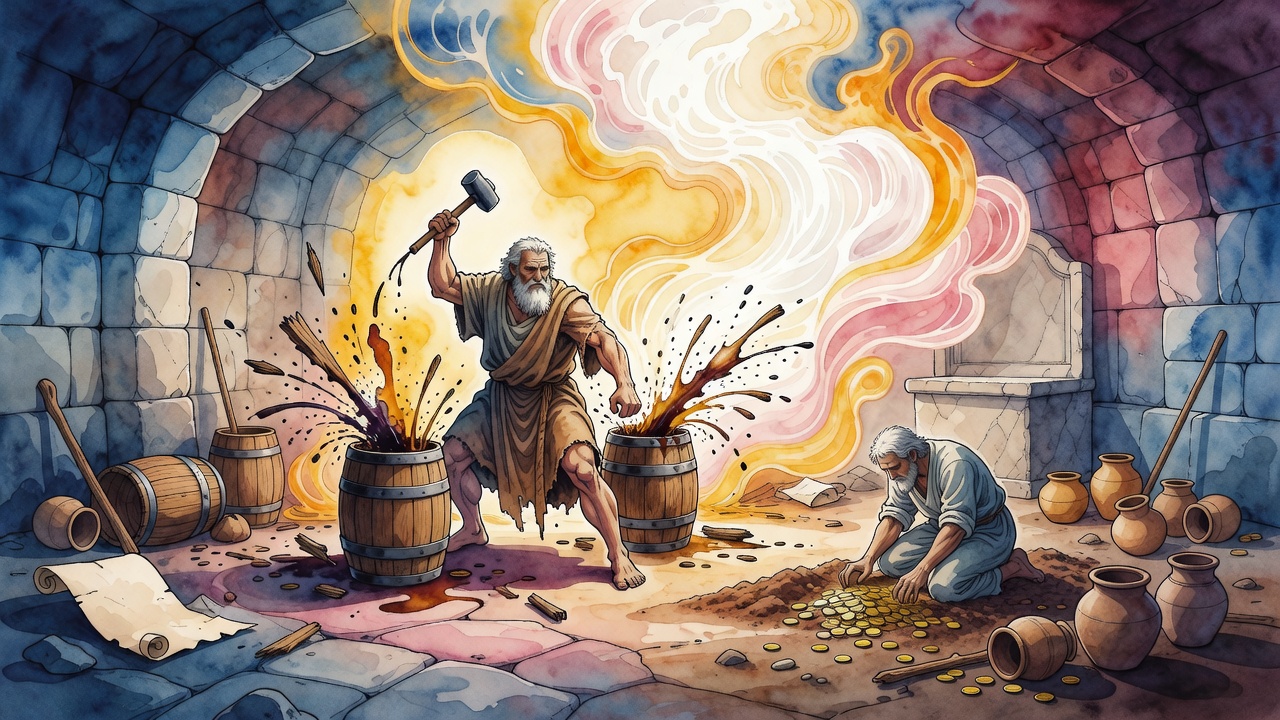
He came home and fell at Yochanan's feet. "Master, you were right." Yochanan fixed him with a look that left no room for late faith. "Scoundrel. If you had not seen, would you not have believed? You insulted the words of the sages." The student, the tale says, became a heap of bones. Contempt for a teacher's horizon is not a small error. The future is larger than a doubter's measuring cup.
The Eye at the Center
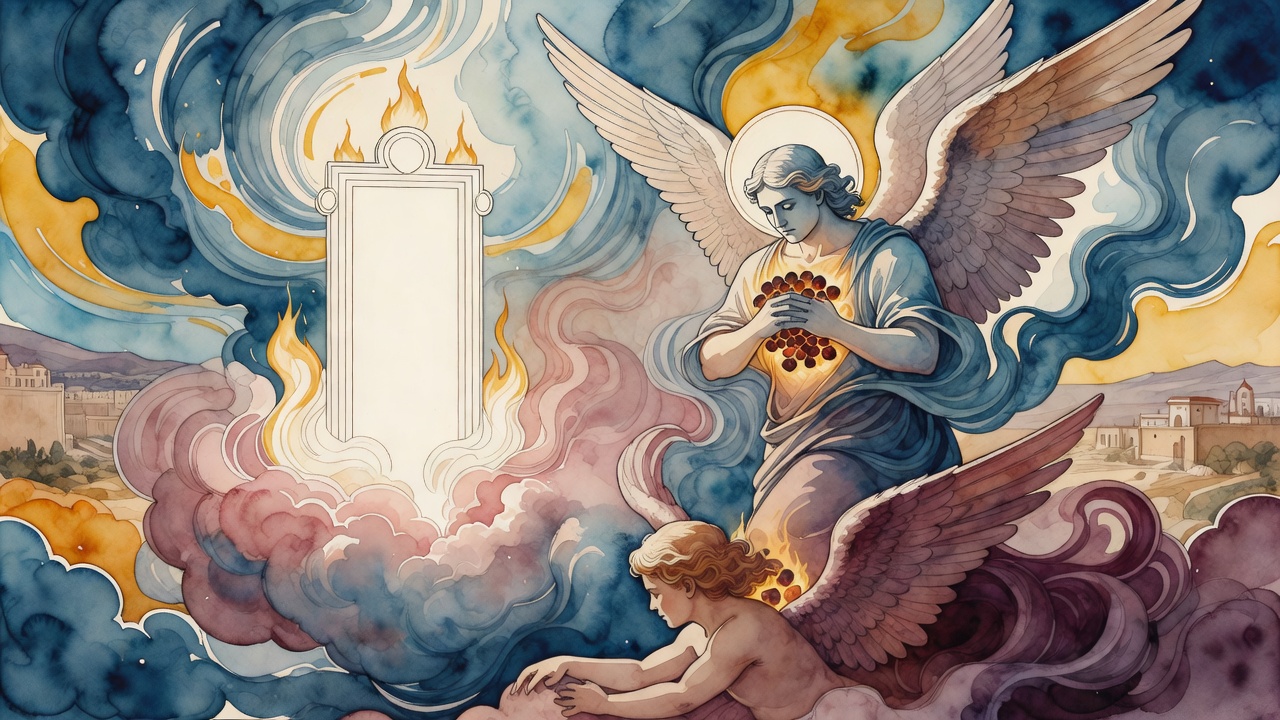
Another teaching maps the world as an eyeball. The white is ocean. The dark is land. The pupil is Jerusalem. The tiny image in the pupil is the Temple. Everything else is seen through that center, the way sight passes through the dark circle of an eye (Ezekiel 5:5). Yochanan's mikveh gate and his pearl gates belong to the same vision: holiness is not only private study. It is placement. Sit where life renews. Speak of a city whose future outruns the present market. Keep the pupil clear.
A man who sits where women rise from pure water is not collecting admirers. He is trying to write beauty and Torah into the next generation's faces. A man who describes impossible pearls is not selling jewelry. He is refusing to let exile shrink imagination to the size of a bird's egg.
Joseph's Long Shadow
Joseph would not lift his eyes to the wrong woman. Yochanan lifts his presence so the right women, going home to the right men, carry a vision of radiance into conception. The ethics reverse and complete each other. Refusal and gift. Modesty and display for a public good. Lineage becomes a technology of blessing rather than a boast.
Tiberias keeps the memory of a sage who treated his own face as communal property under Joseph's charter. The evil eye, for once, had no contract.
Sight That Serves a People
Modern ears sometimes flinch at a sage sitting where women pass. The talmudic frame is not flirtation. It is a public health of beauty and Torah, strange to later manners, serious in its own logic. Yochanan treats his face as communal property under Joseph's charter. The women are going home to husbands. The hope is children whose faces carry radiance and whose minds will lean toward study. He risks the evil eye and answers with lineage: Joseph would not look wrong, so Joseph's seed cannot be harmed by looking right for a blessing.
The scoffing student fails a different test of sight. He can only believe what his trade routes have already shown him. Pearls the size of gates sound like exaggeration until the sea opens a classroom. Yochanan's fury is not fragile ego. It is defense of a chain: if disciples only trust what they can already measure, the future Jerusalem dies in the mouth before it is built. Bones in the story are midrashic heat, not a policy guide. The heat says contempt is lethal to the soul of learning.
Jerusalem as the pupil of the world's eye gathers both scenes. Center is not arrogance. Center is how vision works. Through the small dark circle everything else comes into focus. Through the holy city, the tradition claims, the nations are seen in their true arrangement. Yochanan sits at a small gate in Tiberias and speaks of larger gates still uncut. Local body, cosmic architecture. Same insistence that sight can serve holiness when pride does not own it.
Joseph closed his eyes in Egypt. Yochanan opens his presence in the Galilee. The line between them is the point of the tale.
← All myths