Yochanan Named Vespasian King While Jerusalem Burned
Vespasian told the rabbi he had earned death twice over: once for the title, once for not offering it sooner. Yochanan opened Isaiah instead.
Table of Contents
 Click for full size
Peace Upon a Man Not Yet Crowned
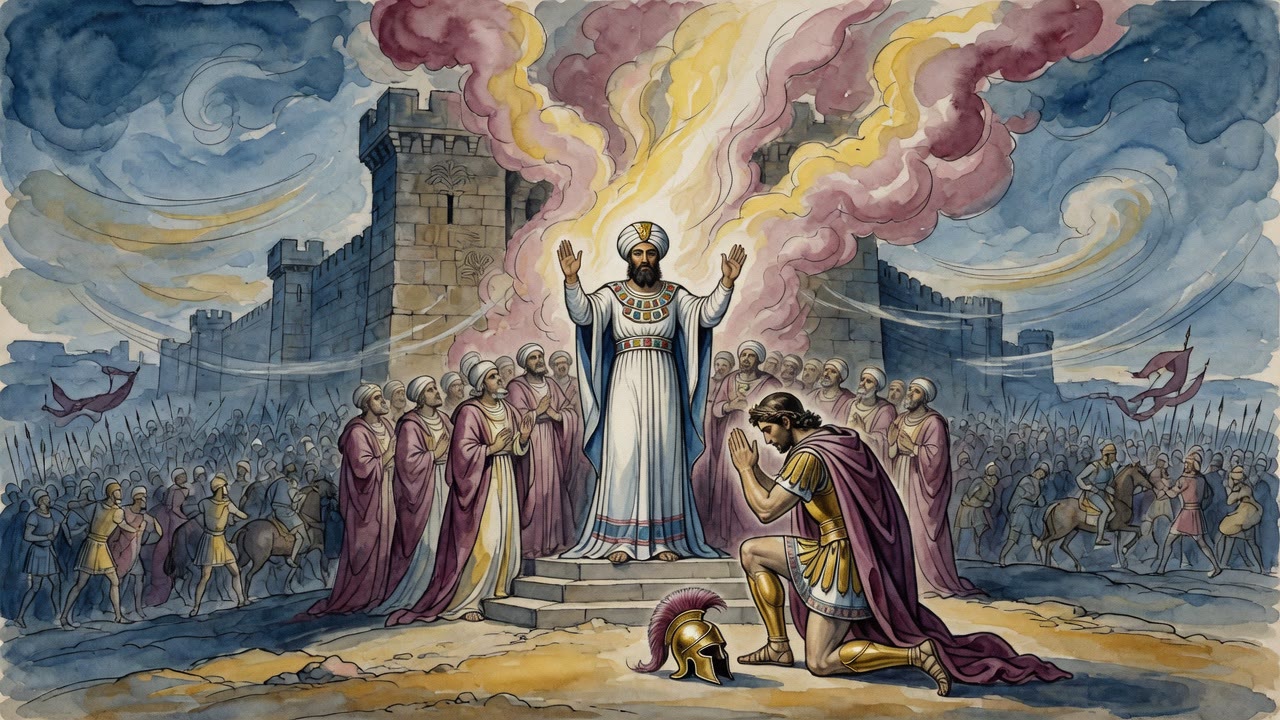
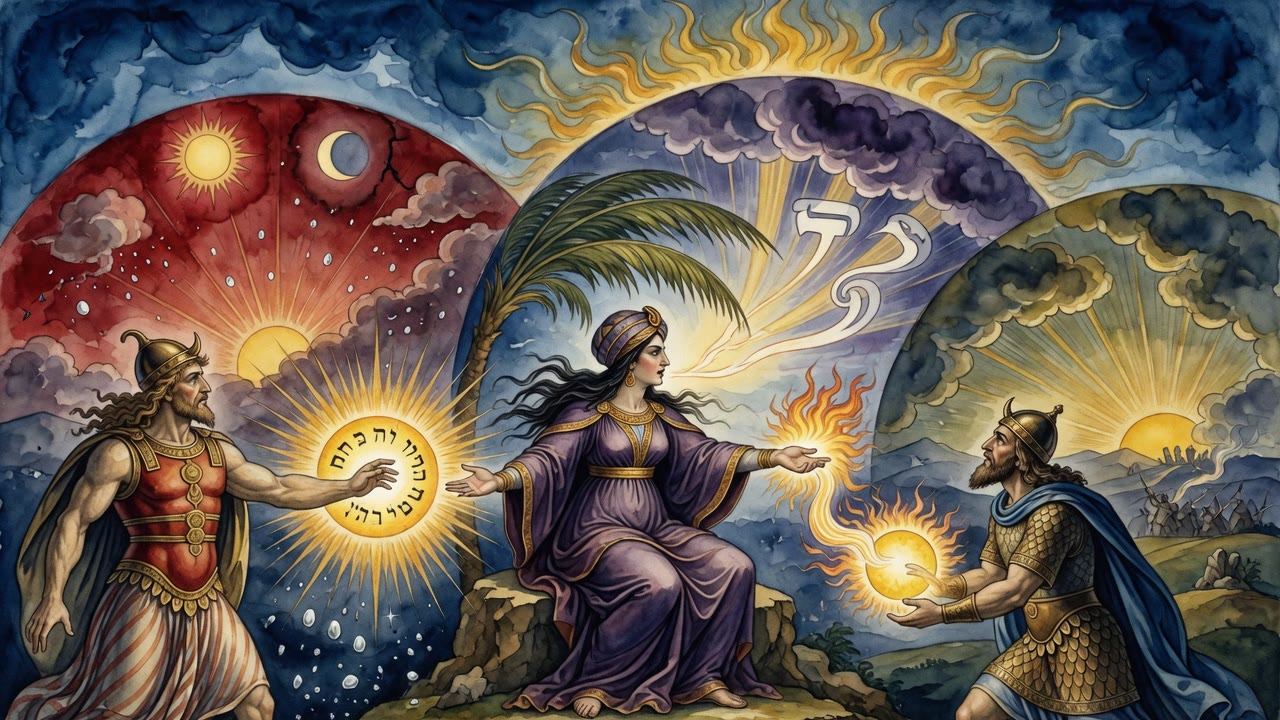
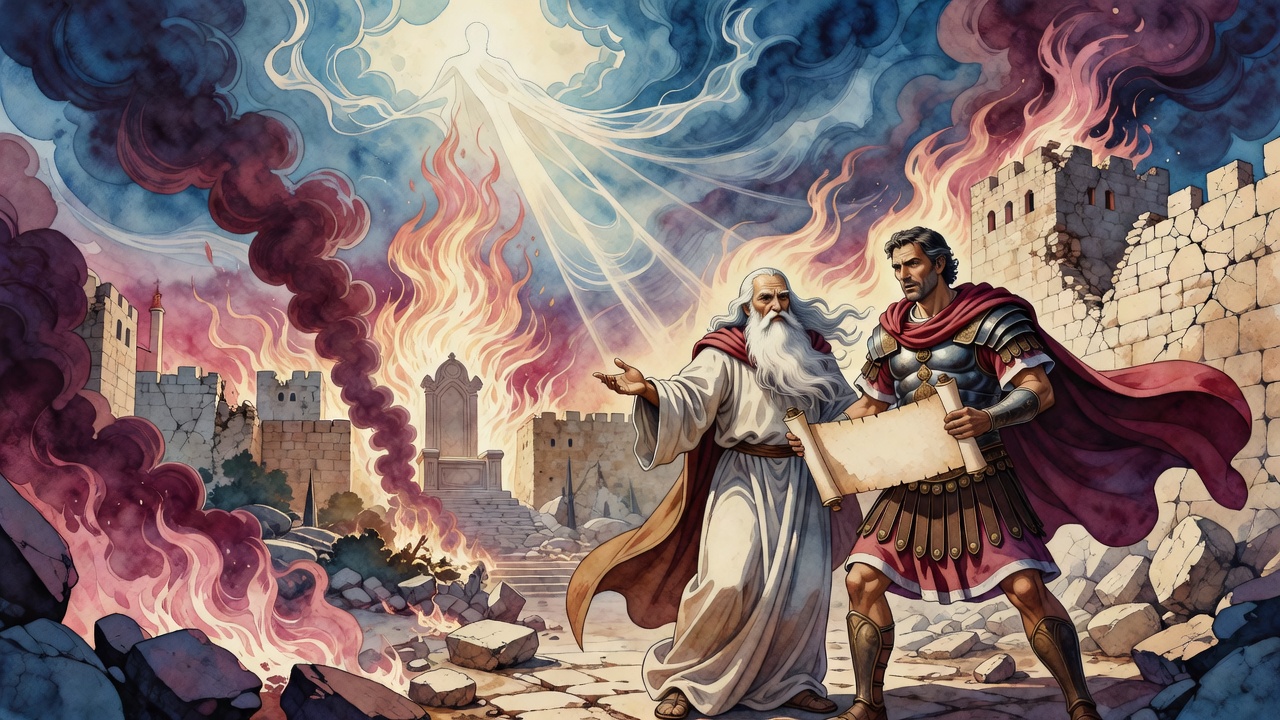
Rabbi Yochanan ben Zakkai stood before Vespasian while Jerusalem still believed it could refuse the siege. He greeted him, "Peace unto you, oh king! Peace unto you, oh king!" The general heard treason and flattery twisted together. Vespasian answered that the rabbi had made himself twice liable for death: once for calling king a man who was not yet emperor, and once for failing to offer that title sooner if he truly believed it.
The room held a blade's worth of silence. Yochanan did not apologize. He opened Scripture as if the general were a study partner with an army at his back. If Vespasian were not destined to rule, Jerusalem would not be falling into his hand. Prophecy, not panic, had written the hour.
A greeting that looked like court manners was a legal argument under pressure. The sage staked his life on a reading, and the general had to decide whether to hear a rebel or a prophet of empire.
Lebanon Means the House That Whitens Sin
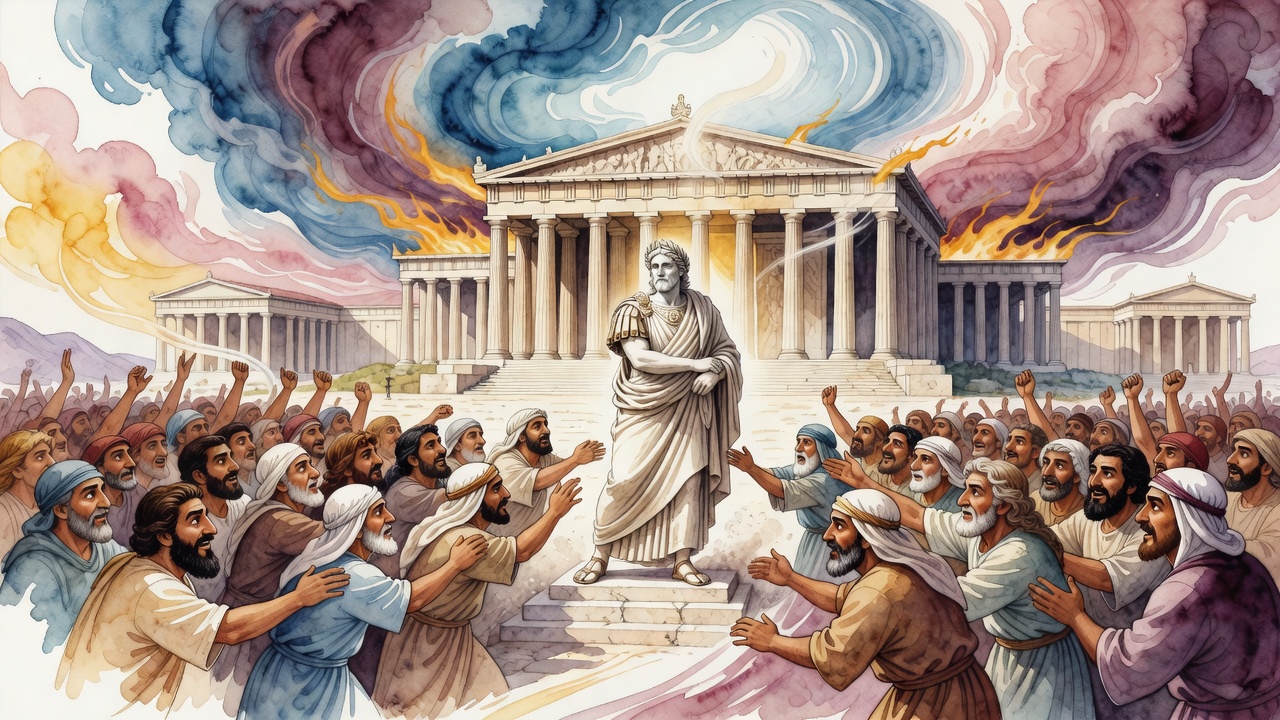
Yochanan quoted Isaiah: "And the Lebanon shall fall through a mighty one" (Isaiah 10:34). A mighty one, he said, means a king, and he bound the word with Jeremiah's line about a prince arising from them (Jeremiah 30:21). Then he refused the plain map. Lebanon was not only a ridge of trees. Lebanon was the Temple.
He supported the equation from "this good mountain and the Lebanon" (Deuteronomy 3:25) and from Jeremiah's address to the head of the Lebanon (Jeremiah 22:6). Why call the House Lebanon? Because it bleaches away the sins of Israel, malbin, whitening, from the root of white, lavan. The Temple falls through a king because the Temple has been the place where guilt was made white, and that work is ending in fire.
So the rabbi gave Vespasian two gifts at once: a title and a theology of destruction. The general was not only a lucky commander. He was the "mighty one" in a verse that had waited for this siege. The House that whitened sin would fall through him, and the fall itself was being read as judgment, not as Rome's private triumph.
The Captive Who Wrote the War for the Same Throne
In another room of the same century, Josephus also stood near Vespasian. He had fought as a general for the Galileans while opposition was possible. Captured, he became attendant to Vespasian and Titus. He claimed nothing done in the war escaped his knowledge: Roman camp, deserters' reports from inside Jerusalem, both sides held in one memory.
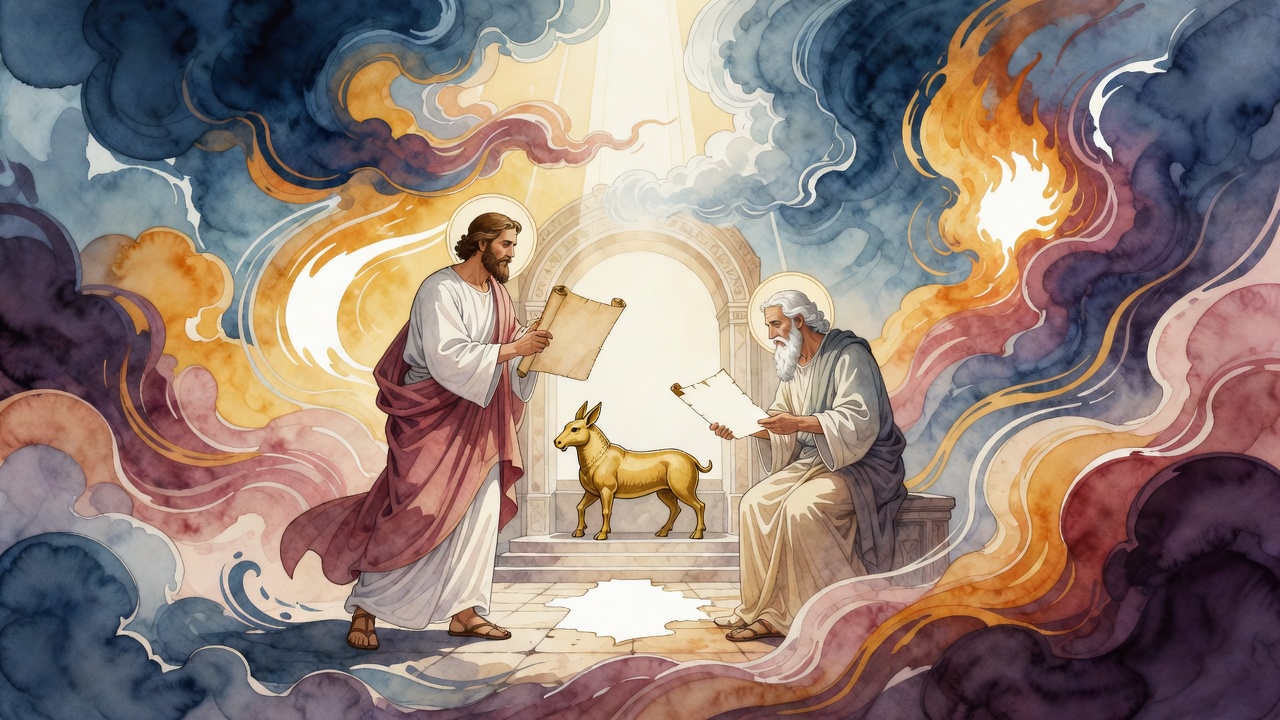
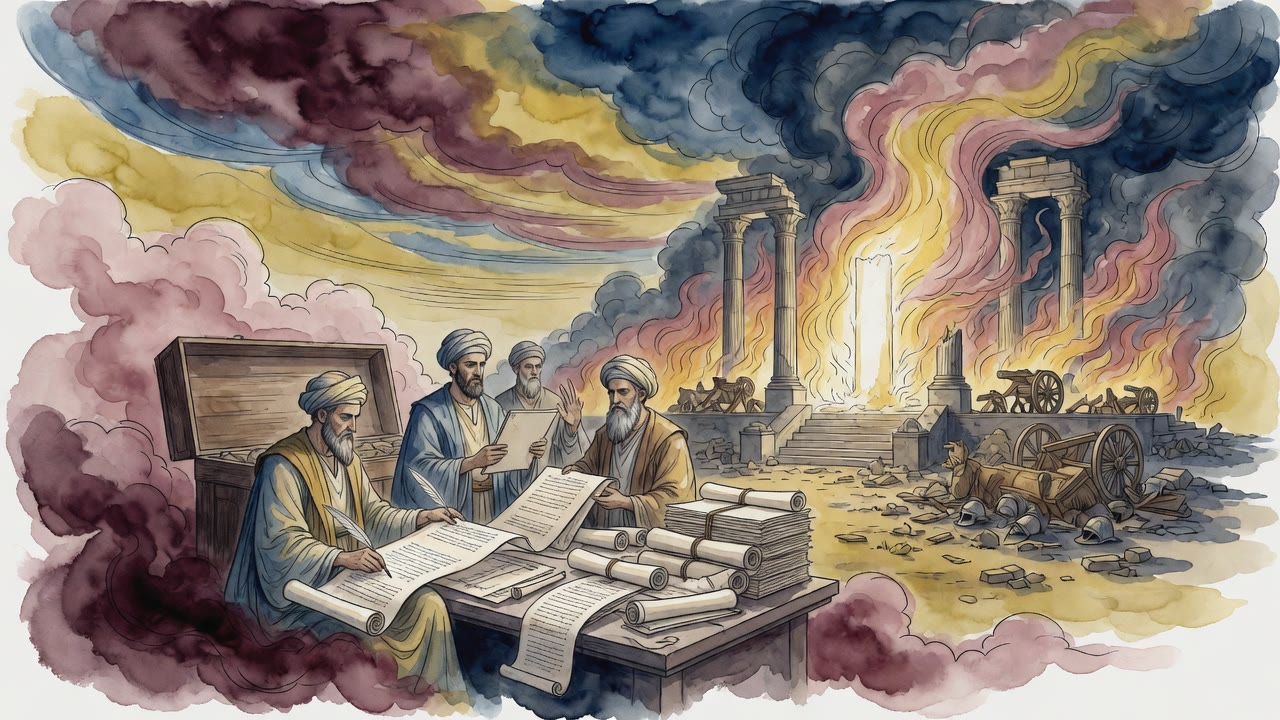
After the war, in Rome, he gathered materials and learned Greek so the empire could read him. He composed what he called a true history of the conflict that ended with the Temple's destruction in 70 CE. He presented the books first to Vespasian and Titus themselves, then to Romans who had fought, then sold copies to Jewish scholars fluent in Greek, including Julius Archelaus, Herod of Chalcis, and King Agrippa. They testified, he said, to his strict regard for truth. Men who had bled would not stay silent if he had painted lies.
Where Yochanan named a future king from Isaiah, Josephus named a past war under that king's eyes. Both men used language as a bridge across conquest. Both refused to let Rome own the story alone.
Two Jewish Voices in One Roman Hour
Yochanan's double "king" was a gamble that saved a remnant's future by recognizing power before the purple was sewn. Josephus's history was a gamble that saved memory by writing it in the conqueror's tongue and laying it on the conqueror's table. One spoke while the walls still stood. One wrote when the walls were ash.
Between them runs a single hard fact: Jerusalem's fall was not only military. It was interpreted as it happened, and recorded after it happened, by Jews who would not let the silence of the dead be the only archive. Lebanon fell through a mighty one. The mighty one later read a Jewish book about how the fall looked from both camps.
What the Greeting Cost and Bought
Vespasian heard a capital offense and received a coronation wrapped in midrash. Yochanan heard death twice and answered with verses that made the Temple's whitening work and the Temple's end speak in one breath. Josephus heard captivity and answered with Greek pages that forced emperors to sit as first readers of a Jewish war chronicle.
The drama is not flattery. It is survival under reading: a sage who turns a greeting into prophecy, and a captive who turns a siege into testimony the throne cannot dismiss. While Jerusalem burned in prospect and then in fact, Jewish speech kept naming who the king was and what the House had been.
← All myths