Jerusalem Kept Holiness After Her Walls Fell
The priest asked for a son at the gate. The father named the small one still in school, the boy who sat over a verse.
Table of Contents
 Click for full size
The Priest at the Door
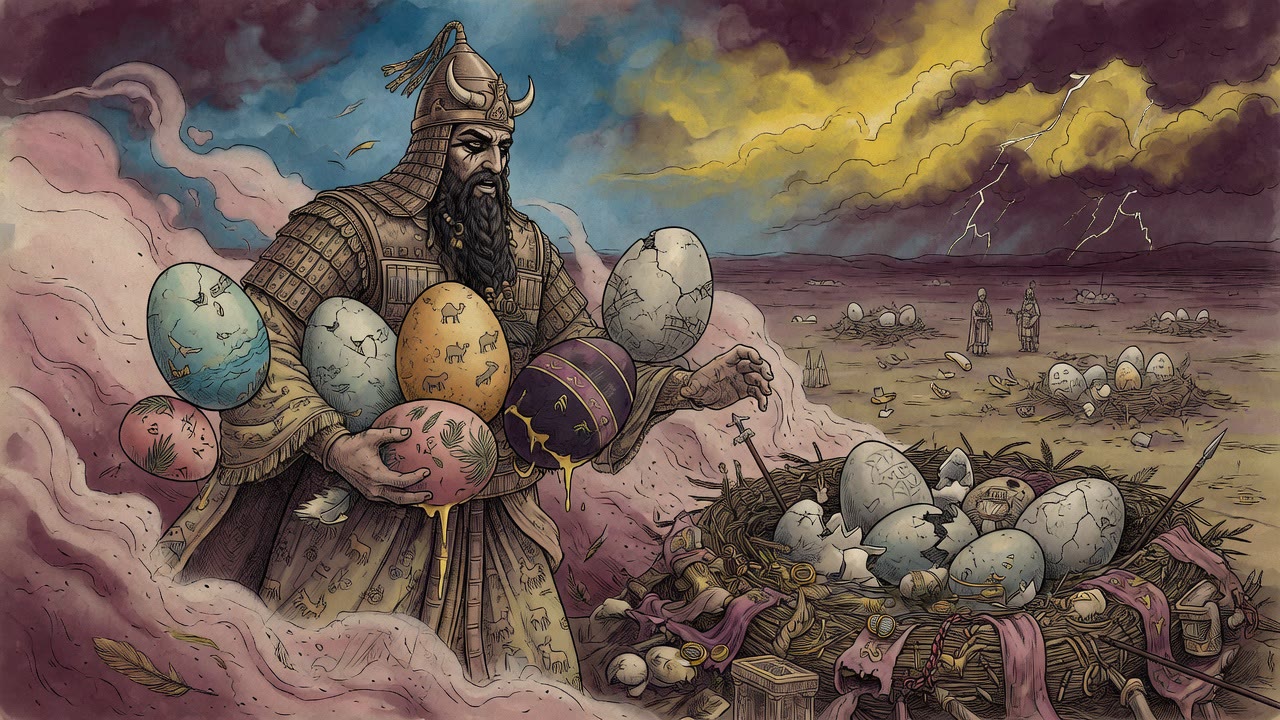
The priest stood in the man's courtyard under Zedekiah and asked for a son. Below the city, in the Valley of ben Hinom, a hollow idol waited behind seven partitions. Fine flour opened one. Birds opened two. A sheep three. A ram four. A calf five. A bull six. A child opened the seventh.
"With all the sons that you have," the priest said, "do you not wish to sacrifice one of them?"
The father named his working sons first. One in gold. One in silver. One in flocks. One in cattle. Then he said, as if it were a small thing, that he had a little boy still in school. When the boy came home from the verse, he would give him.
God heard that naming. Of all the sons in the house, the father had chosen the one devoted to the Name.
Seven Partitions
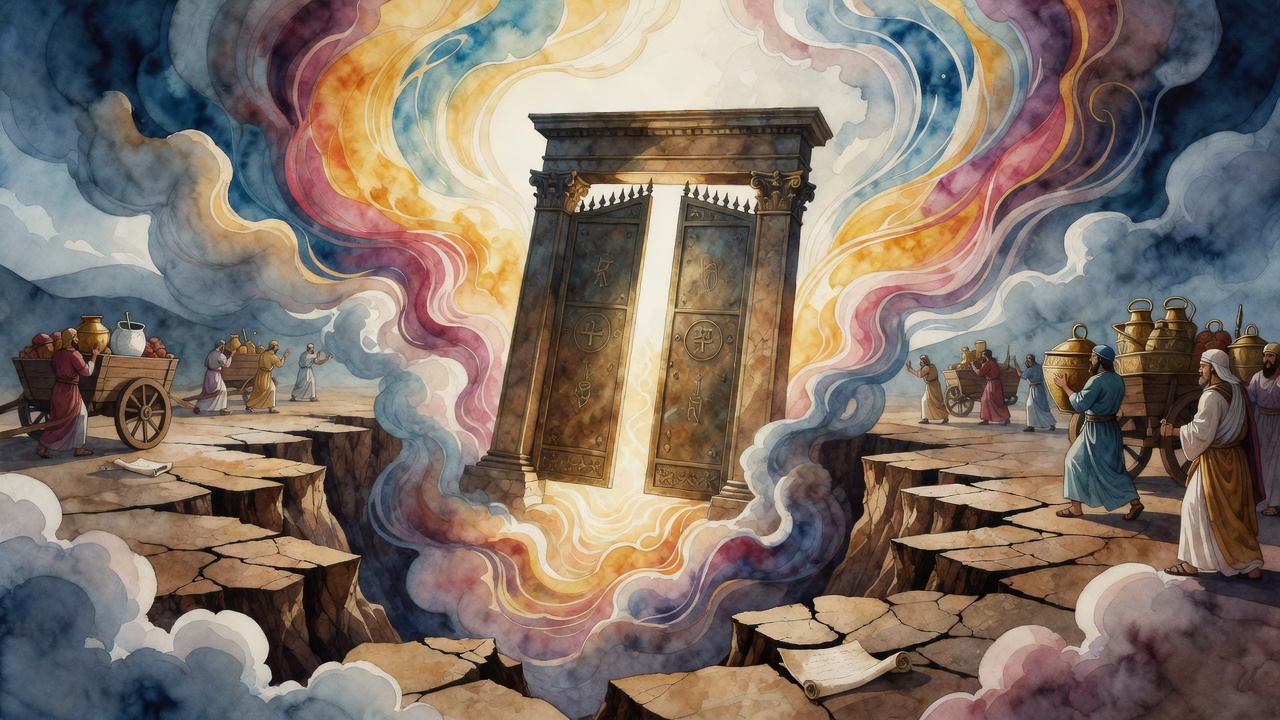
They took the boy down to Tofet, the place named for the inferno in it. The hem of Jerusalem was not only fabric. It was geography soaked in offerings that should never have been made (Lamentations 1:9).
Partition after partition opened. The bronze tray waited in the idol's hand. The stove sat under it. They placed the schoolboy on the tray and lit the fire. Then the singers began, loud, so no one would hear the moaning and change his mind. "May it be pleasant for you and sweet for you," they chanted, while a child burned and a city pretended not to hear.
The priests who served in those years were uncircumcised of heart and flesh, strangers brought into the house that should have barred them (Ezekiel 44:7). The impurity sat on the city's hems, in her lower reaches, and she had not considered her end.
The Road That Sapped Strength
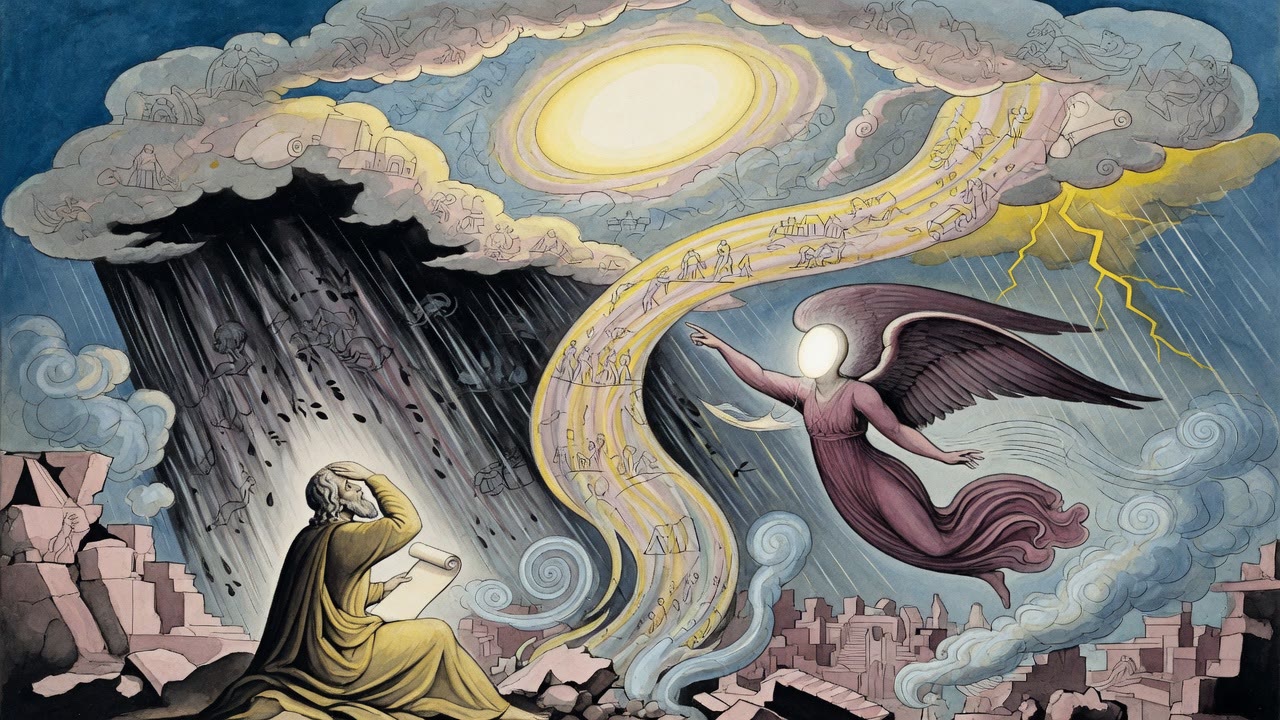
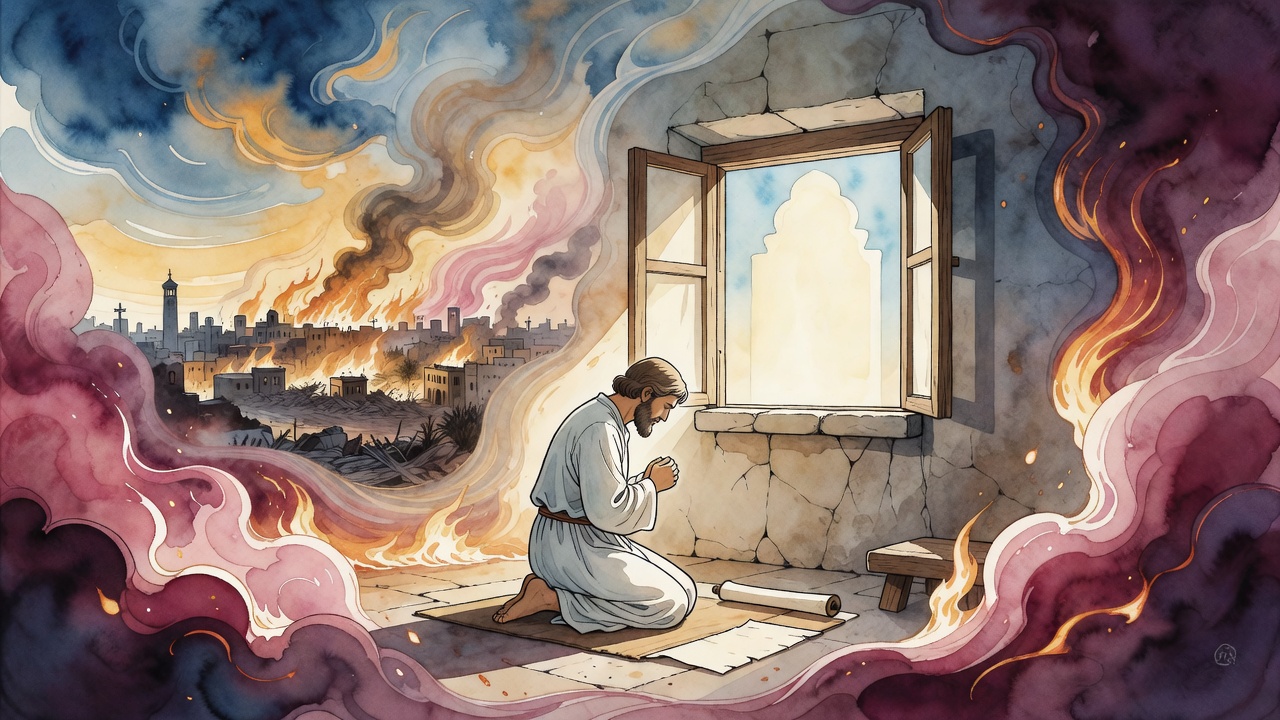
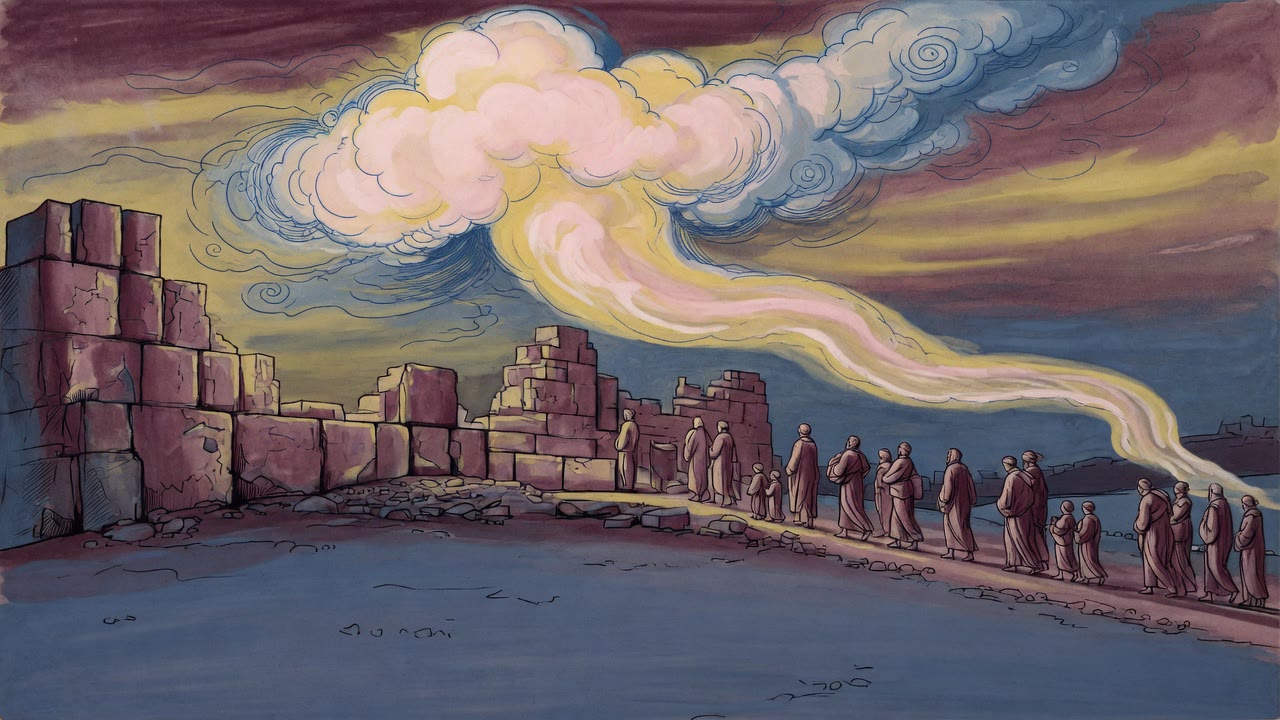
The walls fell anyway. The father who had named the schoolboy walked out with the rest, knees already weak from fasting, the road already eating what the fire had left. Iniquity sat in the joints. Babylon sat on the horizon like a weight that would not lift.
Bearers tried to raise dirt for a wall and could not. The strength of the bearer failed. The dirt was abundant. Enemies stopped the work. Night found the one who had not labored by day unable to stand. Strength is not only muscle. It is the capacity to remain upright under empire, hunger, guilt, and miles.
He walked. The valley behind him still held the hollow idol, or the memory of it, seven doors and a song meant to drown a child. Jerusalem dragged her hem through ash and could not lift it clean.
Not Driven Like a Flock
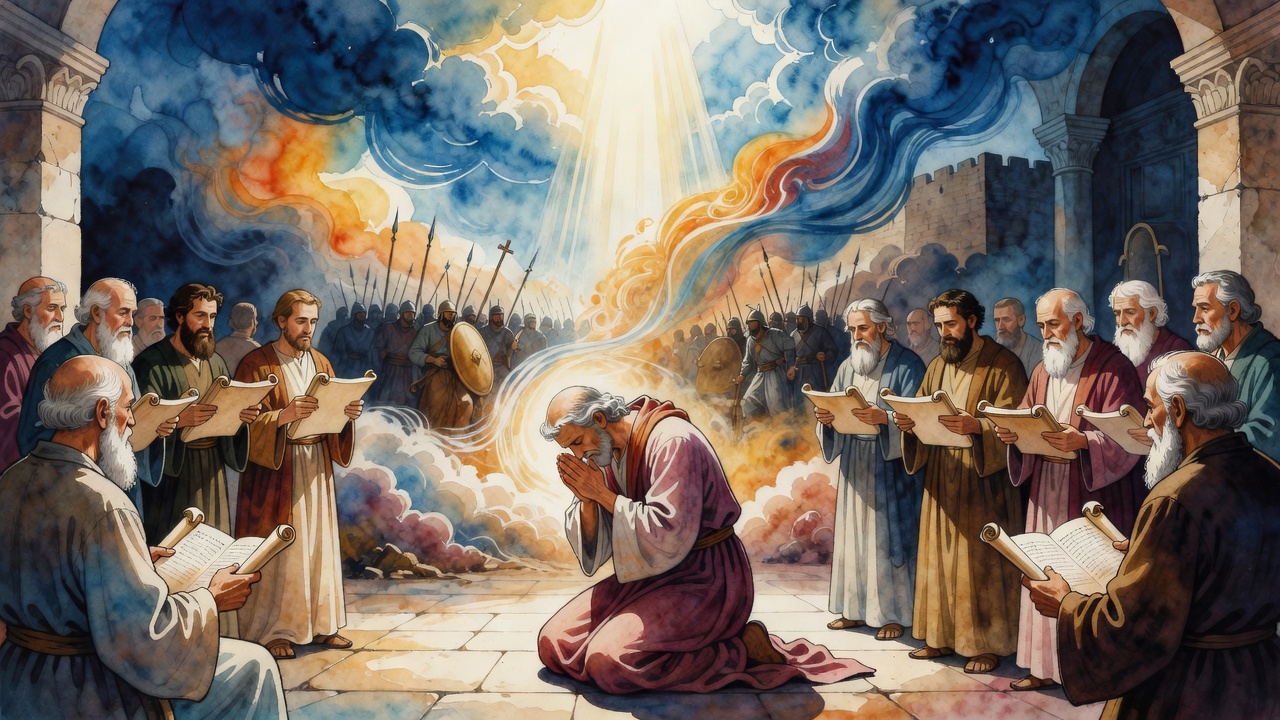
Against that exhaustion another word waited, farther on than Babylon wanted anyone to look. In the world to come the Holy One will gather the scattered and bring them home to Jerusalem, not driven like a frightened flock, not through war's stampede, but in peace. The same God who led Israel out into exile will lead them back on a road paved with wholeness.
"Pray for the peace of Jerusalem" (Psalms 122:6) is not only a pilgrim's wish. It is the manner of the return. Isaiah sealed it: peace extended like a river, not a trickle, not a ration (Isaiah 66:12). Peace is not the prize after violence in this picture. Peace is the vehicle.
The father who had given the wrong son would not live to walk that river. The city still would. Heaven had not released the name.
Wilderness Wonders in Zion
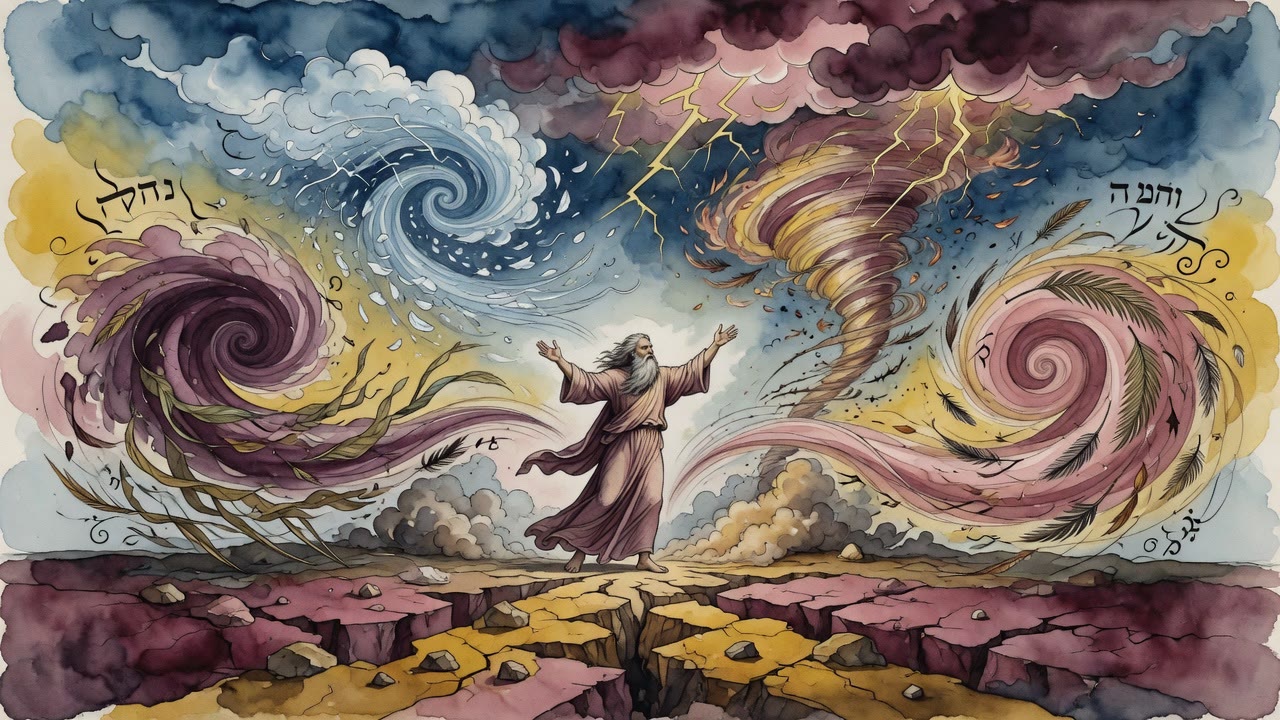
Whatever wonders the Holy One worked for Israel in the wilderness, He will work again in Zion. Voices at Sinai will answer as voices of joy and bridegroom. The Lord who went before them by day will go before them still. He rejoiced over them then. He will rejoice in Jerusalem and be glad in His people.
Isaiah doubles comfort because Jerusalem received double for her sins. "Comfort, comfort." "I, I." "Awake, awake." Measure for measure, grief is answered twice over with joy. When Israel broke Torah, Hosea warned of wilderness. Isaiah turns the curse until the wasteland itself rejoices. The road that sapped strength becomes, in the later telling, a road that carries home.
Hold the frayed hem beside the river of peace. The city that trailed impurity at her edges is the same city promised a homecoming without panic. Exile drove. Return will carry. Exile scattered. Return gathers. Jerusalem kept a claim on holiness even when her walls fell, even when her hems told the truth about what had been done in her valleys. The claim is not nostalgia. It is the stubborn name of a place Heaven has not released, and a future road that arrives in peace.
← All myths