When the Western Wall Wept Dew on Tisha B'Av
On the Ninth of Av, dew beads on the Kotel's stones like tears, wayfarers clap over ruined Jerusalem, and a mourner teaches that silence can be Torah.
Table of Contents
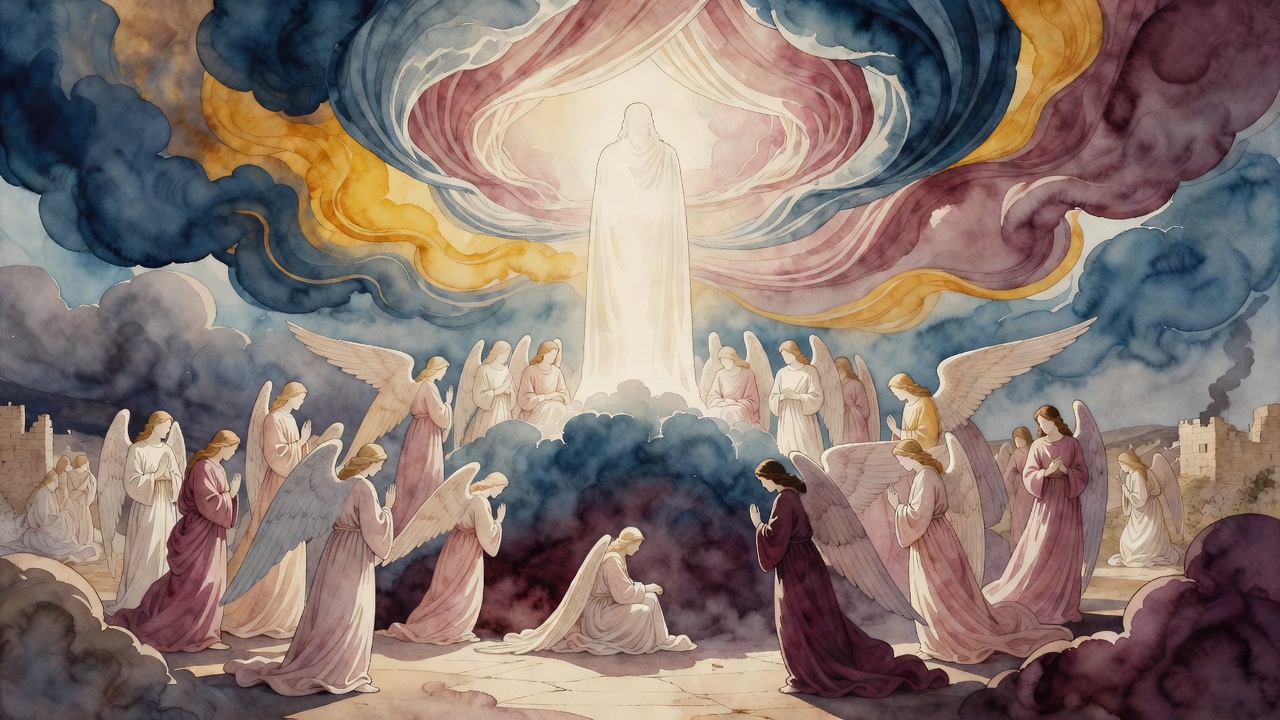
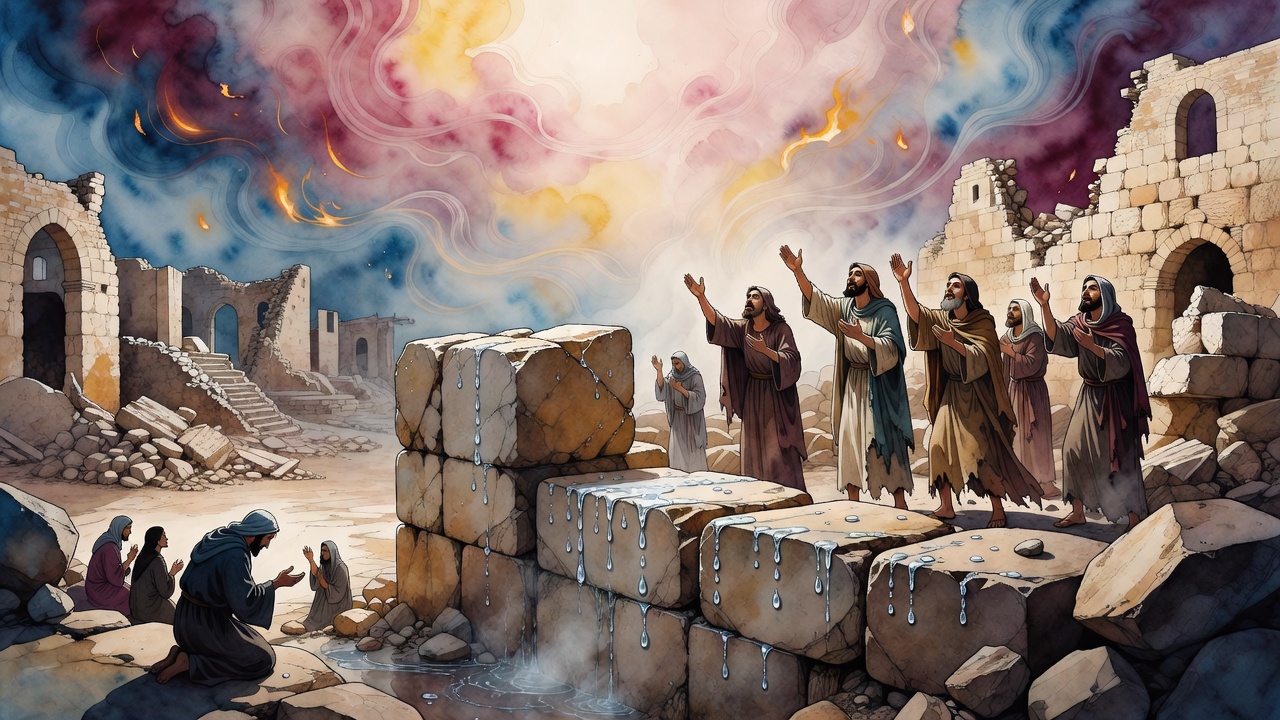
Night settled on the Ninth of Av, and the stones of the Western Wall grew cold under open palms. Worshippers pressed their foreheads to the rock and poured out grief for a House that was no longer standing. Then water began to bead in the cracks. Someone cried that the Wall was weeping. Women collected the dew, calling it a remedy. Whether miracle or moisture, the city treated the wet stone as a partner in mourning.
 Click for full size
Jews themselves usually call it the Kotel. Outsiders named it the Wailing Wall because they watched the people weep. The older story claims the stones weep too. Since the destruction, the sages taught, the gates of prayer may close, but the gates of weeping stay open (Berakhot 32b).
When Wayfarers Clapped Over Jerusalem
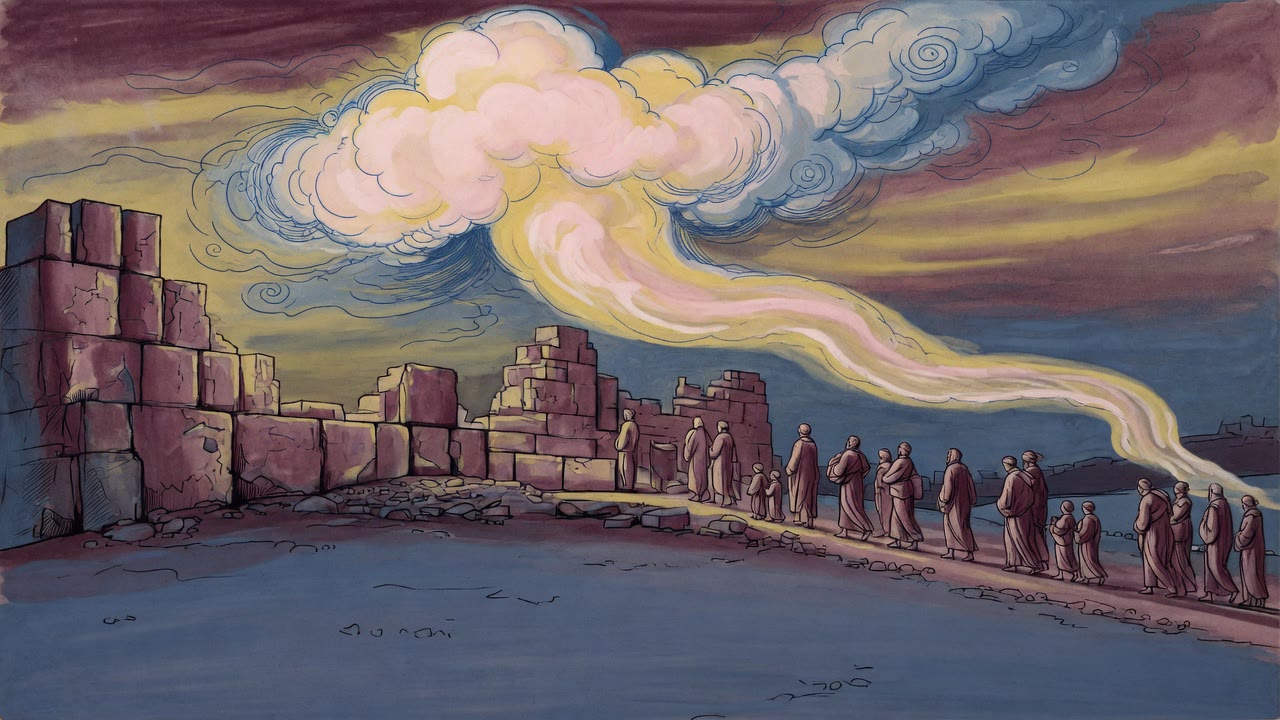
Eikhah Rabbah hears the verse: all wayfarers clapped their hands over you; they whistled and shook their heads at the daughter of Jerusalem. Is this the city that was said to be perfect beauty, the joy of the entire earth? Rabbi Yochanan, in the name of Rabbi Shimon bar Yochai, remembered a dome of inventory outside the city. Anyone who needed to count expenses would run there to tally, so he would not leave Jerusalem upset and spoil the joy of the entire earth.
Now the clapping is mockery, not accounting. The cities of the nations praise themselves with their own mouths. Jerusalem's praise used to be spoken by others. The inversion is the wound. A merchant once climbed up to sell wool, fell asleep without selling, and muttered that this could not be the joy of the earth. He woke, sold his goods, and corrected himself. The city could still surprise a sleeper into profit. After the destruction, the surprise is grief.
A Time to Rend, a Time to Be Silent
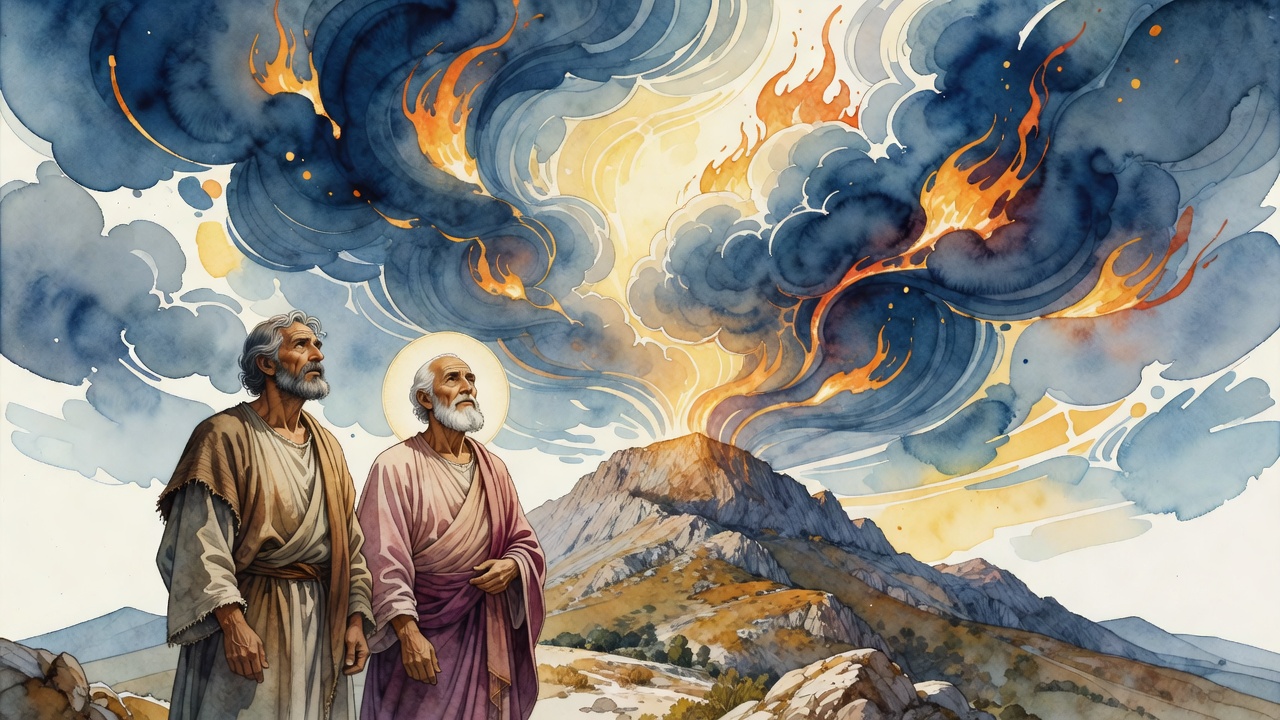
In Tzippori, Rabbi Mana sat in deep mourning after the loss of his wife. Rabbi Avun came to comfort him and asked to share words of Torah, hoping learning might ease pain. Rabbi Mana answered that the time had arrived for silence from Torah, when it is honored by silence more than by speech. A mourner is not permitted ordinary study. Grief demands its own space.
Solomon had already mapped the seasons: a time to rend, and a time to sew; a time to be silent, and a time to speak (Ecclesiastes 3:7). The midrash makes the map personal. Comfort is not always a stream of wise sentences. Sometimes the most exact honor is to sit without filling the air. Shiva is a sacred pause. Rabbi Mana preferred silence not because Torah was small, but because in that hour silence was the larger act.
Stones, Crowds, and the Open Gate of Tears
Put the wet Kotel beside the clapping wayfarers and the silent shiva room, and one grammar of loss appears. Jerusalem is mocked by travelers who once blessed her by counting their coins outside her gates so as not to sour her joy. The remnant answers not with clever speech but with tears that even stone seems to share. And in a private house in the Galilee, a scholar teaches that Torah itself can be honored by closing the book.
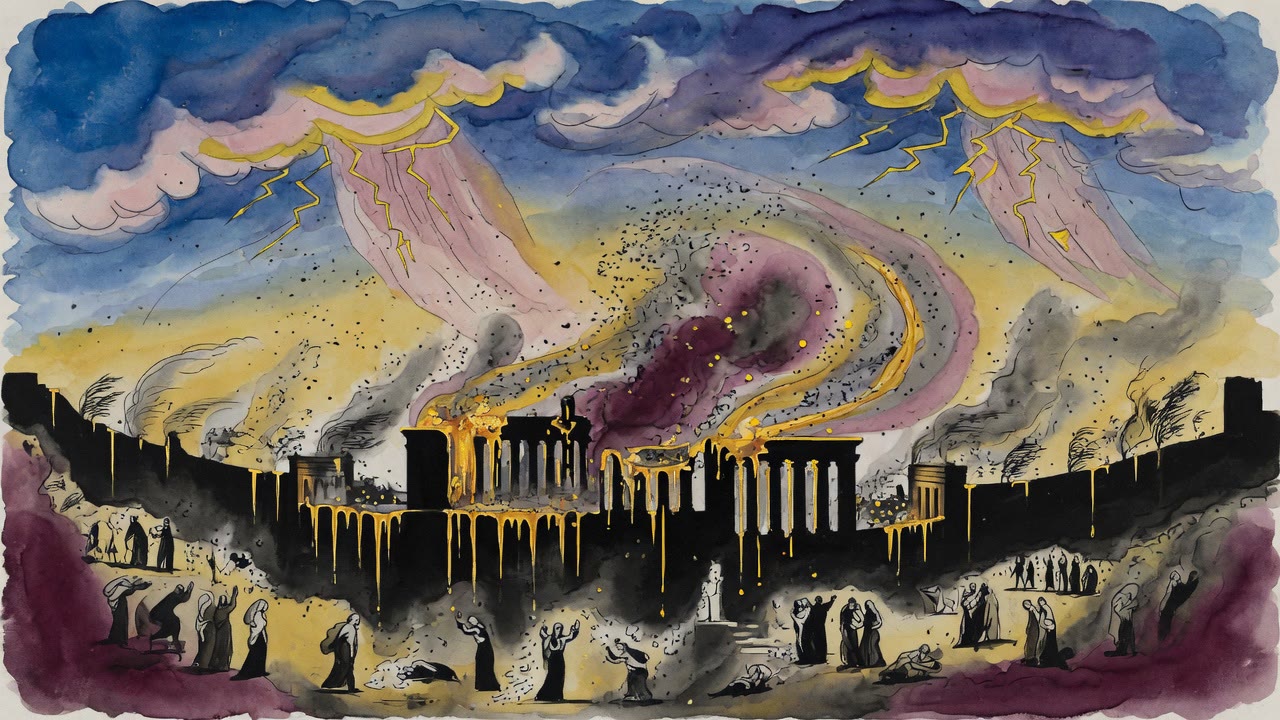
Destruction does not only knock down walls. It changes how sound works. Praise becomes whistle. Inventory becomes lament. Teaching becomes presence without words. The people at the Kotel on Tisha B'Av are not performing for the nations who named the wall. They are keeping the one gate that still opens.
What Remains When the House Is Gone
The Temple's absence is not abstract in these stories. It is dew on stone, a merchant's bitter joke, a widow's husband sitting without lessons. Jewish mourning refuses both amnesia and endless noise. It rends, then eventually sews. It weeps, then eventually speaks again. But it will not be rushed by people who think every silence is a failure.
On the Ninth of Av the calendar forces the nation into Rabbi Mana's posture. Close the ordinary books. Open the book of Lamentations. Touch the wall. If the stones are wet, do not argue meteorology first. Stand inside the older claim: we are not the only ones who remember.
Hands on the Kotel feel history as temperature. Stone holds cold longer than flesh. People come with private lists: a sick child, a broken house, a nation that still has no House. The Ninth of Av gathers those lists into one calendar wound. If dew appears, the folk reading is immediate. The wall participates. Academic distance can wait until morning.
The dome of inventory outside old Jerusalem is almost comic until it becomes tragic. A city so jealous of its joy that even bookkeeping had to happen outside the gates is a city that understood mood as a public trust. After the fall, the same travelers who once protected that joy now clap and whistle over the ruins. Mockery is inventory's evil twin. Both are ways of counting what a city is worth.
Rabbi Mana's silence in Tzippori saves the myth from pure nationalism. Not every grief is architectural. Some griefs are a spouse gone from a bed. The law of mourning that limits Torah study is not anti-Torah. It is anti-performance. It refuses to let cleverness colonize a raw week. When the nation sits on the floor on Tisha B'Av, it borrows that private wisdom and makes it public.
← All myths