Translation of the source text.Pesikta Rabbati, ed. Meir Friedmann (Ish-Shalom), Vienna 1880 · Public Domain
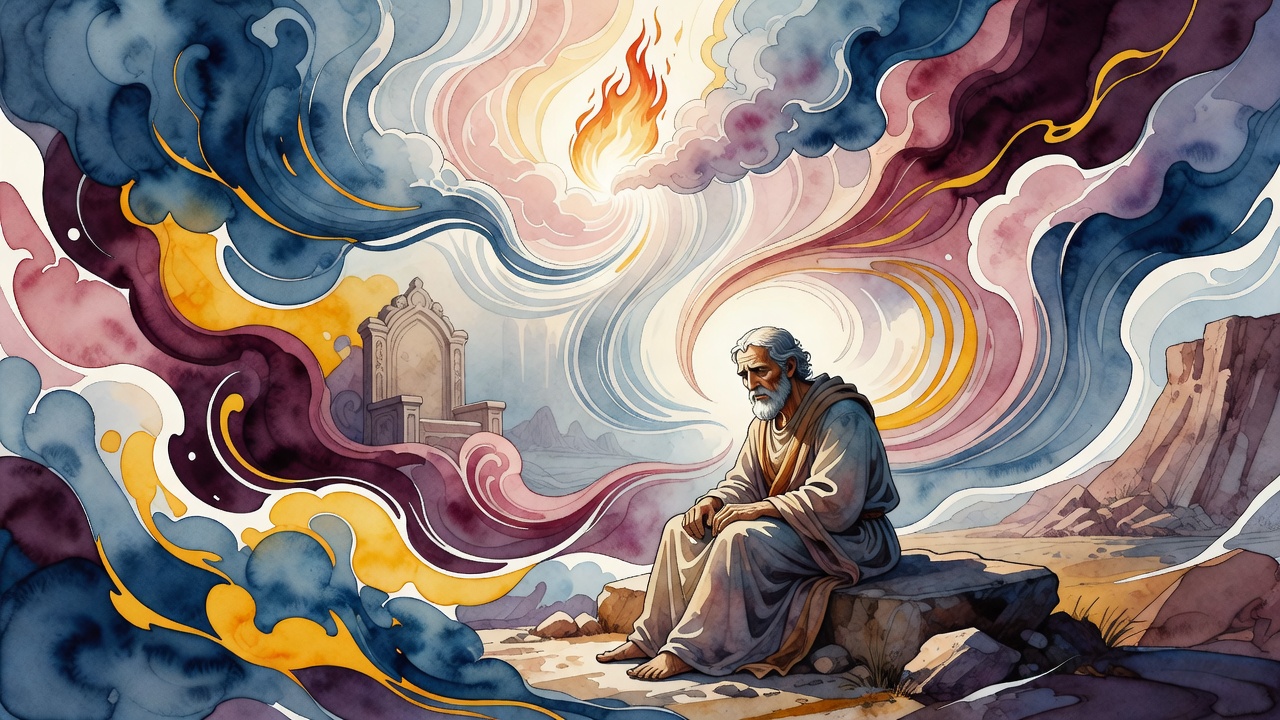
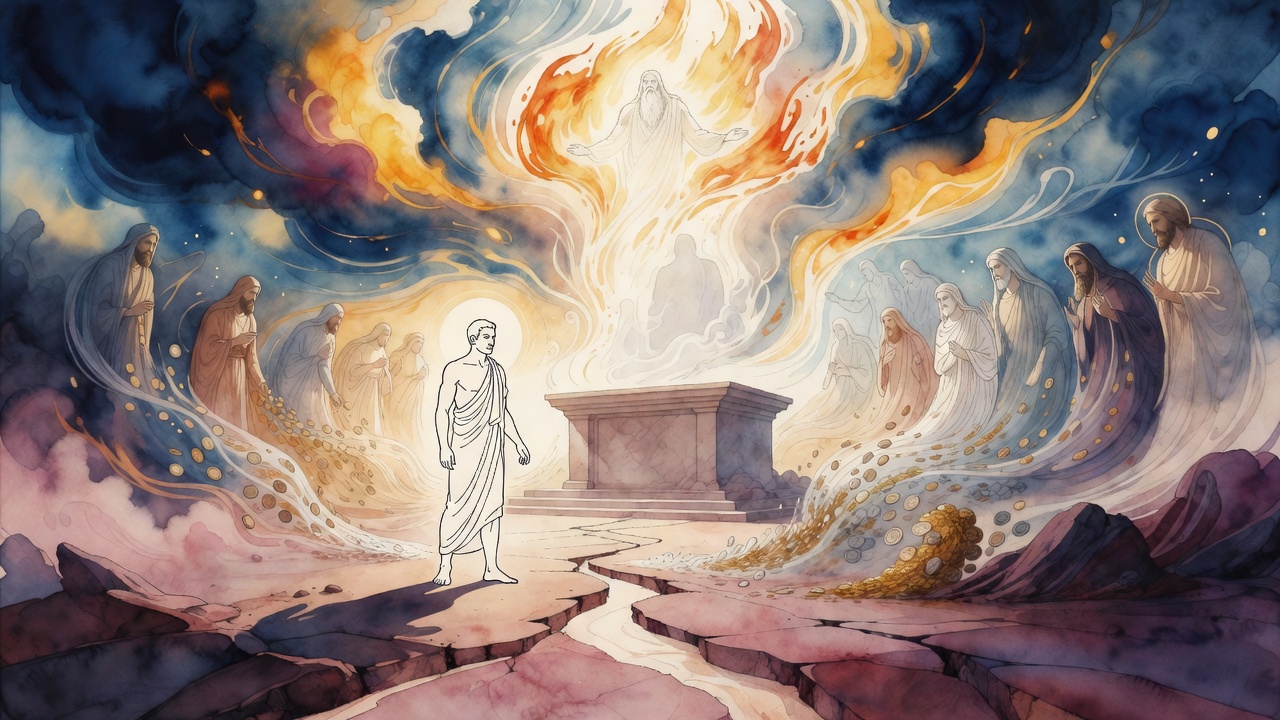
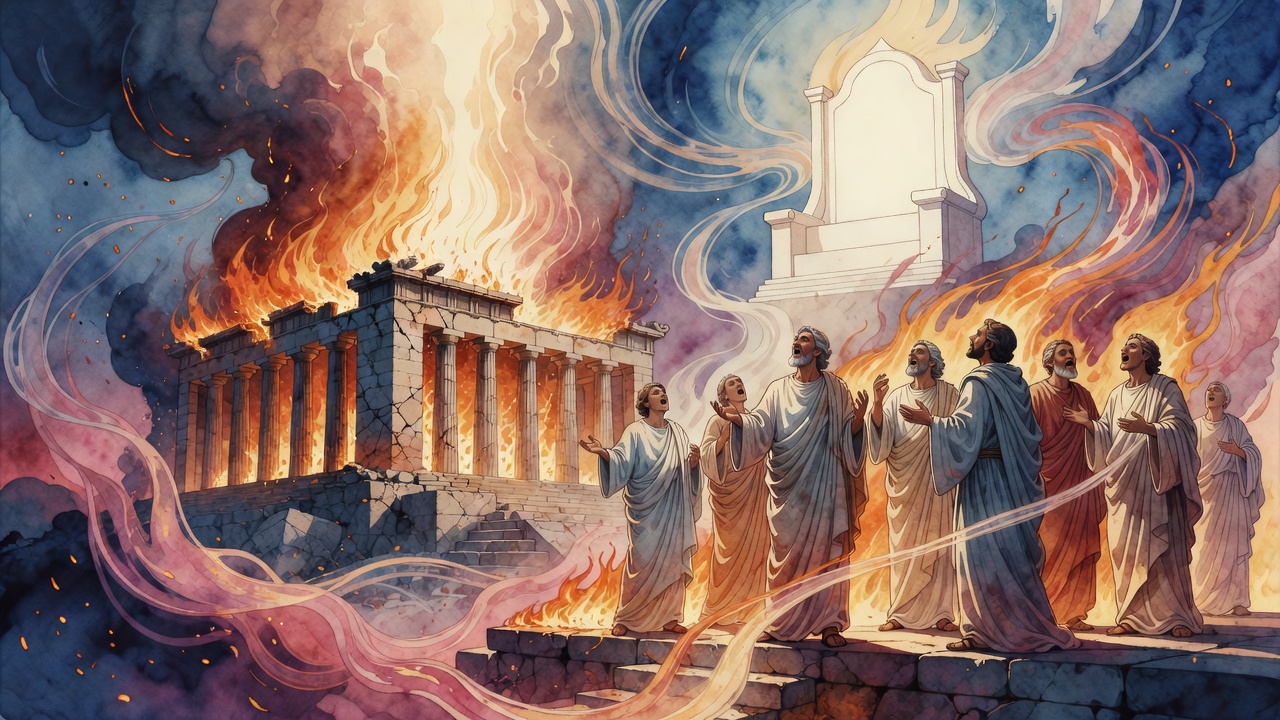
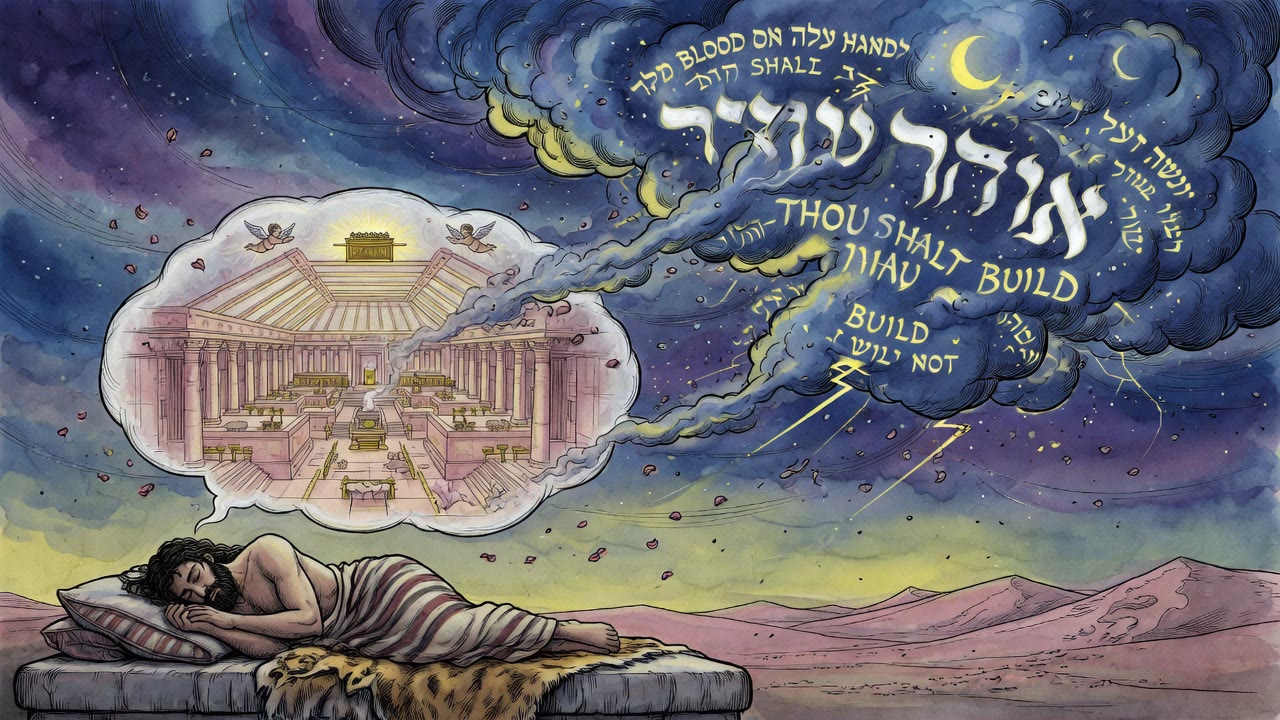
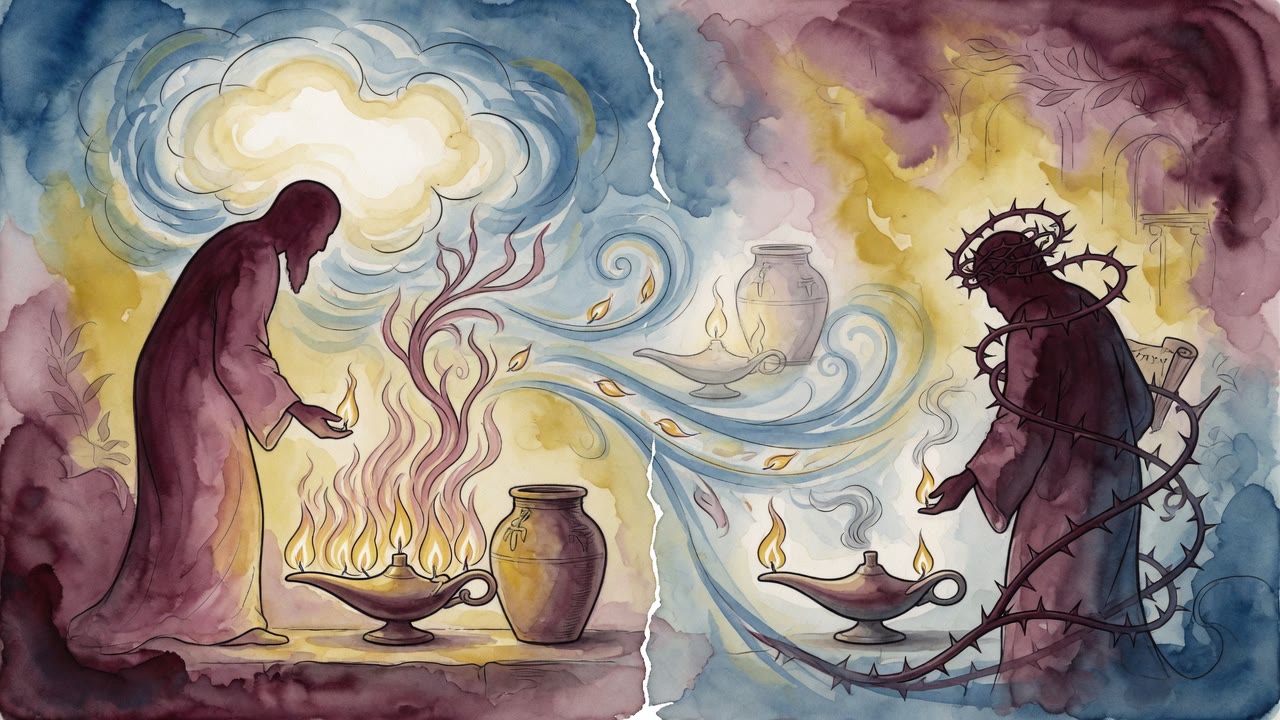
"A psalm, a song for the dedication of the House, of David" (Psalm 30:1). Let our master teach us: The Hanukkah lamp - from when is its commandment? Our masters taught: From when the sun sets until most foot-traffic has departed from the marketplace. And where do they kindle it? If one dwelt in an upper room and it had a window facing the public domain, he kindles there; and in a time of danger he kindles inside his house. [And it is forbidden to do work by its light. Rabbi Assi said:] It is forbidden even to make use of its light. And why does one kindle lamps on Hanukkah? Because at the time when the sons of the Hasmonean High Priest defeated the kingdom of Greece, as it is said, "And I will rouse your sons, O Zion, against your sons, O Greece" (Zechariah 9:13), they entered the Temple and found there eight iron spits, and they fixed them and kindled lamps in them. And why do they recite the Hallel? Because it is written, "God is the LORD, and He has given us light" (Psalm 118:27). And why do they not recite it on Purim? It is written, "To destroy, to slay, and to annihilate all the forces of any people and province that assault them" (Esther 8:11); and we recite Hallel only over the downfall of a kingdom, and the kingdom of Ahasuerus still endured - therefore we do not recite it; but over the kingdom of Greece, which the Holy One, blessed be He, brought to an end, they began to give hymn and praise and to say, "Formerly we were slaves to Pharaoh, slaves to Greece, and now we are servants of the Holy One, blessed be He. Praise, O servants of the LORD" (Psalm 113:1). And how many dedications are there? There are seven dedications, and these are they: the dedication of heaven and earth, as it is said, "And the heavens and the earth were completed" (Genesis 2:1) - and what dedication was there? "And God set them in the firmament of the heavens to give light" (Genesis 1:17); and the dedication of the wall, as it is said, "And at the dedication of the wall of Jerusalem" (Nehemiah 12:27); and the dedication of those who came up from exile, as it is said, "And they offered for the dedication of this House of God" (Ezra 6:17); and the dedication of the priests, this one which we kindle; and the dedication of the World to Come, as it is said, "I will search Jerusalem with lamps" (Zephaniah 1:12); and the dedication of the princes, "This was the dedication of the altar" (Numbers 7:84); and the dedication of the Temple, which is what they read concerning the matter, "A psalm, a song for the dedication of the House, of David." ["A psalm, a song for the dedication, etc."] Thus opened Rabbi Tanchuma bar Rabbi Abba: "Let the pious exult in glory, let them sing for joy upon their beds" (Psalm 149:5). In what glory? In the glory that the Holy One, blessed be He, does for the righteous at the hour of their departure from the world. In the way of the world, when a man dies, if he has sons, his sons attend to him; but the righteous are not so. Rather, Rabbi Yitzchak said: The Holy One, blessed be He, attends to the righteous. How do we know? "And your righteousness shall go before you" (Isaiah 58:8) - this is the Righteous One of the world, as it is said, "And the glory of the LORD shall gather you in" (Isaiah 58:8). And likewise Rabbi Chiya the Great said: At the hour the righteous one departs from the world, three companies of angels attend to him; one says, "He shall come in peace" (Isaiah 57:2), and one says, "He shall rest on his bed" (Isaiah 57:2), and one goes before him in silence, as it is said, "Walking in his uprightness" (Isaiah 57:2). Rabbi Yehuda bar Simon in the name of Rabbi Yoshiyah: The Holy One, blessed be He, as it were says to him, "Come in peace." From the wicked you learn that the Holy One, blessed be He, says, "There is no peace for you," as it is written, "There is no peace, says the LORD, for the wicked" (Isaiah 57:21). And if to the wicked He says with His mouth "There is no peace," a fortiori to the righteous that He should say to them "Come in peace." Therefore it is said, "Let the pious exult in glory" - in the glory that He does for them at the hour of their departure from the world. Another interpretation: What is "let them sing for joy upon their beds"? That they praise the Holy One, blessed be He, there. Rabbi Chama bar Rabbi Yose said: There is nothing between the living and the righteous dead but speech alone, and they praise the Holy One, blessed be He, there, where their souls are in the bundle of life, as it is written, "And the soul of my lord shall be bound in the bundle of life" (1 Samuel 25:29). Therefore it is said "let them sing for joy" (yeranenu); 'yeranenu' is nothing but a term of praise, as it is written, "The sound of joyous song (rinnah) and salvation is in the tents of the righteous" (Psalm 118:15). Another interpretation: What is "let them sing for joy"? Rabbi Yochanan said: At the hour the elder sits and expounds and says, "Thus said Rabbi Akiva, thus said Rabbi Shimon ben Yochai," their lips murmur there, as it is said, "Moving the lips of those who sleep" (Song of Songs 7:10). Therefore it is said, "Let them sing for joy upon their beds." Therefore David said, "Let me dwell in Your tent forever" (Psalm 61:5). And did it enter David's mind that he would live forever? Rather, what is this thing he said, "Let me dwell in Your tent forever"? He said, "May it be Your will that they say words in my name forever in synagogues and study houses." The Holy One, blessed be He, said to him, "By your life, even though you are dead, your name shall not depart from My House forever; rather, at every single offering they mention your name and recite songs of yours, 'A psalm of David.' And what is more, since you intended to build the Temple, even though Solomon your son builds it, in your name I write it: 'A psalm, a song for the dedication of the House, of David.'" Another interpretation: "A psalm, a song for the dedication of the House, of David." One verse says, "Will you build Me a house?" (2 Samuel 7:5), and another verse says, "You shall not build Me a house" (1 Chronicles 17:4). How is this? How do I reconcile the two verses? Rather: "You shall not build Me a house" - that you yourself do not build it; "Will you build" - that your son will build it. You put your own honor before My honor, for from the moment you saw yourself dwelling in a house of cedars, you sought the building of the Temple; but Solomon your son puts My honor before his own honor, as it is said, "And in the eleventh year... was the House finished" (1 Kings 6:38), and afterward, "And his own house Solomon built" (1 Kings 7:1). Another interpretation: "Will you build" - that you found it; "You shall not build" - that you do not complete it. Another interpretation: "You shall not build" - that you do not build it; "Will you build" - that it is called by your name, for were it not for you the fire would not have descended. How so? When it was built, how many prayers did Solomon arrange and yet the fire did not descend. Rabbi Chelbo in the name of the school of Rabbi Shila: He went and brought the coffin of David his father. He said, "Master of the worlds, if I have no deeds, do it for the sake of the lovingkindnesses of David my father." Immediately the fire descended, as it is written, "O LORD God, turn not away the face of Your anointed; remember the lovingkindnesses of David Your servant" (2 Chronicles 6:42). What is written after it? "And when Solomon had finished praying, the fire descended" (2 Chronicles 7:1). And if you do not learn from here that Solomon brought David's coffin from his grave - Rabbi Berakhiah in the name of Rabbi Chelbo in the name of the school of Rabbi Shila said: there is an explicit verse: "I will exalt You, O LORD, for You have drawn me up... O LORD, You brought up my soul from Sheol" (Psalm 30:2, 4). Therefore Solomon said, "Since it was by the merit of David my father that the Holy One, blessed be He, did this, behold, I will recite the song of the dedication of the House in his name: 'A psalm, a song for the dedication of the House, of David.'" Another interpretation: "A psalm, a song for the dedication" - come and see, Solomon builds the House and it is called by David's name. Rather, David was fit to build it, and for one thing he did not build it; and although he intended to build it, Nathan the prophet came and said to him, "You shall not build Me a house." Why? "Because you have shed much blood upon the earth before Me" (1 Chronicles 22:8). When David heard this he was afraid; he said, "Behold, I am disqualified from building the Temple." Rabbi Yehuda bar Ilai said: The Holy One, blessed be He, said to him, "David, fear not; by your life, they are before Me like the gazelle and the hart, therefore it is said 'you have shed upon the earth (artzah),' and 'artzah' is nothing but gazelle and hart, as it is said, 'The unclean and the clean may eat of it, like the gazelle and the hart; only the blood you shall not eat; upon the earth you shall pour it out like water' (Deuteronomy 12:15-16)." [Another interpretation:] The Holy One, blessed be He, said to him, "By your life, all the blood you shed was before Me as offerings, for so it is written, 'Because you have shed much blood upon the earth before Me.'" Rabbi Shimon ben Yochai said: "Before Me" is nothing but offerings, as it is said, "And he shall slaughter the bullock before the LORD" (Leviticus 1:5). David said to Him, "If so, then why do I not build it?" The Holy One, blessed be He, said to him, "Because if you build it, it would stand and not be destroyed." He said to Him, "And is that not good?" The Holy One, blessed be He, said to him, "It is revealed and foreseen before Me that they are destined to sin, and I will vent My wrath upon it and destroy it, and Israel will be saved, for so it is written, 'In the tent of the daughter of Zion He poured out His wrath like fire' (Lamentations 2:4)." The Holy One, blessed be He, said to him, "By your life, since you intended to build it, even though Solomon your son builds it, in your name I write it: 'A psalm, a song for the dedication of the House, of David.'" Another interpretation: "A psalm, etc." - there are seven dedications: the dedication of the creation of the world, as it is written, "And the heavens were completed" (Genesis 2:1), and 'were completed' (vayechulu) is nothing but a term of dedication, as it is written, "And all the work was completed" (Exodus 39:32); the dedication of Moses, as it is written, "And it came to pass on the day that Moses finished setting up" (Numbers 7:1); and the dedication of the House, as it is written, "A psalm, a song for the dedication of the House, of David" (Psalm 30:1); and the dedication of the Second Temple, [as it is said, "And they offered for the dedication of this House of God" (Ezra 6:17); and the dedication of the wall, as it is said,] "And at the dedication of the wall of Jerusalem" (Nehemiah 12:27); and this present one, of the house of the Hasmoneans; and the dedication of the World to Come, which also has lamps in it, as it is written, "And the light of the moon shall be like the light of the sun, and the light of the sun shall be sevenfold" (Isaiah 30:26).

 Click for full size