5 min read

Elazar's Hair Turns White Overnight at Yavneh

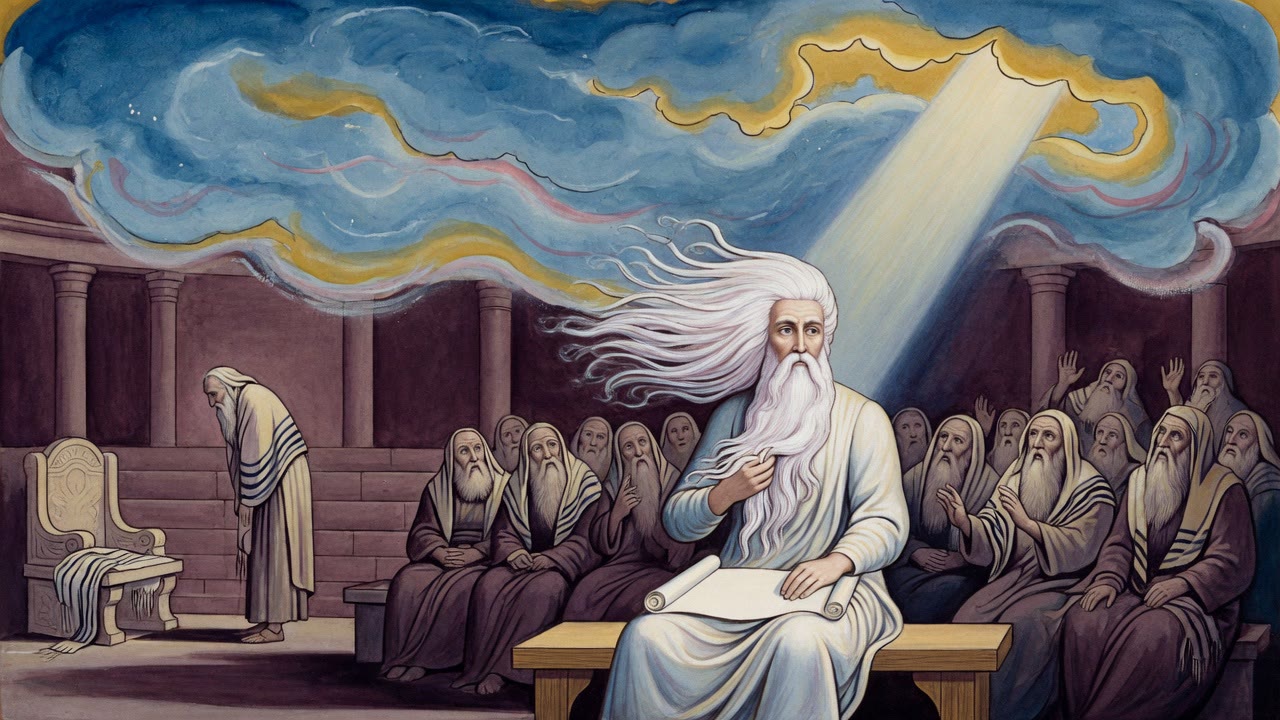
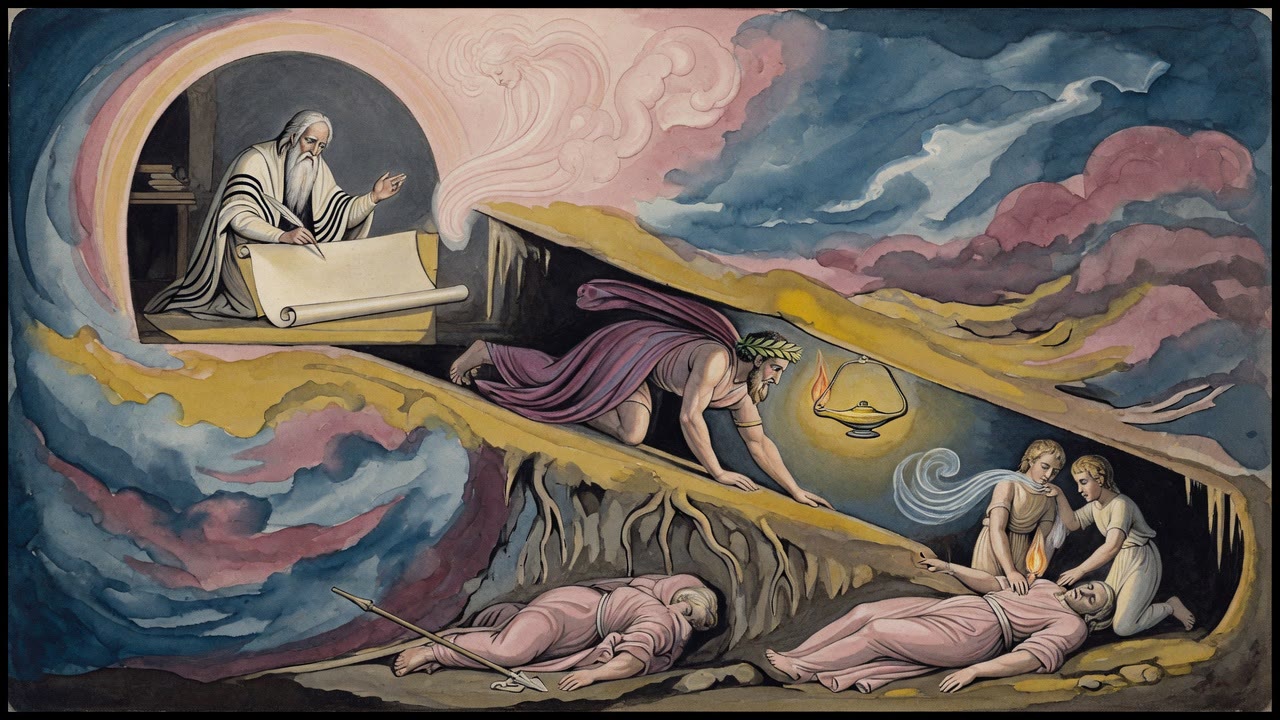
After Rabban Gamliel humiliated a peer, the sages deposed him. Eighteen-year-old Elazar woke with white hair so the academy would hear him as a man of seventy.

Curated by Arthur · Told by Maggid ·
Table of Contents
  1. A Nasi Who Used Shame
  2. An Eighteen-Year-Old Seat
  3. Doors Open, Guard Removed
  4. One Step Outside, One Step Toward
  5. What the White Hair Remembers
Elazar's Hair Turns White Overnight at Yavneh Click for full size

A Nasi Who Used Shame

Rabban Gamliel II ran the academy at Yavneh with a hard hand in the generation after the Temple's fall in 70 CE. Learning mattered. So did control. When Rabbi Yehoshua disagreed in a way that threatened order, Gamliel made him stand through the lecture while others sat, public silence used as a whip on a man whose knowledge equaled the president's.

The room felt the heat. Faces that usually turned toward texts turned toward a humiliation they could not unsee. This was not the first bruise under Gamliel's leadership. The sages counted, argued late, and finally removed him from the presidency. Power that lives on shame discovers it can be voted away even when the voter is a scholar who once feared the chair.

Yavneh needed Torah more than it needed a nasi who turned peers into warnings.

Gamliel had believed that decorum required a public example. Yehoshua standing through a lecture was meant to teach the room who ruled the air. Instead it taught the room how thin their nasi's patience had become. Scholars who respected Gamliel's lineage still felt their stomachs turn at the sight of a peer used as furniture.

When the vote came, it was not a carnival of revenge. It was a legal act of a community that had already lost a Temple and refused to lose its dignity in the study house as well. The chair emptied. The air changed. Men who had whispered in courtyards now spoke in the assembly without waiting for permission to breathe.

An Eighteen-Year-Old Seat

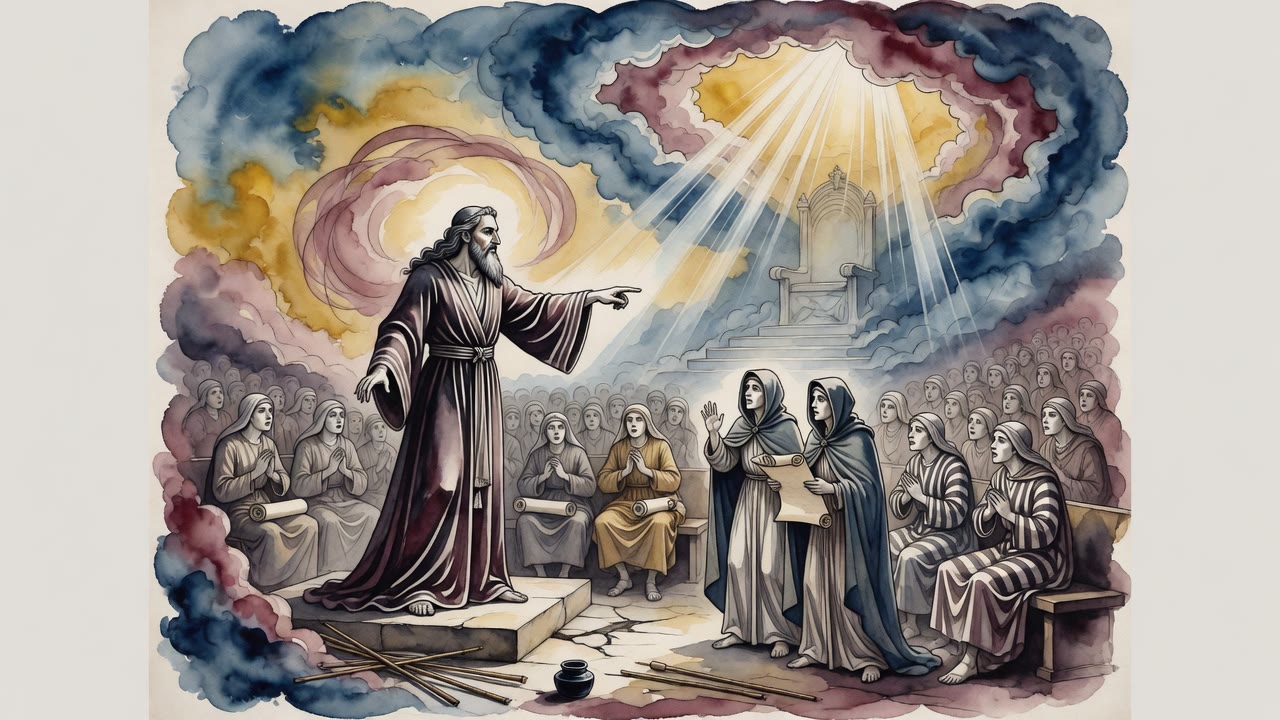
They chose Rabbi Elazar ben Azariah. He was eighteen, deep in learning, thin in years. Older men would not easily yield their ears to a face without gray. Authority in the academy was not only argument. It was the look of a man who had already outlived fashions of speech.

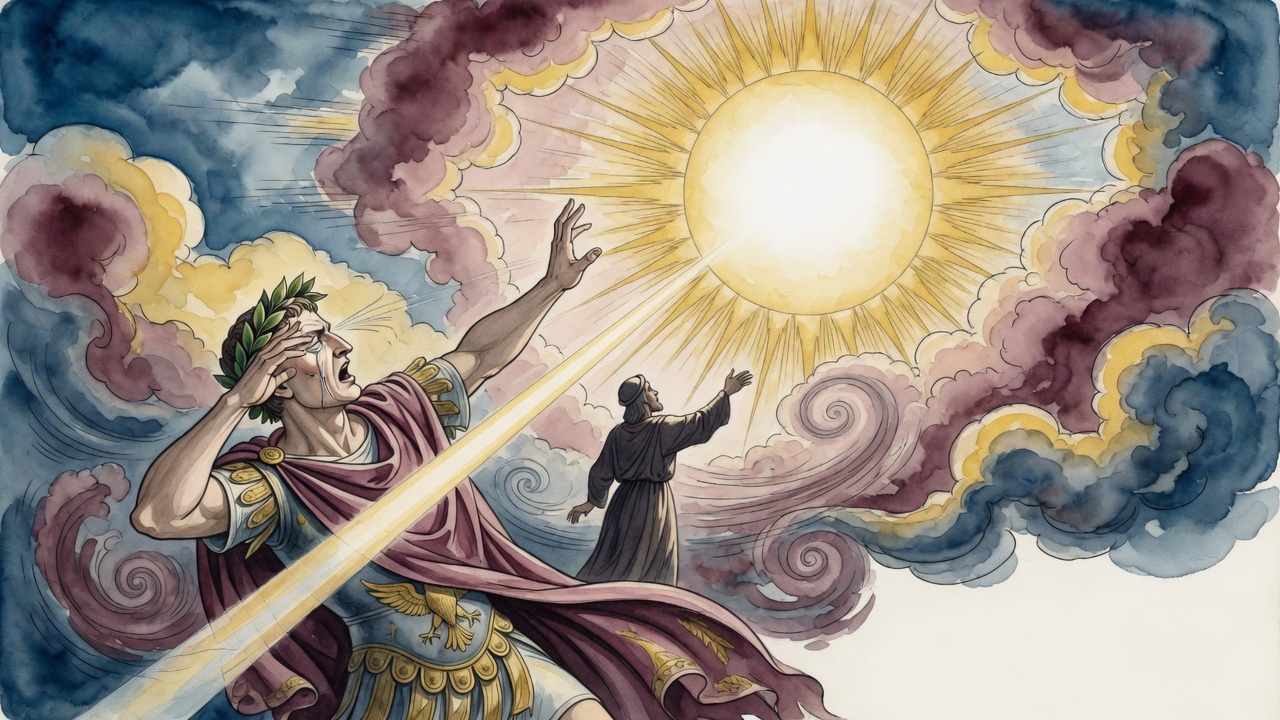
Heaven answered the problem with a body change. Overnight his black hair turned white. In the morning he looked like a man who had already carried decades. He would later say he was like a man of seventy years. The miracle was not cosmetics for vanity. It was authority granted so Torah would not lose its forum to a quarrel about age.

Students who might have smirked at youth found themselves staring at a head that had aged while they slept. The chair held a young mind in an old frame, and the frame was enough for the room to listen.

Doors Open, Guard Removed

Elazar's first acts softened the house. The guard at the door who had kept the unworthy out under Gamliel's stricter regime was removed. Hundreds more entered to learn. The academy swelled with bodies that had been waiting outside, pressed against a policy that treated access like a rare coin.

Benches filled. Arguments multiplied. The air changed from controlled to crowded, from polished fear to living noise. Gamliel himself returned in time as a colleague under a different balance of power. The humbling stuck even when the title partly returned. Leadership that had stood on shame now shared the floor with a man whose white hair had arrived as a gift, not a trophy of long politics.

The day the door lost its guard, Torah gained students who would never have been counted under the old fear.

One Step Outside, One Step Toward

Elsewhere Rabbi Elazar ben Azariah teaches from the cities of refuge: if a killer who steps one pace outside the border may be slain by the avenger of blood, how much more reward waits for the person who takes an extra step toward a mitzvah (a commandment). Boundaries cut both ways. A presidency has borders. A heart has borders. The step that shames a peer can cost a seat. The step that opens a door can fill a house with students.

The same sage who woke with white hair also knew how thin a safe zone can be when one step ruins a life. He taught precision about edges because he had lived the politics of edges: who stands, who sits, who enters, who is left in the street.

At Yavneh the extra step was white hair at dawn and a door left unguarded. At the city of refuge the extra step is a mitzvah taken when a person could have stayed still. Both images train the feet.

What the White Hair Remembers

Years later, when people told the story of the deposition, they still saw Yehoshua standing through a lecture he should not have had to endure, and they still saw Elazar's head pale as snow on a man who had gone to sleep eighteen. Between those two images sits the academy's hard lesson: brilliance without restraint becomes a weapon, and heaven may age a face overnight if that is what it takes for the people to hear Torah without sneering.

Gamliel learned the cost of using a peer as a prop. Elazar learned the weight of a chair that arrived with a miracle attached. The students learned that doors can open wider than a nasi prefers.


← All myths
From the tradition

Sources

2 sources

The texts behind this telling. Some cards carry a translation of the source; others are our own retelling of it, and each card says which. Every card links out to the original.

Gaster, Exempla of the Rabbis No. 169 (1924); Berakhot 27bThe Exempla of the Rabbis (1924)

Retold in our words. Read the original at the link below.The Exempla of the Rabbis, Moses Gaster (1924) · PD-US-pre-1929

Rabban Gamliel II, grandson of Hillel and head of the Sanhedrin at Yavneh in the generation after the destruction of the Second Temple in 70 CE, was a brilliant man with a hard streak. He insisted on decorum in the academy, and he was not above humiliating a colleague to enforce it. On one occasion he forced Rabbi Yehoshua ben Chananiah to stand humiliated during Gamliel's own lecture, publicly silencing a man whose knowledge was fully the equal of his own.

The sages present were outraged. This was not the first such incident. After long discussion, they removed Rabban Gamliel from the presidency. In his place they appointed Rabbi Elazar ben Azariah. He was only eighteen years old, a sage of deep learning but worrying youth. So that he might command the respect of his older colleagues, a miracle was granted. His black hair turned white overnight, and he looked in the morning like an old man. Rabbi Elazar is said to have remarked afterward, Behold, I am like a man of seventy years.

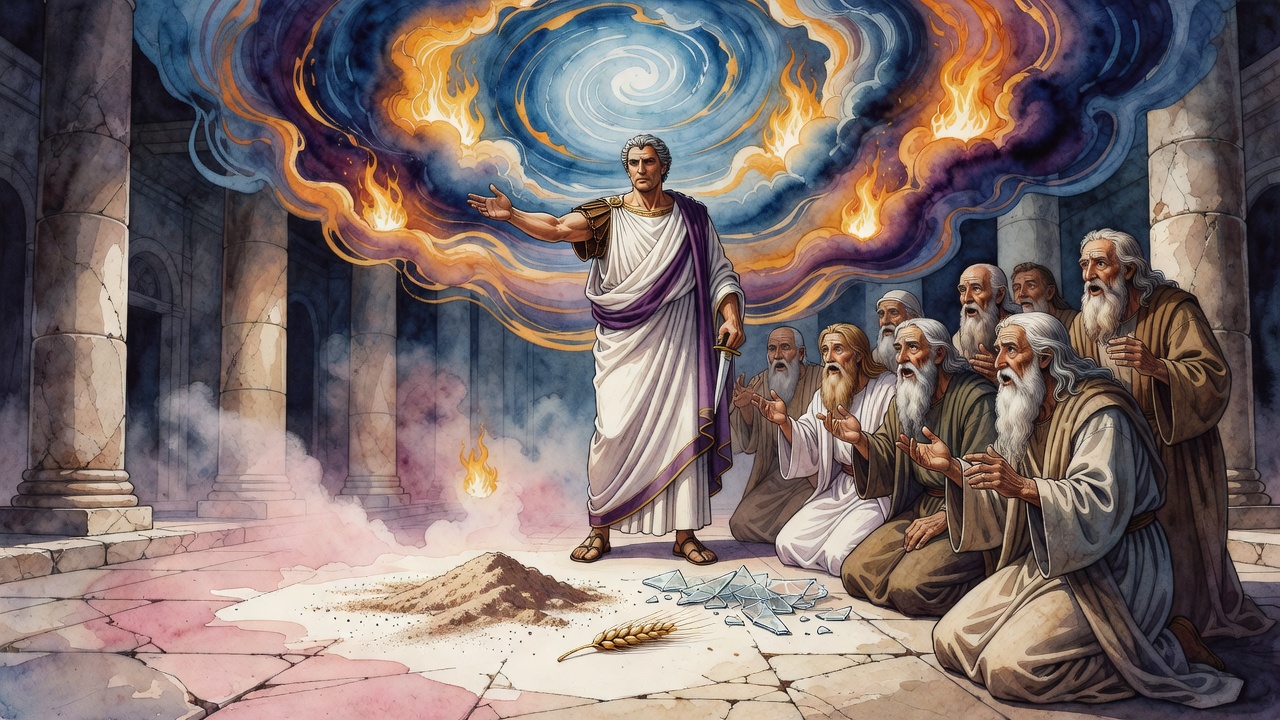
Elazar's administration was milder than Gamliel's. On his first day he removed the guard from the doorway and admitted every student who wanted to learn. Hundreds of new benches were added. Meanwhile Gamliel, at home with his disgrace, dreamed of pitchers filled with ashes. He woke comforted. The pitchers, he decided, meant the new students were unworthy, empty vessels dusted with pretense. His own stricter admissions policy had been correct.

The dispute was eventually settled. The sages, preserving dignity on both sides, restored Rabban Gamliel to office, but only as the colleague of Rabbi Elazar, though Gamliel was his senior in both age and rank. This story, preserved as exemplum 169 in Moses Gaster's 1924 Exempla of the Rabbis and told at length in Berakhot 27b-28a, teaches that even the greatest leader can be deposed when his pride tramples a colleague, and that the academy belongs not to the president but to the Torah.

Full source
Sifrei Bamidbar 160:10Sifrei Bamidbar

Retold in our words. Read the original at the link below.Sifrei by Rabbi Shraga Silverstein · CC-BY

It turns out, that idea is deeply rooted in Jewish tradition, as we find in Sifrei Bamidbar, a collection of legal interpretations on the Book of Numbers.

Specifically, These cities were designated places where someone who unintentionally killed another person could flee and find sanctuary from the victim's blood avenger – the go’el ha-dam, usually a relative tasked with seeking retribution.

The verse states: "And if the murderer go beyond the border of the city of refuge…the avenger may slay the murderer." Rabbi Elazar b. Azaryah takes this seemingly harsh law and spins it into something profound. He says, essentially, that if someone is punished for stepping just one step outside the boundary of protection, how much more reward awaits someone who takes an "extra step" to perform a mitzvah, a good deed?

Isn’t that a powerful thought? If the smallest transgression brings consequences, imagine the immense potential for good contained in even the smallest act of kindness or devotion!

The text continues, clarifying who is allowed to avenge the death of the victim. "And the avenger find him" – this doesn't just refer to the literal blood avenger, a relative. It means any man can take action if the killer leaves the city of refuge. This highlights the community's responsibility to uphold justice and protect the sanctity of life.

What happens if someone commits manslaughter within the city of refuge itself? Well, according to Sifrei Bamidbar, "If one killed in that city…he is exiled from one neighborhood (in that city) to another." Even within the sanctuary, there are consequences. A Levite, a member of the priestly tribe, living in a city of refuge would be exiled from that city to another. There's always a need for accountability, even within a system of mercy.

Finally, there's the question of what happens after the High Priest dies. The verse states, "and after the death of the high-priest, the slayer shall return to the land of his holding." But, does this mean the killer returns to their previous position? Here, we have a disagreement between Rabbi Yehudah and Rabbi Meir. Rabbi Yehudah says no, they don't get their old status back. But Rabbi Meir argues that they do return even to their former position.

This disagreement touches upon themes of forgiveness, redemption, and the possibility of complete rehabilitation after making a terrible mistake. Does society permanently mark someone who committed accidental manslaughter, or is there room for complete restoration? It’s a question that resonates even today.

It's more than just legal technicalities. It's about the importance of every action, the responsibility of community, and the enduring tension between justice and mercy. And maybe, just maybe, it's a reminder that one small step – whether in the wrong direction or the right one – can truly change everything.

Full source