5 min read

Abraham Splits the Night Against Nine Kings

Alone against nine kings, Abraham works with God until midnight. The night divides, enemies fall, and a later midnight in Egypt is already promised.

Curated by Arthur · Told by Maggid ·
Table of Contents
  1. A Lone Man Counts the Hosts
  2. The Night Divides
  3. False Work and True Reward
  4. How the Righteous Stand When They Plead
  5. Midnight Kept in Trust
Abraham Splits the Night Against Nine Kings Click for full size

A Lone Man Counts the Hosts

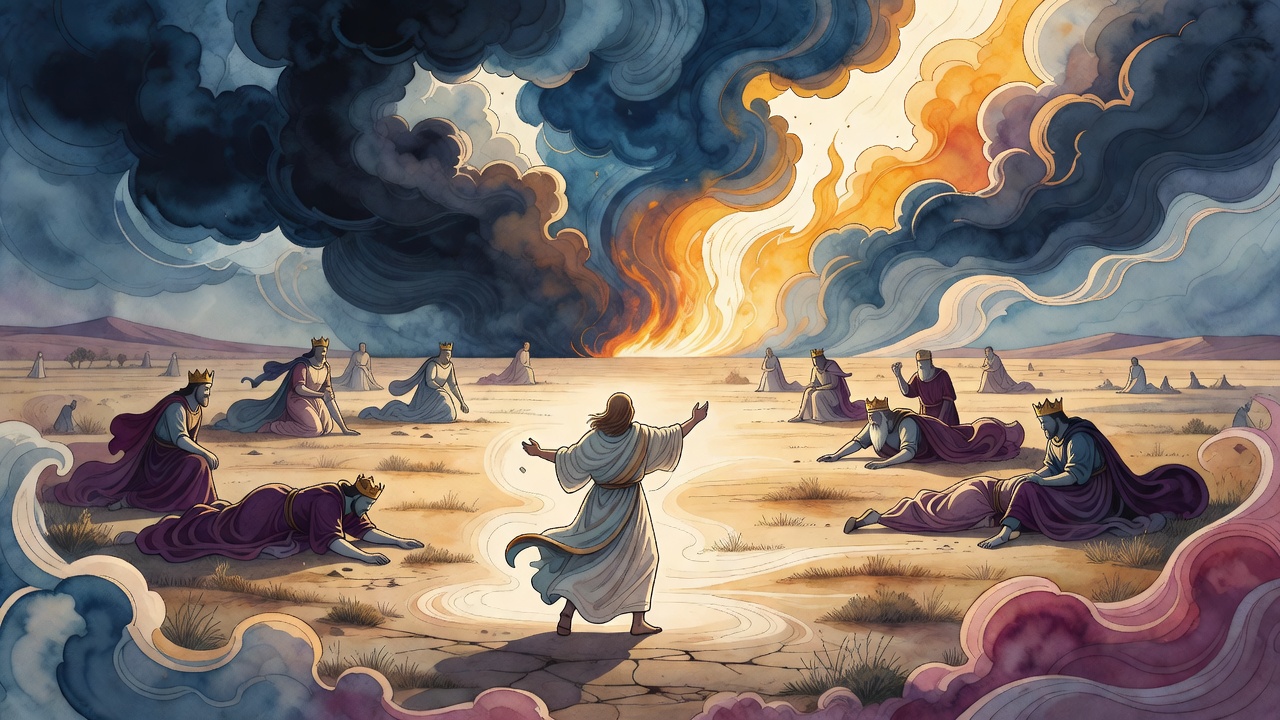
Abraham stands before the Holy One after the campaign that should have been impossible. Nine kings and their hosts had taken the field. A lone man had gone out against them. He does not boast. He names the real math.

"Master of the Universe, had You not joined Your glory to mine and lent me Your help, what is a lone man against nine kings and all their hosts? Only because You helped me did they fall into my hand."

The psalmist's line moves under the story: through You we will gore our adversaries. Through You, through Your Torah, says Rabbi Yitzhak. The little word be-kha, "through You," counts twenty-two in its letters, the count of the Torah's letters. With those twenty-two a man overcomes armies. Abraham did not invent a private magic. He fought with the alphabet of the covenant at his back, and he returns from the field still calling the victory borrowed.

The Night Divides

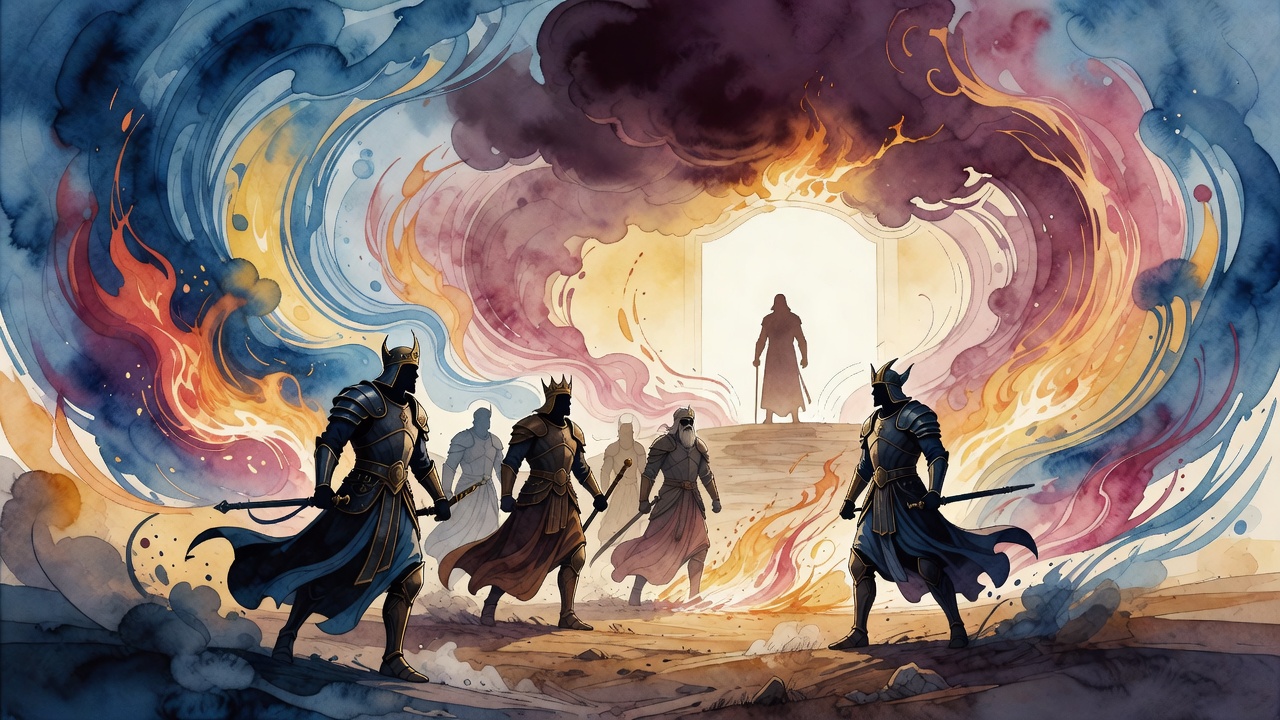
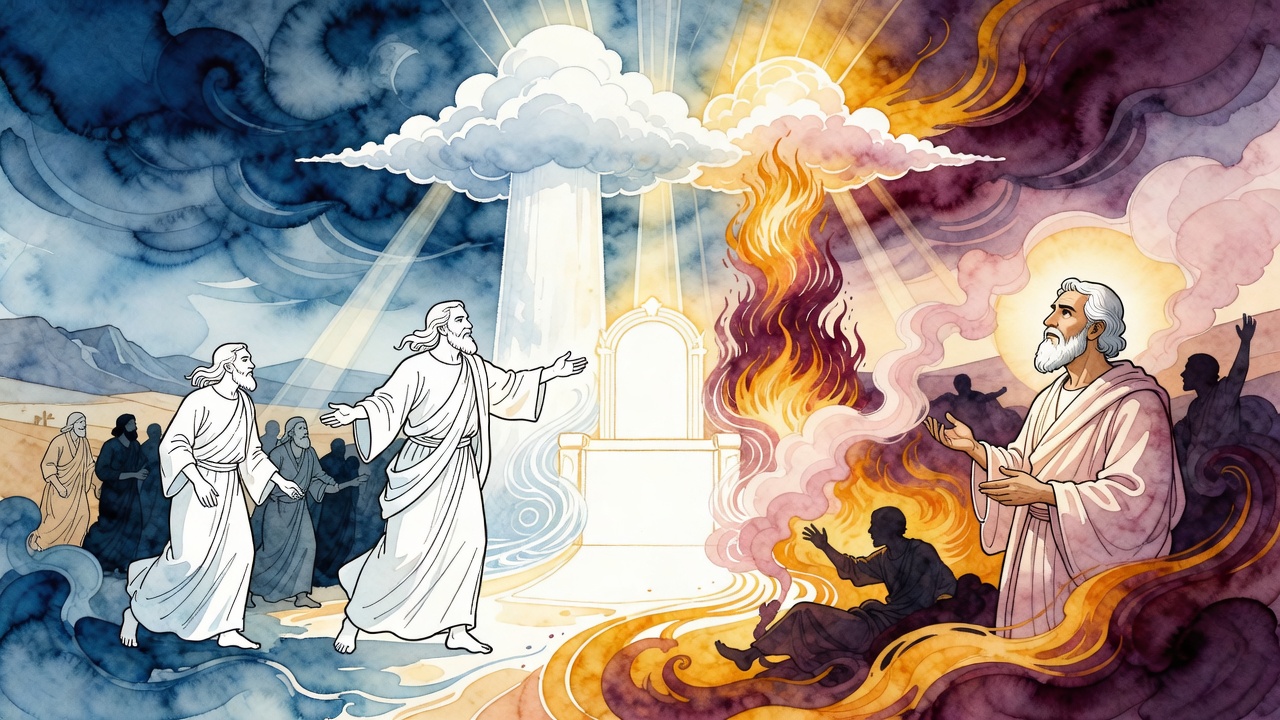
"The night was divided against them." Some say the night split open of itself. Rabbi Binyamin ben Yefet, in the name of Rabbi Yohanan, teaches otherwise: the One who knows every hour and every instant cut the night in two. Abraham worked with God from evening until midnight and struck down the enemies of the covenant. The Holy One answered with a promise that would wait generations to collect.

"You worked with Me from evening until midnight and struck down My enemies; by your life, I will work with your children from midnight until morning and strike down theirs." When the verse later says "and it came to pass at midnight" in Egypt, the night Abraham split is still moving (Exodus 12:29). One divided darkness becomes the template for another. The household of Abraham learns that midnight is not empty time. It is a shared shift between father and children across centuries.

False Work and True Reward

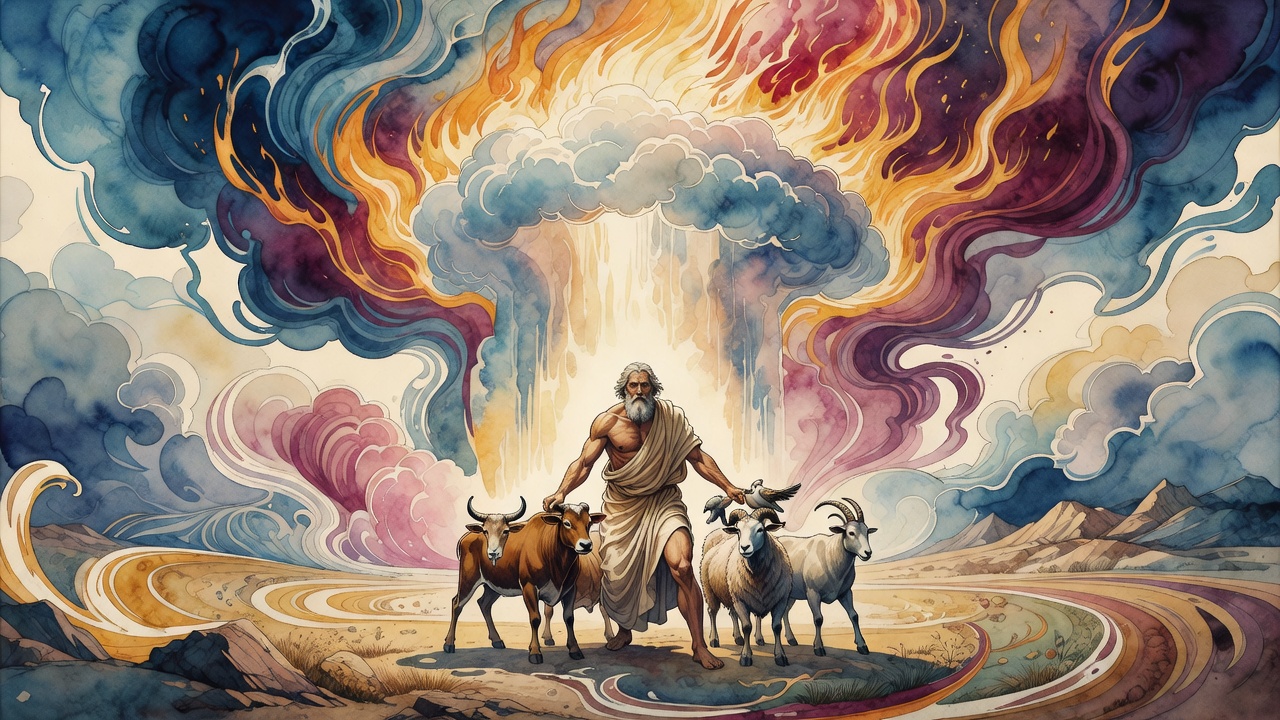
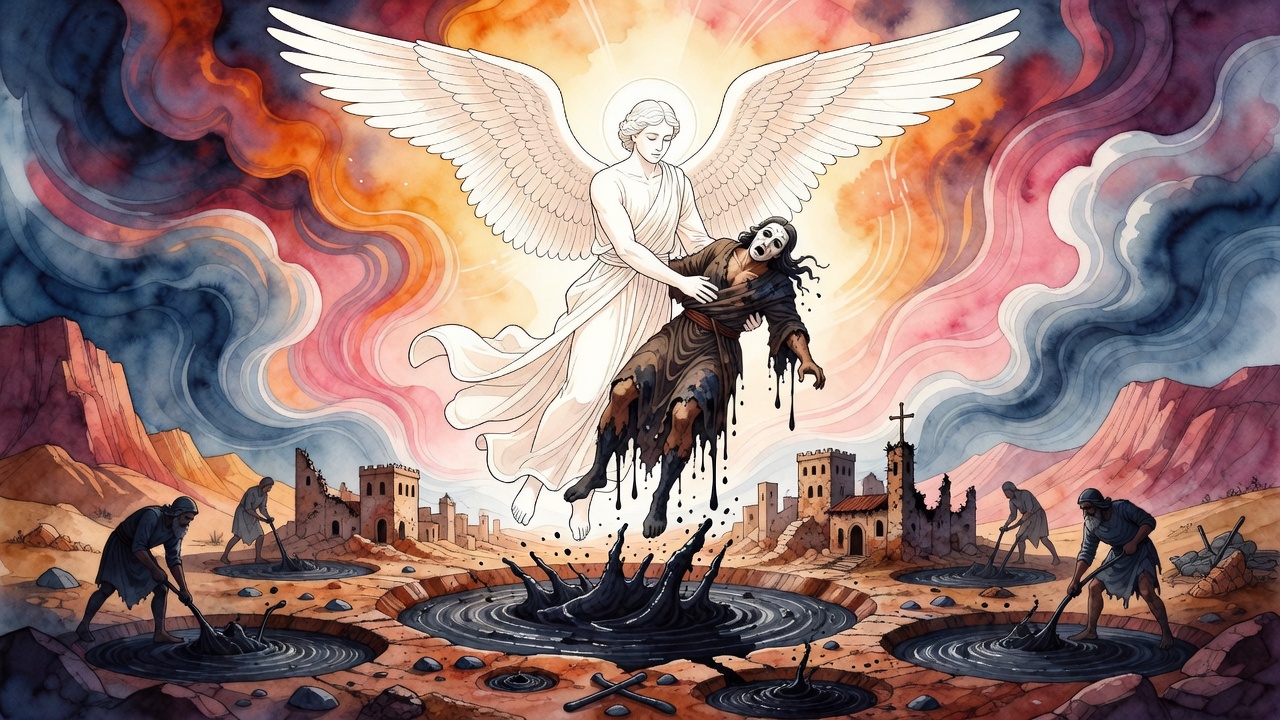
Set beside that night is another man who also shaped the world with his hands. Nimrod shaped idols and led the sons of men after them. The prophet called the molten image falsehood, with no breath in it. Hollow work, profit built on a lie. Abraham planted an eshel in Beersheba, a house of welcome, and fed travelers who passed to and fro, asking nothing in return. He sowed kindness the way a farmer sows seed.

"After these things," the Holy One came with a promise weighed against Nimrod's emptiness. "By your life, you have a true reward." "Fear not, Abram; your reward shall be exceedingly great." Falsehood pays in smoke. Righteousness is paid in truth. The night of war and the table of welcome are two sides of the same man: he fights with God's help and feeds without invoice. The kings fall. The strangers eat. Both scenes answer the same question: what work has breath in it?

How the Righteous Stand When They Plead

Abraham does not only strike kings. He also stands before God for cities that deserve fire. The fathers of the world pray in awe, not with a lean against the wall. When a man once leaned carelessly against a wall to read Torah, Rabbi Samuel bar Nahmani turned him right back. Gravity is the dress code for standing before Heaven.

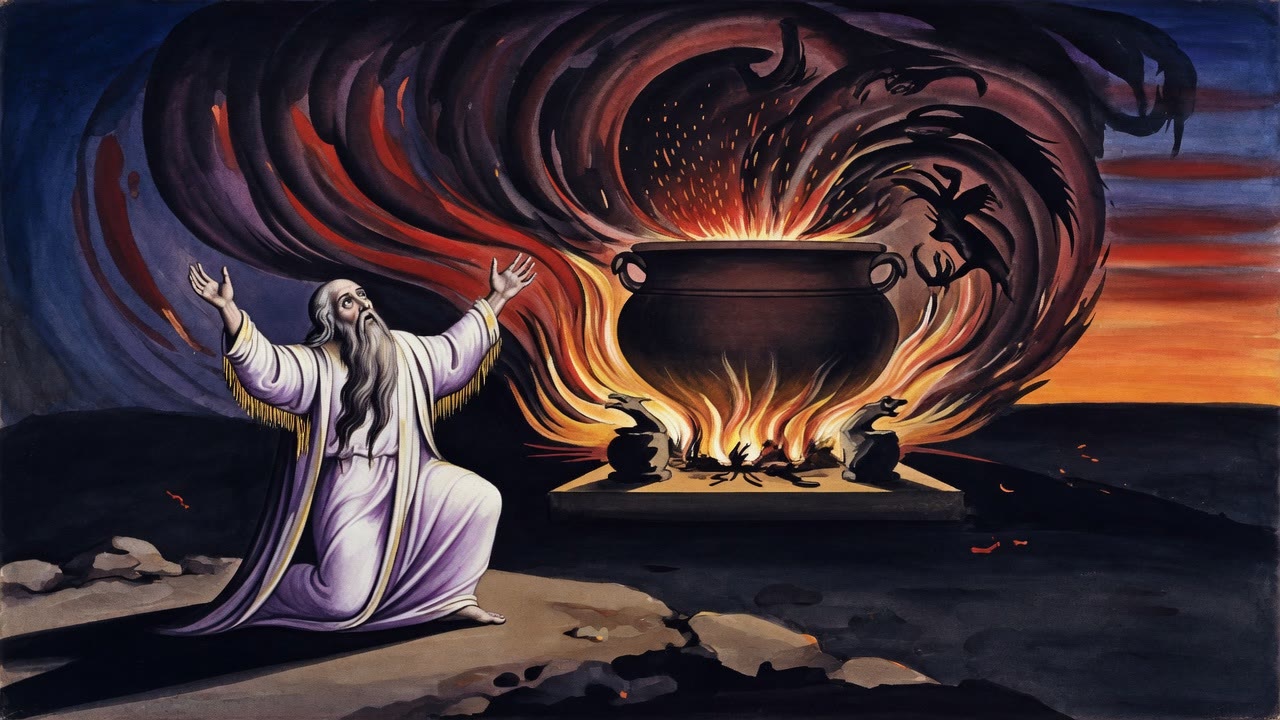
When God resolves to overturn the five cities, He takes counsel with Abraham, who pleads for Sodom in the hope that the guilty might still turn. "Far be it from You to do such a thing." The same mouth that counted nine kings as nothing without Heaven now argues Heaven down toward mercy. Moses will later learn the craft of pleading merit, and the Holy One will wrap Himself like a prayer leader to teach the thirteen attributes. Abraham is already practicing the posture: gravity, not frivolity; advocacy, not swagger; a lone man who knows when to fight and when to beg for the enemy's chance to repent.

Midnight Kept in Trust

When the last of the nine kings' camp has broken, Abraham is still a sojourner with a tent and a promise. The divided night is not a trophy he hangs on a peg. It is a deposit. Generations later, Israel will walk out under a midnight that remembers his midnight. Nimrod's statues will still have no breath. The eshel's custom of open tables will still be the measure of true reward.

Abraham wipes the dust from his hands. The second half of the night belongs to his children, and he cannot spend it early. He can only keep working the half that was given him, from evening until the cut, until the field is quiet and the promise is stored for Egypt.


← All myths

From the tradition

Sources

3 sources

The texts behind this telling. Some cards carry a translation of the source; others are our own retelling of it, and each card says which. Every card links out to the original.

Midrash Tanchuma Buber, Lech Lecha 11:1Midrash Tanchuma Buber, Lech Lecha

Translation of the source text.Midrash Tanchuma (Buber), Public Domain, on Sefaria · CC-BY-SA

Another interpretation of "And it came to pass in the days of Amraphel" (Genesis 14:1). This is what Scripture says: "Through You we will gore our adversaries" (Psalms 44:6), "Through You," that is, through Your Torah. [Rabbi Yitzhak said:] "Through You" (be-kha) by gematria, bet is two, kaf is twenty, which makes twenty-two, through the twenty-two letters that are in the Torah. (And the verse continues:) "[in Your name we will trample down those who rise against us]." Abraham said before the Holy One, blessed be He: Master of the Universe, had You not joined Your glory with me and helped me, what could a single man do against nine kings and their armies? Rather, because You helped me, they fell into my hand.

What is written? "And the night was divided against them" (Genesis 14:15). The Rabbis say: the night divided of itself. Rabbi Binyamin ben Yefet said in the name of Rabbi Yohanan: the Holy One, blessed be He, who knows His times and His instants, He divided it. The Holy One, blessed be He, said to him: You have acted with Me from last evening until the middle of the night and have slain My enemies. By your life, I will act with your children from midnight until the morning and slay their enemies, as it is said: "And it came to pass at midnight" (Exodus 12:29). Therefore it is said: "And it came to pass in the days of Amraphel."

Full source
Midrash Tanchuma Buber, Lech Lecha 15:1Midrash Tanchuma Buber, Lech Lecha

Translation of the source text.Midrash Tanchuma (Buber), Public Domain, on Sefaria · CC-BY-SA

"After these things" (Genesis 15:1). This is what Scripture says: "A wicked one performs deceptive work" (Proverbs 11:18). This is Nimrod the wicked, who would make images and lead astray the sons of men, for idolatry is likened to falsehood, as it is said: "For their molten image is falsehood, and there is no breath in them" (Jeremiah 10:14). "But he who sows righteousness has a true reward" (Proverbs 11:18). This is Abraham our father, who sowed righteousness and would feed those who passed to and fro, as it is said: "And he planted an eshel in Beersheba" (Genesis 21:33). The Holy One, blessed be He, said to him: By your life, you have a true reward, as it is said: "Fear not, Abram [... your reward shall be exceedingly great]" (Genesis 15:1).

Full source
Midrash Tanchuma Buber, Vayera 9:1Midrash Tanchuma Buber, Vayera

Translation of the source text.Midrash Tanchuma (Buber), Public Domain, on Sefaria · CC-BY-SA

(Genesis 18:25:) FAR BE IT FROM YOU TO DO SUCH A THING. Let our master teach us: What of one who stands and prays with frivolity? Thus our masters taught: One stands to pray only with gravity (literally, heaviness of head). David said (Psalms 2:11): SERVE THE LORD WITH FEAR, AND REJOICE WITH TREMBLING.

There was a case of a certain man who stood to read from the Torah and leaned himself against the wall, and Rabbi Samuel bar Nahmani turned him back, saying that he should not conduct himself with frivolity. And so you find with the fathers of the world: when they prayed, they prayed with awe. For so Moses said (Deuteronomy 9:18, 25): AND I CAST MYSELF DOWN BEFORE THE LORD, when he was seeking mercy for Israel, as it is said (Exodus 32:11): AND MOSES IMPLORED. He girded his loins in prayer [to plead an advocacy for Israel]. He said before Him: Master of the Universe, WHY, O LORD, SHOULD YOUR WRATH BURN AGAINST YOUR PEOPLE, etc.; WHY SHOULD EGYPT SPEAK, etc.; REMEMBER ABRAHAM, ISAAC, AND ISRAEL YOUR SERVANTS, etc. (Exodus 32:11-13).

Hezekiah bar Hiyya said: It was not pleasing to the Holy One, blessed be He, until Moses mentioned the merit of the fathers. The Holy One, blessed be He, said to him: Moses, had they not had the merit of the fathers, I would have destroyed them. You do not know how to plead merit. Rabbi Pinhas the Priest bar Hama in the name of Rabbi Simon, and Rabbi Abin in the name of Rabbi Aha, said: What did the Holy One, blessed be He, do? He wrapped Himself in His prayer shawl like a leader of the congregation [who passes] before the ark, and said to Moses: Thus shall you pray before Me, and say: THE LORD, THE LORD, A GOD MERCIFUL AND GRACIOUS, etc. (Exodus 34:6), as it is said: AND THE LORD PASSED BEFORE HIS FACE AND PROCLAIMED, etc. (ibid.). What is AND HE PASSED? Like one who passes before the ark.

See how the righteous seek merit for the world and plead an advocacy for Israel, and not for Israel alone but even for the wicked, as it is said (Ezekiel 33:11): AS I LIVE, SAYS THE LORD GOD, I DO NOT DESIRE THE DEATH OF THE WICKED. Why? Perhaps he will repent. Know for yourself that this is so: at the time when the Holy One, blessed be He, sought to overturn these five cities, He took counsel with Abraham, as it is said (Genesis 18:20): AND THE LORD SAID, THE OUTCRY OF SODOM AND GOMORRAH. Abraham began to plead an advocacy for them before the Holy One, blessed be He, thinking that perhaps they would repent. From where? From what they read on the matter: FAR BE IT FROM YOU TO DO SUCH A THING.

Full source