Abraham Struck at Midnight and Egypt's Firstborn Died at Midnight
A runner reached the oaks of Mamre with the news that Lot was gone. Abraham armed three hundred and eighteen house servants and went after four kings.
Table of Contents
 Click for full size
Somebody Ran to Mamre With the News
Four kings came down out of the north and flattened everything in front of them. Amraphel of Shinar. Arioch of Ellasar. Chedorlaomer of Elam. Tidal of Goiim. The five little kings of the plain lined up against them in the Valley of Siddim, which was nothing but tar pits, and when the line broke the king of Sodom and the king of Gomorrah went straight down into the tar.
The winners stripped the cities and walked north with the food, the goods, and the people. Lot was among the people. He had chosen Sodom for the good grass and now he was walking in a column with a rope on him.
One man got away and ran. He found Abraham at the oaks of Mamre, well south, where Abraham was living in a rented arrangement with three Amorite brothers who had agreed to stand with him if anything ever came.
Something had come.
Three Hundred and Eighteen Men and Half a Night
Abraham did not send to Egypt for help and did not wait for the cities to organize. He counted the men born in his own household, the ones raised in his tents, and there were three hundred and eighteen of them. Herdsmen. Cooks. Men who had never put a hand on a weapon.
He armed them and went north, and he chased those four armies the whole length of the country, all the way up to Dan.
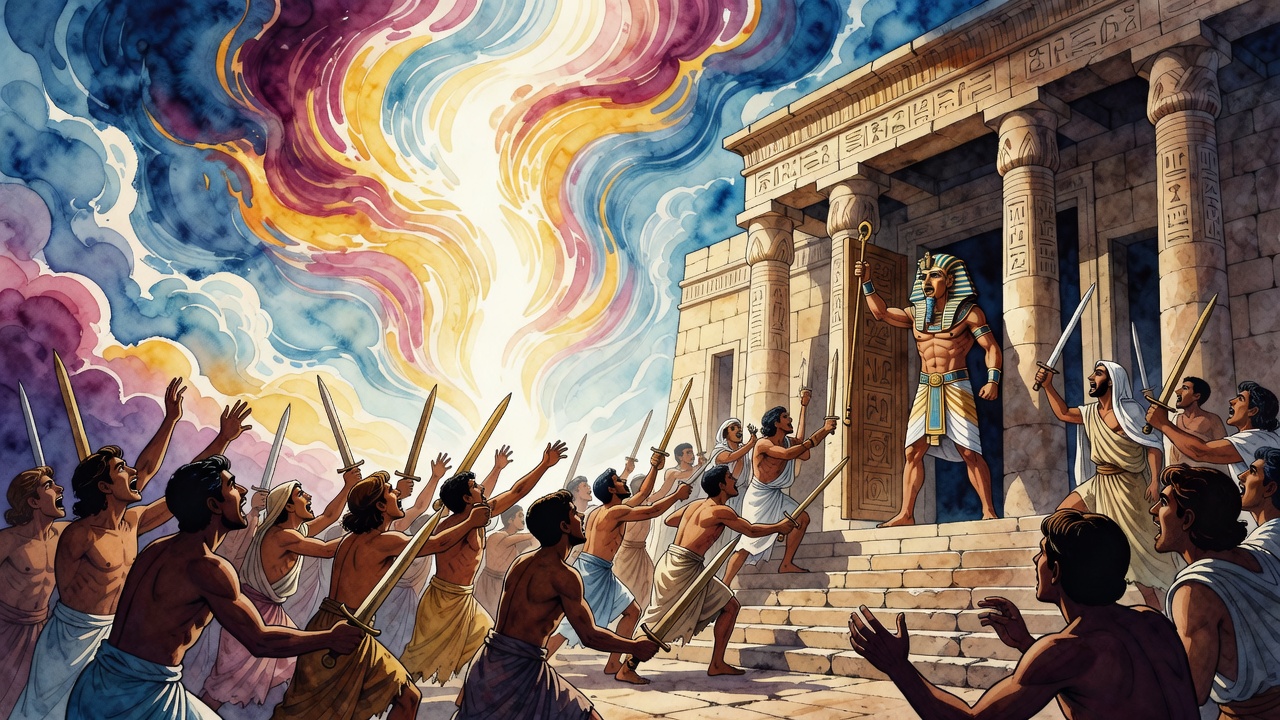
Then he waited. He did not hit them at dusk and he did not hit them at first light. He held his men in the dark and let the night run down, and at midnight, the exact middle of it, when the last watch had gone slack and the fires were low, he split his people into more than one party and came at the camp from more than one side at once.
They ran. Abraham drove them past Damascus and did not stop until Hobah, and then he turned around and walked back south with everything: the goods, the food, the captured people, the women, and Lot.
The Darkness That Came With a Promise Inside It
Not long after, the sun went down on Abraham while he stood over the halves of a heifer, a goat, a ram, a dove, a young pigeon, all of it laid out in two rows on the ground with a lane between.
Sleep took him, and with the sleep came a dread and a heavy blackness, and God spoke inside it.
"Your children will be strangers in a country that is not theirs. They will be slaves there. They will be crushed there, for four hundred years. And that nation they serve, I will judge, and after that they will walk out carrying a great deal of property."
The word for judgment sat in that sentence like a stone in a wall, and the promise under it did not depend on how the slaves behaved. If they turned back to God, the redemption would come with His whole Name behind it. If they did not turn back, it would still come. There was a floor under the thing that could not be dug through.
There was one more word in it that Abraham could not have measured. God did not say I will judge that nation. He said and also that nation, and the extra word reached past Egypt to the empires that would come after Egypt, one after another, none of them named yet.
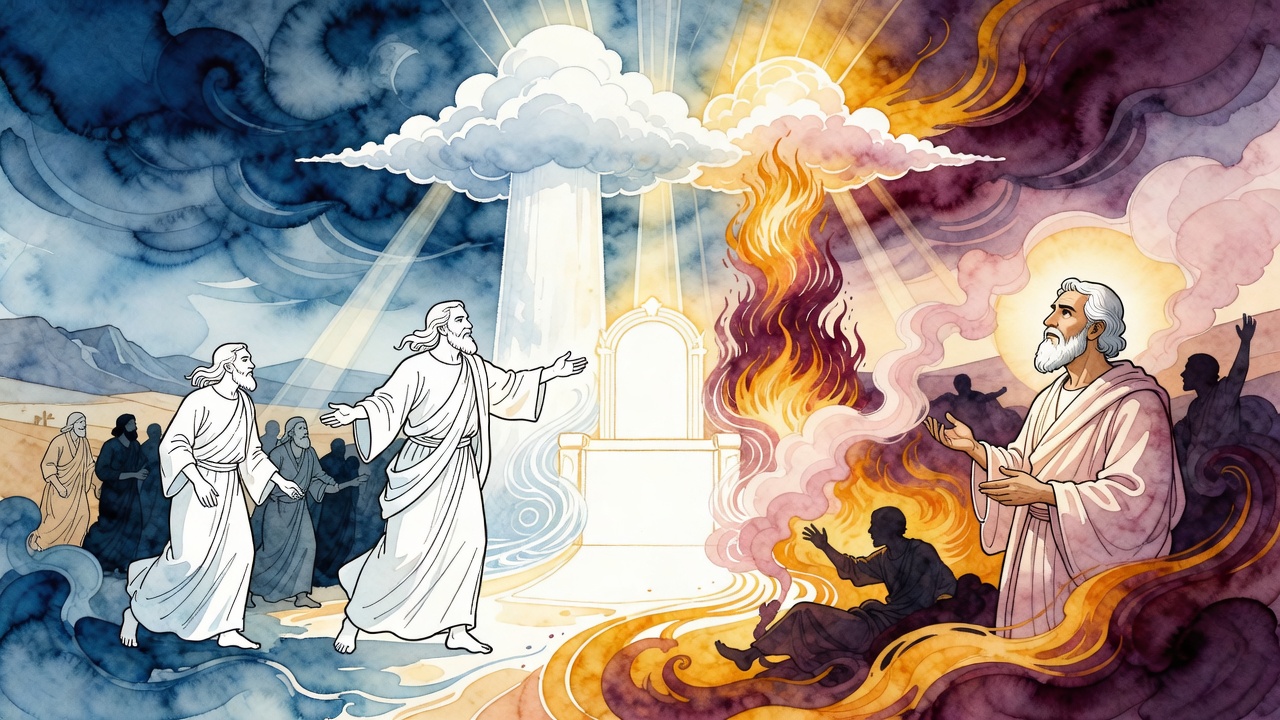
Then a smoking oven and a burning torch moved down the lane between the pieces, and the covenant was cut in the dark by fire that no one carried.
The Same Hour, Four Hundred Years On
Egypt went to bed on an ordinary night.
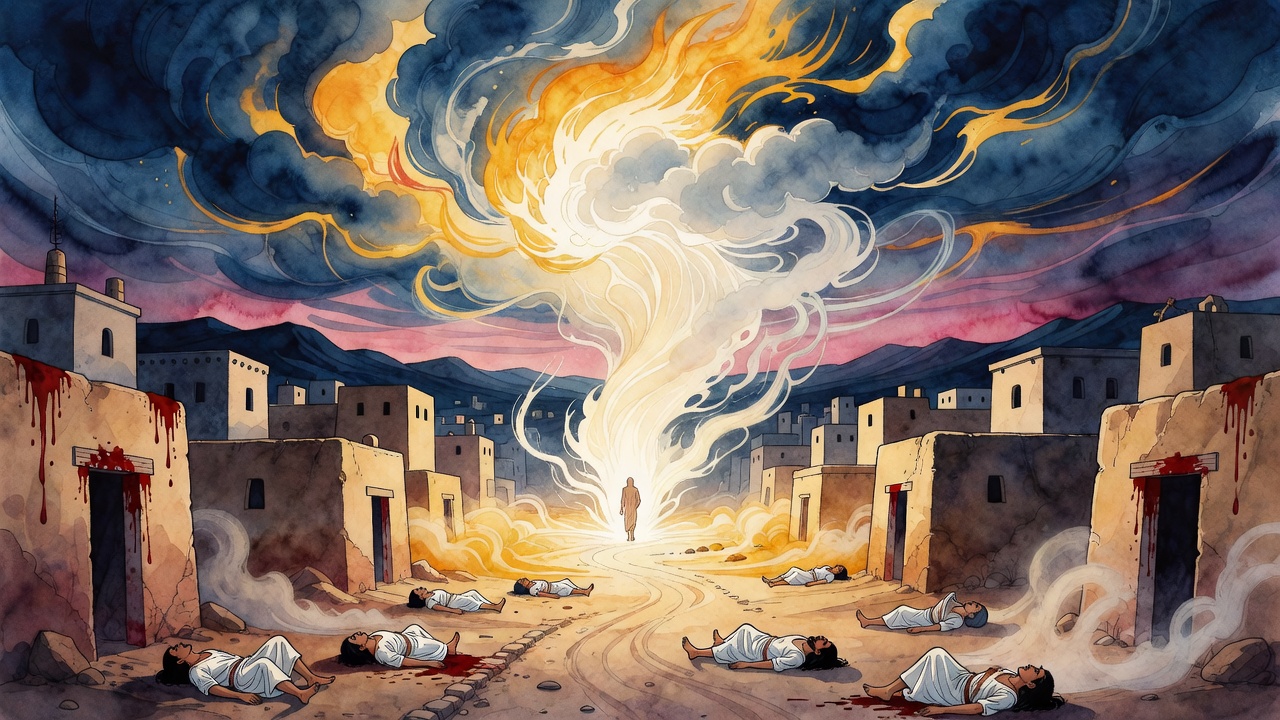
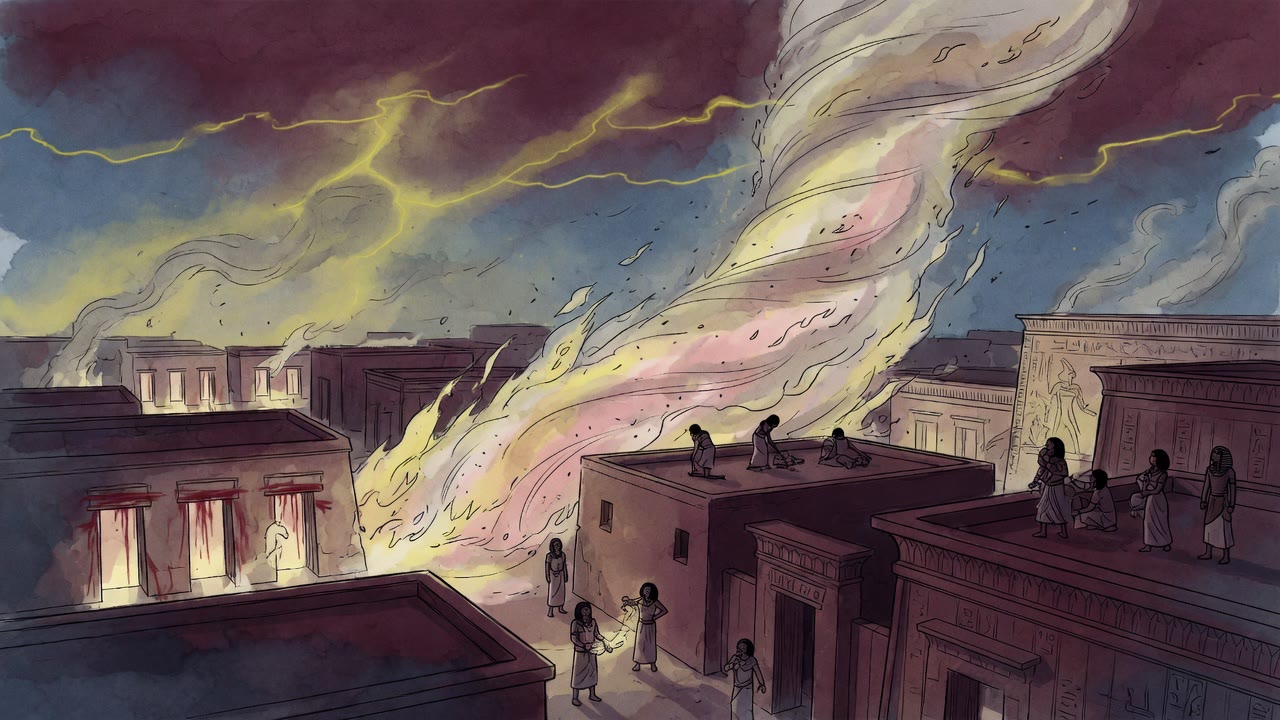
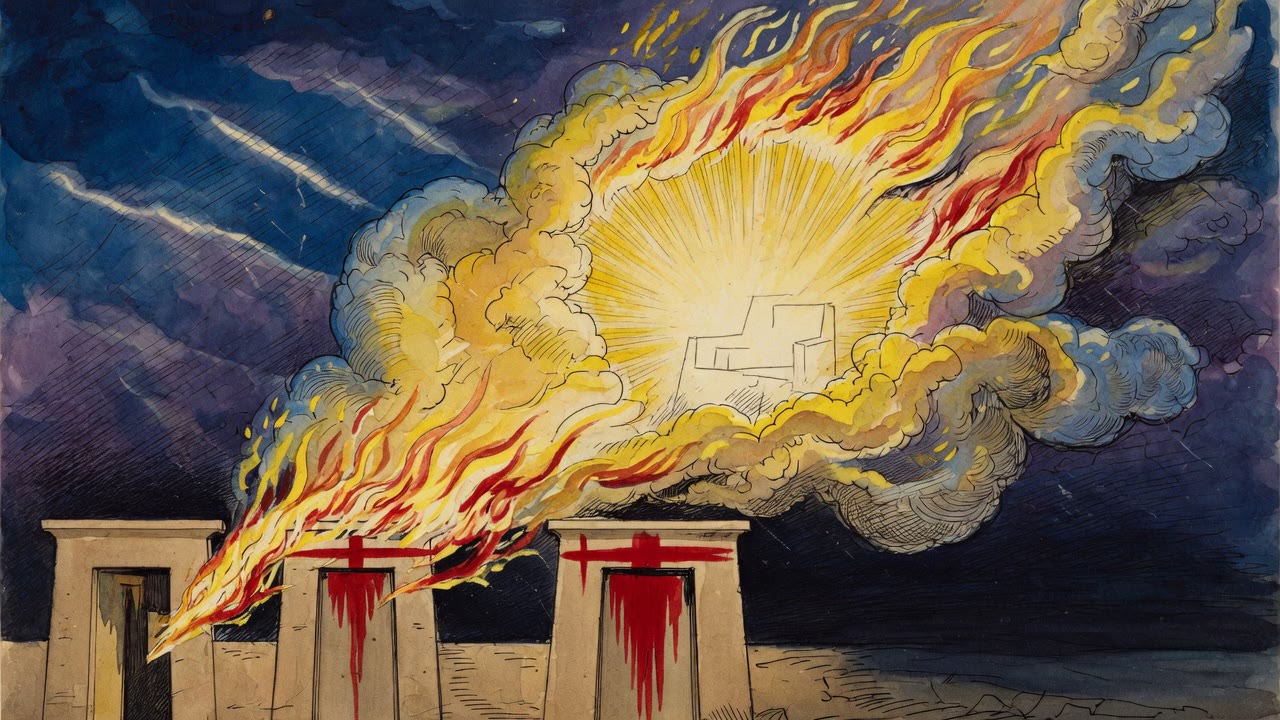
At midnight, the same seam Abraham had used, God went through the country. The firstborn of Pharaoh, who would have taken the throne. The firstborn of the man in the dungeon who owned nothing at all. The firstborn of the cattle in the stalls. Pharaoh got up in the night, and his officials got up, and every household in Egypt got up, and there was one cry going up out of the whole land, because there was not a house without a dead body in it.
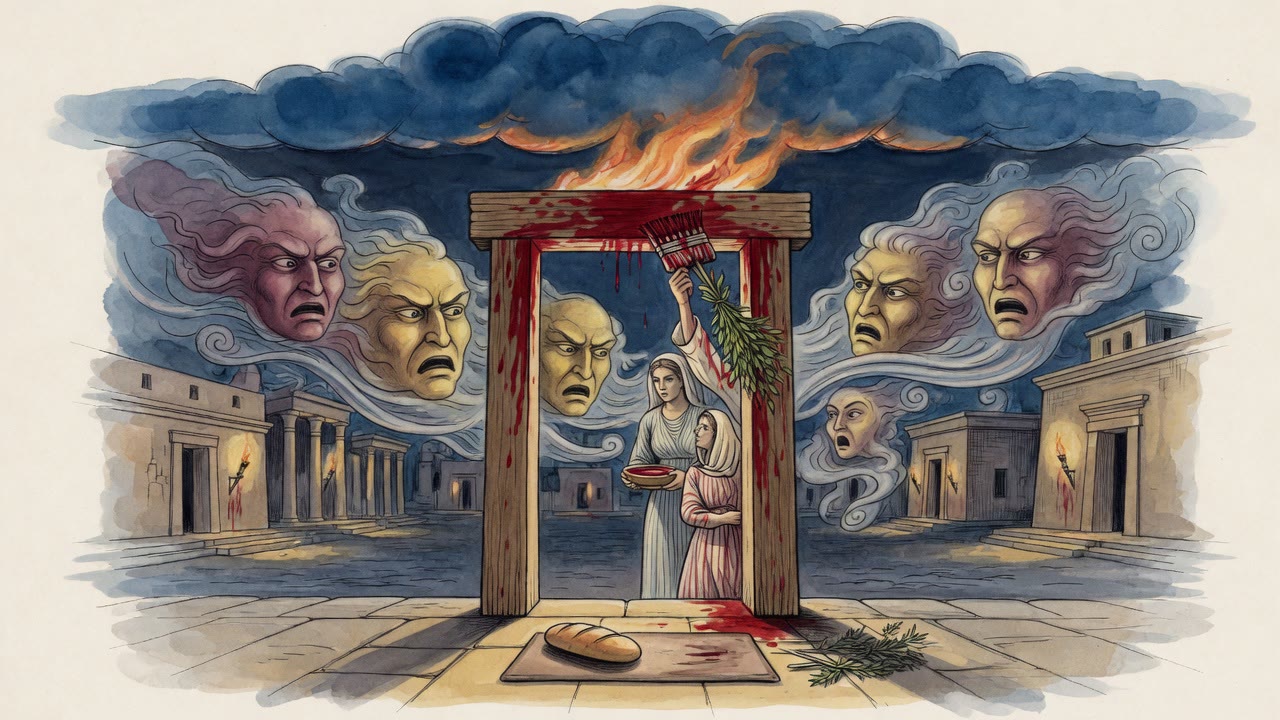
The houses with blood smeared on the doorposts stood in the middle of that noise and nobody in them died.
The old man under the oaks had run his rescue at that hour with three hundred and eighteen cooks and herdsmen. His descendants got theirs at the same hour with no army at all.
All the Days, and That Means the Nights
Moses stood them up on the far side of it, still tasting the flat bread, and told them to remember this day, the day they came out of Egypt.
This day. Daylight. Sun on the sand and the sea behind them.
Ben Zoma would not let the sentence end there. Elsewhere the command reads, "remember the day you came out of Egypt all the days of your life," and one small word does all the work. "The days of your life" would have meant daylight only. "All the days of your life" pulls the dark hours in with them.
So Egypt gets named again every evening, at lamp-lighting, in the last paragraph of the Shema, while children are going to sleep. The whole business happened in the middle of the night. The remembering was not allowed to sleep through it.
← All myths