Even the Gloating Captives Fell on That Night
Iron still cut a foreigner's wrist when the King entered the cell. The man had clapped for Hebrew chains. He did not live the night.
Table of Contents
 Click for full size
The King Inside the Rooms
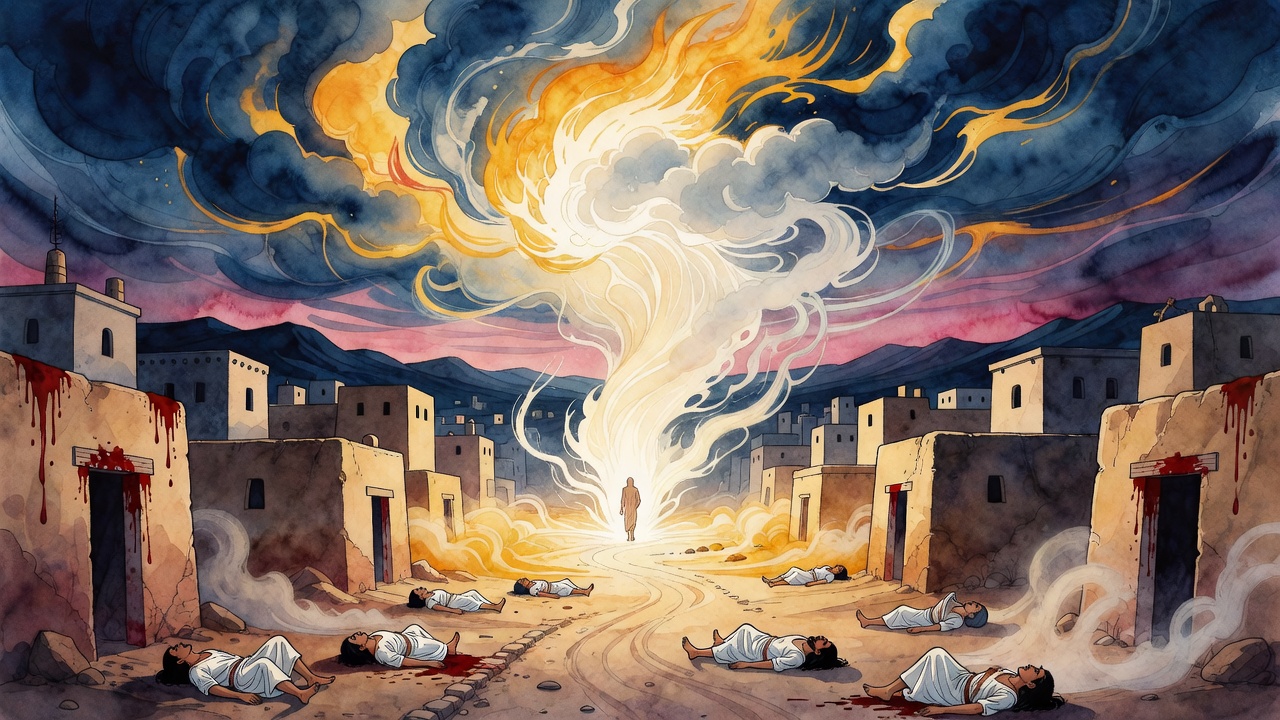
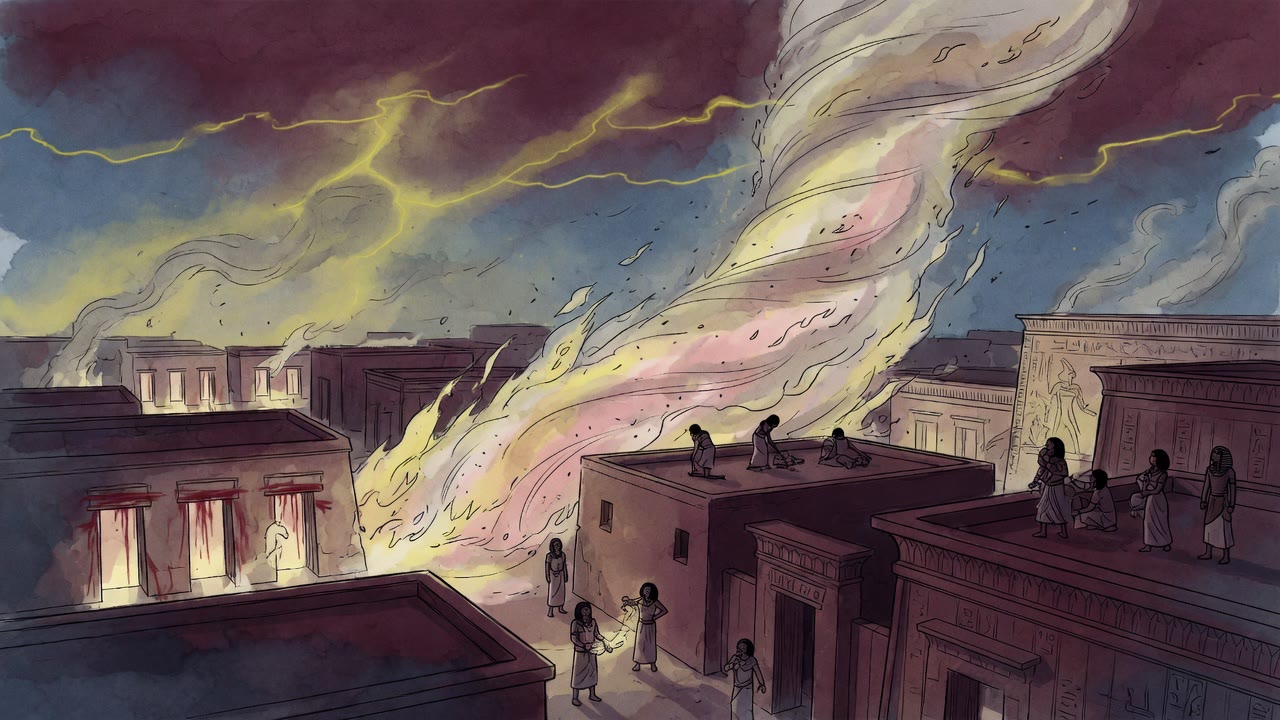
The first cry rose from a palace room, then from a house with a low door, then from a cell where iron still cut a foreigner's wrist. God was not hurling judgment from a distant roof. On that night the King walked.
"I shall pass through the land of Egypt" (Exodus 12:12). The Hebrew is ve'avarti (ועברתי). The word carries a king on inspection, and also evrah (עברה), wrath burning through the same root. Presence and fury shared one step. Street by street, threshold by threshold, no firstborn bed remained unvisited.
Egypt's houses had locked their ordinary fears outside and kept a worse fear within. A firstborn son turned on his side. A mother put her hand on a chest that still rose. Then the King of the universe entered without asking leave of Pharaoh's seals. This was not a remote decree signed in heaven and mailed south. It was inspection. It was sentence carried in person.
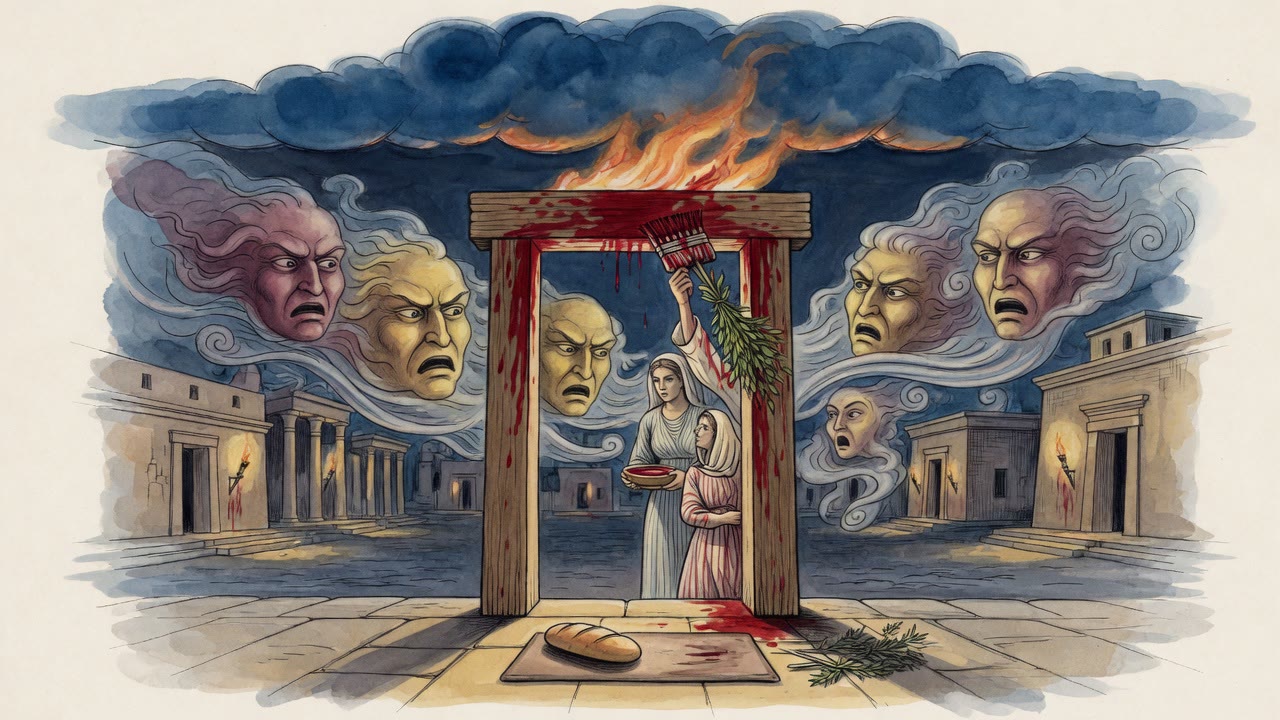
Israel sat with lamb meat and bitter herbs and listened to a world end room by room. A child flinched at a cry from the next street and was pulled back under a father's arm. The destroyer did not need their help. Their work was to stay inside the command, to eat in haste, to leave the blood on the posts alone even when Egyptian fists pounded wood for answers no slave could safely give.
Even the Prison Cheered
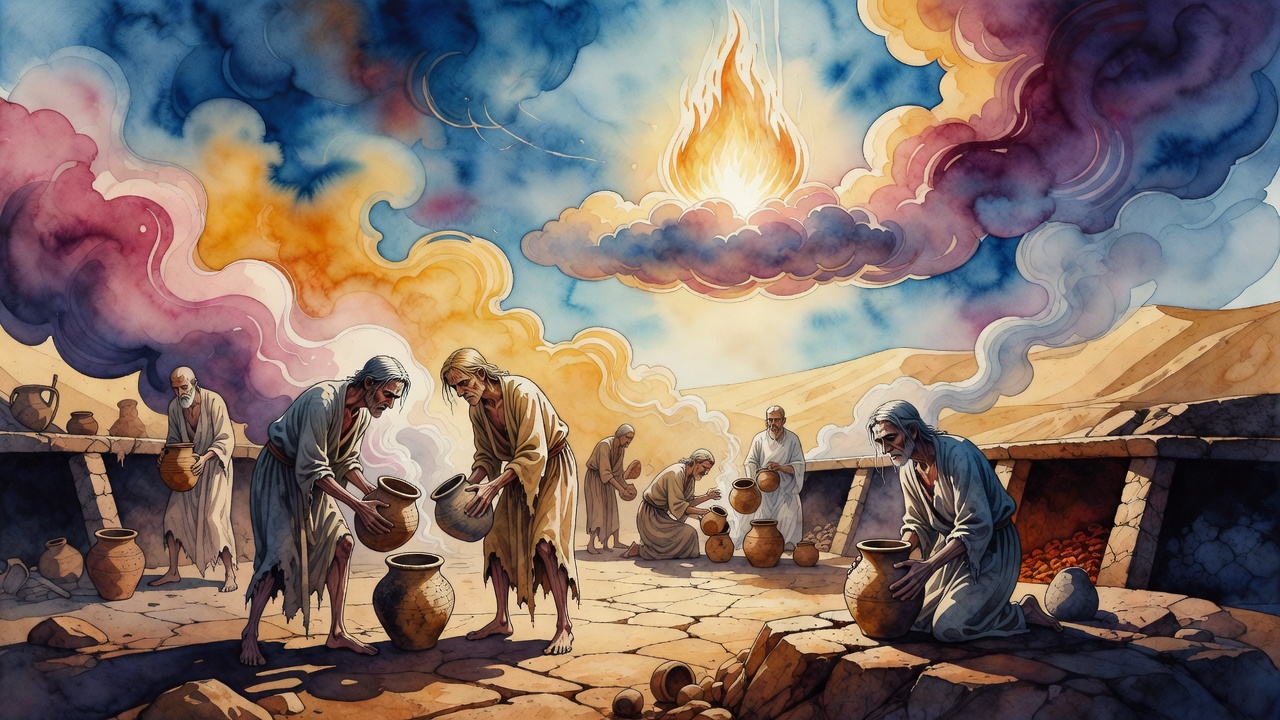
The blow did not stop at free Egyptians with titles. Captives held in Egyptian prisons had rejoiced at every decree Pharaoh laid on Israel. They had clapped for someone else's chains. When the night came, their cells did not save them. Gloating had made them partners.
A man with iron on his wrist had laughed when Hebrew backs bent under new brick quotas. He had called it justice from the floor of his own misery. Rank did not invent the guilt. Cheering did. The King stepped into the cell the way He stepped into the palace. The firstborn in that dark fell the same as the firstborn under gold.
Even maidservants at the bottom of the household ladder fell when their firstborn fell, because pleasure in Israel's torment had run all the way down the ranks. The night sorted not only by bloodline but by who had fed on Hebrew pain. A grin at a slave's whip was enough. The door of a prison did not count as innocence.
Somewhere a fist that had pounded a marked doorpost for answers went slack. Somewhere a laugh that had followed a Hebrew through the street stopped in a throat. The King kept walking.
Rebels Still Walked Out
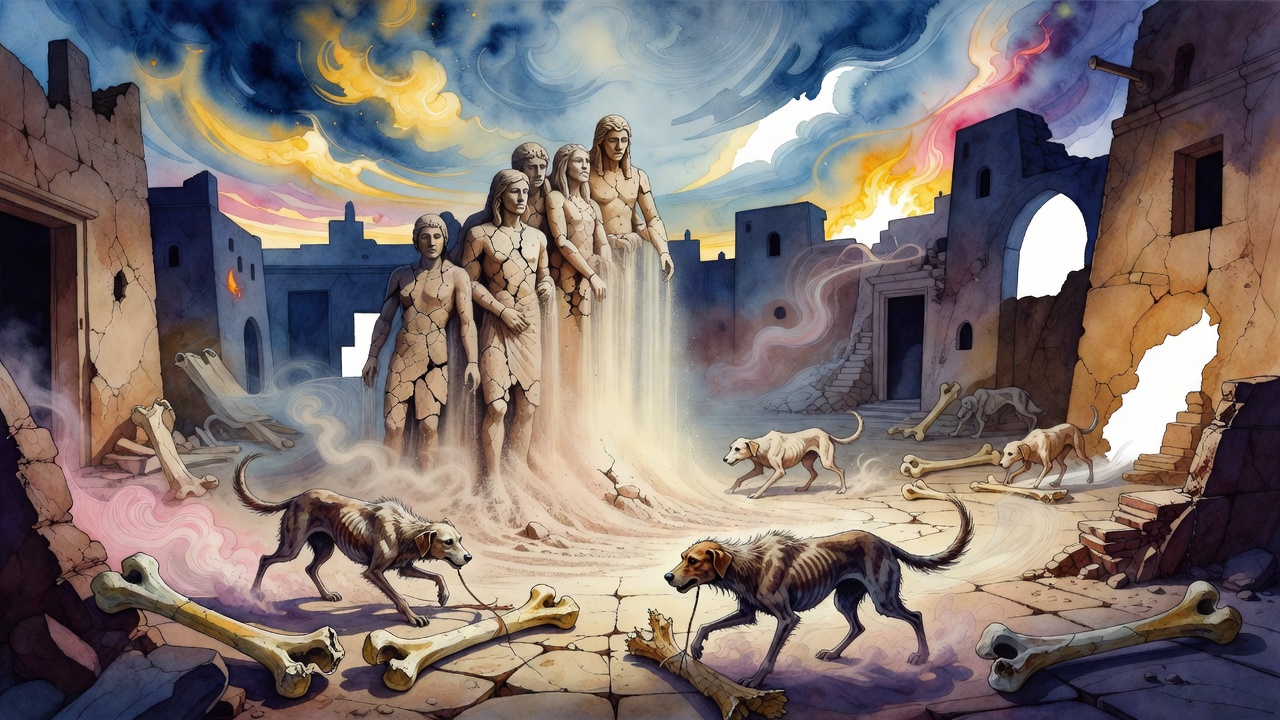
Israel was not spotless when the doors opened. They had been rebels. Idols of Egypt still stuck to their eyes. They would not cast away the abominations. They would not abandon the gods of the brick kingdom. Heaven had reason to leave them.
God took them out anyway, for the sake of the Name, so the Name would not be profaned among the nations that had watched the promise and would have mocked if the slaves stayed under the whip. They were rebels. He dealt with them in kashruth (כשרות), a clean dealing that was not earned by clean records. The solitary were settled toward homes they did not yet see. The bound were taken out.
Moses led a people still smelling of compromise into a freedom that began as God's reputation more than Israel's resume. That fact does not flatter. It walks. A people who had not finished throwing Egypt out of their eyes walked out under blood on the wood, because the Name had been put on the line in public, and the King would not let the nations laugh that Name down.
Four Mighties at the Water
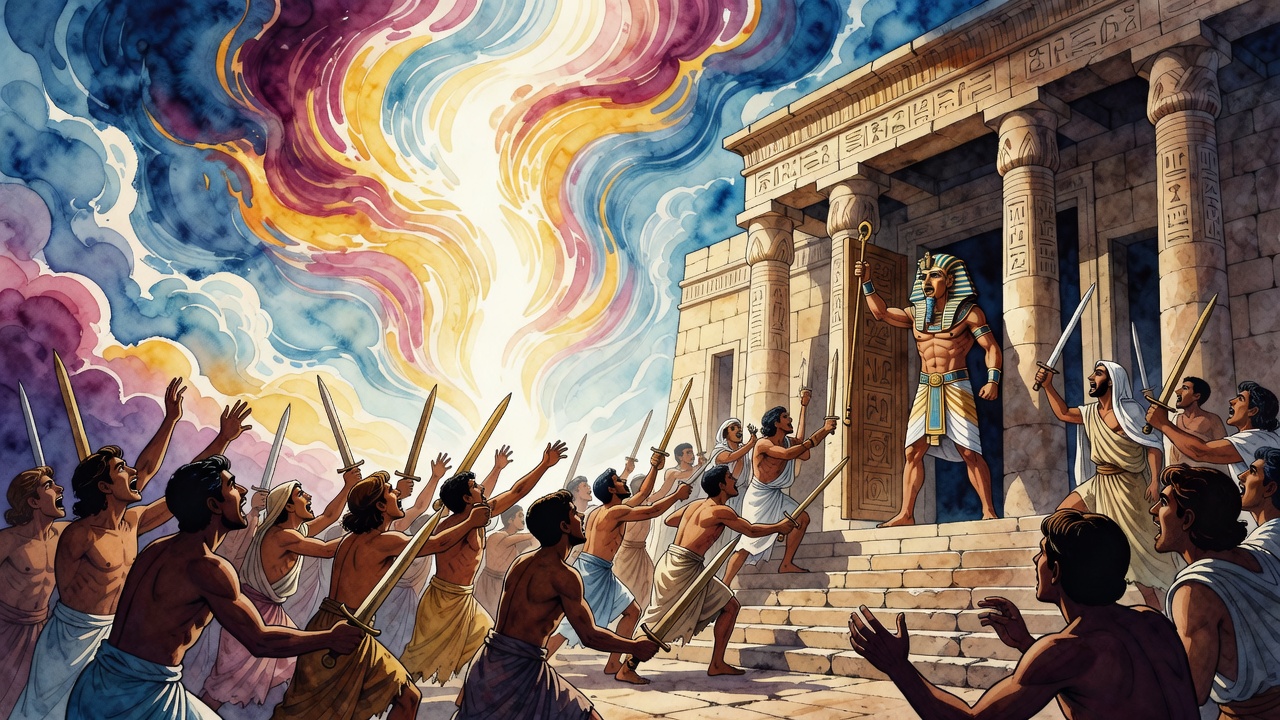
At the sea the song remembered another collision. Four are called mighty. The Lord is mighty on high. Israel is called mighty, the object of desire. Egypt is called mighty among nations. The waters themselves are mighty, and the riders plummeted like lead into them (Exodus 15:10).
Might struck might. Imperial formation, natural depth, a freed people, and the One above all four. When the truly Mighty acted, every other power bent. Chariots that had looked unbreakable became weight for the sea to swallow. The same God who had walked Egypt's streets now stood over water that closed like a door.
Behind that door lay the night of rooms and cells, the King on inspection, the captives who died for their cheers, the rebels who lived for the Name. Israel sang with wet ankles and a freedom still sticky with unfinished repentance. The firstborn of Egypt did not rise to argue. The prisons did not reopen for applause.
A lamb bone cooled in a Hebrew hand. Somewhere in Egypt a doorpost still held dried blood. Between those two marks a people learned that heaven's King does his own walking, and that a grin at a slave's pain can cost a firstborn even in chains.
← All myths