5 min read

The Desert Made Them Long for Egypt's Pots

Hunger rewrote slavery as a feast. At the kilns every scream had already been heard, and Passover night kept watch.

Curated by Arthur · Told by Maggid ·
Table of Contents
  1. A Banquet That Never Was
  2. What the Kilns Already Told Heaven
  3. Night of Vigil
  4. Two Memories Fight for the Same Mouth

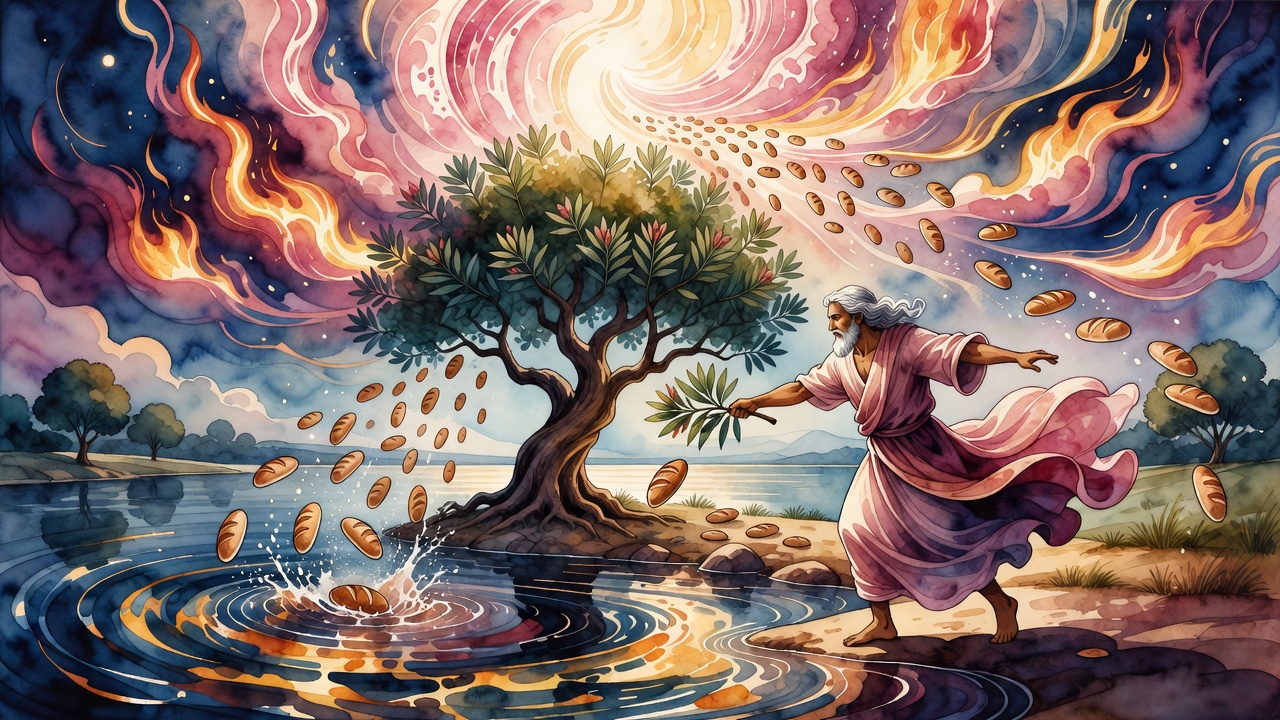
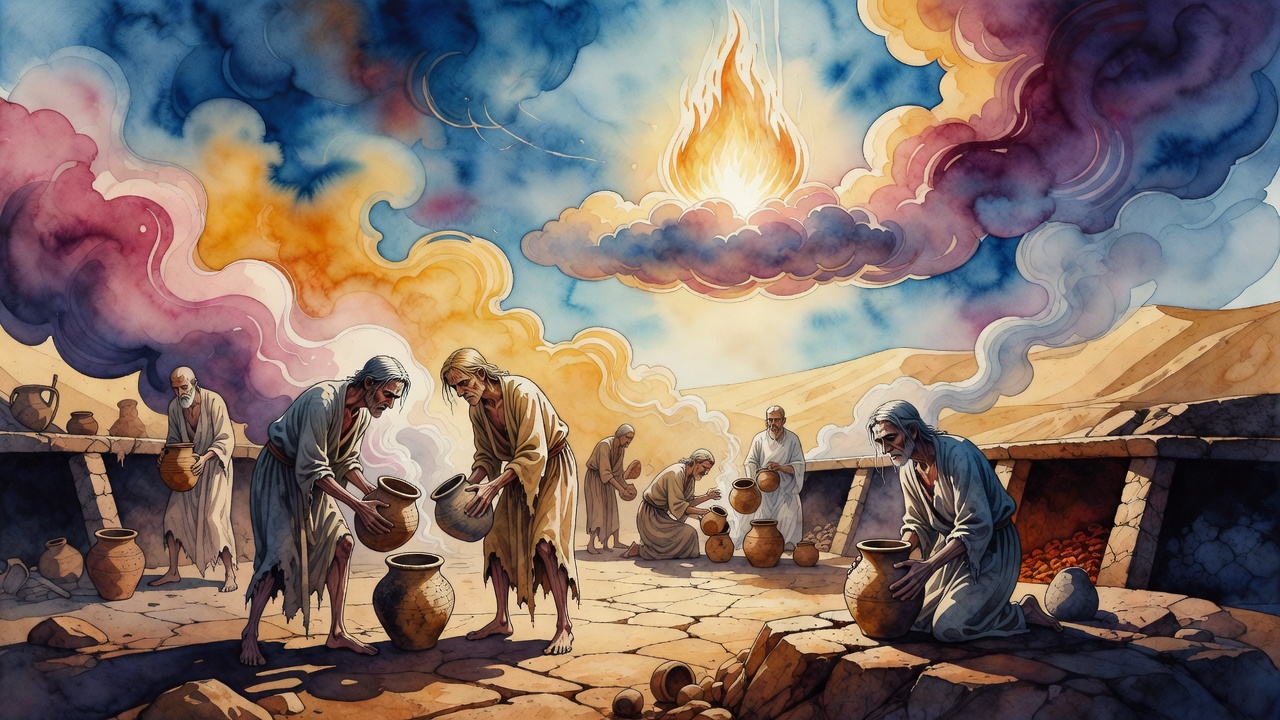
The wilderness sun sat on their necks like a judgment. Stomachs spoke louder than miracles. Someone shouted the sentence that still stings across centuries: would that we had died by God's hand in Egypt, beside the fleshpots, eating bread to the full, rather than be dragged out here to starve (Exodus 16:3).
The Desert Made Them Long for Egypt's Pots Click for full size

Children cried without understanding politics. Adults turned the cry into theology. Hunger does not only empty the body. It rewrites the past until whips look like seasoning and brick dust smells like spice.

A Banquet That Never Was

Rabbi Yehoshua refused the nostalgia on the spot. Had these slaves truly feasted in Egypt? They craved everything and held little. Whatever they had, they had near at hand, so memory painted a banquet out of scraps and called the painting history. Rabbi Elazar of Modi'in almost let the rosy picture stand for a moment: markets of bread and meat and fish, fields of figs and grapes and pomegranates, no one stopping a hand that reached. Even in his fuller color the complaint sharpens into accusation. You brought us into chaos, they told Moses, only to kill the whole assembly by hunger.

Rabbi Yehoshua agreed on one hard point and would not soften it. There is no death harder than starvation. Those slain by the sword fared better than those slain by famine, as Lamentations already knew when it compared the two. The people were not merely afraid of the next meal. They were convinced rescue was a death sentence wearing freedom's clothes, and that Egypt's darkness would have been a kinder grave.

Moses stood between the accusation and the sky. The pots they remembered had never been theirs the way they now described them. Still the ache was real. Real ache can carry false history a long way into a camp.

What the Kilns Already Told Heaven

While their mouths invented pots of meat, another memory waited under the sand and under their own scars. At the brick kilns of Mizraim the oppression had been manifest, heard, and known before God. The Targum stacks the verbs so no one can claim divine absence. Seen: the external wound, the bent backs, the overseer's arm. Heard: the cry against those who held them in bondage. Known: the private agony no mouth ever shaped into words, the pain that never became a petition.

"The oppression of My people," the voice said from the bush to Moses, not "the oppression of a people." Before Sinai, before priesthood, before Tabernacle, the Holy One already claimed them as possession and kinship. The silence of those years was not indifference. It was a covenant clock that had not yet struck the hour promised to Abraham when the four hundred years were spoken (Genesis 15:13). Every whip had been cataloged. Every scream from the kilns had already entered the record the desert complaint tried to erase with a fantasy of free meat.

Three instruments of listening, later teachers said: the public wound, the public prayer, and the private scream. God registers all three. The desert generation's nostalgia could not overwrite the kiln's archive.

Night of Vigil

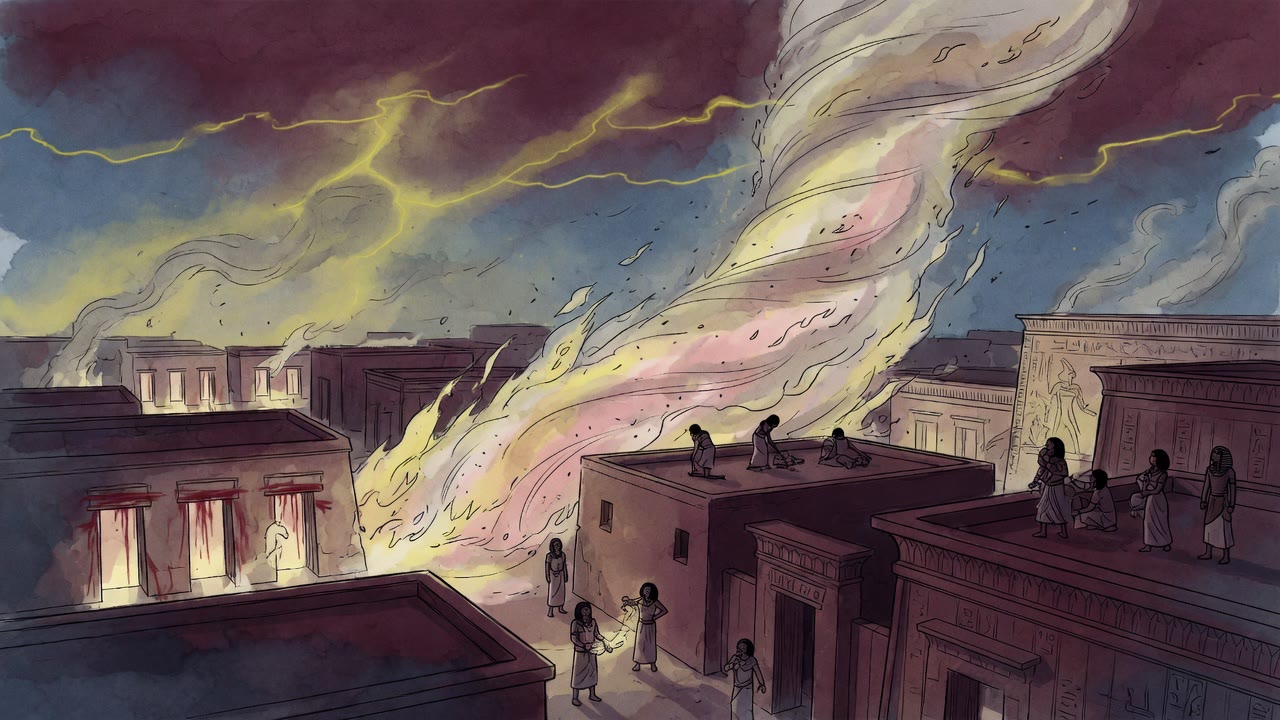
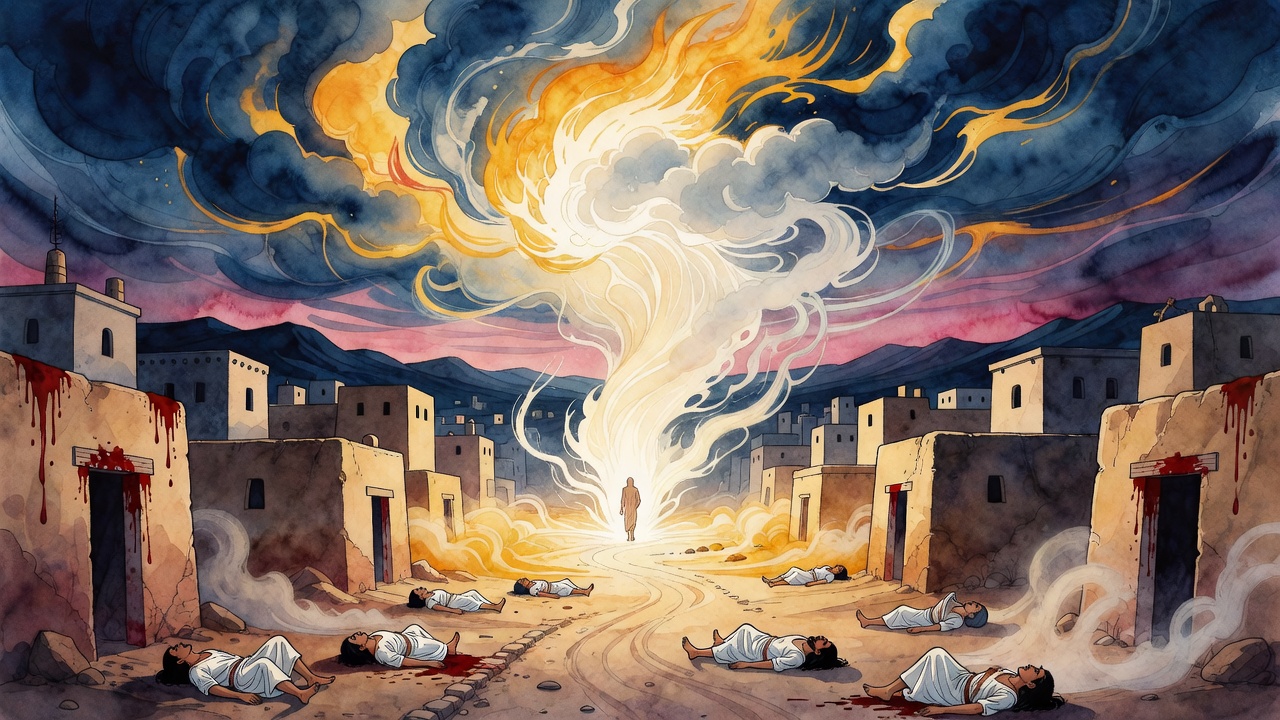
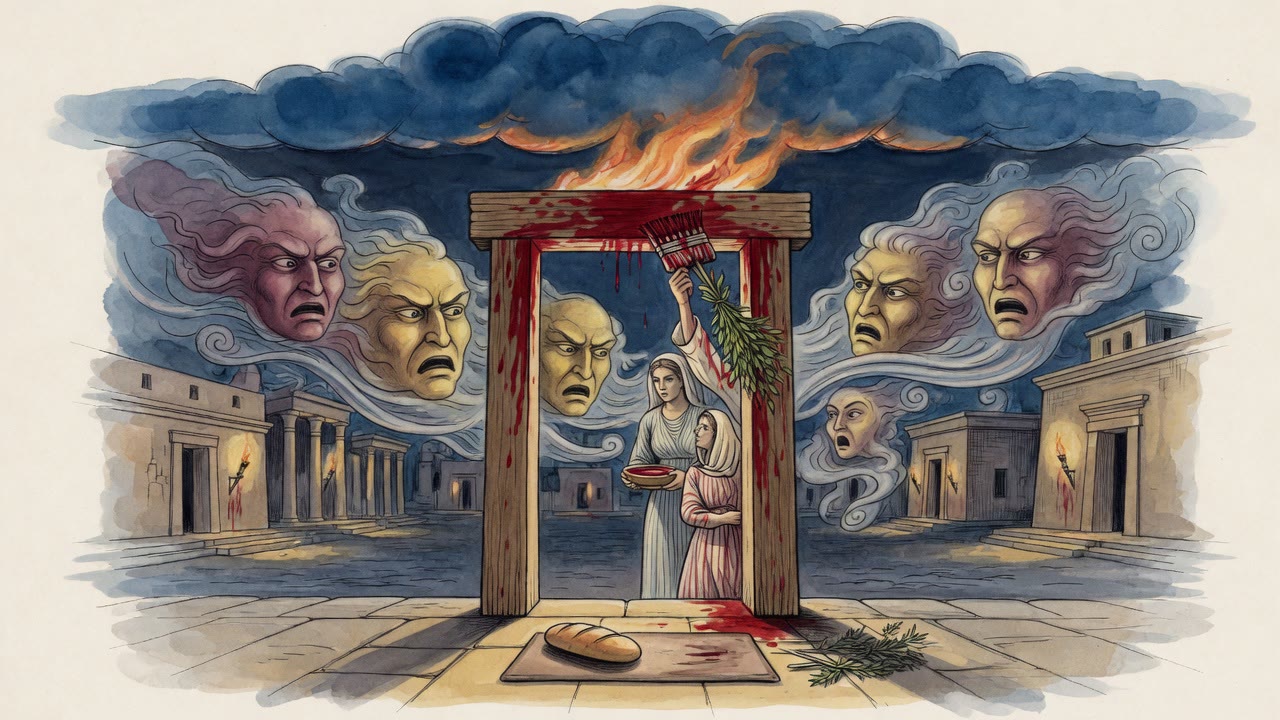
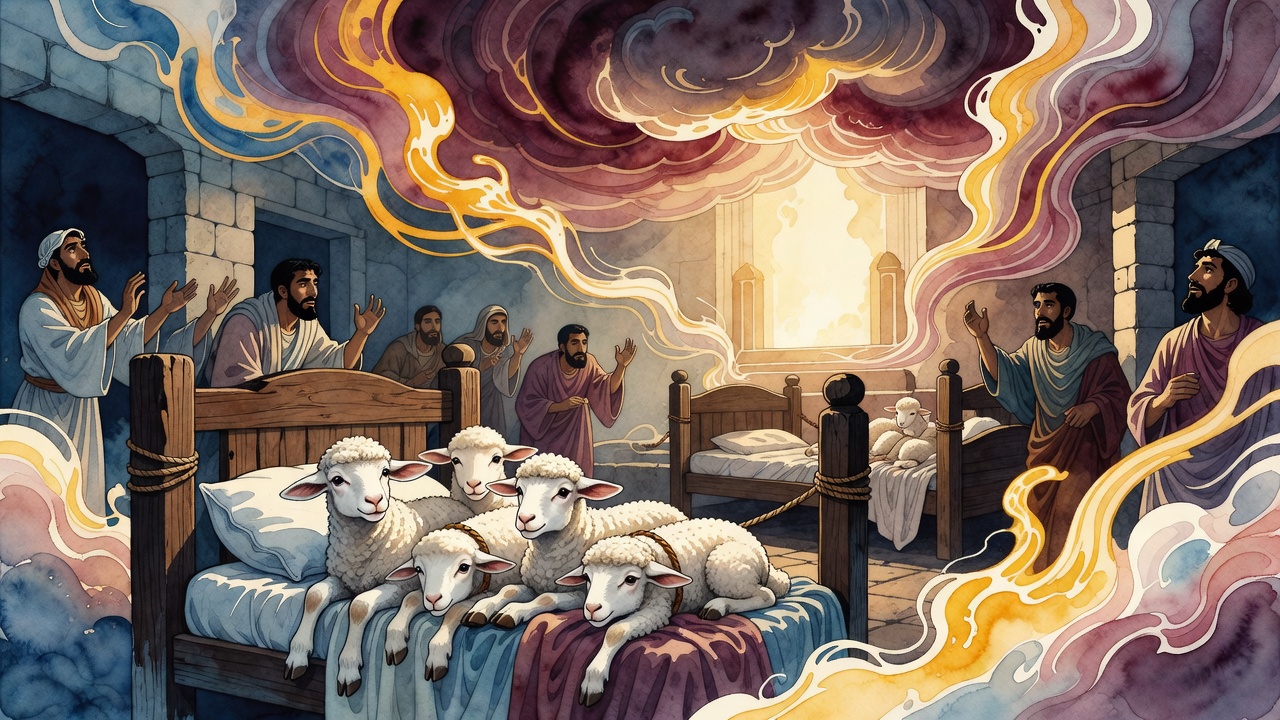
The Torah calls the Exodus night leil shimurim, a night of vigil (Exodus 12:42). Midrash hears more than calendars in that phrase. It is a night when God performs extraordinary acts for the righteous, a stage kept ready across generations. Hezekiah was saved on such a night when the Assyrian threat pressed Jerusalem. Hananya, Mishael, and Azariah walked out of fire on such a night. Daniel found the lions' mouths shut on such a night. The same night stretches forward in the midrash's bold claim: Messiah and Elijah will be exalted when the watch turns again.

A woman waits for her husband from a long journey overseas. He gives her a sign: when you see this mark, know I am near and coming soon. So God speaks to Israel under long empires after the Temple's fall. On the day I performed salvation for you in Egypt, know that on that same night pattern I will redeem you. If you invent other signs, do not believe them. The Exodus is not only past tense. It is a template the desert generation was already standing inside while they cursed the menu and forgot the kiln.

Isaiah's watchman says the morning comes, and also the night. Vigil is not empty waiting. It is attention fixed on a date heaven has used before.

Two Memories Fight for the Same Mouth

In one mouth: pots of meat, free bread, a better death under three days of darkness in Egypt. In the other record: kilns, screams, a God who had been listening the whole time and who marks a night for miracles that outlast any one generation's panic. Between them stands the night of vigil, still watching, still staging rescues that do not always arrive on an empty stomach's timetable.

Manna would come. Quail would come. The complaint would not be the last word written on the sand. But the first word of hunger remains honest about human frailty: freedom tastes like death when the pot is empty, until memory is forced back to the brick and the cry that was already heard before Moses ever turned aside to see a bush on fire.


← All myths
From the tradition

Sources

3 sources

The texts behind this telling. Some cards carry a translation of the source; others are our own retelling of it, and each card says which. Every card links out to the original.

Mekhilta DeRabbi Shimon Ben Yochai 16:3Mekhilta DeRabbi Shimon Ben Yochai

Translation of the source text.Mechilta de-Rabbi Simon b. Jochai, ed. D. Hoffmann, Frankfurt 1905 · Public Domain

"And the children of Israel said to them, Would that we had died by the hand of the LORD" (Exodus 16:3). They said, Would that we had died during the three days of darkness in Egypt. "When we sat by the pot of meat." Rabbi Yehoshua says: but were they not eager for everything? Rather, it was in their power, and so they spoke. "When we ate bread to the full." But were they not eager for everything? Rather, it was in their power, and so they spoke.

Rabbi Elazar of Modi'in says: Israel were slaves under the kingdom of Egypt, and they would go out to the market and take bread, meat, fish, and everything, and no creature would protest against them; and they would go out to the field and take figs, grapes, pomegranates, and everything, and no one would protest against them.

"For you have brought us out into this wilderness." They said, You have brought us out into this wilderness of chaos, in which there is nothing. "To kill this whole assembly with hunger." Rabbi Yehoshua says: you have no death harder than hunger, as it is said, "Better were those slain by the sword than those slain by hunger" (Lamentations 4:9). Rabbi Elazar says, reading it as 'in famine came famine': famine came upon us after famine, plague after plague, darkness after darkness.

Full source
Targum Pseudo-Jonathan on Exodus 3:7Targum Pseudo-Jonathan on Exodus

Retold in our words. Read the original at the link below.The Targum of Jonathan ben Uzziel, trans. J. W. Etheridge, London, 1862 · Public Domain

"And He said, The oppression of My people who are in Mizraim is verily manifest before Me, and heard before Me is their cry on account of them who hold them in bondage; for their affliction is known before Me."

The Targum Pseudo-Jonathan on Exodus (3:7) piles up three verbs where the Hebrew uses only two. Manifest. Heard. Known. The Holy One wants Moses. And every reader of the Targum after him, to understand that nothing about the slavery has escaped Him.

This is a crucial theology against the charge that God was absent during the bondage. The Targum's God has been watching every whip. Hearing every cry. Cataloging every overseer's cruelty. He has not been silent because He has been uninterested. He has been silent because the clock of the covenant (see (Genesis 15:1)3) has not yet reached the appointed hour.

Notice the precise phrase: the oppression of My people. Not "the oppression of a people." My people. Before the Torah is given, before the priesthood is established, before the Tabernacle is built, the Holy One is already claiming Israel as His. The relationship is not founded on their obedience. It is founded on His possession.

The three verbs, manifest, heard, known, correspond, the sages later taught, to the three dimensions of divine knowledge: seen (the external pain), heard (the vocalized cry), and known (the internal, unvoiced suffering). God registers all three. The public wound, the public prayer, and the private agony no one else can access.

Beloved, your God has more than one instrument for listening. Even the pain you have never once said out loud has already been heard.

Full source
Shemot Rabbah 18:12Shemot Rabbah

Retold in our words. Read the original at the link below.The Sefaria Midrash Rabbah, 2022 · CC-BY

The Torah itself calls it a "night of vigil" – leil shimurim (Exodus 12:42). But what exactly does that mean? What is God watching over?

In Shemot Rabbah, a classic collection of Midrash (rabbinic interpretive commentary), it's a night when God performs extraordinary acts for the righteous. Like a stage set, prepared for miracles.

The Midrash doesn't just leave it there. It gives us examples, powerful stories woven into the fabric of Jewish history. Remember Hezekiah, the righteous king of Judah? He was saved on this very night. And what about Hananya, Mishael, and Azariah, thrown into the fiery furnace by Nebuchadnezzar? Rescued on this night. Even Daniel, in the lions’ den, found salvation on this night.

The story doesn't end in the past. It stretches into the future. The Midrash boldly declares that on this same night, Messiah and Elijah the prophet will be exalted. It all comes back to that promise, that vigil, that divine attention focused on this particular time. As Isaiah (21:12) puts it, "The watchman said: The morning comes, and also the night." Both dawn and dusk are key.

The Midrash then uses a beautiful analogy. He tells her, "When you see this sign, know that I am coming, and I am coming soon." This is how God speaks to Israel, who have been waiting for redemption since the rise of Edom (often associated with Rome) and the destruction of the Second Temple.

God says, "This sign will be for you: On the day that I performed salvation for you [in Egypt], know that on that same night I will redeem you. If not, do not believe." In other words, the Exodus serves as a template, a promise of future redemption mirroring the past.

But there's a catch. "If you see possible indications of the redemption but not on the aforementioned date, do not believe that they are real indications of redemption, as the time has not yet come." It's a reminder that while we should always be hopeful, we must also trust in God's timing. As Isaiah (60:22) says, "I, the Lord, in its time, I will hasten it."

The prophecies continue, echoing with both hope and a hint of cosmic upheaval. "Another one, it is in a little while, and I will shake the heavens, and the earth…I will overthrow the thrones of kingdoms…" (Haggai 2:6, 22). Just as God overthrew Egypt, so too will God overthrow the idolaters. "The nations will be devastated" (Isaiah 60:12), and God will "take hold of the ends of the earth [and shake the wicked out of it]" (Job 38:13).

So, what does this all mean for us today? It means that the Seder night isn't just a historical reenactment. It's a potent moment, a time of divine vigilance, a reminder of past miracles and a promise of future redemption. It's a call to hope, a call to faith, and a call to recognize the signs of redemption when they truly appear, in their proper time.

Full source