The Emperor Demanded Proof the Buried Dead Would Rise Again
A Roman emperor dares the sages to prove scattered dust can live, and they answer with clay, shattered glass, and a grain of wheat.
Table of Contents
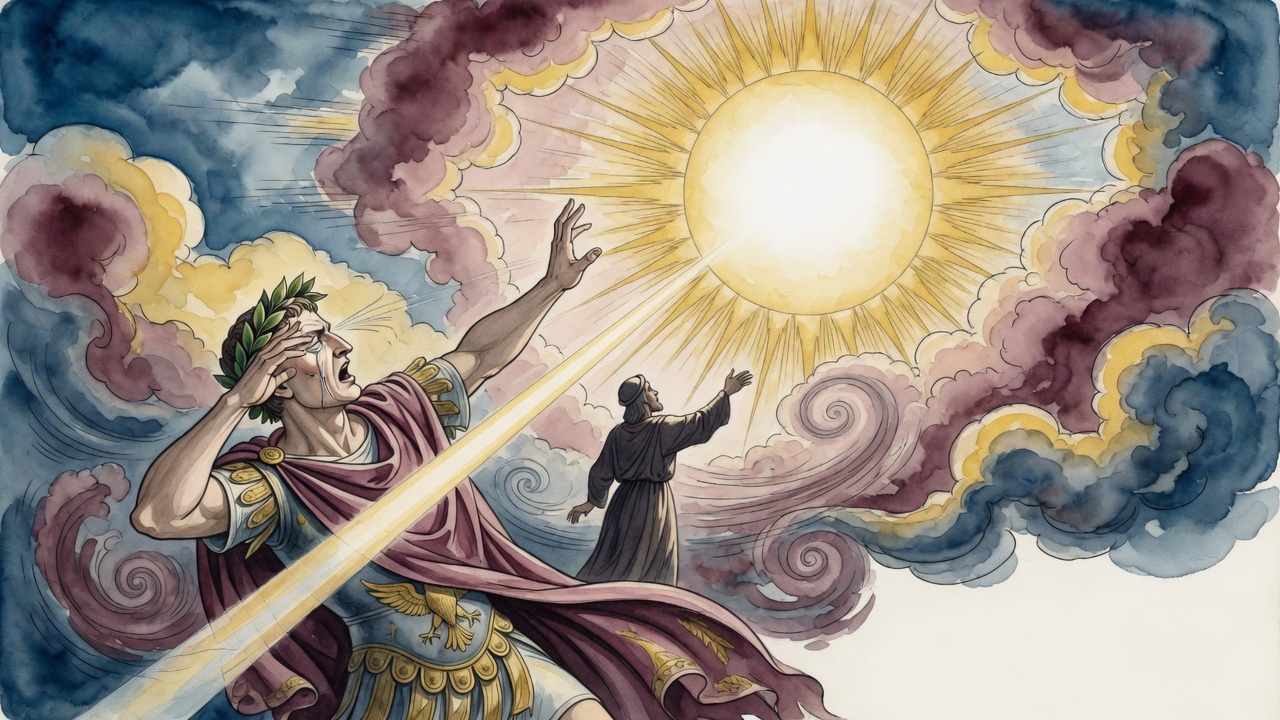
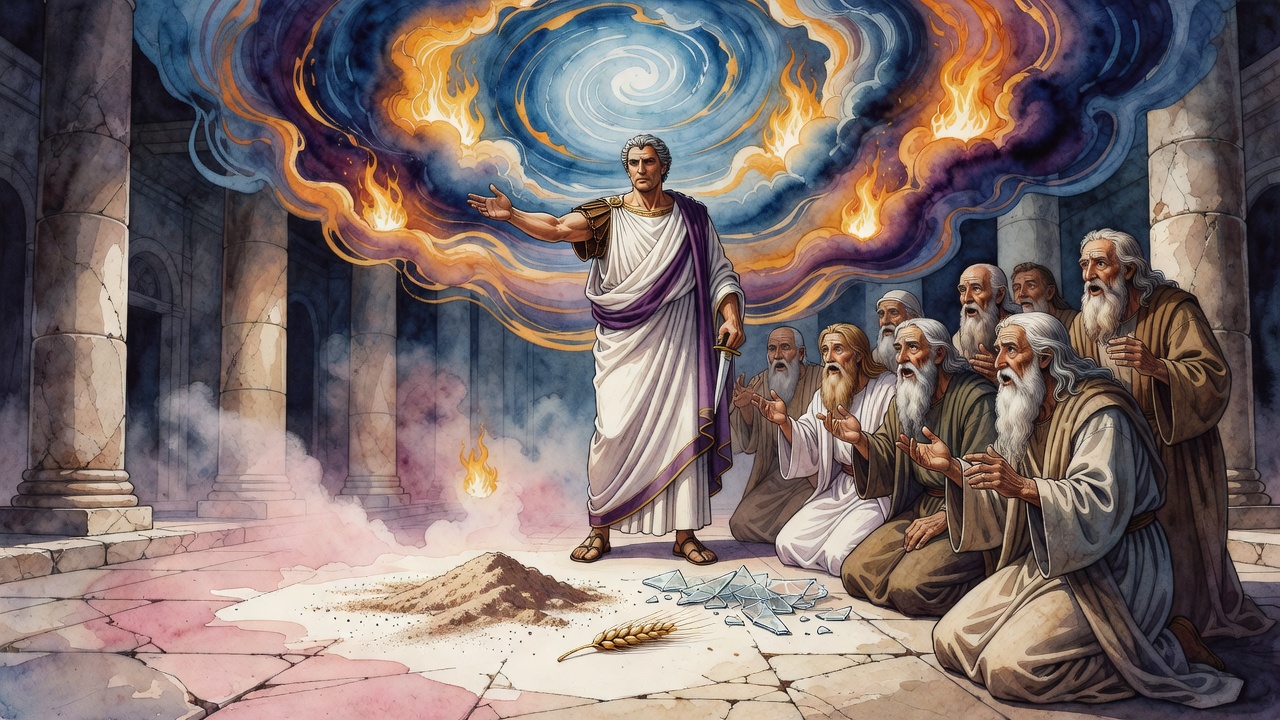
The marble hall in the emperor's palace had been chosen on purpose. Caesar wanted stone all around him, polished and cold, when he summoned the Jewish sages to make fools of themselves in front of his court. He had heard what they taught. He found it grotesque.
 Click for full size
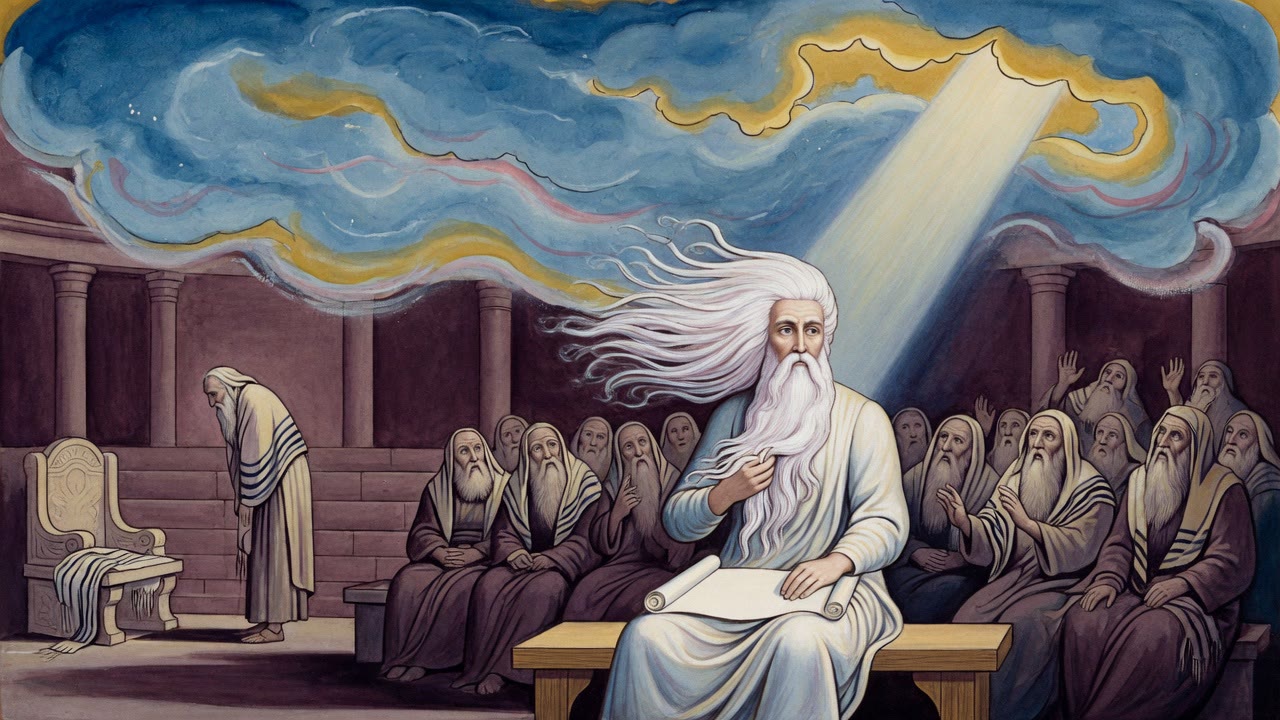
"You say your God will raise the dead," he said when they stood before him. He did not rise from his seat. "Show me. A man dies. His body rots in the ground. The flesh dissolves, the bones crumble, the dust scatters on the wind and blows from one end of the earth to the other. You tell me that scattered dust will stand up again and breathe. Prove it, or admit you teach children's fables to grown men."
The Sages Came Into a Room of Stone
The sages were not afraid. They had heard the question before, in study halls and at the gates of other kings, and they had spent lifetimes turning it over. One of them stepped forward.
"Consider a potter," he said. "A man takes dry clay, clay that was never alive, that never breathed, and with his hands he shapes it into a vessel that holds water and does not leak. If a mortal can do that with dead earth, draw the conclusion yourself. The Holy One, blessed be He, made the human body out of nothing at all. Restoring it from something is the smaller act, not the greater."
The emperor moved his hand as if brushing away a fly. "Clever," he said. "Clever is not proof. Bring me something that bites."
A Vessel Shattered and Made Whole by Breath
A second sage came forward. He spoke of glass.
"A glassblower fills his lungs and breathes into a tube, and at the end of it molten sand swells into a vessel, clear and perfect," he said. "Then it falls. It shatters into a hundred shards on the floor. Is it lost? No. The glassblower gathers the broken pieces, melts them in his fire, breathes again, and the vessel stands whole a second time. Glass dies and rises by the breath of a man. The breath of a man. Now tell me what the breath of the One who breathed life into the first body cannot gather and remake."
Something in the room shifted. The argument had teeth. A vessel made by breath, broken, and remade by breath, and every Roman in that hall had seen a glassblower work, had watched ruin become a cup again. The emperor's jaw tightened. He said nothing for a moment, and then he demanded more.
The Grain That Rots Before It Rises
The last sage did not reach for a craftsman. He reached for a field.
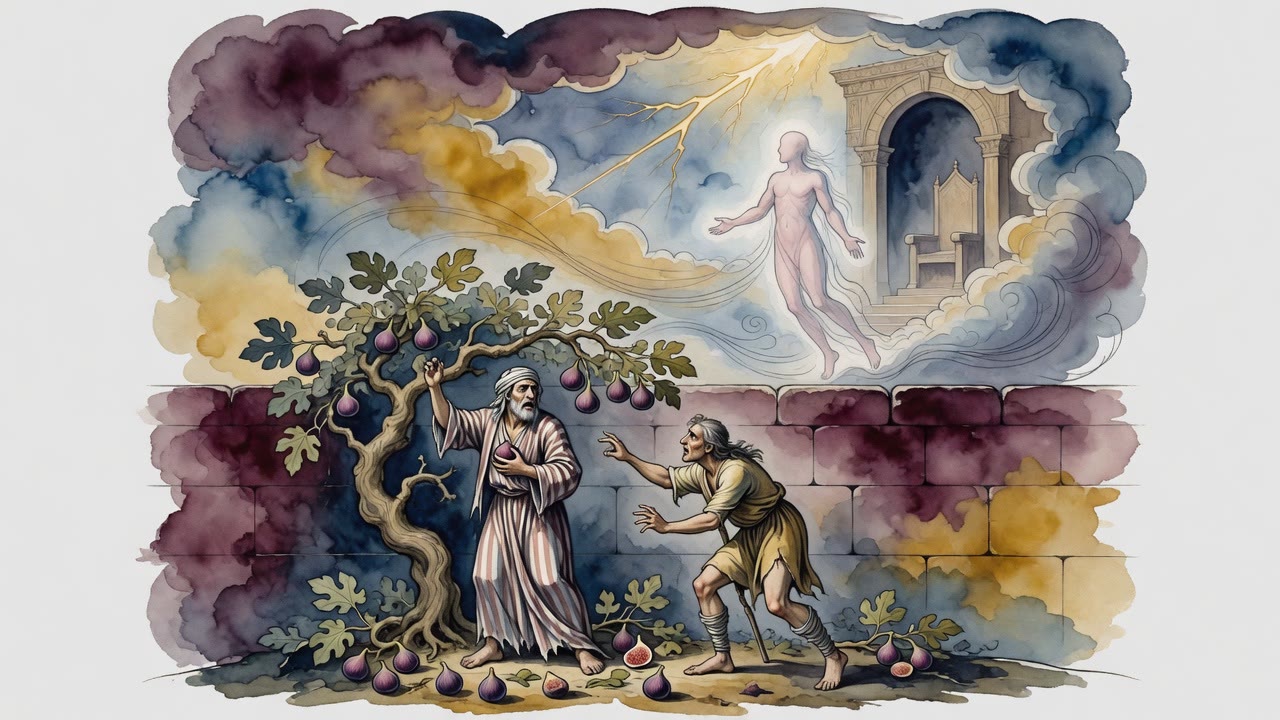
"Walk out past your walls, Caesar, to where the farmers work," he said. "A man takes a single grain of wheat, dry and hard, and he buries it in the dark ground. And then it rots. It swells and splits and dissolves into the soil until nothing of the grain you would recognize remains. By every law you trust, it is dead and gone. Wait. Out of that rotted, buried, vanished seed a green blade pushes up toward the sun, and it carries an ear heavy with more grain than you put into the earth. A naked kernel goes down. It comes up clothed and multiplied. The seed has no mind, no will, no knowledge that it is doing anything at all. If a mindless grain of wheat is buried and rises greater than it was, weigh in your own scales what the Creator of every living thing can do with a man."
The emperor did not answer. The dead earth outside his walls had already answered for him, every spring, his whole life, and he had never once called it impossible.
The Sadducees Pressed for a Verse
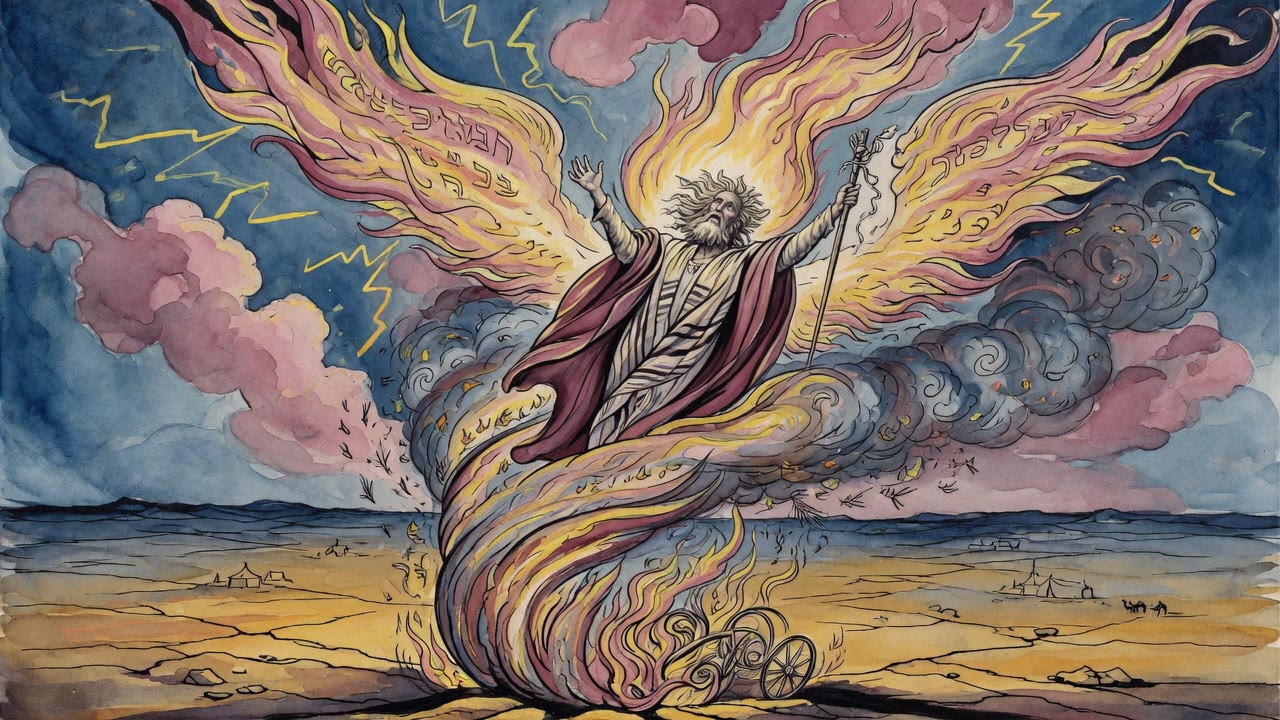
The same argument had been fought before, on home ground, against opponents harder to silence than a Roman. The Sadducees, who denied resurrection outright, once cornered Rabban Gamliel and pressed him for the one thing the parables could not give, a verse. Show us, they said, from your own Scripture, that God revives the dead.
"From the Torah, the Prophets, and the Writings," he answered, and he began to bring them proof.
From the Torah he read the words God spoke to Moses near the end. "Behold, you are about to lie down with your fathers, and you will rise." But the Sadducees would not yield. Read the words differently, they said, break the verse at a different point, and it says only that the people will rise up and go astray. The proof slipped through their fingers like water.
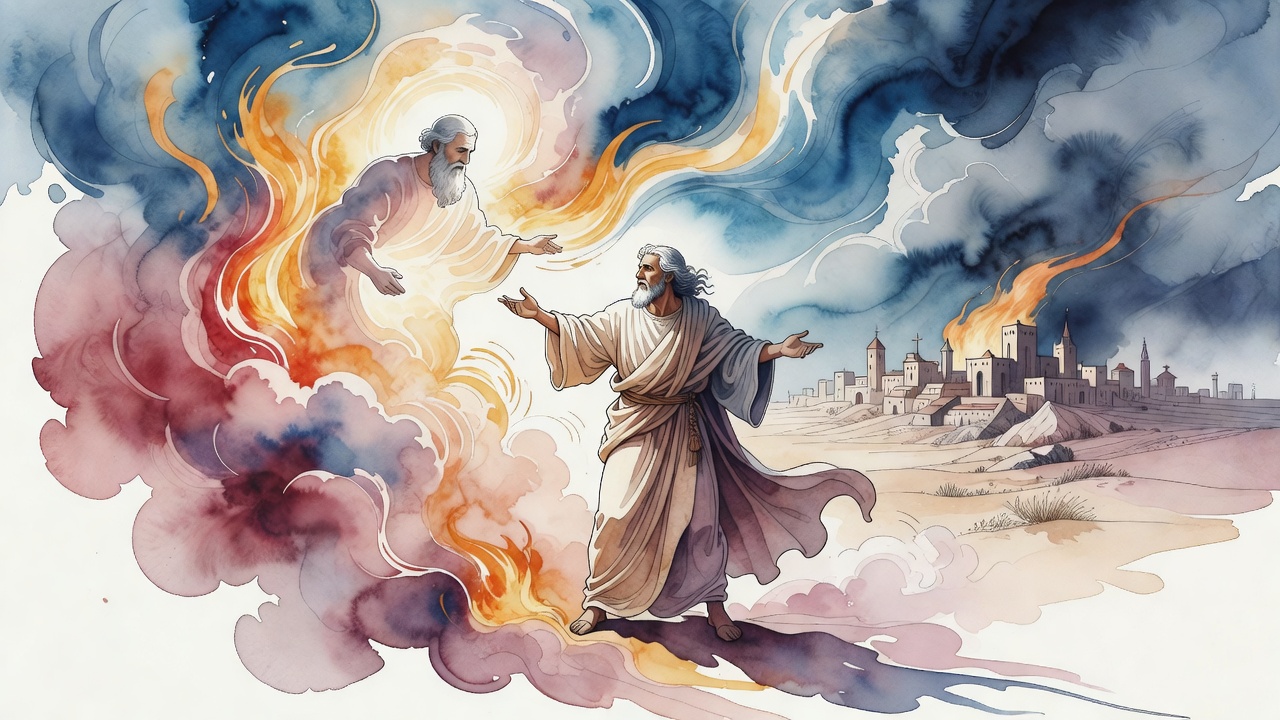
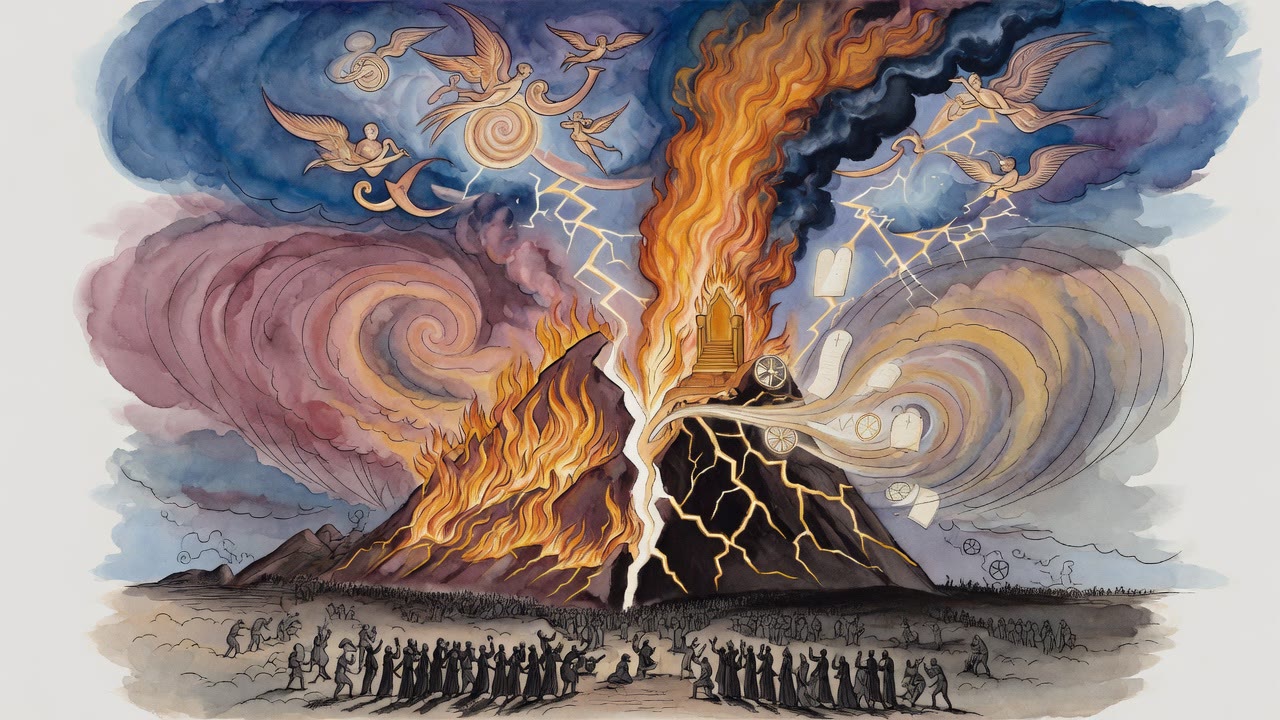
So he went to the Prophets, to Isaiah, and there the verse would not bend. "Your dead shall live, my corpses shall arise. Awake and sing, you who dwell in the dust, for your dew is a dew of lights, and the earth shall cast forth the shades." Dew of lights falling on the dust of the dead. The earth opening its mouth and giving back what it had swallowed. There was no second reading hiding inside that. The dead would live, and the ground itself was put under orders to release them.
What the Dust Was Waiting For
So the promise stood on two legs. In the palace the sages had shown the emperor that nature itself rehearses the resurrection every spring, in clay and glass and grain, that breaking is not the end of a made thing and burial is not the end of a living one. And in the study hall the verse held firm against every clever rereading, the dust of the dead would awake and sing.
The souls of the dead, the sages taught, were not gone. They were held, kept, waiting in a pause that only looked like an ending, their eyes turned toward the morning when the dew of lights would fall and the earth would be commanded to give them up. The emperor had wanted the rabbis to confess that death was simply death. Instead they sent him home to watch his own fields, where every buried seed was already breaking the rule he thought was unbreakable.
← All myths