Enoch Was Summoned to Heaven and Never Came Back
The Torah gives Enoch one sentence. 2 Enoch gives him seven heavens, two thousand witnesses, and a departure that left his sons weeping in the snow.
Table of Contents
 Click for full size
The Sleep That Would Not Stay Ordinary
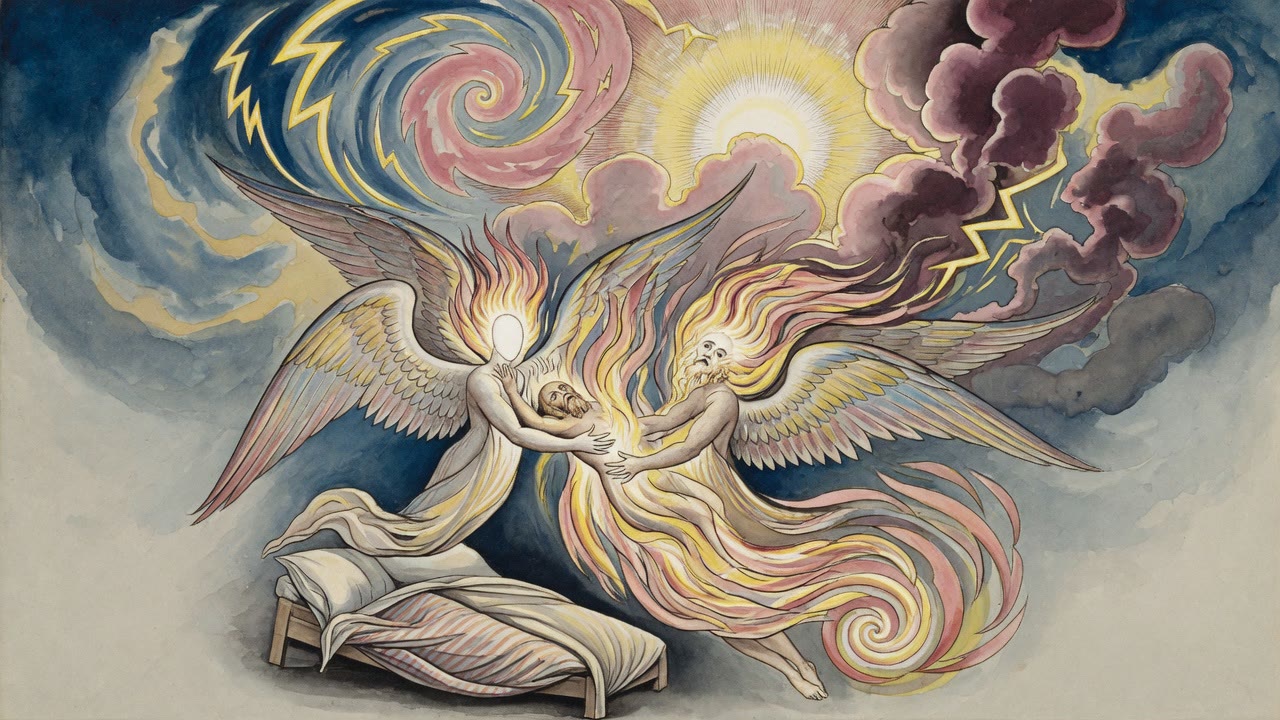
Enoch was three hundred and sixty-five years old and asleep in his house when the distress seized him. Not a bad dream. Something heavier: a weeping without cause, a dread without name or shape. He lay on his bed and could not explain what he was feeling. Something was about to happen that no living person had ever experienced.
Then two figures appeared at the head of his bed.
They were enormous, taller than any human who had ever walked the earth. Their faces blazed like the sun. Their eyes burned like living fire. Flames came from their lips. Their garments shimmered purple and shifted with colors that had no earthly name. Their wings gleamed brighter than gold. Their hands were white as snow.
They called him by name.
Enoch woke. He saw them clearly: two radiant beings standing over his bed, and they were not from anywhere on earth. He was terrified. He fell on his face. They told him to rise. They told him not to fear. They told him that the Lord had sent them, and that today, today, Enoch would go up with them to heaven.
The Seven Heavens and What Was Written There
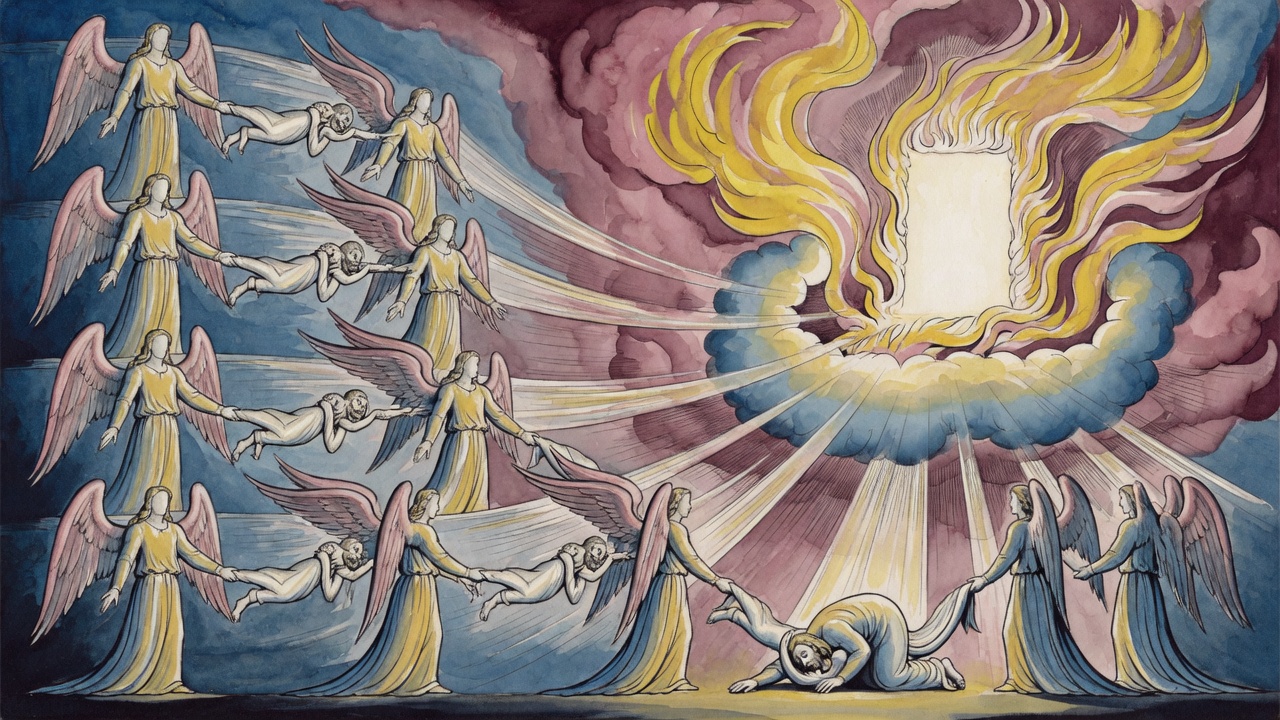
2 Enoch, the Slavonic Apocalypse of Enoch, a Jewish text likely composed in the first century CE and preserved in Slavonic manuscripts, tears open the silence of Genesis 5:24 and fills it with what those two angels showed Enoch on the way up. He passed through heaven after heaven, each one stranger and more consuming than the last.
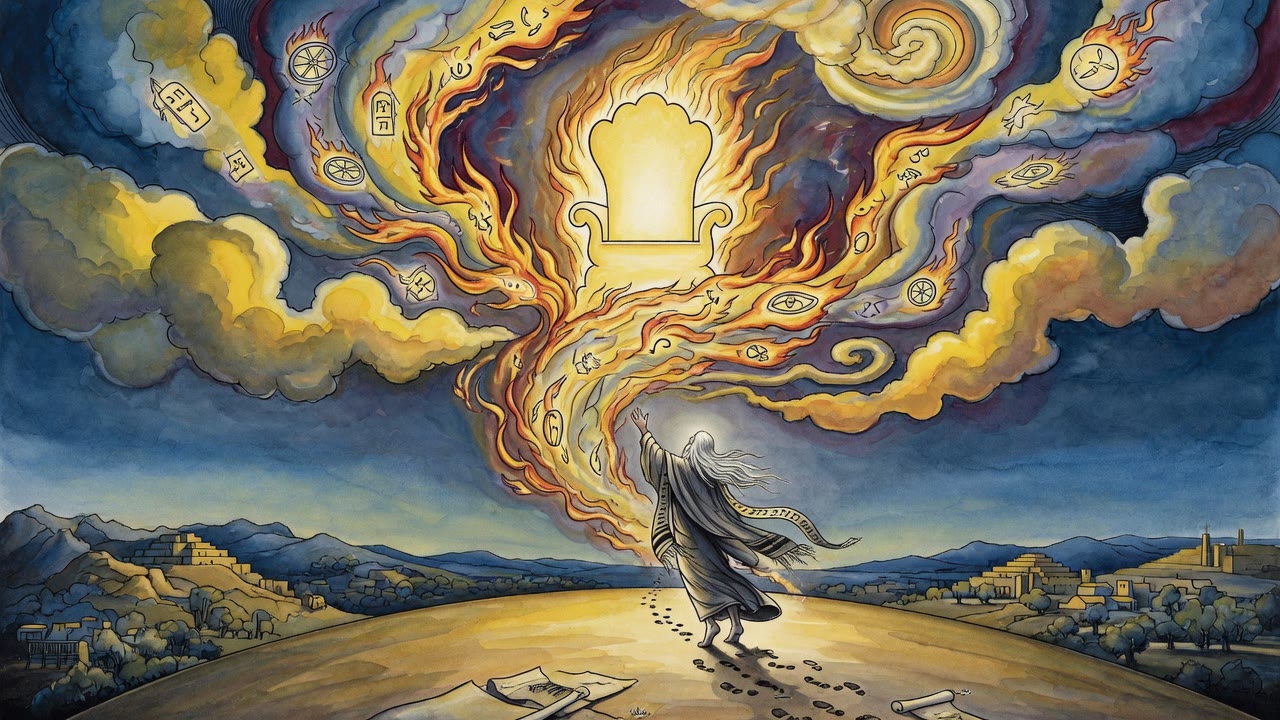
In the first heaven he saw the great sea and the treasuries of snow and ice and the angels who governed the stars. In the second he saw the Watchers imprisoned in darkness, weeping and waiting for judgment. Higher he went, through storehouses of clouds and dew and oil and wind, past the guardians of creation's mechanisms, past the gardens of the righteous, past the angels of fire, until he reached the seventh heaven where the Lord was enthroned in glory.
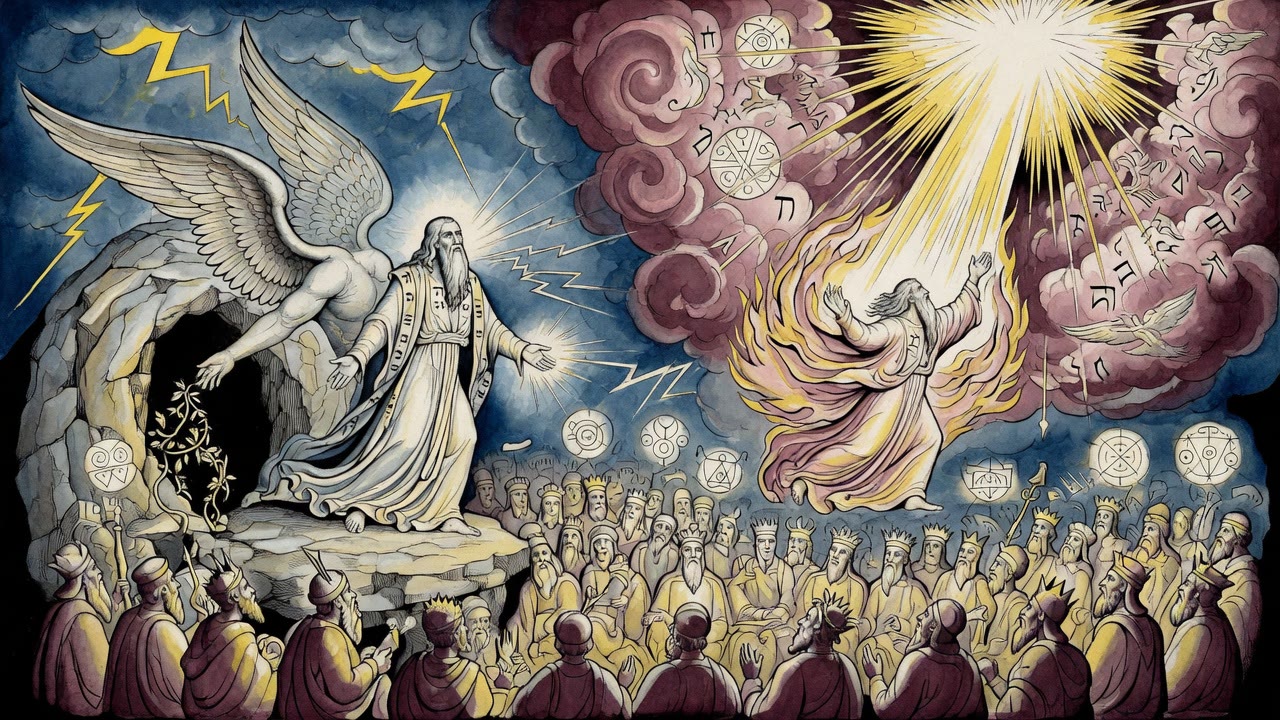
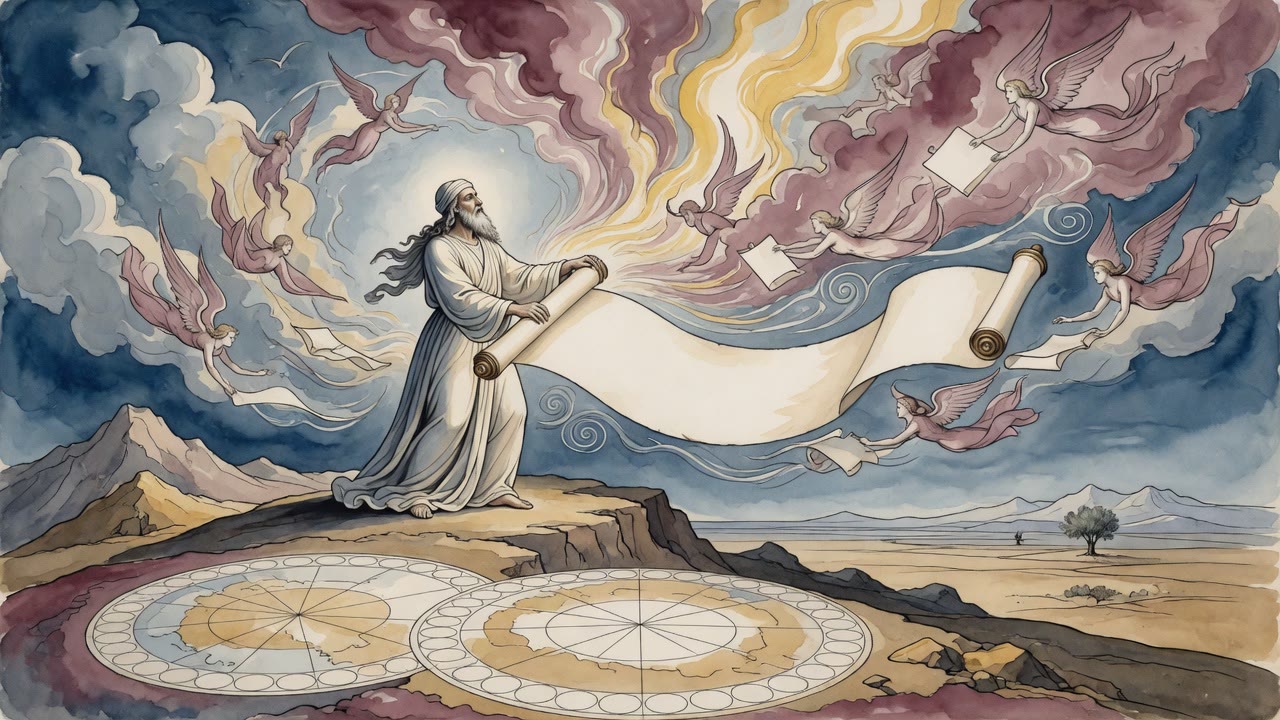
There, in that highest place, an angel stood Enoch before the Lord's face, and the Lord told him: you will be the writer of all my creation, visible and invisible. Enoch was given understanding, was shown all things, and was commanded to write three hundred and sixty-six books before he returned to earth. He wrote everything he had seen. He wrote the secrets of the heavens and the structure of the earth and the judgment prepared for the wicked and the reward prepared for the righteous. And then the angels brought him home.
Two Thousand People Came to Say Goodbye
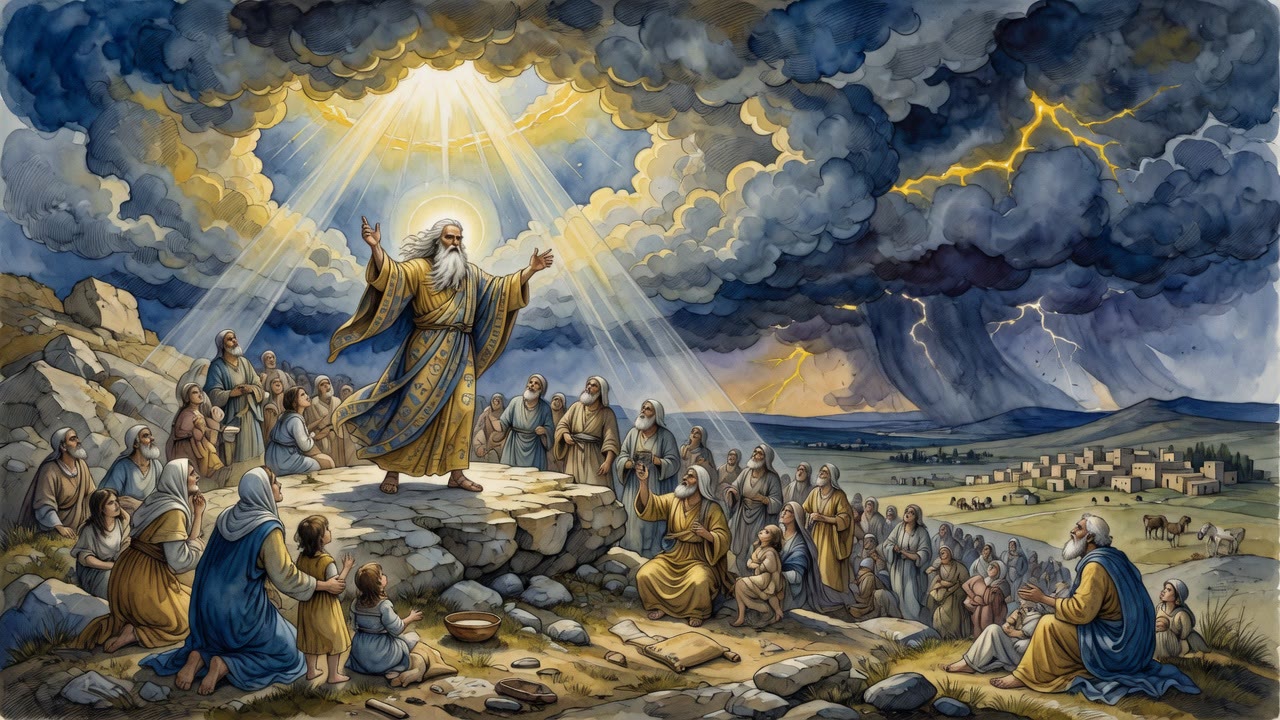
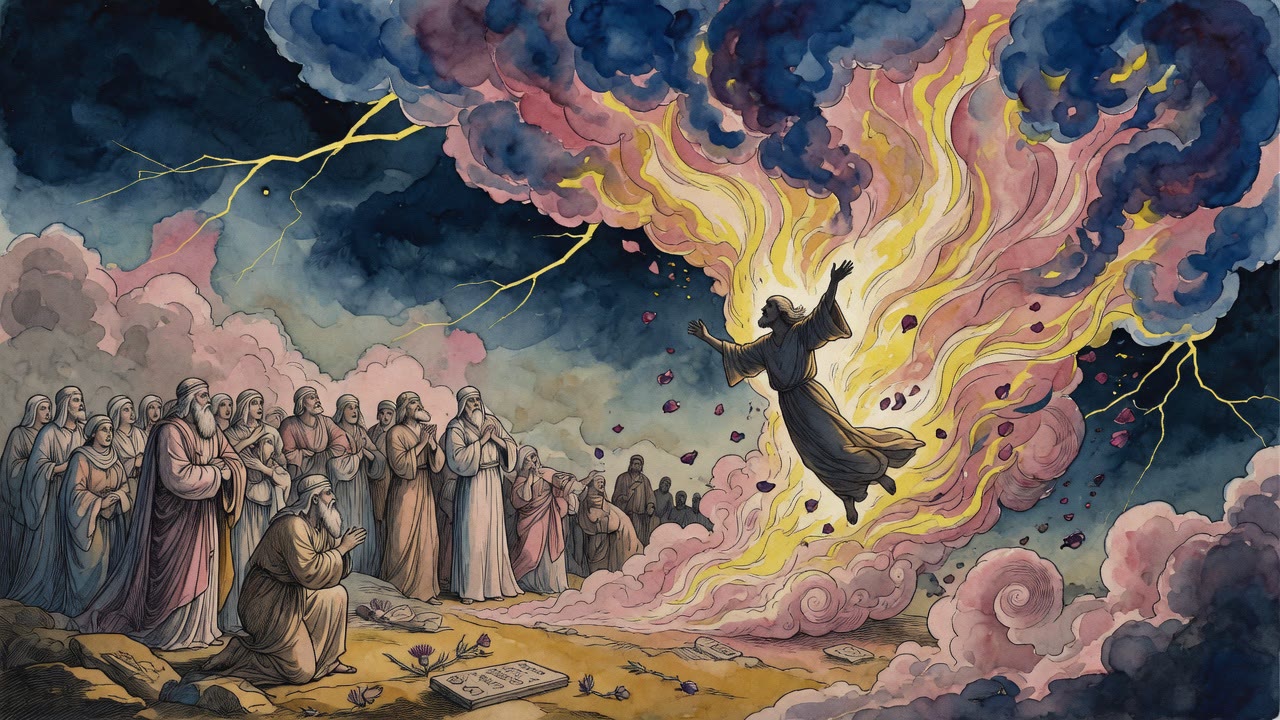
When Enoch had spoken his final words to his sons, something extraordinary happened. People from far and near, two thousand of them, heard that the Lord was calling Enoch home, and they came running.
They gathered at a place called Achuzan, where Enoch stood with his sons. The elders of the people, the entire assembly, came and bowed before him and kissed him. They said: our father Enoch, may you be blessed by the Lord. Bless us now, before your face, because the Lord chose you above all people on earth. He designated you the writer of all his creation.
Enoch answered with one final speech. He reminded them how God created the world. He laid out the commandments and the weights of judgment that awaited every human soul. He told them about the treasuries and the angels and the judgment chambers he had seen. And then darkness came over him.
The text says the Lord took him, and he was no more.
The Contradiction at the End
Not everyone agreed that Enoch was carried alive into paradise. Targum Onkelos, the authoritative Aramaic translation of the Torah produced in the Land of Israel during the early centuries CE and used in synagogue readings alongside the Hebrew text, renders the famous verse differently. Where the Hebrew says Enoch walked with God and was no more, for God took him, Onkelos says Enoch walked with the fear of God, and God put him to death.
Onkelos would not permit the translation to suggest that God and Enoch were companions walking together, as if on equal terms. And he would not permit the mystical reading of a living ascent to heaven. Enoch died. He walked in reverence, not alongside God but in awe of God. And God caused him to die. The extraordinary life ended as all lives end.
Two traditions, both ancient, both authoritative in their contexts, looking at the same two words in Genesis and arriving at opposite conclusions. In one, Enoch stands at the Lord's throne and writes the secrets of creation. In the other, he lived righteously and died as every righteous person dies. What he saw, if he saw anything, belongs to him alone.
← All myths