God Roars at Midnight Three Times Every Night
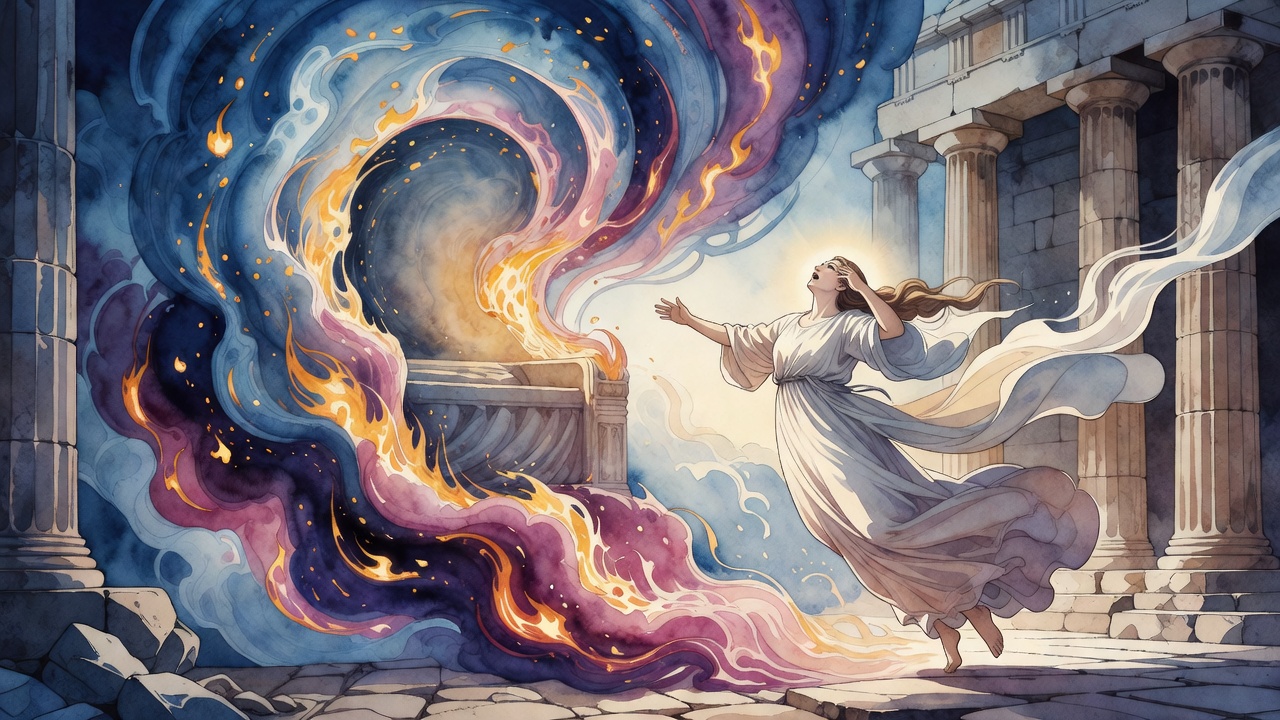
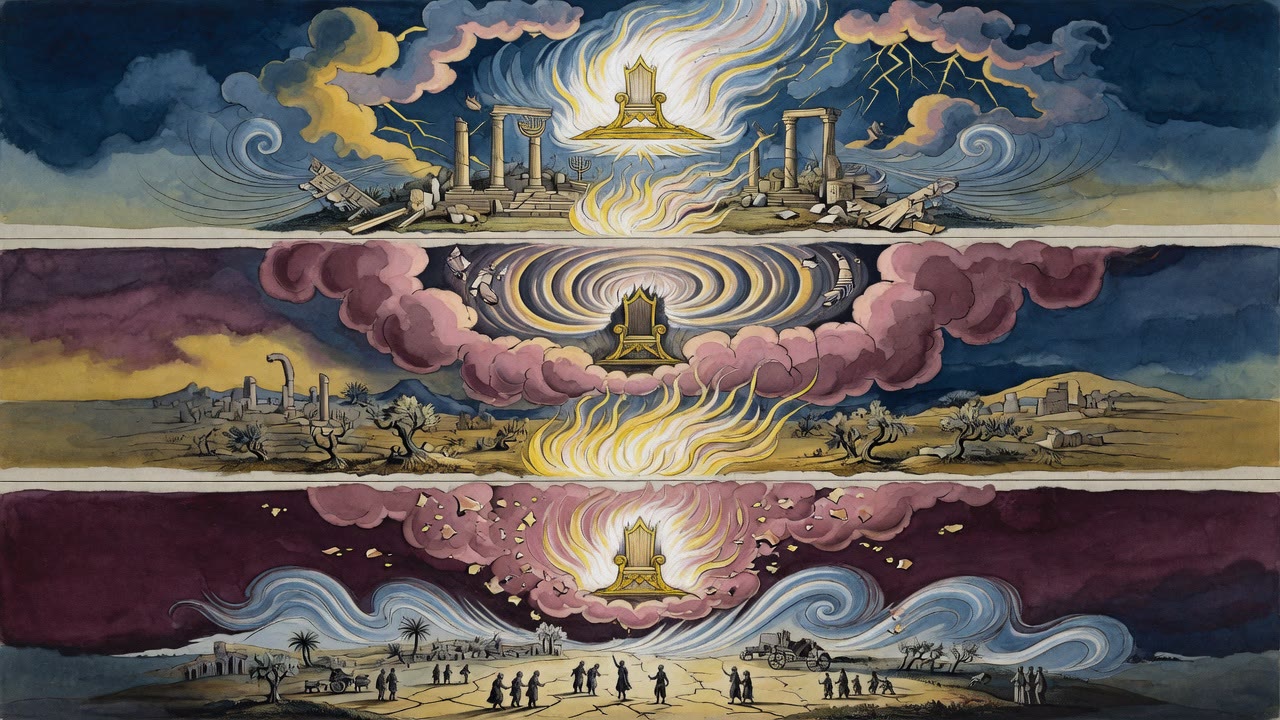
Every night has three watches in the Talmud, and at each one God roars like a lion over the Temple, the exile, and Israel's scattered children.
Table of Contents
 Click for full size
The Night Divided Into Watches
Soldiers divide the night into watches because no one person can maintain alert attention from dusk to dawn. The watch system is practical, three hours of vigil, then a relief. But the rabbis heard something else in the structure of the night's three divisions. They heard God keeping watch over the ruins of the Temple, and roaring.
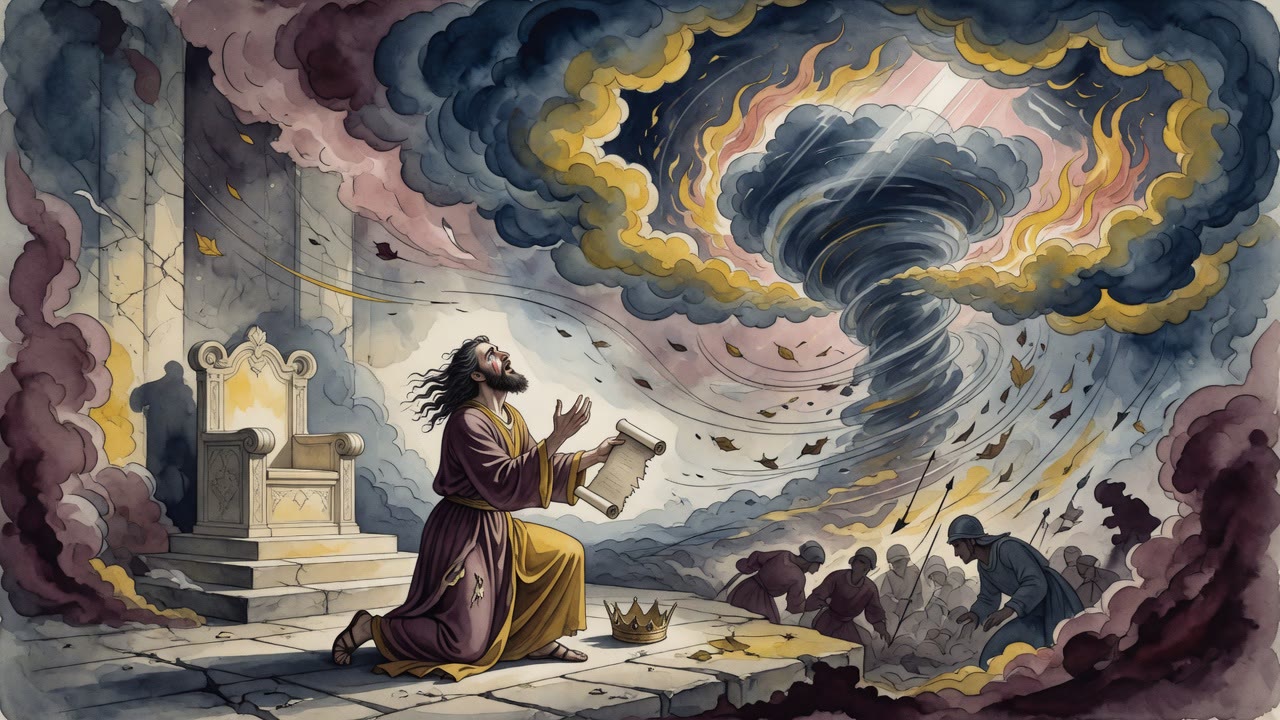
Rav, the foundational sage of Babylonian Jewry whose teachings were transmitted through his student Rabbi Isaac bar Samuel, taught that at the beginning of each of the night's three watches, the Holy One, blessed be He, sits and roars like a lion. The image is borrowed from the prophets, where God's voice over a ruined people is described as a lion's roar, the sound of power turned to grief, of mourning expressed in a register that shakes the earth rather than merely breaking the heart.
What the Roar Says
The words of the roar are preserved in Ein Yaakov, the sixteenth-century anthology of Talmudic aggadah (the Talmud's stories and lore, not its law) compiled by Rabbi Jacob ibn Habib. They are spoken in the first person, which is what makes them terrible. Woe to the children, God cries, because of whose sins I destroyed My edifice and burned My Temple and exiled My children among the nations.
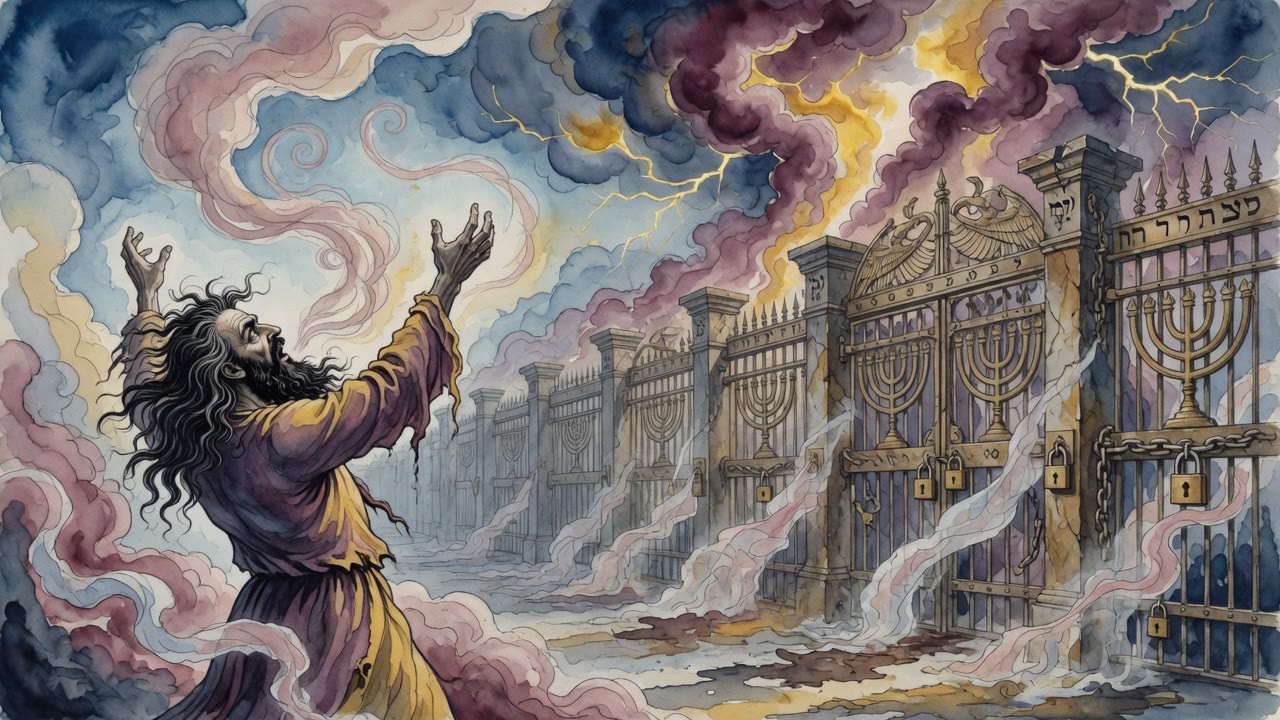
The sentence does not outsource the blame to Rome. It does not say "woe because the enemy came." It names the cause, sins, and it names the actor, I. God burned His own Temple. God sent His own children into exile. The mourning in the roar is the mourning of someone who authorized the catastrophe and cannot stop grieving what the authorization cost.
That construction. God as both judge and mourner, the one who decreed and the one who weeps over the decree, is one of the most demanding theological positions in the rabbinic literature. It does not permit the comfort of blaming someone else for what happened to the Temple. It insists that the catastrophe was both deserved and devastating, and that the two facts have to be held together.
Three Times Every Night
The roar comes not once at midnight but three times: at the first watch, the middle watch, and the last watch. Three times, every night, from the destruction of the Temple until the restoration. The watch structure means there is no point in the night when the mourning has passed and the sky is simply dark. Every division of the night is opened with the same grief, the same first-person accounting, the same lion's voice.
Rav's teaching is preserved because a human being once encountered evidence of it. The story in the Talmudic source has Rav traveling at night and hearing what he thought was a human sound, sighing, or a low cry. He stopped and recognized it as something else. He had walked into one of the night's three divisions, and what he heard was the sound described in the teaching. The anecdote grounds the abstract theology in a moment of ordinary travel and startled recognition.
Moses and the Three Alarms
The Legends of the Jews, Louis Ginzberg's early twentieth-century synthesis of rabbinic narrative, records three moments when Moses was overcome with fear before God, the ransom for souls, the provision of meat, the cost of sacrifice. Three moments of alarm in Moses's life that parallel in structure the three watches of the night where God roars in grief. Both patterns make the same argument: the relationship between God and Israel is not tranquil. It passes through fear, through loss, through dark hours. The night is not empty. It is full of a grief that will not be silent until what was broken is whole again.
← All myths