18 myths
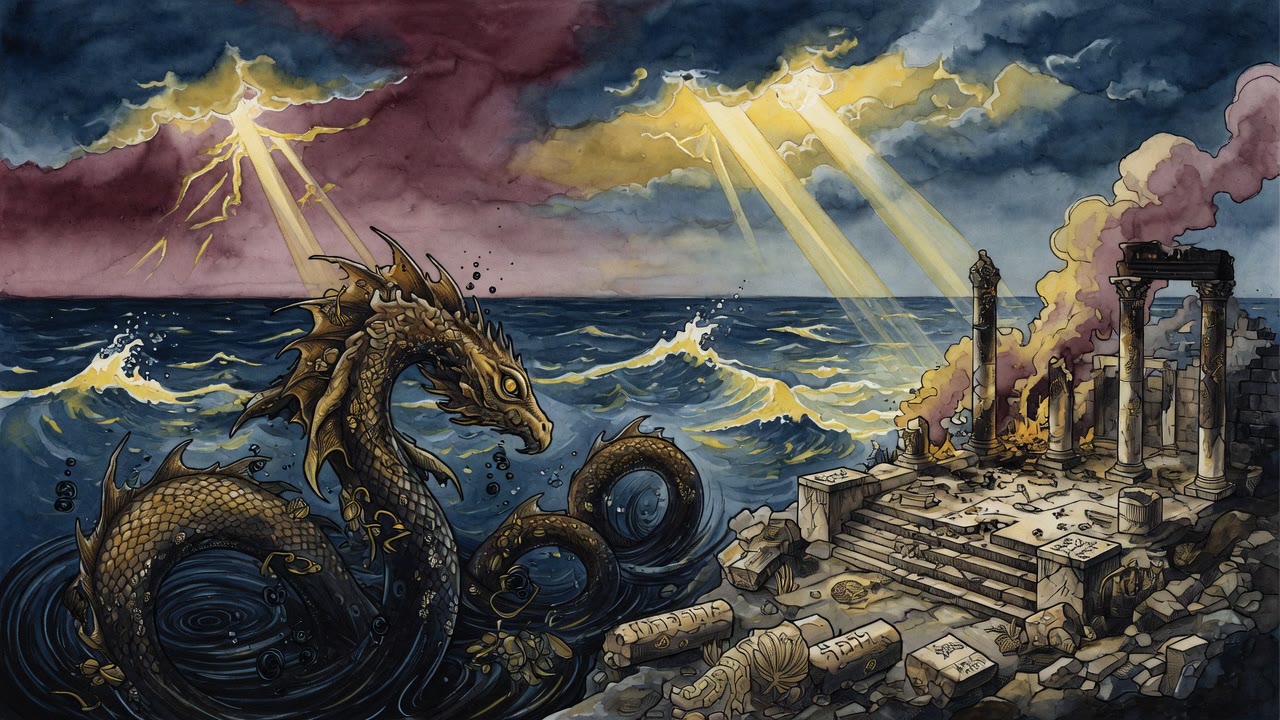
The sages gave God a daily schedule, but after the Temple burned, the last hours no longer belonged to play with Leviathan.
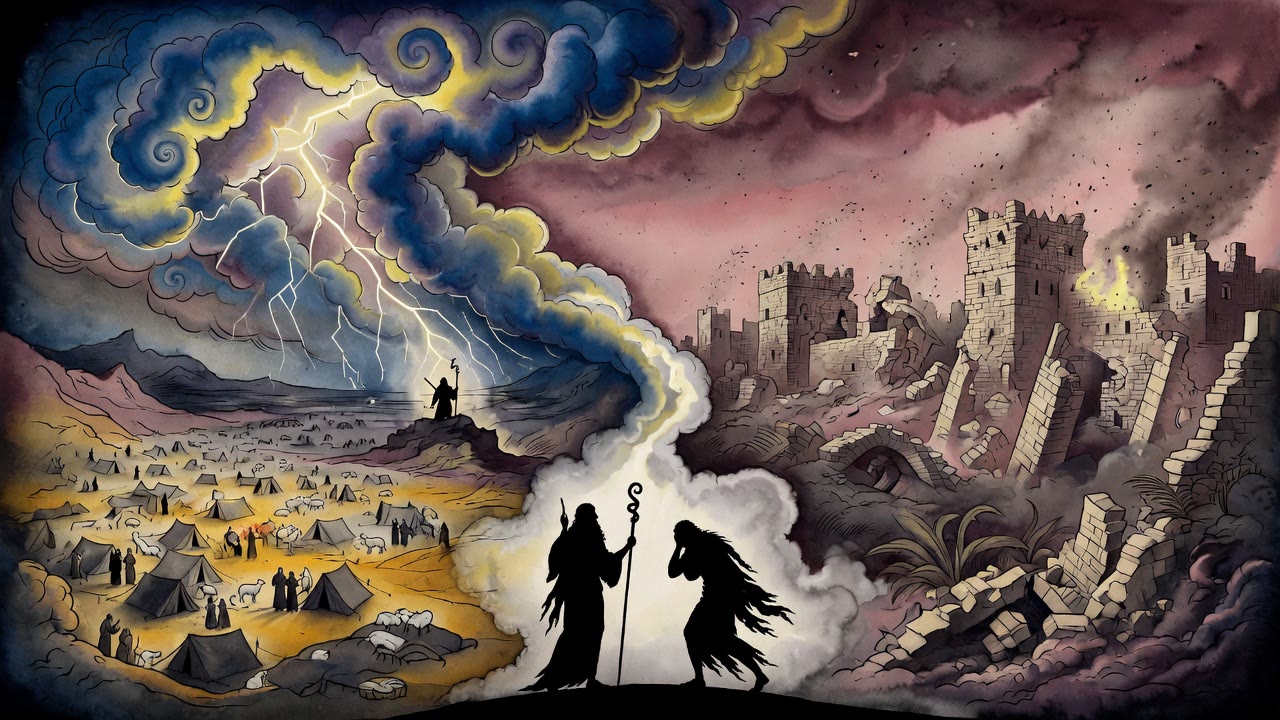
In the wilderness the cloud led Israel and sheltered them. In Lamentations God wraps himself in a cloud, and the prayers of the people cannot get through.
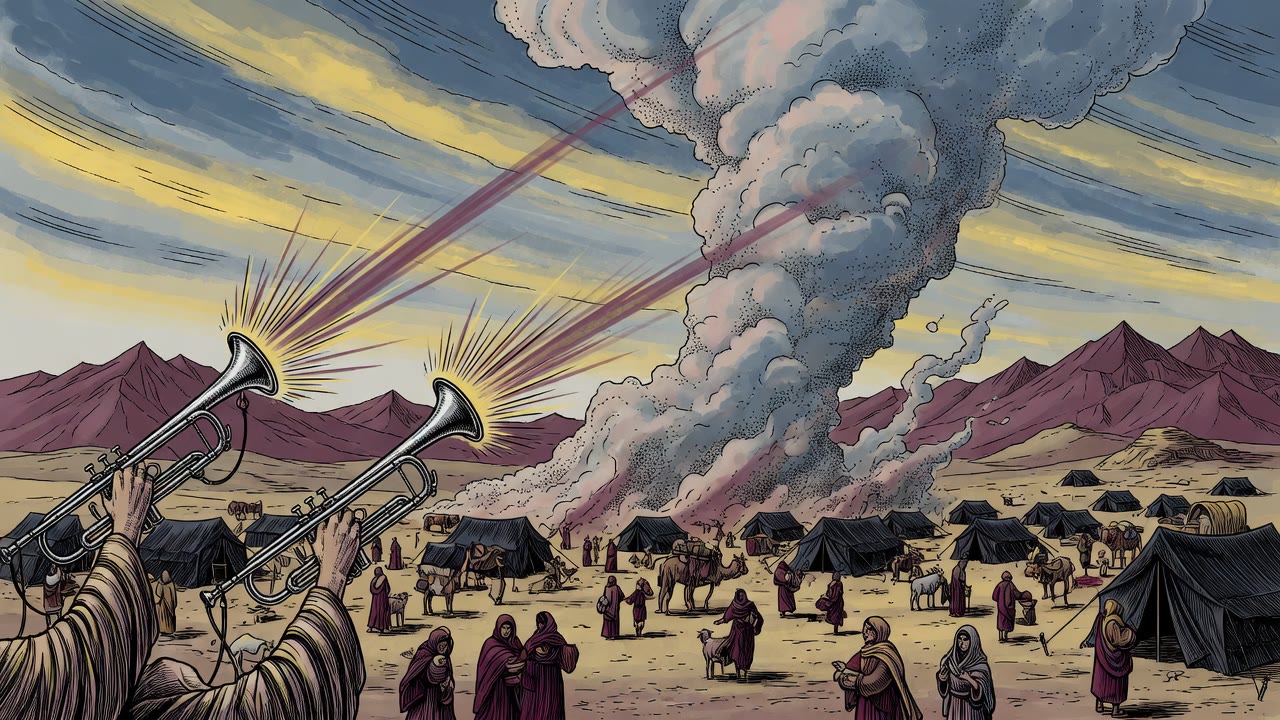
The pillar drew itself small and stopped at Moses' face. Six hundred thousand waited in the dust. The cloud would not move until he asked it to.
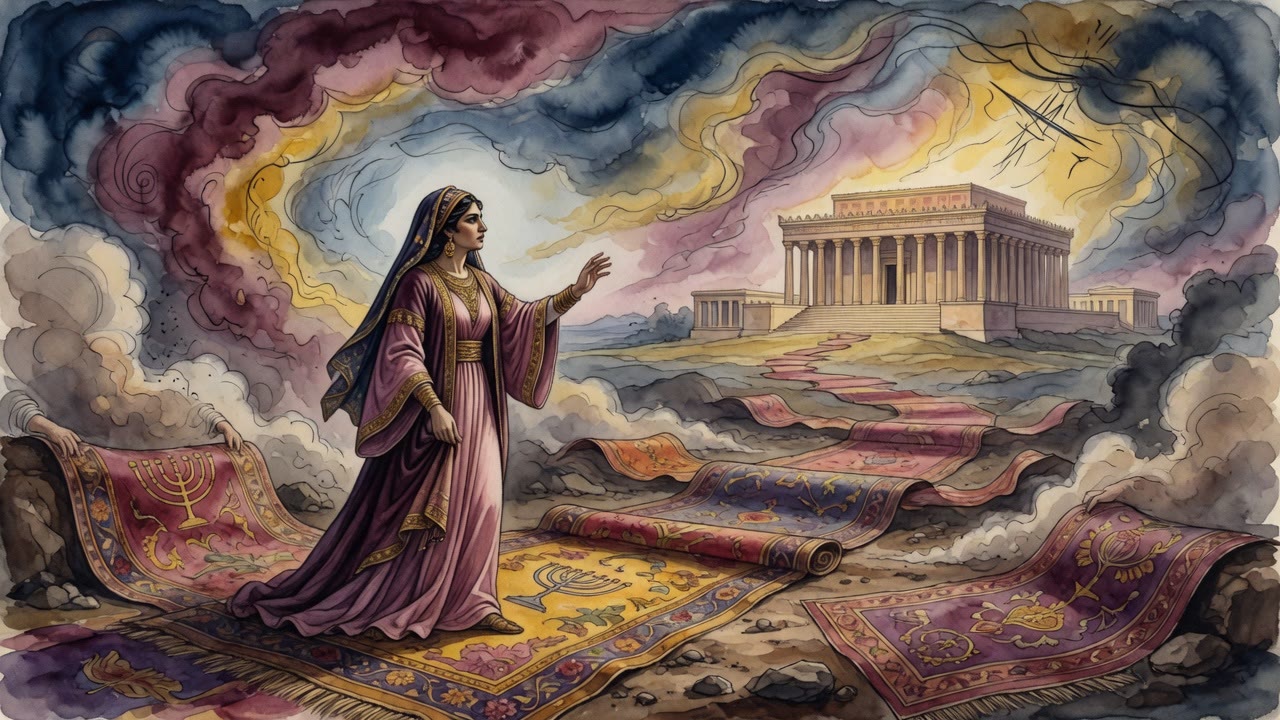
The richest woman in Jerusalem lays carpets from her door to the Temple so her feet never touch the ground, until one day they must.
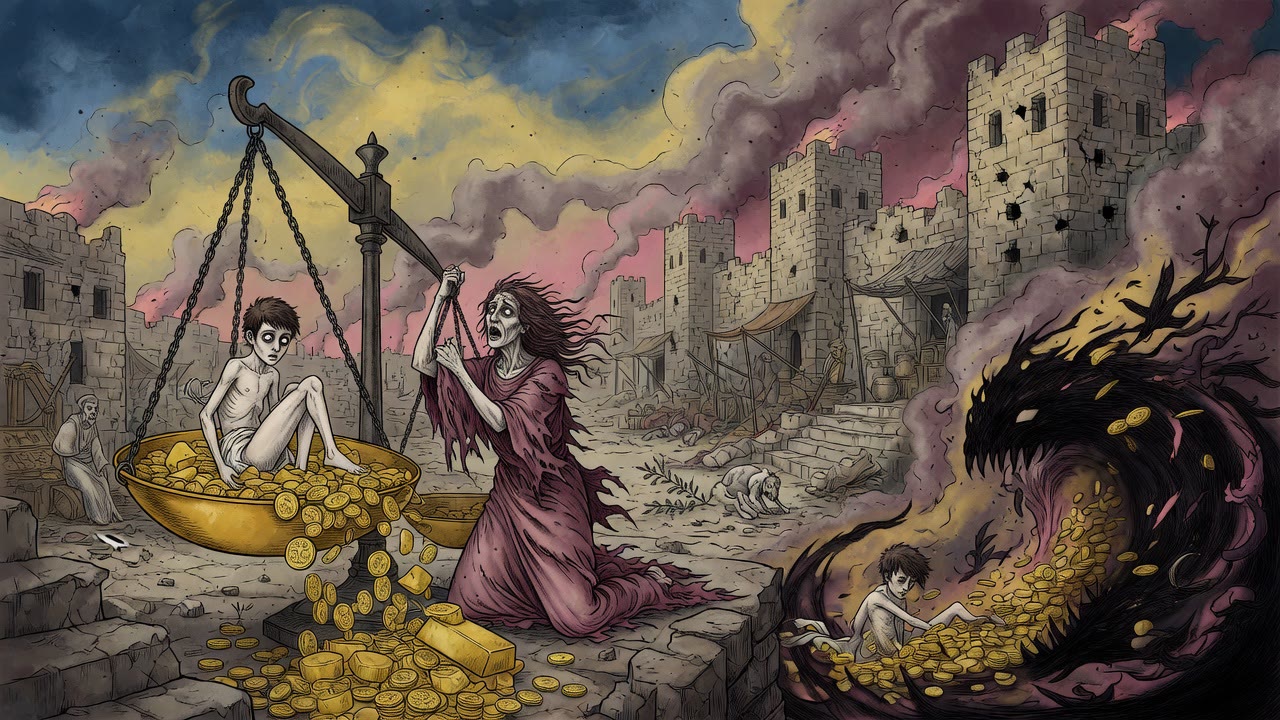
A mother once gave her son's weight in gold to the Temple. When Jerusalem starved, the siege turned that gift inside out.
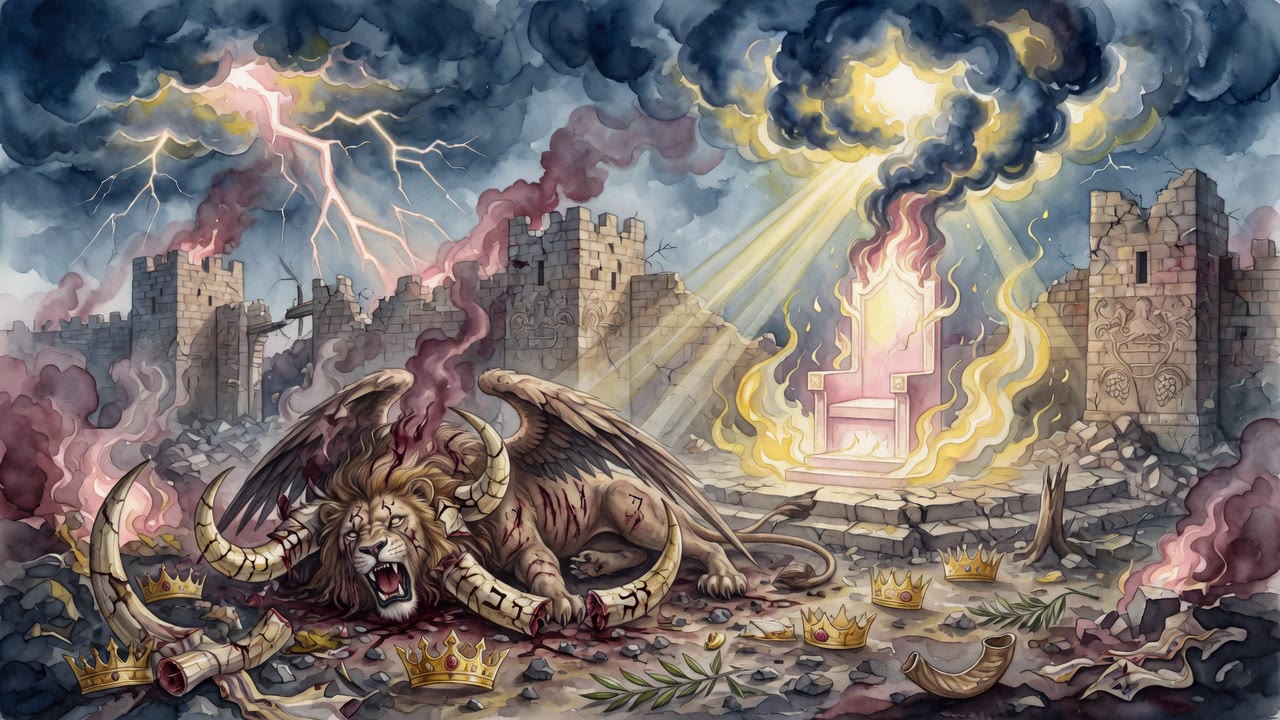
When Jerusalem fell, the rabbis counted ten severed horns: patriarchs, Torah, priesthood, prophecy, Temple, and Israel itself.
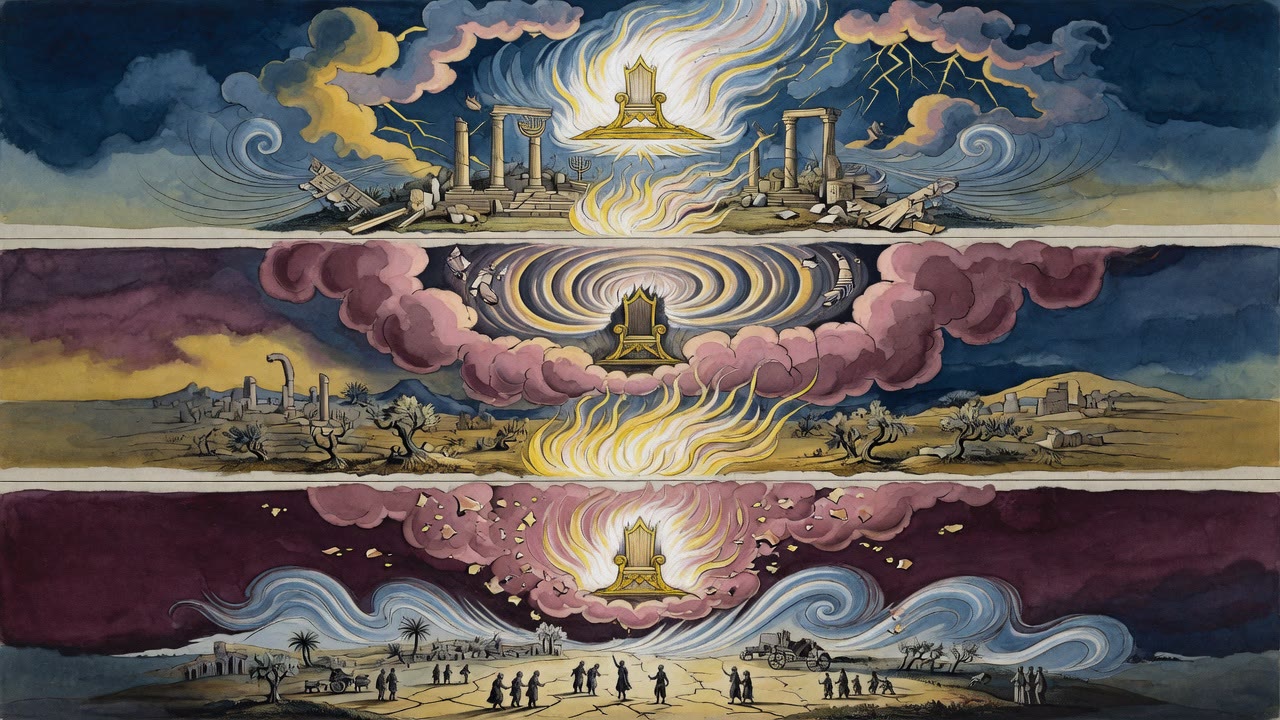
Every night has three watches in the Talmud, and at each one God roars like a lion over the Temple, the exile, and Israel's scattered children.
The Temple is burning and the priests have fled. One figure stands in the ruins with no right to be there, refusing to go until God answers him.
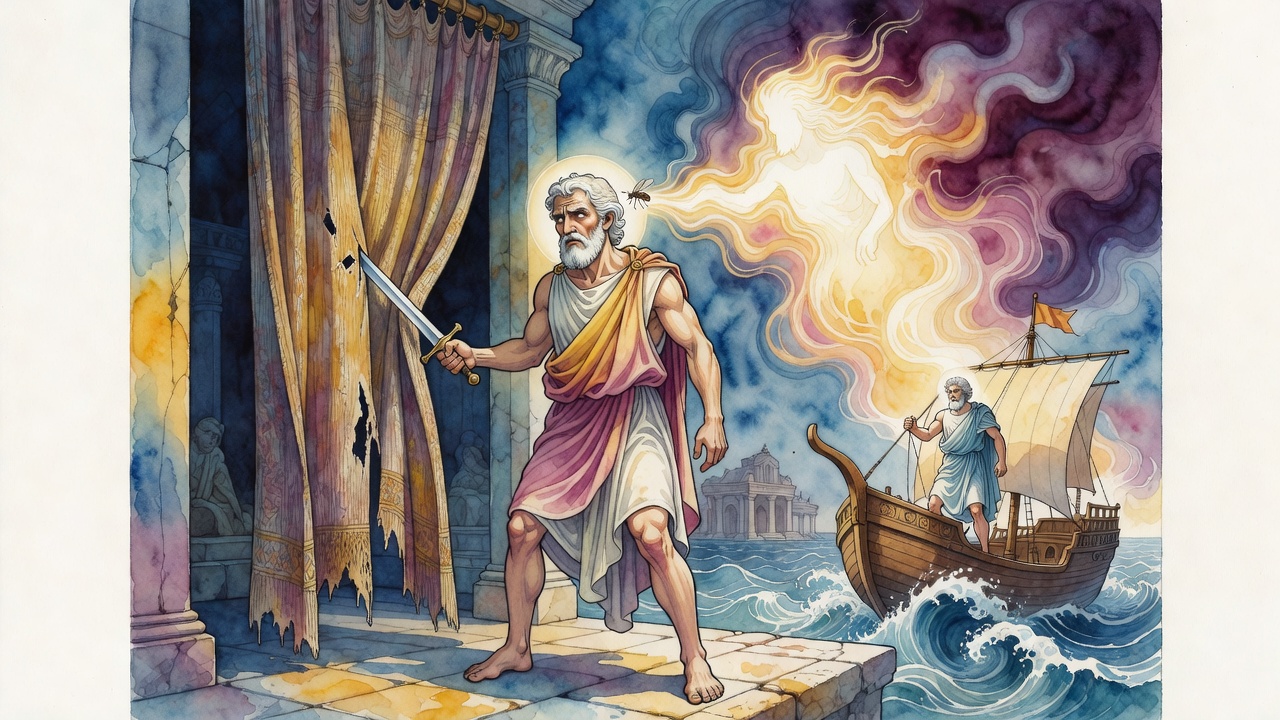
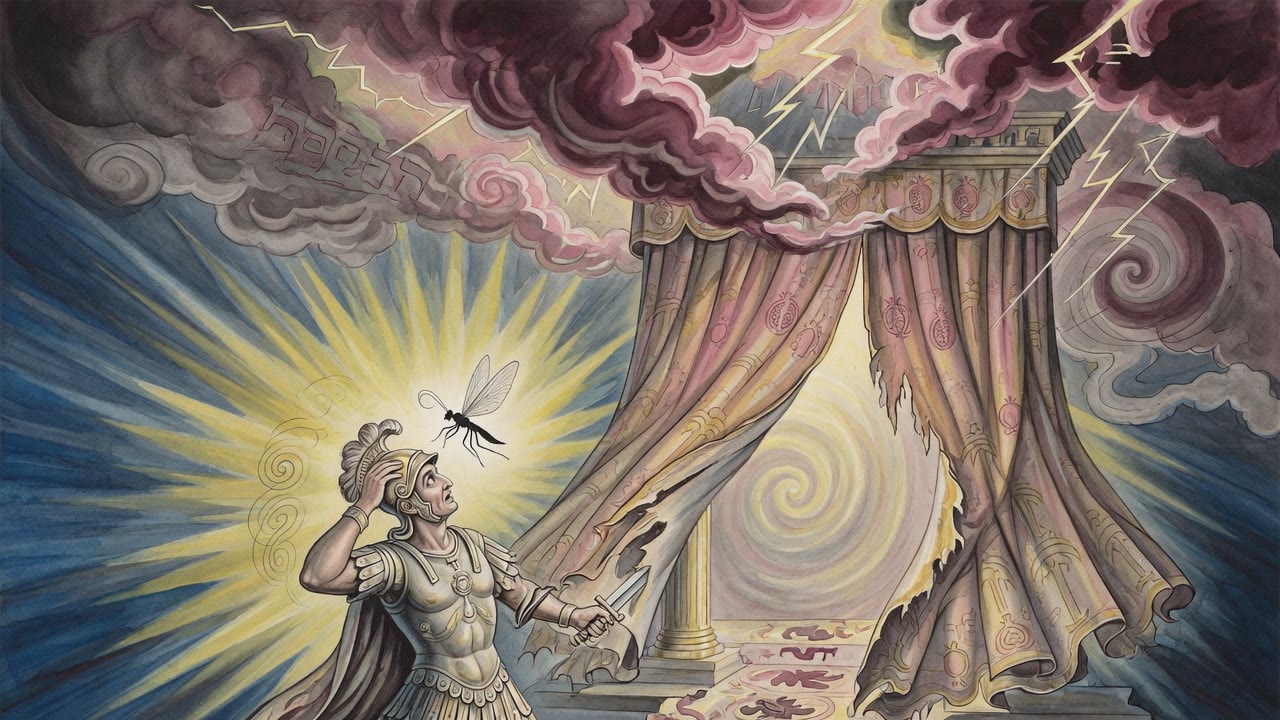
Titus defiled the Holy of Holies, stabbed the curtain, and sailed home victorious, but God sent a gnat into his nose that gnawed at his brain for thirty years.
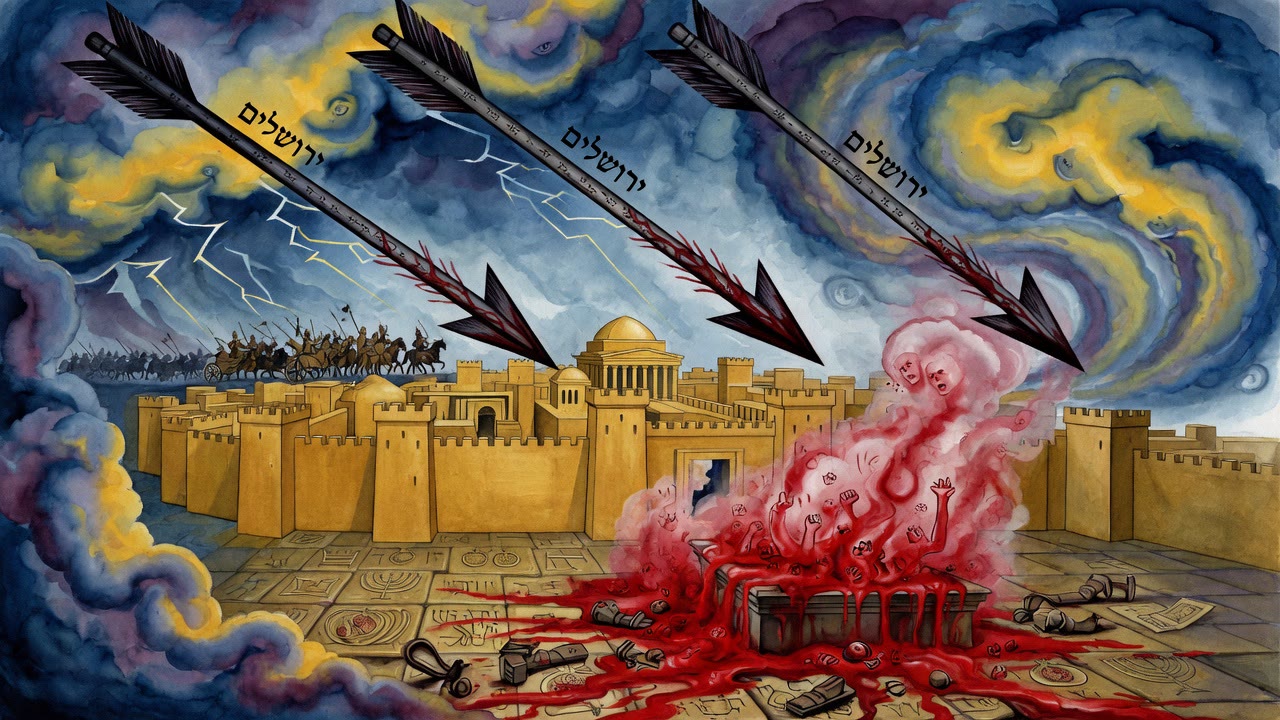
Nebuchadnezzar's arrows all turned toward Jerusalem. When his army arrived it found blood in the Temple courtyard still boiling after centuries of waiting.
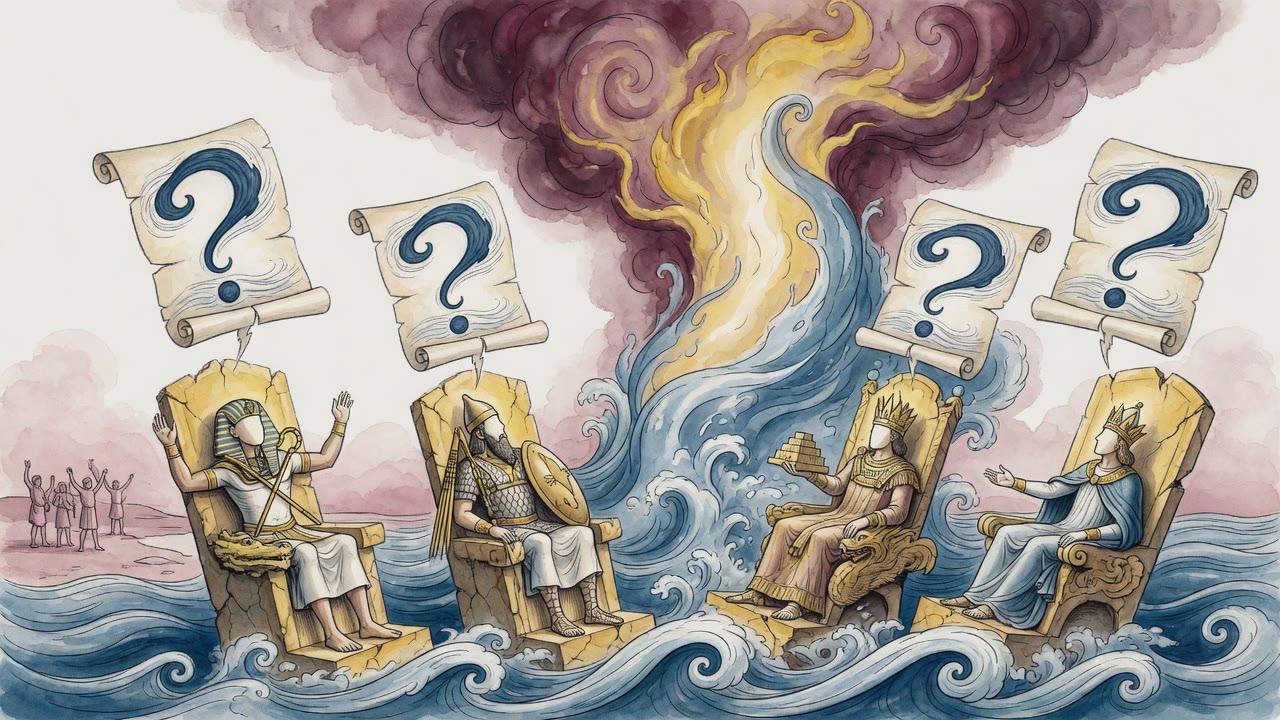
Jeremiah climbs the bloodied road and finds a woman weeping in black over empty cradles, and she is the burned land herself, the one God keeps His glory for.
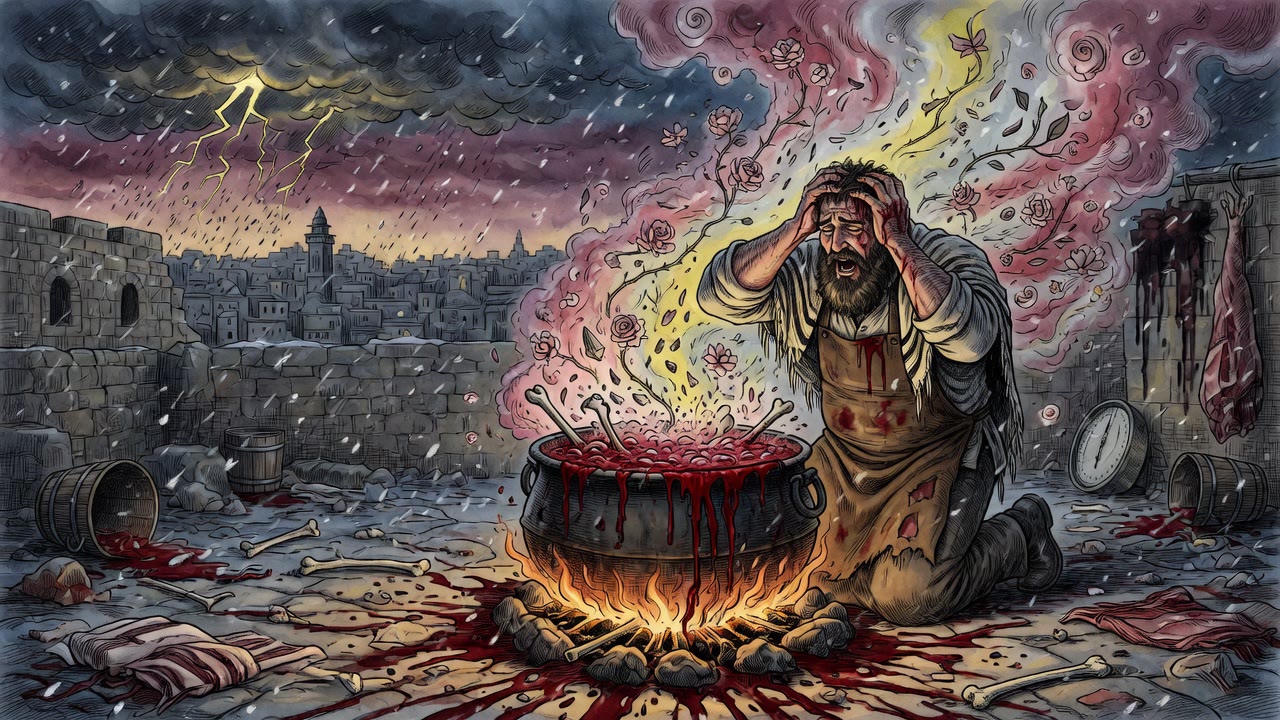
The priests said it was sacrificial blood. Nebuzaradan slaughtered animals on the spot to compare. Theirs lay flat and dead. The other pool kept boiling.
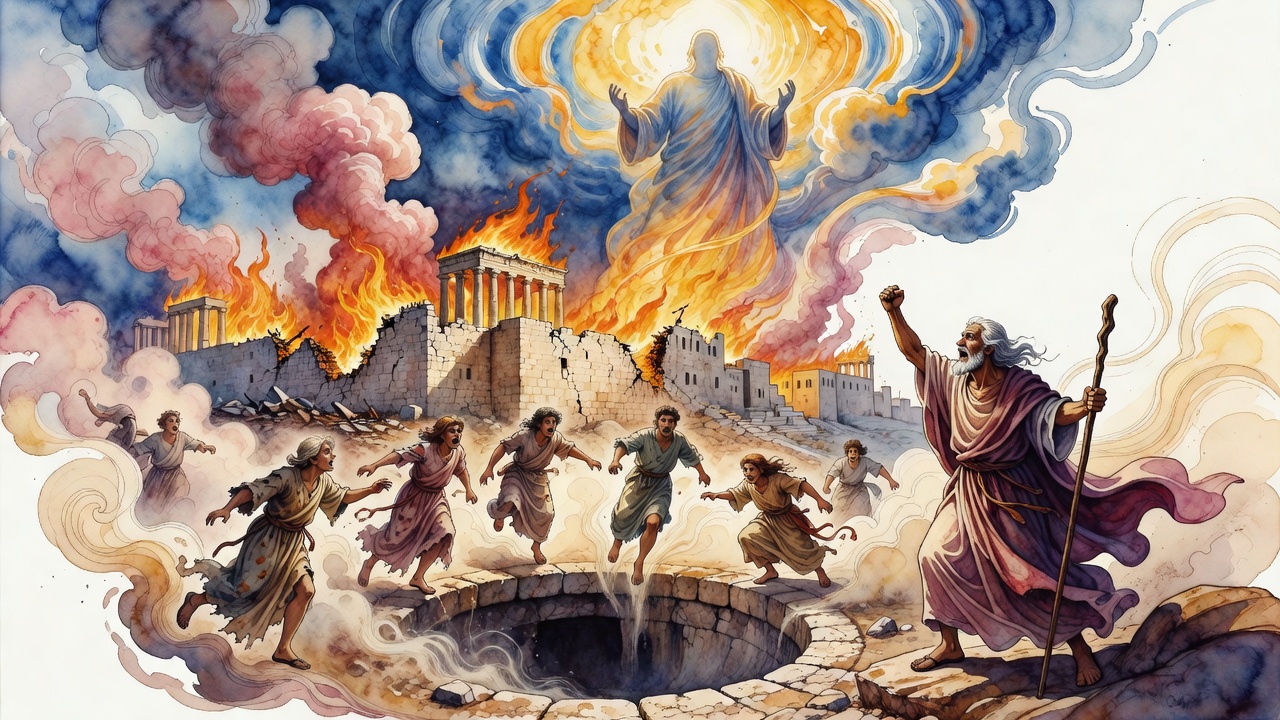
Jerusalem burns, the young leap into a hidden well rather than face the sword, and Moses is roused to see the ruined House and challenge heaven's silence.
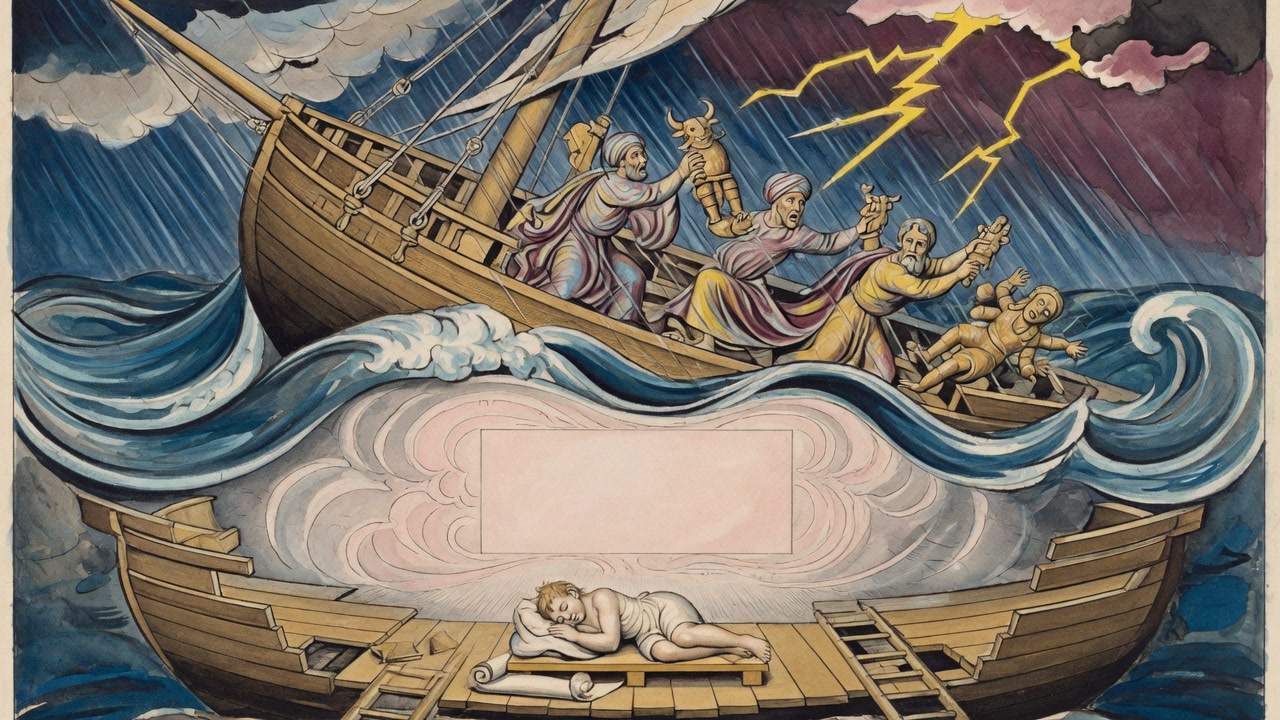
Mystics wrote down how far it is across God's little finger. Then they said He cries when one Jew is hurt, and hides it behind shut doors.
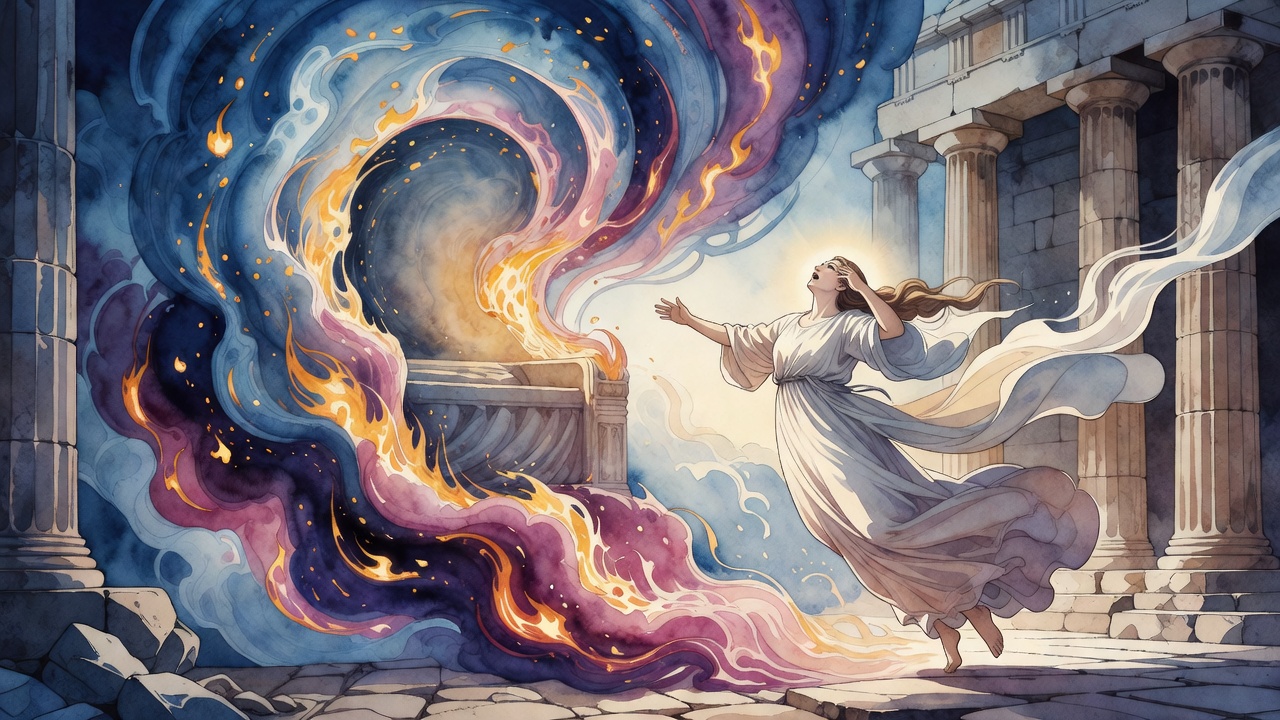
The Shekhinah, the Divine Presence, had led no revolt and carried no guilt. God reached for her anyway, and she wept the whole way down through the spheres.
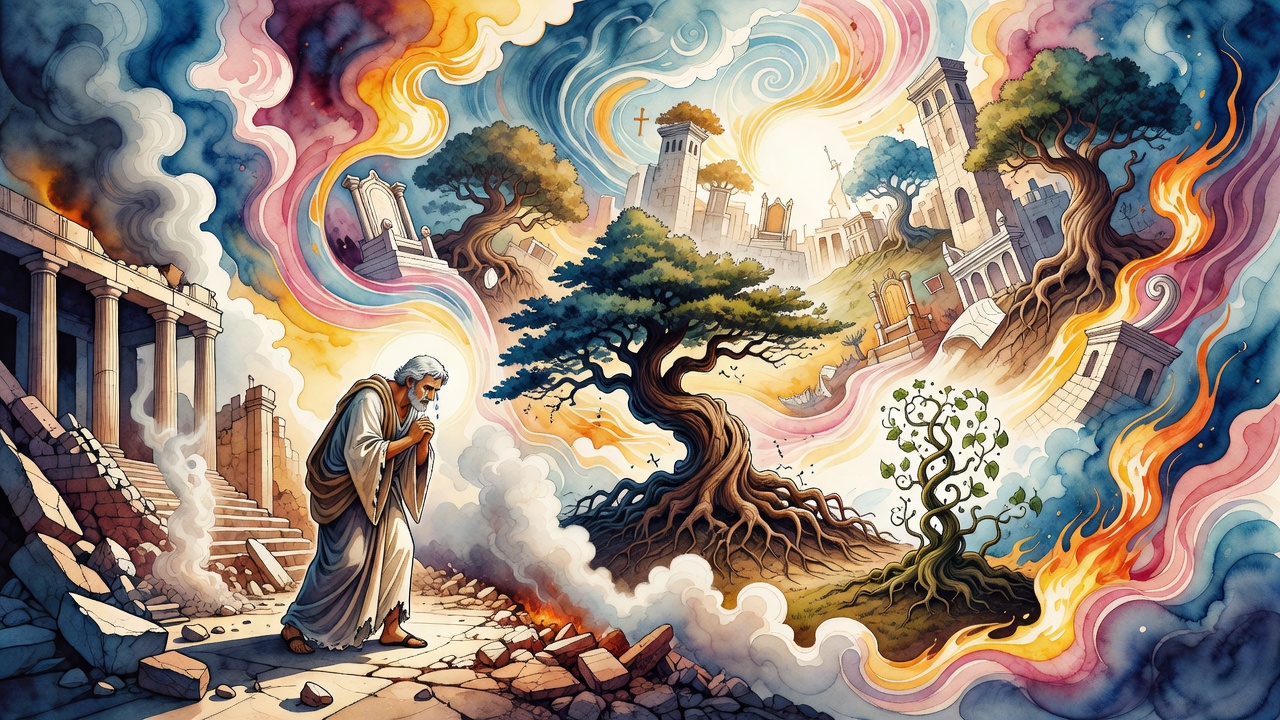
Baruch weeps in the smoking rubble of the Temple and dreams a forest of empires falling until one cruel cedar is dragged before the Messiah's vine.
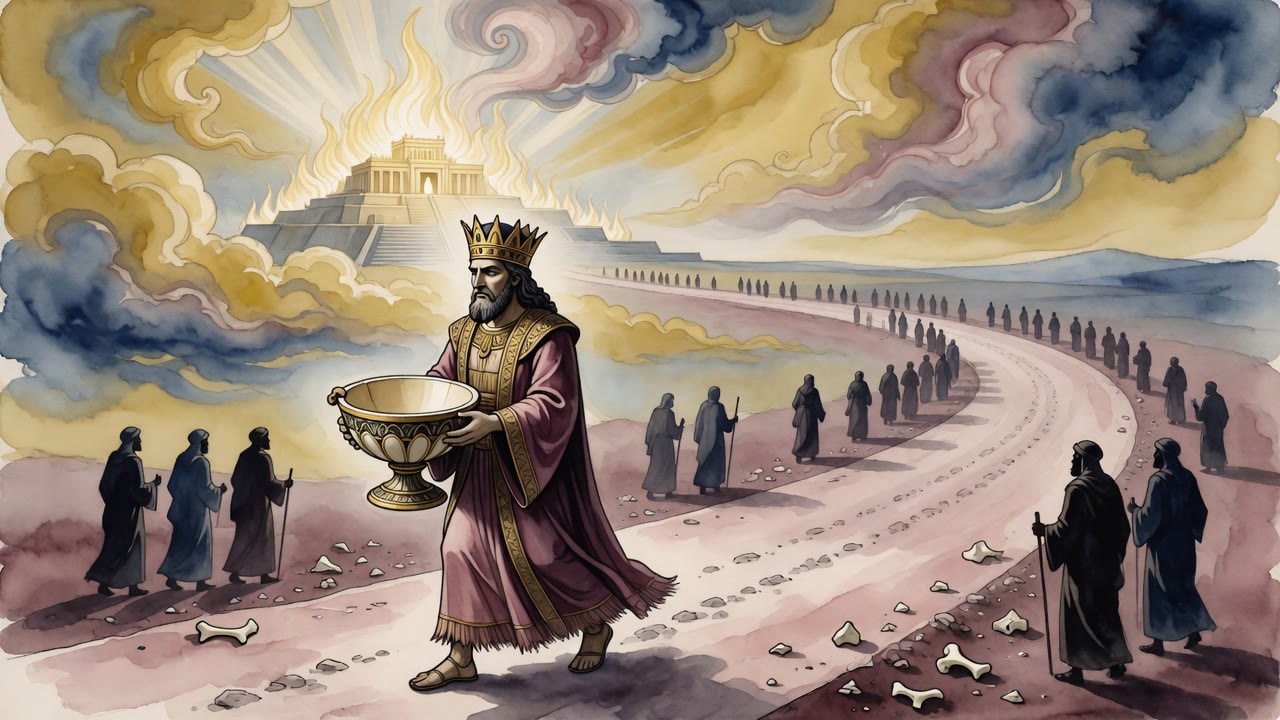
For eighteen years a heavenly voice drives the king of Babylon to burn the Temple, and his bone cup and the exiles' empty skins call down judgment.
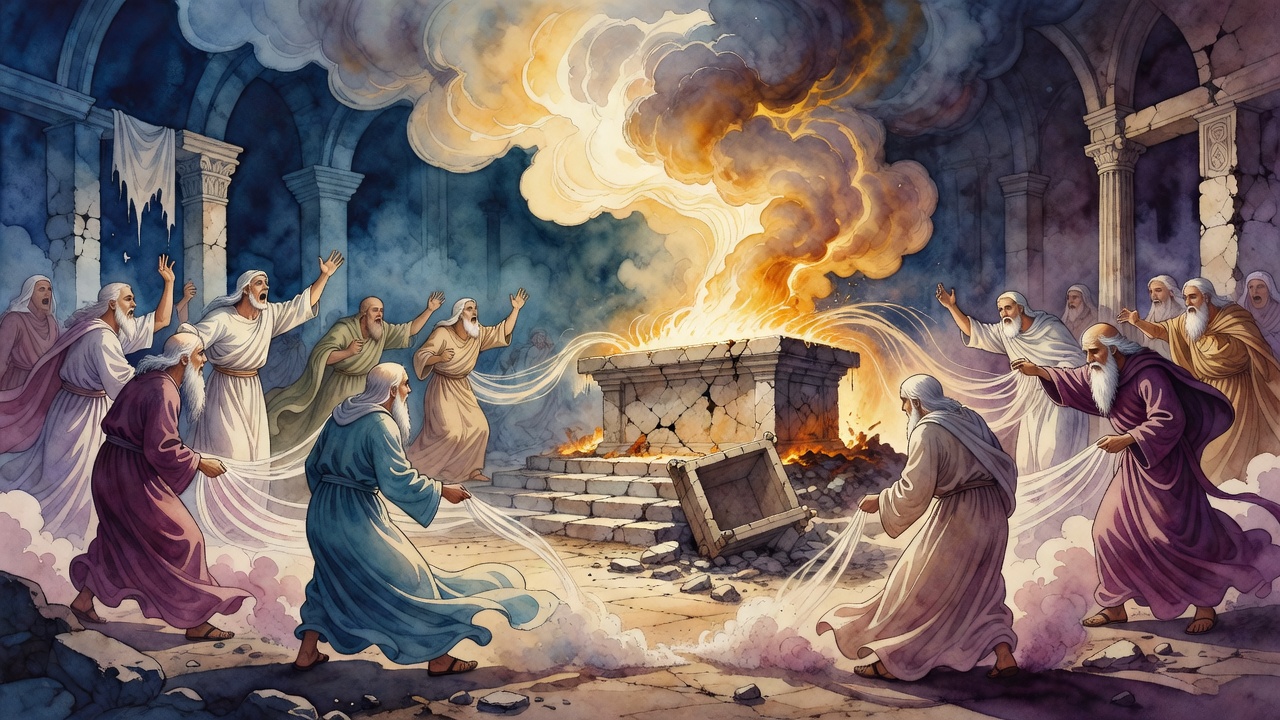
Soldiers drove their spears point-down into the sanctuary floor and sang like it was a feast day. No fire fell on them. Nothing came out of the smoke.
