Hanina ben Dosa Bent Nature With His Prayer
His daughter had fallen into a pit. The first two messengers heard only "Well, well." The third heard she had already climbed out.
Table of Contents
Hanina ben Dosa lived in a house with almost nothing. When he prayed, things that do not usually move, moved.
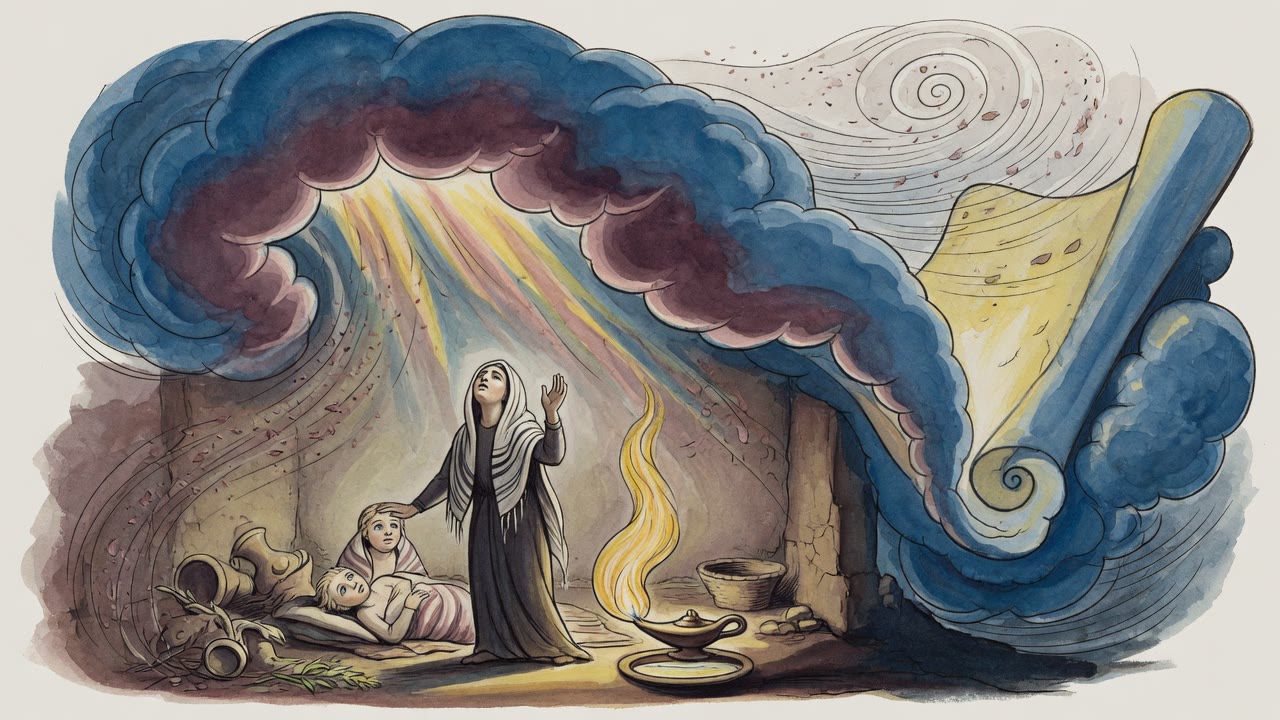 Click for full size
He headed no academy. He held no office. Students did not trail him in a line. He had a certainty about heaven's mercy that other men could not fake, and it was enough to fill a poor room.
She Has Come Out
A messenger arrived breathless at the door. Hanina's daughter had fallen into a pit. The words came out too fast, the way terrible news always does, tumbling over each other before the listener can catch them.
Hanina said, "Well, well."
A second messenger came with the same panic and the same pit. Hanina said it again. "Well, well."
When the third man reached the threshold, something in Hanina's face had already settled. "She has come out," he said. Not she may come out. Not let us go and look. She has come out.
The messengers ran back. She had come out. Mud on her clothes. Dirt in her hair. Alive. Hanina had not walked to the pit. He had not sent a rope. Prayer had already bent the hour, and nature had followed it.
Vinegar Took the Wick
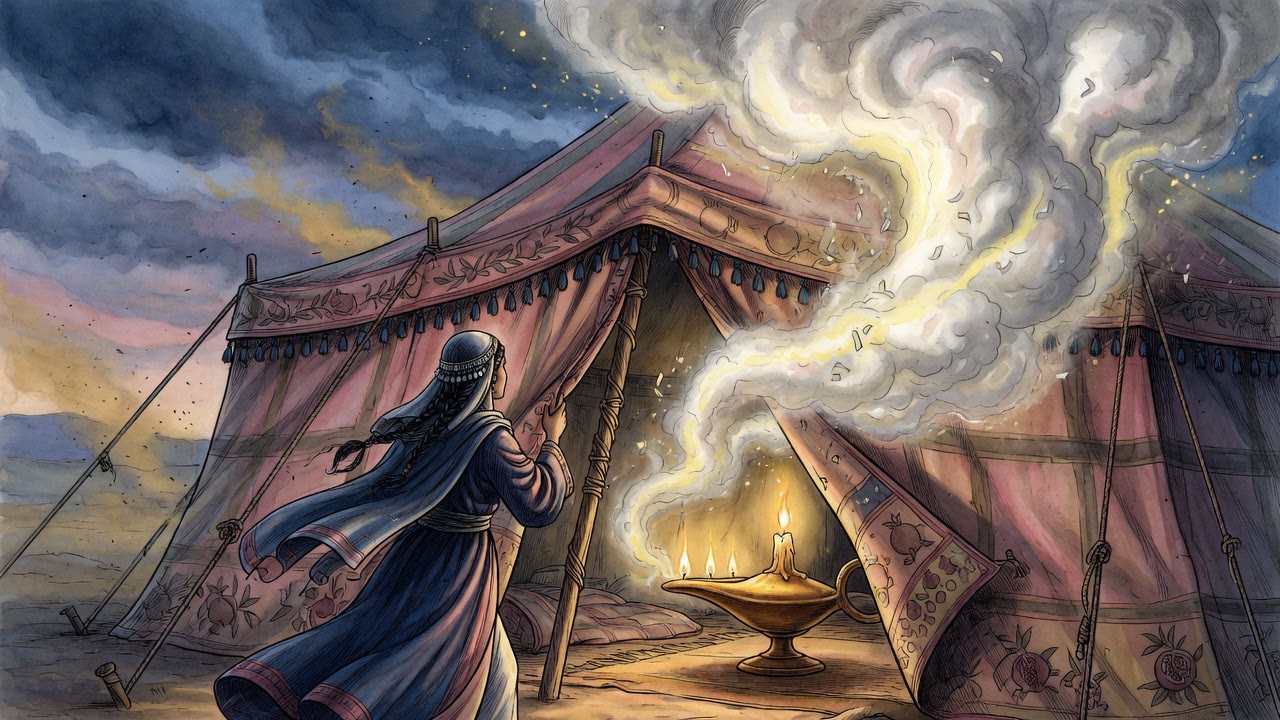
On a Friday afternoon his daughter filled the Shabbat lamp. She filled it with vinegar by mistake. When she saw what she had done she stood in the kitchen with the wick in one hand and a useless vessel in the other, ashamed, because the neighbors would pass a dark window.
Hanina waved her off. "Light it," he said. "The One who commanded oil to burn can command vinegar to burn."
She lit the wick. It caught. The flame bent in the draft and held. The vinegar burned through Friday night and all of Saturday, through the long slow hours of rest, and it did not go out until three stars stood in the sky and Shabbat ended.
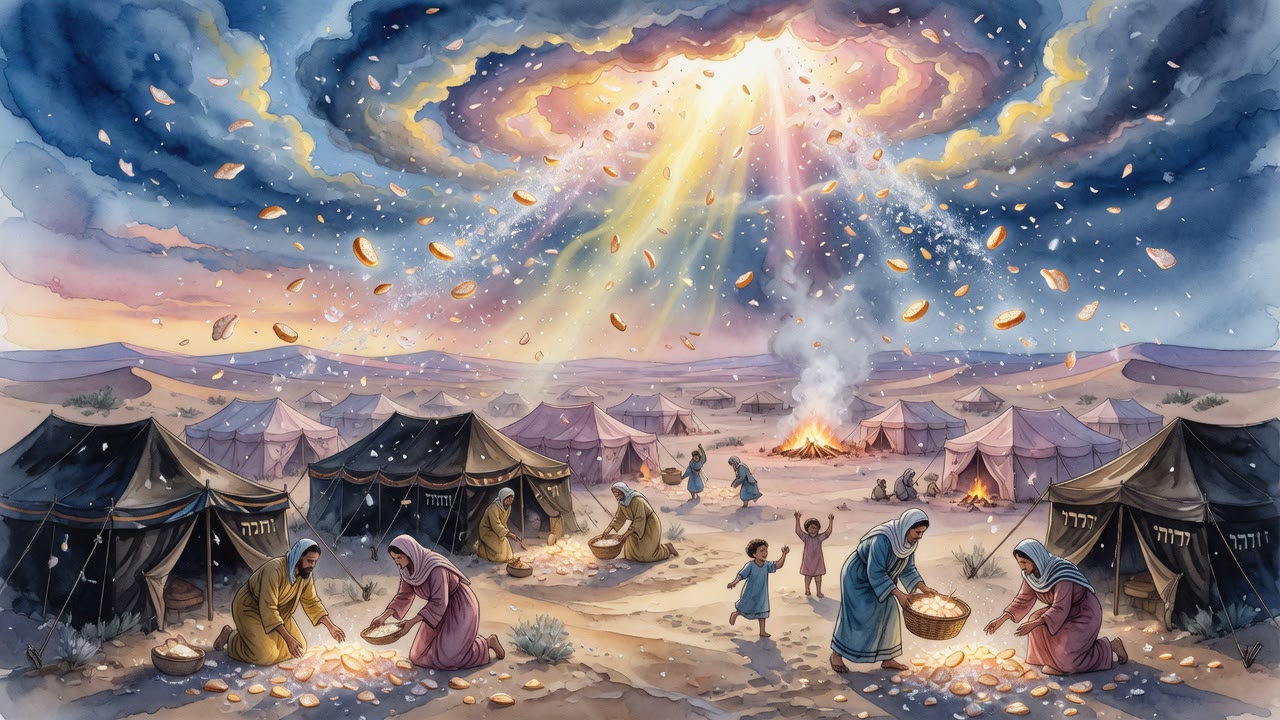
His wife had heated the oven that same afternoon, sure it was empty, because there was no dough. When she opened it, bread filled the chamber, brown and hot. Oil is nature's habit. Vinegar is not. Bread does not arrive in an empty oven. In that house, prayer did not argue with habit. It asked past it.
The Words Came Easy
Rabban Gamliel's son fell badly ill. Gamliel sent messengers from Jerusalem to the village where Hanina lived. Hanina was not a physician. He was the one you sent for when logic had already failed.
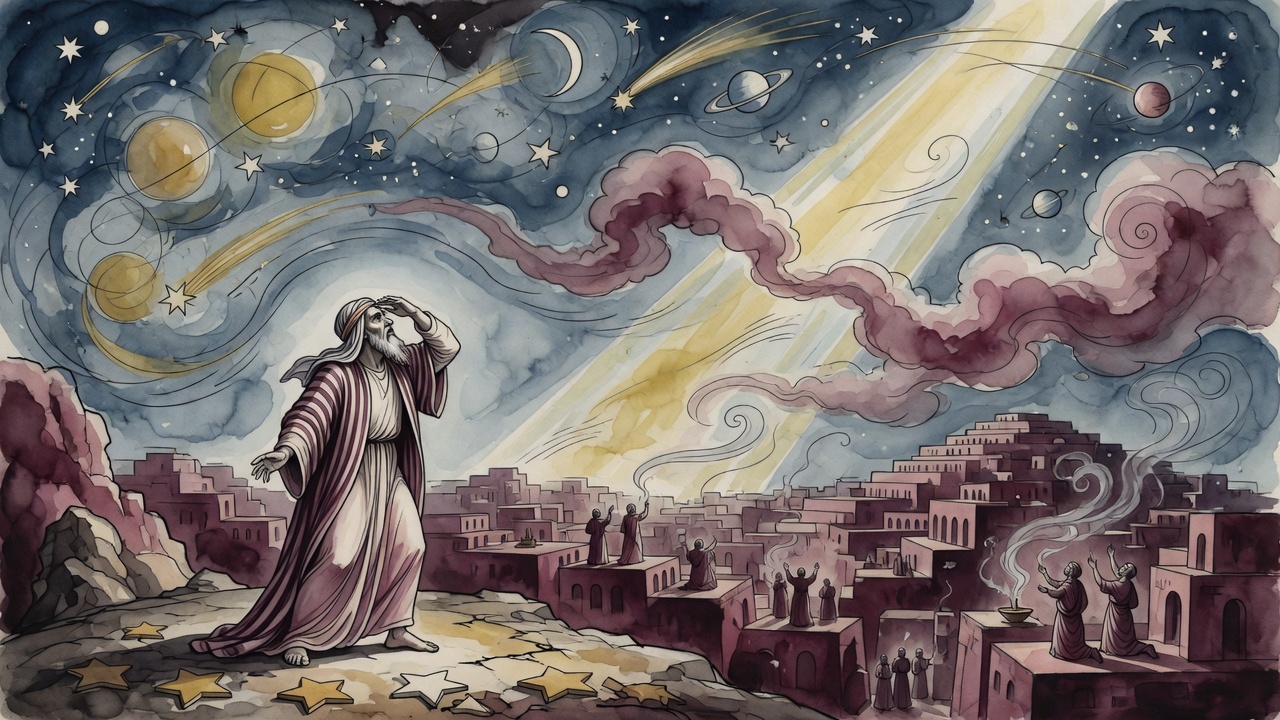
He climbed to the upper room of the small house, alone. He prayed. When he came down he told the messengers, "Go. The fever has left him. He is drinking water."
They stared. "Are you a prophet?"
He shook his head. "I am neither a prophet nor the son of a prophet. I have a test. When the prayer comes out of my mouth easily, when the words are fluent and unbroken, I know it has been accepted. When my tongue stumbles, I know it has not. This time the words came freely."
They noted the hour. It was the hour the fever broke. Far off in Jerusalem a boy lifted a cup. In the village a poor man came down the ladder with dust on his knees.
A Golden Leg in the House
After years of that poverty, Hanina's wife finally said it. "You pray for the whole world, and everyone you pray for gets what they need. Pray for yourself. Ask for a little of the reward waiting for you in the world to come. Enough for this week."
He prayed as if the request embarrassed him. That night a hand reached from heaven and gave him a single golden leg, one of four from the table being prepared for him in Gan Eden (גן עדן), the garden of the righteous.
The leg appeared in their house. Gold. Solid. Heavy enough to end their want forever. His wife laughed out loud. She set her palm on it to be sure it was real.
They Gave It Back
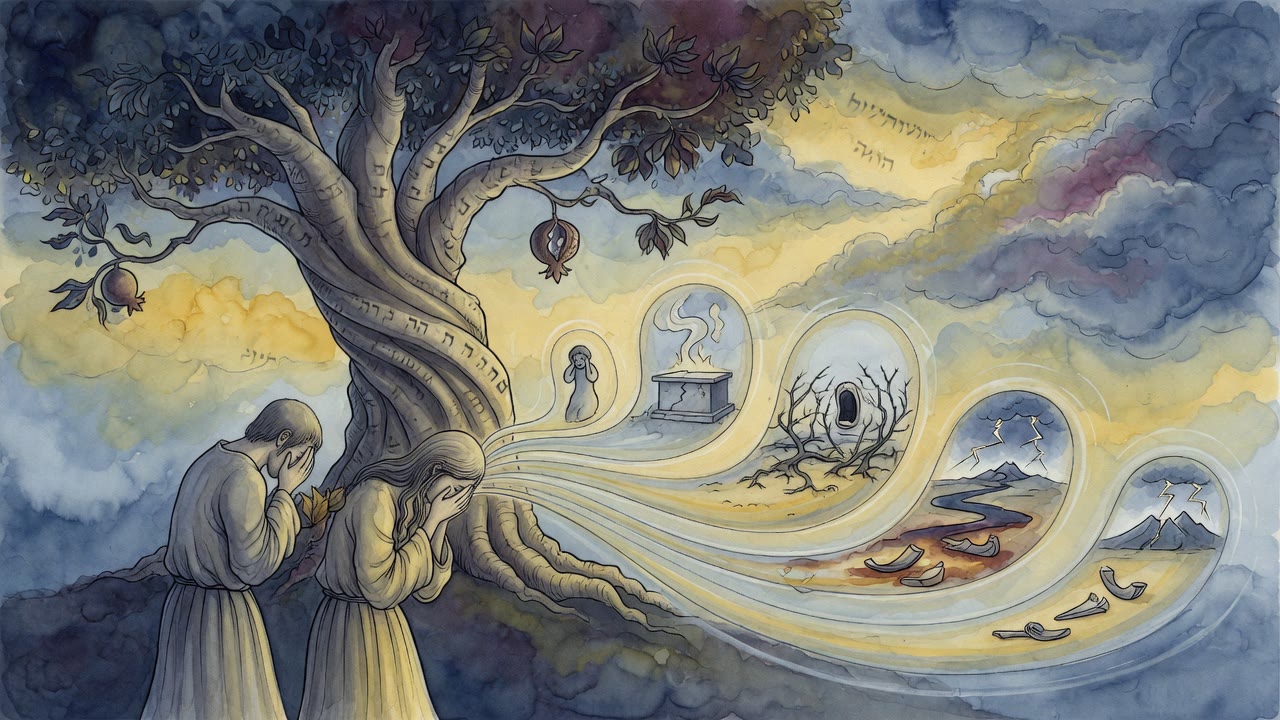
That night she dreamed. She saw the tables of the righteous. Each table had four legs. Her husband's table had three. It stood in the row like a bench with a bite taken out of it.
She woke and asked him to give it back.
He prayed again. The leg left the house the way it had come. The room went poor. The oven went back to being an oven. They chose a complete table later over a broken one now, and they ate what they had, which was almost nothing, and they did not complain to the ceiling.
Neighbors still passed the window on Friday nights. The lamp was often thin. It burned anyway.
← All myths