Poverty

68 texts · Page 1 of 2

The rabbinic teachings on poverty, wealth, and obligation: why the poor are beloved by God and what the community owes them.

Ben Sira on the Humble Being Lifted Up

Apocrypha Apocrypha & Pseudepigrapha

The ancient sage Ben Sira, writing over two thousand years ago, wrestled with these very same questions. He saw the world around him, and he wasn't always thrilled with what he saw...

No Peace Between the Hyena and the Dog

Apocrypha Apocrypha & Pseudepigrapha

Ben Sira, in his wisdom, saw this dynamic playing out thousands of years ago. He uses sharp, almost brutal imagery to paint a picture of inequality. He starts with a stark question...

Why the World Listens to the Rich Man

Apocrypha Apocrypha & Pseudepigrapha

In his wisdom writings, preserved for us in the book we call Ben Sira, he observes the stark contrast in how society treats the rich and the poor. It's a timeless truth, isn't it? ...

The Cry of the Poor Pierces the Clouds

Apocrypha Apocrypha & Pseudepigrapha

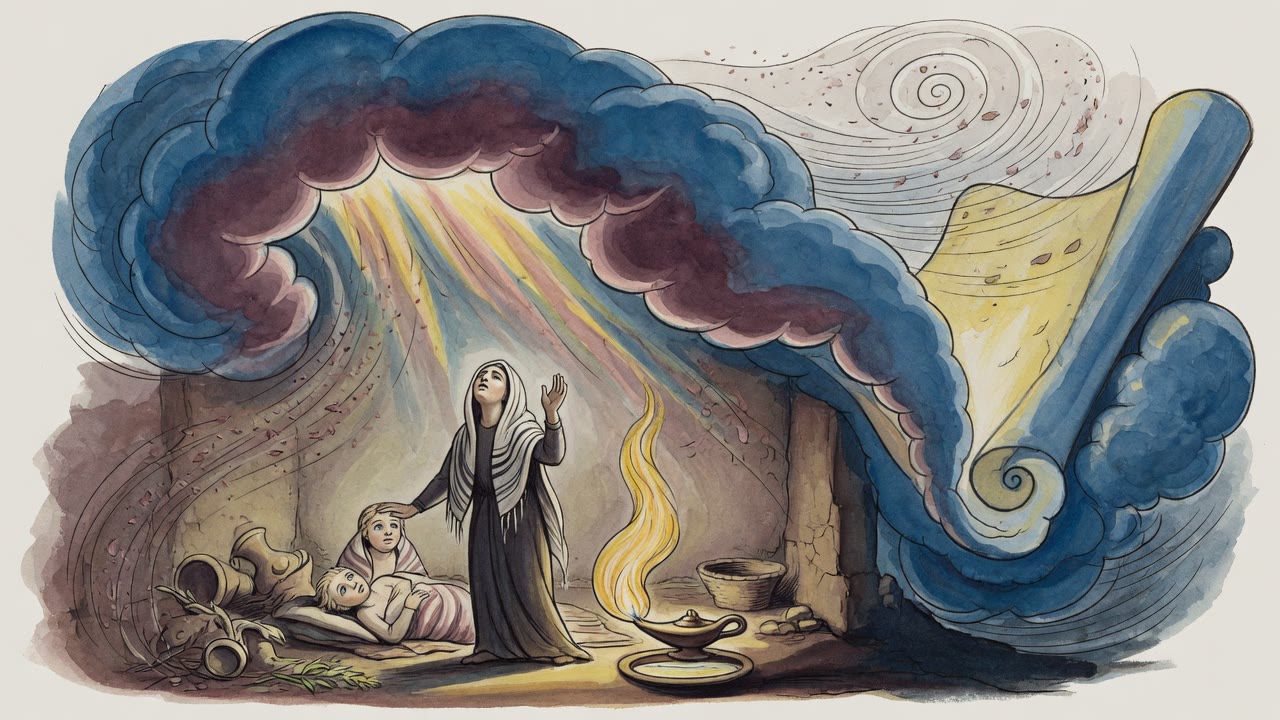
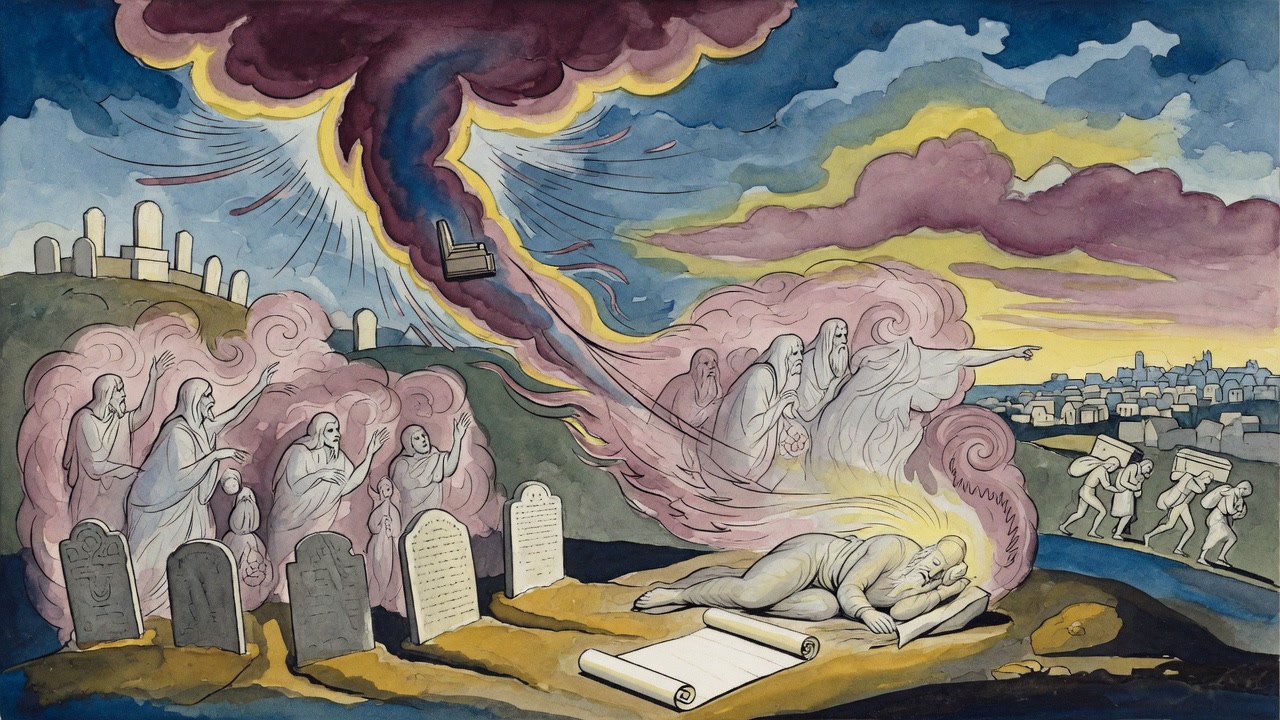
This is a text from the Apocrypha, a collection of Jewish writings not included in the Hebrew Bible but considered sacred by some. Ben Sira tackles a question that's plagued humani...

Adam and the Angels of Gabriel

Ginzberg Legends of the Jews (Ginzberg)

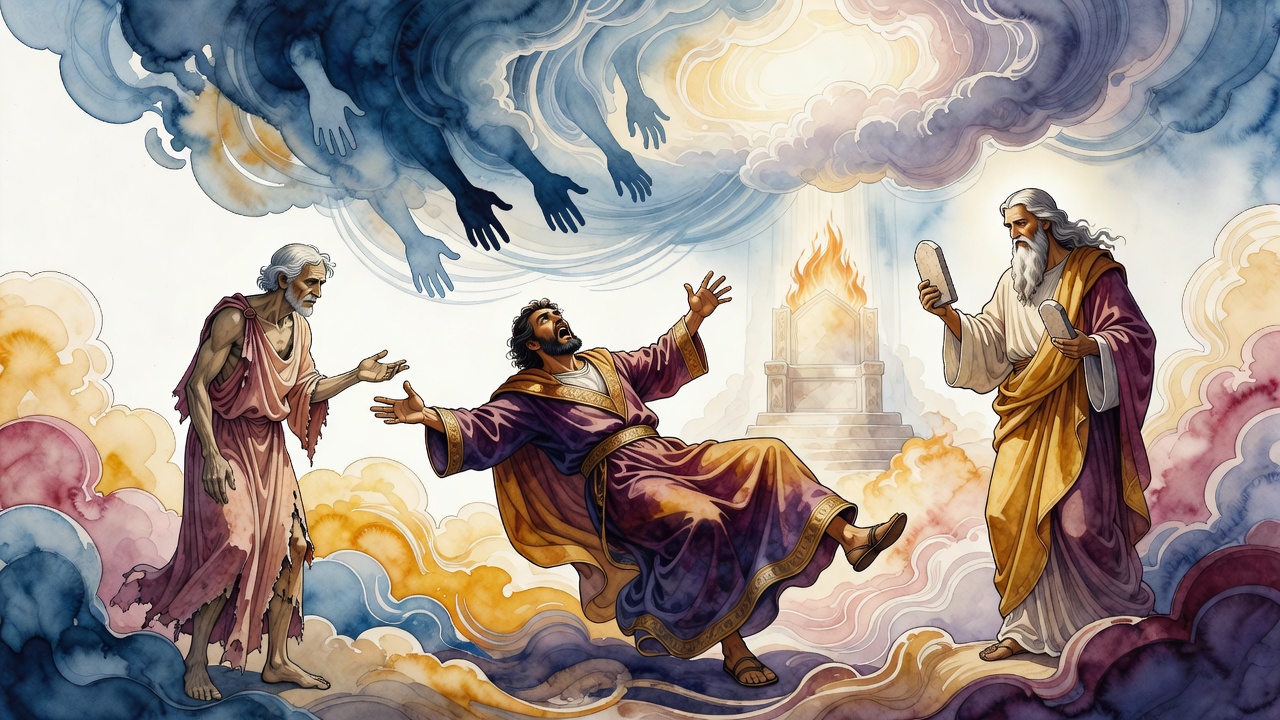
The story of Adam's creation is far richer than you might think. Imagine this: God, having finally convinced the angels that creating humankind was a good idea, turns to Gabriel an...

Account of Job

Ginzberg Legends of the Jews (Ginzberg)

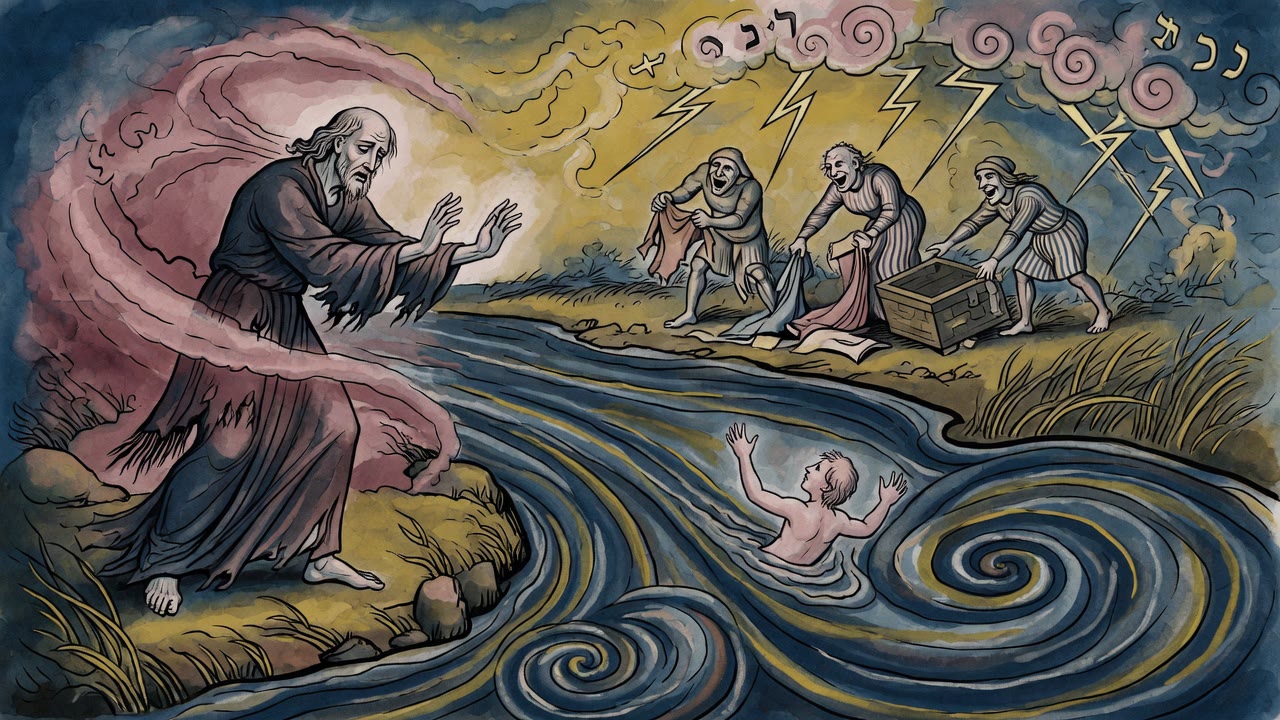
The story of Job, or Iyov, as he's known in Hebrew, wrestles with this very question, and Jewish tradition fills in some fascinating details that aren't always apparent in the bibl...

Account of Hellanicus

Josephus Josephus

How can the Greeks be so proud, boasting that they alone possess knowledge of antiquity and have delivered accurate accounts of early times? It seems a bit... well, absurd, doesn't...

What Makes Human Desire Different From Animal Desire

Kabbalah Kabbalah & Mysticism

You're not alone. And this insatiable desire? It might just be what makes us uniquely human. The great Kabbalist Baal HaSulam, in his introduction to the Zohar (a foundational text...

Legend of Rav Ashlag

Kabbalah Kabbalah & Mysticism

Kabbalah, the Jewish mystical tradition, delves into this very paradox, exploring how our initial rejection can actually become the vessel for profound reception. Think back to the...

Is Lack a Real Thing or Simply the Absence of Light

Other Texts Kabbalah & Mysticism

But what is that lack, really? Is it something in itself, a separate force in the universe? Or is it something else entirely? That's the question that Da'at (Knowledge) Tevunot, a ...

Evil Is Not a Thing but a Lack of Perfection

Other Texts Kabbalah & Mysticism

We often think of good and evil as two distinct, opposing forces, but what if evil isn't a thing in itself, but rather a lack of something? That's the fascinating idea explored in ...

Rashbi — Death of Rabbi Shimon

Other Texts Kabbalah & Mysticism

Tradition tells us that Rabbi Shimon, or Rashbi as he's often called, was one of the greatest mystics of all time, the one to whom the Zohar, the central text of Kabbalah, is attri...

Mystical Gathering

Other Texts Kabbalah & Mysticism

The Idra Zuta, a profound text within the Zohar, delves into just that, revealing how colors intertwine and interact, reflecting deeper spiritual realities. It’s a wild ride, so bu...

The Oral Torah Depicted as a Poor Receiving Woman

Kabbalah Kabbalah & Mysticism

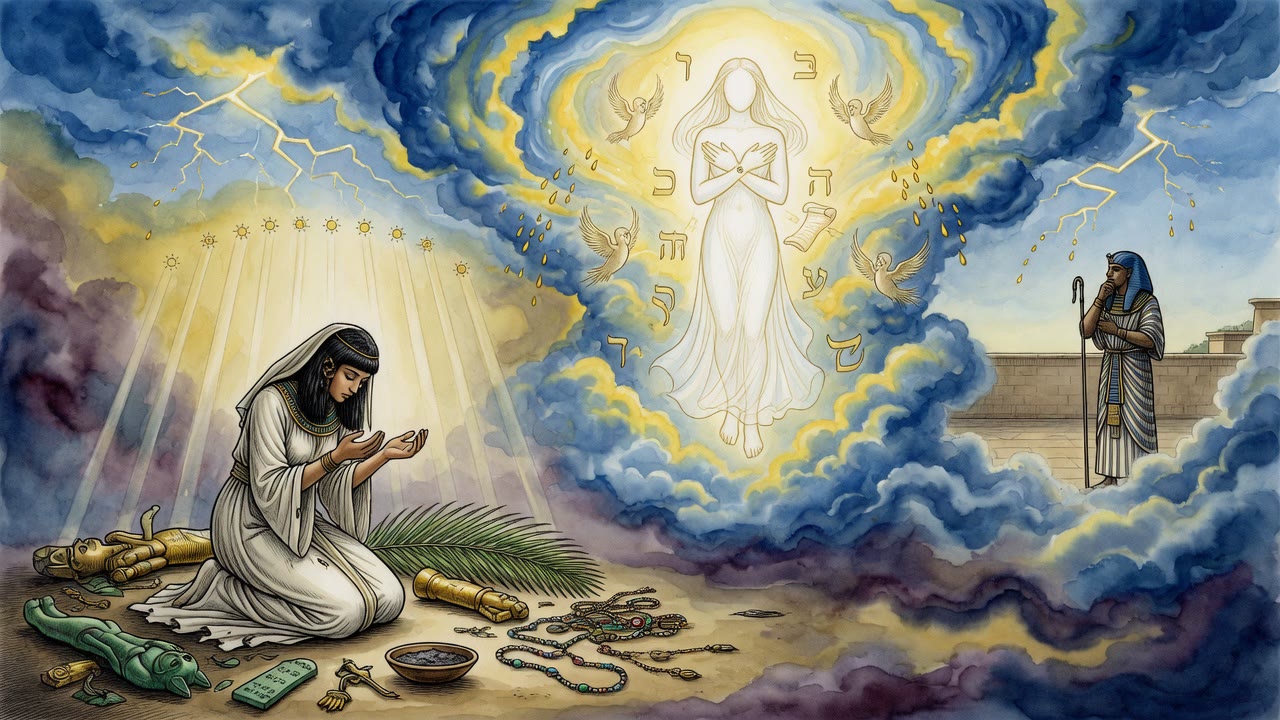
In Tikkun (spiritual repair)ei Zohar 115, we encounter a striking image: the Oral Torah depicted as a "poor woman." Now, don't misunderstand "poor" here. It doesn't mean lacking in...

(Exodus 21 — 2) "If you buy a Hebrew man-servant" — Scripture

Mekhilta DeRabbi Yishmael Mekhilta DeRabbi Yishmael

(Exodus 21:2) "If you buy a Hebrew man-servant": Scripture here speaks of one sold by beth-din (to pay for what he has stolen), in which instance he serves both the father and the ...

his ear" — His right ear is intended

Mekhilta DeRabbi Yishmael Mekhilta DeRabbi Yishmael

When the Torah describes the ear-boring of a Hebrew bondsman who chooses to remain in service, it says "his ear" shall be pierced. But which ear — left or right? The Mekhilta deter...

) "If he lacks it, he is to be sold for his theft" — I might

Mekhilta DeRabbi Yishmael Mekhilta DeRabbi Yishmael

The Torah addresses the case of a thief who cannot repay what he stole. (Exodus 22:3) states: "If he lacks it, he is to be sold for his theft." The thief, unable to make restitutio...

Lending Money to the Poor Is Not Optional

Mekhilta DeRabbi Yishmael Mekhilta DeRabbi Yishmael

The Torah says, "When you lend money to My people" (Exodus 22:24), using the Hebrew word "im," which normally means "if." This would seem to make lending optional, a generous act y...

My people" — If an Israelite and a gentile stand before you

Mekhilta DeRabbi Yishmael Mekhilta DeRabbi Yishmael

"My people": If an Israelite and a gentile stand before you to borrow, "My people" take precedence. A poor man and a rich man—the poor man takes precedence. Your poor (i.e., the po...

(Exodus 23 — 3) "Do not honor a poor man in his quarrel" — Why

Mekhilta DeRabbi Yishmael Mekhilta DeRabbi Yishmael

(Exodus 23:3) commands: "Do not honor a poor man in his quarrel." The Mekhilta asks why this verse is needed when (Leviticus 19:15) already says: "You shall not favor a poor man an...

Abba Chanan says in the name of R

Mekhilta DeRabbi Yishmael Mekhilta DeRabbi Yishmael

Abba Chanan said in the name of Rabbi Elazar: "Do not honor a poor man in his quarrel" actually refers to the agricultural gifts owed to the poor — leket (gleanings), shikchah (for...

(Exodus 23 — 6) "You shall not incline the judgment of your

Mekhilta DeRabbi Yishmael Mekhilta DeRabbi Yishmael

(Exodus 23:6) commands: "You shall not incline the judgment of your needy one in his quarrel." The Mekhilta asks why this verse is necessary when (Exodus 23:3) already says: "You s...

and the poor of your people shall eat it

Mekhilta DeRabbi Yishmael Mekhilta DeRabbi Yishmael

"And the poor of your people shall eat it" — during the shemitah year, the produce that grows on its own is available to the poor. But (Leviticus 25:6) says something different: "f...

Poetry of Prayer

Midrash Aggadah Midrash Aggadah

The verse declares, "For the poor shall not always be forgotten; the hope of the poor shall not perish forever." But what does that really mean? Rabbi Yudan, in Midrash Tehillim, a...

The Spies Sent Ahead Because Israel Lacked Faith

Other Texts Midrash Aggadah

The Israelites felt that way too, right before they were about to enter the Promised Land. But did they trust the One who'd brought them that far? In the book of Sifrei Devarim, a ...

Which Tithe Gets Replaced in Poor-Tithe Years

Other Texts Midrash Aggadah

But even in other years, the rules about tithing could get pretty complex. We find ourselves in the book of Sifrei Devarim, specifically section 109, diving deep into the nuances o...

Will There Be No Poor or Will the Poor Never Cease

Other Texts Midrash Aggadah

It's like a cosmic riddle wrapped in ancient wisdom. Take this one for example from Devarim, the Book of Deuteronomy. First, we read (Deuteronomy 15:4): "But there shall not be in ...

Will Poverty Cease or Never Disappear from the Land

Other Texts Midrash Aggadah

It's like a cosmic riddle, a puzzle begging to be solved. Take this one, for instance, from the Book of Deuteronomy. On the one hand, we have Devarim (Deuteronomy) 15:11, which sta...

Pay Your Workers Promptly, Not Just the Poor Ones

Other Texts Midrash Aggadah

We find a powerful lesson in Sifrei Devarim, a collection of legal interpretations on the Book of Deuteronomy. The verse in question, (Deuteronomy 24:15), speaks of paying a worker...

Finding Profound Meaning in Forgotten Agricultural Laws

Other Texts Midrash Aggadah

Jewish tradition does, and sometimes, it's in those forgotten places that we find profound meaning. We're going to dive into a tiny corner of Jewish law, agricultural law to be exa...

How Much Must You Give the Poor to Truly Satisfy Them

Other Texts Midrash Aggadah

The verse we’re looking at speaks of the poor being able to eat "in your gates and be sated." The rabbis, never ones to let a good turn of phrase go unexamined, ask: what does it r...

Avot DeRabbi Natan 10

Midrash Aggadah Midrash Aggadah

JUDAH B. ṬABBAI AND SIMEON B. SHEṬAḤ RECEIVED THE TRADITION FROM THE PRECEDING. JUDAH B. ṬABBAI SAID: ACT NOT AS THOSE THAT WOULD INFLUENCE THE JUDGES; AND WHEN THE SUITORS STAND B...

Why Poverty Will Never Leave the Land of Israel

Midrash Aggadah Midrash Aggadah

The Targum Jonathan on (Deuteronomy 15) contains a bleak prophecy hidden inside a law about debt forgiveness. The Hebrew says "the poor will never cease from the land." The Targum ...

Yalkut Shimoni 13

Midrash Aggadah Midrash Aggadah

Another taught: "The holy blessed one said to the Torah: 'Let us make the human...' She [Torah] replied, 'This human will be short of days, full of conflict, and fall into the hand...

The Rabbi Whose Prayers Always Brought Rain

Talmud Aggadah Midrash Aggadah

Rabbi Yosei from Yokrat was the kind of man who terrified his own family. The Talmud in Tractate Taanit calls him a person "who has no mercy on his own son and no mercy on his daug...

The Donkey That Refused Stolen Food

Talmud Aggadah Midrash Aggadah

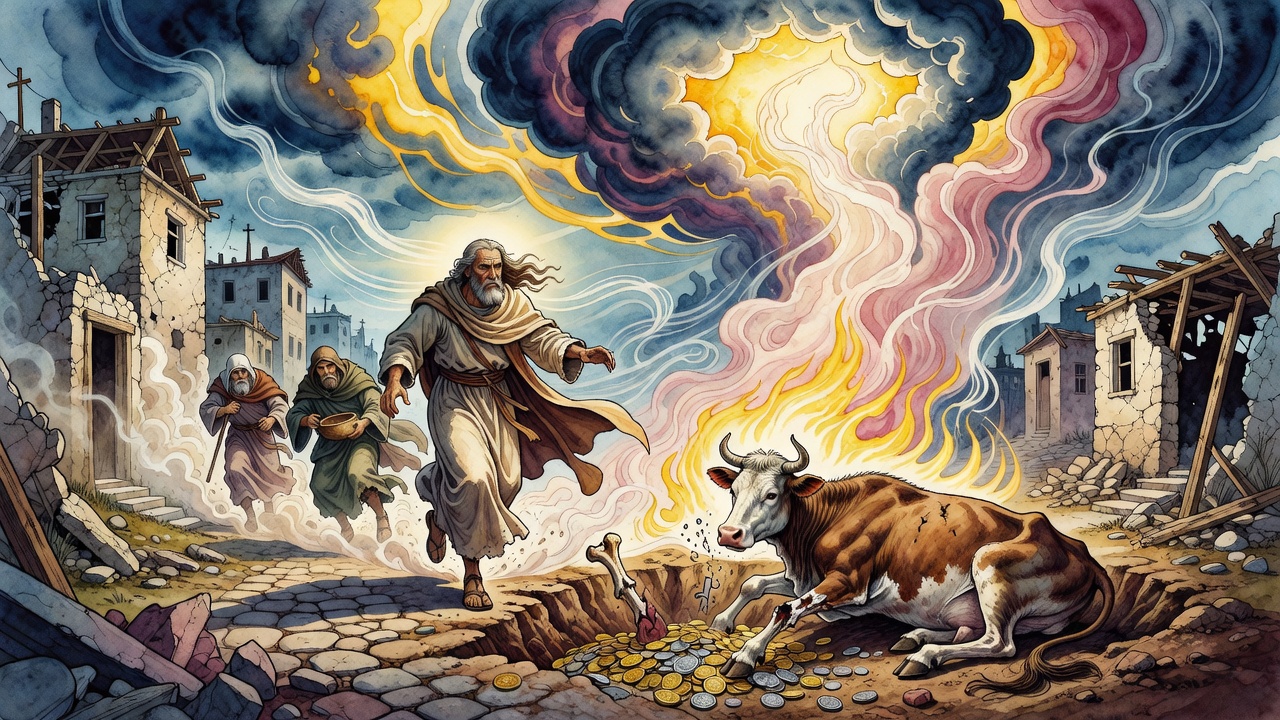
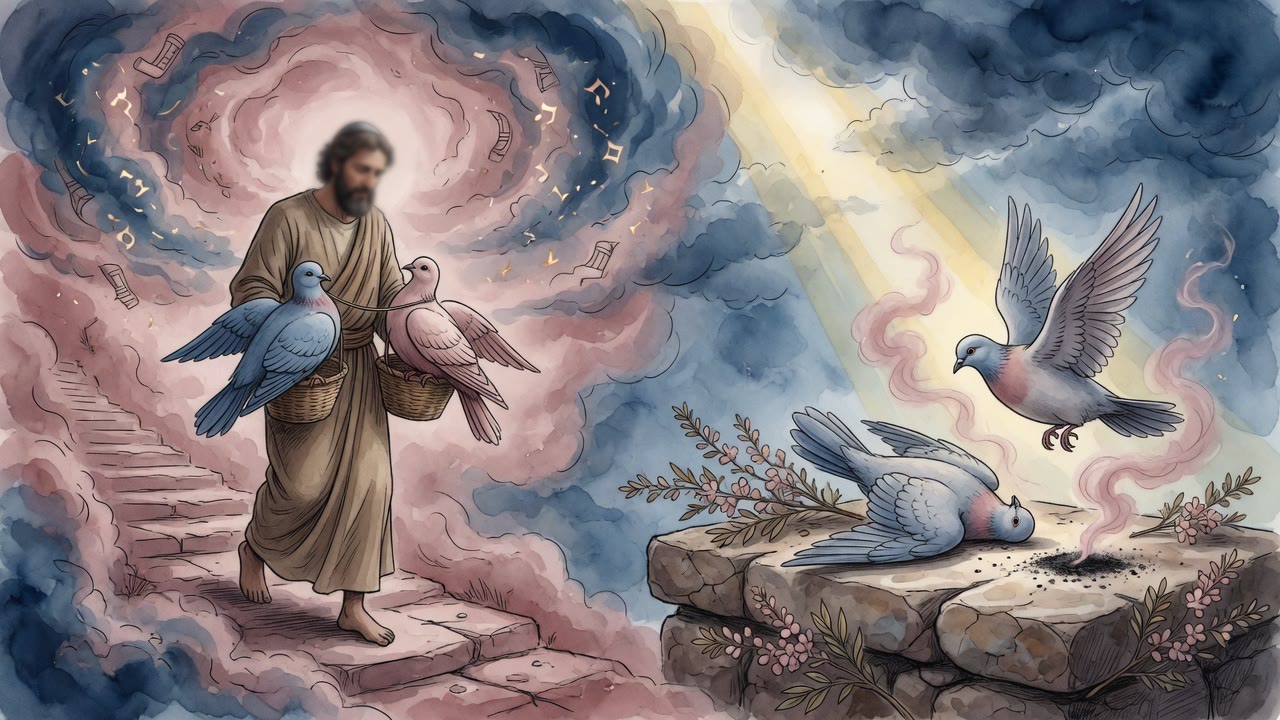
Rabbi Pinchas ben Yair owned a donkey with a conscience. The Talmud in Tractate Taanit tells the story: some thieves stole the donkey and hid it in their cave for three days. They ...

Rabbi Chanina's Wife and the Miracle of the Oven

Talmud Aggadah Midrash Aggadah

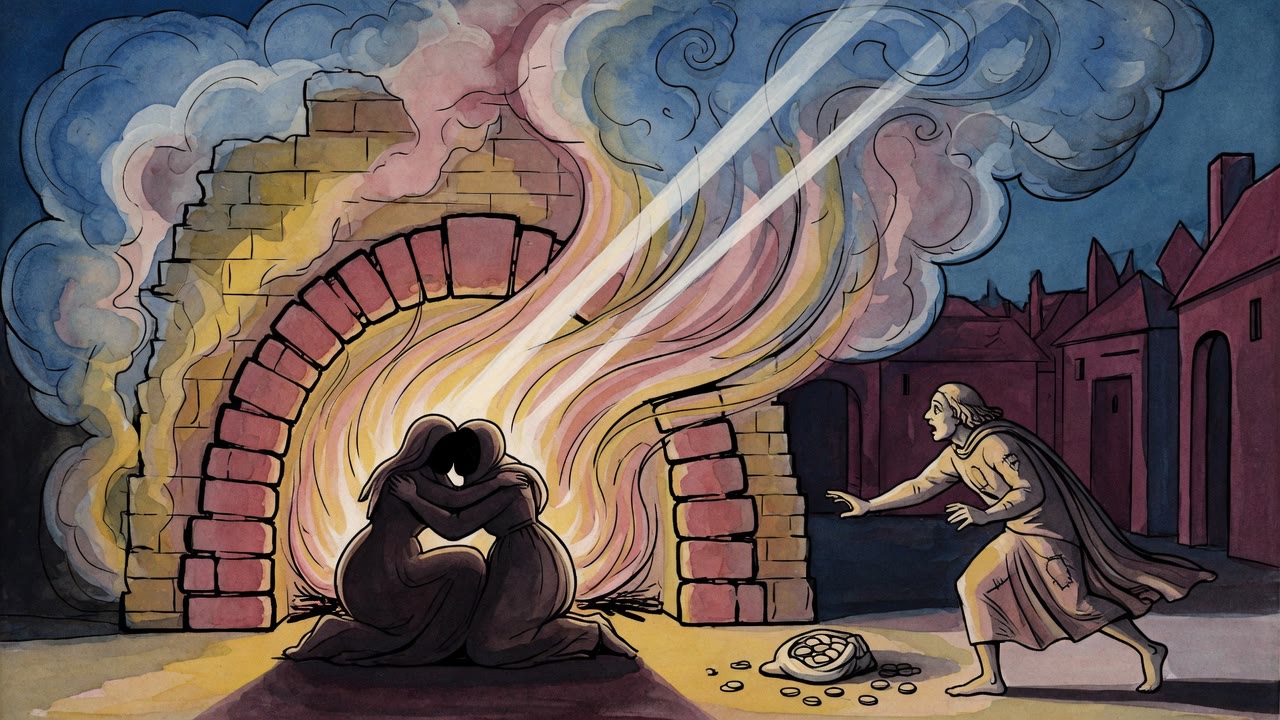
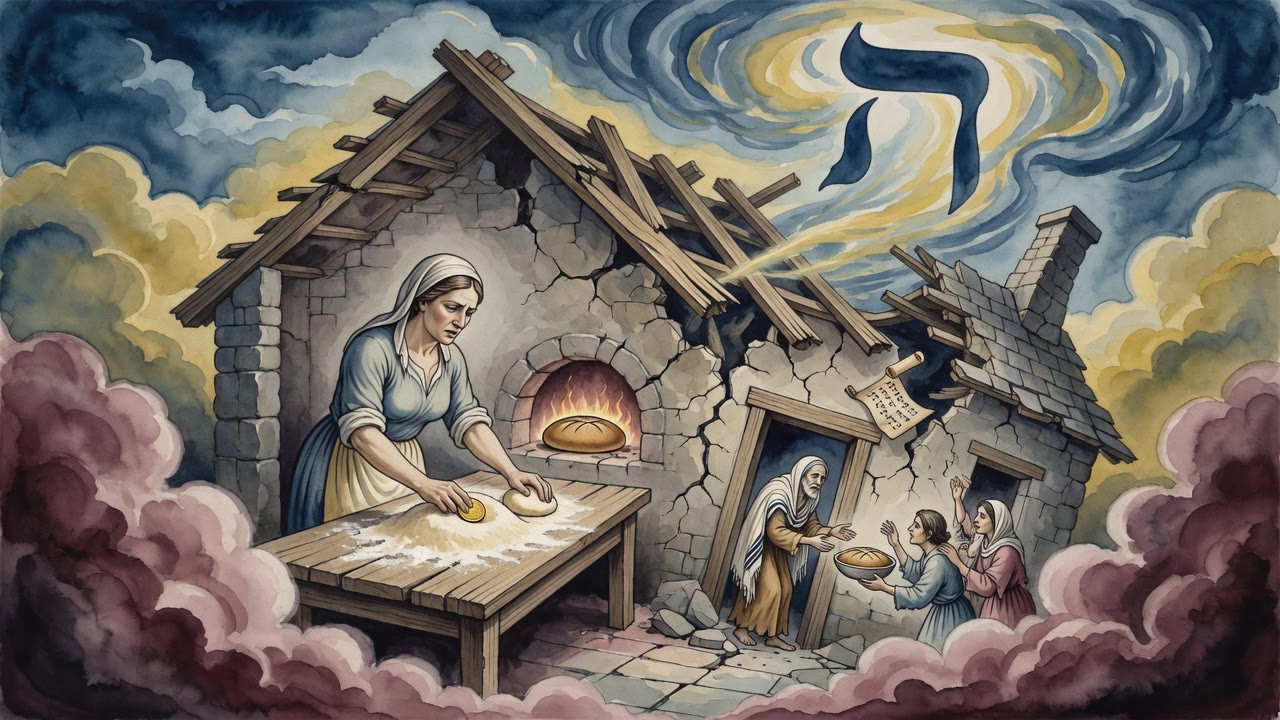
Rabbi Chanina ben Dosa and his wife lived in crushing poverty. Every Friday before Shabbat (the Sabbath), his wife would fire up the oven and throw in some kindling—not to bake bre...

The story of Monobaz who distributed his riches to the poor

Midrash Aggadah Midrash Aggadah

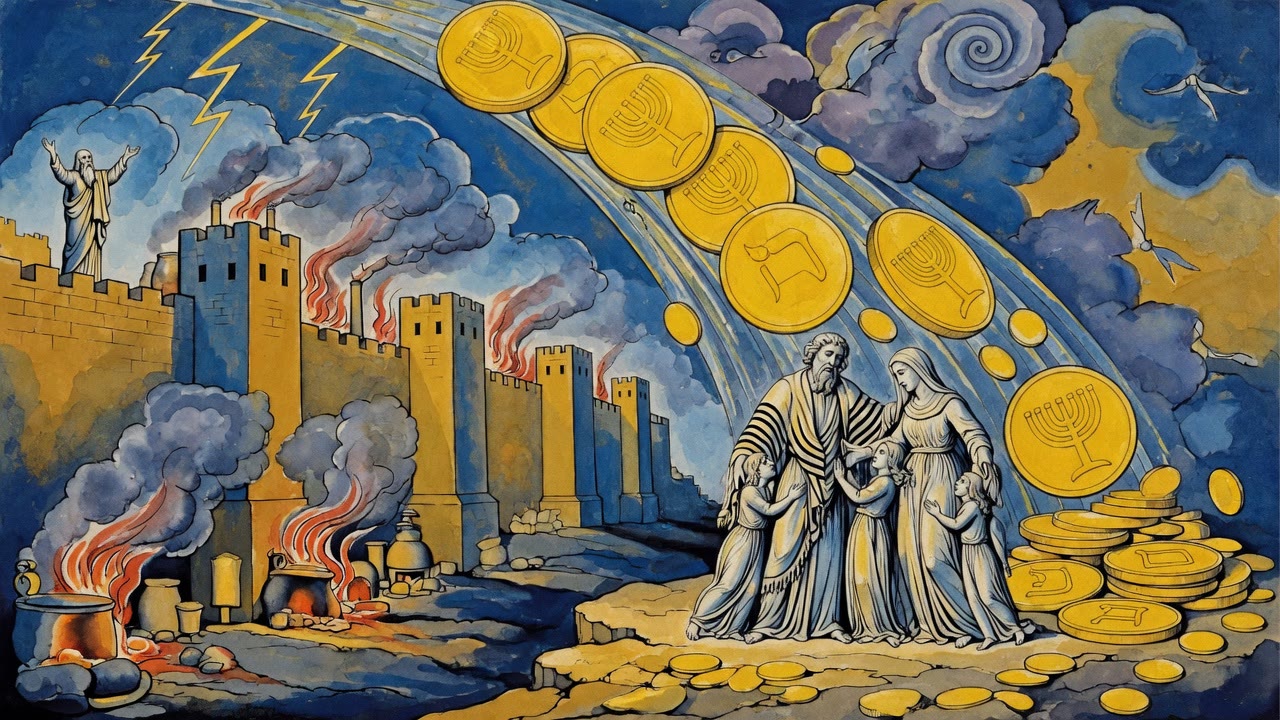
During a terrible famine, King Monobaz opened the royal treasury and distributed everything inside it to the poor. Every coin, every jewel, every stored reserve of wealth that his ...

A poor tailor paid a dinar for the only fish left in Rome

Midrash Aggadah Midrash Aggadah

A poor tailor paid a dinar for the only fish left in Rome, in honour of the Sabbath. Upbraided by the Hip- par ch he explained the reason and was allowed to go free. He found a pri...

Exempla of the Rabbis, Tale 183

Midrash Aggadah Midrash Aggadah

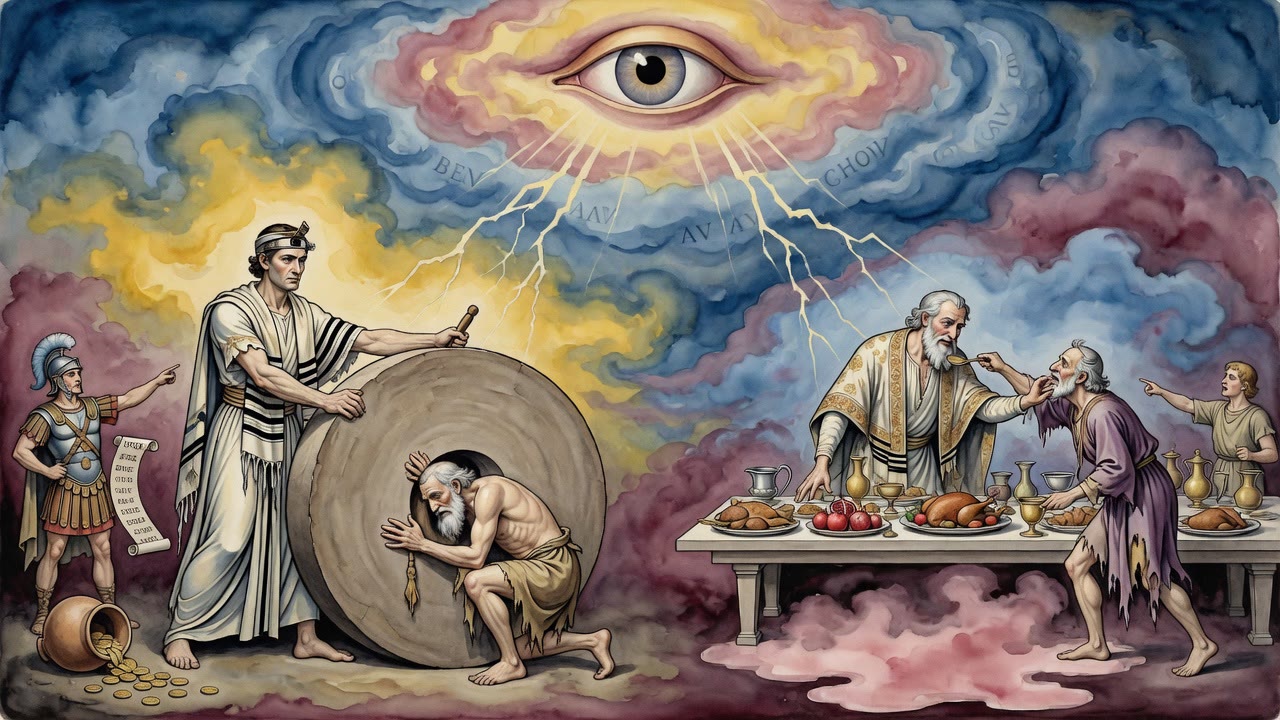
A philosopher approached Rabban Gamliel with what he considered an unanswerable objection to the practice of charity. "How can you Jews give so freely to the poor?" the philosopher...

Of the 60 dinars which a man earned he spent 20 for food

Midrash Aggadah Midrash Aggadah

A man earned sixty dinars. He divided them into three equal portions: twenty for food, twenty for his house, and twenty he saved for his children. It was a sensible arrangement — f...

A man came before Rabba and said that though he were poor

Midrash Aggadah Midrash Aggadah

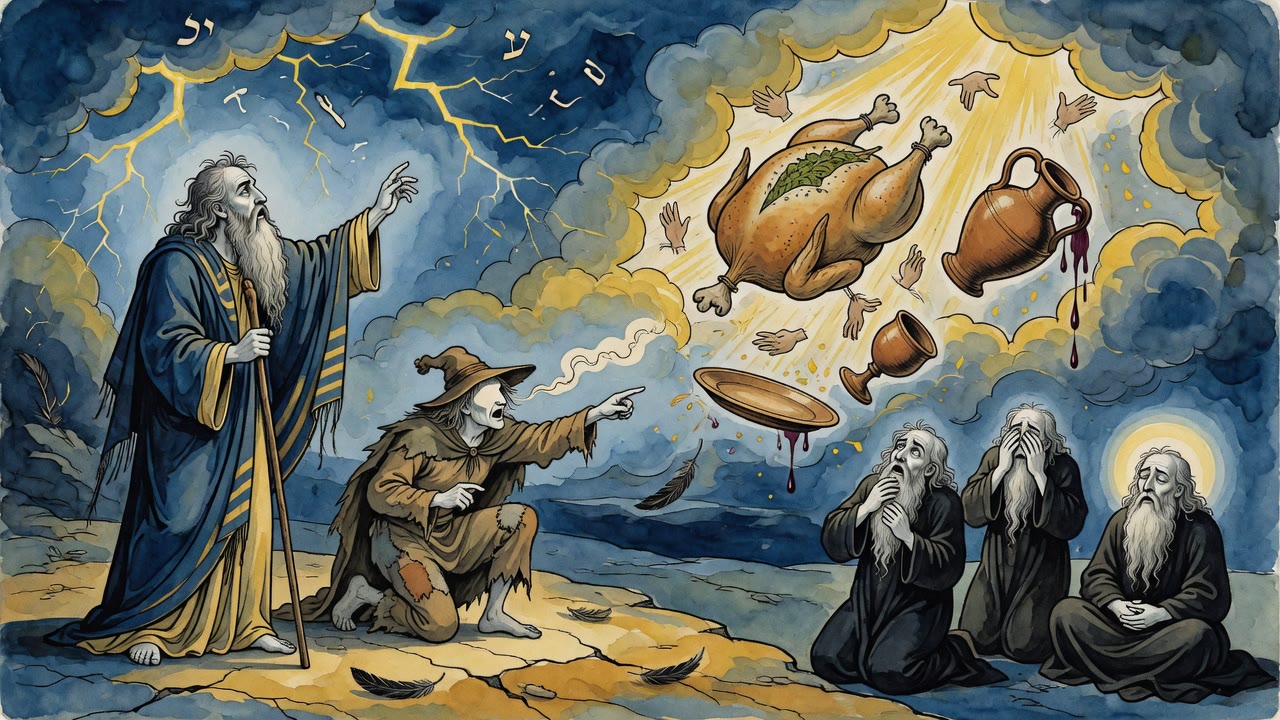
A man came before Rabba and declared: "I am poor, yet every day I eat fattened fowl and drink aged wine." Rabba was skeptical. How could a poor man afford such luxuries? The man ex...

Mar Ukba gave alms regularly to a poor man, who could not

Midrash Aggadah Midrash Aggadah

Mar Ukba was a man of extraordinary generosity, but his generosity had one absolute rule: the recipient must never know who gave. Every day, Mar Ukba would slip coins under the doo...

Mar Ukba sent double the amount of money to a poor man on

Midrash Aggadah Midrash Aggadah

Mar Ukba learned that a certain poor man in his town had once been wealthy — a man accustomed to fine food, comfortable furniture, and the pleasures of an affluent life. Poverty ha...

Hillel Called Bathing a Mitzvah - The Body Belongs to God

Midrash Aggadah Midrash Aggadah

Rabbi Judah HaNasi and his household were known for their dignified appearance, but the principle of "shining through cleanliness" extended throughout the rabbinic world. The Talmu...

Poor through Reduction of Tithes

Midrash Aggadah Midrash Aggadah

The rabbis taught a stark warning: reduce your tithes, and God will reduce your harvests. The Talmud and Midrash (rabbinic interpretive commentary) preserve the story of a family t...

Mar Ukbas Liberality

Midrash Aggadah Midrash Aggadah

Mar Ukba's generosity to the poor was extraordinary — but his method of giving was even more remarkable than the amounts. The Talmud (Ketubot 67b) records that he regularly left mo...

No Respect for Rich

Midrash Aggadah Midrash Aggadah

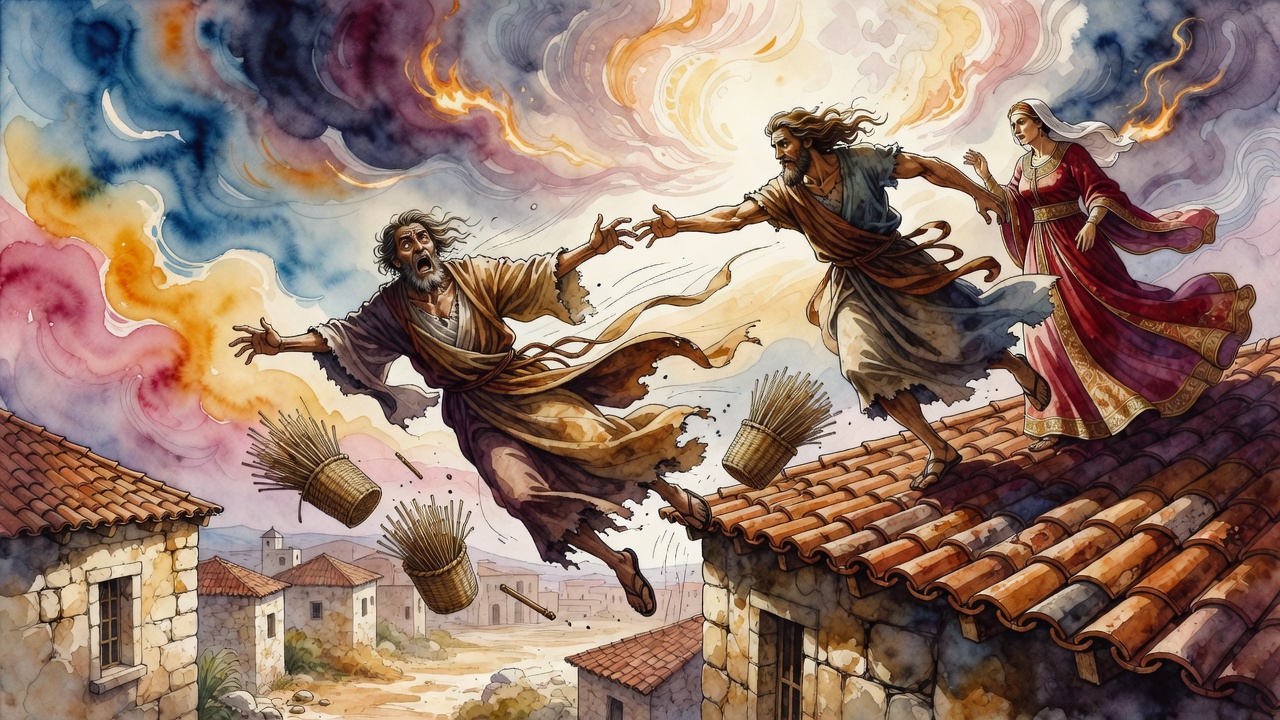
In the days when the Israelites brought their first fruits to the Temple in Jerusalem, a remarkable custom prevailed. The wealthy arrived with their offerings displayed in baskets ...