Isaiah Stood Before the Throne and Believed He Had Missed His Chance
When Isaiah saw the divine throne and the seraphim singing, he did not sing with them. He spent years believing that silence had cost him everything.
Table of Contents
 Click for full size
The Vision That Broke Him Before It Rebuilt Him
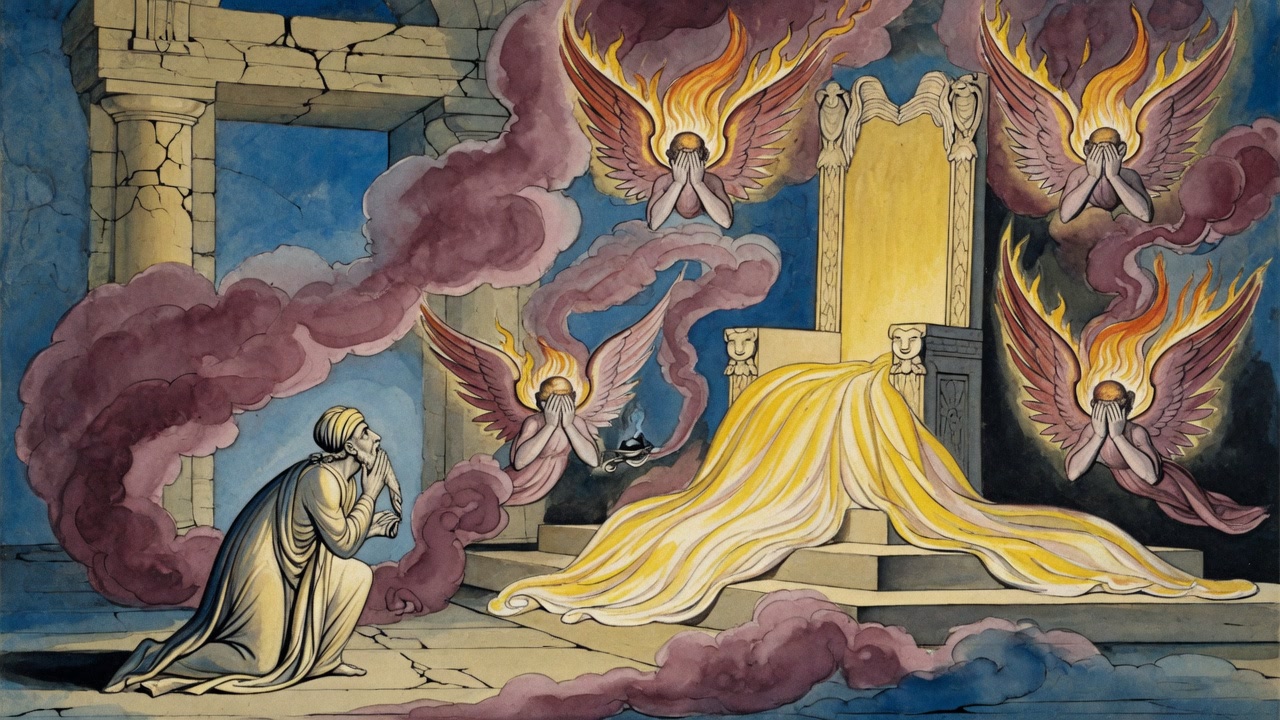
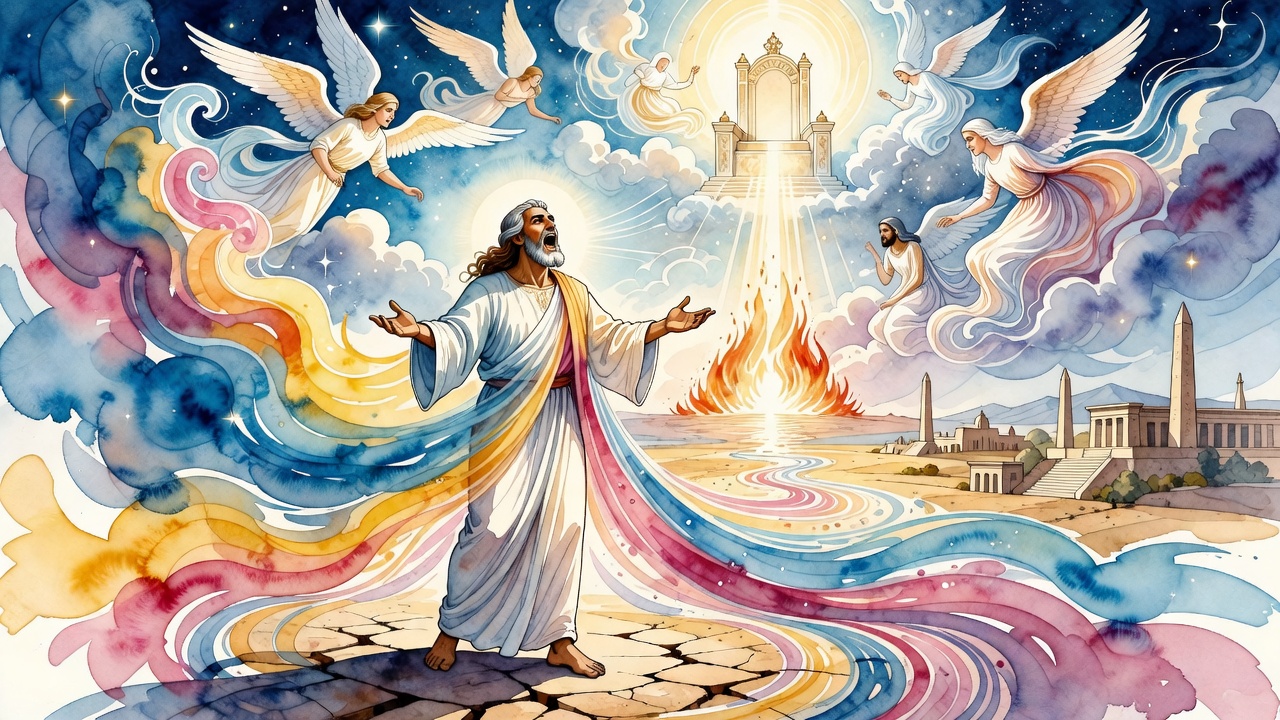
The seraphim were calling to each other. Holy, holy, holy is the Lord of hosts, the whole earth is full of his glory. The smoke filled the Temple. The hem of God's garment filled creation. The threshold shook.
Isaiah said nothing. He stood inside the most overwhelming revelation in the history of Israel's prophetic tradition and he was paralyzed not by fear but by what the tradition describes as a different and more specific emotion: regret. He believed that any human being who joined the angelic song at that moment would be elevated, made immortal, transformed by participation in the celestial chorus. He had been given the opportunity and had not taken it. He had stood silent while the seraphim sang, and the window had closed.
He cried out: woe is me, for I am undone. Not woe to Israel, not woe to the enemies he would spend his career addressing. Woe to himself. He was a man of unclean lips dwelling among a people of unclean lips, and his eyes had seen the King, the Lord of hosts, and he had not responded. The first thing the vision produced in Isaiah was not prophecy. It was self-indictment.
The Coal That Made Him Fit to Speak
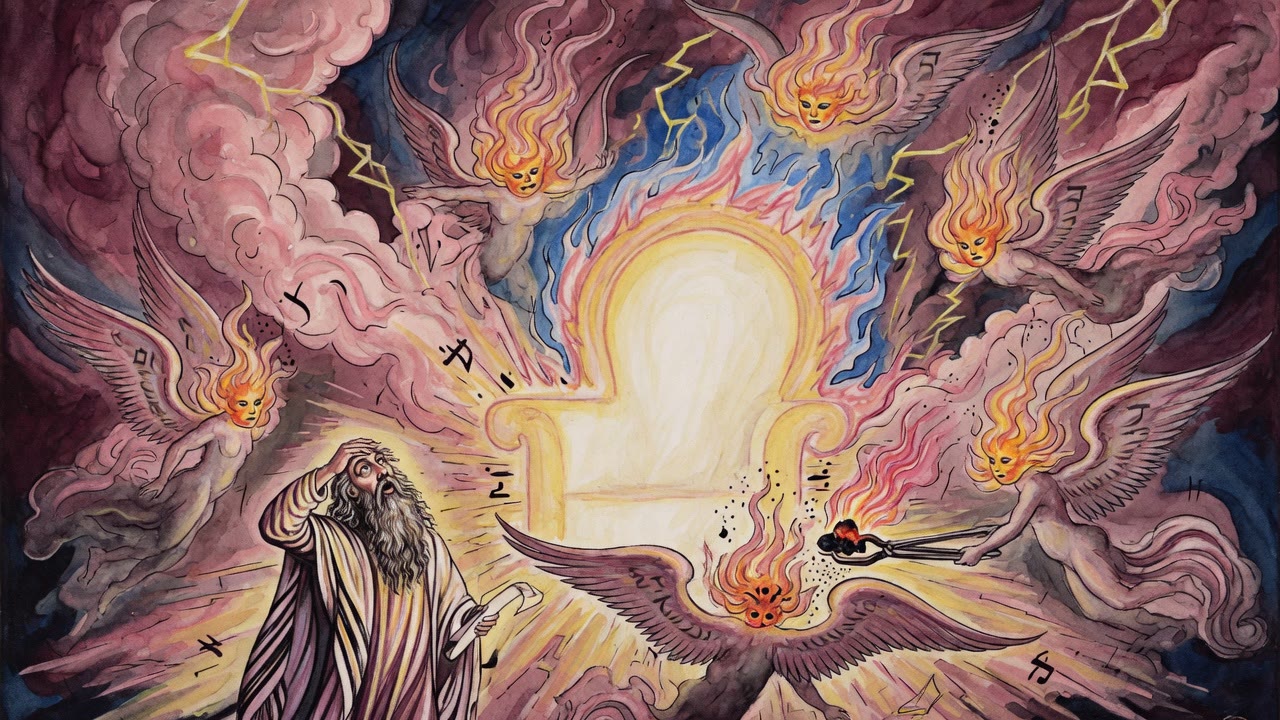
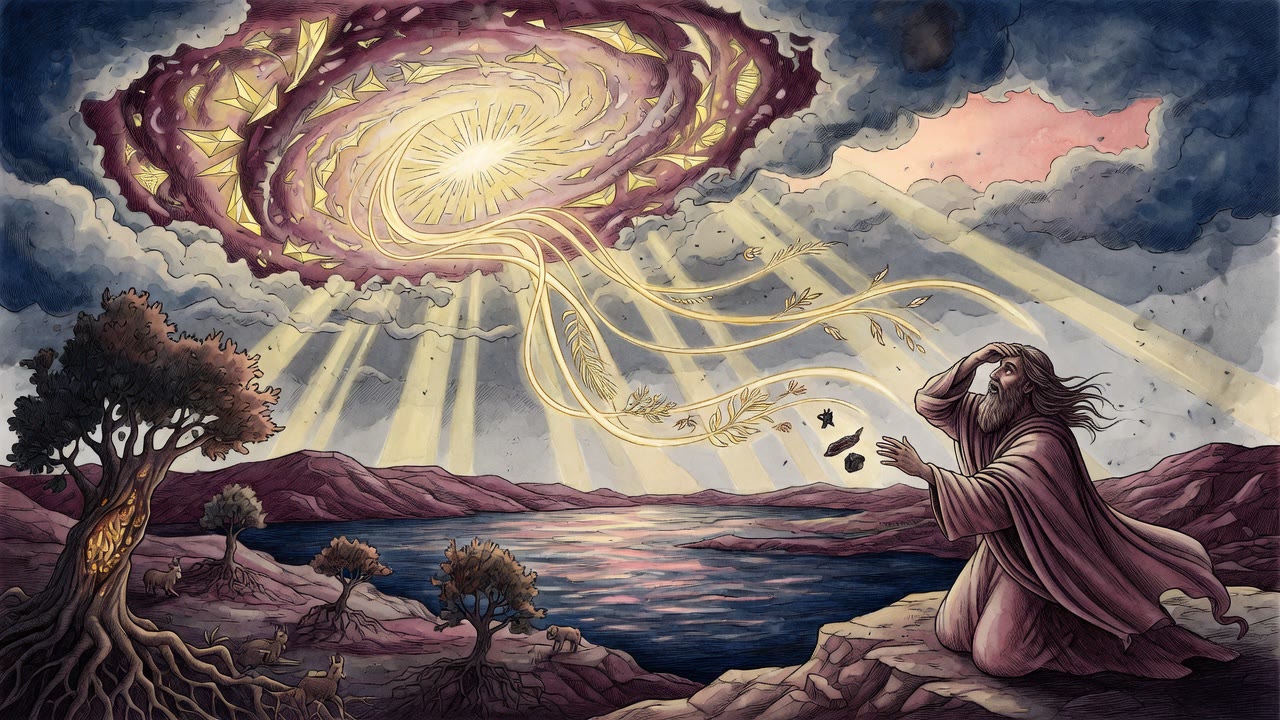
One of the seraphim flew toward him with a live coal taken from the altar, using tongs. It touched Isaiah's lips. The angel said: your guilt is removed, your sin is purged. Then the voice of God: whom shall I send, and who will go for us?
Isaiah said here am I, send me.
The Legends of the Jews, Ginzberg's synthesis of rabbinic tradition, records a detail about what Isaiah had believed in the moment of his silence. He thought the seraphim were immortal precisely because they participated in the celestial song, that singing holy holy holy was the mechanism by which they maintained their existence at that level of reality. And he had failed to sing it. The coal on his lips was not a punishment. It was the purification that made him fit for the thing the seraphim's song had always been aimed at: not elevation for its own sake but readiness to go back into the human world and carry what he had seen.
What He Saw That the Patriarchs Had Only Glimpsed
The Book of Ben Sira, the wisdom text composed around 180 BCE in Jerusalem, describes Isaiah as the man who with a great spirit saw the end and comforted the mourners of Zion. The phrasing is precise: he saw the end. Not a warning about what might happen if Israel did not repent. The actual end. He stood before the throne in the year that King Uzziah died, and what he was shown in that vision included the destruction of the First Temple and the exile and what would come after the exile and the world that would eventually exist on the far side of all of it.
Abraham had received the covenant in fire and smoke, the divine presence passing between the pieces of the animals. Isaac had been bound on the altar and had seen what was above him from the position of the sacrifice. Jacob had dreamed a ladder with angels ascending and descending, and God had spoken to him from above it. These were real encounters with the divine. But they were glimpses from below, partial, angled, each one suited to the specific situation of the patriarch receiving it.
Isaiah had been inside the throne room. He had seen the seraphim face to face. The hem of the garment that the patriarchs had glimpsed in vision was filling the entire space around him. Whatever they had seen in pieces, he had seen whole.
What He Did With It
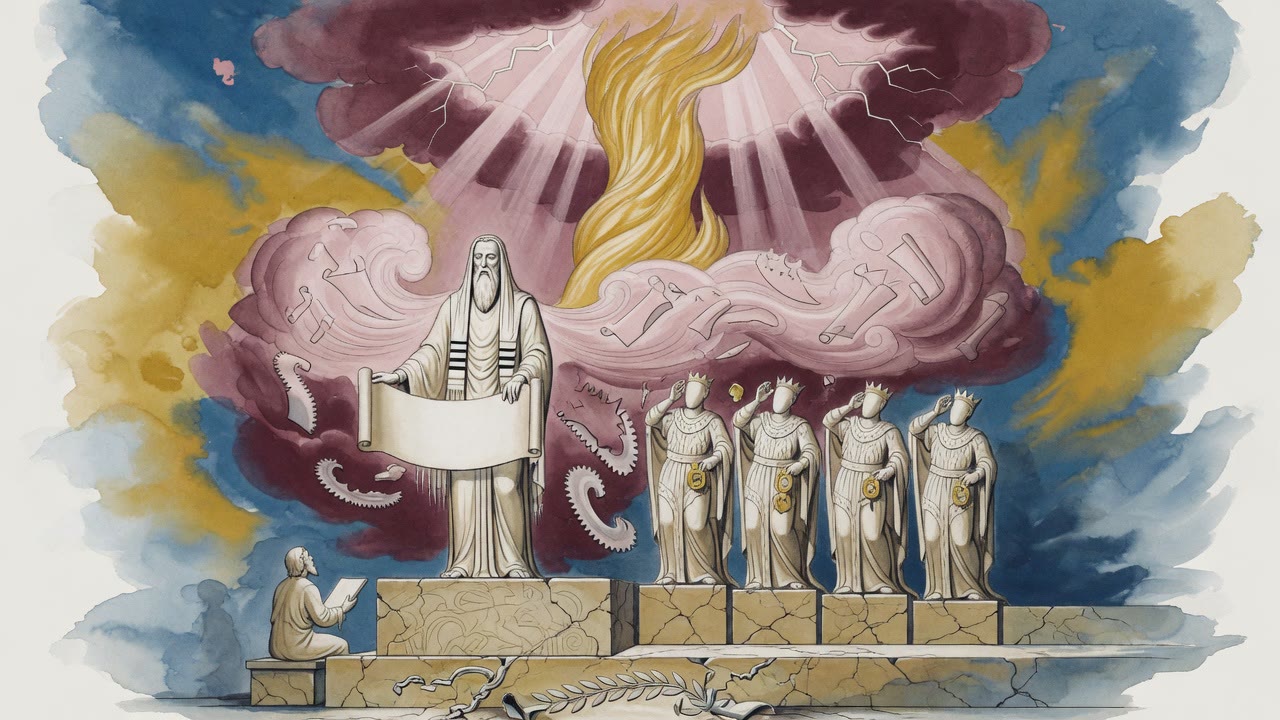
He went back. The coal on his lips had opened his mouth, and for the next decades he spoke. He spoke to kings who did not want to hear him. He spoke to a nation moving toward catastrophe with its eyes open, choosing each bad decision one at a time with full information. He spoke about what he had seen in the vision: the Holy One of Israel, a phrase he uses more than any other prophet, not as a formula but as the name of what had been visible in the throne room, the specific quality of the divine that the seraphim were calling out to each other across the Temple smoke.
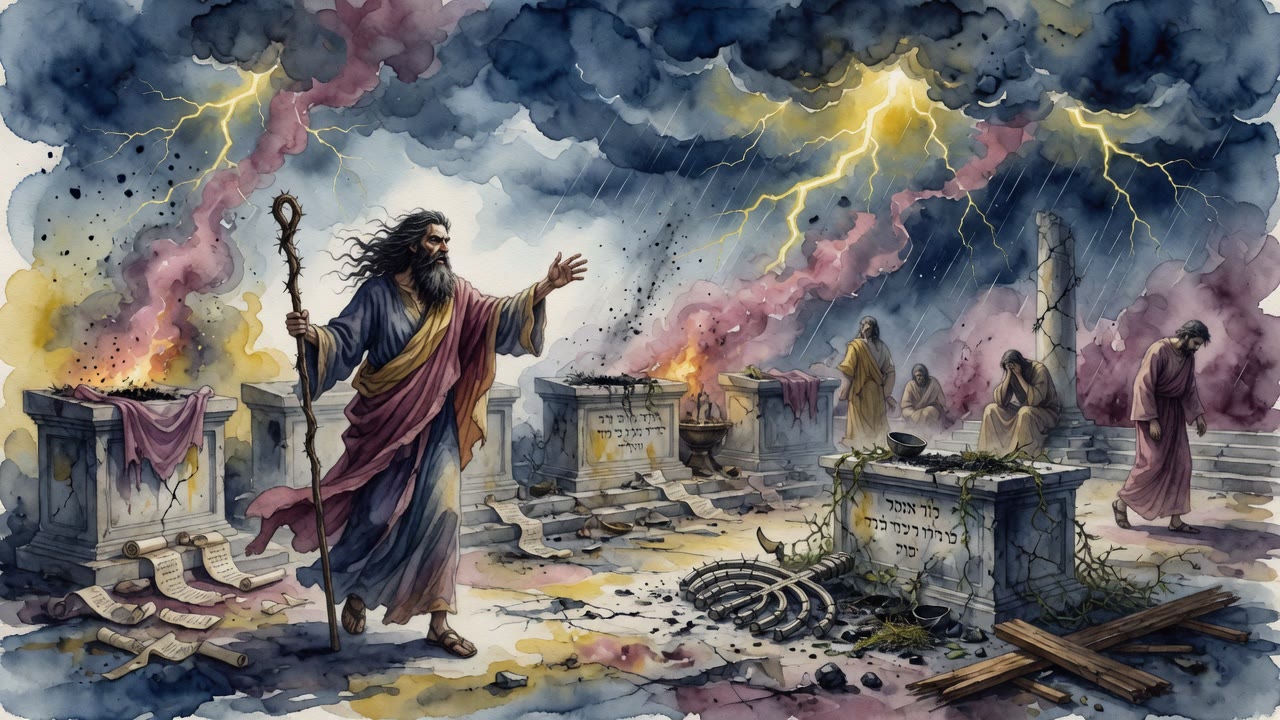
And when Jerusalem fell, and when the mourners of Zion were sitting in the ash of what had been the center of the world they knew, the same man who had stood silent before the throne and believed he had missed his chance was the one who comforted them. He had seen the end. He knew what was on the other side of it. The silence before the coal had prepared him for exactly this: the ability to speak comfort into the deepest grief because he had seen what no grief was large enough to cancel.
← All myths