Nakdimon Ben Gurion Borrowed Rain From Heaven
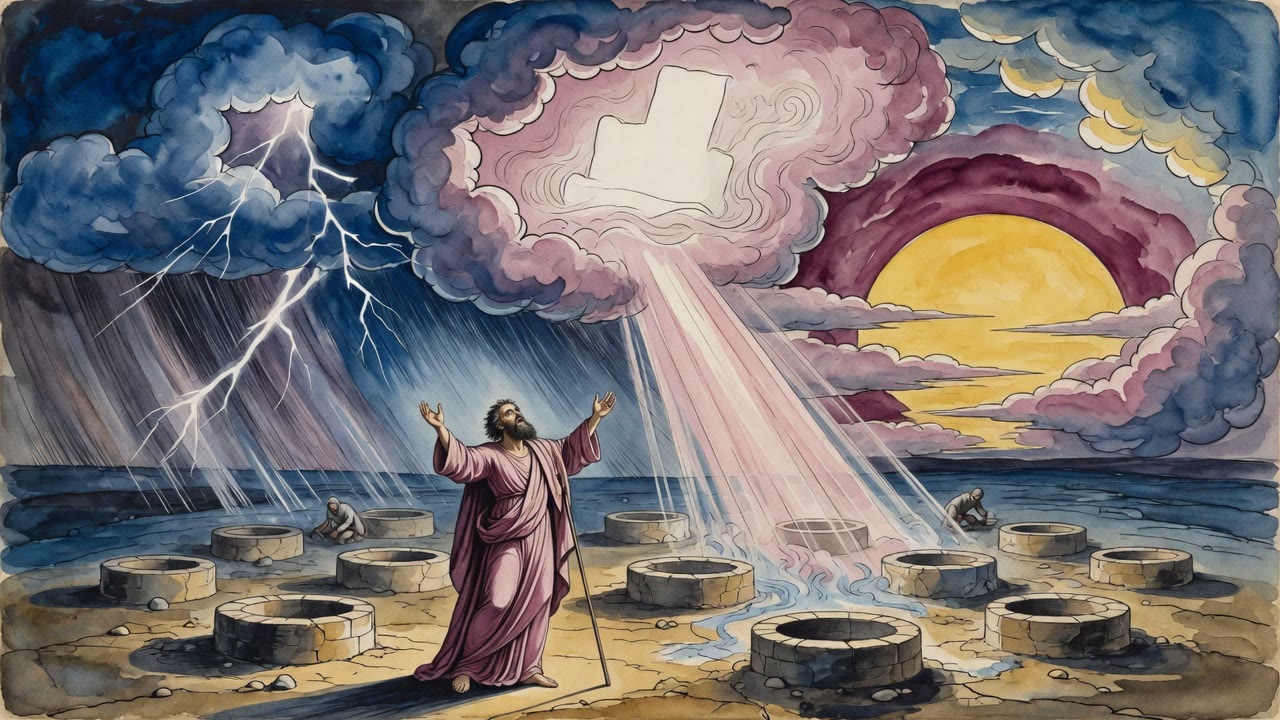
Nakdimon staked his fortune on twelve wells of water returning before sunset, then prayed until the clouds came and the sun turned back.
Table of Contents
 Click for full size
The Bargain Made in a Drought
Three times a year the Torah required every Jewish man to make the pilgrimage to Jerusalem, for Pesach, Shavuot, and Sukkot (the autumn festival of booths). Tens of thousands of pilgrims came with children and animals, and in a drought year the city's cisterns could not hold them. One year the shortage became a crisis. Nakdimon ben Gurion, one of the three wealthiest men in Jerusalem, went to a Roman official who controlled twelve great cisterns outside the city and proposed a deal. Lend me the water. The pilgrims will drink. I will return the cisterns full by a fixed date, or I will pay you twelve talents of silver.
The Roman agreed. The pilgrims drank. The fixed date approached without a drop of rain. When the morning of the deadline arrived, the sky was an unbroken sheet of copper. The Roman official walked to the city gate before noon, already composing his demand. He found Nakdimon and said: "Return my water, or pay me my silver." Nakdimon said: "The day is not yet over." The Roman laughed and went to the bathhouse to wait.
The Prayer in the Temple Courtyard
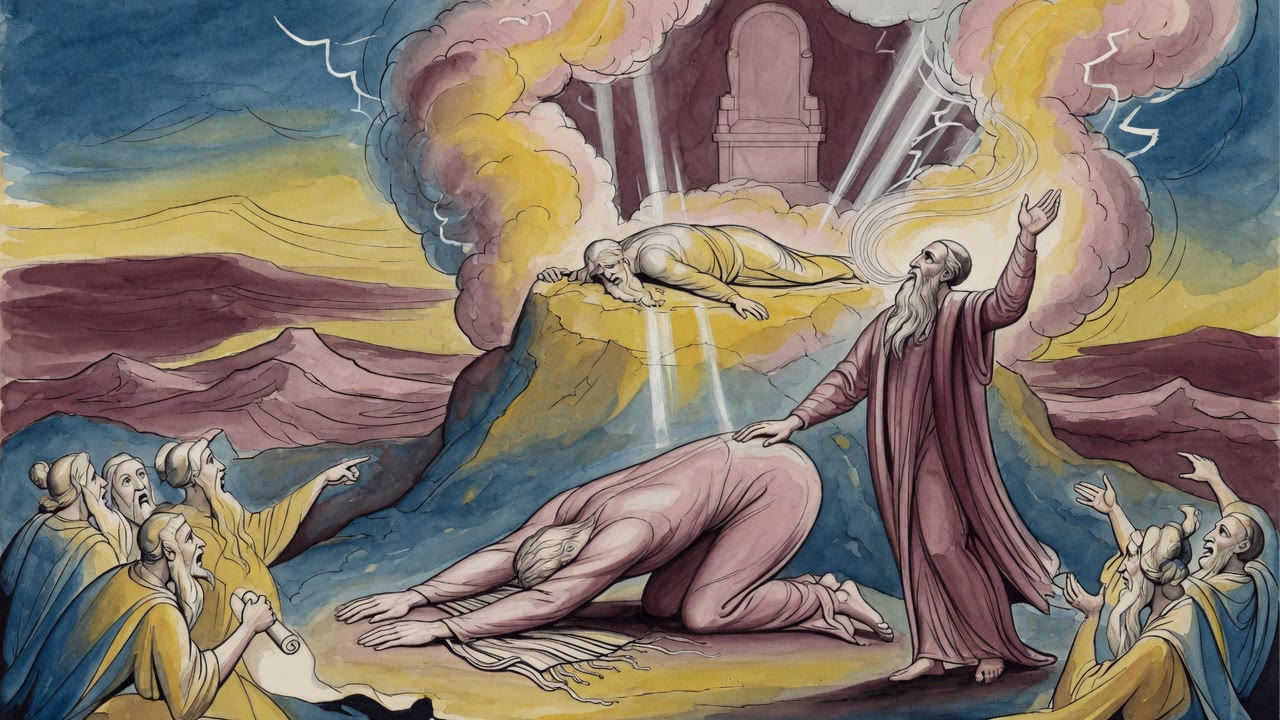
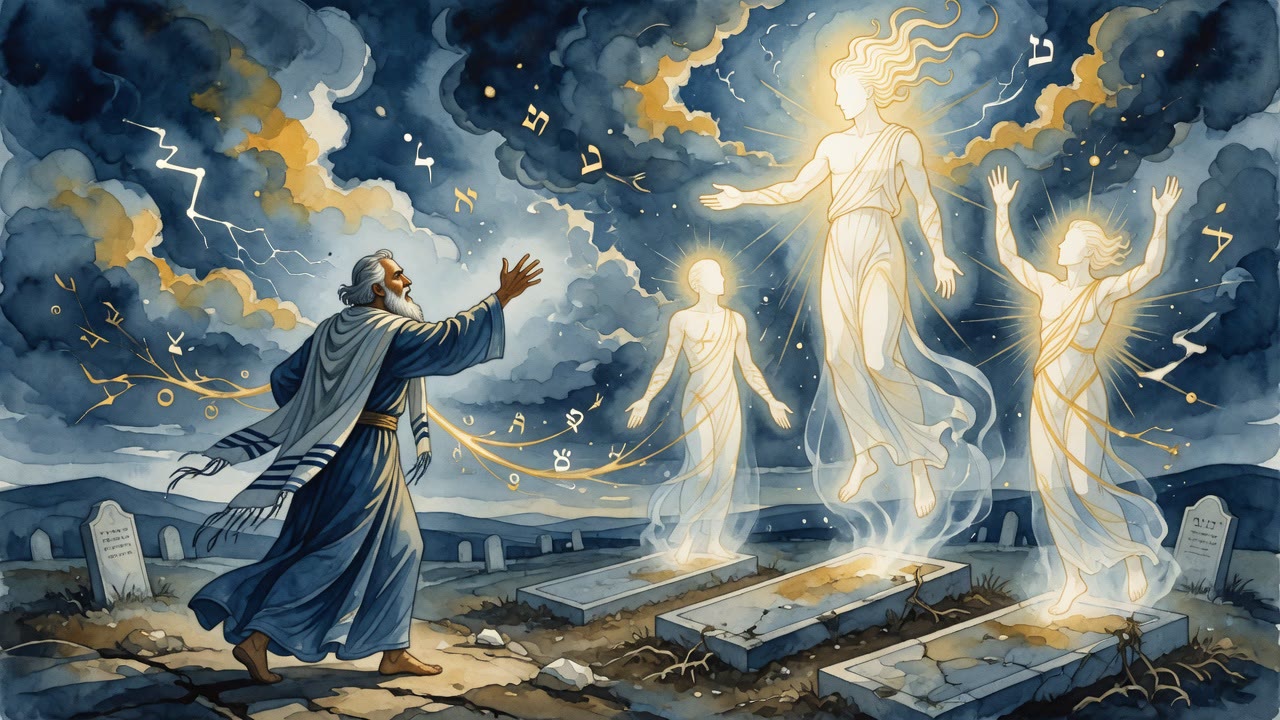
Nakdimon went to the Temple. He wrapped himself in his prayer shawl and stood in the courtyard and prayed. In some versions of the story there are three wells, not twelve, and in some the amount owed is different, but the shape of the moment is constant: a man who has staked everything he has on the sky's cooperation, standing alone in a sacred space at the hour when the sky shows no sign of moving.
The clouds came. The rain fell. By evening the twelve cisterns were full. Nakdimon walked to the gate. The Roman official came out of the bathhouse and met him. "The cisterns are full and there is rain left over," Nakdimon said. "Pay me for the surplus." The Roman refused. The day was over when the rain came, he said. It came after sunset, after the legal deadline, and the debt stood. Nakdimon turned and went back to the Temple.
When the Sun Came Back
He prayed a second time. And the clouds parted. The sun came back. Not the next morning's sun but the same day's sun, reversing its course, filling the western sky with the light of an afternoon that had already passed. The deadline was not yet over. The day the Roman had declared finished was still, by the sun's own testimony, open. Nakdimon walked to the gate and collected his surplus.
The Talmud preserves a detail that the Roman did not let the moment pass without a challenge. He told Nakdimon that the cloud cover was what had made it seem like the sun came back, that the apparent miracle was a meteorological trick. Nakdimon, who had already had his day extended by the sun itself, did not argue. He had his money.
The Name and What It Cost
His name, Nakdimon, meant light, the one who made the sun shine. It was given to him, the tradition says, precisely because of this event. He had been born with a different name. The miracle renamed him.
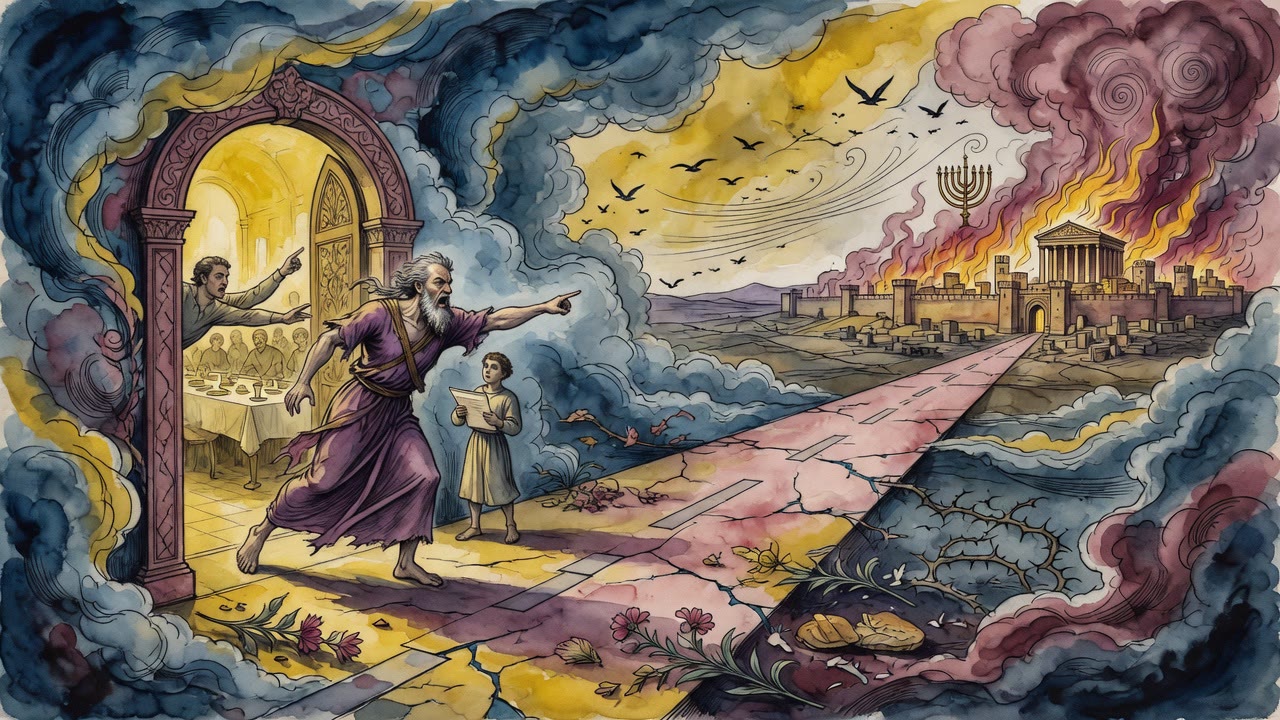
The other half of his story belongs to a later generation. After the Roman siege of Jerusalem in 70 CE, Nakdimon's family was destroyed along with everything else. Rabbi Yochanan ben Zakkai, surviving the catastrophe, encountered Nakdimon's daughter picking grain from between the hooves of Roman horses. She had been one of the richest women in Jerusalem, raised on carpets laid in the street so her feet would not touch bare ground, her marriage contract specifying hundreds of thousands of dinars. The man whose prayer had held back the sunset could not hold back the empire. What the miracle gave, the empire took.
← All myths