The Nine People Who Walked Into Eden Without Dying
Serach sang Jacob the news that Joseph was alive, easing it in so the joy would not stop his heart. Jacob blessed her: that mouth would never taste death.
Table of Contents
Death is not negotiable. Every king who ever ruled, every prophet who ever heard God speak directly into his ear, came at last to the same summons. Moses himself died on the mountain, with the full presence of God watching him go. The angel of death does not lose track of people.
 Click for full size
That is why the list is so strange.
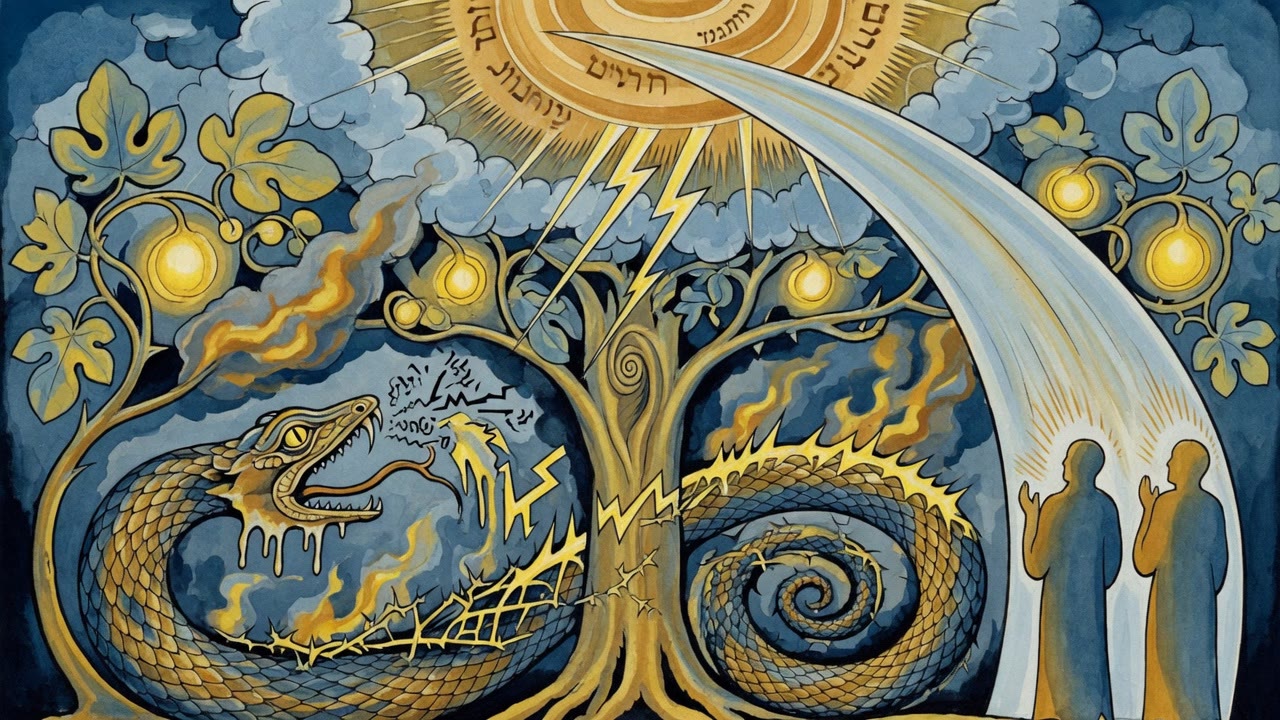
Tucked into the tradition is a short roster of human beings who never received the summons at all. Nine of them. Not souls after judgment, not spirits. Nine people who walked into the Garden of Eden in their own bodies and kept walking, past the flaming sword, past the boundary where everything else ends.
Nine Names, Read Aloud
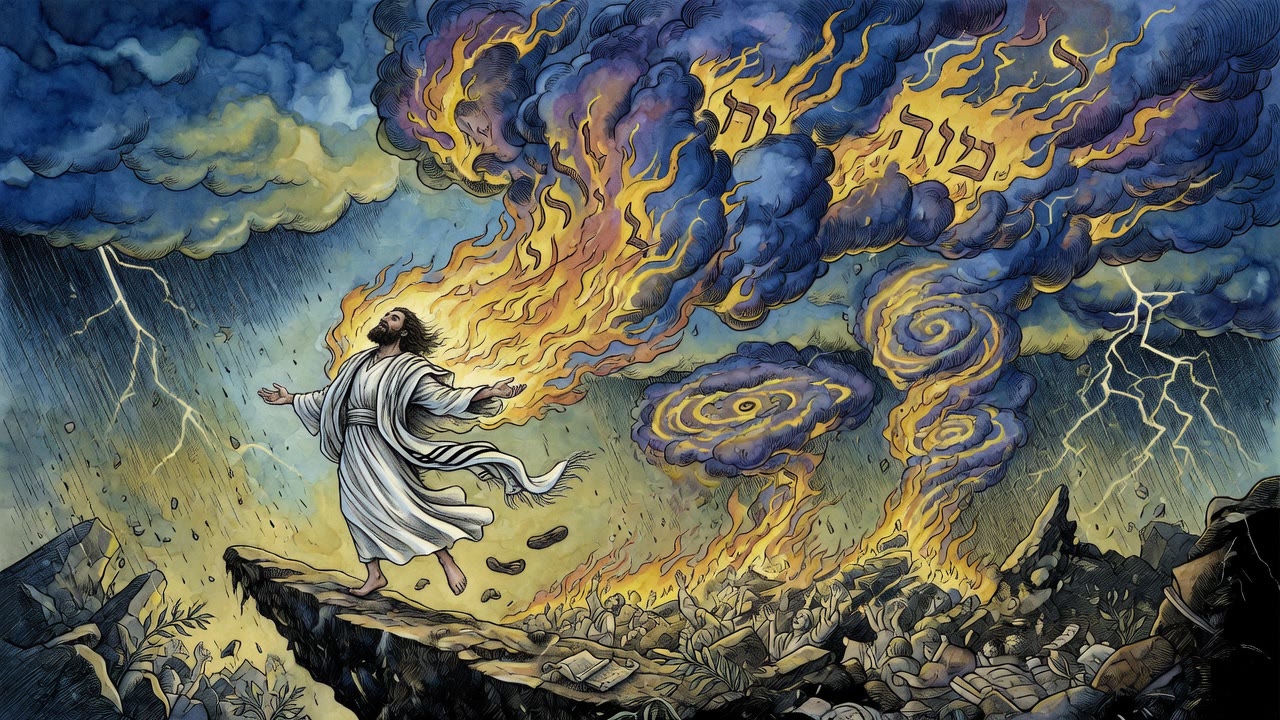
Read the roll and the names land in an odd order of fame. Enoch, who walked with God and was not, because God took him (Genesis 5:24). Elijah, who went up in a chariot of fire and never came down. Eliezer, the servant who found Isaac a wife. Serach bat Asher, who carried four hundred years of memory through Egypt. Bitya, Pharaoh's own daughter. Eved-Melech the Ethiopian, who hauled a prophet out of the mud. Yabetz, a scholar so quiet the Bible barely pauses on him. Hiram, king of Tyre, who sent cedar for the Temple. And one name the list hardly dares to write: the Messiah, waiting behind the gate until his hour.
That is one copy of the list. Other rolls trade two names away and write in Rabbi Yehoshua ben Levi, who tricked his way over the wall of paradise, and a creature that is not human at all: a bird that once refused a piece of fruit. The names shift from copy to copy. The number nine does not.
The Righteous and the Borrowed Righteousness
Enoch's case is the simplest. He was the most righteous man of his generation, and the Torah marks his end with a sentence that refuses to say "died": he walked with God, and he was not. God took him, and the text never explains what taking means. Perhaps it does not need to.
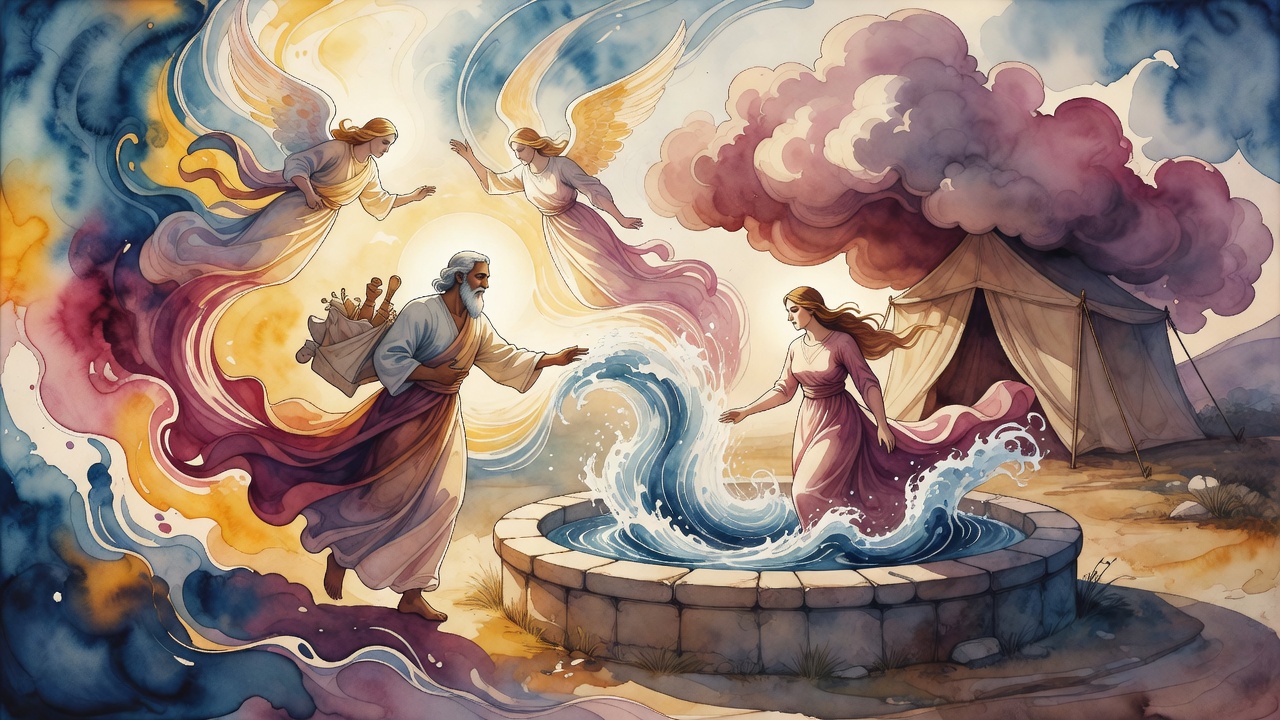
Eliezer should never have qualified. He descended from Ham, Noah's cursed son, and by every rule of ancient lineage he carried that curse in his blood. What he did instead was hand his whole life over to Abraham's household, down to the ten-camel errand of finding Isaac a bride at a distant well. He became righteous by proximity, by a devotion so complete it dissolved the inheritance. The curse could not hold a man who no longer belonged to it.
A Song, a River, a Rope of Rags
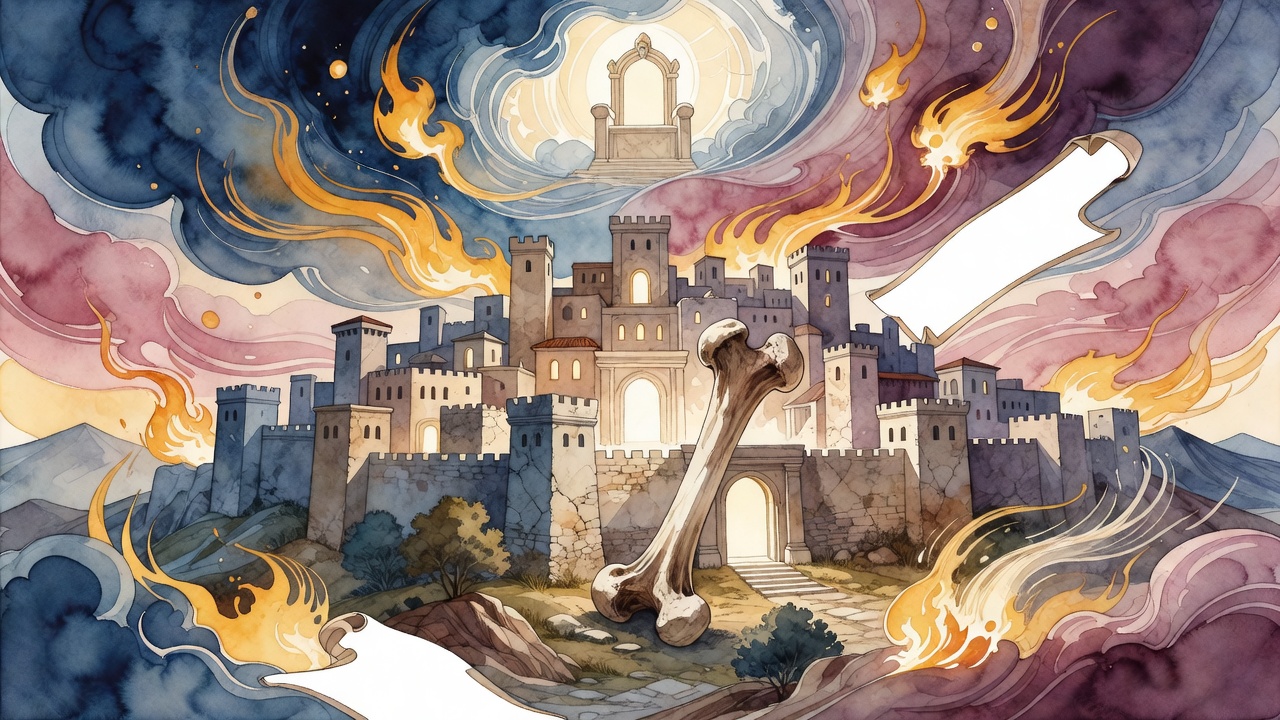
Serach earned her place with music. When Jacob's sons came back from Egypt shouting that Joseph was alive, the family faced a problem with no gentle side: their father was old, and joy that large can stop a heart as surely as grief. So Serach, Asher's daughter, sang the news to him, easing the truth into his ears in melody so the gladness arrived before the shock. Jacob blessed her for it: the mouth that told him his son lived would never taste death. She was still alive four centuries later to show Moses where Joseph's bones lay sunk in the Nile.
Bitya reached into a river her own father had turned into a graveyard. Pharaoh had decreed every Hebrew boy drowned in the Nile; his daughter waded in and lifted one out and named him Moses. For that single reach against her father's law, an Egyptian princess was written into paradise, so that no one could ever say her goodness went unpaid.
Eved-Melech's deed was almost as small and just as heavy. When the prophet Jeremiah lay starving in a mud pit in besieged Jerusalem, this Ethiopian courtier begged the king for his life, then lowered down old rags and worn-out cloths and told the prophet to pad the ropes under his armpits so the cords would not cut him. A bundle of rags, and a door in Eden opened for it.
The King Who Could Not Stay
Yabetz holds the quietest seat on the list, remembered for a prayer and for nothing scandalous at all. Hiram, king of Tyre, holds the loudest. He had floated cedar down the coast for the Temple of Solomon, and for that service he was let in alive. For a thousand years he sat in paradise. Then he began to believe the garden was his due, and said in his heart, "I am a god" (Ezekiel 28:2). Eden ejected him. The only man ever thrown out of paradise after entering it alive fell all the way to Gehennom, which is its own kind of record.
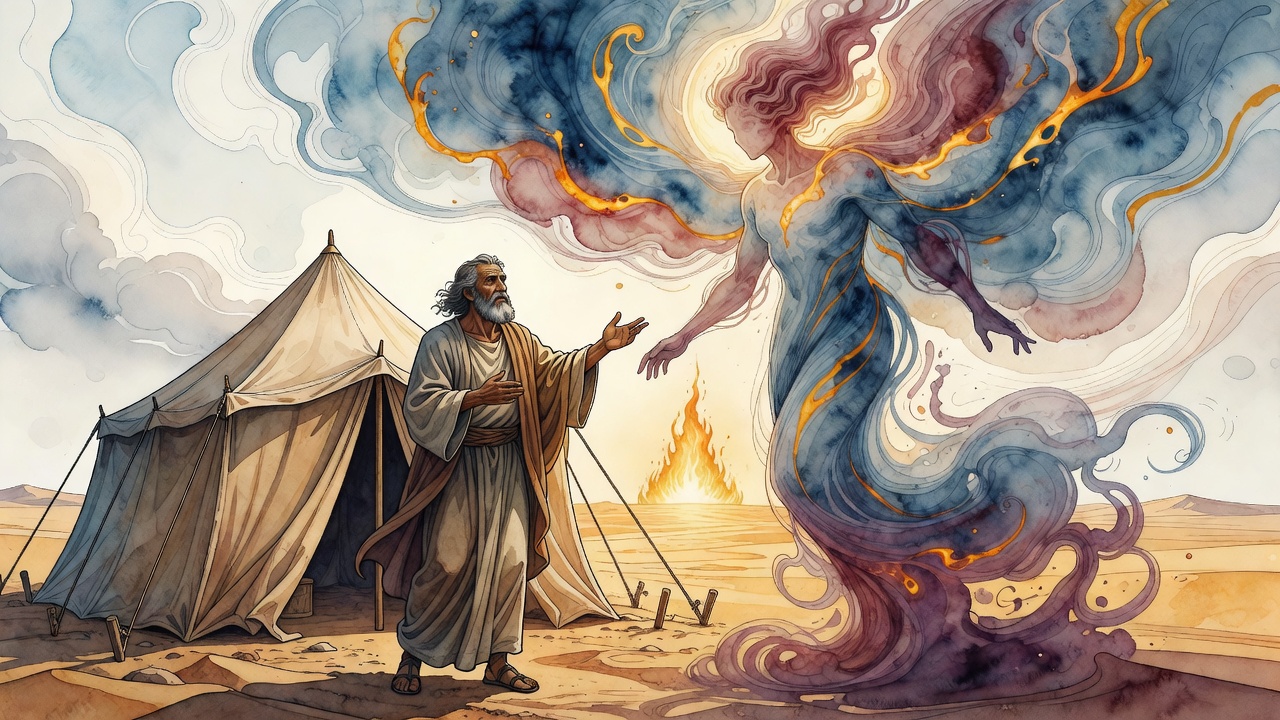
And Rabbi Yehoshua ben Levi, in the copies that name him, did not wait to be invited. He asked the angel of death for a look at the Garden's outer wall, and asked to hold the angel's sword on the way, for safety. At the gate he jumped, sword and all, and landed inside. The angel screamed loudly enough to shake the world, but God let the theft stand. It took seven years to talk the sword back out of the rabbi's hands.
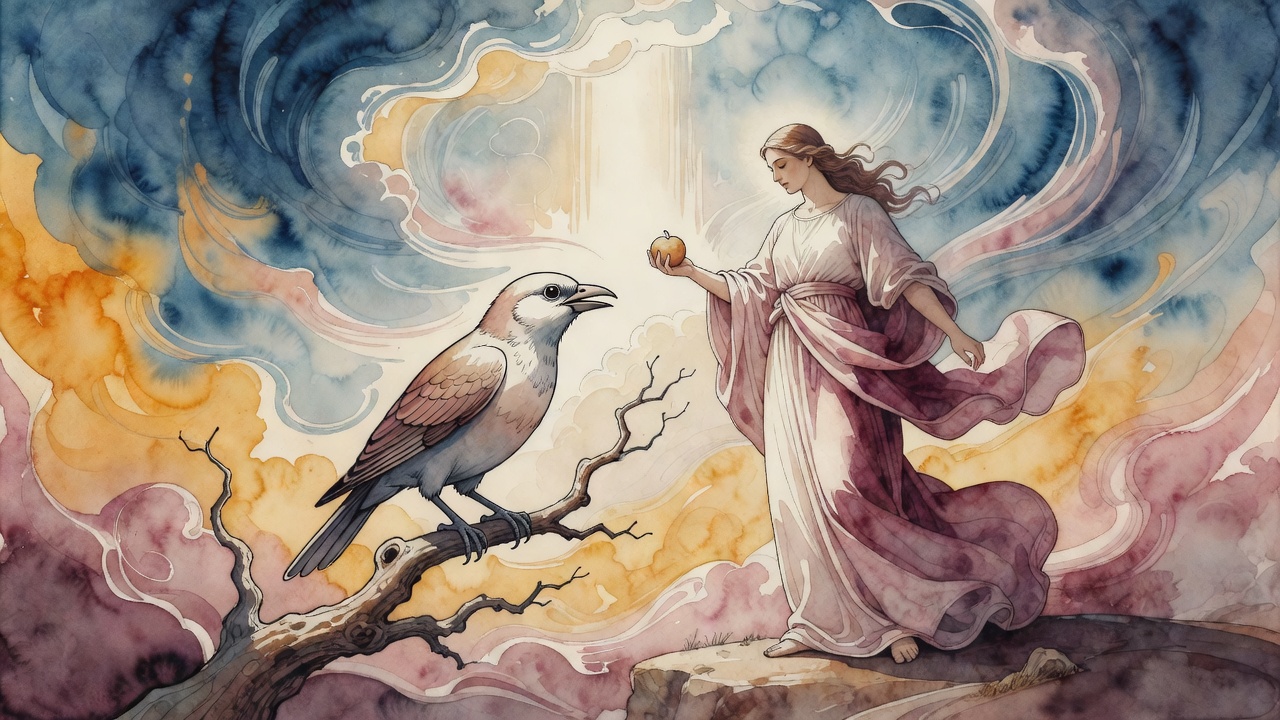
The bird is called Malchas. When Eve ate from the tree, she went creature to creature handing out the fruit, spreading the sentence of death to everything that took a bite. Malchas would not. "Now you come to make me sin too?" A voice from heaven answered the refusal, and the one animal that kept its beak shut against Eden's fruit was granted Eden itself, without the dying.
What Leaks Back Out
A wall that living feet can cross nine times is not a wall. It is a membrane, and it leaks in both directions.
An apple leaks out of it, carried in one telling by Elijah, the member of the nine who crosses most freely. The fruit smells like the world before the first sin, and it heals whoever it touches, with one sharp rule stitched into its skin: it cannot be kept. A man who hid it in a cupboard against his own old age found a shriveled brown thing where the miracle had been. Pressed to a stranger's fevered child, asked for nothing, it never ran out. Hoard the Garden and it dies in your hand. Give it away and it refuses to be used up.
Pearls leak out too. The Pishon, the river the old verse says winds through a land of gold, rolls Eden's pearls downstream and into the world's water. When Israel stood trapped at the Sea of Reeds with Pharaoh's chariots closing in, the water threw pearls and precious stones onto the shore, and former slaves bent down and filled their hands with the treasure of Eden on the worst morning of their lives.
The Two Roads Into the Garden
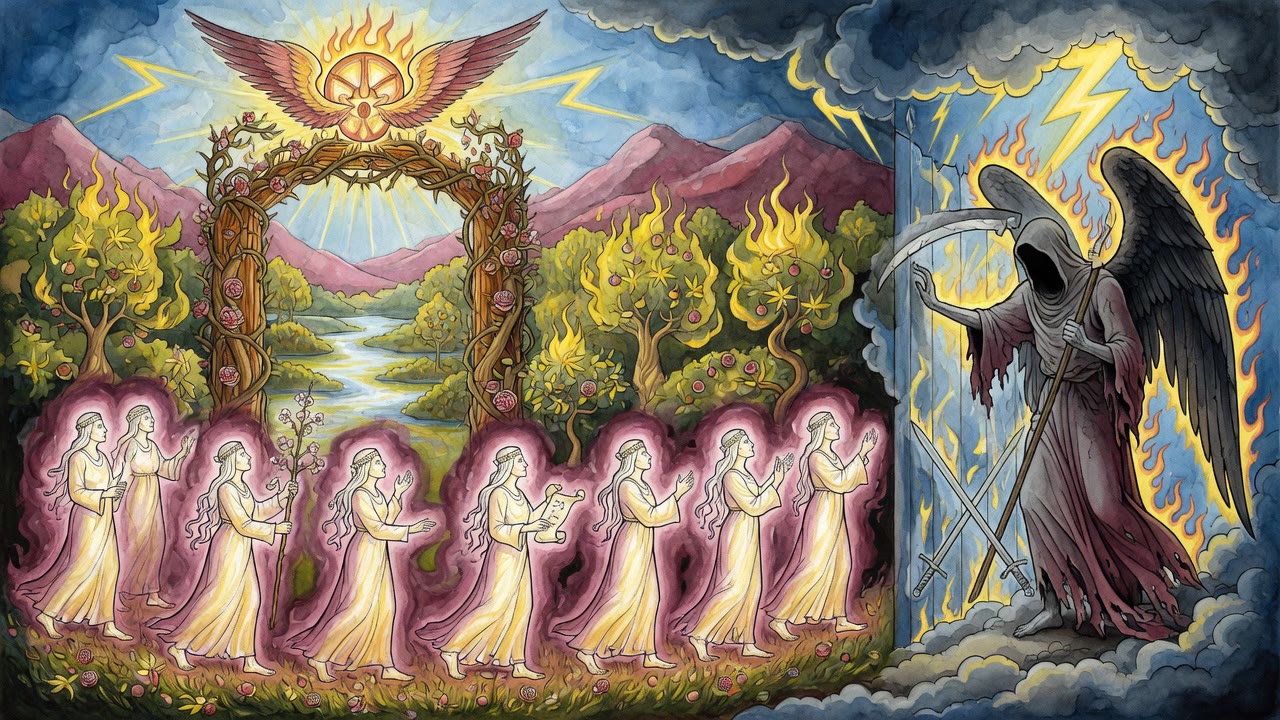
Everyone else takes the other road. The righteous dead come to Eden stripped of their bodies, escorted by columns of angels, and at the threshold the archangel Michael stands to say the words of welcome. That is the ordinary traffic of paradise, if the word ordinary can hold such a procession.
The nine took no escort. No angel carried them; one angel was robbed on the doorstep. They came on foot, breathing, warm, past the sword that turns every way, and the sword let them pass. The angel of death never lost them. They found the one door he was not guarding, and the door, nine times, was open.
← All myths