Shadad Ruled a Million Provinces and Still Died
Solomon finds a silver plate deep in a statue that speaks of Shadad ben Ad, who ruled a thousand thousand kingdoms and vanished at a touch.
Table of Contents
The skull was floating face up when Solomon came on it, turning slowly on the surface the way a thing turns when nothing is holding it. He did not have it fished out. He spoke to it where it lay. "Because you drowned others, they drowned you, and the ones who drowned you will be drowned in their turn."
 Click for full size
He had a saying he liked to put next to that. A man's feet are his guarantors, and they carry him to the place where he is wanted, whether or not he has been told the address.
He believed it right up until he tried to get around it.
The Angel with the Worn Face
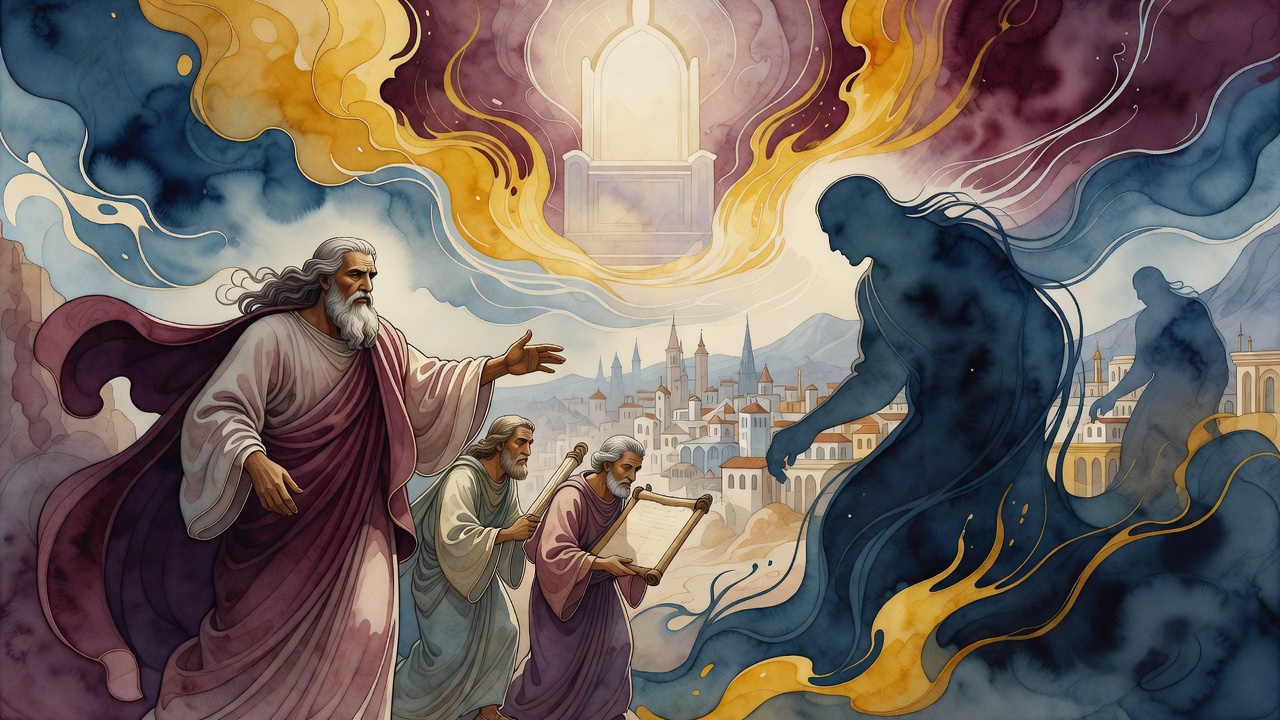
The Angel of Death was standing about the palace looking miserable, so Solomon asked him what the trouble was.
"They have asked me for those two who sit here," the angel said. He meant Elihoreph and Ahijah, the sons of Shisha, Solomon's own scribes, the men who wrote his letters and kept his records and who were sitting in that room while it was said.
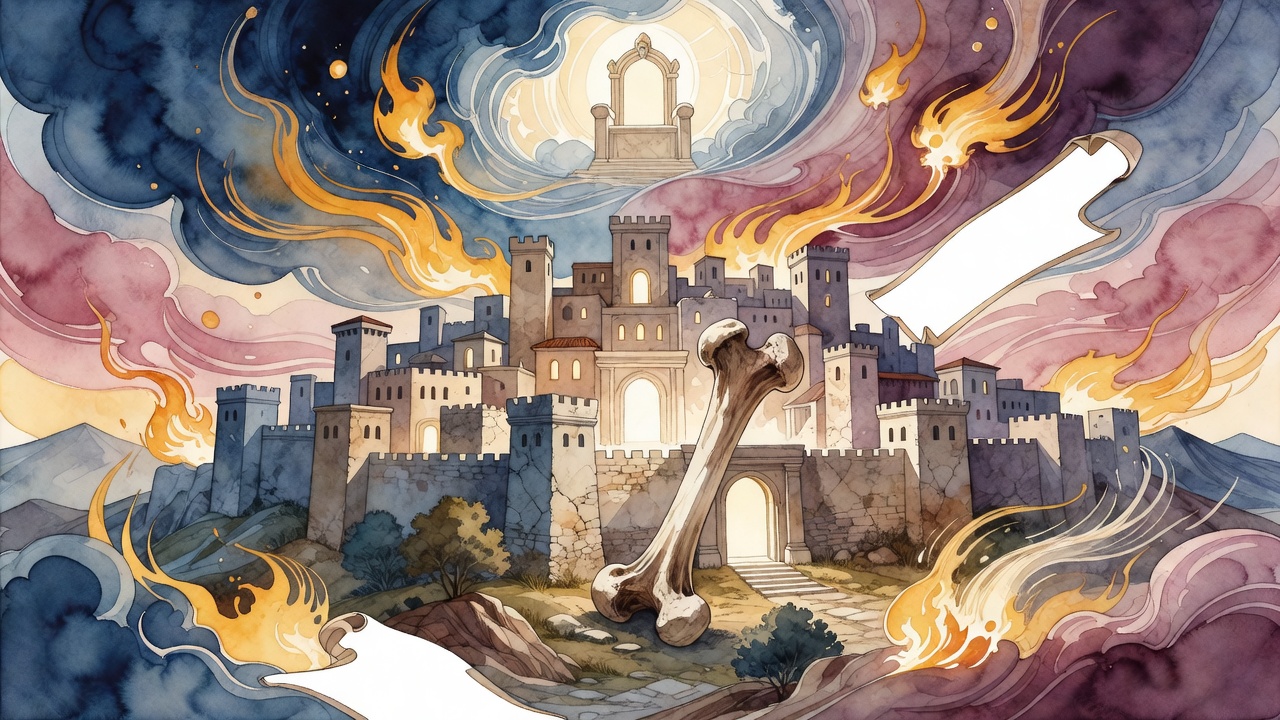
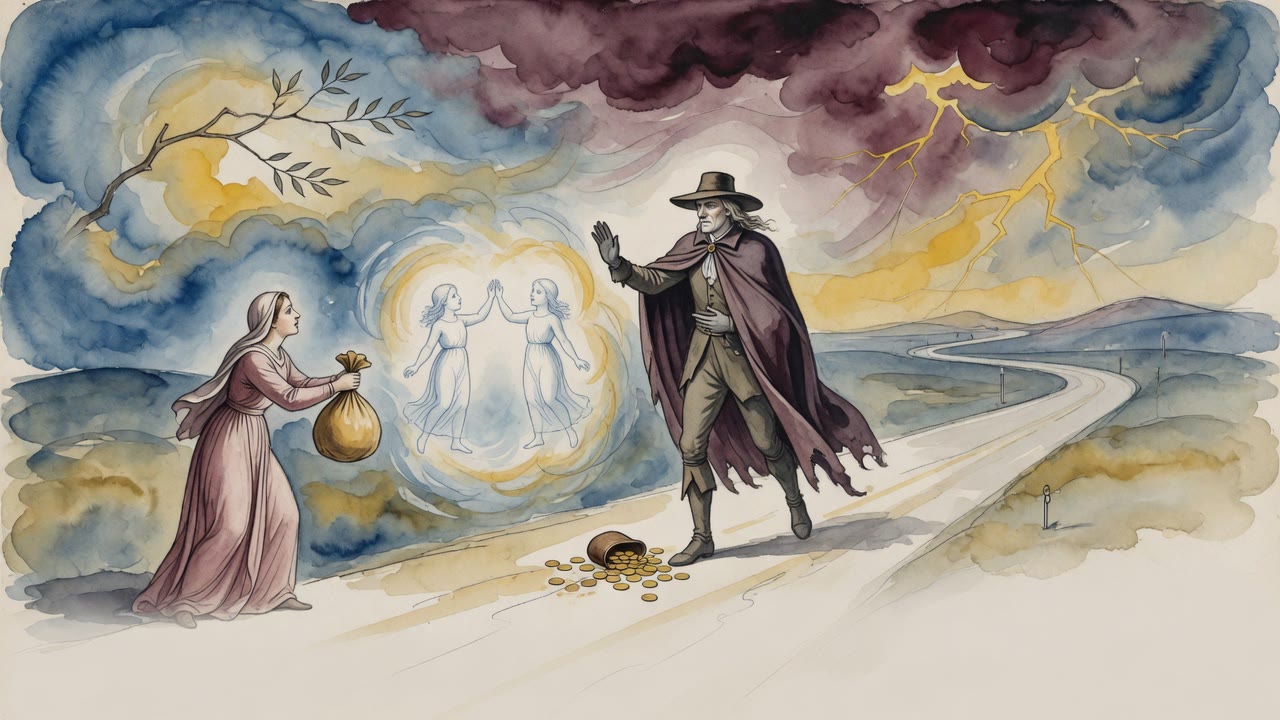
Solomon did not argue, because there is nothing to argue about with him. He went around him instead. There is one town on earth where the Angel of Death has no power, a place called Luz, and Solomon had demons at his disposal who could cross that distance faster than a man can finish giving the order. So he gave the order. Take these two to Luz.
The Gates of Luz
The demons had them there before the dust in the courtyard settled.
They set the two scribes down at the gates of Luz, inside the only borders in the world the angel cannot enter, and at that moment both men died.
The next day the angel came in cheerful, which Solomon had never once seen, so he asked about that too.
"In the very place they were wanted from me," the angel said, "there you sent them." He had been handed two men to collect and no way of getting either of them to the spot where they were owed, and the king had solved it for him overnight, with demons, at speed, and had thanked nobody for the favor because he thought he had won.
Solomon opened his mouth and said his own saying back to himself. A man's feet are his guarantors. They carry him to the place where he is wanted.
The Statue That Called for Help
There were chambers Solomon walked through afterward with writing on their walls, and the writing did not flatter him. Son of man, do not let time deceive you, since you must wither and leave your place and go rest in the bosom of the earth. Do not rush; move slowly, because the world is taken from one and given to another. Get your food together for the road and prepare your meal while the daylight holds, since you will not stay on the earth forever and you do not know the day of your death.
In one of those chambers stood a crowd of statues, and one of them was not like the others. It looked as though it were alive. When he came near it, it shouted. "Here, you satans. Solomon has come to undo you."
The whole chamber went up in noise, stone figures crying out to each other in the dark. Solomon pronounced the Name, and the noise stopped. The statues went over on their faces. The sons of the satans ran for the sea and drowned in it, which the skull could have told them about.
The Plate in the Throat
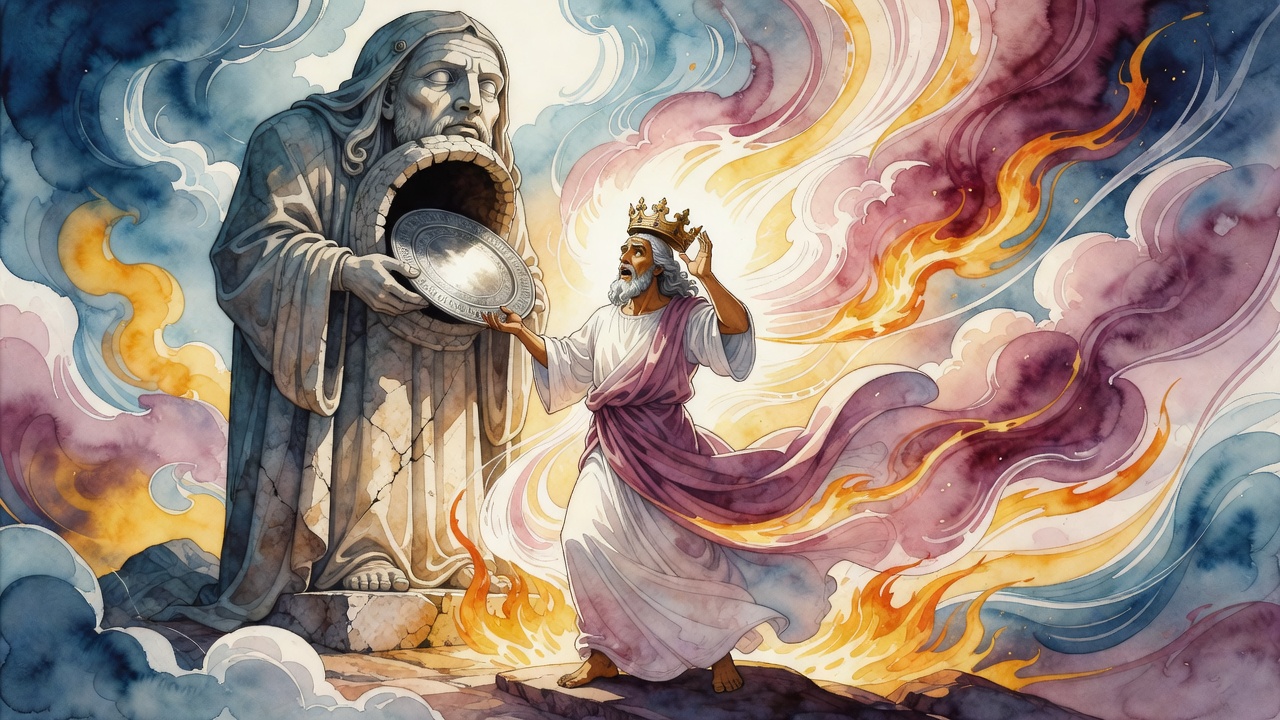
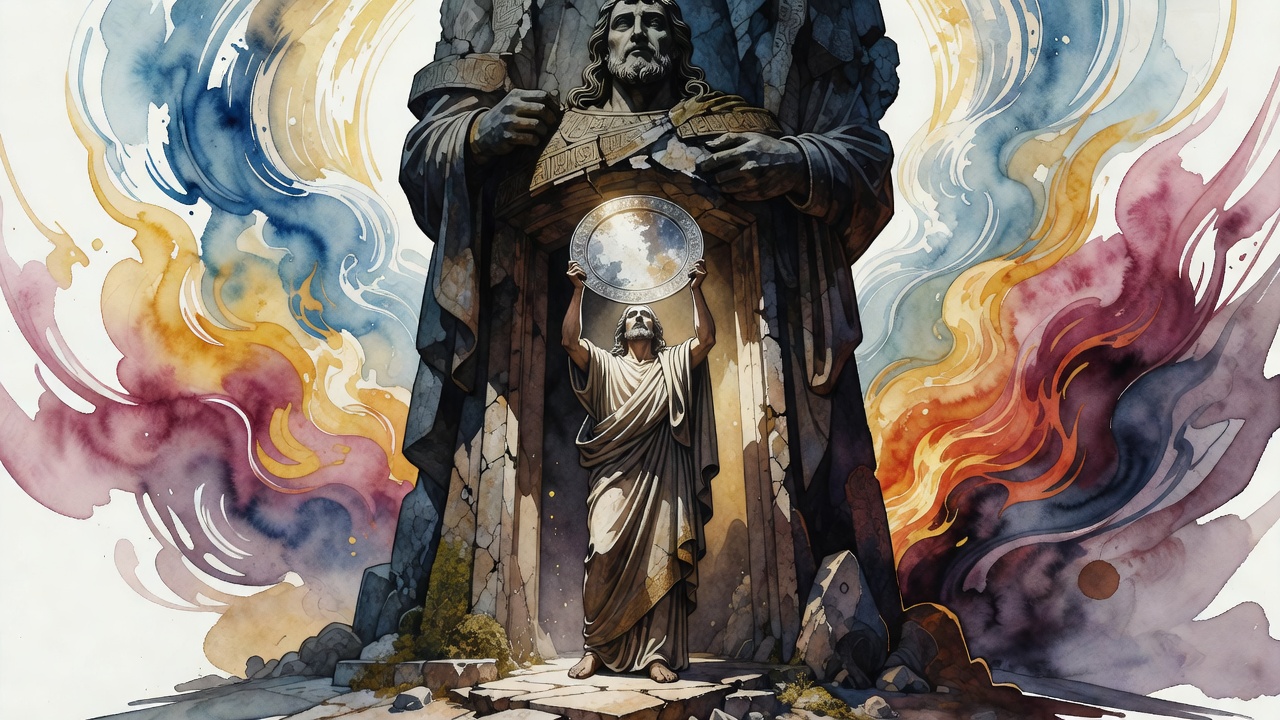
Solomon put his hand into the throat of the statue that had cried out and drew a plate of silver from it, covered in writing.
He could not read it. That was the part he should have taken as a warning, since he was the man who understood the speech of birds and the business of demons and the meaning of hidden things, and here was a strip of metal in his own hand saying something to him in letters he did not know. He sent for a youth out of the desert who could read them.
"These letters are Greek," the youth said. Then he read it out.
I, Shadad ben Ad, ruled over a thousand thousand provinces. I rode on a thousand thousand horses. I had a thousand thousand kings under me, and I slew a thousand thousand heroes. And when the Angel of Death approached me, I was powerless.
A thousand thousand is a million, and the man had used the figure four times before he came to the last sentence. A million provinces, and then one line about a visitor he could not turn away.
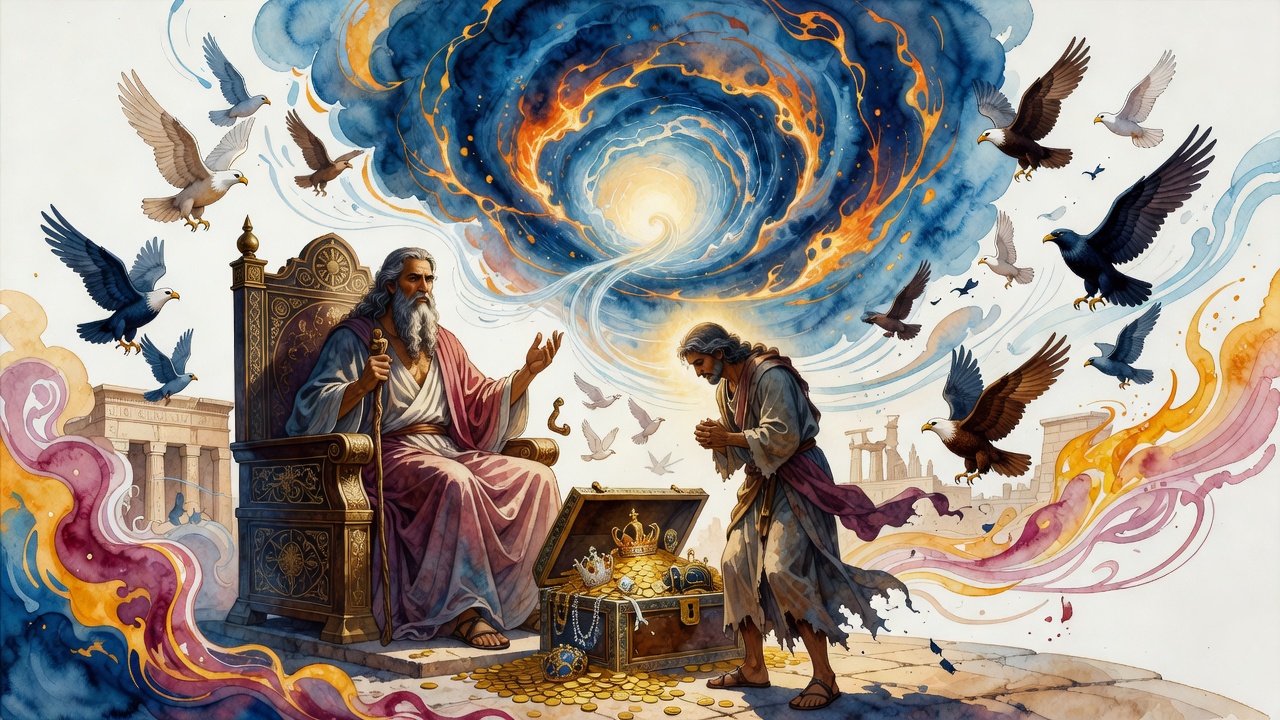
Solomon had two dead scribes, a chamber of statues lying on their faces, and a strip of silver in his hand telling him what a man with a million of everything had been able to spend when the angel came to the door. The youth from the desert waited to be dismissed. Solomon was still looking at the last line, though he could not read a letter of it.
← All myths