The Stammering Shepherd Who Cried Doom Over Beth-el
A herdsman with a broken tongue marched into Israel's golden-calf shrine and named its ruin, while the priest ran to the king to have him silenced.
Table of Contents
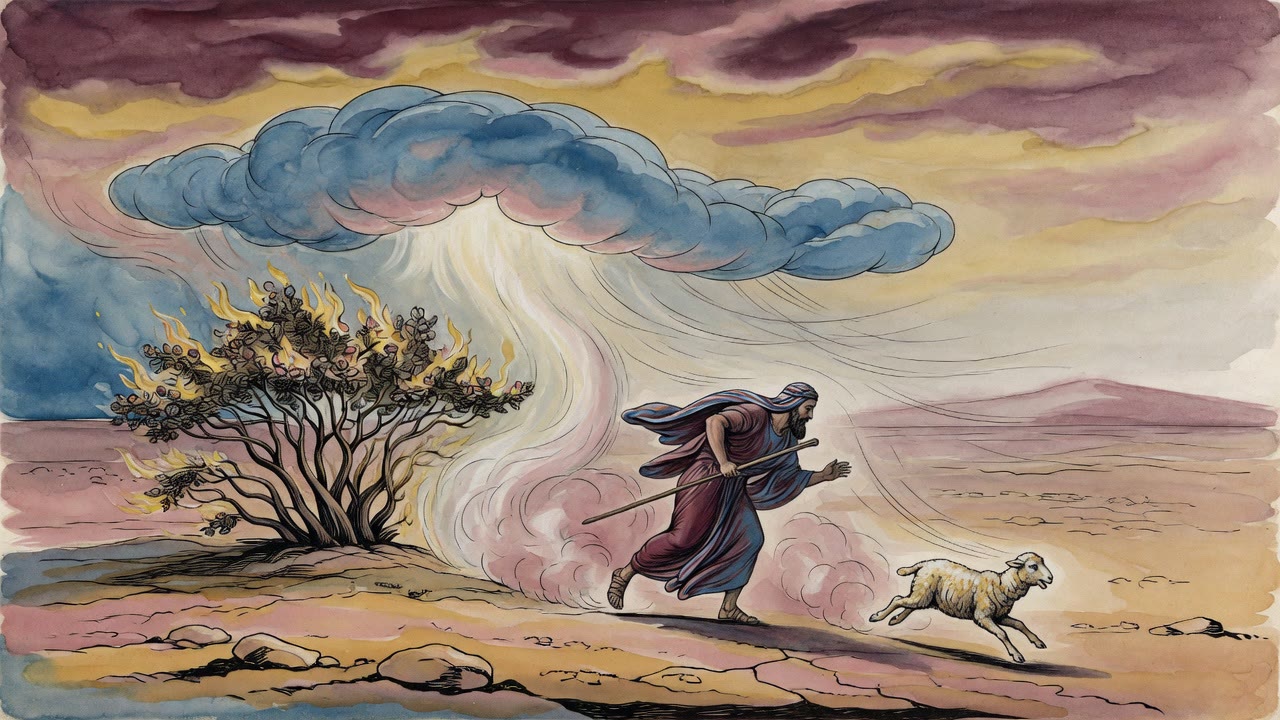
The flock did not need him that morning. He left them on the dry hills above Tekoa and walked north toward the border, a herdsman with dust on his feet and a voice that snagged on its own words. Men who heard Amos speak leaned in, then leaned back, because the sounds came out of him in pieces, broken at the edges, halting where another man's speech ran smooth. He had no school behind him, no robe of office, no father among the prophets. He had a charge, and the charge was Beth-el.
 Click for full size
A Broken Mouth Sent North
He came after Hosea and before Isaiah, in the years when the northern kingdom called itself Israel and worshipped where it pleased. Beth-el was the heart of it. Generations earlier Jeroboam son of Nebat had torn the ten tribes loose from the house of David, and to keep his people from climbing to Jerusalem he had set golden calves where they could bow closer to home. The calves still stood. The shrine still smoked. A whole kingdom had been taught that this was worship, and the teaching had held for a hundred years.
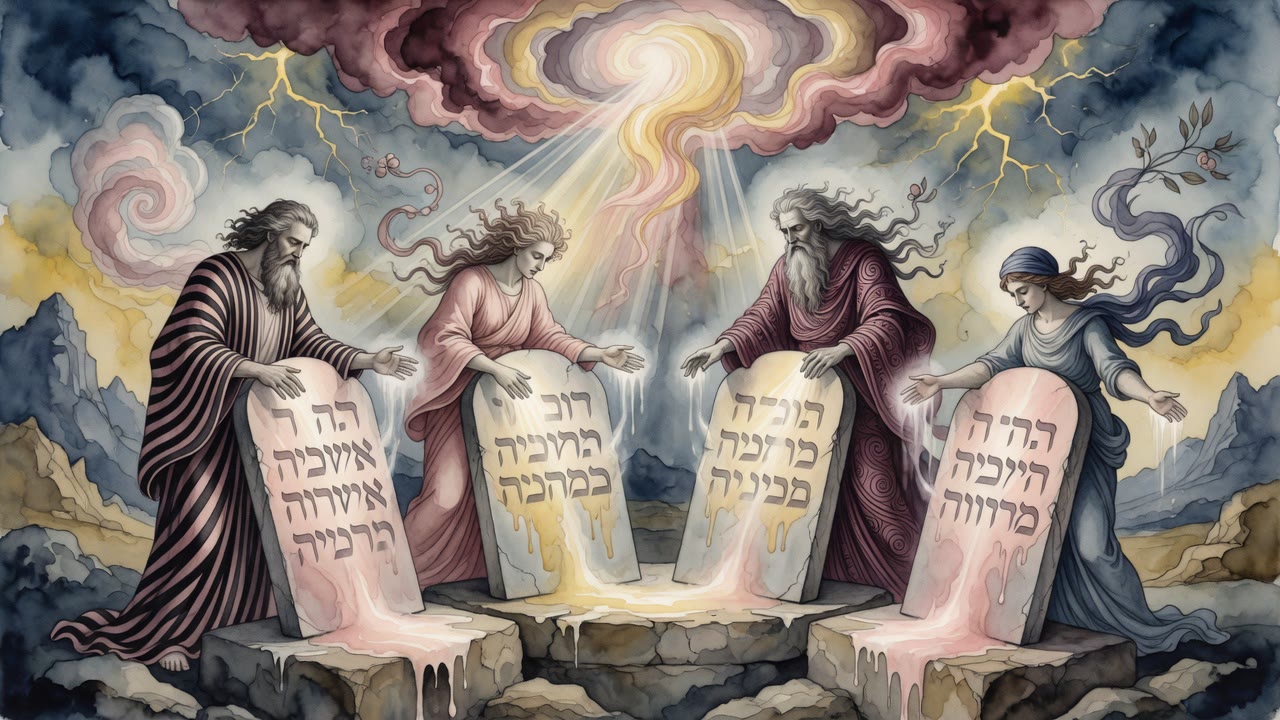
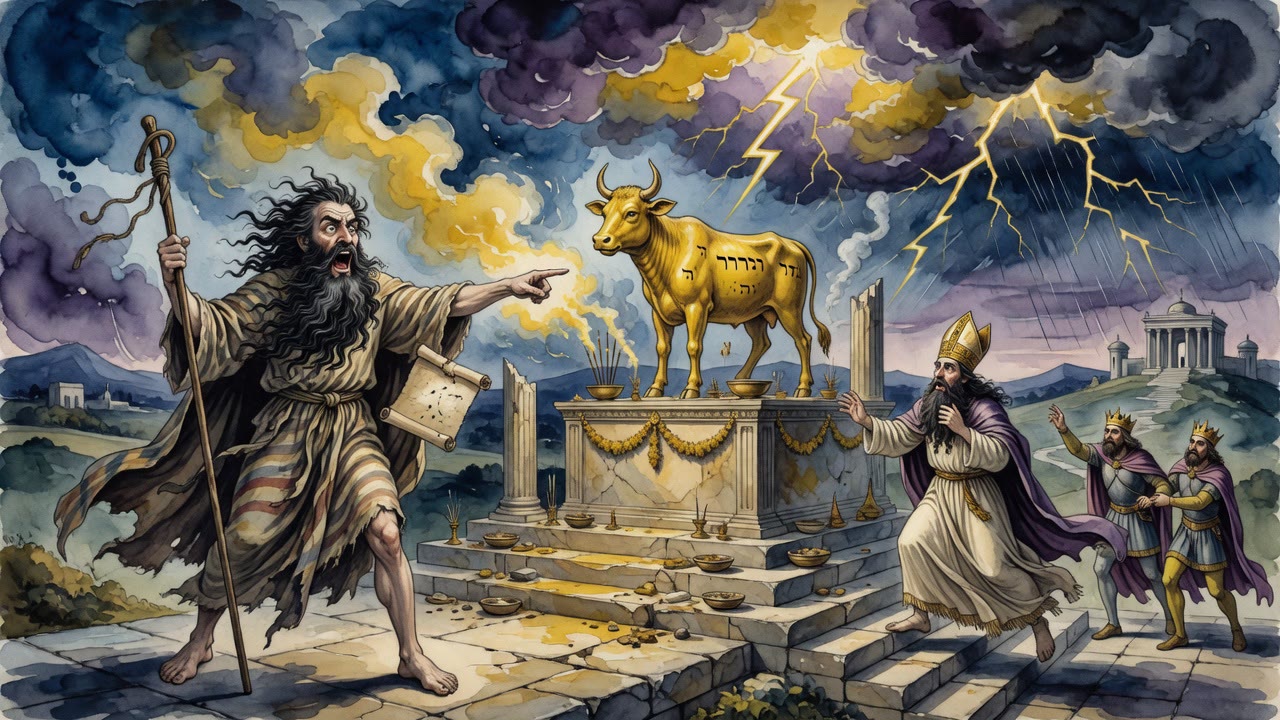
Into that town of sinful inhabitants God sent a man who could barely finish a sentence. It was a tough errand for a smooth tongue. For Amos it was harder. He stood in the shadow of the altar where the priests moved in their vestments and the incense rose in clean lines, and he opened a mouth that stammered, and out of it came fire.
The Words Came Out Like a Flaming Oven
The broken voice did not stay broken once the message began. It arrived like fire from an oven thrown open. He spoke of cows of Bashan grown fat on the backs of the poor, of judges who sold the righteous for silver and the needy for a pair of sandals, of feasts God would no longer smell and songs He would no longer hear. He told them the high places would be laid waste and the sanctuaries fall to the sword.
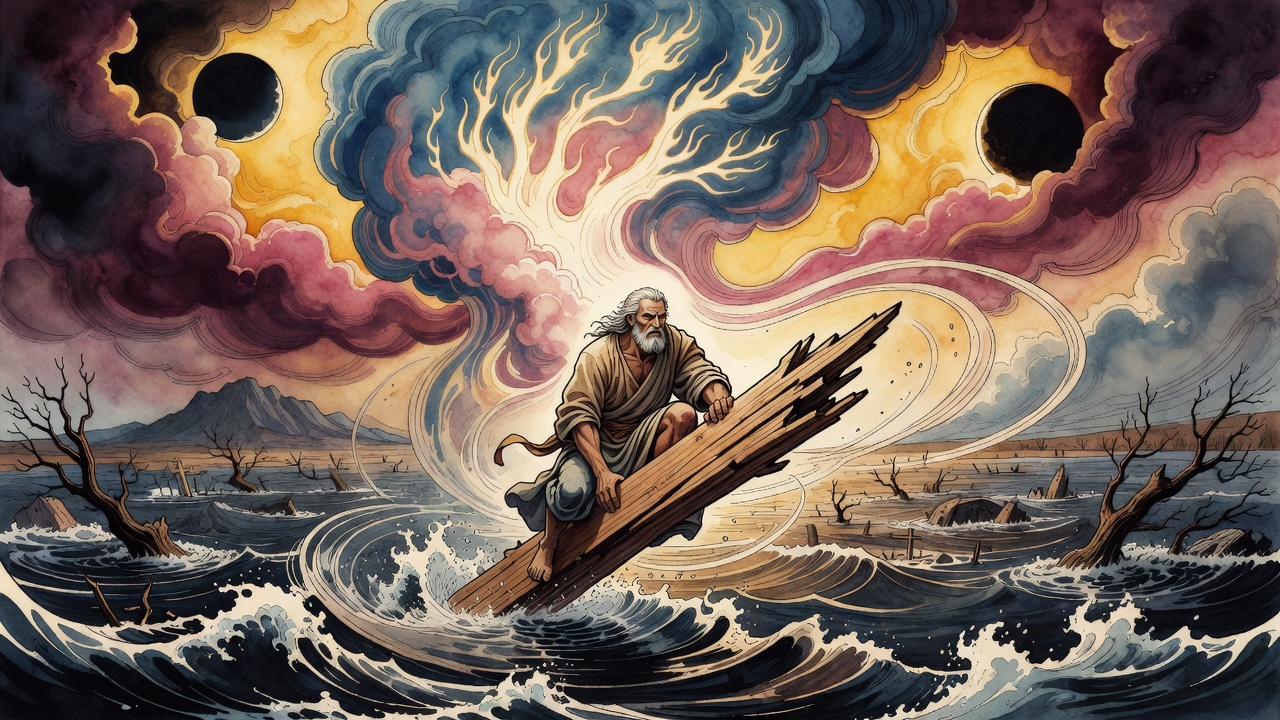
Then the visions came, and he named them as they passed. A swarm of locusts eating the late grass to the root. A fire devouring the great deep and the fields. A plumb line held against a wall already leaning, measuring how far Israel had bent from straight. Each time, Amos pleaded. Each time, the line stayed. The kingdom that thought itself rich and safe was being measured for its fall, and the measuring was done in the courtyard of its proudest shrine.
The Priest Ran to the King
Amaziah, the priest of Beth-el, had heard enough. A herdsman was standing in his sanctuary promising the end of everything Amaziah served, and the crowds were listening. So the priest did what threatened men do. He went to the throne. He carried word to King Jeroboam of Israel and laid out the charge plainly, that Amos had conspired against the king in the midst of the house of Israel, that the land could not bear all his words. The shepherd from Judah, he said, was a traitor preaching the death of the throne.
It was the easiest accusation in the world to make stick. A foreign-born man, a strange voice, words of ruin spoken aloud against the kingdom. Any king might have called for the prophet's head and been praised for it. Amaziah waited for the order.
The King Who Would Not Condemn Him
It did not come. Jeroboam, an idolater who tended the very calves Amos had cursed, refused to believe the worst. "God forbid I should think the prophet guilty of cherishing traitorous plans," he said, "and if he were, it would surely be at the bidding of God." He would not lift a hand against a man who spoke in the name of Heaven, even a man who had stood in his shrine and promised the kingdom's grave.
That small faith did not go unnoticed. The king who spared the prophet was rewarded for it. Under Jeroboam the northern kingdom swelled to a strength it had never known before and would never know again, its borders pushed wide, its enemies pressed back. The idolater who let the truth keep speaking was given peace, even as the truth he spared was the truth that named his calves a stumbling block and his shrine a ruin in waiting.
The Doom He Left Standing
So the prophet was not killed at Beth-el. Amaziah turned from the throne and went back to the man himself, ordering him to flee south, to eat his bread in Judah and prophesy there, to never again open his mouth at the king's sanctuary because it belonged to the king. Amos did not flatten before him. He was no prophet's son, he answered, only a herdsman and a dresser of sycamore figs, taken from behind the flock and told to go. He had not chosen the words. The words had chosen him.
He went, eventually. But the visions stayed behind him in the air over Beth-el, the locusts and the fire and the plumb line hanging against the leaning wall. The calves still stood. The incense still rose in clean lines. And a kingdom at the height of its strength had been told, by a man who could barely speak, exactly how it would end.
← All myths